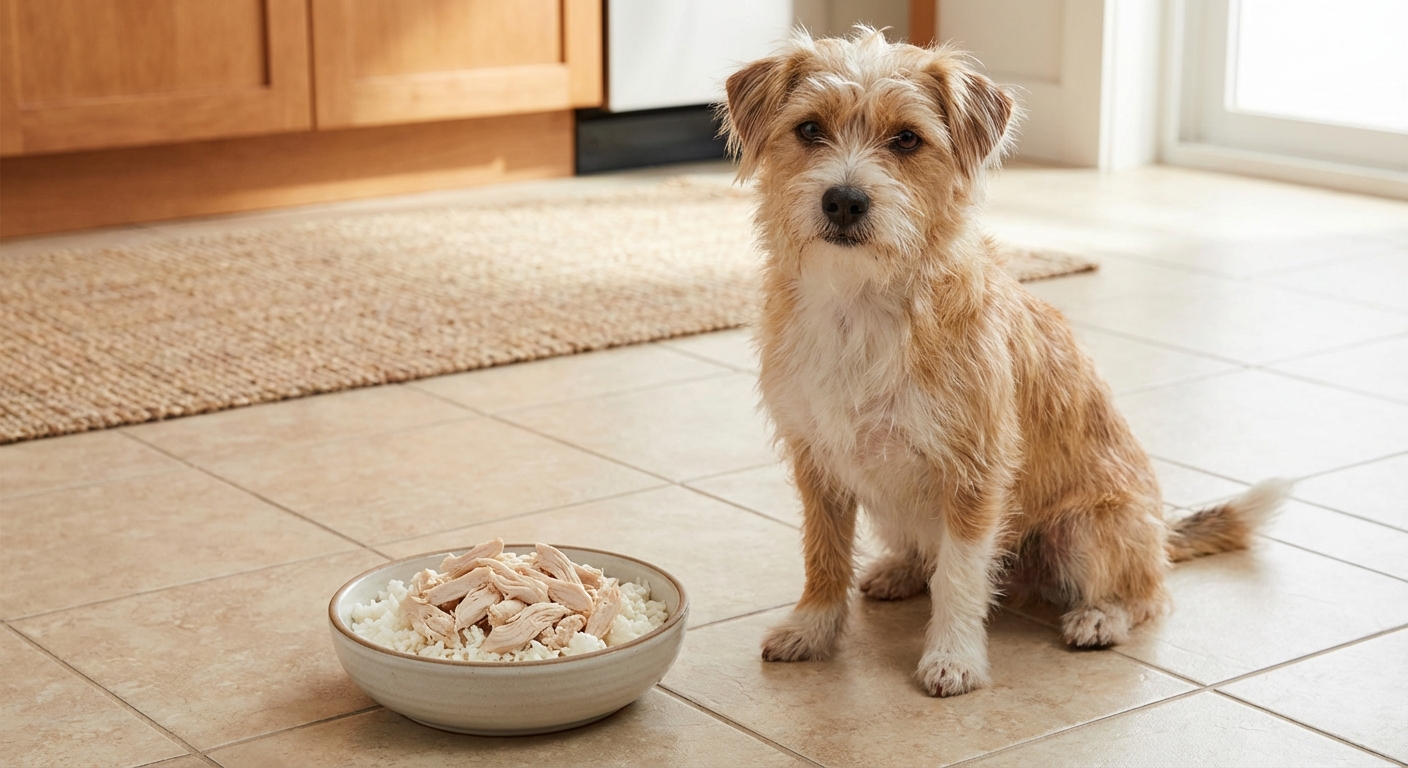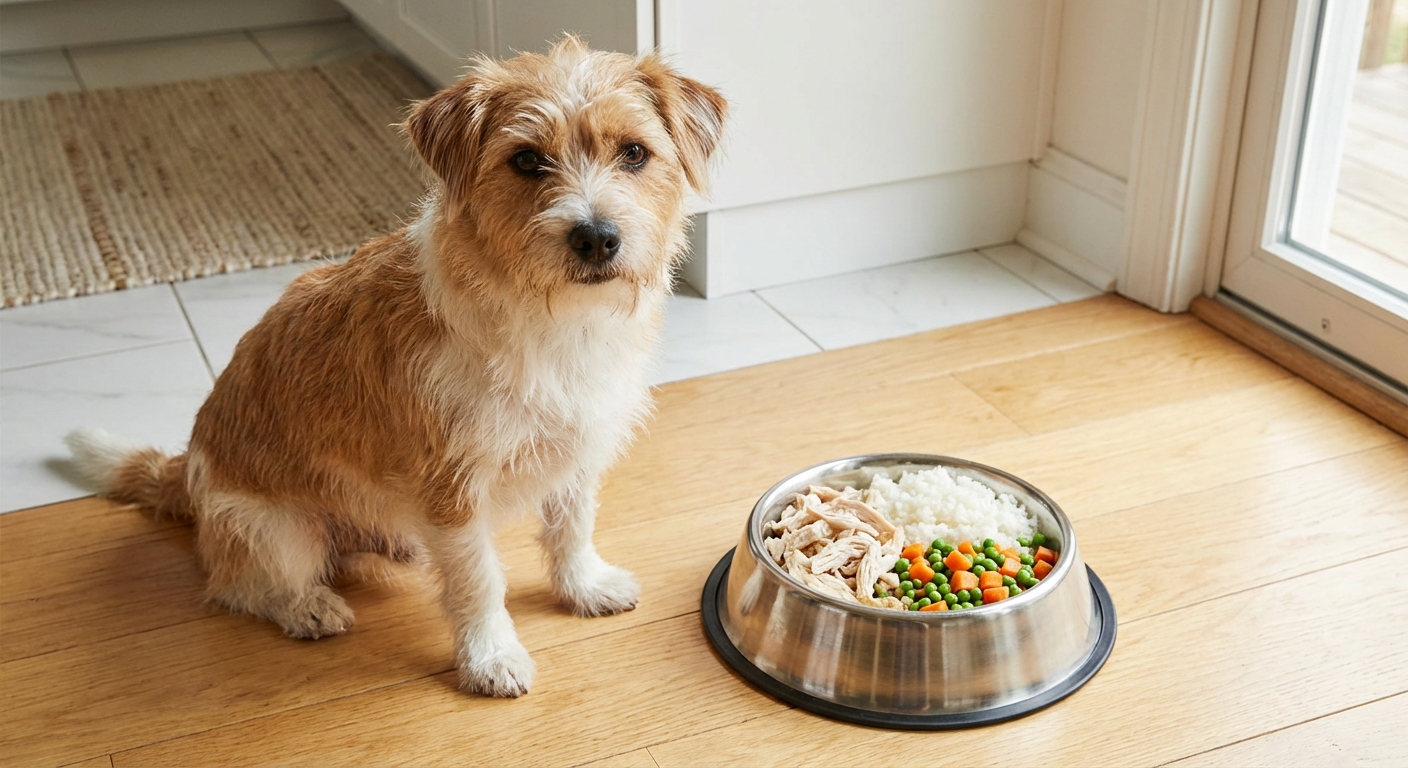
Start homemade dog food safely with this vet-informed starter plan. Learn what “vet approved” means, choose a balancer, follow a 14-day transition, and u...
Article
•
Designer Mixes
How to Stop Your Dog From Chewing Shoes

Shari Shidate
Designer Mixes contributor
Shoe chewing is one of the most common behavior complaints I hear as a veterinary assistant, and I get it. It is frustrating, expensive, and sometimes even dangerous for your dog. The good news is that shoe chewing is very often improvable with a mix of management, training, and meeting your dog’s needs. For dogs with severe separation anxiety or compulsive chewing, it can take longer and may require professional help, but there is still a plan.
Quick safety note: If your dog is swallowing pieces of shoes, laces, or insoles, treat this as a medical risk. Foreign bodies can cause intestinal blockage, which can become an emergency.
Why dogs chew shoes
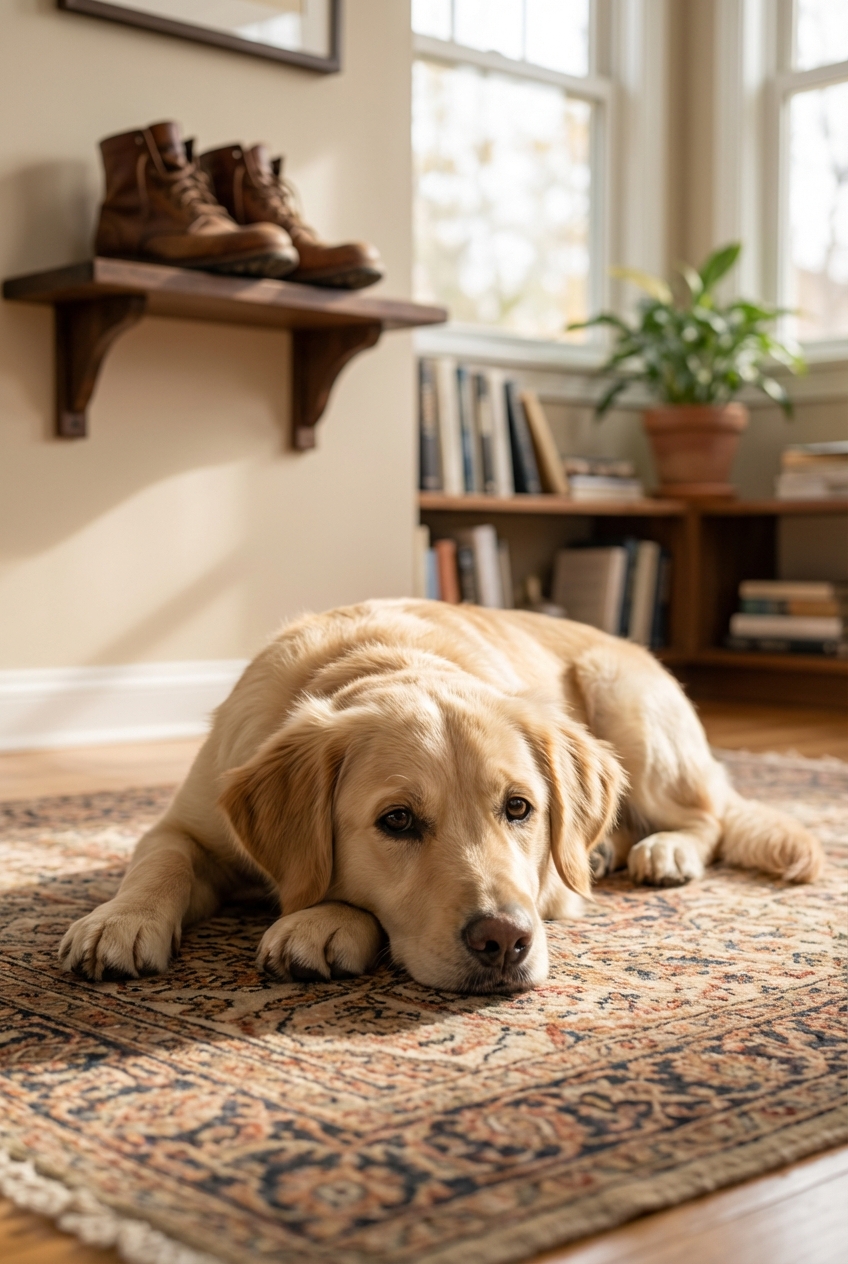
Dogs do not chew shoes to “get back at you.” They chew because shoes are rewarding. They smell strongly like you (and often like the outdoors or other interesting scents), they are satisfying to shred, and they are often left within easy reach.
- Puppy teething: Sore gums plus a strong urge to explore with the mouth.
- Boredom and under-exercise: Chewing is a self-made activity when the day feels slow.
- Anxiety or stress: Some dogs chew to self-soothe, especially during changes in routine.
- Natural chewing drive: Many breeds and mixes are simply mouthier.
- Learned habit: If shoe chewing “works” once, dogs repeat it.
If your dog suddenly starts chewing shoes out of nowhere, or if they are chewing obsessively, consider pain, stress, or a medical issue and discuss it with your veterinarian.
Start with management: stop the rehearsal
Behavior that gets practiced gets stronger. The fastest way to reduce shoe chewing is to prevent access while you build new habits.
Simple setup changes that work
- Create a shoe routine: Shoes go in a closed closet, high shelf, or lidded bin every time.
- Use baby gates or closed doors: Limit access to entryways and bedrooms where shoes pile up.
- Crate or pen when unsupervised: Not as punishment, but as safety and structure.
- Leash supervision indoors: For chronic chewers, a lightweight drag line attached to a harness can prevent sneaky grab-and-run behavior. Only use this with supervision to reduce snagging risk.
Management feels boring, but it is the foundation. You are buying time while you teach your dog what to chew instead.
Teach your dog what to chew
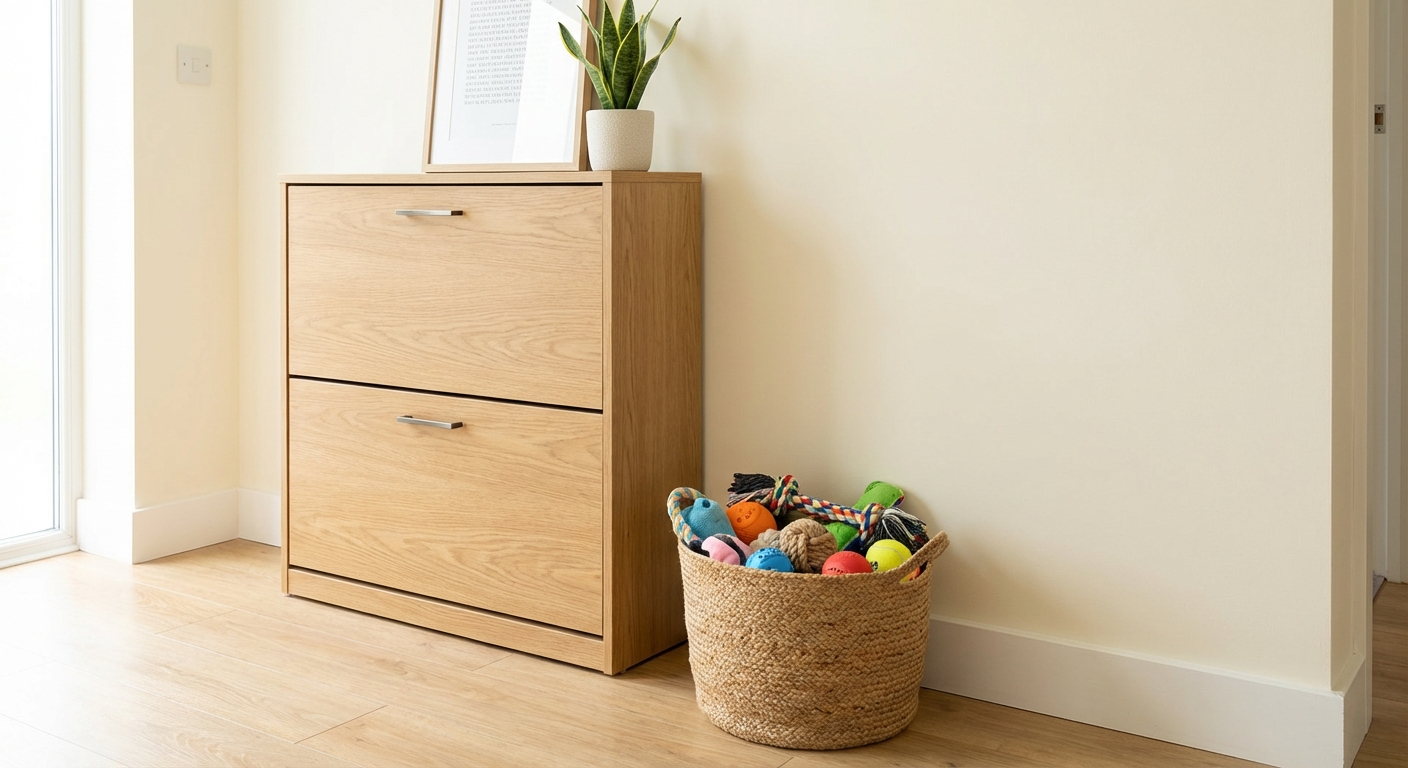
Your dog needs legal chewing options that are more exciting than shoes. Offer a small “chew menu” and rotate items so they stay novel.
Safer chew options
- Dense rubber toys (KONG-style): Great for stuffing with food and freezing. For many dogs, these are a top choice because they have some give.
- Veterinarian-recommended dental chews: Useful for structured chew time. Choose the right size and supervise.
- Nylon-style and hard plastic chews: Use with caution, especially for power chewers. Some are hard enough to fracture teeth. If your dog can quickly wear sharp edges, break off chunks, or you have ever found cracked teeth, skip these and ask your vet team what to use instead.
- Food puzzles and lick mats: Licking can be calming and tiring.
Chew safety basics: No chew is 100 percent risk-free. Choose the right size for your dog, supervise new chews, and replace anything that splinters, cracks, develops sharp edges, or breaks into swallowable chunks. Avoid items hard enough to risk tooth fractures, and avoid items that come apart easily and could be swallowed.
Make chews more valuable than shoes
- Stuff a rubber toy with canned food or plain, unsweetened yogurt and freeze it. If your dog is sensitive to dairy, skip yogurt. Always avoid products sweetened with xylitol, which is toxic to dogs.
- Sprinkle a tiny bit of your dog’s kibble into a snuffle mat for a quick scavenger game.
- Give chew items during the times shoe chewing usually happens, such as when you cook dinner or answer emails.
Train the two skills that stop shoe chewing
Training is what makes the change stick. You want your dog to reliably respond to you, even when temptation is on the floor.
1) “Drop it”
This is for when your dog already has the shoe.
- Offer a high-value treat right at your dog’s nose.
- When your dog releases the object, say “Drop it,” then give the treat.
- Give the object back briefly, then trade again. This prevents the game of “grab and run.”
Practice with toys first, not your favorite boots.
2) “Leave it”
This is for preventing the grab in the first place.
- Hold a treat in a closed fist. Let your dog sniff.
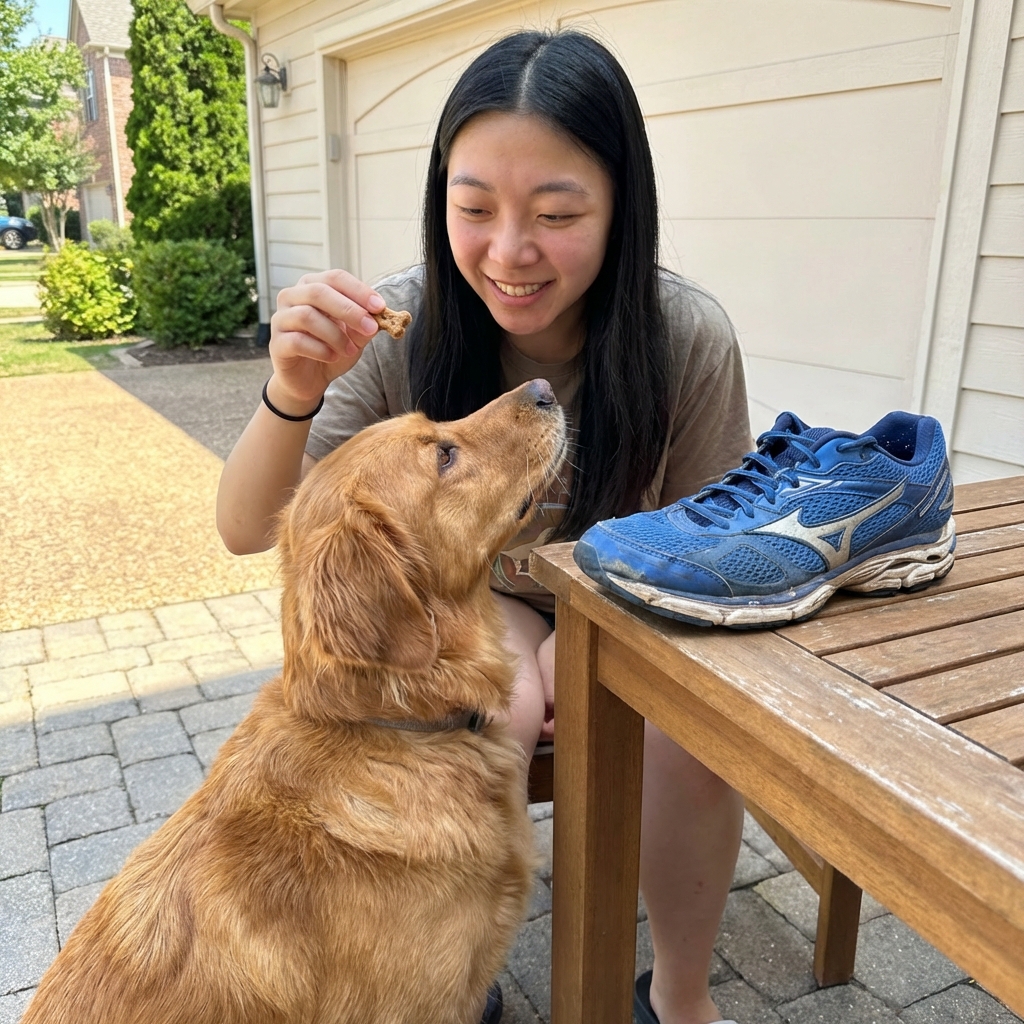
- The moment they look away, mark with “Yes” and reward with a different treat from the other hand.
- Gradually progress to treats on the floor, then to low-value items, then finally to shoes during training sessions.
Keep sessions short, upbeat, and consistent. Two minutes a few times a day is powerful.
If you catch it in the moment
If you see your dog heading for a shoe, keep it calm. Interrupt gently, cue “leave it,” reward, then immediately redirect to an approved chew or toy. The goal is to teach a better habit, not start a chase.
After the fact: If you discover a chewed shoe hours later, do not scold. Your dog will not connect the punishment to something that happened in the past, and it can increase stress and sneaky behavior. Just reset your management and give them something appropriate to chew next time.
Meet the real need behind the chewing
If management and training are in place but the urge is still intense, it usually means your dog needs more of something: activity, enrichment, calm time, or support for anxiety.
Daily needs checklist
- Exercise: Many dogs need more than a quick potty walk. Add a sniff walk, a short fetch session, or a structured playtime.
- Mental enrichment: Even five minutes of training can be surprisingly tiring for many dogs, and it helps meet mental needs alongside exercise.
- Predictable routine: Dogs often relax when the day is consistent.
- Calming outlets: Chews, licking, and sniffing are natural stress reducers.
If you suspect separation anxiety, do not rely only on “more exercise.” Many anxious dogs need a behavior plan that changes how they feel about being alone. A veterinarian or a qualified trainer can help you build that plan safely.
Use deterrents carefully
Bitter sprays can help some dogs, but they are not a complete solution. Many determined chewers ignore them, and the smell can linger on your hands and furniture.
- Test on a small area first to avoid staining.
- Reapply as directed, because they wear off.
- Use them alongside management and chew alternatives, not instead of them.
When shoe chewing is a medical concern
Call your veterinarian promptly if you think your dog swallowed any part of a shoe, lace, or insole. Early help is always easier and safer than waiting.
Urgent signs to watch for
- Vomiting or repeated retching
- Loss of appetite
- Diarrhea or straining to poop
- Abdominal pain, hunched posture, restlessness
- Low energy, drooling, or acting “off”
Foreign body obstruction can become life-threatening, so trust your instincts.
A simple 7-day reset
If you want a clear starting plan, here is one I recommend to many families.
Days 1 to 2: Remove access
- All shoes in bins or closets.
- Dog supervised, crated, or gated when you cannot watch.
Days 3 to 4: Add a chew routine
- Two daily chew sessions, 10 to 20 minutes each.
- Rotate 3 chew items so they feel new.
Days 5 to 6: Train “leave it” and “drop it”
- Practice 2 minutes, 2 to 3 times daily.
- Reward heavily for success.
Day 7: Controlled shoe practice
- Place a shoe on a table or behind a gate.
- Practice “leave it,” reward, then redirect to an approved chew.
Most dogs improve quickly when they stop getting chances to rehearse the habit.
Bottom line
To stop a dog from chewing shoes, focus on three steps: remove access, provide better chewing options, and teach “leave it” and “drop it.” When you match that with enough exercise and enrichment, you are not just saving your shoes. You are helping your dog feel calmer and more fulfilled.
If you want a plan tailored to your dog’s age, chewing style, and daily routine, your vet team or a qualified trainer can help you choose safer chew options and realistic next steps.