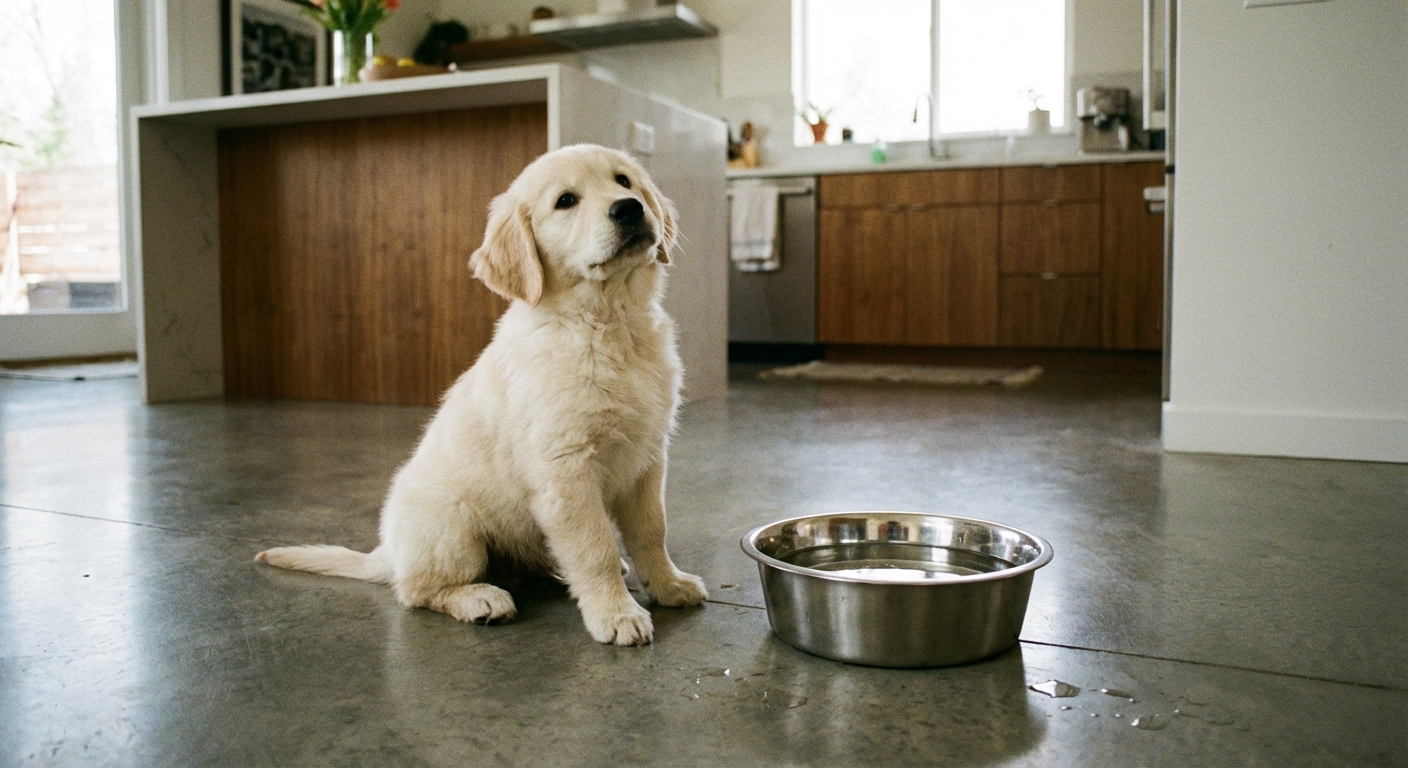
Puppy diarrhea can turn serious fast. Learn red flags that need a vet, hydration-first care, bland food options like chicken and rice, pumpkin tips, and what...
Article
•
Designer Mixes
How to Stop Puppy Diarrhea

Shari Shidate
Designer Mixes contributor
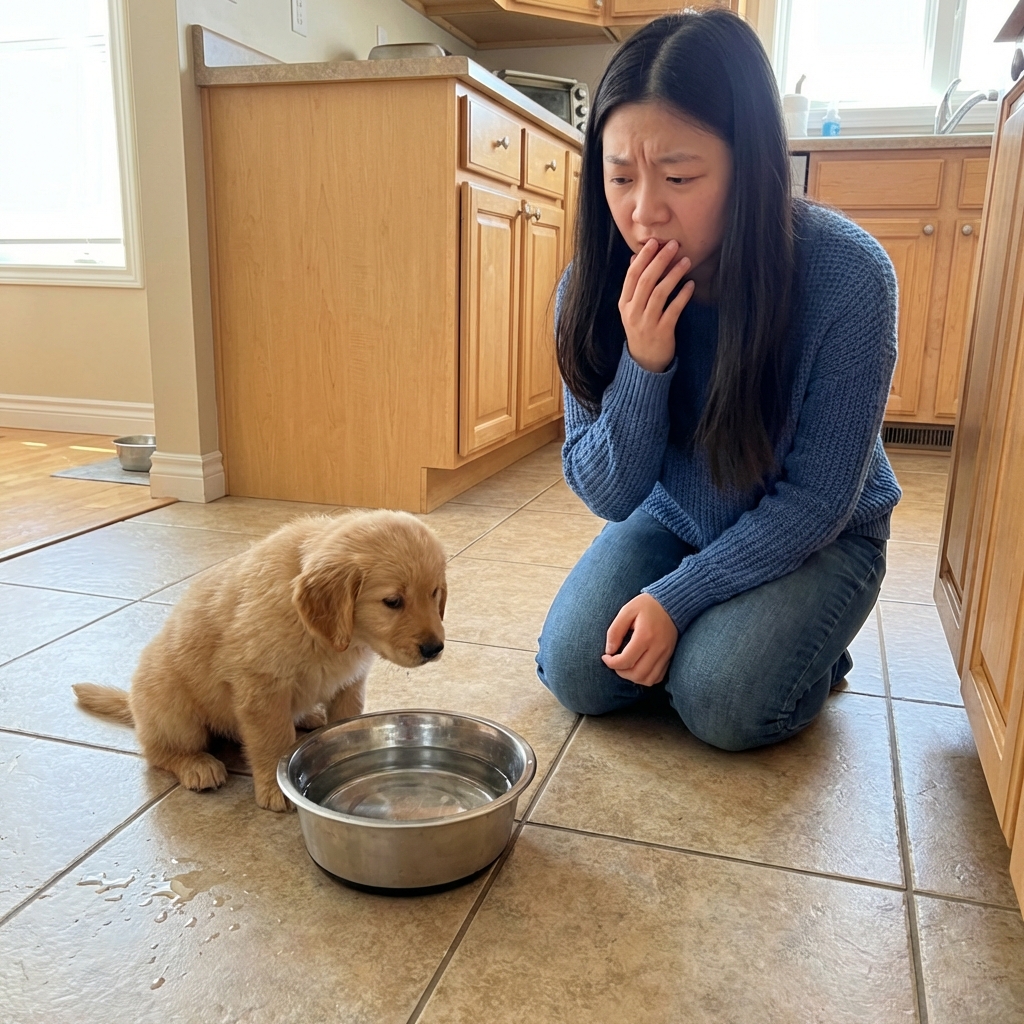
Puppy diarrhea is one of the most common (and stressful) reasons families call their vet. The good news is that many cases are mild and resolve quickly with the right home care. The key is knowing what’s normal, what’s urgent, and how to support your puppy’s gut while you also work on the training and routines that prevent future flare-ups.
Quick note from a veterinary assistant: Diarrhea is a symptom, not a diagnosis. Puppies can get dehydrated faster than adult dogs, so it’s always smart to err on the safe side if you’re unsure.
Scope note: The home steps below are meant for puppies who are otherwise bright, alert, and drinking, with mild diarrhea that is short-lived. If your puppy seems unwell, is very young or tiny, or you are seeing repeated watery stool, call your veterinarian.
When it’s an emergency
Please contact your veterinarian or an emergency clinic right away if you notice any of the following. These are the situations where waiting it out can be risky, especially for young puppies.
- Blood in stool (bright red or black and tarry)
- Repeated vomiting, or vomiting plus diarrhea
- Cannot keep water down or refuses to drink
- Lethargy, weakness, collapse, or your puppy seems “not themselves”
- Signs of dehydration: tacky or dry gums, sunken eyes, noticeably reduced urination, marked lethargy, or skin “tenting” that does not quickly return (best interpreted in context by your vet)
- Very frequent watery diarrhea (for example, multiple episodes in a few hours, or every hour)
- Fever (warm ears are not a reliable check at home)
- Unvaccinated or partially vaccinated puppy
- Possible toxin exposure (human meds, xylitol, chocolate, grapes or raisins, pesticides, certain plants)
- Suspected foreign body (toy pieces, socks, bones, sticks)
If your puppy is under 12 weeks old, a tiny breed, or has any other health condition, I recommend calling sooner rather than later.
Common causes
Puppies explore the world with their mouths and their digestive systems are still maturing. Diarrhea can happen for many reasons, including:
- Diet change (switching foods too quickly, new treats, rich table scraps)
- Overfeeding (even good food can overwhelm a small gut)
- Stress (new home, visitors, travel, daycare, grooming)
- Parasites (roundworms, hookworms, whipworms, Giardia, coccidia)
- Viral illness (parvovirus is the big concern in young pups)
- Gut imbalance (some bacterial causes exist, but parasites and diet indiscretion are more common in many puppies, and antibiotics are not routine without a specific reason)
- Food intolerance or sensitivity
- Chewing and swallowing non-food items
Sometimes it is as simple as “too many training treats.” Other times, it is a parasite that needs medication. That’s why tracking details helps your vet so much.
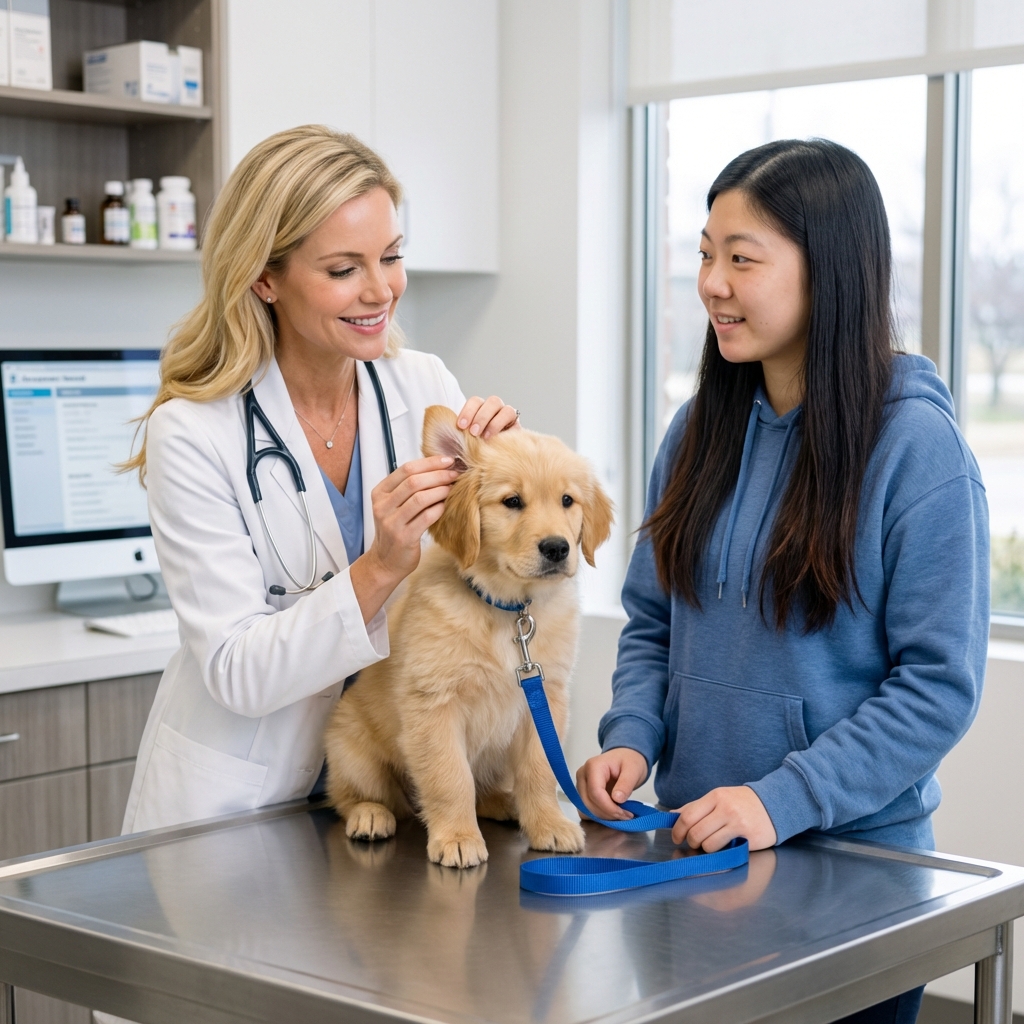
First steps at home
1) Pause the extras
Stop all new treats, chews, bones, table scraps, and milk products. Keep things boring for a couple of days. “Boring” is your friend when a puppy tummy is upset.
2) Focus on hydration
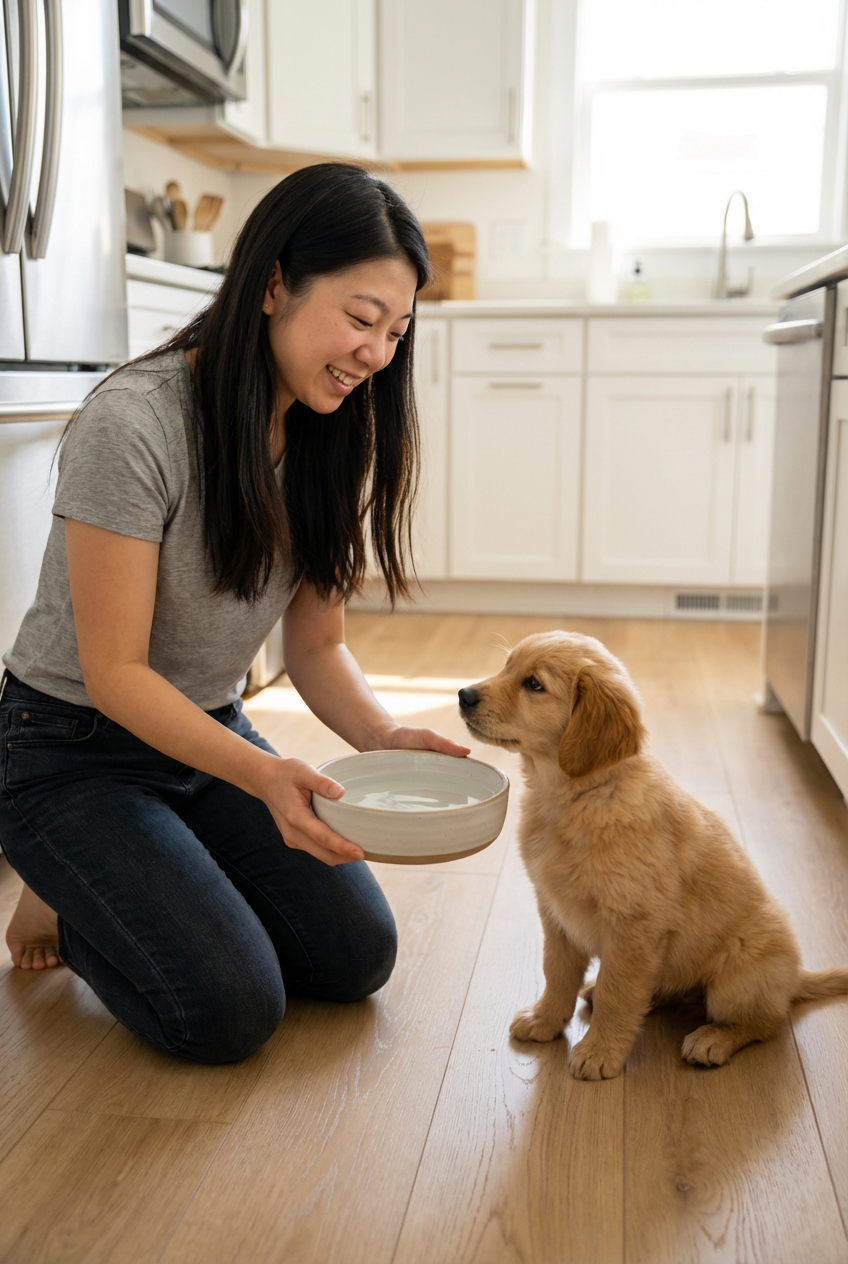
Water matters more than food in the short term. Offer fresh water frequently. If your puppy seems reluctant to drink, or you notice reduced urination, call your veterinarian for guidance. Dehydration is the biggest near-term risk with diarrhea.
3) Feed small, frequent bland meals
For many otherwise-bright puppies with mild diarrhea, a short bland diet can help stool firm up by giving the gut a break.
Before you switch: If your puppy is on a prescription diet, has a medical condition, or your vet has you on a specific feeding plan, ask your veterinarian before moving to a home-cooked bland diet.
- Typical bland options: boiled skinless chicken breast or lean turkey + plain white rice
- Alternative: low-fat cottage cheese (only if your puppy tolerates dairy, many do not)
- Add-in (often helpful): plain canned pumpkin (100% pumpkin, not pie filling) in small amounts
How much to feed: Start smaller than you think and split it into 3 to 6 meals for the day. As a very rough starting point, toy breeds may only handle 1 to 2 tablespoons per meal, while larger puppies may handle more. If you are unsure, ask your vet for a target amount for your puppy’s weight and age.
Important: Very young puppies still need calories. Do not do long fasts at home unless your veterinarian instructs you to.
4) Consider a vet-approved probiotic
Some dog probiotics may modestly shorten bouts of acute diarrhea, but benefits can be strain and product-specific. Ask your veterinarian which product and dose is appropriate for your puppy’s age and size.
5) Track the poop
It’s not glamorous, but it’s helpful. Write down:
- How many episodes per day
- Consistency (pudding-like, watery)
- Color, mucus, or blood
- Any vomiting
- Energy level and appetite
- What your puppy ate (including treats)
This information can save time and money if you need a visit.
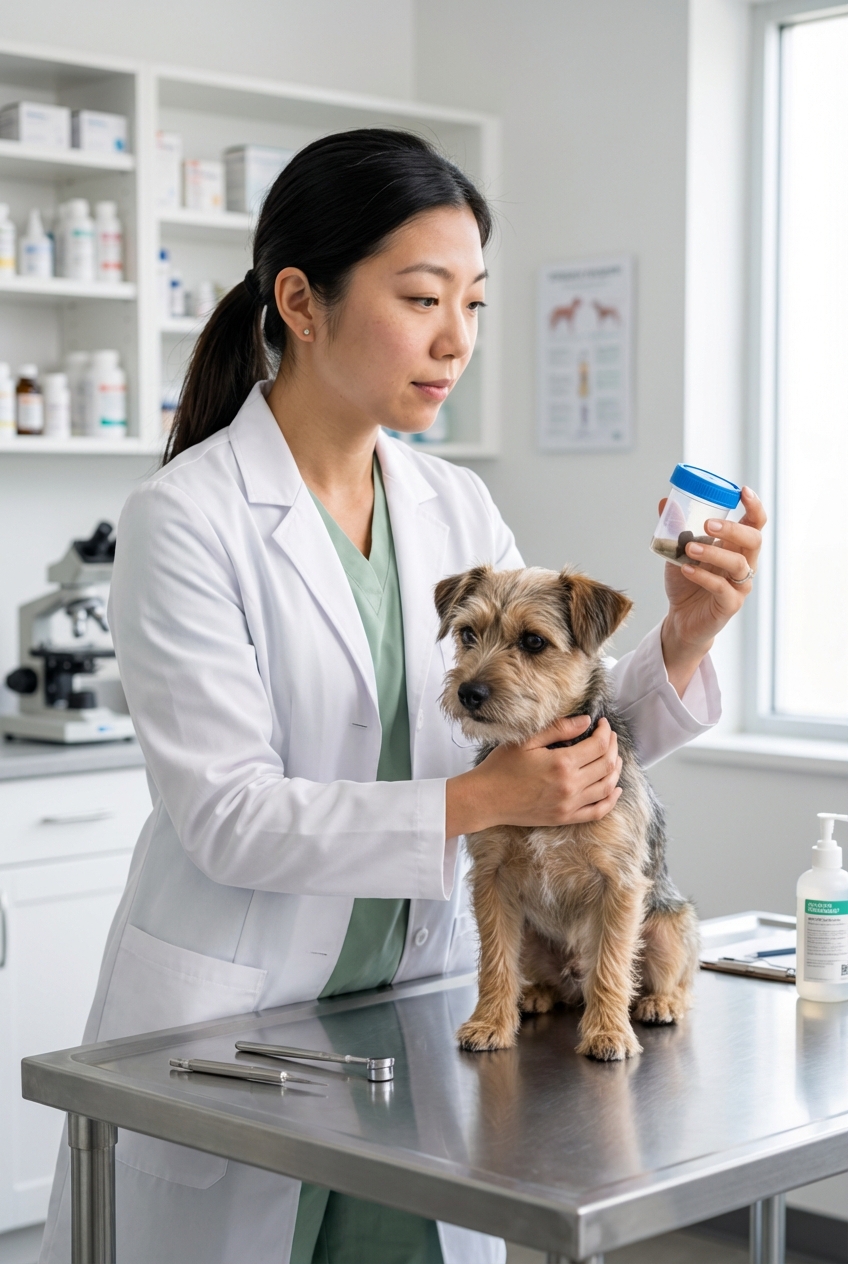
6) Save a stool sample
If diarrhea lasts more than a day or you suspect parasites, a sample helps. Use a clean bag or container, pick up a fresh sample, and refrigerate it (do not freeze). Many clinics prefer samples delivered within 12 to 24 hours, but call your vet for their specific timing and instructions.
What not to do
- Do not give human anti-diarrheal meds unless your vet specifically tells you to. Some are dangerous for puppies or can worsen certain infections.
- Do not keep switching foods every day trying to “find the one.” Rapid changes can prolong diarrhea.
- Do not assume it is just stress if diarrhea is persistent, watery, or your puppy seems unwell.
Prevent repeat flare-ups
Families are often surprised by how much training and routine affect digestion. These habits protect your puppy’s gut and make accidents easier to manage.
Use a treat budget
Training treats are fantastic, but the calories and richness add up fast. For many puppies, treat overload is the whole story.
- Keep treats to 10% or less of daily calories when possible
- Use tiny treats, think pea-size or smaller
- Try part of your puppy’s kibble as training rewards
- Choose single-ingredient treats (freeze-dried meat can be easier on sensitive stomachs)
Slow down meals
Gulping food can trigger GI upset. Try:
- Slow-feeder bowls
- Snuffle mats
- Scatter feeding on a clean surface
Keep potty routines steady
Diarrhea can create accidents, and accidents can create stress. A simple schedule helps both:
- First thing in the morning
- After every meal
- After naps
- After play
- Before bed
Go out more often during diarrhea episodes. Praise calmly when they go outside, then go back in. Keep it boring and predictable.
Puppy-proof your space
Foreign material and “found snacks” are common triggers. Use baby gates, keep floors picked up, and supervise outside time.
- Block access to cat litter
- Keep socks and kids’ toys off the floor
- Watch for mulch, acorns, mushrooms, and standing water outdoors
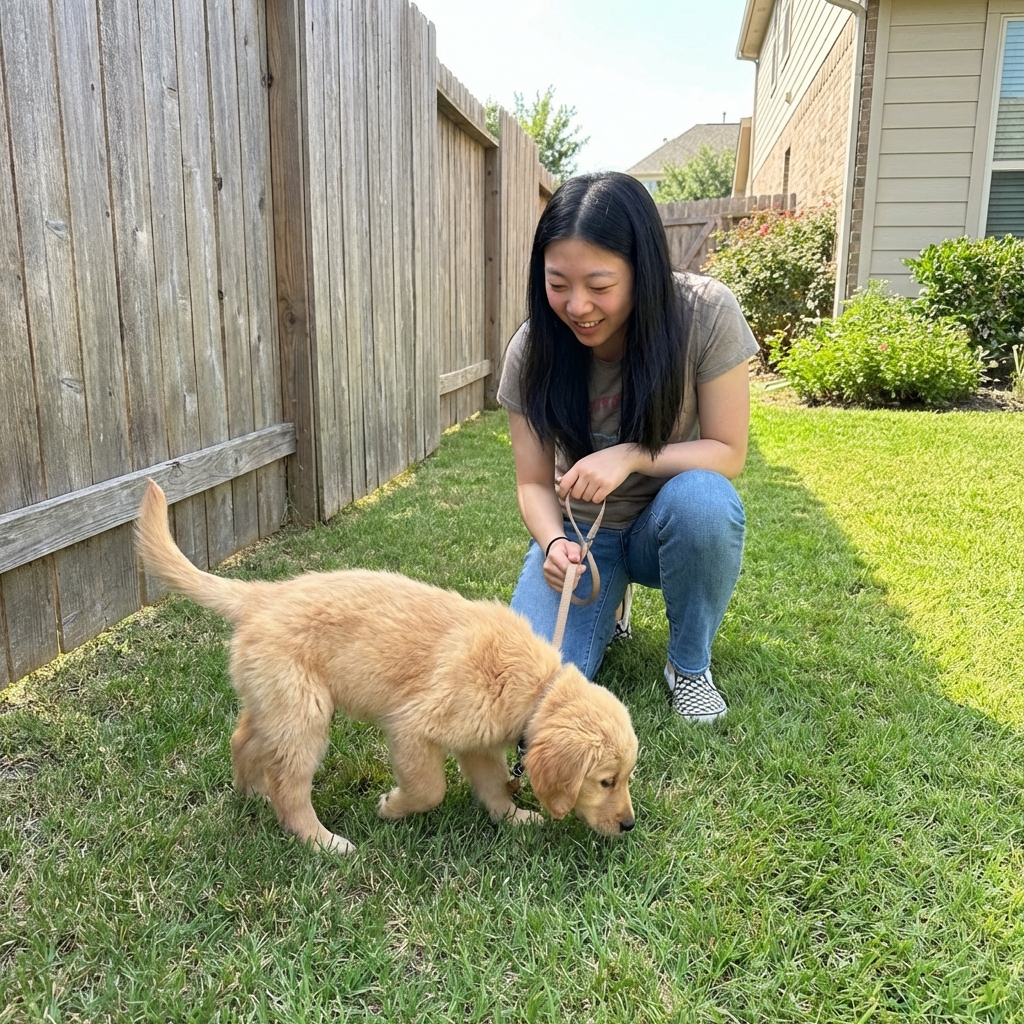
Back to normal food
Once stool is improving for 24 to 48 hours and your puppy is acting normal, transition gradually back to their regular puppy food.
- Day 1: 75% bland diet, 25% regular food
- Day 2: 50% bland diet, 50% regular food
- Day 3: 25% bland diet, 75% regular food
- Day 4: 100% regular food
If diarrhea returns during the transition, pause and call your veterinarian. That can be a clue that parasites, infection, or food intolerance is involved.
What your vet may recommend
If your puppy needs to be seen, your veterinarian may suggest testing and treatment based on age, vaccination status, and symptoms.
- Fecal testing (including Giardia and coccidia checks) to find parasites
- Deworming even if you do not see worms, because eggs are microscopic and worms may not show up in every stool
- Fluids (subcutaneous or IV) if dehydration is a concern
- A prescription GI diet to calm inflammation and improve stool quality
- Probiotics and sometimes GI medications that protect the intestinal lining
- Parvo testing in unvaccinated or high-risk puppies
Most families feel relief once they have a clear plan. Your vet’s goal is the same as yours: get your puppy comfortable and back to normal quickly and safely.
Family FAQ
Can stress cause diarrhea?
Yes. New environments, visitors, loud events, daycare, and travel can all trigger stress diarrhea. A consistent routine, rest, and a gentle diet often help.
Should I use pumpkin?
Plain canned pumpkin can help some puppies by adding soluble fiber. Use small amounts and stop if it worsens gas or diarrhea. Always choose 100% pumpkin, not pie filling. Too much can loosen stool.
My puppy has diarrhea but still wants to play. Is that good?
It’s a reassuring sign, but it does not rule out parasites or illness. If diarrhea lasts more than 24 to 48 hours, appetite drops, or you are seeing repeated watery stool, call your veterinarian, especially in young puppies.
Calm checklist
- Remove treats and rich foods
- Offer frequent water
- Feed small bland meals if your puppy is otherwise acting normal
- Use a vet-approved probiotic if recommended
- Track stool changes and frequency
- Save a fresh stool sample (refrigerated) if symptoms persist
- Call your veterinarian if symptoms persist beyond 24 to 48 hours, if there are multiple watery episodes in a short window, if appetite drops, or if any red flags appear
Your puppy’s gut can recover quickly with the right support. Keep it simple, keep it consistent, and do not hesitate to call your vet if something feels off.