Stop yard and fence-line digging without harsh corrections. Learn the real reasons dogs dig, plus management, a dig pit, redirect cues, enrichment, and a sim...
Article
•
Designer Mixes
How to Stop Dog Digging

Shari Shidate
Designer Mixes contributor
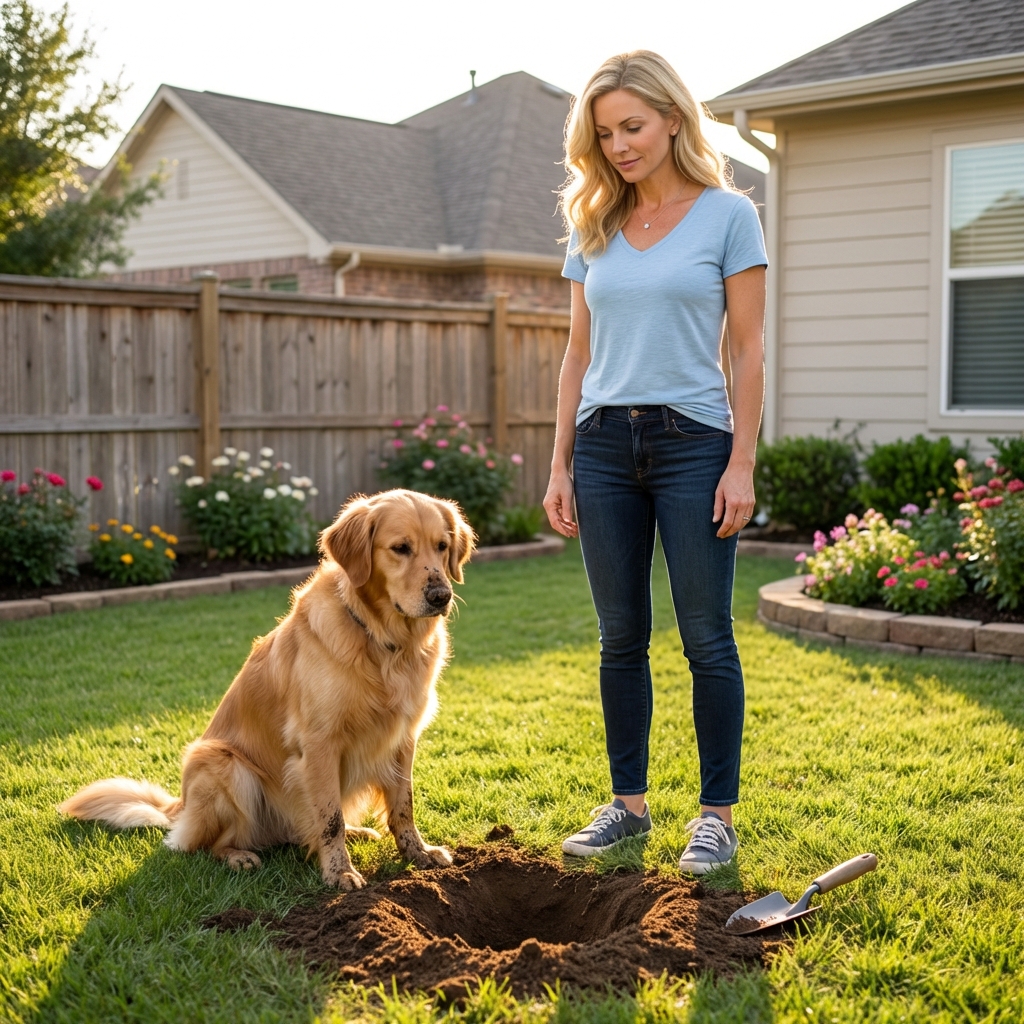
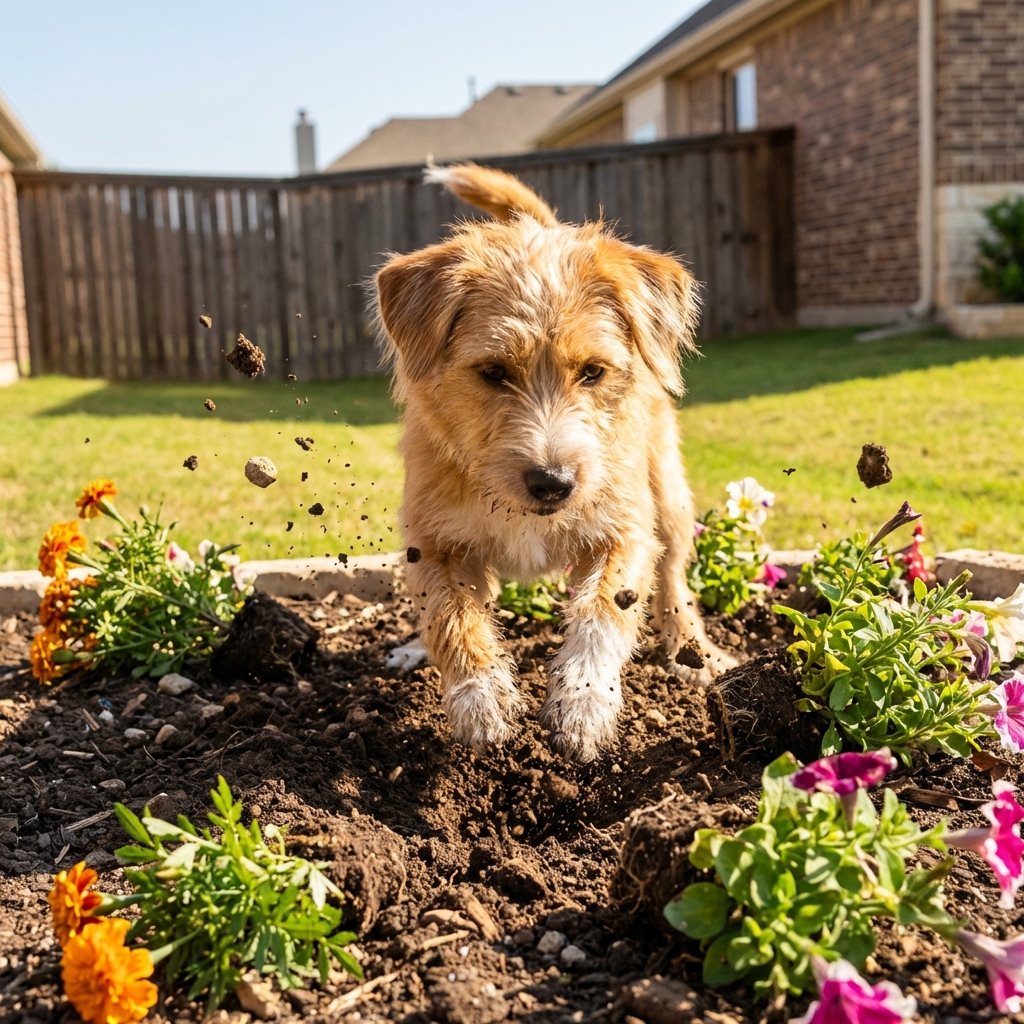
Digging is one of those behaviors that can feel personal when you look out and see your yard turned into a crater field. But in most dogs, digging is not “bad” behavior. It is normal canine behavior that is getting directed to the wrong place.
As a veterinary assistant here in North Texas (Frisco area), I see digging tied to a few big themes: boredom, heat, stress, prey drive, and plain old habit. The good news is that once you figure out why your dog is digging, you can build a simple daily plan that meets the need and protects your yard.
Why dogs dig
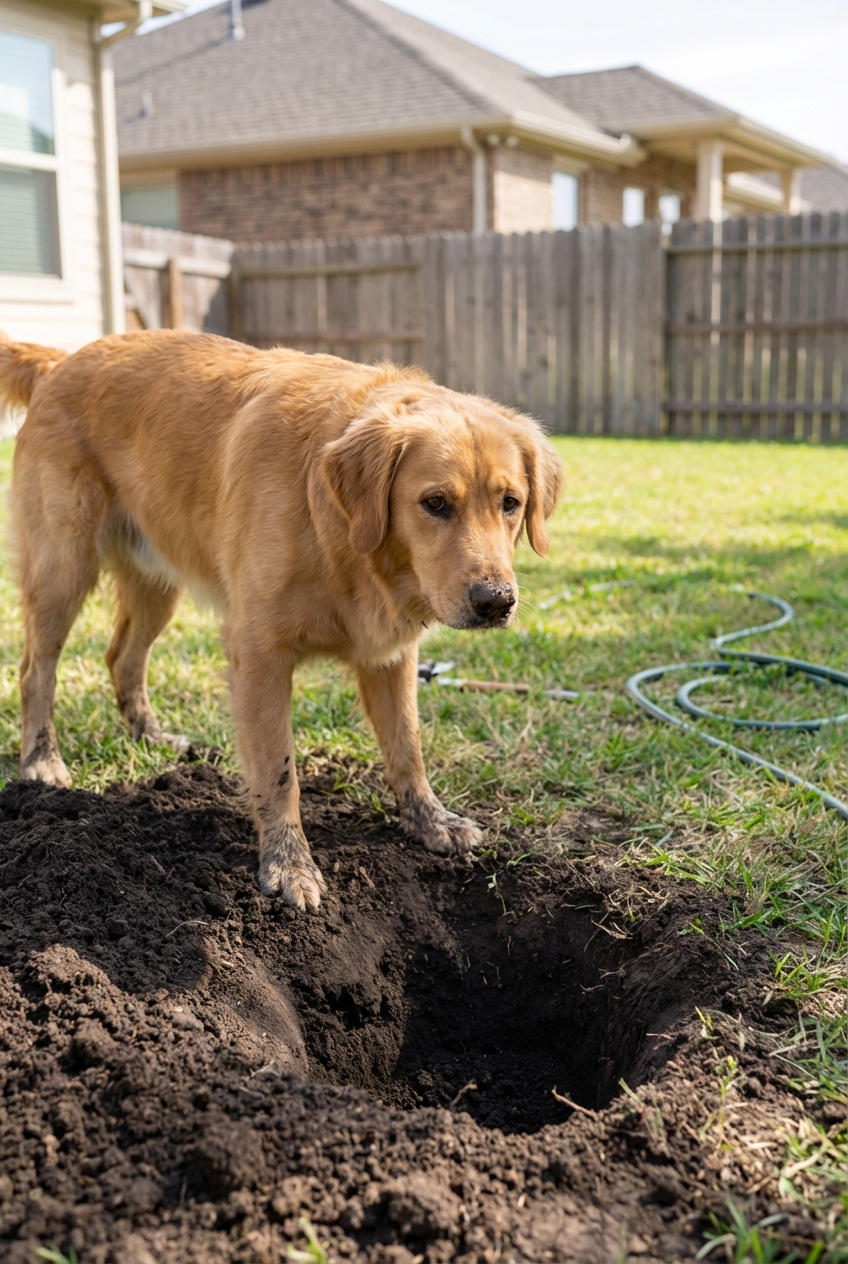
Dogs dig for reasons that make perfect sense from a dog’s point of view. Start here because the best fix matches the motivation.
- Cooling off: In hot weather, some dogs dig down to cooler soil to help regulate body temperature. If your dog is digging hard in the heat, treat it as a possible overheating risk and move them to shade and water right away.
- Entertainment and energy: A bored dog will invent a job. Digging is self-rewarding and feels great.
- Prey drive: Moles, lizards, insects, and even roots can trigger “must dig” mode.
- Anxiety or frustration: Some dogs dig when they are stressed, under-socialized, or left alone too long.
- Escape behavior: Digging along fences can be an attempt to get out and find something more interesting.
- Instincts and genetics: Many terriers, huskies, and working breeds are simply wired to dig.
- Comfort and nesting: Some dogs dig a “den” or a soft spot to lie in, especially in extreme temperatures or during hormonal changes.
- Caching and burying: Some dogs dig to hide chews, toys, or food. It is a normal instinct, even if it is inconvenient.
Quick reality check: If the digging is sudden, intense, or out of character, make sure your dog is not dealing with pain, fleas, itchy skin, or an underlying medical problem. When in doubt, loop in your veterinarian.
Daily plan: stop digging long-term
Consistency beats intensity. You do not need a complicated routine. You need a few small actions done daily.
1) Meet physical needs first
A tired dog is less likely to become a bored digger. Most dogs do best with a combination of aerobic exercise and mental work.
- Morning: 20 to 45 minute walk, jog, or structured play session. Let your dog sniff. Sniffing and exploring can help lower arousal and provide mental enrichment.
- Midday: A short training “snack” (a 3 to 5 minute mini-session) plus a food puzzle or frozen stuffed toy.
- Evening: Another walk or backyard game plus calm decompression time.
If your dog is young or high-energy, add short bursts of training throughout the day. Think “little and often.”
More easy enrichment ideas: Try scatter feeding in the grass, a simple “find it” treat hunt, a DIY nosework box (cardboard boxes with treats hidden inside), or a flirt pole used safely (short sessions, good footing, and stop before your dog is exhausted).
2) Give digging a legal outlet
If your dog loves to dig, the most humane and effective approach is to redirect the behavior, not try to erase it.
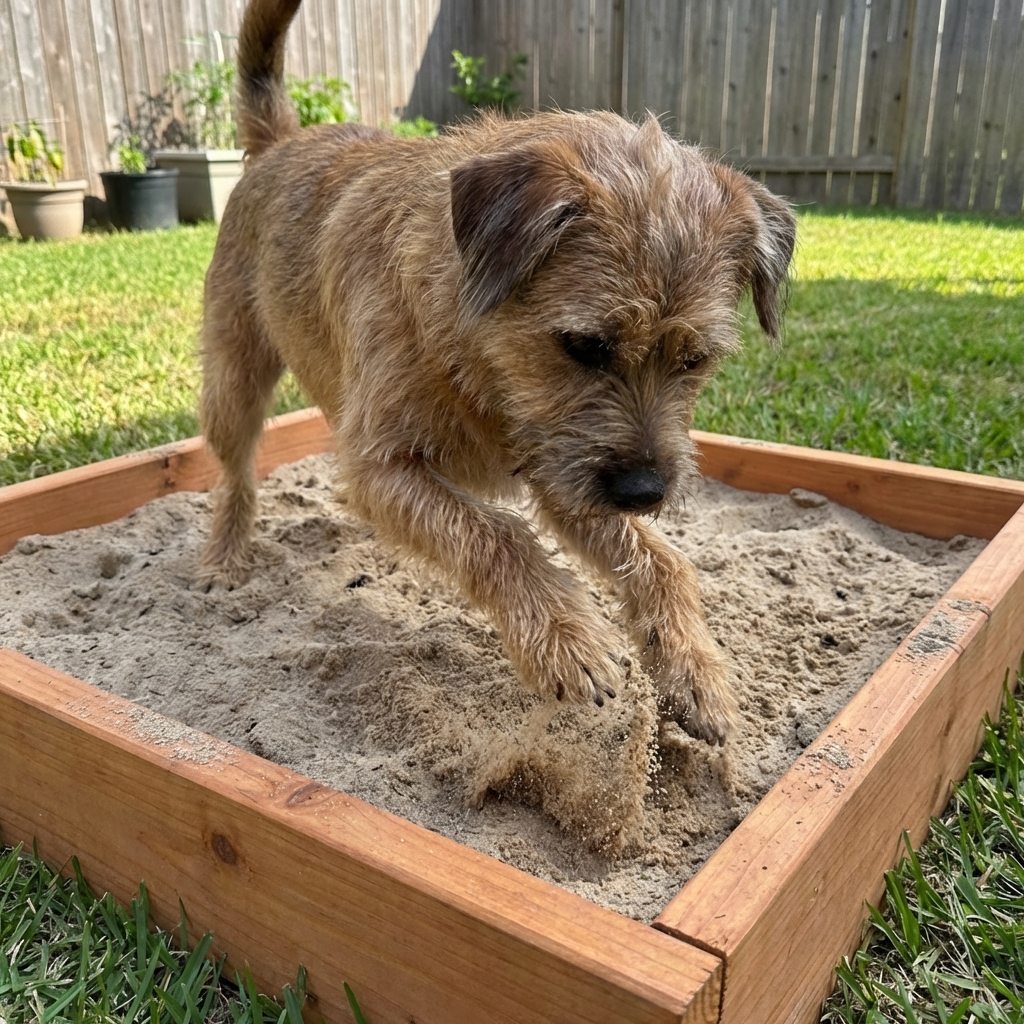
- Create a dig zone: A sandbox, a corner with loose soil, or a kiddie pool filled with clean play sand.
- Make it rewarding: Bury a few toys or treats just under the surface and help your dog “win” there.
- Add a cue: Teach “Dig here” and reward when paws hit the approved spot.
Sandbox safety: Use pet-safe sand, supervise treat burying (especially in multi-dog homes), and keep the box covered when not in use so cats and wildlife do not use it as a litter area.
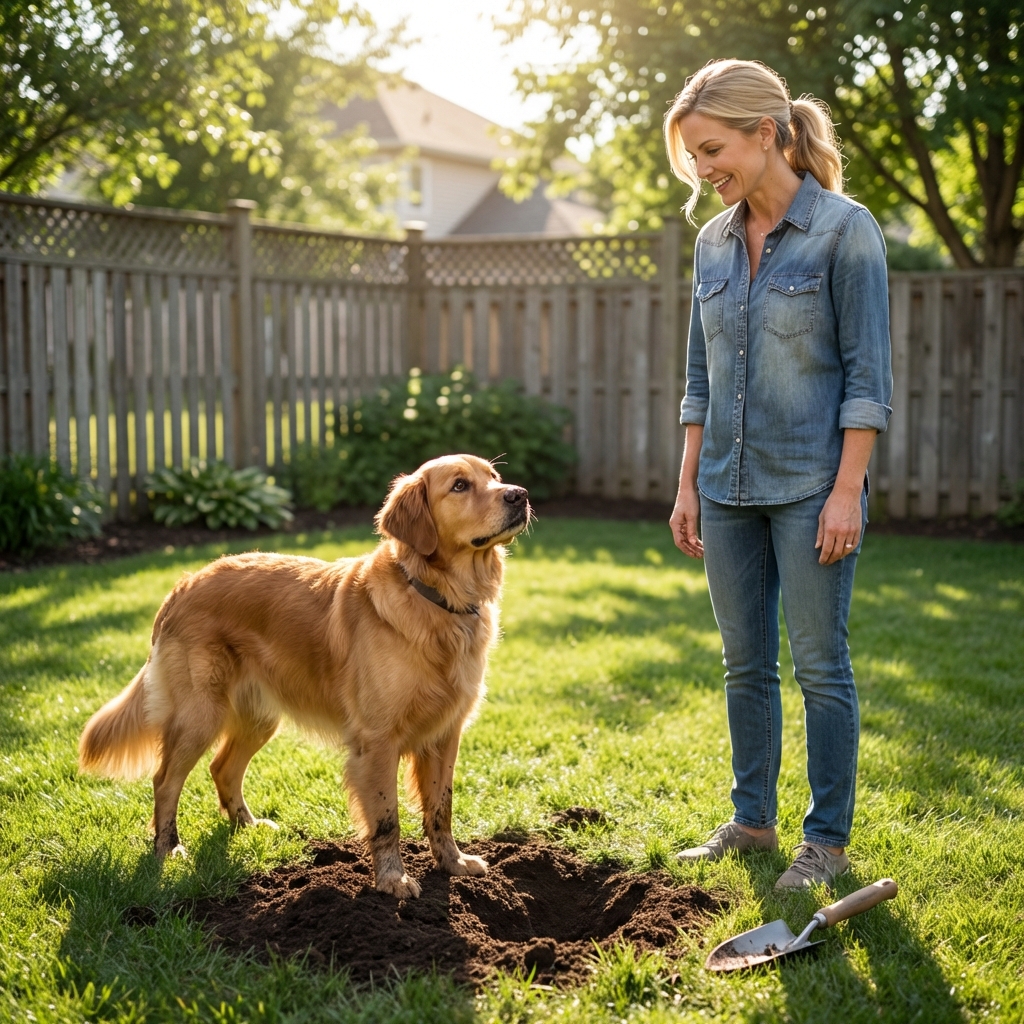
When you see your dog start to dig elsewhere, calmly interrupt and redirect. The easiest way is to use a leash or long line, say your cue (“This way” or “Dig here”), guide them to the dig zone, then reward immediately for using it. Avoid grabbing your dog by the collar or physically dragging them.
Training tips that do not backfire
Digging is often self-rewarding. Your job is to make the right choice easier, and the wrong choice less rewarding.
Use management to stop practice
- Supervise outdoor time: If you cannot watch, use a long line, secure run, or bring your dog inside.
- Block access to favorite dig spots: Temporary fencing, patio furniture, large planters, or landscaping pavers can help.
- If you use mesh barriers: Choose hardware cloth or a commercial dig barrier with edges fully secured so paws and nails cannot snag. Avoid loose chicken wire, especially thin gauge, since it can bend and injure feet.
- Boost enrichment before yard time: A short walk and sniff session can reduce digging for many dogs, especially when boredom is a factor.
Reward “four paws on the ground”
Carry a few treats and pay your dog for calm yard behavior. It feels simple, but it is powerful. Dogs repeat what works.
Teach an interruption cue
Train a cheerful “This way!” or “Come!” indoors first, then use it outside before your dog is fully locked into digging. Reward with something that competes, like a quick game of tug or a treat scatter in the grass.
Avoid punishment that increases stress
Yelling, startling, or using harsh tools can increase anxiety, which can increase digging. It can also teach your dog to dig when you are not watching. Calm redirection and consistent reinforcement are more reliable.
Fix common digging triggers
Heat digging
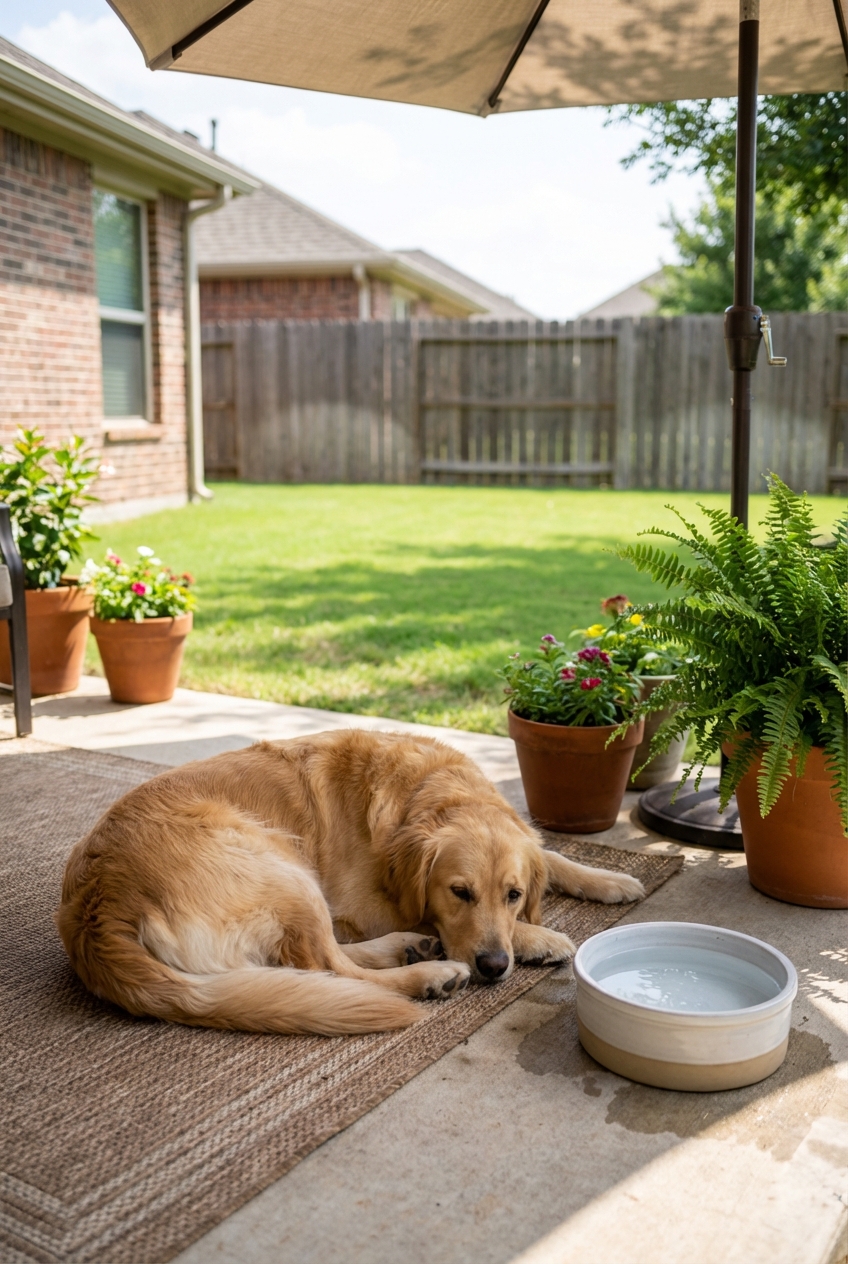
- Provide shade: Use a canopy, shade sail, or a shaded patio area.
- Offer cool water and breaks: Refresh water often in North Texas heat.
- Adjust timing: Exercise early morning and later evening.
- Create a cool spot: A shaded dig zone can satisfy the urge to dig and cool down without destroying the yard.
Prey digging
- Check for critters: Moles and rodents can drive nonstop digging.
- Remove attractants: Secure trash, fallen fruit, and outdoor pet food.
- Use humane pest control: Consider professional wildlife services that focus on exclusion rather than poisons.
Safety note: Avoid toxic baits and pesticides where your dog can access them. If you use any yard treatment, follow label directions strictly and keep pets off until fully safe.
Fence-line escape digging
- Boost enrichment: Escape attempts often happen when a dog is under-stimulated.
- Remove visual triggers: Solid fencing panels or privacy screening can reduce barrier frustration.
- Secure the perimeter: Buried hardware cloth can deter tunneling, although a determined dog may still challenge it. A common setup is 12 to 24 inches deep with an outward “L” footer (another 12 to 18 inches) along the base of the fence.
Anxiety-related digging
- Strengthen alone-time skills: Practice short departures and reward calm behavior.
- Use predictable routines: Dogs often relax when the day feels safe and consistent.
- Ask for help early: If you see pacing, drooling, destruction, or frantic digging, talk with your veterinarian and consider a qualified force-free trainer with separation anxiety experience.
Multi-dog households
- Reduce competition: Give each dog their own enrichment item and their own space, especially with chews or buried treats.
- Lower group arousal: High-energy play can spill into digging. Break up yard time, rotate dogs, or add a calming sniff walk before group time.
Yard care and safety tips
While you are working on training, protect your dog and your space.
- Fill holes promptly: Holes can cause sprains for dogs and people.
- Check for sharp objects: Roots, glass, rocks, and landscaping staples can injure paws.
- Watch for toxic plants: Some common landscaping plants can be harmful if chewed.
- Fence inspection: Look for weak points weekly if your dog digs near boundaries.
- Paw care: Rinse paws after yard time if soil is treated or if there are fire ants.
What not to use
I get why people reach for quick deterrents, but many common “DIY fixes” can be dangerous.
- Do not use cayenne pepper or chili powder: It can irritate eyes, nose, and skin.
- Do not use mothballs: They are toxic if ingested and unsafe in yards.
- Do not use ammonia-soaked rags or harsh chemicals: They can burn paws and create harmful fumes.
- Avoid punishing deterrent devices: Tools that scare or shock may increase anxiety and can worsen digging when you are not around.
If you want a physical deterrent, choose safer options like pavers, secured hardware cloth, or a commercial dig barrier, and pair it with enrichment and training.
Troubleshooting patterns
- One specific spot every time: Likely prey scent, a cooler patch of dirt, or an established habit. Block access and build an approved dig zone.
- Random holes all over: Often boredom or under-exercise. Increase structured activity and enrichment.
- Digging after you leave: Consider separation distress. Management plus a behavior plan is key.
- Digging right after meals: Some dogs have extra energy, but it can also be discomfort, nausea, or restlessness. If it is frequent or paired with licking lips, eating grass, vomiting, or appetite changes, check in with your veterinarian.
When to call your vet or a trainer
Digging is common, but it can sometimes signal a bigger problem.
- Sudden onset digging with restlessness, panting, or pacing
- Signs of skin irritation, fleas, or painful paws
- Compulsive, frantic digging that is hard to interrupt
- Escape attempts that risk injury
A veterinarian can rule out medical causes and discuss anxiety support if needed. A positive-reinforcement trainer can help you build a clear plan and speed up results.
A simple 7-day reset
If you want a straightforward starting point, try this for one week:
- Daily: Two walks (or one longer walk plus a play session), plus one food puzzle.
- Daily: 3 minutes of training twice a day (sit, down, touch, come).
- Daily: Supervised yard time only, then redirect to an approved dig zone.
- Weekly: Block or repair the top two digging hotspots.
Many families notice improvement once their dog’s needs are met and the habit stops being rehearsed. If digging has been going on for a long time, expect progress to come in steps.
The goal is not to win a battle against digging. The goal is to give your dog better options and reward the choices you want to see again.