Turn chicken and rice into a more balanced homemade dog meal with veggies, calcium carbonate, and omega-3s. Includes gram weights, portion guidance, swaps, a...
Article
•
Designer Mixes
How to Stop Dog Diarrhea Fast

Shari Shidate
Designer Mixes contributor
Diarrhea can show up out of nowhere, and it is stressful for you and uncomfortable for your dog. The good news is that many mild cases improve quickly with a few smart, safe steps at home. The key is knowing what you can do right now, and when it is time to call your veterinarian.
Quick note: This guide is for supportive home care, not a substitute for veterinary diagnosis. When in doubt, call your vet.
First: Decide if this is an emergency
Some diarrhea is mild and short-lived. Other times, it is a sign your dog needs medical care today. Use this quick checklist.
Go to a vet urgently if you notice:
- Puppy under 6 months, senior dog, or a dog with chronic disease (kidney, liver, diabetes, cancer)
- Repeated vomiting or your dog cannot keep water down
- Blood in stool (bright red streaks) or black, tarry stool (melena can mean digested blood and is an emergency)
- Severe lethargy, collapse, pale gums, or a painful swollen belly
- Signs of dehydration (tacky gums, sunken eyes, weakness)
- Suspected toxin exposure (xylitol, rodent bait, grapes or raisins, medications)
- Possible foreign body (toy pieces, socks, bones) or straining with little stool produced
Call your veterinarian today if:
- Diarrhea is not improving within 24 hours of home care
- Diarrhea lasts longer than 48 hours in an adult dog, even if your dog seems mostly OK
- You see mucus with frequent urgency, your dog is straining repeatedly, or accidents are happening overnight
- Your dog develops vomiting, fever, weakness, or refuses water
If your dog is bright, alert, drinking, and the diarrhea is mild, you can often start supportive care at home while you monitor closely.
How to stop diarrhea at home
1) Gut rest: fast or small bland meals
For healthy adult dogs, some vets recommend a brief fast, while others prefer skipping fasting and moving straight to small bland meals. Either approach can be reasonable for a mild case, depending on your dog.
- Option A (may help some dogs): A short fast of 8 to 12 hours with water available.
- Option B (often gentler): Start a bland diet right away in small, frequent meals.
Do not fast very young puppies, tiny dogs prone to low blood sugar, seniors, or dogs with medical conditions unless your veterinarian tells you to.
2) Hydration first
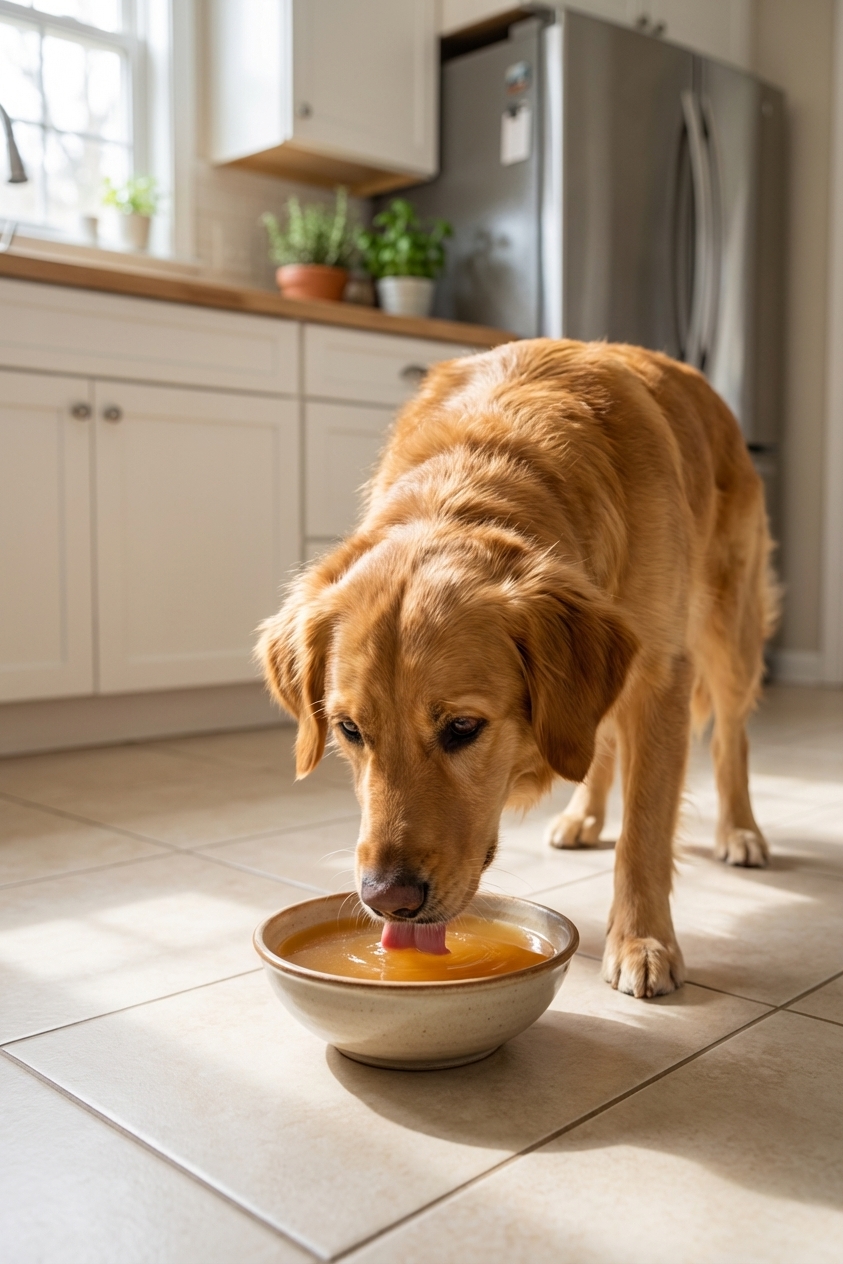
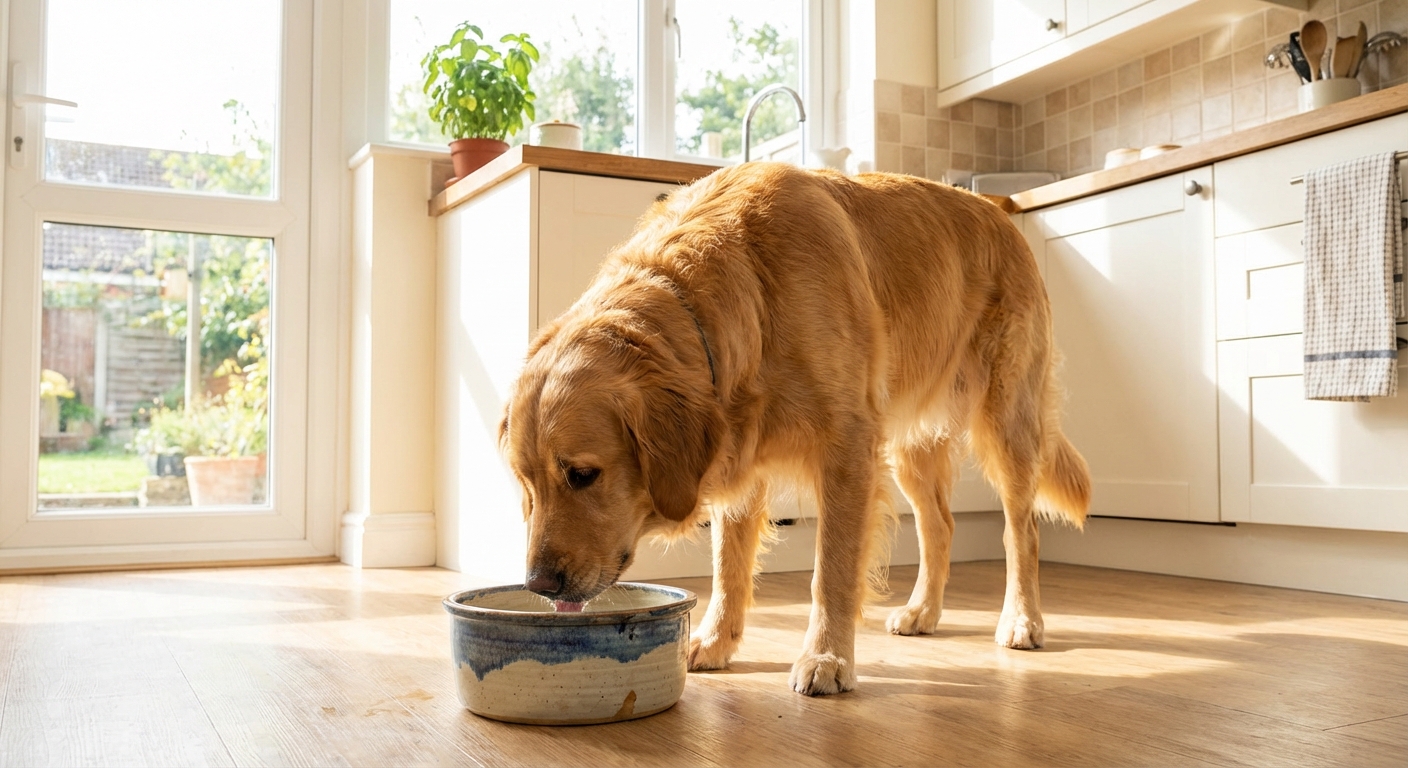
Diarrhea pulls water and electrolytes out of the body. Hydration is one of the fastest ways to keep a mild problem from becoming serious.
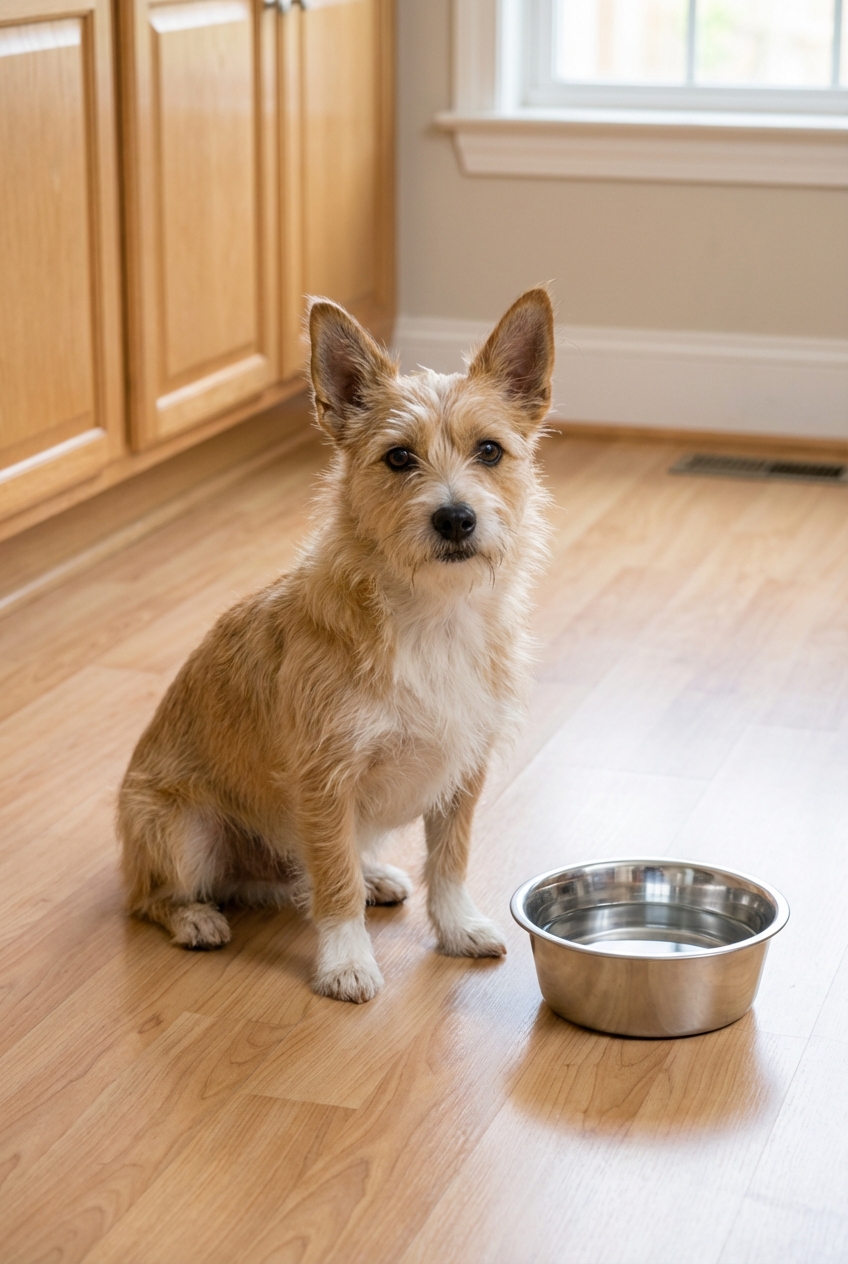
- Offer fresh water at all times.
- If your dog gulps water and vomits, offer small amounts more frequently.
- Ask your vet about an oral electrolyte solution if stools are very watery.
- Avoid human sports drinks unless your vet specifically approves them. Some contain too much sugar, and certain products can include ingredients that are unsafe for dogs.
What to feed
Once your dog is keeping water down and seems comfortable, feed a bland diet in small meals. Bland food is easy to digest and often helps stools firm up.
Bland options
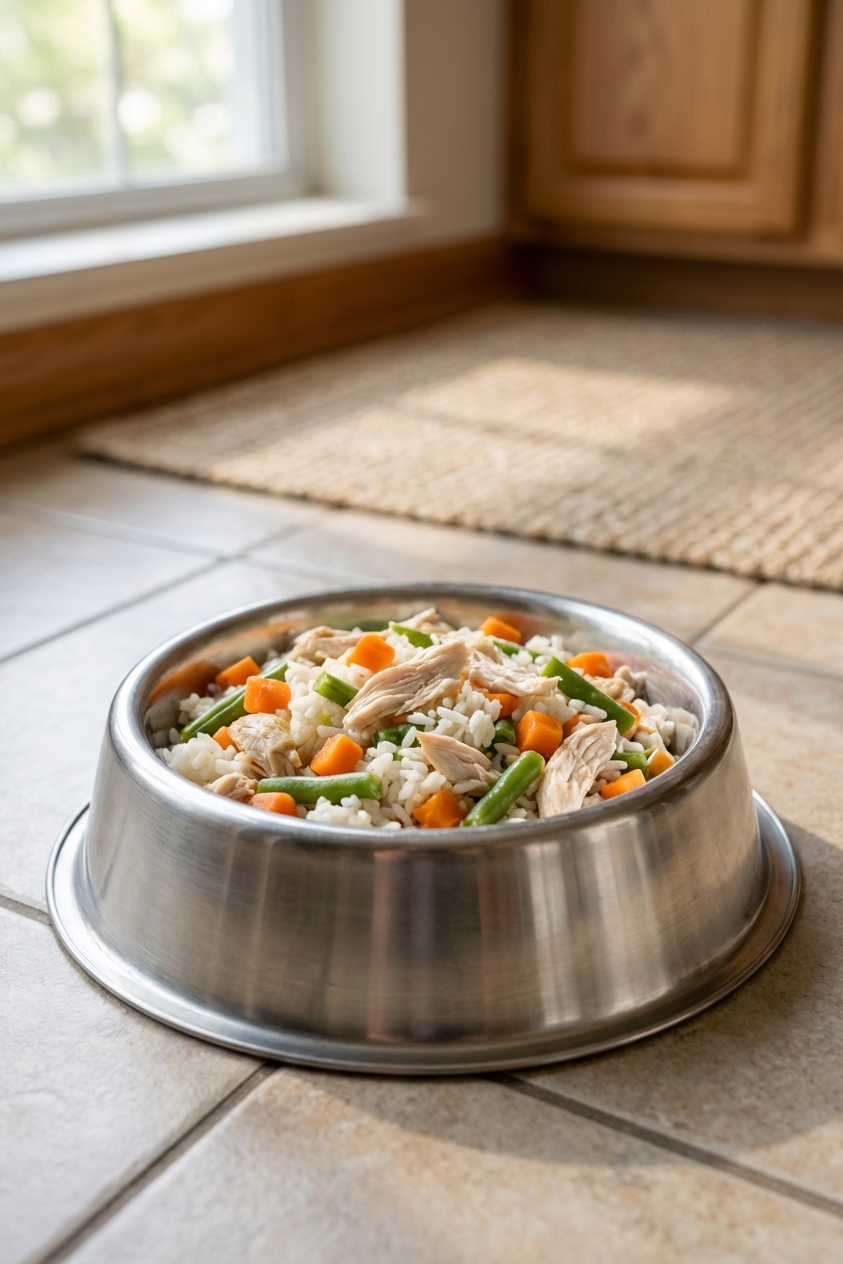
- Boiled skinless chicken breast plus white rice
- Lean ground turkey (cooked and drained) plus white rice
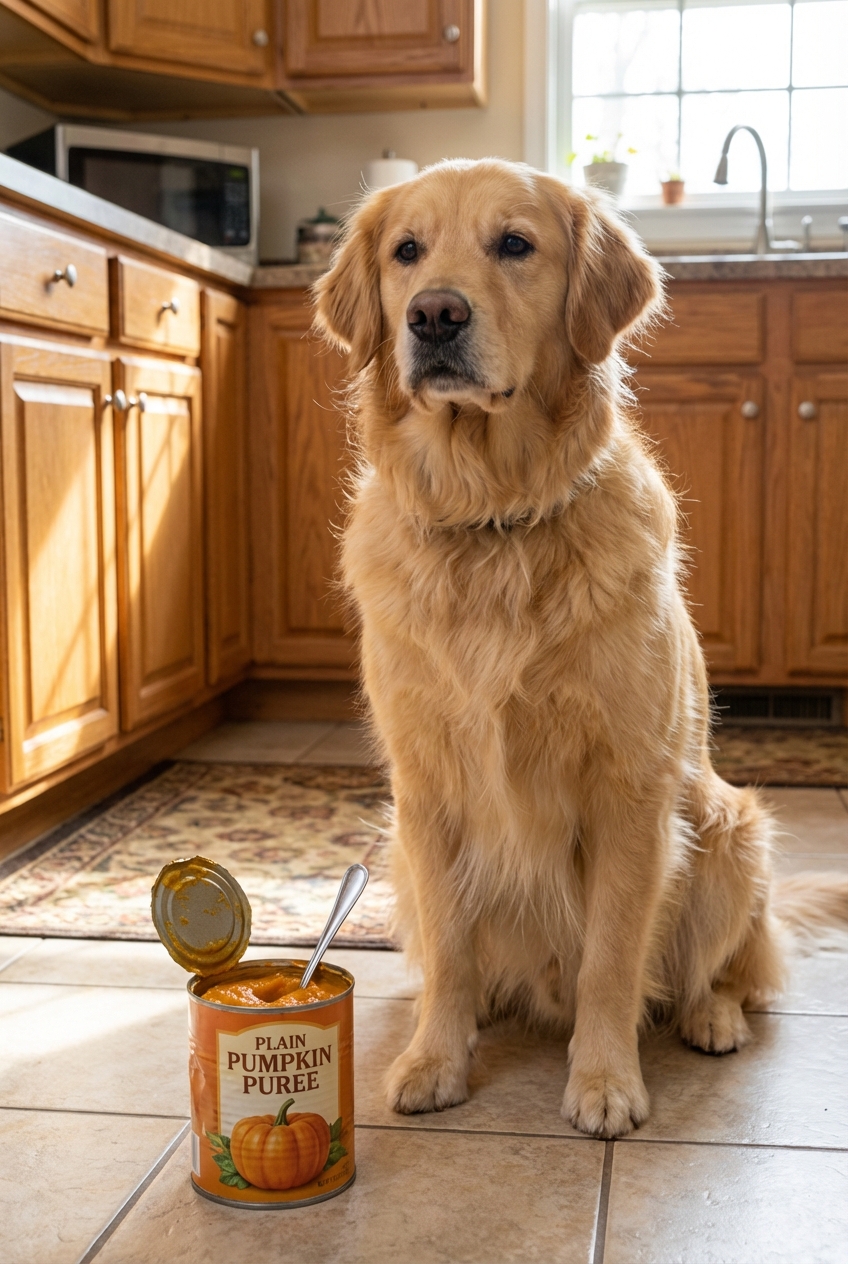
- Plain canned pumpkin (not pie filling) in small amounts if tolerated
Serve small portions 3 to 4 times a day for 24 to 48 hours. If stools improve, gradually mix your dog’s regular diet back in over the next 3 to 5 days.
Pumpkin: how much?
Pumpkin can help some dogs because its soluble fiber supports stool consistency. It can also be too much fiber for others, so keep it modest. These are approximate total daily amounts to divide across meals:
- Small dogs: 1 to 2 teaspoons total per day
- Medium dogs: 1 to 2 tablespoons total per day
- Large dogs: 2 to 4 tablespoons total per day
If pumpkin causes gas or worsens diarrhea, stop and switch back to plain protein and rice.
Probiotics
Probiotics may help some dogs recover faster by supporting a healthier gut microbiome. Results vary by strain and product, so choose a product made for dogs and use it as directed on the label.
- Look for veterinary-specific strains (often including Enterococcus faecium).
- Probiotics can be especially helpful after diet changes, stress, or antibiotics.
- Always ask your vet first if your dog is immunocompromised.

What not to do
- Do not give human anti-diarrheal meds like loperamide (Imodium) unless your vet says it is safe. Some dogs, including herding breeds with MDR1 gene sensitivity, can have serious side effects. Loperamide can also be inappropriate with bloody diarrhea, suspected infection or parasites, suspected toxin exposure, or in very young dogs, and it can cause sedation or constipation.
- Do not feed fatty foods, rich treats, dairy, or table scraps while the gut is inflamed (this can trigger pancreatitis in some dogs).
- Avoid sudden diet changes or switching proteins rapidly during an active episode.
- Skip bones and hard chews. They can irritate the gut or create blockages.
Common causes
Most “random diarrhea” has a simple cause, but a few problems need medical treatment. Common culprits include:
- Dietary indiscretion (trash, new treats, table scraps)
- Sudden diet change
- Stress colitis (often frequent trips with small amounts of stool, sometimes mucus)
- Parasites (especially in puppies)
- Pancreatitis (often diarrhea plus vomiting, pain, and low energy, especially after fatty food)
How fast should stools improve?
With mild, uncomplicated diarrhea, many dogs show improvement in 12 to 24 hours after starting bland food and hydration support. Full normalization can take a few days.
Call your veterinarian if:
- Diarrhea is not improving after 24 hours of home care
- Diarrhea continues beyond 48 hours in an adult dog
- Your dog develops vomiting, fever, weakness, or refuses water
- You see mucus plus frequent urgency, or your dog is straining repeatedly
- There is any blood, or the stool turns black and tar-like
Track symptoms and bring a stool sample
If you call or visit your vet, a little tracking can speed up answers. Note:
- How often your dog is going and whether it is large volume or small frequent squirts
- Any blood (bright red) or black tar-like stool
- Mucus, accidents, and urgency
- Appetite, water intake, energy level, and vomiting
- Any new foods, treats, chews, meds, or possible trash snacks
If you can, bring a fresh stool sample (your clinic can tell you how to store it and how fresh they prefer) for parasite testing.
Preventing future episodes
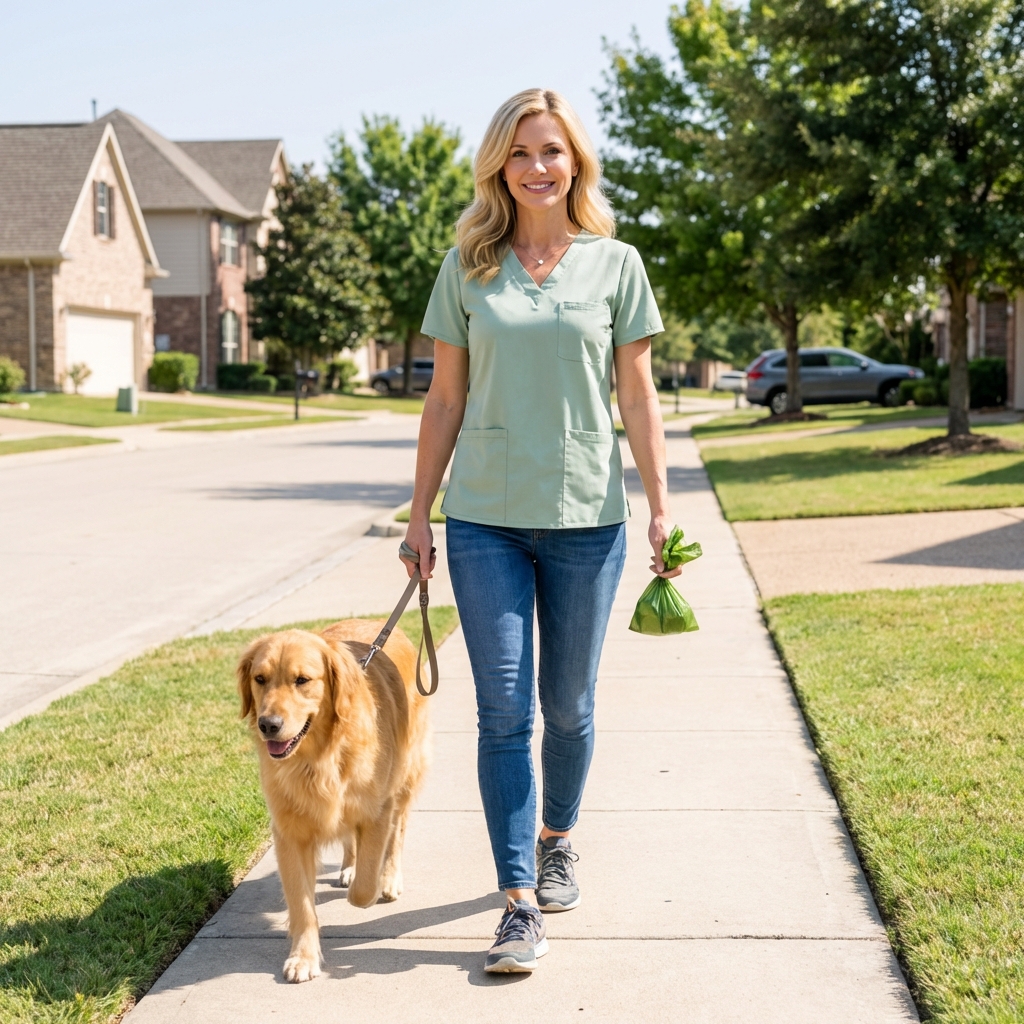
As a veterinary assistant, I see a lot of repeat tummy troubles that come down to just a few causes: sudden diet changes, scavenging, stress, and underlying sensitivities. Prevention is not perfect, but it is very doable.
- Transition foods slowly over 7 to 10 days.
- Keep treats simple and under 10 percent of daily calories.
- Use a trash-proof plan during walks and at home, especially with curious pups.
- Consider a consistent, high-quality diet and ask your vet whether a probiotic makes sense for your dog.
- Routine fecal testing helps catch parasites that can look like “random diarrhea.”
- Wash food and water bowls regularly with hot soapy water, especially if more than one pet shares bowls.
Quick reference
If you want a simple “do this now” flow, here it is:
- Check for red flags (blood, black tar-like stool, vomiting, puppy, dehydration). If yes, go to the vet.
- Hydrate and choose either a short fast (healthy adults only) or small bland meals.
- Start bland meals in small portions (chicken and rice, add a little pumpkin if tolerated).
- Add a dog-specific probiotic if appropriate.
- Reintroduce regular food gradually once stools firm up.
- Call your vet if there is no improvement within 24 hours, or sooner if anything feels off.
If your instincts say “something is off,” trust that. You know your dog best, and calling your vet early is never the wrong move.