Vet-informed guide to a short-term bland diet for dogs: chicken and rice 1:2 ratio, daily cup ranges by weight, how many meals to split into, and red flags t...
Article
•
Designer Mixes
How to Stop Dog Diarrhea

Shari Shidate
Designer Mixes contributor
Diarrhea is one of the most common reasons people rush to the vet, and I get it. It is messy, stressful, and it can make you worry that something serious is going on.
The good news is that many cases are mild and short-lived. The key is knowing when you can safely try supportive care at home and when it is time to call your veterinarian right away.
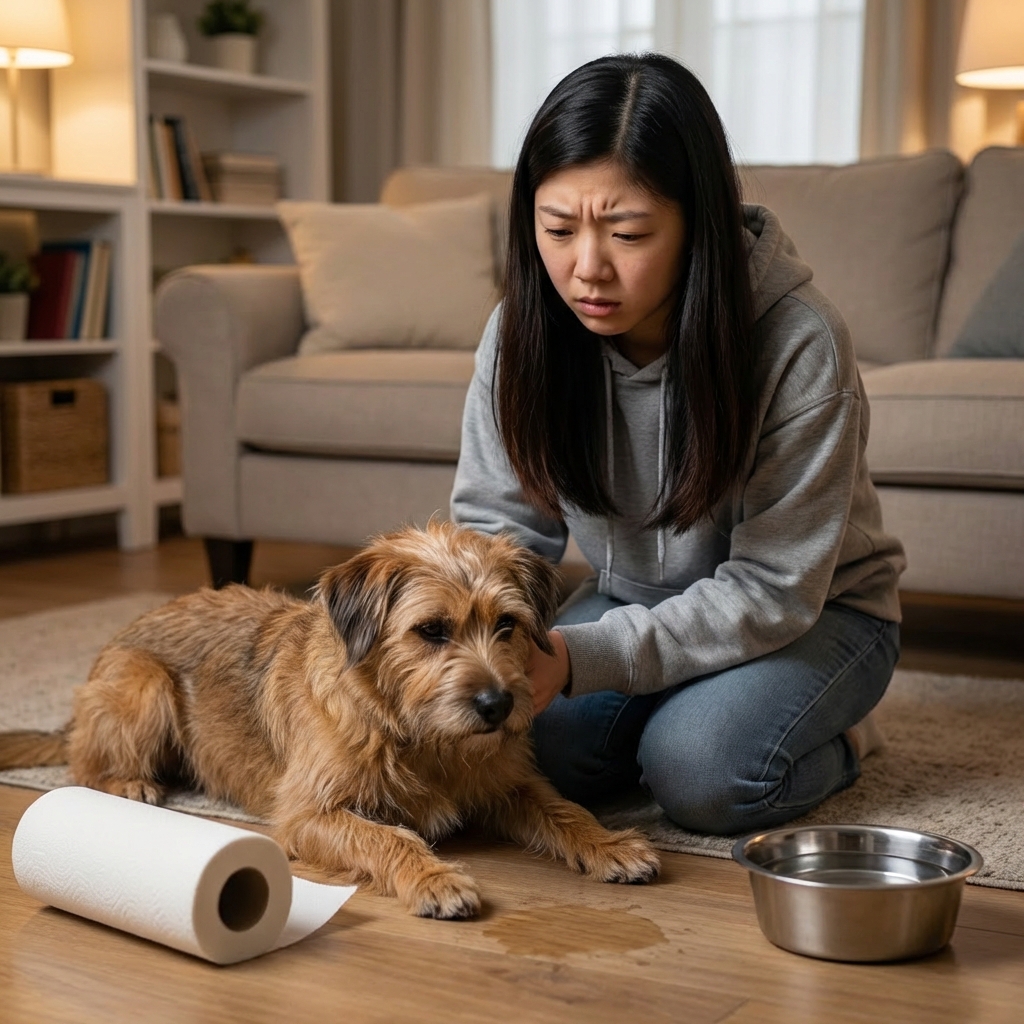
First, is this an emergency?
Use this quick checklist. If you see any of these, call your veterinarian or an emergency clinic today:
- Blood in the stool (bright red or black, tarry stool)
- Vomiting plus diarrhea (especially if your dog cannot keep water down)
- Marked lethargy, collapse, or weakness
- Signs of dehydration (sticky gums, sunken eyes, very slow skin “snap back”)
- Severe abdominal pain, bloating, unproductive retching
- Diarrhea in a puppy, senior dog, or an immunocompromised dog
- Known or suspected toxin exposure (xylitol gum, grapes/raisins, chocolate, medications)
- Possible foreign body (chewed toy, socks, bones) or your dog is straining with little produced
- Diarrhea lasting more than 24 to 48 hours, or recurring over days or weeks
That 24 to 48 hour window is a guideline. If your dog is very small, has other health conditions, seems painful, is not drinking well, or things are trending worse, it is safer to call sooner.
If none of those fit and your dog is acting fairly normal, you can often try a short, gentle reset at home while you monitor closely.
Effective home care steps
1) The hydration first rule
The biggest risk with diarrhea is fluid loss. Keep fresh water available at all times. If your dog is not drinking well, offer small, frequent sips.
- For many dogs, adding a splash of low-sodium broth to water can improve drinking.
- If your dog is vomiting, do not force water. Call your veterinarian.
Practical tip: check your dog’s gums. Healthy gums feel slick and moist. If they feel tacky or dry, dehydration can be starting.
2) Try a short bland diet, but do not fast for long
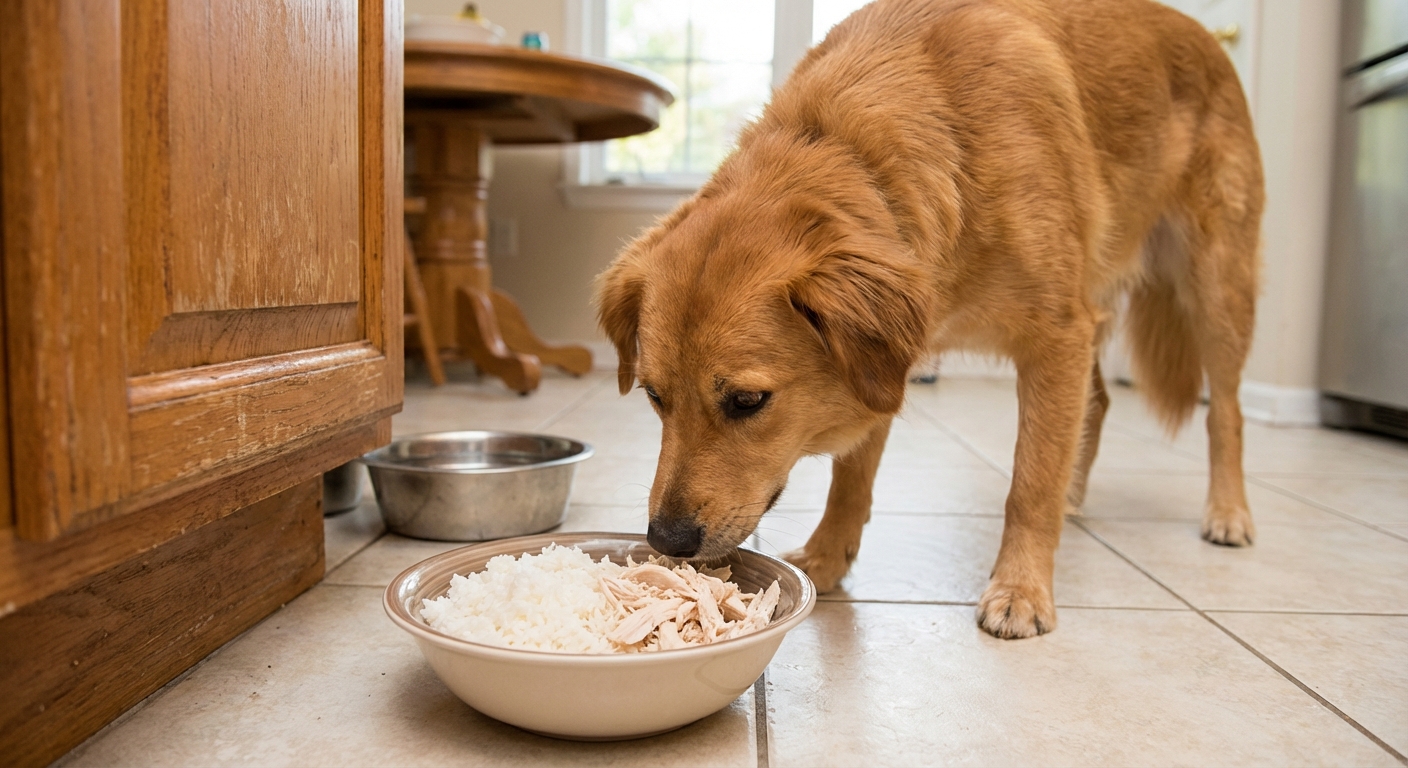
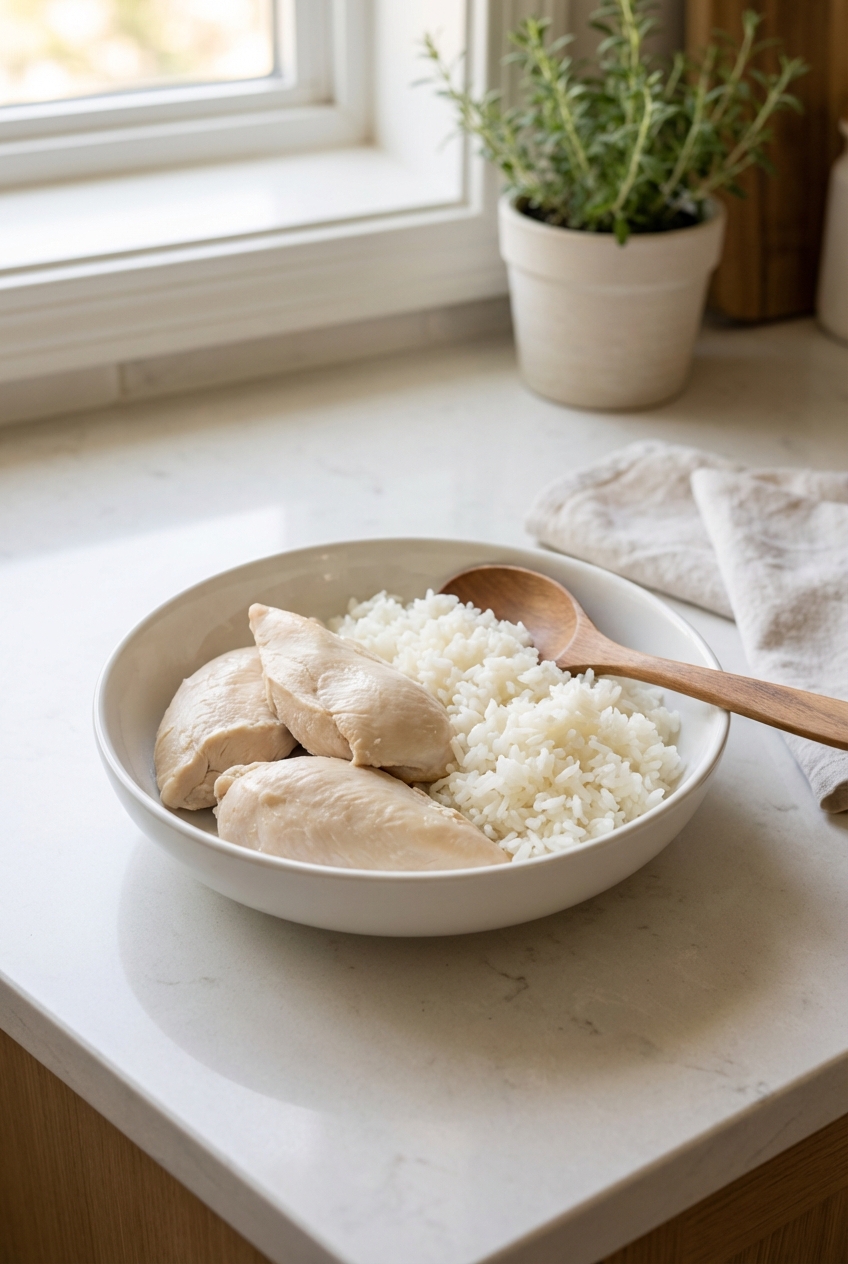
Old-school advice was to withhold food for 24 hours. For many dogs, especially small breeds and puppies, prolonged fasting can backfire. Instead, aim for small, frequent bland meals for 2 to 3 days.
Simple bland options (choose one protein and one carb):
- Boiled, skinless chicken and white rice
- Boiled turkey and white rice
- Lean ground beef (drained well) and rice
- Veterinary gastrointestinal canned diet (often a great, easy option)
Feeding amount: offer about 25% to 50% of your dog’s normal total daily amount, divided into 3 to 6 small meals for the day. If stools improve, slowly increase toward normal portions.
Note: bland diets are meant to be temporary. If your dog needs more than a few days of GI support, your veterinarian can recommend a nutritionally complete GI diet.
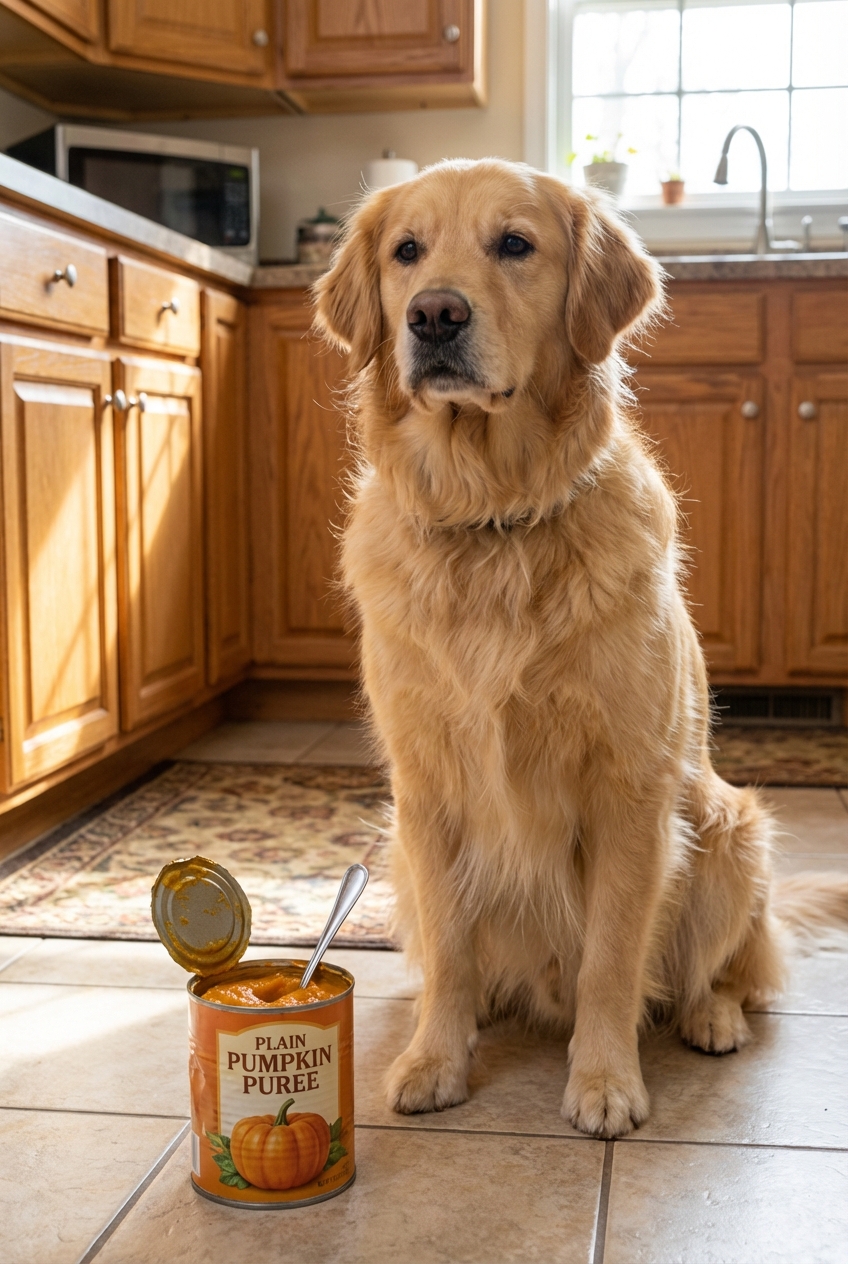
3) Use pumpkin correctly (it is not magic, but it helps)
Plain canned pumpkin (not pumpkin pie filling) can help because it contains gentle soluble fiber that firms stool. Start low, because too much fiber can worsen gas or diarrhea in some dogs.
- Small dogs: start with 1 teaspoon mixed into food
- Medium dogs: start with 1 tablespoon
- Large dogs: start with 1 tablespoon (up to 2 tablespoons if tolerated)
If your dog gets gassy or the stool worsens, stop and reassess. Not every gut loves extra fiber.
4) Probiotics: often helpful
When diarrhea hits, the gut microbiome can get thrown off fast. A high-quality probiotic made for dogs may support recovery, and there is some evidence certain products can shorten the course of acute diarrhea. Results vary by strain and product, so veterinary-recommended options are usually a safe bet.
If you have a probiotic at home, follow the label. If you do not, ask your vet what they prefer for your dog’s size and health history.
5) The stop the snack chaos trick
One sneaky cause of diarrhea is a dog getting too many extras, especially rich treats, fatty table scraps, or new chews. For a few days, simplify.
- Pause all treats except tiny pieces of the bland diet food.
- Stop bones, pig ears, bully sticks, and high-fat chews.
- Keep trash secured and supervise outside time if your dog is a scavenger.
6) Know what not to do (very important)
- Do not give human anti-diarrhea medication unless your veterinarian tells you to. Some can be unsafe in certain dogs (including some herding breeds with MDR1 sensitivity) or can mask a serious problem.
- Do not give fatty foods to get calories in. Fat can worsen diarrhea and trigger pancreatitis in susceptible dogs.
- Do not switch foods repeatedly. Rapid changes can prolong the upset.
What the poop is telling you
In clinic, we always ask about stool details because they narrow down what may be happening.
- Large volume, watery stool: more consistent with small intestine issues or upper GI upset
- Small amounts, frequent urgency, mucus: often large bowel colitis
- Black, tar-like stool: can indicate digested blood from higher up in the GI tract and needs a vet visit
- Bright red streaks: can happen with straining or colitis, but still worth a vet call, especially if it persists
Helpful note: take a photo of the stool to share with your vet. It feels weird, but it saves time and improves accuracy.
Even better if you can: bring a fresh stool sample (ideally within 12 hours) to your appointment. Your veterinarian may recommend a fecal test, especially if diarrhea is ongoing or keeps coming back.
When to reintroduce regular food
Once stools are improving, keep the bland diet for 24 hours after the last loose stool, then transition slowly back to your dog’s normal food over 3 to 5 days:
- Day 1: 75% bland, 25% regular
- Day 2: 50% bland, 50% regular
- Day 3: 25% bland, 75% regular
- Day 4: 100% regular
If diarrhea returns during the transition, go back to the previous step and call your veterinarian if it does not resolve quickly.
Common causes you can prevent
- Dietary indiscretion: trash, table scraps, new treats, rich chews
- Sudden food changes: transition over 7 to 10 days when possible
- Stress: boarding, visitors, moving, schedule changes
- Parasites: even indoor dogs can get them, especially if they visit parks or daycare
- Infections: viruses and bacteria, more common in puppies and social dogs
- Food sensitivities: recurring loose stool can be a clue
If your dog has repeated episodes, ask your vet about a fecal test, a diet trial, and whether a prescription GI diet might be appropriate.
Also, a quick safety reminder: some toxins (like xylitol, grapes, and raisins) are emergencies even if diarrhea is mild or has not started yet. If you suspect an exposure, call your veterinarian or an emergency clinic right away.
A simple plan for the next 24 hours
If your dog is otherwise bright and alert, here is a simple plan many veterinarians are comfortable with:
- Provide constant access to fresh water.
- Feed small bland meals 3 to 6 times today.
- Add a dog-specific probiotic if you have one.
- Optional: add a small amount of plain canned pumpkin.
- No treats, no chews, no table scraps.
- Monitor stool frequency, blood, vomiting, energy level, and appetite.
If anything worsens, or you see blood, vomiting, or lethargy, stop home care and call your veterinarian right away.
Quick FAQ
How long does simple diarrhea usually last?
Mild diet-related diarrhea often improves within 24 to 48 hours with supportive care. If it does not, it is time to check in with your veterinarian.
Should I give rice water or broth?
Some dogs do well with a little low-sodium broth to encourage drinking, but plain water is still best. Avoid broths with onion or garlic powders, which can be unsafe.
Could it be allergies?
Yes, but allergies are more likely when diarrhea is chronic or recurrent, often paired with itchy skin or ear infections. Your veterinarian can guide a structured diet trial.