Hairballs can be normal—but frequent gagging or vomiting may signal a bigger issue. Get vet-approved tips on brushing, hydration, fiber, diet, gels, and wh...
Article
•
Designer Mixes
How to Stop Cat Hairballs With Diet Changes

Shari Shidate
Designer Mixes contributor
If you have ever stepped on a “surprise” hairball first thing in the morning, you are not alone. Hairballs are incredibly common, especially in cats that groom a lot, have longer coats, or shed heavily. The good news is that for many cats, you can reduce hairballs significantly with smart, gentle diet changes that help digestion, hydration, and skin and coat health.
As a veterinary assistant, I always like to start with one important reminder: occasional hairballs can be normal. Frequent hairballs, a sudden change from your cat’s baseline, or “hairballs” that look more like coughing can be a sign your cat needs a closer look. Let’s walk through what helps most, focusing on changes you can actually stick with.
Why cats get hairballs
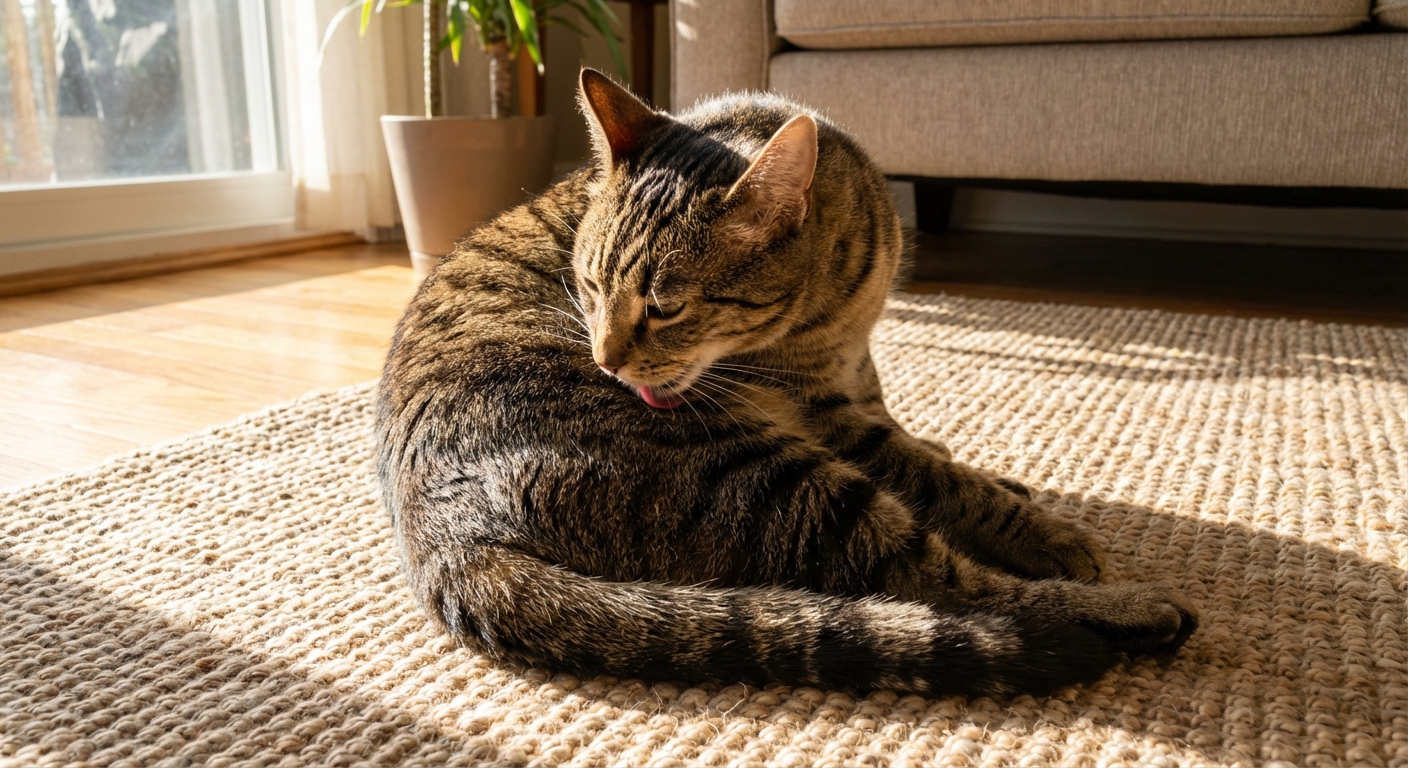
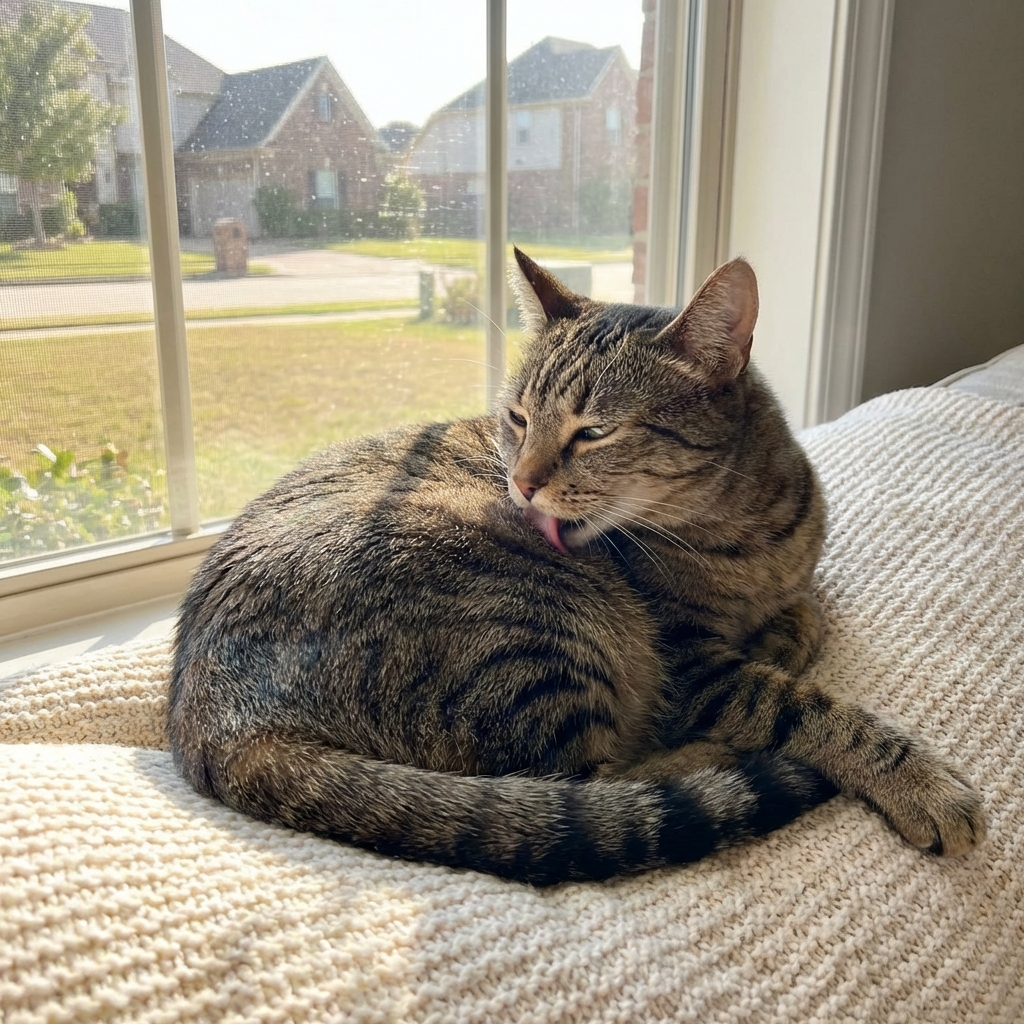
Cats have tiny backward-facing barbs on their tongue that pull loose hair into the mouth during grooming. Most of that hair moves through the GI tract and exits in the litter box. Hairballs happen when hair accumulates in the stomach and gets vomited up instead.
Diet matters because it influences:
- Gut motility (how well things move through the intestines)
- Stool quality (well-formed stools can help move hair along, while constipation and overly hard stools can slow transit)
- Hydration (low water intake can contribute to constipation and slower transit)
- Skin and coat health (less shedding means less hair swallowed)
When hairballs are too frequent
There is no perfect number for every cat, but as a general guide, a true hairball every now and then can be normal. If you are seeing them multiple times a month, weekly, or you notice a new pattern, it is worth a vet check or at least a call. Contact your veterinarian promptly if you notice any of the following, because diet changes alone are not the right first step:
- Retching without producing a hairball, repeated coughing, or gagging
- Decreased appetite, weight loss, lethargy
- Constipation, straining, or very hard stools
- Vomiting that happens often (for example, weekly or more), is persistent, is new for your cat, or includes blood
- A suddenly increased number of hairballs compared to your cat’s normal pattern
These signs can be associated with GI disease, parasites, food intolerance, or an obstruction, especially if your cat is trying to vomit but nothing comes up. Also note that coughing can be respiratory (asthma or bronchitis) and is commonly mistaken for “trying to bring up a hairball.” If you are not sure which one you are seeing, a quick video for your vet can be very helpful.
Diet changes that help most
1) Add moisture with wet food (or add water safely)
Hydration is one of the most practical hairball helpers. Dry food contains much less water than canned food. Some cats compensate by drinking more, but many do not fully make up the difference, so their total water intake may be lower.
- Best first move: shift part of the diet to canned food.
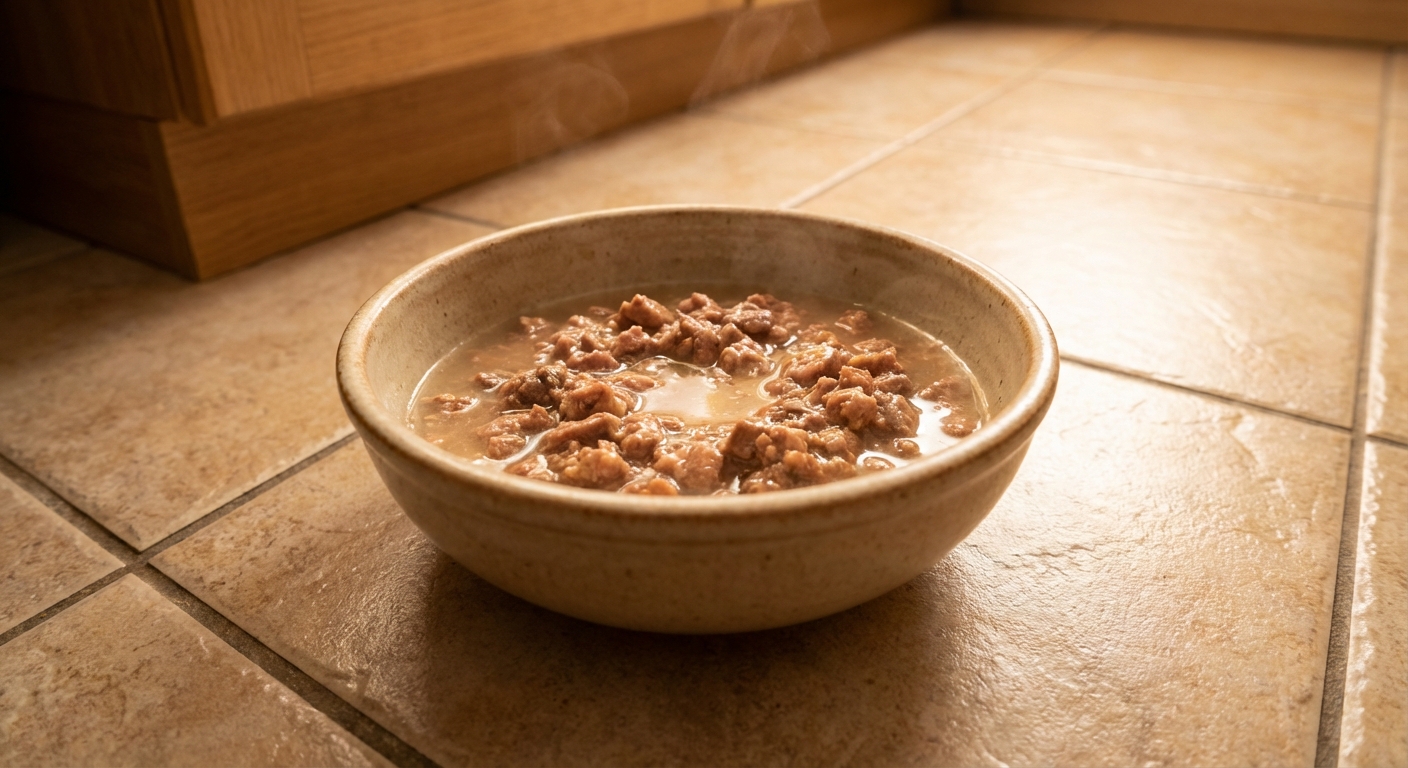
- Easy option: add a tablespoon or two of warm water to wet food to make a gravy-like texture.
- Broth tip: use only cat-safe broths (no onion, garlic, or added salt).
Food safety note: If you add extra water or broth, pick up uneaten wet food within 30 to 60 minutes (sooner in warm rooms) to reduce the risk of spoilage.
2) Use fiber strategically
Fiber can help “sweep” hair through the intestines, but too much can cause gas or loose stools, and not enough (or the wrong fit for your cat) can contribute to constipation. The goal is the right type and amount for your cat.
Diet options to discuss with your vet:
- Hairball-control diets that use specific fiber blends to support transit
- GI-support diets if your cat also has a sensitive stomach or inconsistent stools
For some cats, a small amount of fiber add-in can help, but always confirm dosing with your veterinarian first. Cats are not small dogs, and “a spoonful” can be too much for a cat.
3) Support skin and coat with the right fats
Less shedding means less hair swallowed. Diets with balanced fats and high-quality protein support skin barrier health and a shinier coat.
- Look for foods that list a named animal protein first (like chicken, turkey, salmon).
- Ask your vet if omega-3 fatty acids (EPA and DHA) make sense for your cat, especially if the coat seems dry or flaky.
- Use only pet-formulated omega-3 products, because dosing and purity matter.
4) Consider higher digestibility if vomiting is common
Some cats vomit hairballs more often because their stomach is irritated, or because the overall diet is not agreeing with them. A diet that is easier to digest can reduce vomiting frequency for certain cats.
Clues your cat may benefit from a digestibility upgrade:
- Hairballs plus frequent “regular” vomit
- Soft stools, strong stool odor, or alternating diarrhea and constipation
- Very gassy belly, discomfort, or sudden pickiness
Your vet may recommend a sensitive-stomach formula or a veterinary therapeutic diet for a trial period.
5) Feed smaller, more frequent meals
Large meals can trigger vomiting in some cats. Smaller portions spread out through the day may reduce stomach overload and help keep the GI tract moving.
- If you feed dry food, consider measured meals instead of free-feeding.
- For wet food, split the daily amount into 2 to 4 meals if your schedule allows.
A simple 10-day transition
Cats can be sensitive to sudden diet changes, so go slow to avoid upset stomach and food refusal.
- Days 1 to 3: 75% current food, 25% new food
- Days 4 to 6: 50% current food, 50% new food
- Days 7 to 9: 25% current food, 75% new food
- Day 10 and beyond: 100% new food
If your cat has a history of GI issues, slow this down further. The goal is steady progress, not speed.
Common aids and what to avoid
Hairball gels and pastes: Petrolatum-based hairball remedies can help some cats, especially short-term, but they are not a fix for the underlying issue (like heavy shedding, low moisture intake, or constipation). They can also add calories and may cause diarrhea in some cats. Use them only as directed on the label and ideally with your veterinarian’s guidance, especially if your cat has other GI problems or is on medications.
- Dog hairball products or laxatives: cats have different needs and dosing.
- Unapproved oils and “kitchen remedies”: these can trigger GI upset and, in some cases, may worsen pancreatitis in pets that are predisposed. Ask your vet before using them.
- Fish-heavy diets as a default: some cats do great, others develop pickiness or GI upset. Variety is often your friend.
- Sudden diet switches: fast changes can lead to vomiting, diarrhea, or refusal to eat.
Diet plus two habits
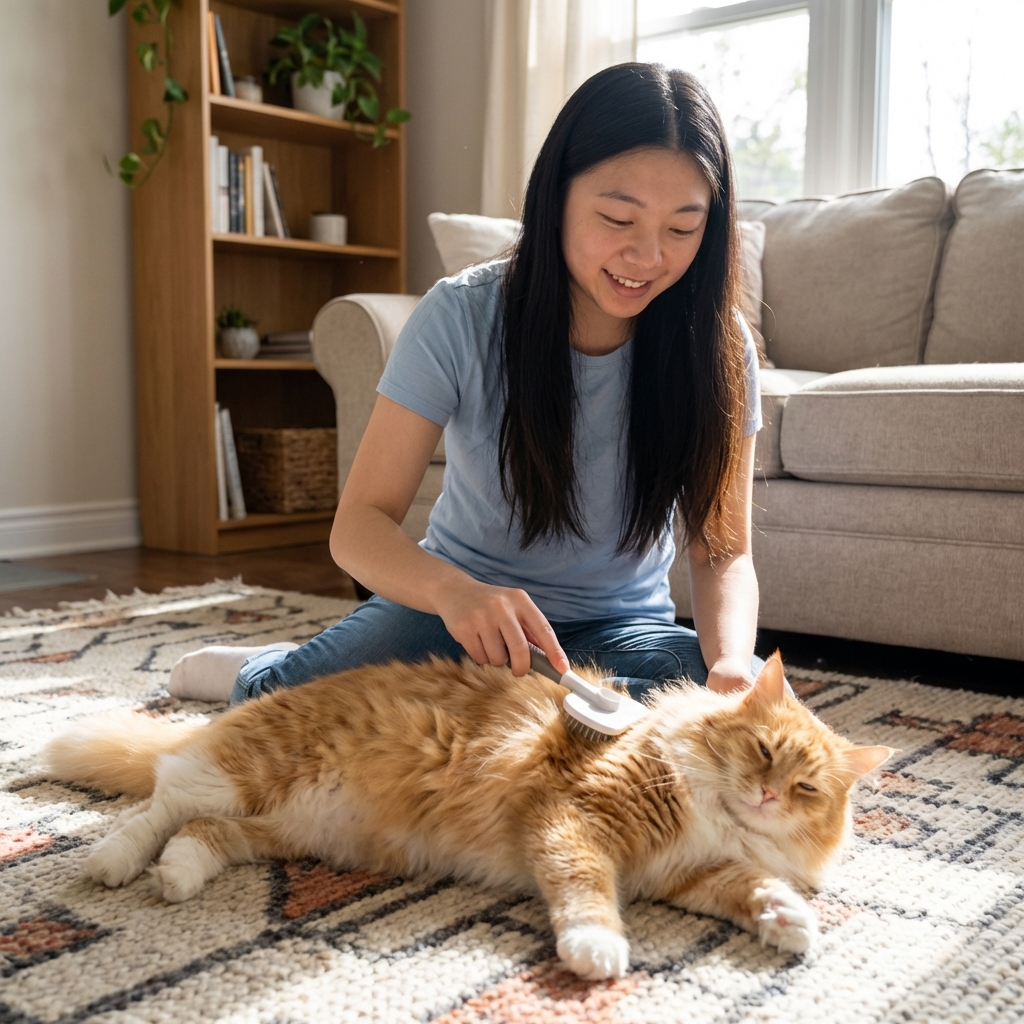
Brush support
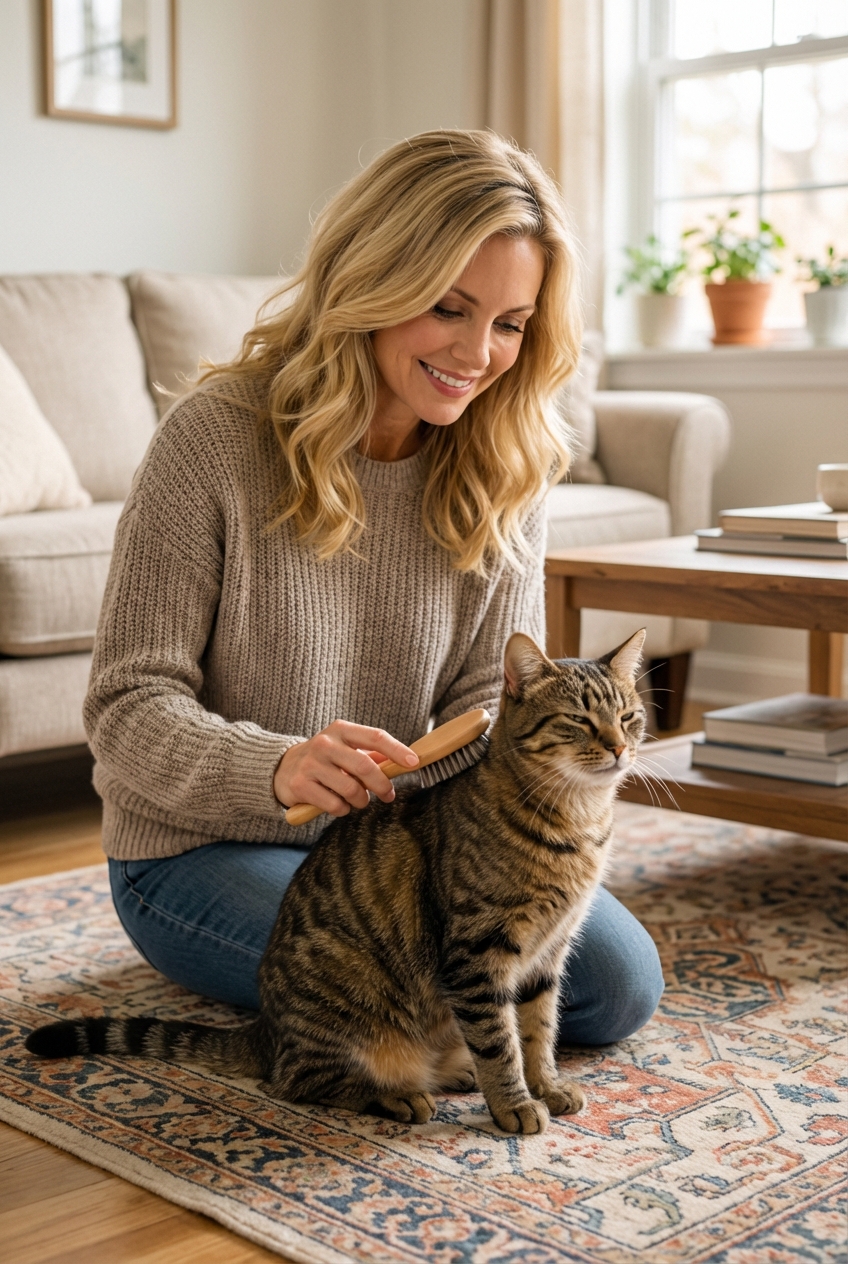
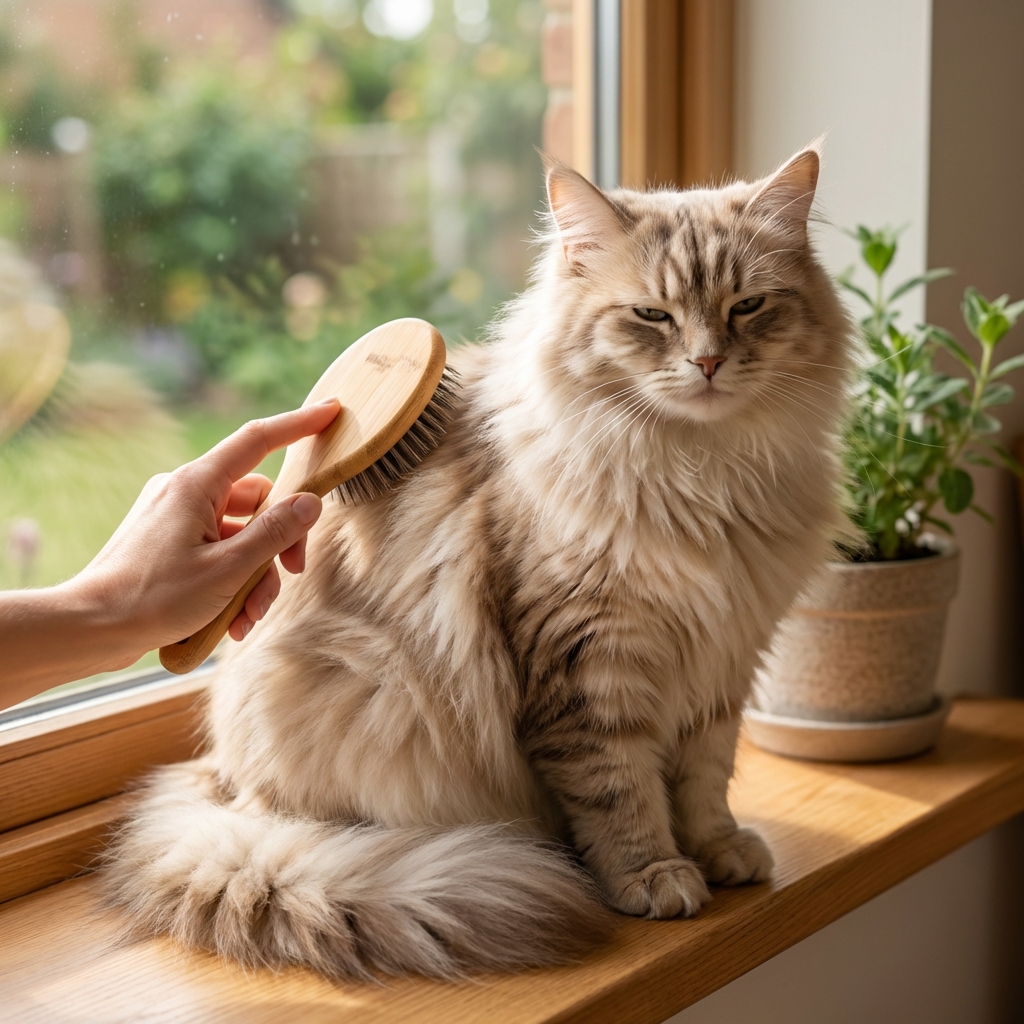
Even the best diet struggles to keep up if your cat is swallowing a lot of loose hair. A few minutes of brushing several times per week can make a big difference.
Hydration support
Alongside wet food, consider a water fountain. Many cats drink more when water is moving and fresh.
Do not skip the “why”
If hairballs are ramping up, it can help to look for non-diet triggers too, like seasonal shedding, fleas or parasites that increase grooming, stress or anxiety overgrooming, and obesity or arthritis that changes grooming patterns. Fixing the root cause often reduces hairballs faster than any single food change.
The bottom line
To stop or reduce cat hairballs with diet changes, focus on moisture first, then add the right level of fiber, and support skin and coat with quality nutrition and vet-approved omega-3s. Small changes done consistently usually beat dramatic changes that are hard to maintain.
If hairballs are frequent, sudden, or paired with coughing, poor appetite, constipation, or persistent vomiting, it is time to involve your veterinarian. Your cat deserves relief, and you deserve to walk through your house without fear of the next hairball surprise.