Cut your dog’s nails too short and it’s bleeding? Follow calm, step-by-step first aid: firm pressure, styptic powder (or cornstarch), aftercare tips, and...
Article
•
Designer Mixes
How to Stop a Dog Nail From Bleeding

Shari Shidate
Designer Mixes contributor
It happens to the best of us. You trim a nail, your dog pulls back, and suddenly there is blood on the floor and your heart is racing. Take a breath. A nail bleed looks scary, but with the right steps and a calm plan, you can usually get it under control quickly.
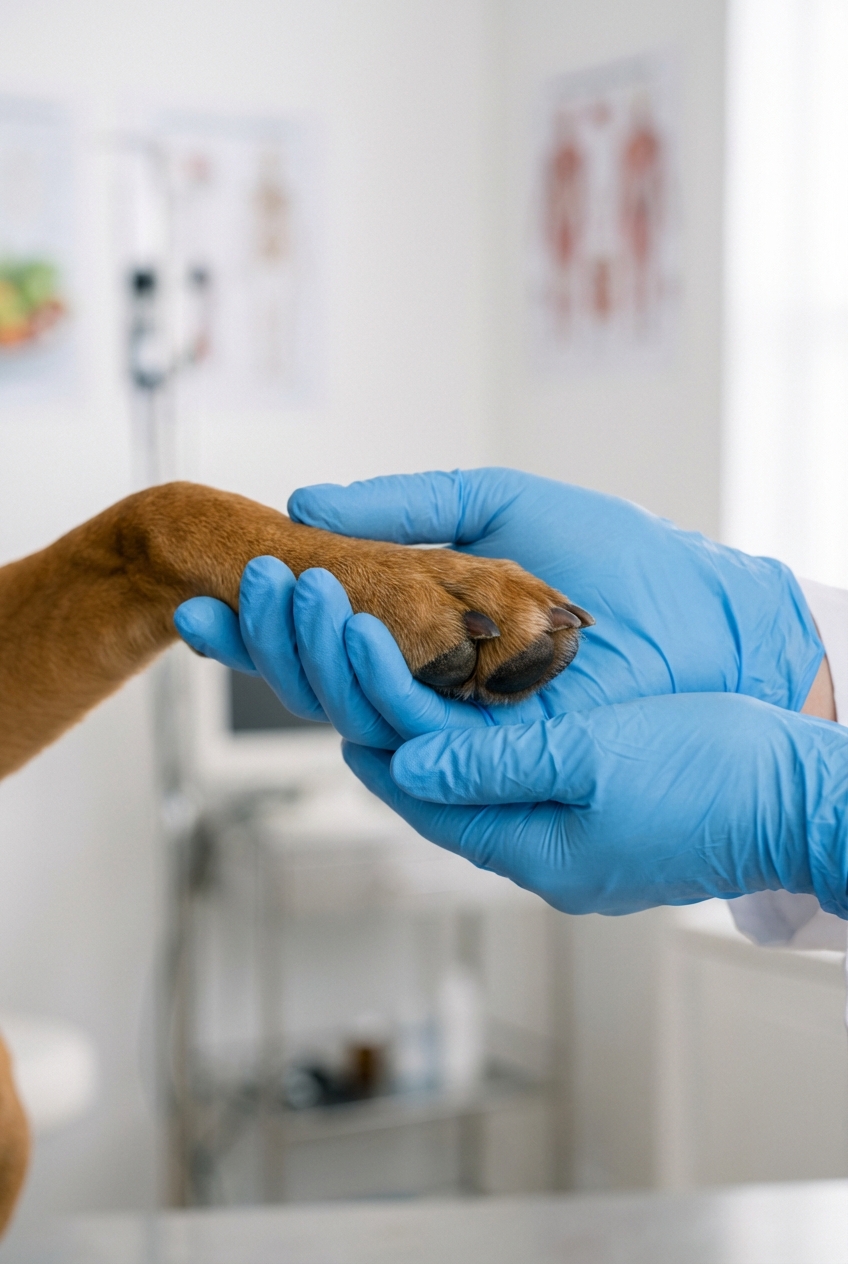
As a veterinary assistant, I have seen this in clinics and at home. The goal is simple: stop the bleeding fast, keep the nail clean, and know when it is time to call your veterinarian.
Quick note on terms: A “quicked” nail usually means you trimmed too short and nicked the blood supply inside the nail. A torn or broken nail is more of a trauma injury and can split higher up, which may need veterinary care.

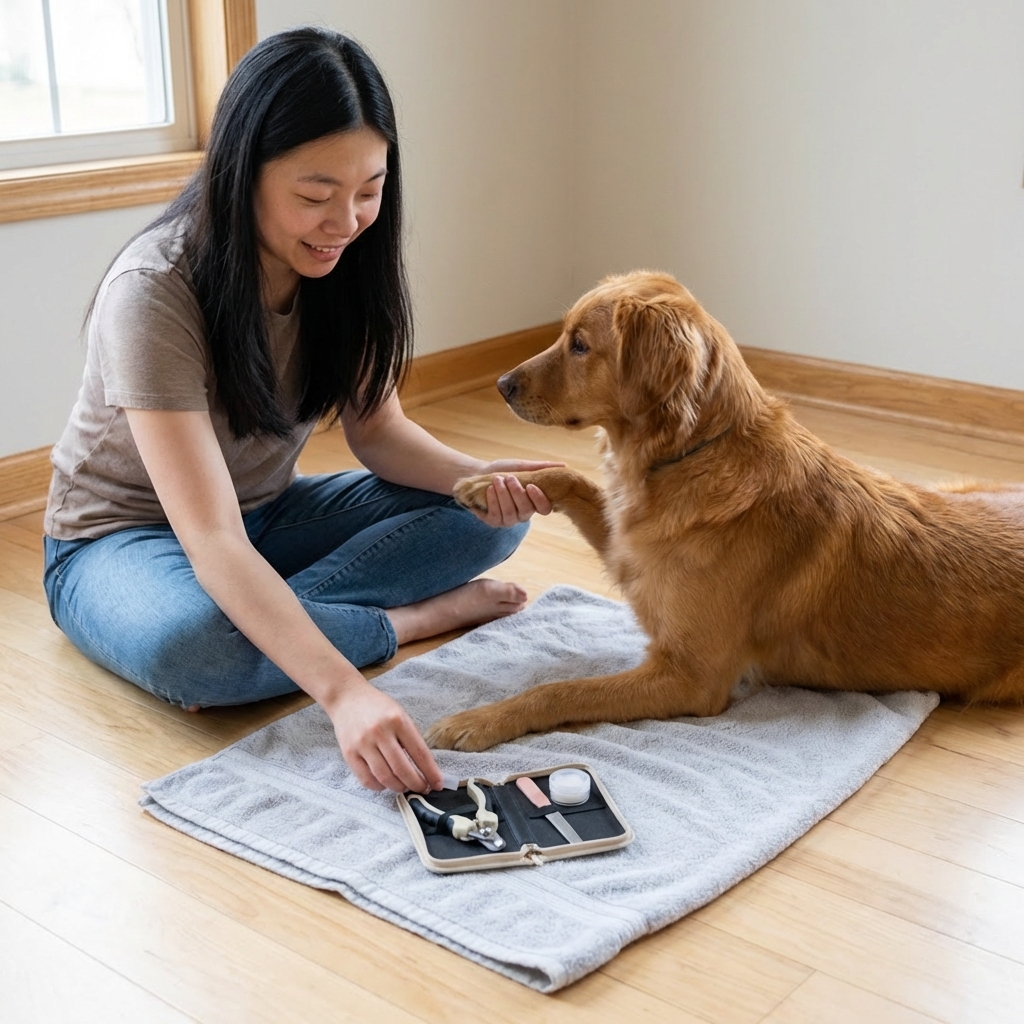
First: Stay safe and set up
Before you try to stop the bleeding, set yourself up for success. Dogs often react more to our stress than to the injury itself.
- Move to good light so you can see which nail is bleeding.
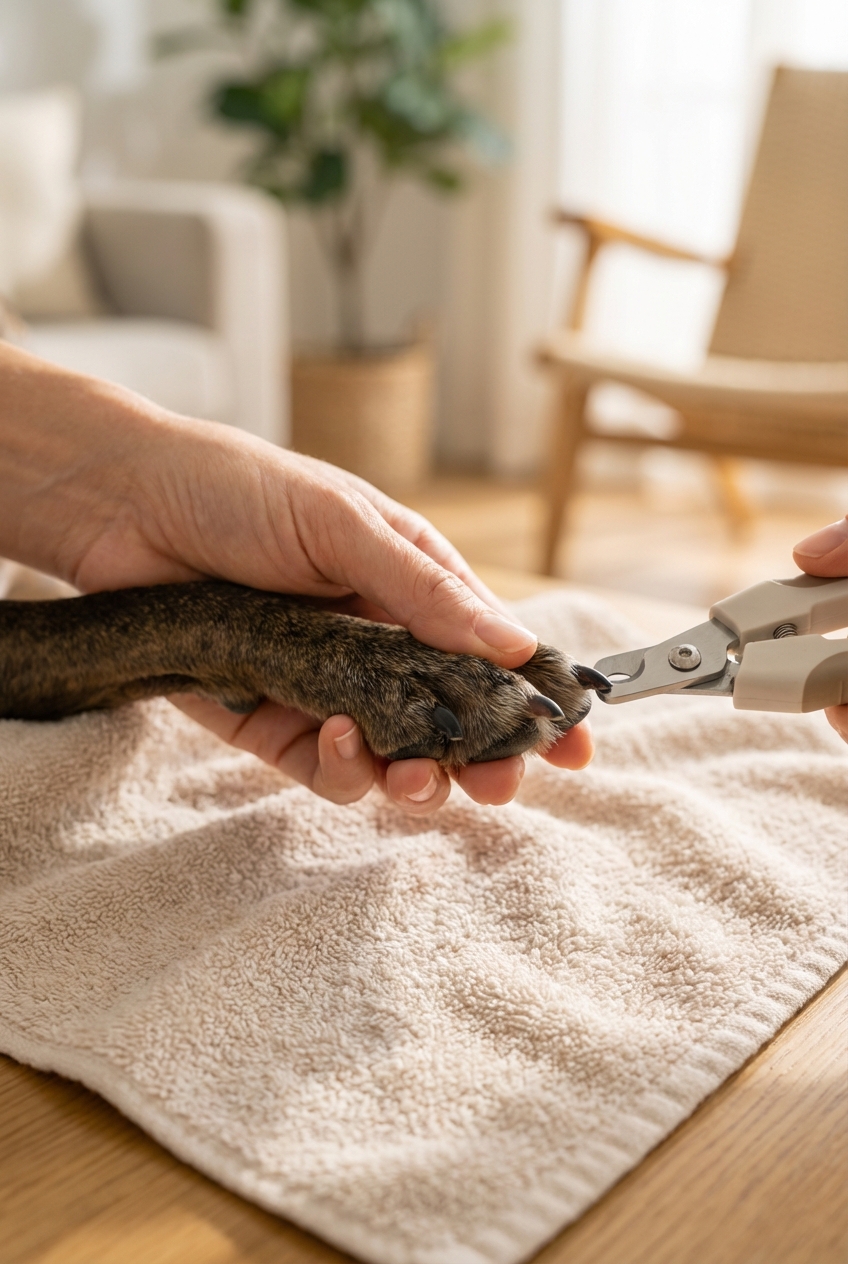
- Use a towel under the paw to catch blood and prevent slipping.
- Ask for help if possible. One person can comfort and gently hold, the other can treat.
- Keep your dog still. Movement makes clotting harder and can reopen the nail tip.
- Prevent bites if needed. Even sweet dogs may snap when hurt. If you are concerned, use a basket muzzle, a soft muzzle, or a towel wrap around the head and ask your vet for guidance.
Step-by-step: Stop the bleeding
Step 1: Apply pressure
Start with the simplest and most effective option. Use clean gauze or a paper towel and press it firmly to the nail tip.
- Hold continuous pressure for 2 to 5 minutes without checking every few seconds.
- If your dog will allow it, keep the paw slightly elevated.
Step 2: Use styptic if you have it
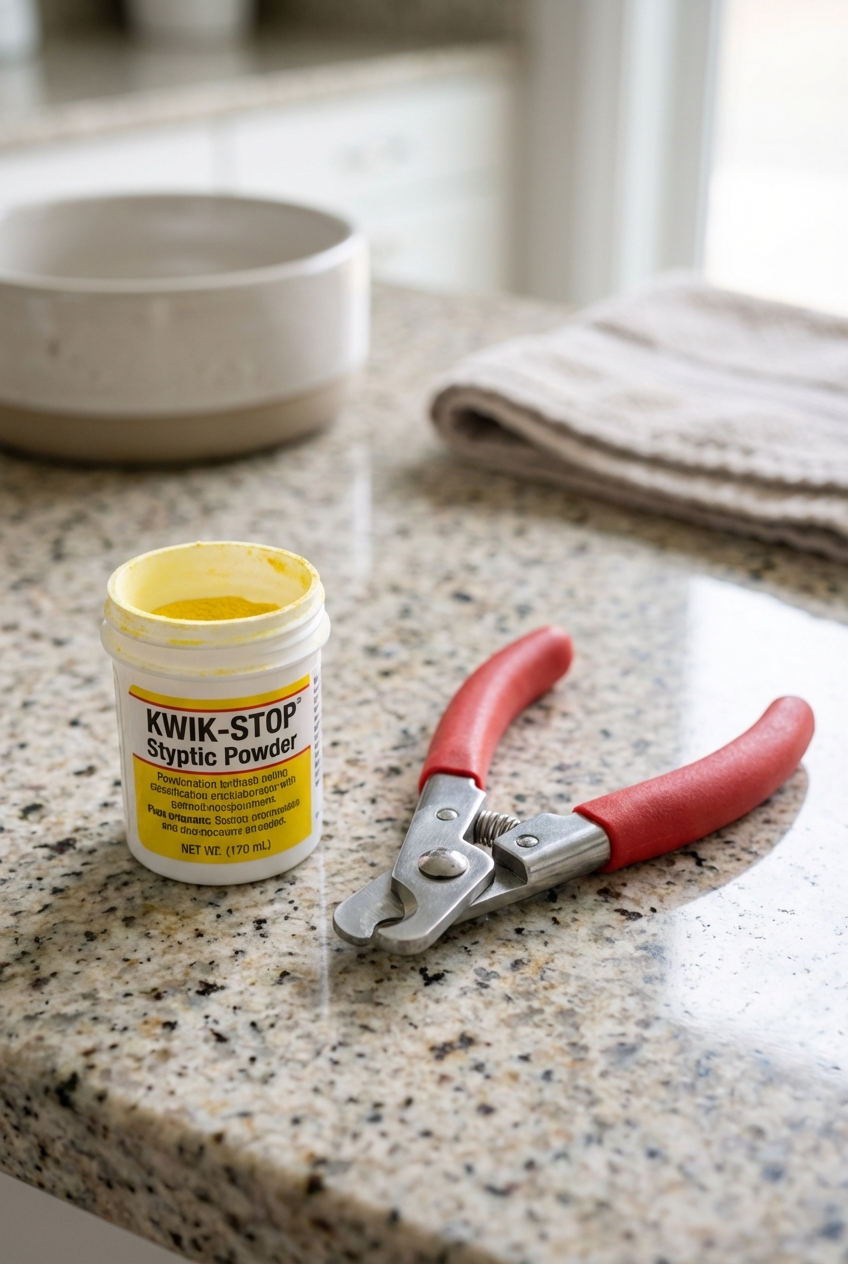
If pressure alone is not stopping the bleed, a styptic agent helps blood clot faster. Common options include styptic powder, a styptic pencil, or veterinary clotting gels.
- Dip the nail tip into the powder or pack a pinch onto the nail.
- Then apply pressure again for 30 to 60 seconds.
- A little stinging can happen. Comfort your dog and keep your hold steady.
Step 3: If you do not have styptic
In a pinch, you can use common household items to create a temporary clotting effect.
- Cornstarch or flour: Use a small amount and hold pressure. Use only clean product and avoid packing it into a deeper tear or split nail.
- Clean bar soap: Gently press the nail tip into the soap to help plug the end, then hold pressure. Use only clean soap.
These are temporary measures and work best for simple quicked nails, not nails that are split or torn up the toe.
Step 4: Protect it for 1 hour
Once the bleeding stops, keep your dog quiet for a bit. Running, jumping, or licking can restart the bleed.
- Limit activity for 30 to 60 minutes.
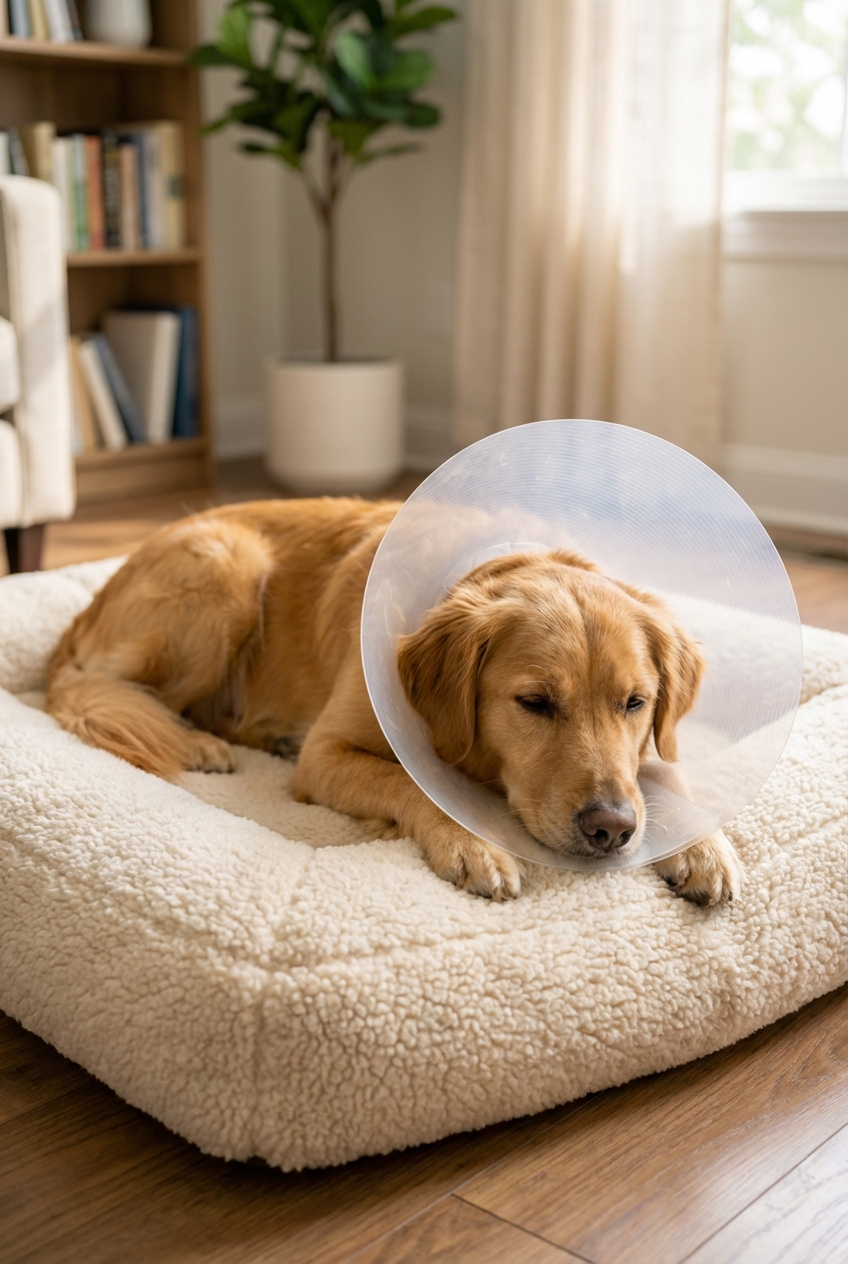
- Discourage licking. If your dog cannot leave it alone, use an e-collar.
- Avoid rough surfaces until the nail looks dry and stable.
If it starts bleeding again: go back to pressure for a few minutes, add styptic if you have it, and reassess using the “when to call the vet” list below.
What not to do
- Do not use a tight bandage that can cut off circulation. If you must wrap briefly, keep it loose, check toes for warmth and color, and remove it soon after the bleeding is controlled.
- Do not use hydrogen peroxide to try to stop bleeding or for routine nail care. It can irritate tissue and may delay healing.
- Do not keep trimming to “fix it.” Once you hit the quick, stop and focus on clotting.
- Do not scrub aggressively while the nail is still bleeding. Control bleeding first, then gently clean.
- Do not give human pain meds (like ibuprofen, naproxen, or acetaminophen) unless your veterinarian tells you to. Some are toxic to dogs.
Aftercare: 24 to 48 hours
Most quicked nails heal without complications, but you want to reduce the risk of irritation or infection.
- Keep it clean and dry. Wipe away dried blood with a damp cloth.
- Watch for re-bleeding, especially after outdoor time. A tiny bit of spotting can happen, but it should not keep dripping or soaking materials.
- Check for swelling, heat, or discharge around the nail bed.
- Trim only one or two nails next time if you and your dog are both stressed. There is no rule that says you must do all paws in one sitting.
When to call your vet
Nail bleeds often stop within about 10 minutes with proper pressure and a clotting agent, but timing varies. Call your vet or an emergency clinic if you notice any of the following:
- Bleeding that does not stop within 10 to 15 minutes.
- The nail is cracked, split up the nail, or partially torn off.
- Your dog is in significant pain, will not bear weight, or the toe looks abnormal.
- There is persistent oozing hours later, or repeated re-bleeding with normal activity.
- Your dog has a known clotting disorder or is on medications that can affect bleeding.
If the nail is broken above the quick, it may need veterinary trimming and pain control. Antibiotics may be prescribed if there is a deep break, contamination, or signs of infection. Do not try to pull off a dangling nail at home.
Prevent it next time
Use the right tools
- Sharp clippers sized for your dog, or a quality grinder.
- Styptic powder in your kit before you start.
Trim in small slices
Instead of one big cut, take small trims. If nails are dark, this matters even more. With each small cut, look at the center of the nail. As you approach the quick, you often see a darker, softer-looking spot.
Try the two-second rule
Trim one nail, give a treat, pause for two seconds, then continue. Short sessions build confidence and reduce sudden jerks.
Consider a pro trim
If your dog struggles, has black nails, or you have had repeated quicking incidents, a groomer or veterinary team can help. Many clinics also offer tech nail trims that are quick and low-stress.
Quick checklist
- Pressure for 2 to 5 minutes
- Styptic powder or clean cornstarch, then pressure again
- Keep your dog calm and limit activity
- Stop licking
- Repeat pressure if it re-bleeds
- Call the vet if bleeding lasts more than 10 to 15 minutes or the nail is torn
You have got this. A nail quick is a common accident, and with the right steps you can get your dog comfortable again fast.