Stop indoor urine marking with a practical, vet-informed plan: rule out health problems, use enzymatic cleaning, prevent rehearsals, manage triggers, and rew...
Article
•
Designer Mixes
How to Stop a Dog From Marking Inside the House

Shari Shidate
Designer Mixes contributor
When a dog starts marking indoors, it can feel personal, frustrating, and honestly a little confusing. But in most cases, marking is not spite. It is communication. Dogs use urine to say, “I was here,” “this is mine,” or “I feel unsure about this space.” The good news is that with a clear plan, you can stop indoor marking and help your dog feel more secure at home.
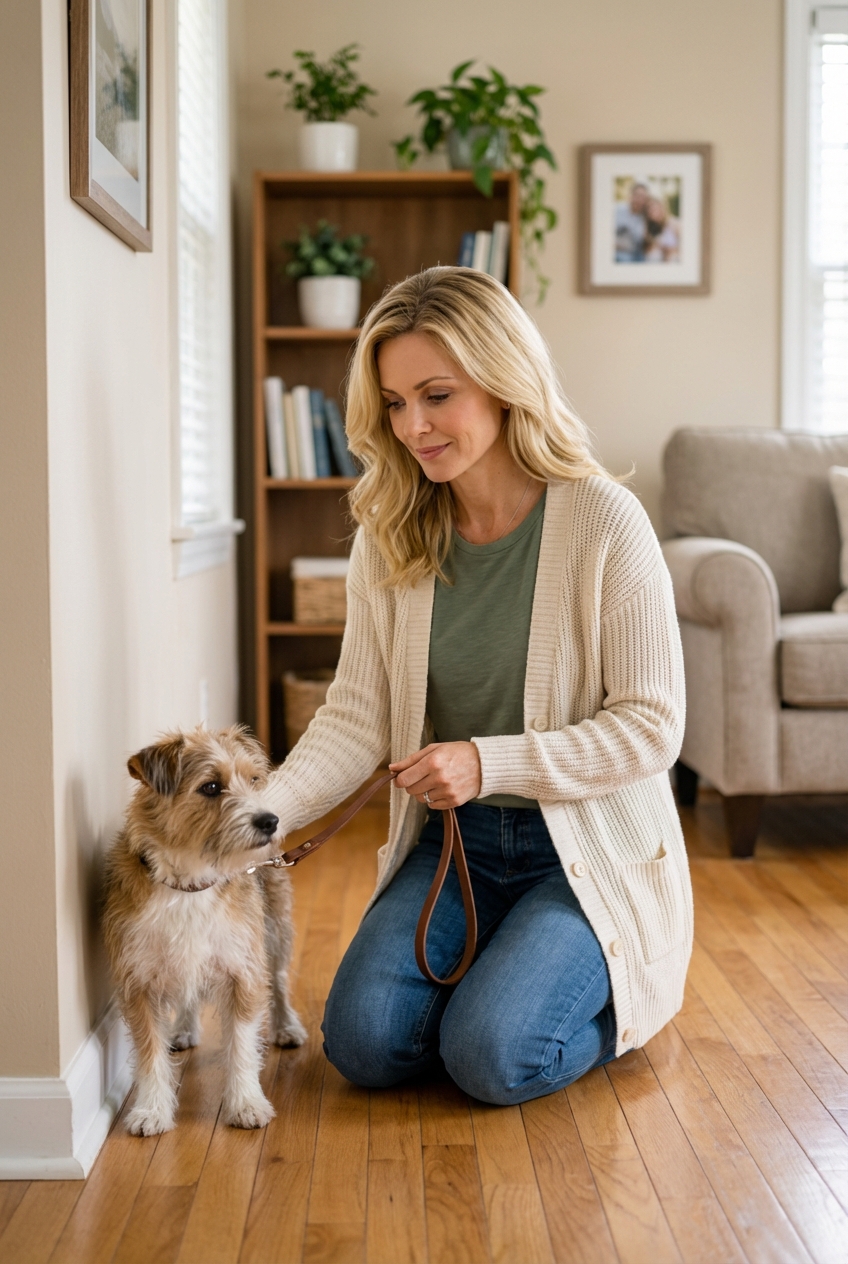
Marking vs. potty accidents
Before you tackle the problem, it helps to identify what is really happening, because the solution changes depending on the cause.
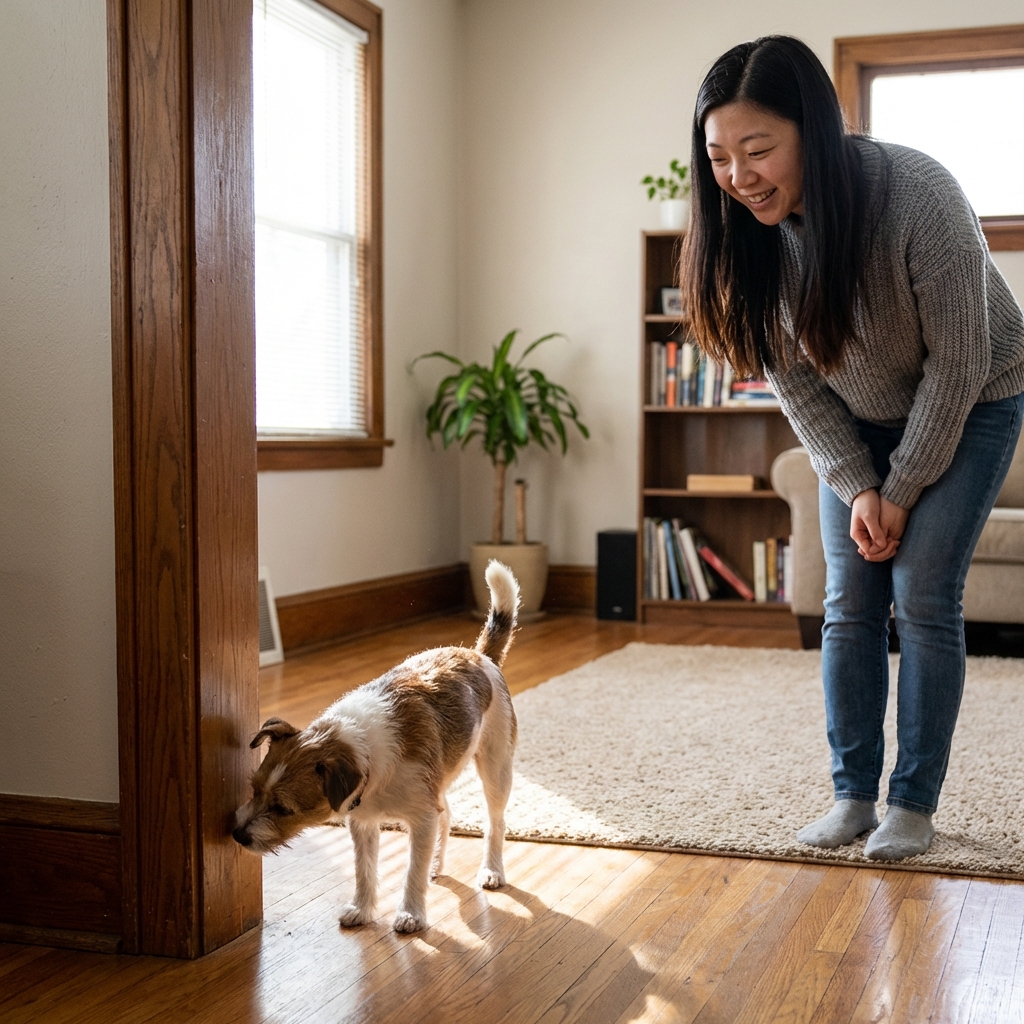
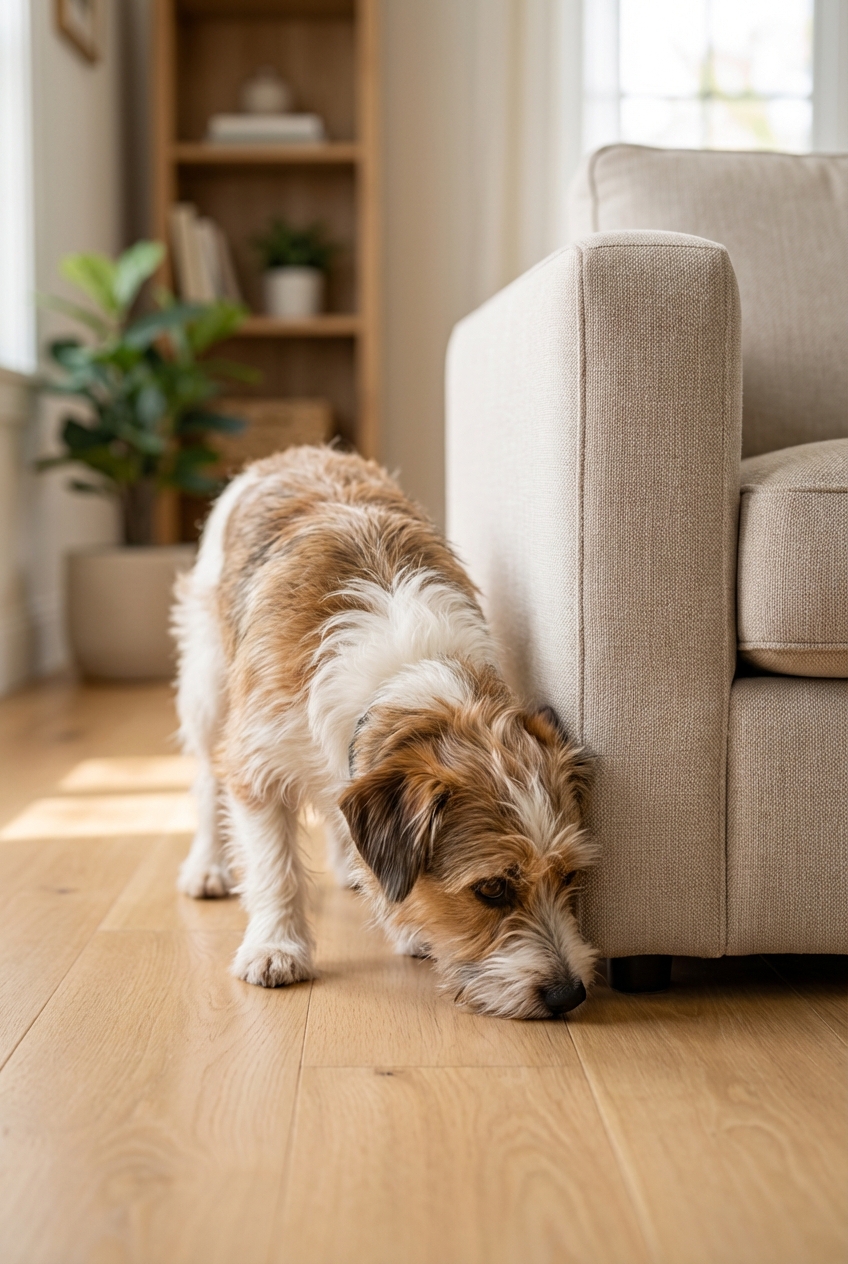
- Marking is usually small amounts of urine, often on vertical surfaces (walls, furniture legs, curtains). It often looks deliberate: a quick sniff, a leg lift (or a slight squat), then moving on. It may happen after visitors arrive, after seeing another dog outside, or when routines change.
- Housetraining accidents tend to be larger puddles, often on horizontal surfaces, and may happen because the dog could not hold it long enough or never learned the routine.
- Medical issues can look like either one. Urinary tract infections, bladder stones, diabetes, kidney disease, Cushing’s disease, or incontinence can all cause indoor urination. Hormone-related incontinence is especially common in some spayed females, but any dog can have urinary control issues.
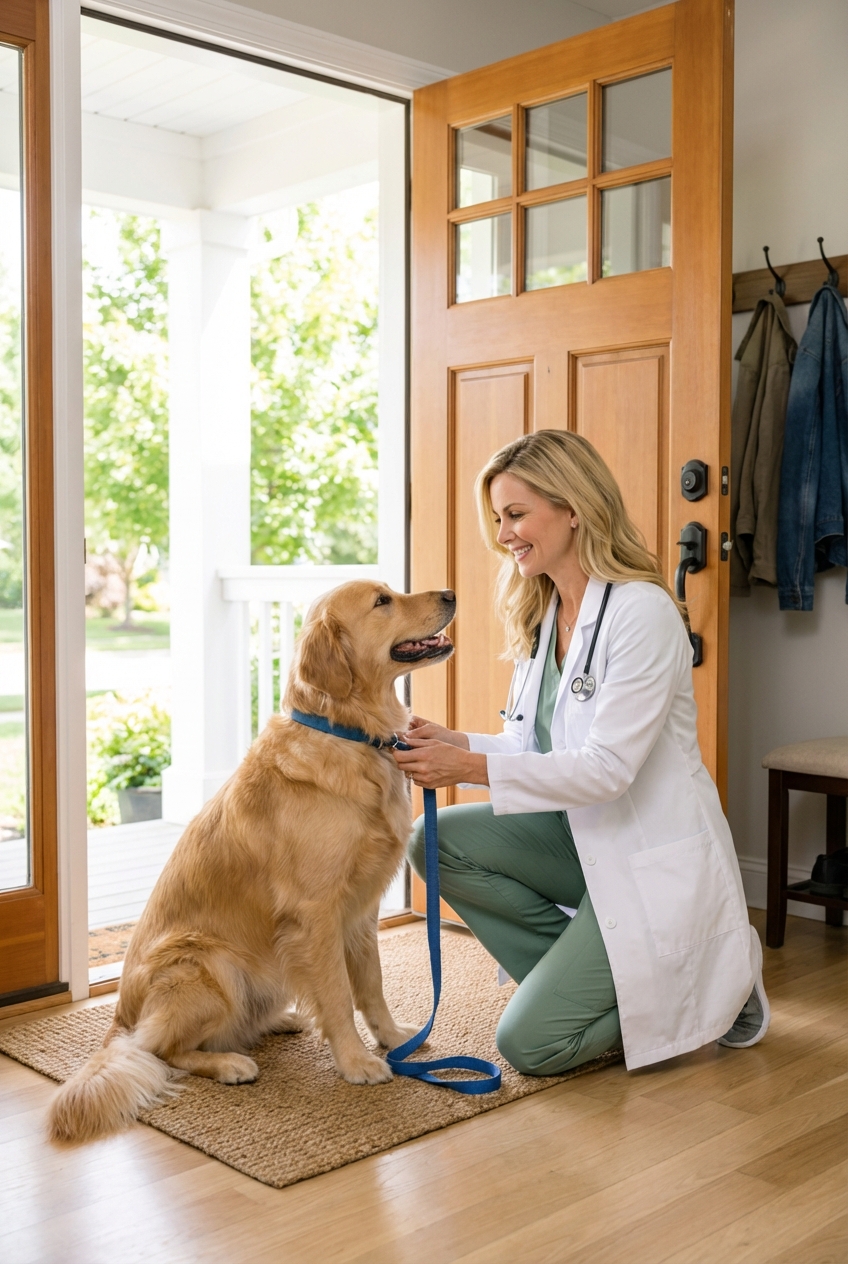
If your dog is suddenly marking, urinating more frequently, straining, licking the genital area, or having accidents while sleeping, schedule a vet visit first. If your dog is straining and producing little to no urine, treat it as urgent, especially in male dogs. As a veterinary assistant, I have seen many “behavior problems” disappear once a UTI or pain is treated.
Why dogs mark indoors
Marking is most common in intact males, but females and neutered dogs can mark too. These are the usual triggers:
- Hormones and maturity: Adolescence can flip the switch, especially in intact dogs.
- Stress or change: Moving, new pets, a new baby, visitors, schedule changes, storms, or construction noises.
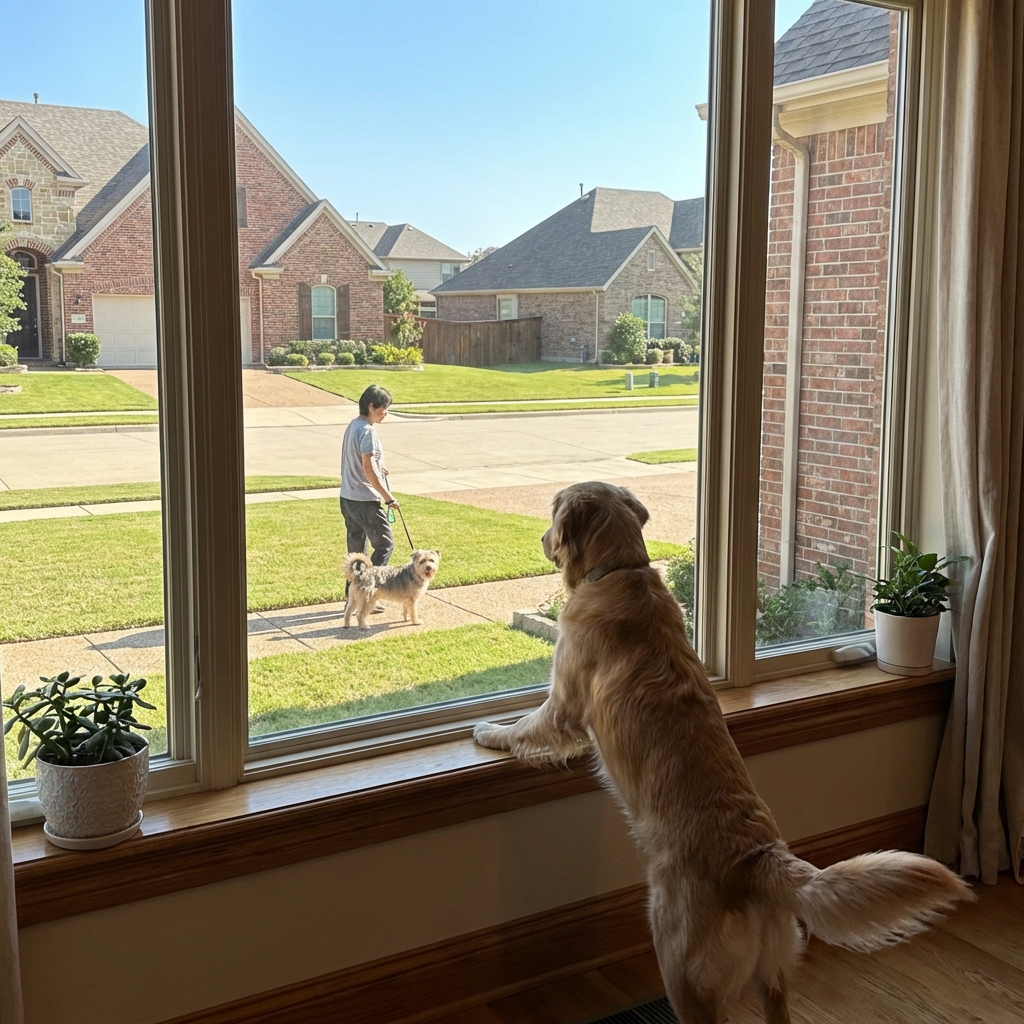
- Social signaling: Seeing neighborhood dogs through windows, smelling urine near doors, or competition with another pet in the home.
- Territory hotspots: Entryways, windows, corners, and previously marked spots.
- Not enough potty structure: Too much freedom too soon, not enough outdoor trips, or rushed walks with no time to fully empty the bladder.
Step-by-step plan
1) Rule out medical problems
Start with a veterinary exam and a urinalysis if your dog’s behavior is new or escalating. Pain and inflammation can increase urgency and make even well-trained dogs have accidents.
2) Clean the right way
Dogs have noses built for detective work. If any odor remains, they will often return to “freshen up” the message.
- Use an enzymatic cleaner specifically made for pet urine (and test it on fabric first).
- Blot first, soak thoroughly, and let it air-dry.
- Avoid steam cleaners, which may set odor into fabric.
- Skip ammonia-based cleaners and homemade ammonia or vinegar mixes that can confuse scent cues or irritate sensitive noses.
- If you are not sure where your dog marked, use a UV light at night to find old spots.
3) Limit freedom, then earn it back
This is one of the fastest ways to break the pattern. Your dog should be either supervised or in a safe area until marking stops.
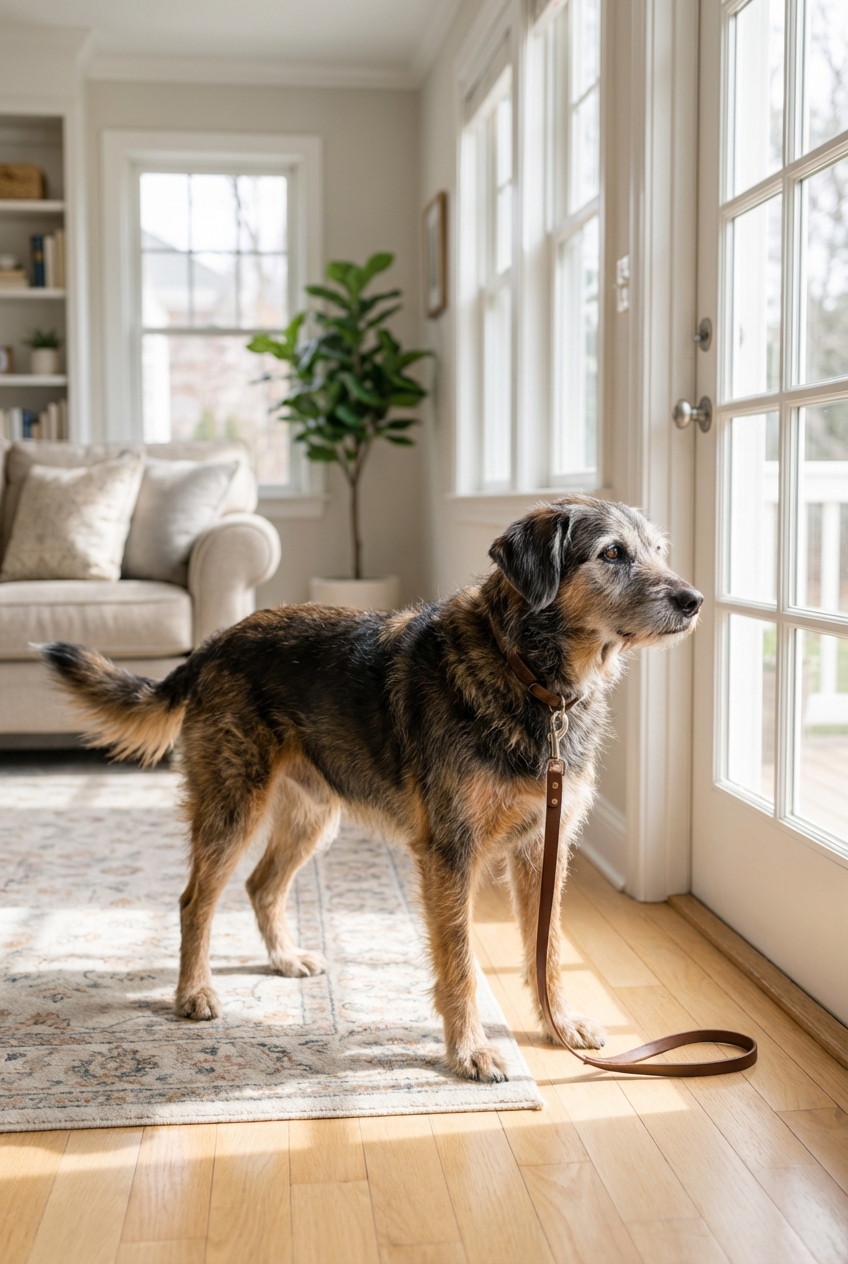
- Leash inside for a short period of retraining, especially during known trigger times (guests, evenings, mornings).
- Use baby gates to block off hallways and bedrooms.
- Consider crate training or an exercise pen when you cannot supervise.
A simple framework: do 3 to 7 days of tight management (tethered to you or in a gated area). If you have no incidents, add access to one room for supervised time. If marking returns, scale back and try again. Once you have 2 to 4 clean weeks, gradually expand access room by room.
4) Increase potty breaks
Many dogs need more opportunities than we think, especially during a behavior reset.
- Take your dog out first thing in the morning, after meals, after play, after naps, and before bed.
- Give a calm cue like “go potty,” then stand still and allow time to sniff.
- Some dogs need a longer, sniffy walk to fully empty and get their marking done outdoors. If your dog tends to “save” urine, give them extra time.
- Reward with a small treat or praise immediately, ideally within a couple of seconds of finishing outside.
5) Interrupt and redirect
If you catch marking in the act, do not yell or punish. That often increases anxiety and can create sneaky marking.
- Make a neutral sound like “oops,” then immediately guide your dog outside.
- When they finish outdoors, reward generously.
6) Reduce triggers
If your dog marks because they are on high alert, change what they can see and smell.
- Block visual access to outside dogs with window film or curtains.
- Keep entryway areas extra clean and consider limiting access to those spots temporarily.
- If you have multiple pets, provide separate resources (more than one water bowl, bed, and toy area) to reduce tension.
- If conflict between dogs in the home seems to be part of the picture (stiff body language, blocking, staring, scuffles), get help early. Relationship stress can absolutely fuel marking.
7) Build calm confidence
Marking often improves when dogs feel safe and predictable. Add simple routines that lower stress.
- Daily sniff walks, puzzle feeders, and short training sessions (sit, touch, place).
- A consistent feeding and potty schedule.
- Calm greetings for visitors and structured downtime with a chew or lick mat.
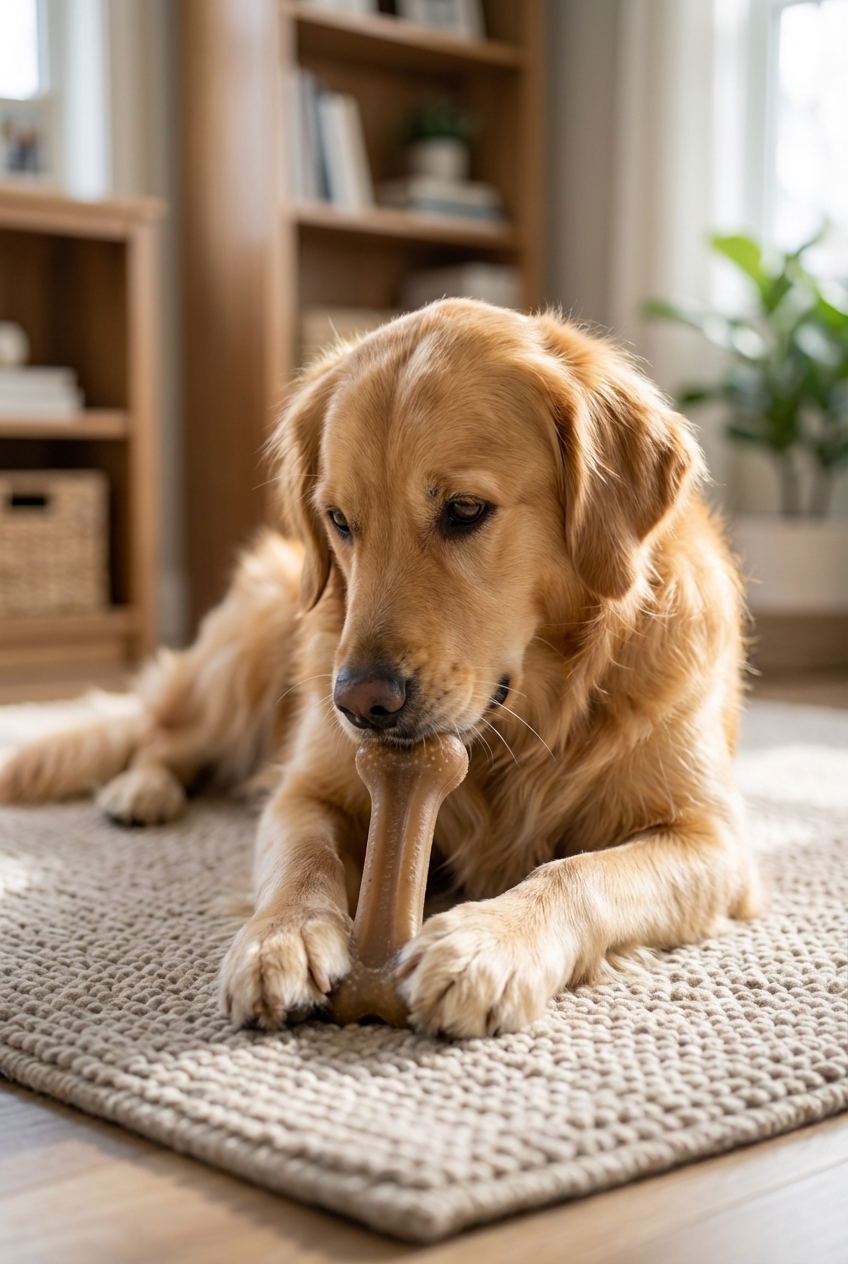
Belly bands and diapers
Belly bands (for males) and dog diapers can be helpful as a short-term management tool, especially during retraining or when visitors are over. They are not a cure by themselves.
- Change them frequently to prevent skin irritation.
- Do not leave them on for long periods, especially if they are damp. Trapped moisture can lead to dermatitis and may increase infection risk.
- Use them alongside cleaning, supervision, and more outdoor breaks.
- If your dog soaks the band quickly or seems uncomfortable urinating, talk with your veterinarian.
Does spay or neuter help?
In many male dogs, neutering reduces urine marking, especially if done before the behavior becomes a long-standing habit. Outcomes vary, and it is not guaranteed. Marking can also be rooted in stress, routine, and learned behavior. Even after neutering, you will get the best results when you pair it with training, cleanup, and management.
If your dog is already altered and still marking, it does not mean you are stuck with it. It simply means behavior and environment need to be part of the plan.
What not to do
- Do not punish after the fact. Your dog will not connect it to the earlier urination.
- Do not use ammonia-based cleaners. The smell can resemble urine and invite repeat marking.
- Do not give full-house freedom too soon. Prevention is faster than constant cleanup.
- Do not rely on dominance theories. Marking is usually about communication, hormones, and stress, not your dog trying to be the boss.
When to get help
If you have followed the steps above and marking continues, reach out for help. A certified trainer can spot hidden triggers and tighten your plan. If anxiety seems to drive the behavior (panting, pacing, reactivity at windows, separation distress), ask your veterinarian about behavior-support options and whether a referral to a veterinary behaviorist makes sense.
Also, be realistic with timelines. If marking has been happening for months, it can take longer than a few weeks to fully reset the habit, but steady consistency usually pays off.
The goal is not just a clean house. It is a calmer dog who does not feel the need to “label” your home to feel safe.
Quick checklist
- Schedule a vet check if marking is new, frequent, or paired with increased thirst, urgency, or straining.
- Use an enzymatic cleaner and re-clean old spots.
- Supervise closely and limit access to problem areas.
- Add more potty breaks and reward outdoor urination every time.
- Give enough time outside for sniffing and fully emptying.
- Reduce triggers at windows and doors.
- Track progress for 2 to 4 weeks before expanding freedom.
You can absolutely turn this around. With consistency and a little patience, most dogs stop marking indoors and settle back into healthy, reliable habits.