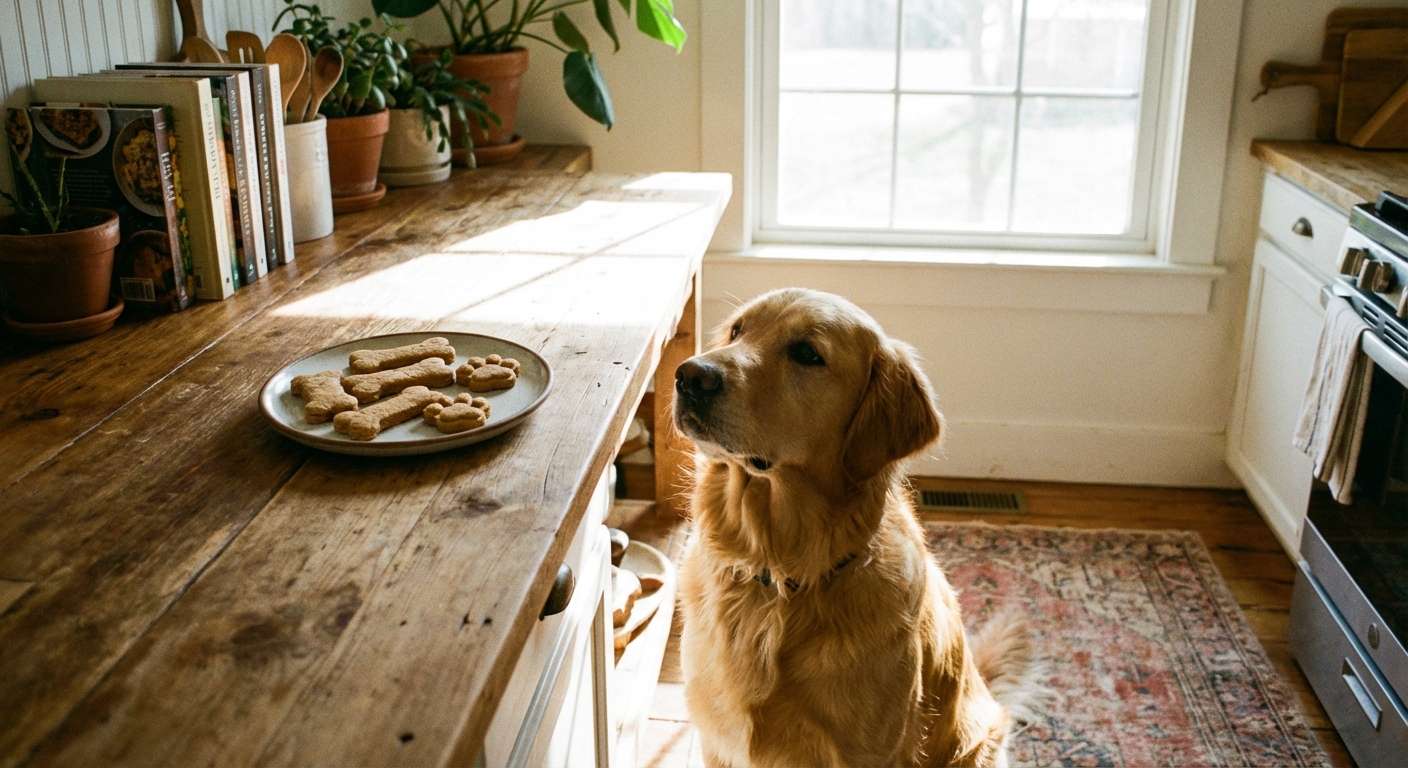
Skip pricey processed treats with 5 easy homemade dog treat ideas—from frozen pumpkin yogurt bites to sweet potato chews. Includes vet safety tips, portion...
Article
•
Designer Mixes
How to Stop a Dog From Digging

Shari Shidate
Designer Mixes contributor
Digging is one of those behaviors that can make you feel helpless fast. One day your yard looks fine, and the next you have trenches by the fence, craters in the flowerbeds, and a muddy dog who looks very pleased with themselves.
As a veterinary assistant here in Frisco, Texas, I want you to know two things can be true at once: digging is normal dog behavior, and you can often reduce it a lot with the right plan. The key is figuring out why your dog is digging, then giving them a better option that still meets the same need.
Quick note: This article is educational and not a substitute for veterinary care. If you are seeing signs of pain, illness, or intense anxiety, loop your vet in.
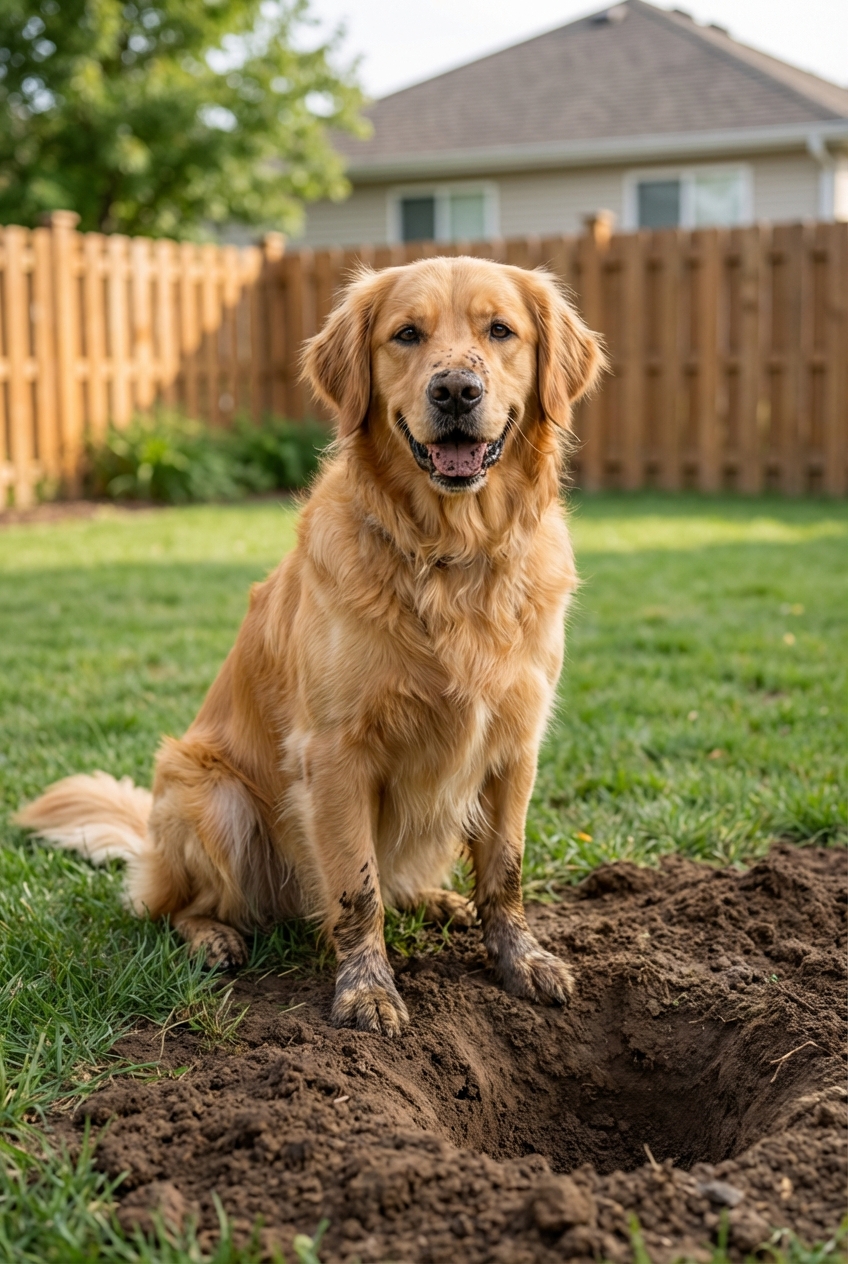
Why dogs dig (not just “bad behavior”)
Most digging falls into a few common buckets. When you match the solution to the cause, your results usually improve much faster.
1) Boredom and excess energy
Many dogs dig because they have energy and no job. Digging is self-rewarding: it is physical, it is interesting, and it can uncover fun smells and textures.
2) Cooling off or comfort-seeking
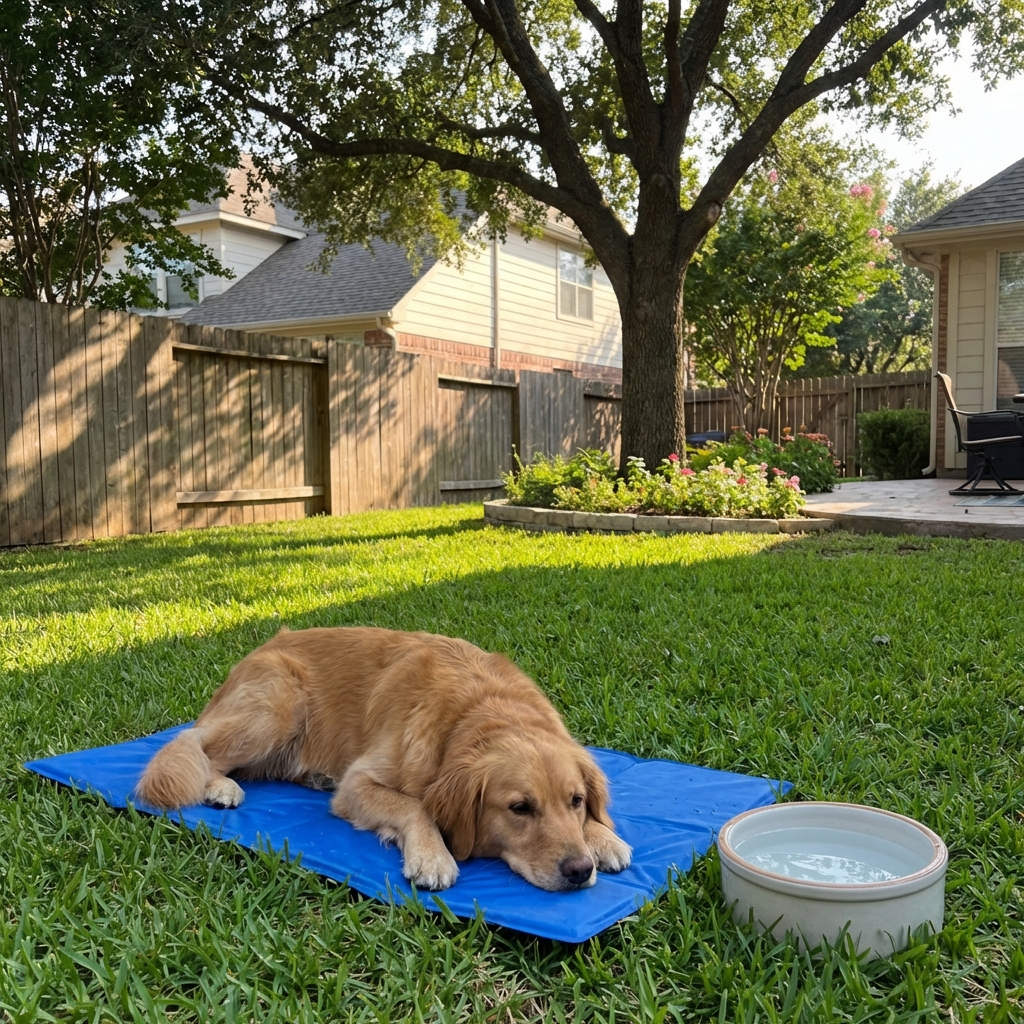
In Texas heat, some dogs dig shallow “cooling pits” to reach cooler soil. Others dig a nest-like spot to rest in.
3) Hunting and scent drive
Terriers, hounds, and many mixes are hard-wired to go after underground critters. If your yard has moles, voles, insects, or other burrowing animals, your dog may be doing what their genetics trained them to do.
4) Anxiety, stress, or barrier frustration
Dogs may dig along fences because they want to get to something on the other side, or because they feel stressed when left alone. Digging can be a coping behavior.
5) Escape behavior
Fence-line digging is a safety red flag. Some dogs dig to explore, to find a mate, or to chase something. Escape attempts are a safety issue first, training issue second.
Start with safety and health checks
Before we jump into training, make sure we are not missing a health or welfare trigger.
- Heat: Provide shade, cool water, and bring your dog inside during peak heat. If your dog is digging to cool off, they may be telling you they are too hot.
- Skin irritation: Fleas, allergies, or itchy skin can increase restless behaviors. If you notice scratching, licking paws, ear irritation, or hair loss, check in with your vet.
- Anxiety signs: Panting when not hot, pacing, drooling, destruction, or attempts to escape can mean the digging is part of a bigger stress picture.
- Spay and neuter status: Intact dogs may be more likely to roam, which can show up as fence-line digging. Individual dogs vary, so this is one factor, not the whole story.
If your dog is digging and also losing weight, acting painful, vomiting, or suddenly behaving very differently, that is a vet visit, not a training project.
A proven approach: meet the need, then redirect
Dogs repeat behaviors that work for them. So the winning strategy is: make unwanted digging less rewarding, and make an allowed alternative more rewarding.
Step 1: Manage the environment (limit practice)
- Supervise outdoor time until the habit improves. If you cannot watch, bring your dog in.
- Block high-value zones (like garden beds) with temporary fencing, raised borders, or sturdy planters.
- Create shade and a cool resting spot so digging is not your dog’s only option to cool down.
Give a legal place to dig
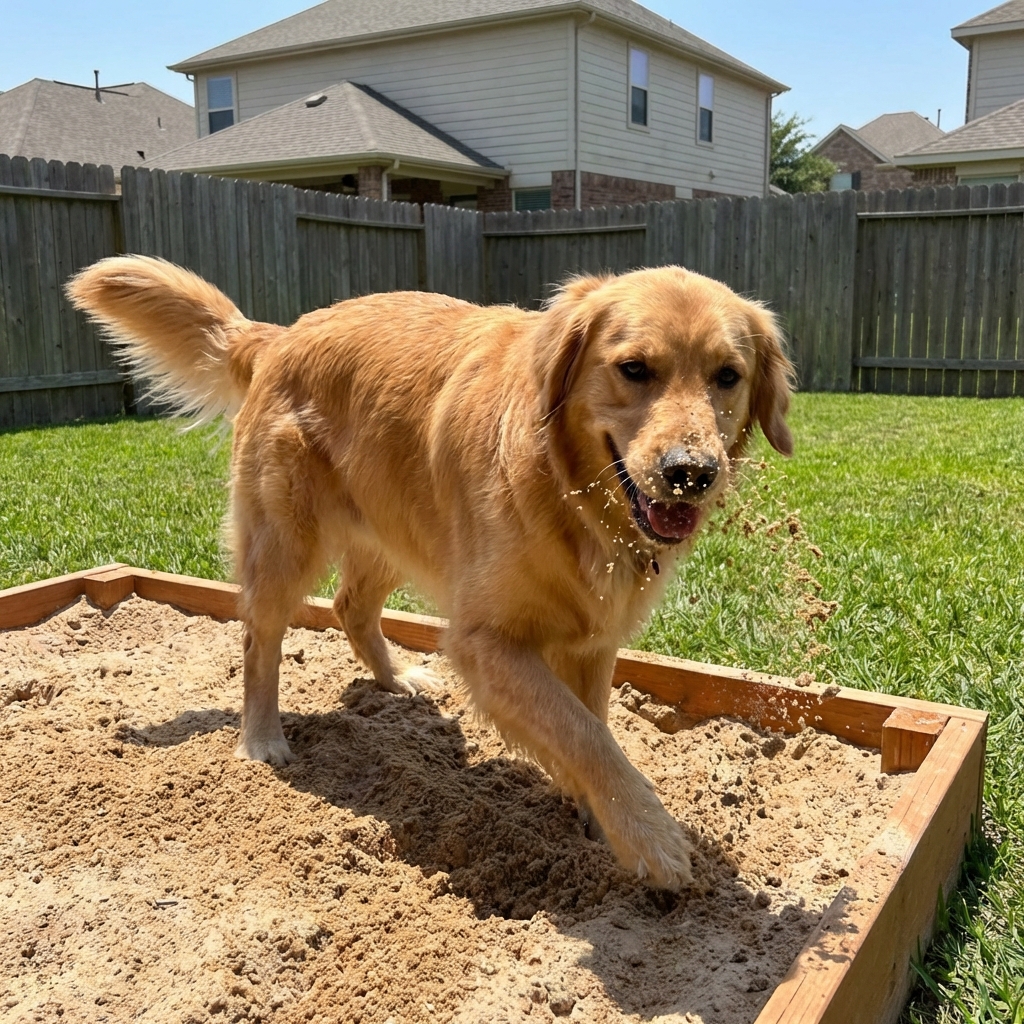
For many dogs, the fastest pet-friendly fix is to provide a dedicated dig zone. You are not rewarding bad behavior, you are channeling a normal behavior into the right location.
How to set up a dig pit
- Choose a location away from fences and landscaping.
- Use a sandbox, kiddie pool filled with dirt, or a framed area with soft soil or play sand.
- Bury treasures like durable toys, a chew, or treats in a few spots (shallow at first).
- Teach a cue like “Dig here!” and reward your dog when they dig in the right place.
Pro tip: If your dog is obsessed with one specific corner, place the dig pit near that area at first, then gradually move it if needed.
Common dig pit mistakes (easy fixes)
- Unsafe materials: Avoid treated lumber or soil that may contain fertilizers, pesticides, or sharp debris.
- Choking hazards: Supervise if you bury toys or chews. Skip anything your dog might shred and swallow.
- Dirty or soggy sand: Keep it as clean and dry as you can. Consider covering the pit when not in use to discourage cats and wildlife.
- Too big, too soon: Start simple. Make the pit the easiest, most rewarding digging option in the yard.
Increase enrichment to reduce boredom digging
If your dog is digging out of boredom, the yard is not enough. A yard is just a room without furniture unless we add activities.
Simple, enrichment ideas
- Sniff walks: Let your dog sniff. For many dogs, sniffing helps them decompress and can take the edge off restless behavior.
- Food puzzles: Use a puzzle feeder, snuffle mat, or scatter kibble in the grass.
- Short training sessions: Two to three minutes of training sprinkled through the day often works better than one long session, especially for young dogs.
- Job-style games: Hide and seek with treats, “find it,” or retrieve work well for many mixes.
Most dogs need both movement and mental work. When those needs are met, digging often drops dramatically.
Puppies, teens, and multi-dog yards
- Puppies and adolescents: Expect more digging during exploration phases. Manage access, redirect often, and reward calm downtime.
- Multi-dog households: Digging can become contagious or competitive. Add more structured activities, provide multiple enrichment stations, and supervise yard time so arousal does not spiral.
Fence-line digging and escape attempts
If your dog is digging along the fence, treat it like a safety priority. Escapes can lead to injuries, car accidents, wildlife encounters, and lost pets.
What helps most
- Remove the reward outside the fence: If your dog is reacting to neighbor dogs, people, or squirrels, use privacy fencing, visual barriers, or shift outdoor time to calmer hours.
- Strengthen the boundary: Bury a strip of hardware cloth (wire mesh) along the fence line, angled inward, or place large rocks or pavers at the base. Safety notes: Ensure there are no sharp edges exposed, check your fence for weak spots, and follow local codes or HOA rules if they apply.
- Increase supervision: Do not leave an escape-motivated dog unattended in the yard.
- Practice calm behaviors outside: Reward “check in” and “come” in the yard so your dog learns that staying near you pays.
If your dog is frantic at the fence, consider working with a certified trainer who uses reward-based methods. Barrier frustration can escalate if it is not addressed.
In the moment: what to do
When you catch your dog digging, your goal is to interrupt and redirect without turning it into a game.
- Stay calm. Yelling can add excitement and attention, which some dogs find rewarding.
- Interrupt gently. Call your dog, clap once, or use a cheerful “This way!”
- Redirect immediately to the dig pit, a toy, or a quick training cue like “sit” and reward.
- Reinforce the right choice with a treat, praise, or a short play session.
Consistency matters more than intensity. Small, predictable redirections beat big reactions.
What not to do
- Do not use punishment after the fact. Your dog will not connect it to the hole, only to you being scary.
- Avoid irritants like cayenne pepper or harsh chemicals in the soil. These can hurt paws, noses, and eyes.
- Be cautious with “dig deterrent” gadgets. Many increase anxiety or trigger fear and can worsen the behavior long-term.
Pet-friendly means we solve the problem without causing fear, pain, or stress. That approach also tends to work better.
If critters are the cause
If moles or other animals are in the yard, your dog may be responding to real movement and scent. Your options:
- Limit access to the problem area with temporary fencing.
- Use a dig pit to satisfy the behavior in a controlled spot.
- Work with humane wildlife control if you have an active infestation. Avoid poisons, which can harm pets and local wildlife.
Troubleshoot by hole location
- Near the fence: escape or barrier frustration.
- In shady dirt patches: cooling off or comfort.
- In garden beds: soft soil, scents, and fun texture.
- Random holes everywhere: boredom, puppy exploration, or high prey drive.
When to get professional help
Reach out to your veterinarian or a qualified trainer if:
- Digging starts suddenly and intensely.
- Your dog is injuring paws or breaking nails.
- You see signs of separation anxiety (panic when alone, destruction, constant vocalizing).
- Your dog is repeatedly attempting to escape.
Sometimes digging is the visible symptom of an underlying stress or medical issue. You do not have to figure it out alone.
Bottom line: you reduce digging by giving your dog what the digging provides, just in a safer and more appropriate way.
Publishing note: The image tags in this draft have empty src fields. Add working image URLs before posting, or remove the image tags.