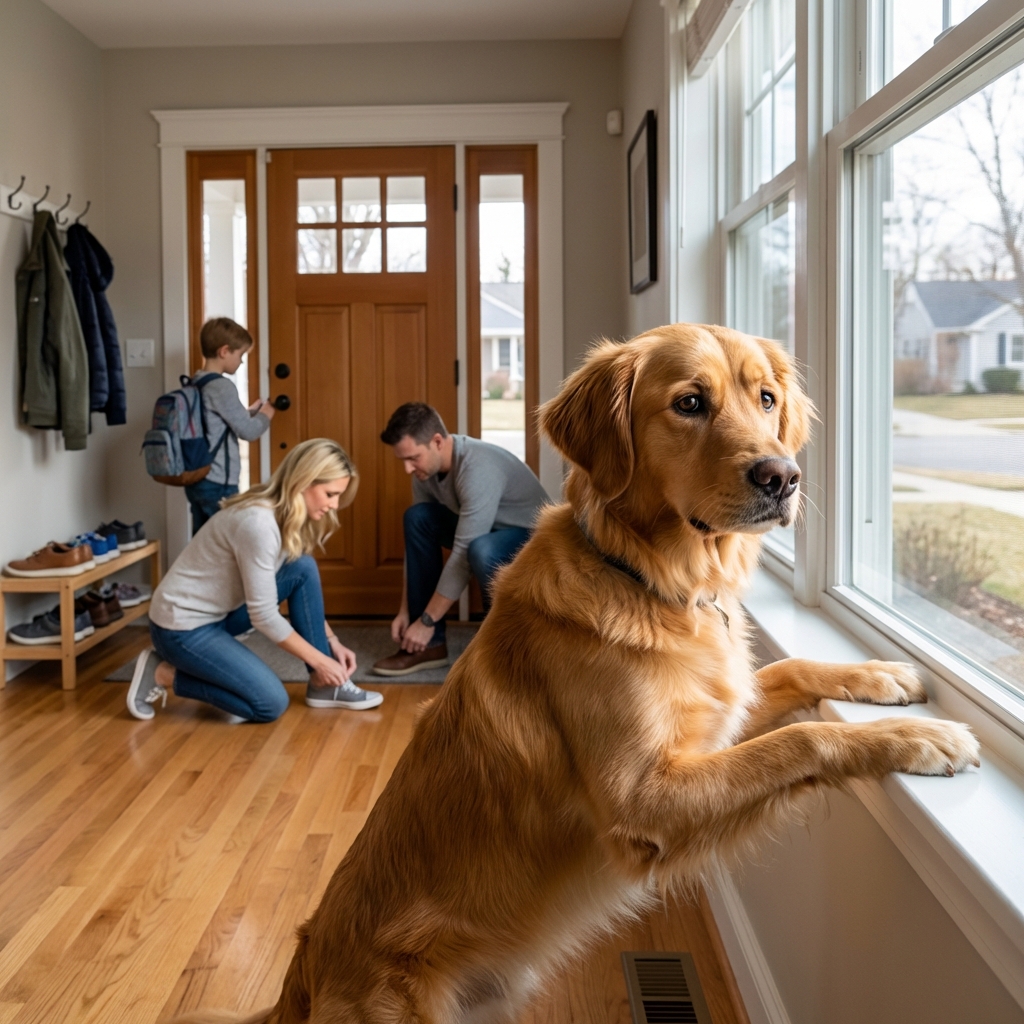
Puppies bark to communicate. Learn how to reduce barking with management, “Capture Quiet,” mat training, and routines for doorbells, visitors, crate time...
Article
•
Designer Mixes
How to Stop a Dog From Barking

Shari Shidate
Designer Mixes contributor
Barking is normal dog communication. It is how your pup says, “I’m excited,” “I’m worried,” “Someone is near the house,” or sometimes, “I have no idea what to do with myself right now.” The goal is not to “silence” your dog. The goal is to teach a calmer, more appropriate behavior so everyone can relax, including your dog.
As a veterinary assistant in Frisco, Texas, I see this all the time: the fastest progress happens when you match training to the reason your dog is barking. This guide walks you through the most common causes, what tends to work well with reward-based training, and what to avoid.
Quick expectation check: some barking is normal, and some dogs (and breeds) are simply more vocal. Most households do best aiming for less barking and more appropriate barking, not zero.

First, rule out health and comfort issues
Before you assume it is “just behavior,” do a quick body and lifestyle check. Dogs may bark more when they are uncomfortable or unwell, and no training plan can fully fix that.
Common medical and comfort triggers
- Pain (arthritis, dental pain, ear infections, GI discomfort) can make dogs reactive and “touchy.”
- Cognitive changes in seniors can lead to nighttime barking and confusion.
- Hearing or vision loss can increase startle barking.
- Itchiness from allergies or fleas can raise baseline stress.
- Hunger, thirst, or needing to potty, especially in puppies and seniors.
If barking is sudden, intense, paired with pacing, panting, hiding, snapping, or happens mostly at night, it is smart to loop in your veterinarian.
Identify the barking type (key step)
Different barking has different solutions. Spend two days observing and jotting down: when it happens, what your dog sees or hears, and what happens right after. That last part matters because behaviors that “work” tend to repeat.
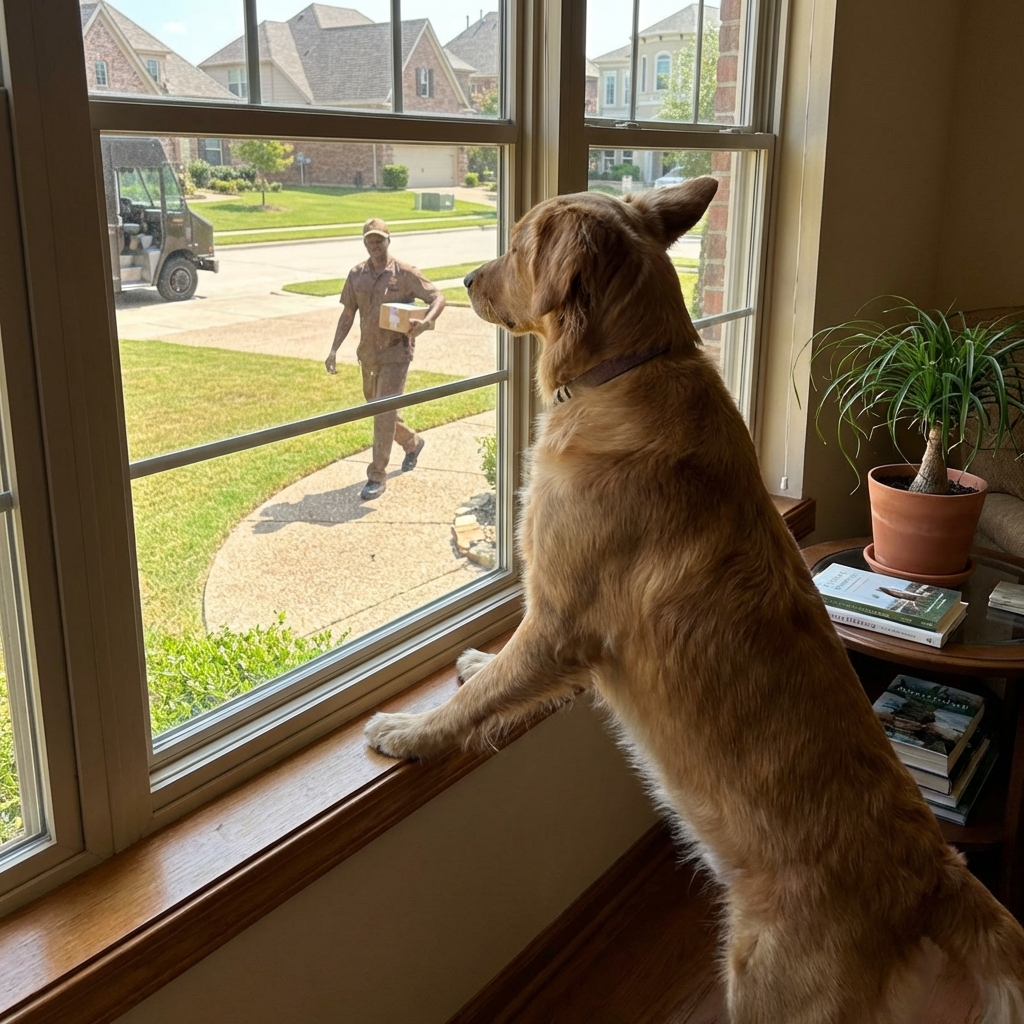
1) Alert barking at sounds or people outside
This is the classic “someone is at the door” or “I heard a noise” bark. Your dog is doing a job they think is important.
2) Demand barking
“Throw the ball.” “Feed me.” “Look at me.” This barking continues because it gets results, even if the result is you saying “Stop!”
3) Boredom or excess energy barking
These dogs often bark in the yard, at the fence line, or when they have not had enough enrichment.
4) Fear, anxiety, or reactivity barking
Barking plus lunging, stiff posture, hackles up, or retreating and barking from behind you can point to fear or feeling unsafe.
5) Separation-related barking
Happens when you leave, often paired with whining, pacing, drooling, or destructive behavior.
What to do in the moment
When barking is happening, your goal is to interrupt and redirect without escalating the emotion.
Step 1: Reduce the trigger
- Close blinds or use window film if your dog “patrol barks” at passersby.
- Move your dog away from the door or fence line.
- Use white noise or a fan to soften outside sounds.
Step 2: Give a simple, trained alternative
Pick one behavior you will teach and use consistently:
- Go to mat (settle on a bed)
- Touch (nose-to-hand target)
- Find it (sniff for tossed treats on the floor)
Sniffing often helps many dogs settle because it shifts them into a calmer, more focused mode. If sniff games rev your dog up, pick “touch” or “go to mat” instead.
Step 3: Reinforce quiet
Watch for tiny pauses in barking. The second your dog takes a breath, calmly mark it (for example, say “yes” the moment they pause) and reward. Over time, your dog learns that quiet earns the good stuff.
Teach “quiet” with reward-based training
Many owners repeat “quiet, quiet, QUIET” while their dog practices barking. Instead, teach “quiet” like any other cue.
How to train it
- Set up a mild trigger (someone lightly knocks, or a friend walks by at a distance).
- Let your dog bark one to two times.
- Hold a treat at your dog’s nose. Many dogs pause to sniff.
- In that pause, say “quiet”, then reward.
- Repeat, gradually waiting for one second of quiet, then two seconds, then three.
Keep sessions short, upbeat, and easy. If your dog gets too amped, the setup is too hard.
Safety note: do not intentionally provoke full-volume, out-of-control barking to practice “quiet.” Keep triggers mild and controlled, and end the session while your dog is still successful.
Tip: Pair “quiet” with a calm body cue, like a slow hand signal downward. Dogs often respond to your posture and breathing, not just your words.
Fix alert barking at the door
Door barking is extremely common, especially in social, vigilant mixes. The plan is: predict the door, send to a station, reward calm, repeat.
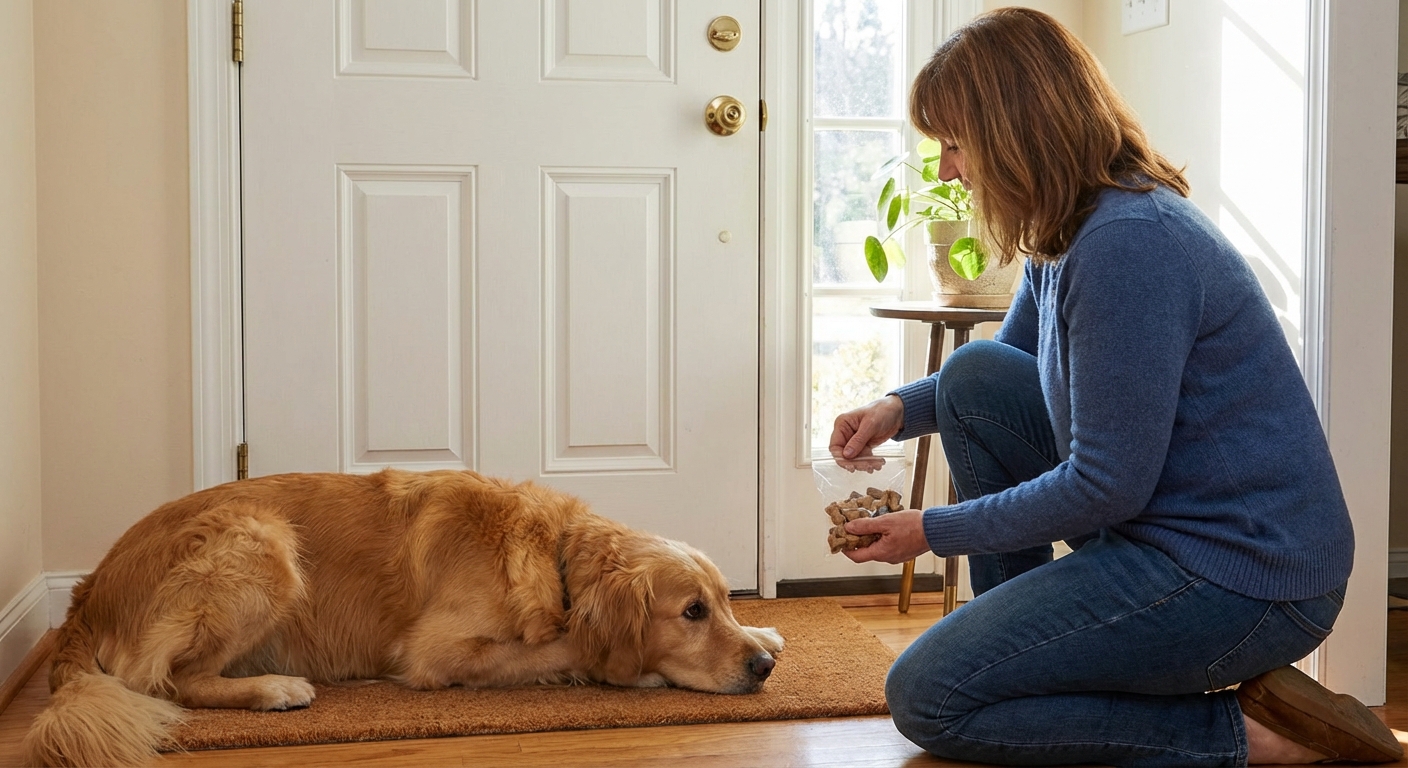
Door routine training
- Create a station (mat or bed) 6 to 10 feet from the door.
- Practice “go to mat” with no visitors first. Reward heavily.
- Add tiny door distractions: touch knob, reward. Open and close door, reward.
- Increase difficulty: knock softly, reward quiet on the mat.
- When ready, recruit a helper to do short, calm entries.
Management while you train
- Use a leash, baby gate, or exercise pen during busy delivery times.
- Keep high-value treats in a jar by the door so you can reward immediately.
- If your dog is likely to rush the door, keep them behind a gate or on leash during practice. Avoid rehearsing big “door explosions.”
Stop demand barking
Demand barking is often accidentally trained by loving families. If barking makes you throw the ball, your dog just learned: barking controls humans.
Do this instead
- Preempt it: schedule play, potty, and meals so your dog is not constantly guessing.
- Reward the behavior you want: when your dog sits or lies down quietly, that is when you offer attention.
- Be consistent: if barking sometimes works, it gets stronger. Consistency is kindness here.
If you need a script: calmly turn away for a moment, wait for quiet, then ask for a simple cue like “sit,” then reward with what they wanted.
Prevent boredom barking with enrichment
Many dogs bark because their day is under-stimulating. Exercise helps, but enrichment is often the missing piece.
Easy enrichment menu
- Sniff walk: 15 to 20 minutes where your dog sets the pace and sniffs freely.
- Food puzzles: stuffed Kongs, lick mats, slow feeders.
- Scatter feeding: toss kibble in the grass or on a snuffle mat.
- Mini training sessions: 3-minute bursts of “touch,” “sit,” “down,” “place.”
- Chew time: vet-approved chews to help self-soothe.
If your dog barks in the backyard, supervised time plus enrichment beats “putting them out until they stop.” Many dogs escalate when left alone outside with a fence trigger.
Fear and reactive barking
If your dog is barking because they are scared or over-threshold, correction-based tools can increase fear and worsen reactivity for some dogs. Instead, use a plan that changes the emotion.
Look at that (LAT) in plain language
- Start far enough away that your dog can notice the trigger but still take treats.
- The moment your dog looks at the trigger, calmly say “yes.”
- Feed a treat, then encourage your dog to look back at you.
- Repeat until the trigger predicts good things, not stress.
For intense cases, work with a qualified positive reinforcement trainer or a veterinary behaviorist. Early help can be life-changing.
Separation barking
Separation-related barking is not “stubbornness.” It can be panic. The plan usually includes gradual alone-time training and sometimes medication support, guided by your veterinarian.
Signs it may be separation anxiety
- Barking starts within minutes of you leaving.
- Pacing, drooling, destructive scratching at doors or windows.
- Accidents despite being house-trained.
A simple first step is using a pet camera to confirm what is happening. If it looks like distress, talk to your vet and consider a behavior professional who specializes in separation cases.
What to avoid
- Yelling: it often adds attention and arousal, which can keep barking going.
- Punishment after the fact: your dog will not connect it to the earlier barking.
- Shock or prong collars: use is associated with increased stress, and these tools can increase fear and aggression risk in some dogs. They can also suppress warning signals without addressing the cause.
- Spray bottles: often increase anxiety and do not teach a replacement behavior.
- Letting them “bark it out” when it is fear-based or separation-related.
A simple 7-day plan
Days 1 to 2: Observe and manage
- Identify triggers and patterns.
- Block windows or reduce access to the door area.
- Add white noise if sounds set your dog off.
Days 3 to 4: Teach an alternative
- Train “go to mat” or “touch” for 3 to 5 minutes, twice daily.
- Reward calm behavior you notice naturally.
Days 5 to 7: Practice with mild triggers
- Do short door and sound setups at an easy level, with your dog behind a gate or on leash if needed.
- Begin “quiet” training with one second of silence.
- Increase enrichment: sniff walk plus one food puzzle daily.
If you are not seeing progress after two weeks of consistent training, that is a sign you may need a different strategy or professional support, not that you failed.
When to call your veterinarian
Please reach out promptly if you notice:
- Sudden barking changes, especially in an older dog
- Barking with aggression, biting, or attempted biting
- Separation distress signs
- Nighttime confusion, pacing, or vocalizing
- Any concern for pain
Your vet can rule out medical issues and help you decide whether training alone is enough or if a deeper behavior plan is needed.
Bottom line
Stopping barking is rarely about a “magic command.” It is about meeting your dog’s needs, reducing triggers, and rewarding calm behaviors until calm becomes your dog’s new habit. Go slowly, stay consistent, and celebrate the small wins. Those tiny quiet pauses add up faster than you think.