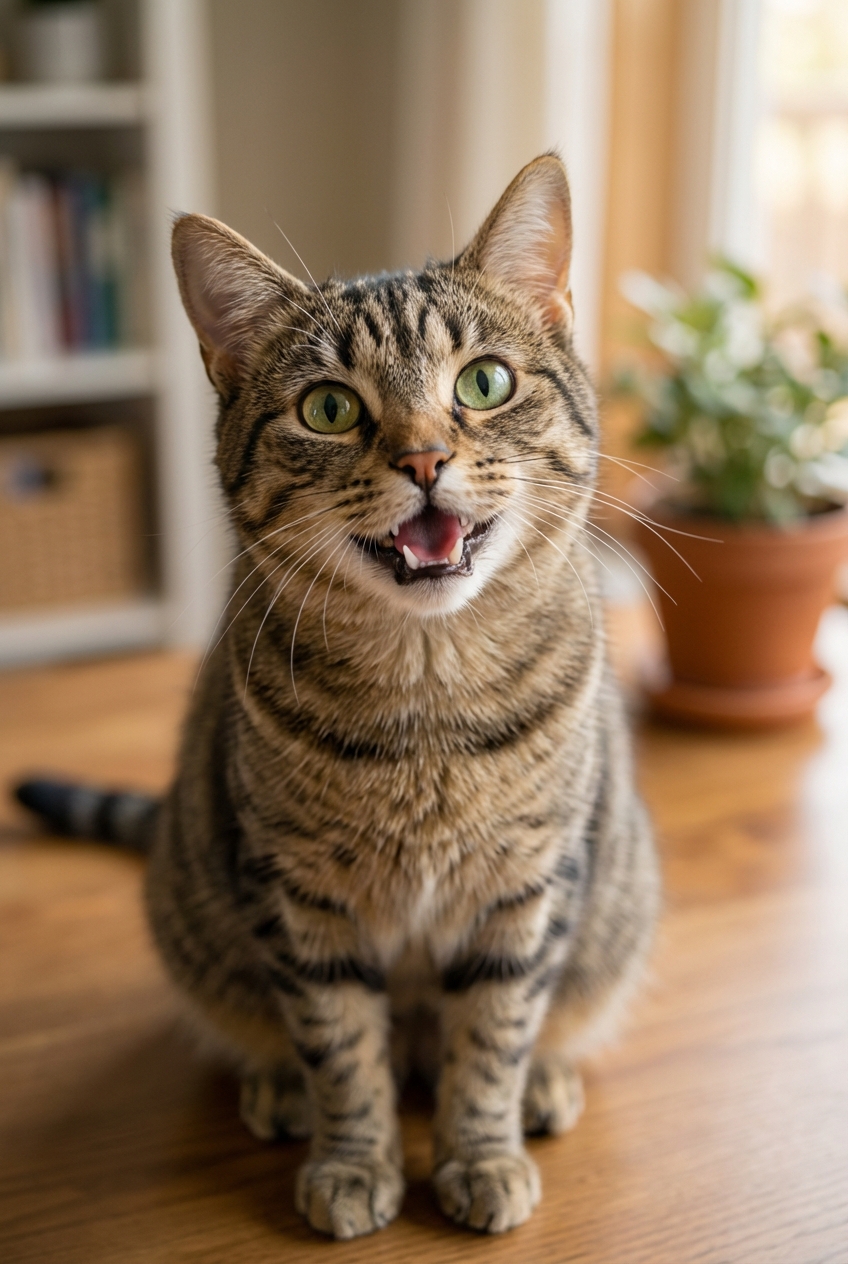
From food demands and boredom to stress, heat cycles, senior confusion, and medical problems like hyperthyroidism or UTIs—learn what constant meowing means...
Article
•
Designer Mixes
How To Stop a Cat From Crying

Shari Shidate
Designer Mixes contributor
As a veterinary assistant, I can tell you one thing with confidence: cats usually do not “cry for no reason.” Crying, yowling, or constant meowing is communication. Sometimes it is simple and fixable. Other times, it is your cat’s early warning sign that something is painful, scary, or medically wrong.
For simplicity, I will use “crying” as shorthand for vocalizing (meowing, yowling, chirping). The goal is not to silence your cat. The goal is to understand what they are asking for, then meet that need in a healthy way. Let’s walk through the most common causes and the care steps that actually work.
Quick note: This article is educational, not a diagnosis. If your cat’s vocalizing is sudden, intense, or paired with other changes, call your veterinarian.
First, identify the type of crying
The sound and timing can give you clues. Take 2 minutes to observe before you respond.
- Short, repetitive meows: attention, food, greeting, or learned behavior.
- Long, drawn-out yowls: discomfort, stress, cognitive changes, or heat cycles.
- Crying while using the litter box: often medical and should be addressed promptly, especially if it is new.
- Nighttime crying: boredom, anxiety, aging, or a change in routine.
- Crying at doors or windows: territorial stress, seeing or smelling outdoor cats, or pent-up energy.
If you can note when it happens, where it happens, and what happens right before, you will solve this faster.
Rule out medical causes
If the crying is new, intense, or paired with behavior changes, treat it like a health issue until proven otherwise. Cats are masters at hiding pain, so vocalizing is sometimes the first obvious sign. In clinic, we often hear “He’s just being loud,” and then we find dental pain, arthritis, constipation, or urinary issues.
Red flags that need a vet visit soon
- Sudden increase in crying or yowling
- Appetite changes or weight loss
- Hiding, irritability, or aggression
- Vomiting or diarrhea
- Limping or trouble jumping
- Excessive grooming, scratching, or visible discomfort
Emergency signs (go now)
- Straining to urinate, frequent litter box trips with little output, crying in the box, or blood in urine
- Male cats with possible urinary blockage can become critical quickly
- Open-mouth breathing, collapse, or severe lethargy
Common medical drivers of crying include feline lower urinary tract disease (FLUTD, which includes stress-related or idiopathic cystitis), constipation, dental pain, arthritis, hyperthyroidism, high blood pressure, vision or hearing loss, and cognitive dysfunction in seniors. True bacterial UTI is less common in young adult cats, but urinary discomfort should always be taken seriously.
Bring a short video of the behavior if you can. It helps your veterinary team a lot.
Common everyday causes
1) Hunger and “trained” meowing
Many cats cry because it works. If meowing reliably leads to food or treats, they learn to use it like a doorbell.
- Use scheduled meals instead of free-feeding if your vet approves.
- Try a timed feeder so you are not the “food dispenser.”
- Do not reward crying with treats. Wait for a quiet pause, then reward the calm.
- Use food puzzles to slow eating and add enrichment.
Helpful rule: reward what you want repeated. Calm behaviors grow when you reinforce them consistently.
2) Boredom and low stimulation
Indoor cats need an outlet for hunting instincts. Without it, they can become vocal, restless, or destructive.
- Aim for two play sessions daily, about 10 to 15 minutes each, with a wand toy.
- End play with a small meal or treat to mimic “hunt, catch, eat.”
- Rotate toys weekly so they feel new.
- Add vertical space like a cat tree, shelves, or a window perch.
3) Stress and changes
Cats can cry when they feel unsafe or out of control. Moves, new pets, visitors, construction noise, or even rearranged furniture can trigger it.
- Create a quiet safe zone with food, water, litter, and a cozy hiding spot.
- Keep routines predictable for meals, play, and bedtime.
- Use pheromone diffusers that may help some cats feel calmer.
- Reduce outside triggers by closing blinds if neighborhood cats are stressing your cat.
If there is tension between cats in the home, add resources. A common guideline is one litter box per cat, plus one extra, spread across different areas.
Also consider separate feeding stations, multiple water bowls, and more than one “escape route” like cat trees or shelves so cats can avoid each other peacefully.
4) Litter box problems
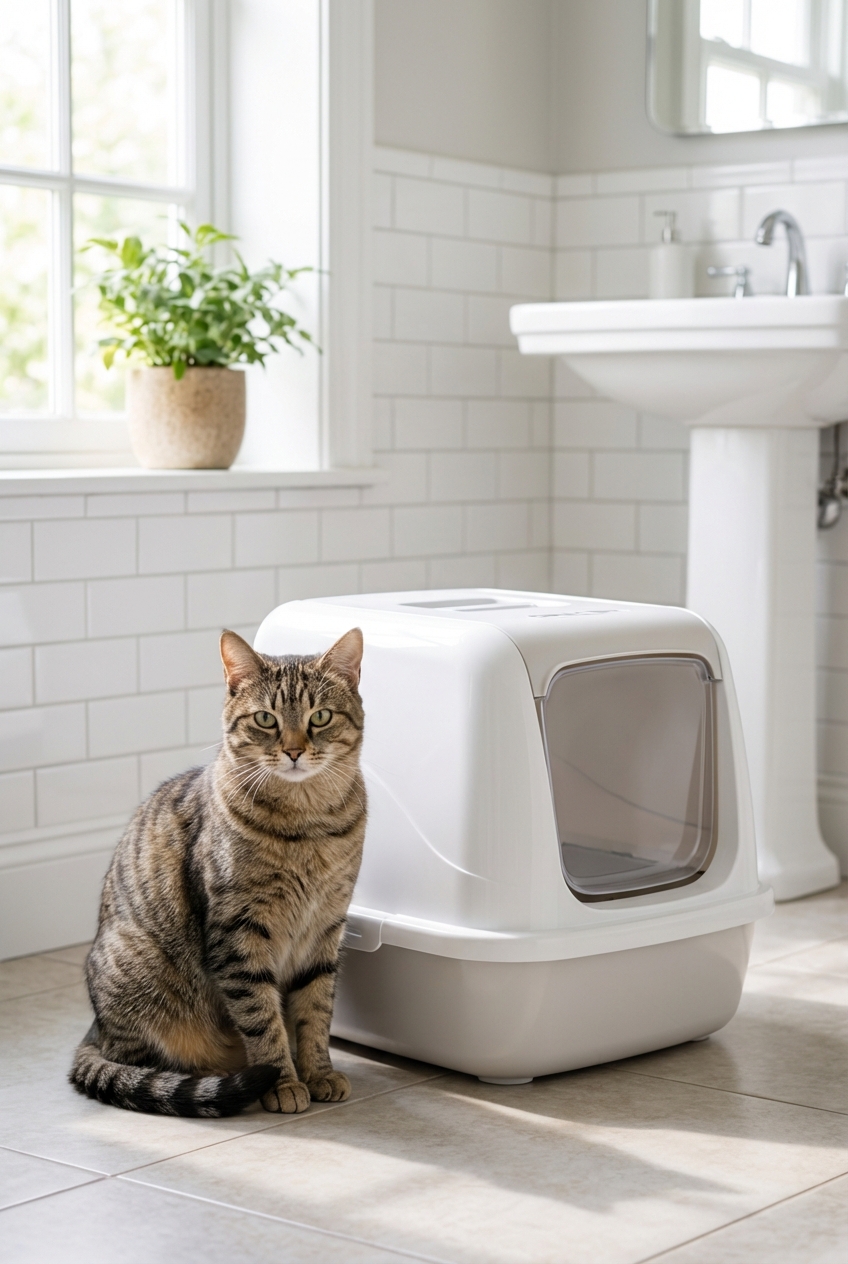
Crying may mean “I want to go, but something hurts” or “I do not like this box.” Even clean cats will complain if the setup feels wrong.
- Scoop daily, top up as needed.
- Do a full dump and wash weekly or follow the litter label instructions.
- Try an unscented, fine-grain litter if your cat is picky.
- Use a box that is large and easy to enter, especially for seniors.
- Place boxes in quiet locations, away from loud appliances.
5) Heat cycles and mating behavior
Unspayed female cats can yowl loudly when in heat. Unneutered males may vocalize, roam, and spray. The most reliable solution is spay or neuter, which also provides important health and behavior benefits.
- Females: reduces the risk of pyometra and greatly lowers mammary cancer risk when done early.
- Males: eliminates testicular cancer risk and often reduces roaming and urine spraying.
Nighttime crying
Night yowling is common and exhausting. The best approach is to meet needs during the day, then make nights boring and consistent.
- Increase daytime play and schedule a good play session before bed.
- Feed a small meal after the bedtime play session.
- Keep your response boring: avoid talking, petting, or feeding during night crying.
- Use a white noise machine if outside sounds trigger your cat.
- Consider a nightlight for senior cats with vision changes.
For seniors, new nighttime crying can be linked to cognitive changes, pain, or hypertension. If your older cat suddenly starts vocalizing at night, a vet check is the kindest first step. Ask your vet about blood pressure checks and thyroid testing, especially if you also notice weight loss, restlessness, or increased appetite.
New cat or recent adoption
If your cat is new to your home, some crying can be part of the adjustment period. Many cats need days to weeks to feel safe and predictable.
- Start with one quiet room and slowly expand access to the home.
- Keep food, water, and litter consistent and easy to find.
- Use short, friendly play sessions to build confidence.
- Reward calm and quiet moments so vocalizing does not become the habit that gets attention.
What not to do
It is tempting to try quick fixes, but some approaches can worsen the problem or harm your bond.
- Do not punish with yelling, spray bottles, or scolding. This increases fear and stress.
- Do not ignore medical possibilities, especially litter box crying.
- Do not constantly give treats to “buy silence.” That reinforces the crying and can lead to weight gain.
7-day plan
If your cat seems healthy and your vet has no urgent concerns, this plan is a practical starting point.
Days 1 to 2: Observe and log
- Write down when the crying happens and what seems to trigger it.
- Check litter box output and appetite.
Days 3 to 4: Upgrade enrichment
- Add two scheduled play sessions daily.
- Introduce one food puzzle or slow feeder.
Days 5 to 6: Make feeding predictable
- Move to scheduled meals or add a timed feeder.
- Reward quiet moments, not crying.
Day 7: Reduce stress
- Create a safe zone and add vertical spaces.
- Try a pheromone diffuser if anxiety seems likely.
If there is no improvement after a week of consistent changes, or if the crying is escalating, loop your veterinarian in. Persistent vocalization often needs a tailored plan.
When to get behavior help
Some cats develop strong habits around vocalizing, especially if it has been rewarded for months or years. If medical issues are ruled out and you are still struggling, a veterinarian can discuss behavior strategies, anxiety support, and referrals to a qualified cat behavior professional.
Most “problem meowing” improves when you combine three things: a clean bill of health, daily enrichment, and consistent boundaries around attention and feeding.
Quick FAQ
Why does my cat cry when I leave the room?
It can be attention-seeking, boredom, or anxiety. Try structured play, predictable routines, and rewarding calm behavior. If clinginess is new or severe, rule out pain or illness.
Why is my cat crying at the litter box?
This can signal urinary pain or constipation and should be addressed promptly. If your cat is straining, producing little or no urine, or is a male cat with sudden litter box crying, treat it as an emergency.
Is it okay to let my cat “cry it out”?
Sometimes, yes, but only after you have met basic needs and ruled out health issues. If you ignore a cat in pain, the situation can worsen quickly.