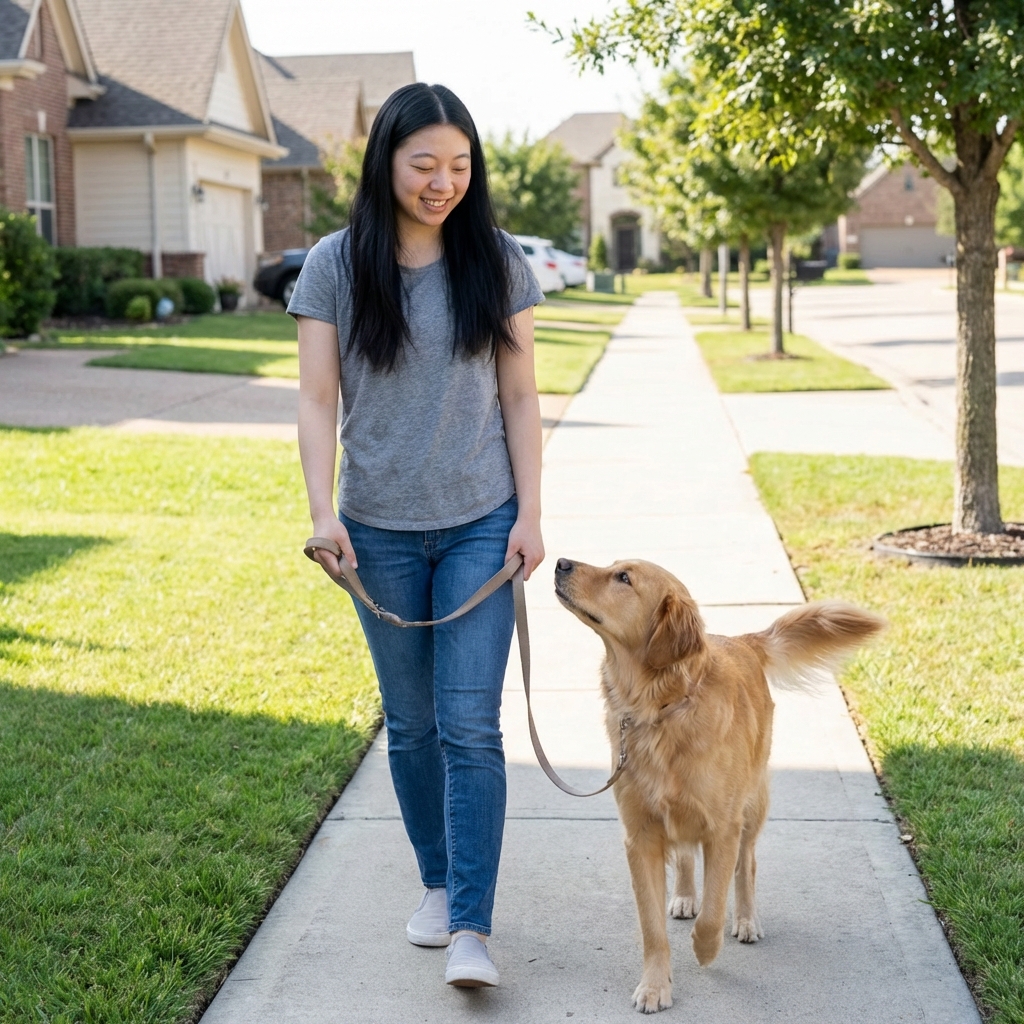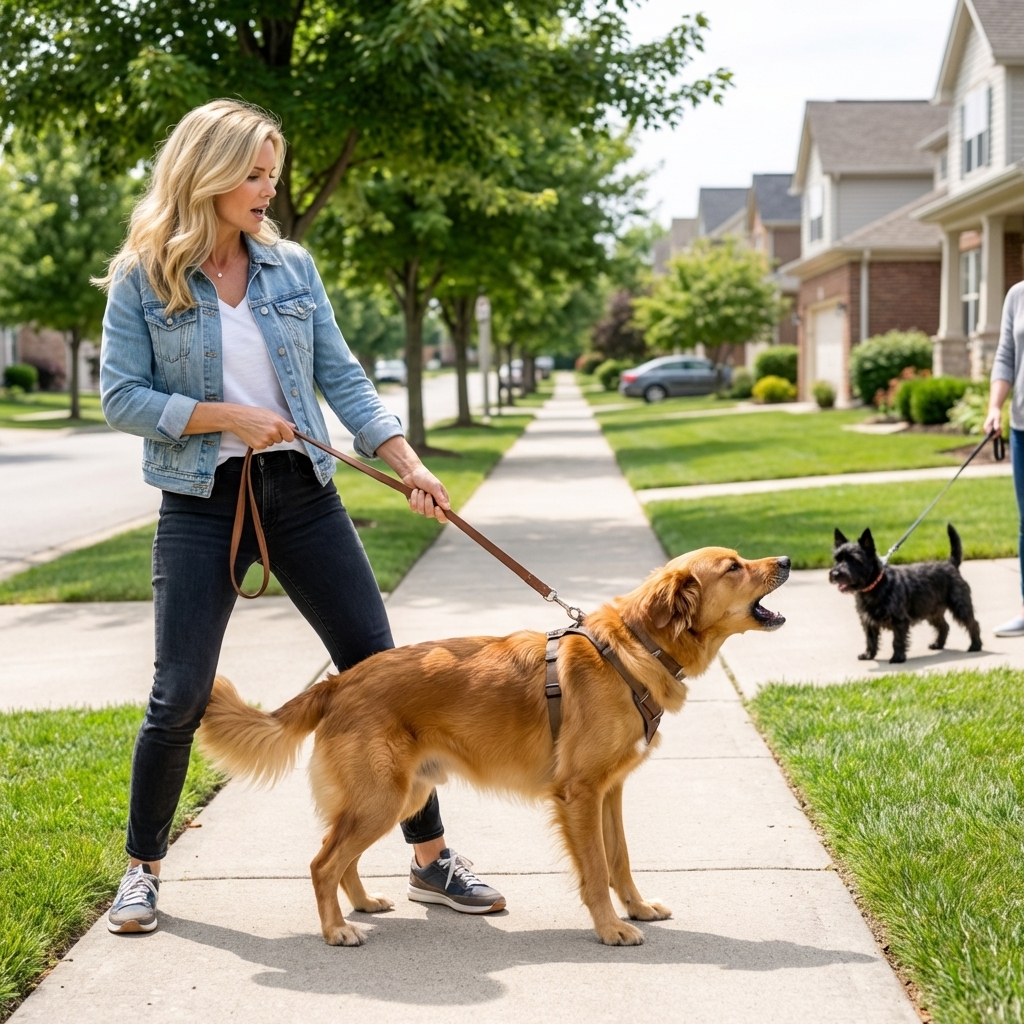
Understand why dog-on-dog aggression happens, how to read early stress signals, and how to improve behavior with safety-first management and evidence-based t...
Article
•
Designer Mixes
How to Socialize an Older Dog

Shari Shidate
Designer Mixes contributor
As a veterinary assistant, I meet a lot of adult and senior dogs who get labeled as “unsocialized” when the real story is usually more nuanced. Some older dogs simply missed early practice. Others had a scary experience, lived in a quiet home, or have age-related pain that makes social time feel overwhelming.
The encouraging part is this: older dogs can often learn new social skills. You just need a plan that respects their pace, keeps everyone safe, and builds confidence through small, positive wins. Outcomes vary based on genetics, learning history, and health, so focus on steady progress, not perfection.
What “socialization” means for older dogs
For puppies, socialization is broad exposure to the world. For older dogs, it is more targeted. The goal is not to make your dog love every person and dog they meet. The goal is to help your dog feel safe and neutral in everyday situations.
Realistic goals for an older dog often look like:
- Comfortably walking past other dogs without lunging or freezing
- Taking treats and responding to you in new places
- Brief, calm greetings when appropriate
- Choosing to disengage and move away when they need space
Start with health and comfort first
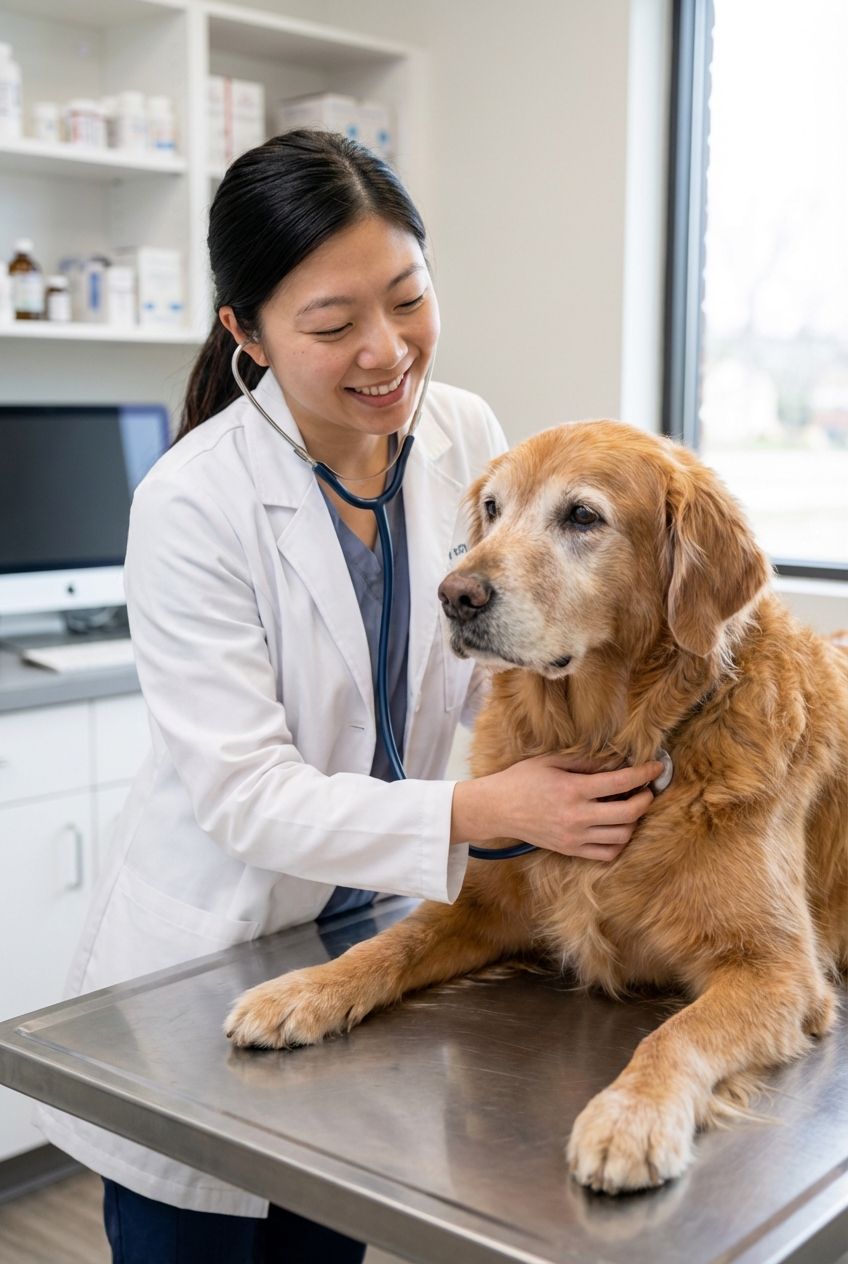
Before you increase social exposure, rule out issues that can make your dog less tolerant: arthritis, dental pain, ear infections, poor vision or hearing, thyroid disease, and cognitive changes can all affect behavior. Pain especially can shorten a dog’s “fuse.”
If your dog is suddenly more reactive than they used to be, a vet check is a smart first step. Ask about pain management, mobility support, and whether your dog may benefit from a behavior medication plan alongside training.
Body language basics
Socialization works best when you stay under your dog’s stress threshold. That means noticing early signals and giving your dog space before they feel they have to bark, lunge, or snap.
Green signals (comfortable)
- Loose body, soft face, normal breathing
- Sniffing the ground, exploring
- Taking treats and responding to their name
Yellow signals (starting to worry)
- Closed mouth, stiff posture, slow movement
- Whale eye, lip licking, yawning (often stress, but context matters)
- Sudden intense staring, ears pinned back
- Refusing treats they usually love
Red signals (over threshold)
- Barking, growling, lunging, snapping
- Freezing, trying to bolt, frantic pulling
- Hackles up with a hard stare (hackles can show arousal, not just fear, so look at the whole picture)
When you see yellow, create distance. When you see red, calmly leave the situation. Learning happens in green.
The foundation
For older dogs, the “secret sauce” is often less about meeting and more about observing calmly from a safe distance. You are teaching, “That thing over there predicts good stuff, and I can handle it.”
Define your triggers
A “trigger” is anything that worries your dog or gets them so worked up they cannot think clearly. Common triggers include unfamiliar dogs, strangers, kids running, bikes, strollers, delivery people, and tight indoor spaces.
Pick high-value rewards
Use soft, smelly treats your dog loves: chicken, turkey, cheese, freeze-dried liver, or a squeeze tube of wet food. If your dog will not eat, the environment is often too hard. That said, also consider other causes like nausea, pain, heat, or medication side effects.
Find your starting distance
This is the distance where your dog notices a trigger but stays relaxed and can take treats. For some dogs that is 20 feet. For others it is 200 feet. Start where your dog can succeed.
Keep sessions short
Five to ten minutes is plenty at first. End early on a good note. Older dogs often do best with frequent, short practice rather than long, busy outings.
Gear and setup
The right setup makes training safer and calmer, especially with bigger adult dogs.
- Front-clip harness or a well-fitted back-clip harness for comfort (avoid tools that cause pain or fear)
- Standard 6-foot leash for most walks (avoid retractable leashes for training)
- Long line (10 to 20 feet) for decompression sniff walks in open areas, only if it is safe and legal
- Treat pouch so rewards are fast and consistent
- Optional: a “Do Not Pet” leash sleeve or bandana if strangers often approach
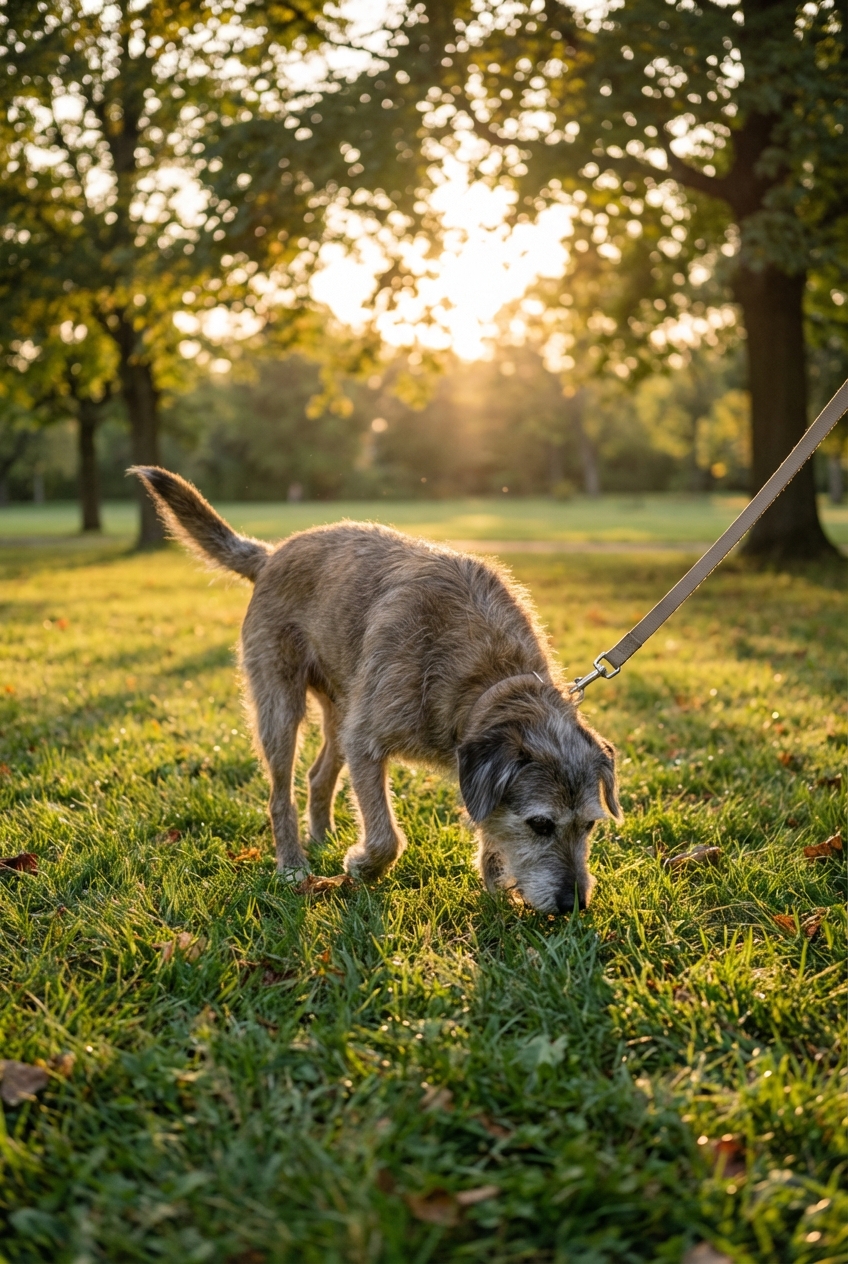
Build in decompression time too. Calm sniffing in a quiet area is not “wasted time.” It helps many dogs process stress and recover.
A starter plan (2 to 6 weeks)
Here is a simple starter plan you can begin over the next 2 to 6 weeks. Some dogs, especially fearful or reactive adults, need a few months (or longer) to see big changes. Move forward only when your dog is consistently comfortable at the current step. If you hit a rough day, that is normal. Just back up a level.
Step 1: Calm exposure walks
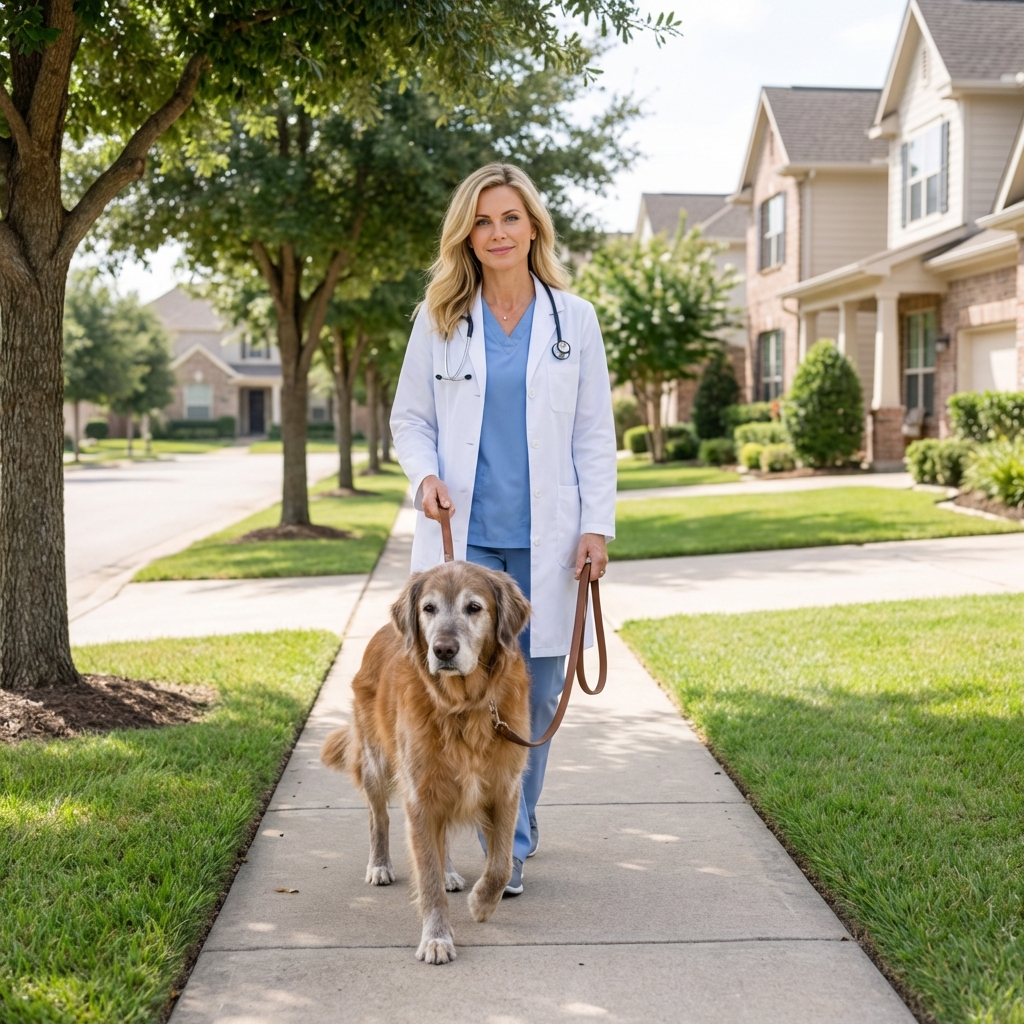
- Choose quiet times and open spaces where you can move away easily
- Let your dog sniff and explore on a standard 6-foot leash
- When your dog sees a trigger, use a marker word like “Yes” (it means “that was right”) and give a treat
- At the first yellow signs, turn and walk away to create space
Step 2: Pattern games
Predictable routines lower stress. Two favorites:
- 1-2-3 Treat: say “one, two, three,” then treat on three as you pass something mildly challenging
- Find it: toss a few treats in the grass to encourage sniffing and decompression
Step 3: Controlled greetings (only if ready)
Many older dogs do not need dog greetings to be well-socialized. But if you do greetings, keep them brief.
- Start with calm, dog-savvy friends and a neutral location
- Walk parallel at a distance first, then gradually close the gap
- Allow a 1 to 2 second sniff, then cheerfully call your dog away for treats
- Repeat short greetings rather than one long interaction
Step 4: Gentle real-world practice
Once your dog is calm in quiet places, gently add difficulty: a slightly busier park, a wider sidewalk, a pet-friendly store during off hours. Increase only one variable at a time.
If your dog reacts anyway
Reactions happen. The goal is to end the moment safely and prevent it from becoming a habit.
- Create distance fast: do a calm U-turn, cross the street, or step behind a car or hedge
- Scatter treats: toss a handful on the ground (“find it”) to help your dog disengage and lower intensity
- Keep your body loose: avoid tightening the leash or scolding
- End the session if needed: a short, successful exit is still a win
- Adjust the plan: next time start farther away or choose a quieter location
Socializing with other dogs
Dog-to-dog social skills are often the hardest for adult dogs, especially if they never learned puppy play manners. Focus on neutrality and calm coexistence.
Avoid risky setups early on
- Dog parks (too unpredictable)
- On-leash greetings with tight leashes (can increase tension)
- Small enclosed spaces like narrow hallways or crowded patios
Try safer alternatives
- Parallel walks with a calm dog
- Sniff-and-go greetings with a quick exit
- Large, fenced yards with one known dog, if both dogs are relaxed
If your dog has a history of bites, repeated scuffles, or intense reactivity, work with a qualified trainer or veterinary behaviorist before attempting close interactions.
Socializing with people
Many older dogs are unsure about strangers because strangers move fast, lean in, and reach over their heads. You can teach your dog that people are safe by controlling the approach.
A guest routine that helps
- Ask guests to ignore your dog at first: no eye contact, no reaching
- Have guests toss treats away from their body so your dog can approach and retreat
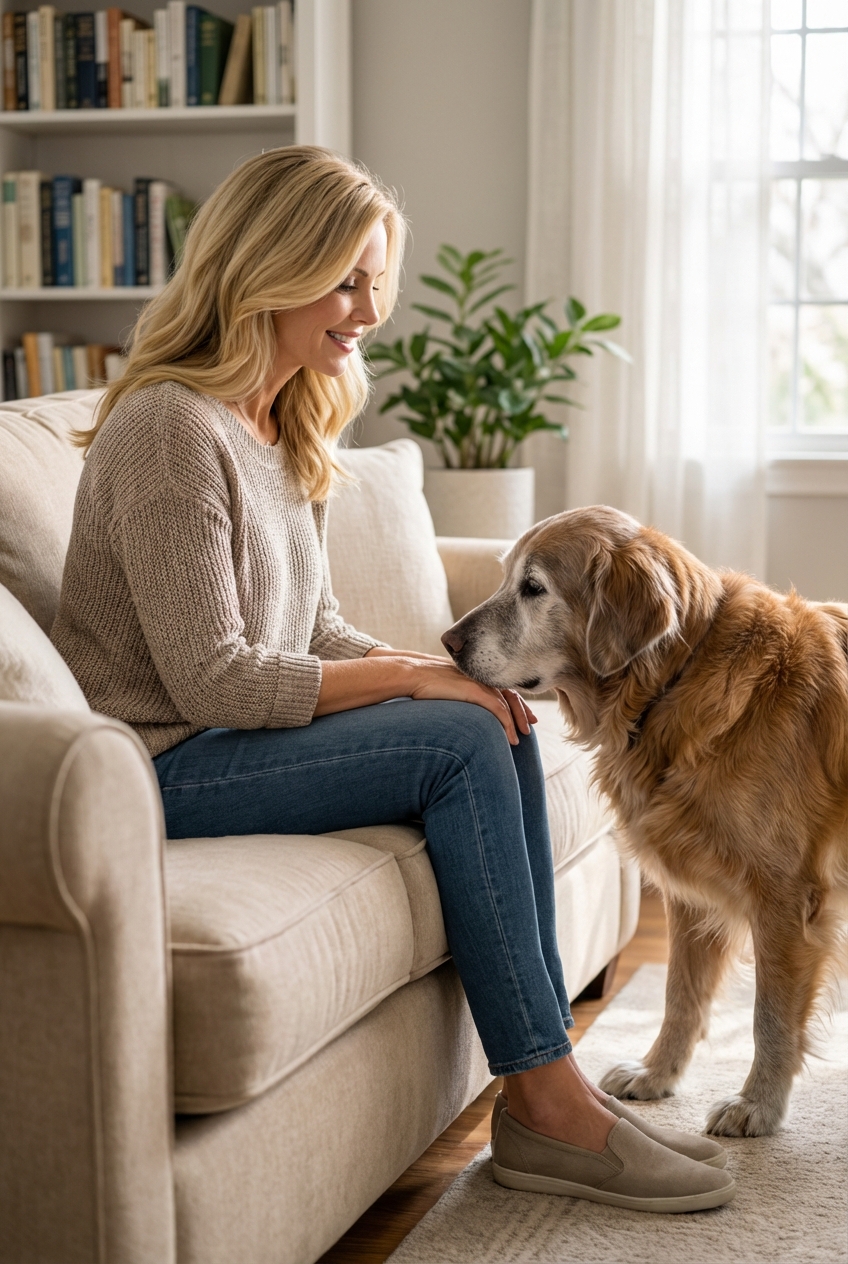
- Let your dog choose contact. If they lean in, that is consent. If they move away, respect it
- Keep greetings short and calm
Treat tossing and approach-retreat works best when your dog can stay under threshold and is not actively trying to drive people away. If your dog is growling, lunging, or has a bite history with strangers, prioritize management and professional guidance instead of guest practice.
For dogs who are fearful, management matters. Baby gates, a leash, or a quiet room with a chew can prevent rehearsing anxious behavior while you train.
Common mistakes
- Flooding: pushing your dog into overwhelming situations and hoping they “get used to it”
- Long outings: staying out past your dog’s comfort window
- Correcting fear: yelling or leash jerks can make triggers feel more dangerous
- Too much, too soon: adding busy crowds, multiple dogs, and new places all at once
- Skipping recovery: older dogs often need more downtime after stress
Muzzles
A well-fitted basket muzzle can keep everyone safe while your dog learns, and it can reduce your stress too. Muzzle training should be slow and positive, with treats and short sessions, so your dog feels comfortable wearing it.
Consider muzzle training if your dog has:
- A bite history or near-bites
- High-intensity lunging or snapping
- Handling sensitivity at the groomer or vet
Choose a basket muzzle that allows panting and drinking. Avoid muzzles that hold the mouth shut except for very brief emergency use under professional guidance.
When to get professional help
If you are feeling stuck or safety is a concern, getting help sooner can save a lot of stress. Look for a force-free professional who uses humane methods and has credentials such as IAABC, CCPDT, or KPA. For bite history, severe fear, or complex cases, a board-certified veterinary behaviorist is the best fit.
Signs it is working
- Recovery is faster after seeing triggers
- Your dog checks in with you on walks
- They can eat treats in more places
- Body language is looser and more curious
- Triggers can be closer without big reactions
Progress with an older dog is usually quiet and gradual. If things feel boring, that is often a sign you are doing it right.
Quick checklist
- Schedule a vet visit if reactivity is new or worsening
- Pick one quiet location and practice 5 to 10 minutes
- Use high-value treats and reward noticing triggers calmly
- Increase distance at the first yellow sign
- Repeat short sessions 3 to 5 times per week
If you want the biggest takeaway, it is this: socializing an older dog is less about forcing meetings and more about creating calm, positive experiences at your dog’s pace. Slow is not failure. Slow is how you build real confidence.