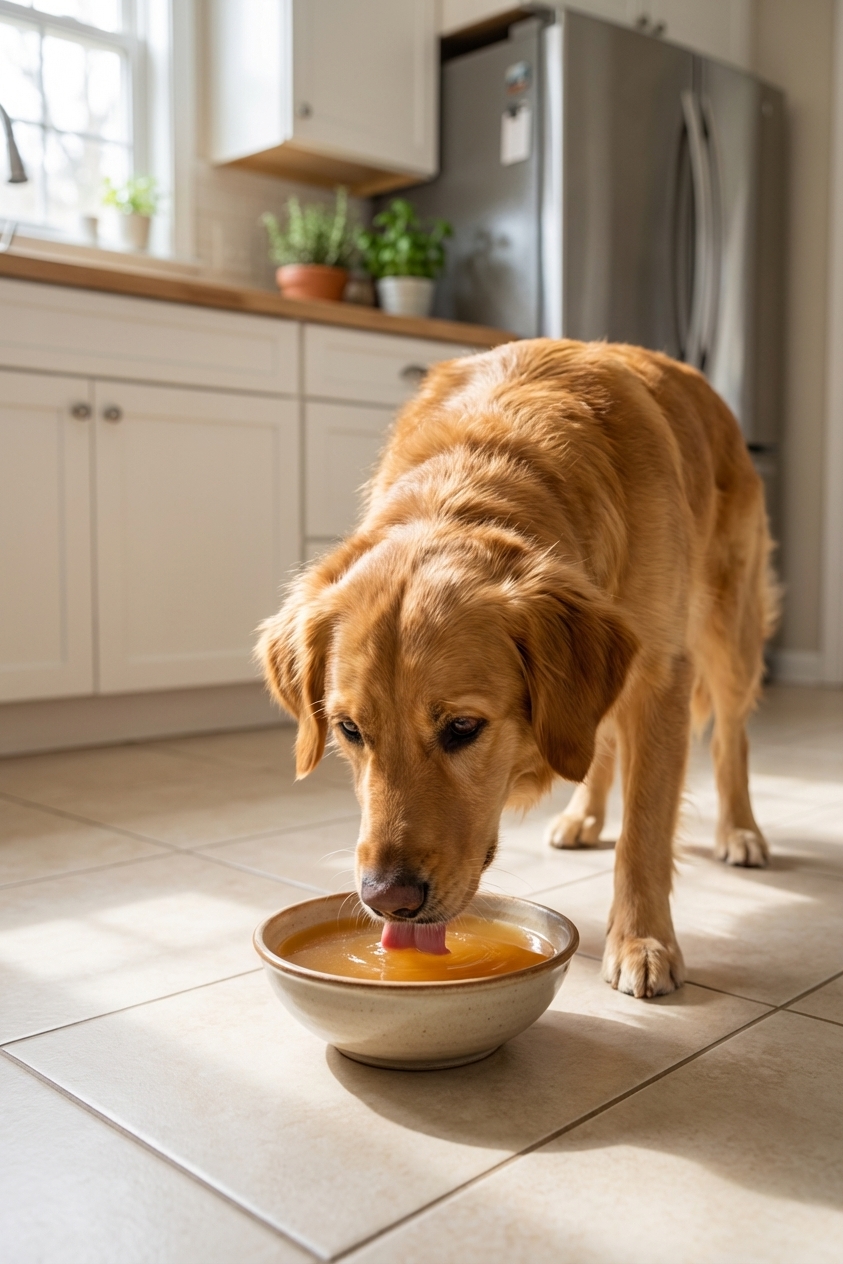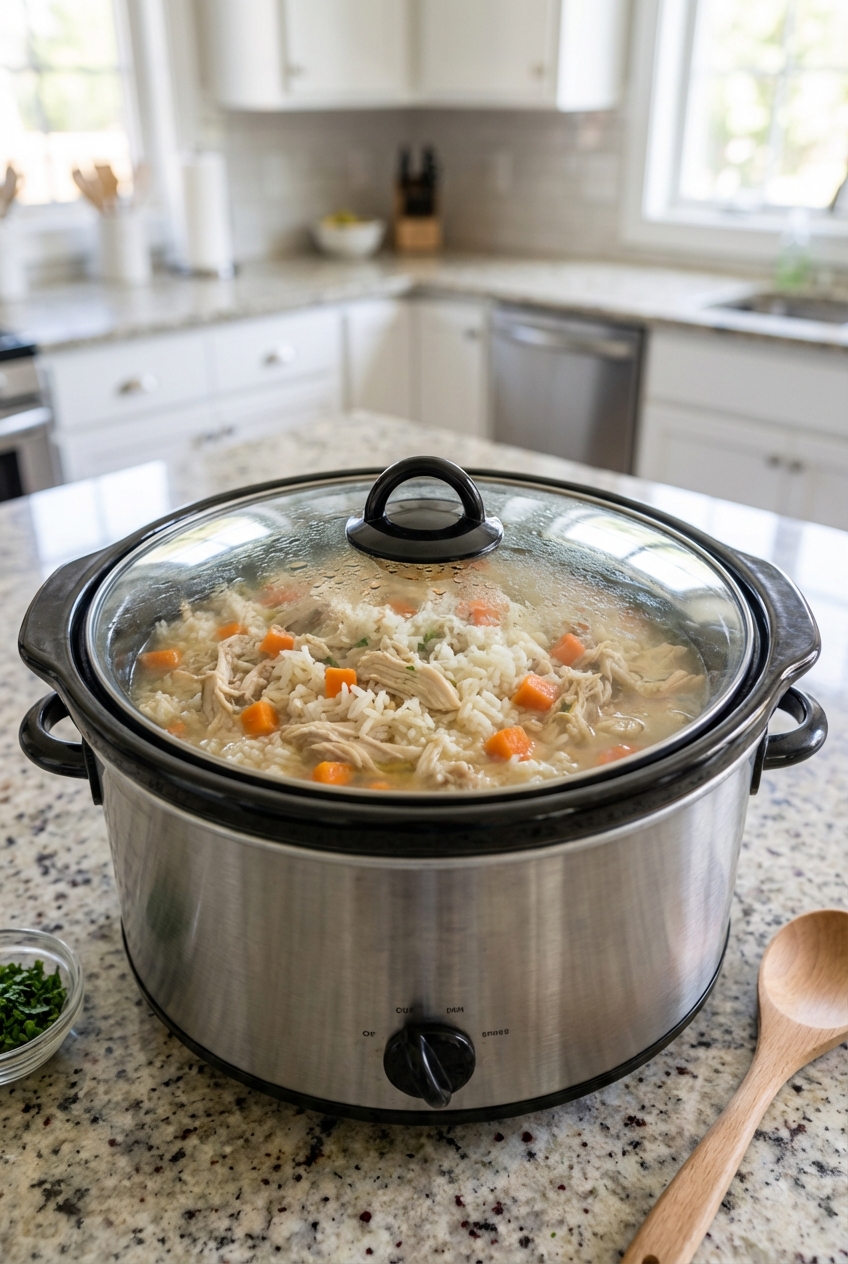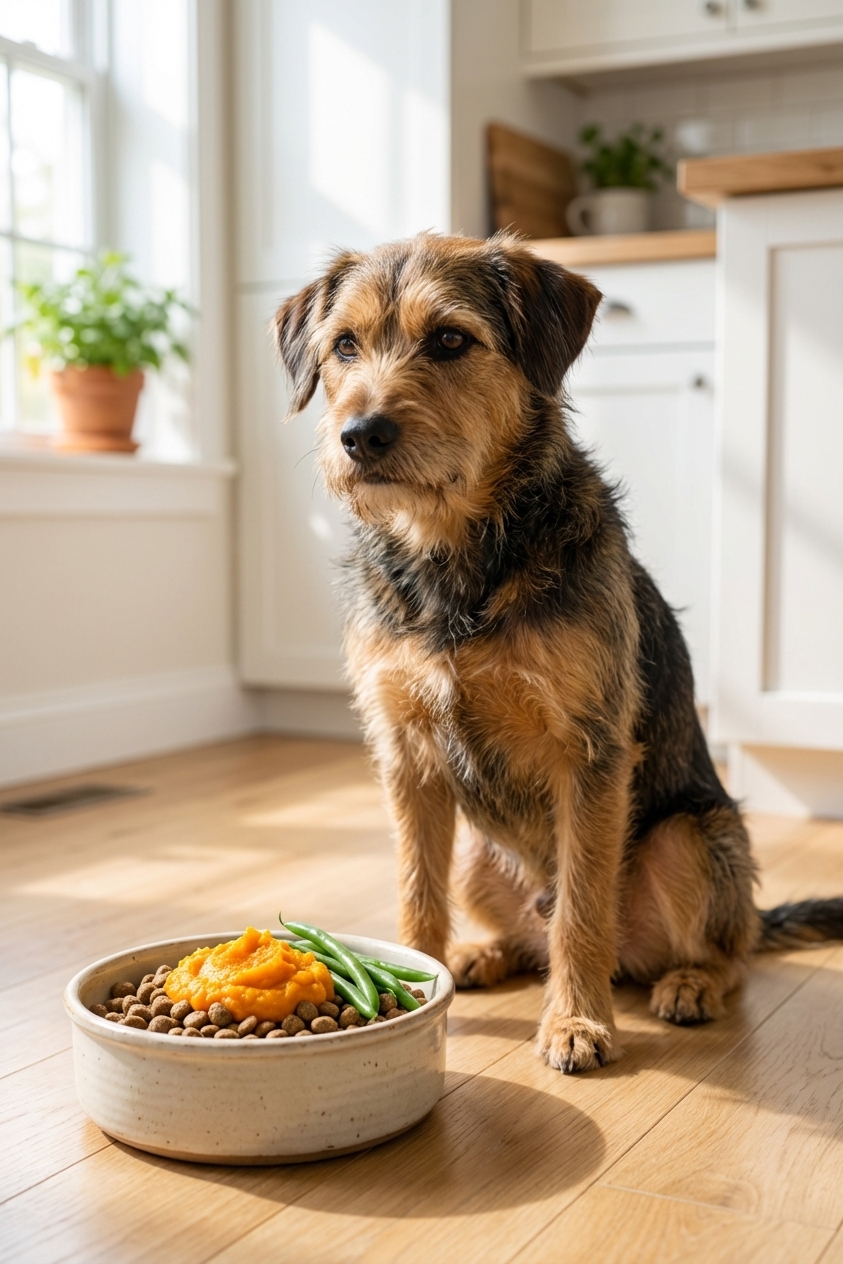
Make meals more tempting and nutritious with simple dog food toppers: bone broth, cooked eggs, sardines, pumpkin, and steamed veggies—plus portions, storag...
Article
•
Designer Mixes
How to Show Your Dog You Love Them

Shari Shidate
Designer Mixes contributor
As a veterinary assistant here in Frisco, Texas, I get to see something sweet every day: dogs are incredibly tuned in to the small choices we make. They do not measure love by the price tag of a toy. They measure it by safety, consistency, comfort, and shared time.
Below are practical, vet-informed ways to show your dog you love them, with a focus on what actually improves a dog’s quality of life. Pick a few, start small, and build routines you can keep.
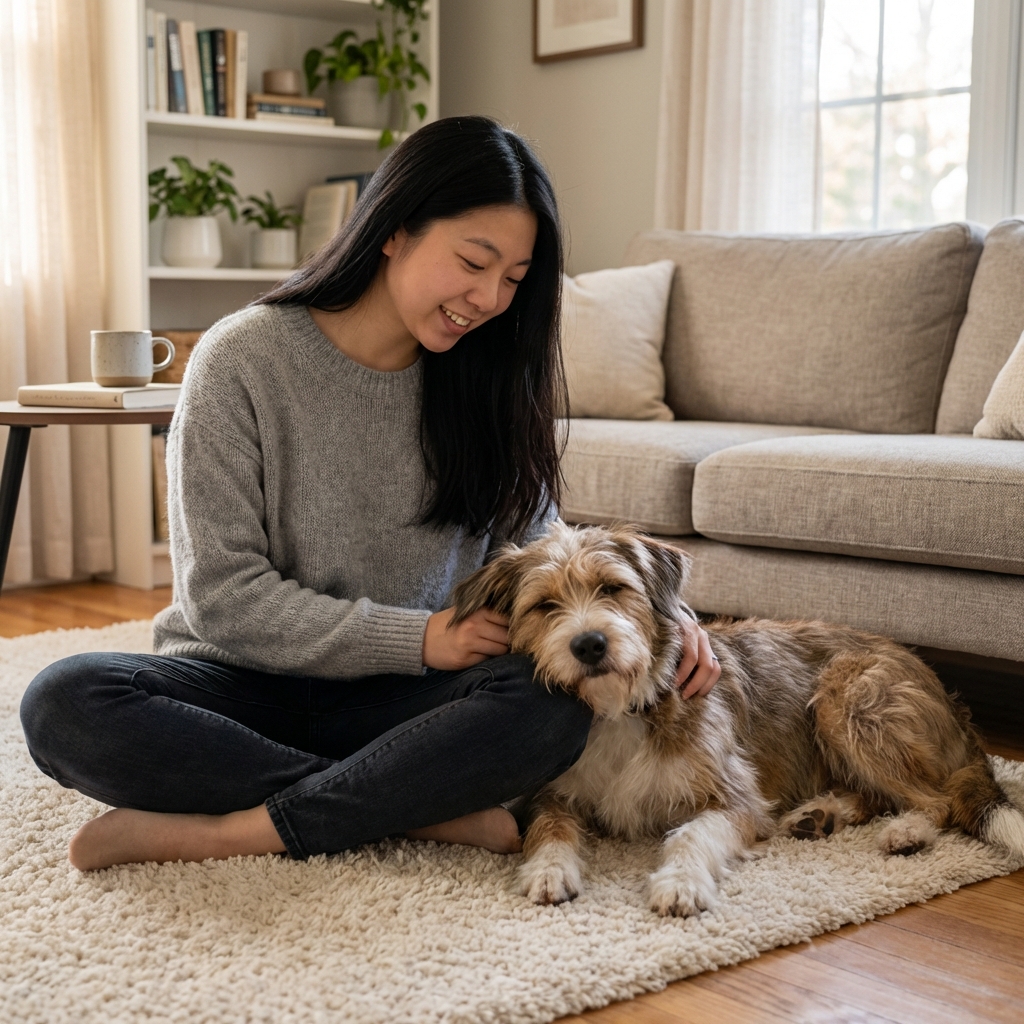
What love looks like to a dog
Dogs experience the world through scent, body language, and patterns. One of the most loving things you can do is make life predictable and emotionally safe, then layer in enrichment and affection in a way your dog truly enjoys.
Quick signs your dog is enjoying it
- Soft eyes, loose mouth, relaxed body posture
- Choosing to stay close, then comfortably moving away when they want a break
- Play bows, wiggly movement, gentle tail wagging (not stiff or frantic)
Signs to pause or change approach
- Turning head away, lip licking, yawning (can be tired or a stress signal, context matters)
- Stiffening, whale eye, tucked tail, backing away
- Freezing when touched, especially around head, paws, or hips
1) Consent-based petting
Many dogs love affection, but not all affection, not all the time. A simple “consent test” can help your dog feel respected and safe.
How to do a 3-second consent test
- Pet your dog calmly for 3 seconds on the chest or shoulders.
- Stop and wait.
- If your dog leans in, nudges you, or stays close, continue. If they walk away or look tense, give them space.
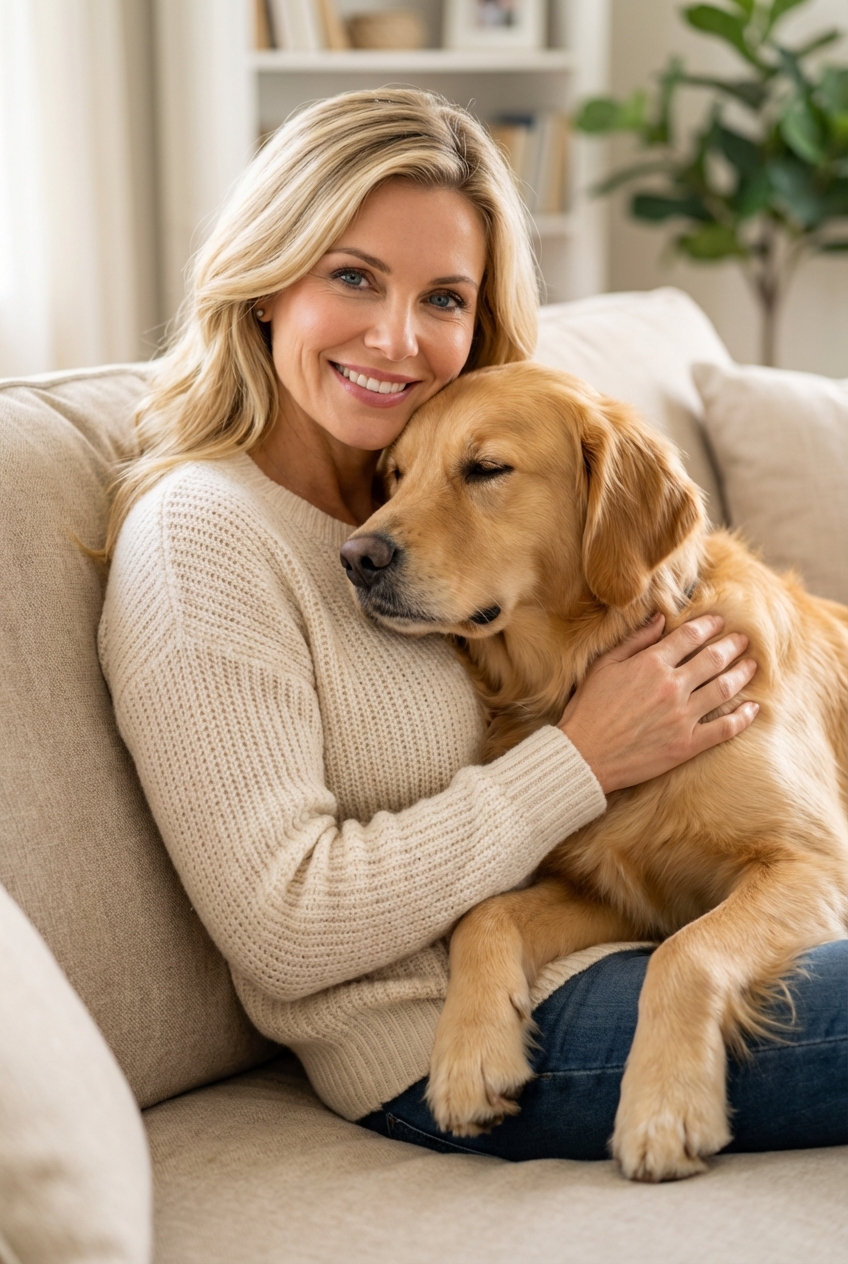
Many dogs prefer chest rubs, shoulder scratches, and slow, steady strokes over head pats or hugging. Hugs can feel restraining to a lot of dogs, even if they tolerate it.
2) Create a routine
Consistency can help reduce stress and support emotional regulation. Routine is love, especially for anxious dogs and puppies.
Simple routine anchors
- Meals at consistent times
- A daily walk or sniff session
- Quiet rest time after activity
- Bedtime cues like a last potty break and a treat on their mat
If your schedule changes often, choose two “non-negotiables” you can keep most days, like a morning potty and a 10-minute enrichment session.
3) Prioritize sniffing
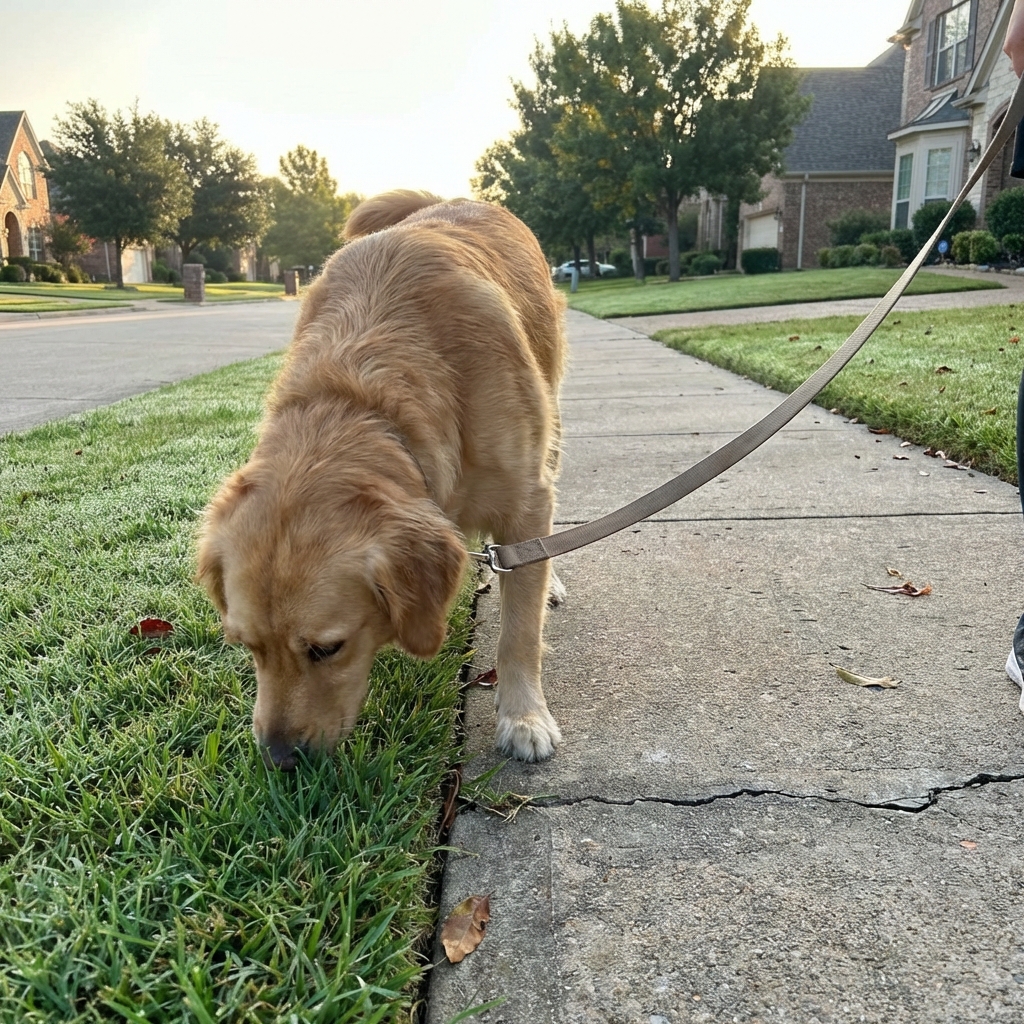
Walks are not only exercise. They are mental enrichment, and sniffing is how dogs gather information about their world. A slow sniff walk can be more satisfying than a fast mile.
Try a sniffari
- Use a harness and a longer leash when safe and allowed (often 10 to 15 feet). Always follow local leash laws.
- Let your dog choose the route sometimes.
- Pause at interesting smells and allow investigation.
If your dog pulls, consider teaching a loose-leash skill separately from sniff time so you can enjoy both.
4) Play their way
Play is bonding, stress relief, and communication. The key is choosing games that fit your dog’s personality and body.
Love-friendly play ideas
- Tug: Great for many dogs. Use rules like “take it” and “drop it” to keep it safe.
- Fetch variations: Some dogs prefer short tosses, rolling the ball, or two-toy trading.
- Find-it games: Toss treats in the grass or hide kibble around one room for scent work.
Keep sessions short and end while your dog still wants more. That helps play stay exciting and prevents over-arousal.
5) Food and treat safety
Food is not just fuel. It impacts energy, skin, coat, weight, and even behavior. Love means choosing nutrition that supports a long, comfortable life.
Three practical upgrades
- Use treats strategically: Reward calm behavior, check-ins, and good choices.
- Measure meals: Many dogs gain weight from “a little extra.” Ask your vet team for a target calorie range.
- Add enrichment feeding: Puzzle feeders, stuffed Kongs, or scatter-feeding turn meals into a brain game.
Important safety note: Avoid grapes and raisins, xylitol (often in sugar-free gum and some peanut butters), chocolate, onions and garlic, alcohol, macadamia nuts, yeast dough, and cooked bones.
This is not a complete list. When in doubt, do not share. Call your veterinarian or a pet poison helpline for guidance.
6) Train kindly
Training is communication. When you use positive reinforcement, you are building trust and clarity. That is a form of love dogs can feel.
A simple daily training plan (5 minutes)
- Practice one easy cue your dog knows (sit, touch, down).
- Teach one “life skill” (wait at the door, settle on a mat).
- End with something fun (find-it or a short tug).
If you are dealing with reactivity, fear, or aggression, work with a qualified trainer who uses reward-based methods. Helpful credentials to look for include CPDT-KA, IAABC, or KPA-CTP. If possible, avoid tools and techniques that rely on pain, fear, or intimidation, since they can increase stress and fallout behaviors.
7) Keep them comfortable
Physical comfort is something dogs never forget. Behavior changes can sometimes be driven by pain or discomfort, especially as dogs age.
Comfort upgrades that matter
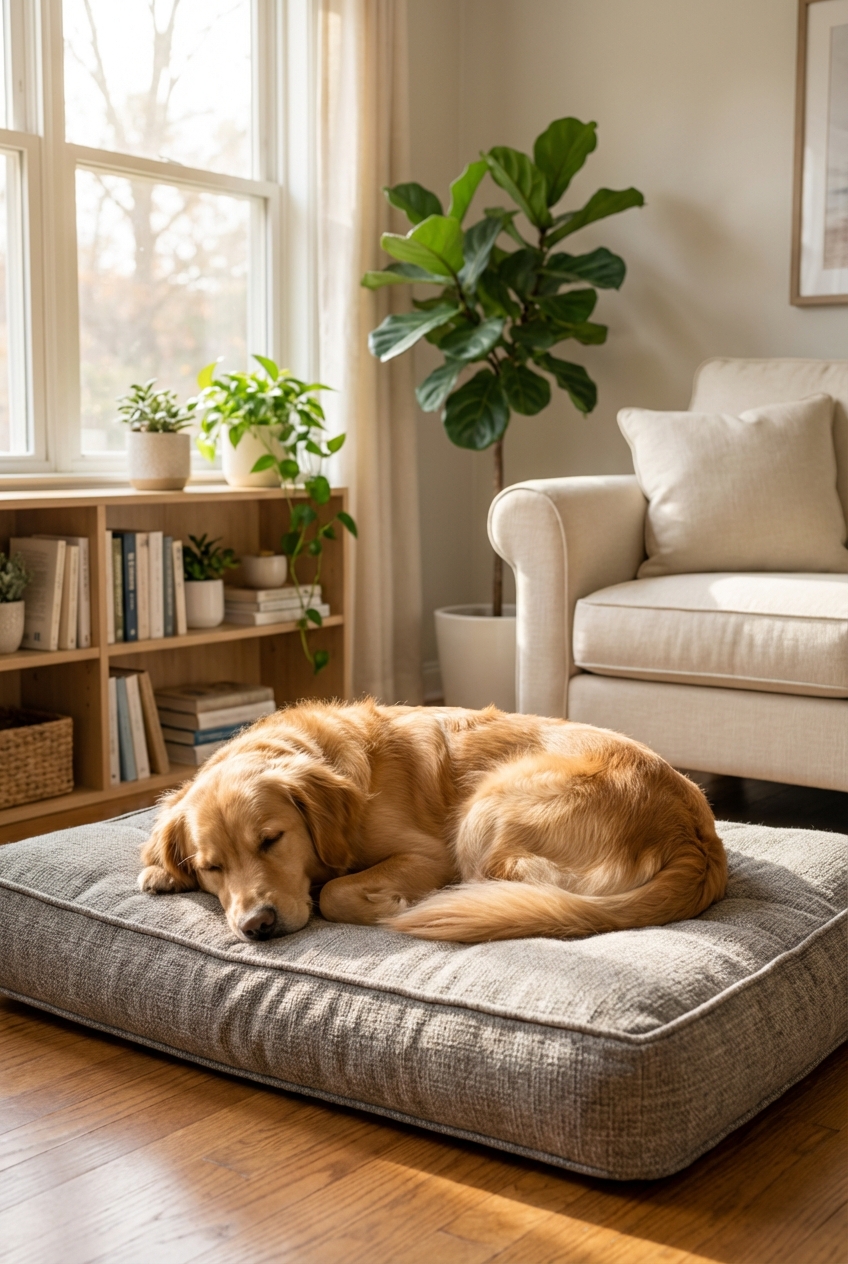
- Supportive bedding, especially for seniors or large breeds
- Nail trims to prevent joint strain and slipping
- Dental care to reduce pain and infection risk
- Parasite prevention recommended for your region and lifestyle
Watch for subtle pain signs like slowing down on walks, hesitation on stairs, licking paws, or irritability when touched. If you notice changes, schedule a vet visit rather than waiting it out.
8) Rest and boundaries
Sleep needs vary by age, breed, health, and activity level. Many adult dogs sleep 12 to 14 hours daily, and puppies and seniors often need more.
Ways to support rest
- Create a quiet “no bother” spot like a crate or corner bed.
- Teach kids to leave the dog alone while eating and sleeping.
- Use white noise if your dog startles at outside sounds.
Love also means advocating for your dog. If your dog does not enjoy crowded patios or loud parties, it is okay to skip those situations or keep visits short.
9) Support safe social time
Some dogs love dog friends. Others prefer people-only, or only a small circle they trust. Showing love can be as simple as not forcing greetings.
Easy ways to keep it comfortable
- Let your dog approach at their own pace. Do not insist on saying hi.
- Choose parallel walks with a calm dog friend instead of face-to-face meetings.
- Give your dog a polite exit plan, like stepping behind you or moving to a quiet spot.
10) Groom with care
Grooming can be bonding and it is also a mini health check. It helps you spot tender areas, skin issues, ear irritation, new lumps, or changes in coat quality.
Keep it low-stress
- Use short sessions and reward generously.
- Start with easy areas (shoulders, back) before paws, ears, and face.
- If your dog is sensitive, ask your vet team or groomer about a cooperative care plan.
11) Be present
Dogs are experts at noticing what we repeat. Five minutes of fully present attention can mean more than an hour in the same room while you are distracted.
Try this tonight
- Put your phone down for 5 minutes.
- Sit at your dog’s level.
- Offer calm petting, a short game, or a few treats for relaxed behavior.
Over time, your dog learns: “When I am with you, I feel safe.” That is love in dog language.
When to call the vet
Sometimes the most loving choice is medical support. Call your veterinarian promptly if you notice:
- Sudden appetite changes, vomiting, diarrhea, or coughing
- Increased drinking and urination
- Limping, yelping, or reluctance to jump or use stairs
- New anxiety, growling, hiding, or withdrawal
- Bad breath, drooling, or pawing at the mouth
Health issues can show up as behavior issues. Getting answers early can prevent suffering and help your dog feel like themselves again.
Quick note: Diet, exercise, and training should be tailored to your dog. If your dog has medical conditions, needs a weight-loss plan, or is showing concerning behavior, your veterinarian and a qualified trainer are the best place to start.
Your dog does not need perfection. They need consistency, kindness, and care you can sustain. Start with one small habit today and build from there.