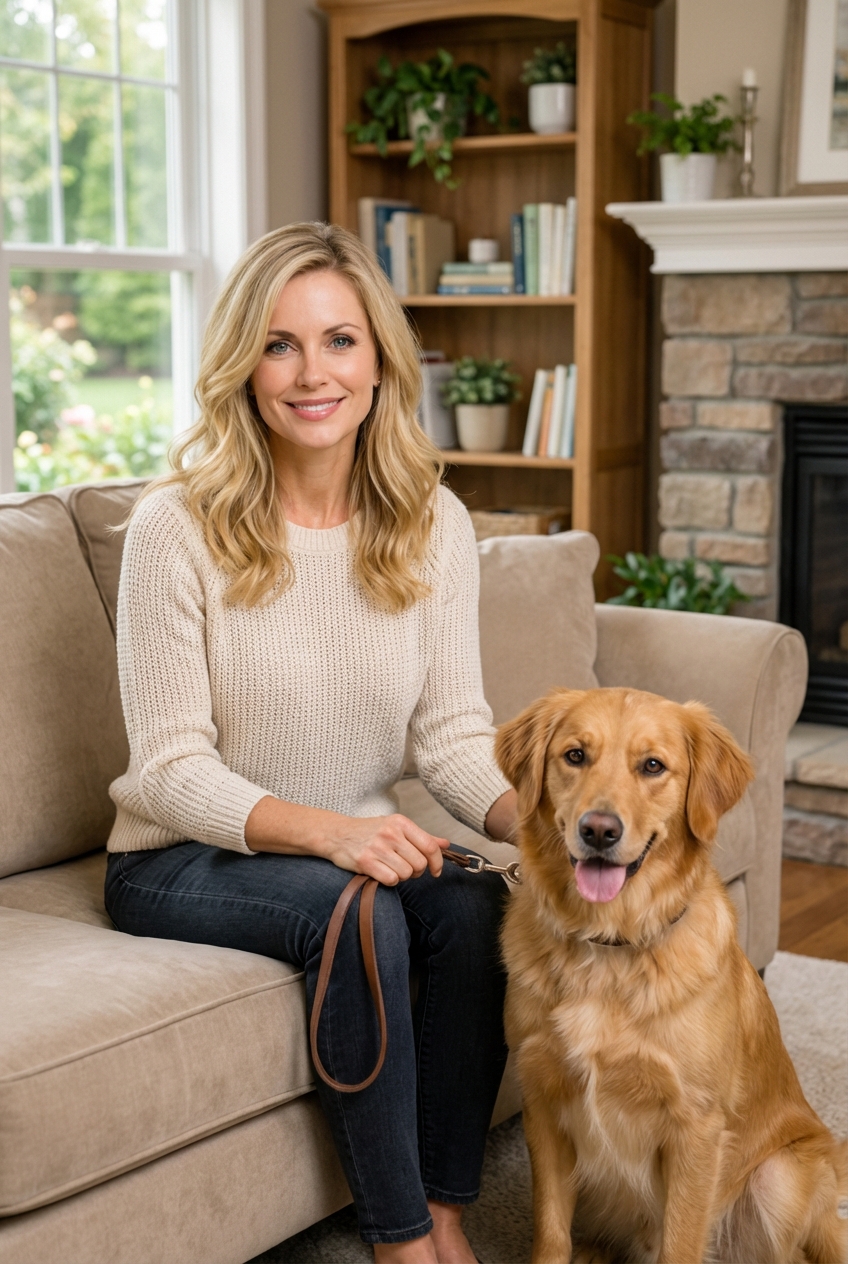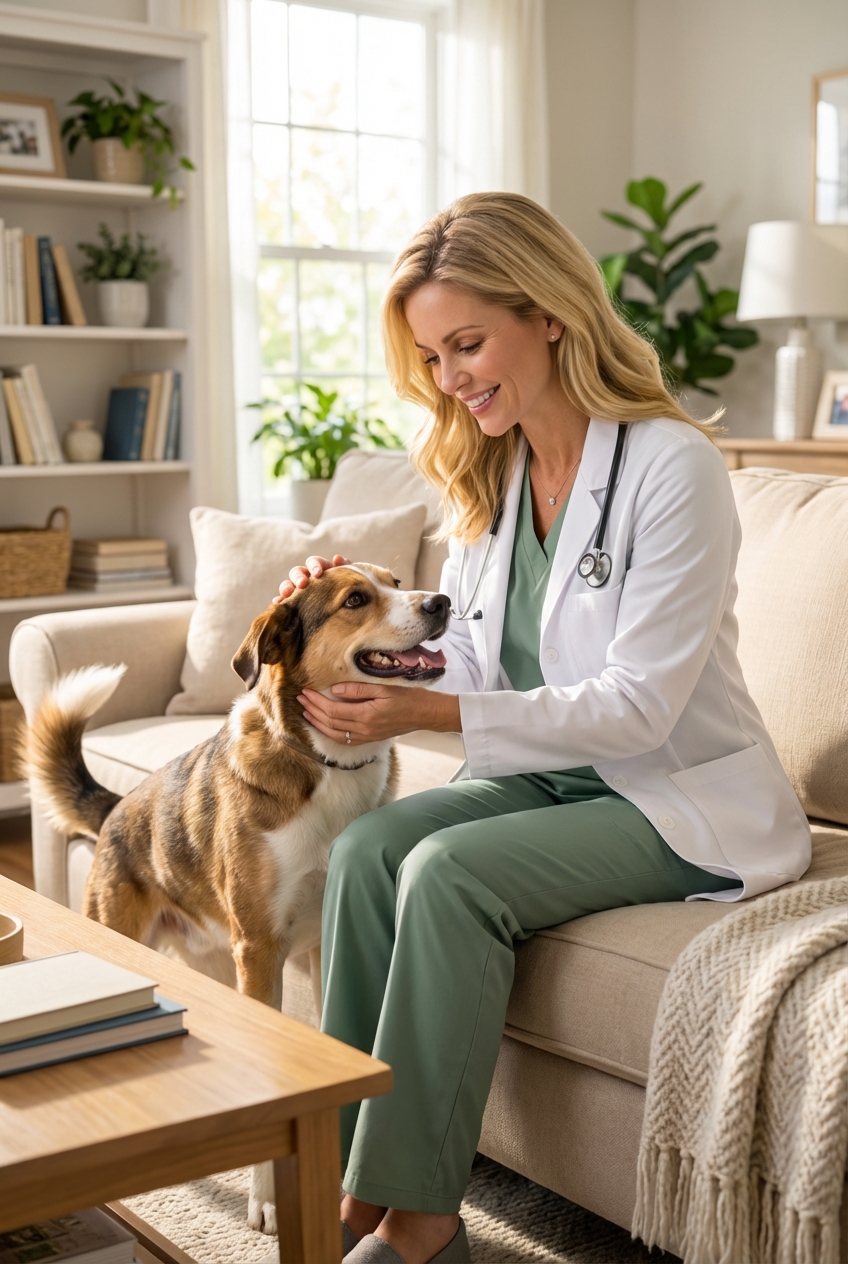
Learn vet-approved, science-informed ways to say “I love you” to your dog: consent checks, predictable routines, sniffy walks, positive training, enrichm...
Article
•
Designer Mixes
How to Show Affection to Your Dog

Shari Shidate
Designer Mixes contributor
As a veterinary assistant here in Frisco, Texas, one of the sweetest questions I hear is also one of the most important: “How do I show my dog I love them in a way they actually understand?” In my experience, dogs tend to feel affection most clearly through a mix of safety, choice, predictability, and dog-appropriate connection (think sniffing, play, and touch they get to opt into).
This article will help you match your affection to your dog’s personality, history, and body language so your love lands the way you intend.
Affection is a language
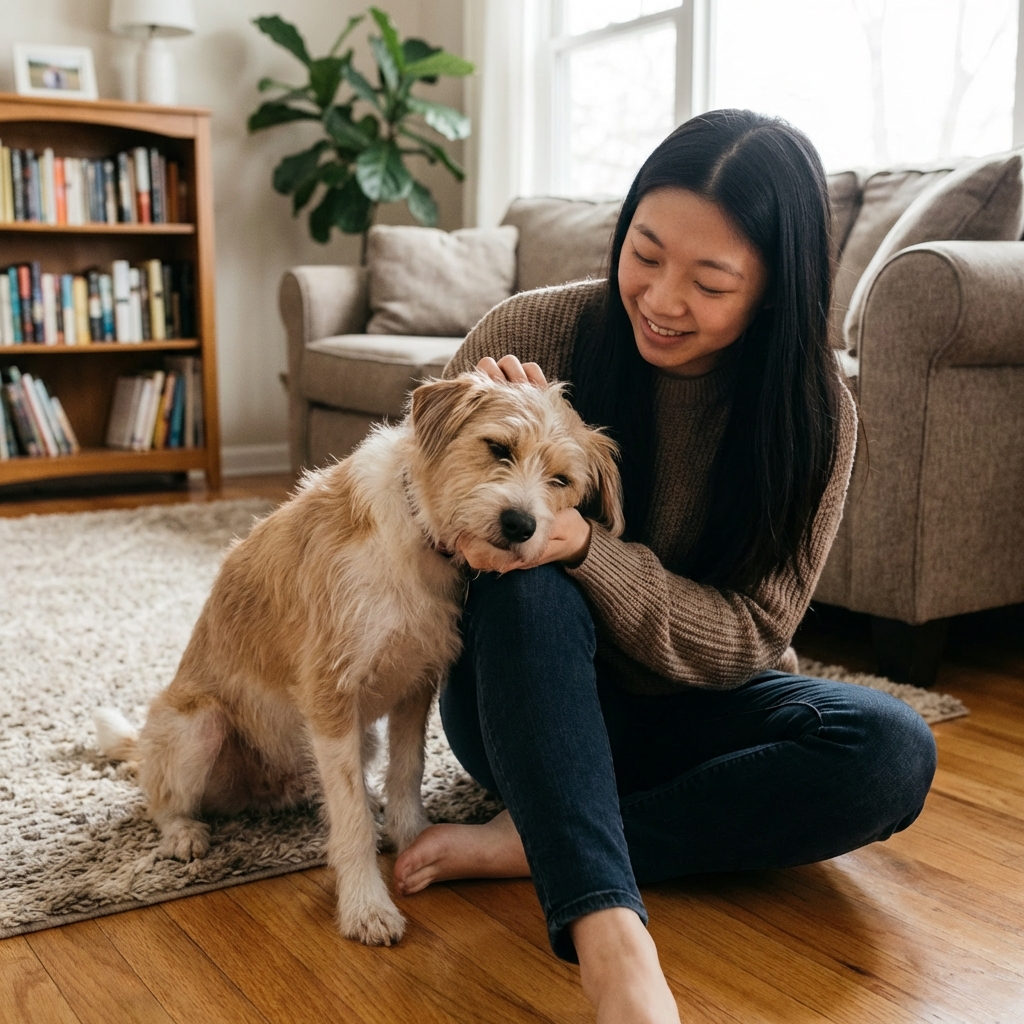
We humans tend to show love the way we want to receive it: hugs, kisses, big excited greetings. Many dogs prefer something different. Modern, welfare-focused handling and behavior guidance emphasizes one key theme: calm, consistent interaction that respects consent tends to build trust.
When your dog chooses to come closer, softens their body, and stays engaged, you are speaking their love language.
Affection that respects your dog’s comfort zone builds trust. Trust is the foundation of every “well-behaved” dog you admire.
7 ways dogs feel loved
1) The consent test for petting
This is one of my favorite simple tools. Pet your dog for 3 to 5 seconds, then stop and pause.
- If your dog leans in, nudges your hand, or follows you, that is a clear “yes.”
- If your dog looks away, licks their lips, yawns, freezes, or walks off, that is a “no thanks” or “not right now.”
Respecting that answer is a form of affection all by itself. One extra tip: if your dog walks away, let them go. Following them turns “choice” into pressure.
2) Pet where it feels best to them
Many dogs enjoy gentle strokes on the chest, shoulders, and along the side of the neck. Some love slow ear rubs. Many dogs do not love a hand coming over the top of their head, especially if they are shy, startled easily, or are meeting someone new.
Try this: start low (chest or side), keep pressure light, and watch the face and body. Soft eyes and a loose posture are great signs. And remember, preferences can change when your dog is tired, in pain, or in a busy environment.
3) Calm greetings build security
Excited greetings can be fun, but for many dogs they are also a little stressful. A calmer ritual can be incredibly bonding.
- Come in quietly.
- Turn your body slightly sideways instead of leaning over them.
- Wait for four paws on the floor and a calm body before you greet.
- Reward calm with gentle touch, a soft voice, or a treat.
To your dog, this says: “My presence is safe and predictable.”
4) Play is connection
Play is not just entertainment. For many dogs, it is one of the clearest ways we bond. It can also boost positive feelings and help your dog feel more relaxed around you.
- Tug: Great for many dogs when you use simple rules like “take it” and “drop.”
- Fetch: Limit repetitive, high-impact chasing and jumping, especially for puppies and seniors. Surface, intensity, and repetitions matter. When in doubt, keep it short, avoid slippery or hard surfaces, and follow your vet’s guidance.
- Sniff games: Hide treats or kibble and let your dog hunt. This is wonderfully enriching.
5) Sniff walks say “I love you”
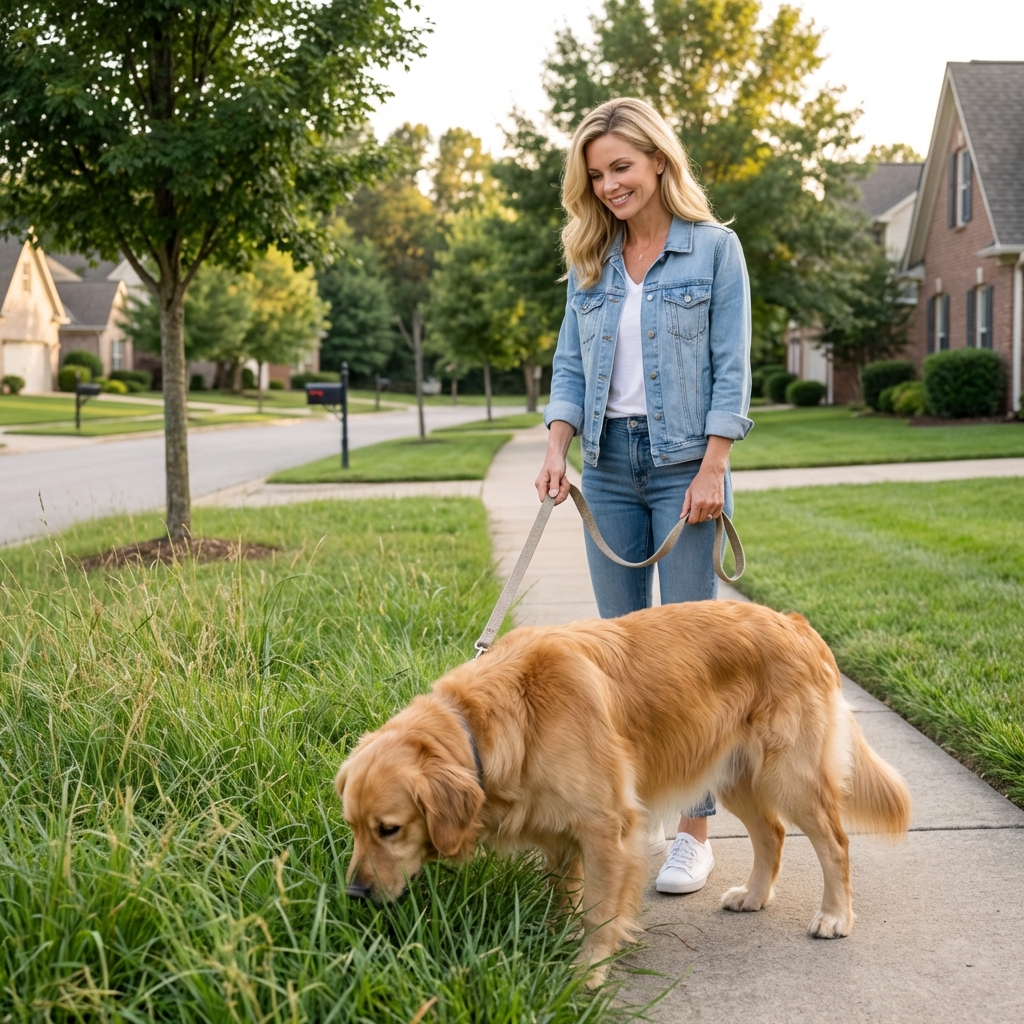
Sniff games are great indoors, and walks can be the outdoor version. Dogs experience the world through scent, so a walk with sniffing time can be more satisfying than a longer, rushed walk.
Try a “decompression walk” a few times a week: slower pace, long leash where safe, and permission to sniff. You will often see a calmer dog afterward.
6) Reward-based training builds confidence
Affection is not only cuddles. It is also helping your dog feel successful. Reward-based training strengthens your bond because your dog learns you are a source of clarity and good things.
- Teach a simple cue like “touch” (nose to hand) or “find it” (treat scatter).
- Do 3 minutes at a time.
- End on a win.
This kind of teamwork can be very comforting for many dogs.
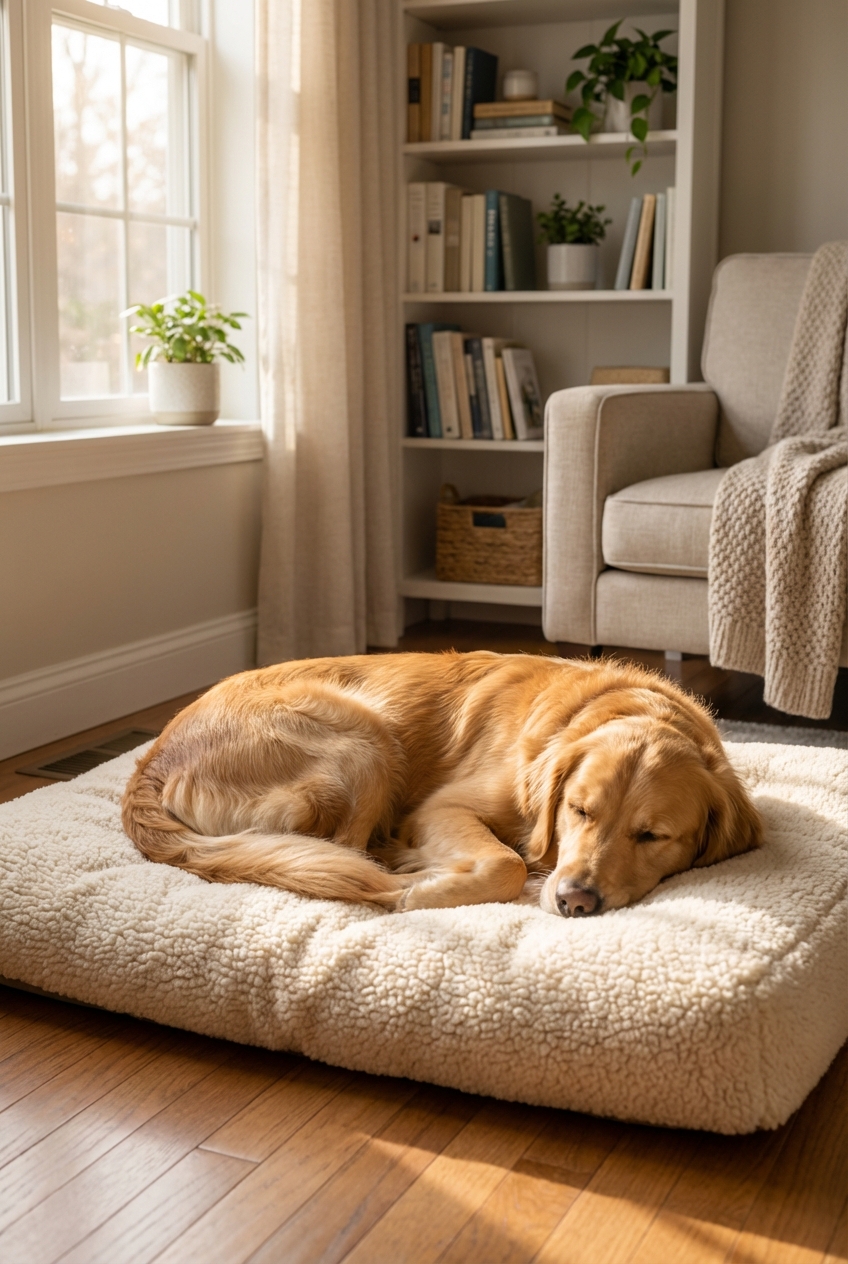
7) Protecting rest is love
One of the most caring things you can do is protect your dog’s sleep and downtime. Dogs need a safe place where they will not be grabbed, climbed on, or disturbed.
- Create a cozy bed in a low-traffic corner.
- Teach kids that the bed is a “no bother zone.”
- Use a crate or pen if your dog likes it, never as punishment.
How to tell what your dog likes
Dogs give us feedback constantly. Here are quick, practical signs.
Signs your dog is enjoying it
- Loose, wiggly body
- Soft eyes and relaxed mouth
- Leaning in or scooting closer
- Choosing to stay near you
- Play bow, gentle pawing, or offering a toy
Signs your dog is stressed
- Turning head away, avoiding eye contact
- Whale eye (white of the eye showing)
- Lip licking, yawning when not tired
- Stiff body, freezing, tail tucked
- Moving away or hiding
If you see stress signs, the loving move is to pause, give space, and let your dog choose what comes next.
Affection mistakes to avoid
These are common, well-meaning habits I see in clinic and with friends and family.
- Face-to-face hugs and kisses: Many dogs tolerate this, some hate it. Watch for stiffness or avoidance, and do not put your face near a dog who is unsure.
- Petting faster when your dog looks unsure: If your dog is uncertain, slow down or stop.
- Using affection to fix fear: Some dogs do find gentle owner contact soothing, but avoid restraining or forcing cuddles. Focus on distance from the trigger, calm support, and rewards, and let your dog choose whether they want contact.
- Ignoring pain signals: If your dog suddenly avoids petting they once loved, or becomes grumpy with touch, schedule a vet visit. Pain often hides in plain sight.
Match affection to your dog
The Velcro dog
These dogs love closeness. Give them structured cuddle time, but still offer choice. Reward calm settling so clinginess does not become anxiety.
The independent dog
Affection might look like parallel time: sitting near you while you read, a sniff walk, or short play sessions. Let them approach you.
The nervous or rescued dog
Go slowly. Sit on the floor sideways, toss high-value treats, and let the dog come to you. Use predictable routines. Trust grows in tiny steps that add up.
The senior dog
Gentle affection matters even more with age. Choose soft bedding, warm spots, shorter walks with sniff time, and low-impact play. If touch seems uncomfortable, ask your vet about arthritis or dental pain.
A simple daily routine
If you want something easy and consistent, try this:
- Morning: 2 minutes of calm petting using the consent test
- Midday: sniff game or treat scatter for mental enrichment
- Evening: a sniff-forward walk or gentle play
- Bedtime: quiet praise, a predictable cue like “settle,” and protected sleep space
Consistency is comforting. And comfort is a form of love dogs understand very clearly.
Kids and dogs
If you have children in the home, supervision and simple rules keep everyone safe and help your dog feel secure.
- Have kids invite the dog over instead of approaching the dog.
- Teach kids to pet on the chest or side, not over the head.
- No hugging, riding, or face-to-face contact.
- If the dog walks away, the interaction is over.
When to ask for help
If your dog growls, snaps, or suddenly avoids touch, that is not “bad behavior.” It is communication. Please talk with your veterinarian first to rule out pain, and consider working with a qualified, reward-based trainer or a veterinary behaviorist for a plan that fits your dog.
The most loving thing you can do is listen early, before stress turns into a bigger issue.