Step-by-step dog tick removal with tweezers, what to do if mouthparts remain, aftercare warning signs, and proven prevention plus home and yard tick control ...
Article
•
Designer Mixes
How to Remove a Tick From a Dog

Shari Shidate
Designer Mixes contributor
Ticks are tiny, but they can cause big problems for dogs and for the people who love them. The good news is that removing a tick safely is something most pet parents can do at home with calm hands, the right tools, and a simple step-by-step plan. As a veterinary assistant in Frisco, Texas, I have helped with a lot of tick checks, and I can tell you this: slow and steady beats rushed and worried every time.
If your dog seems very ill, you cannot remove the tick completely, or your dog is painful or panicking, call your veterinarian. If you think the tick has been attached for a while or it looks engorged, remove it as soon as you safely can and then contact your vet to ask about next steps, monitoring, and whether any testing is recommended.
Why ticks matter
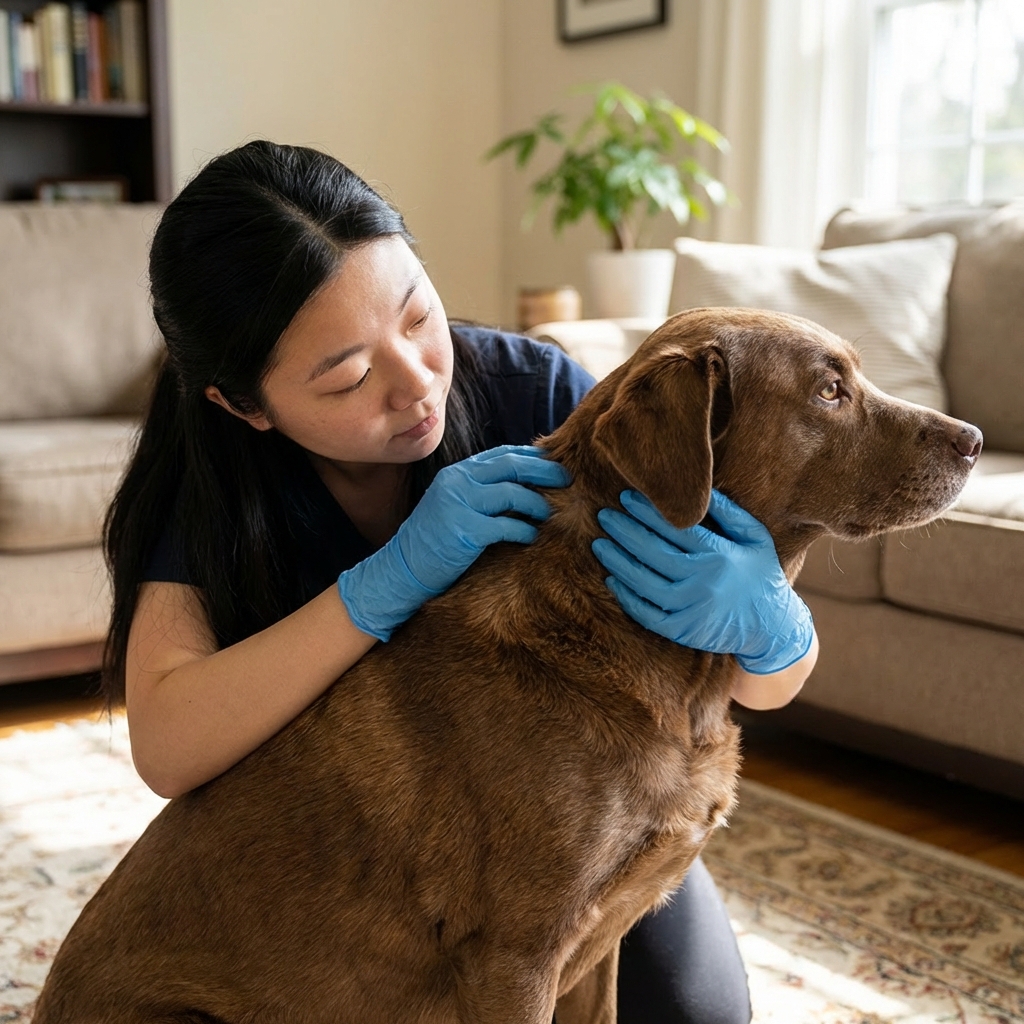
Ticks feed on blood. While many tick bites are just irritating, ticks can transmit diseases and cause complications, especially if they stay attached long enough. Some tick-borne germs can be transmitted sooner than others, so prompt removal is always the goal.
- Disease risk: Depending on your region and the tick species, ticks can transmit illnesses like Lyme disease, ehrlichiosis, anaplasmosis, Rocky Mountain spotted fever, and others.
- Skin infection: A bite can become inflamed or infected, especially if parts of the tick remain embedded.
- Tick paralysis (rare): Some tick species can produce toxins that cause weakness or wobbliness.
Fast removal helps reduce risk. A quick daily check during tick season is one of the best habits you can build.
Tick removal tools
You do not need a fancy kit, but you do need the right basics.
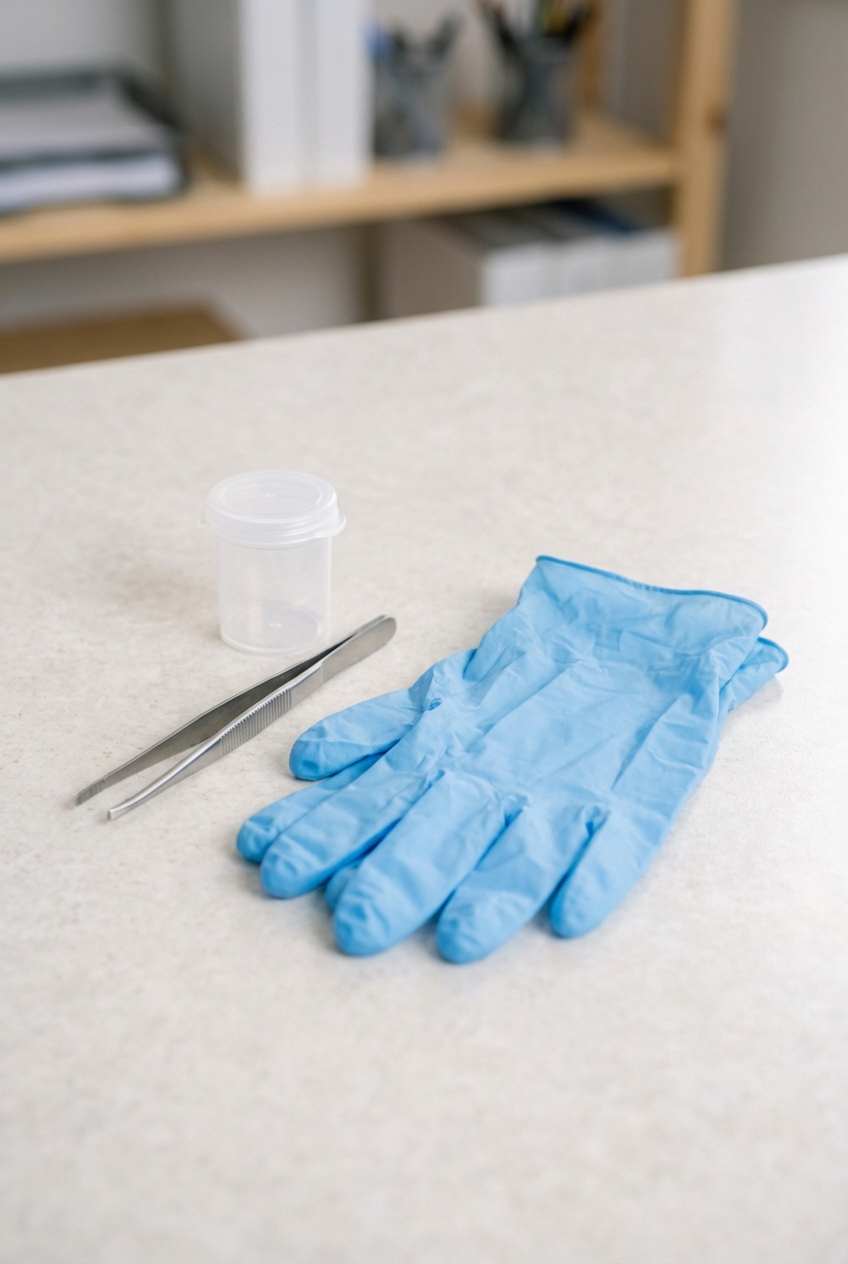
- Fine-tipped tweezers or a tick removal tool (tick key or hook style).
- Disposable gloves (recommended).
- Rubbing alcohol or soap and water for cleanup.
- Antiseptic safe for pets (your vet can recommend one).
- A small sealable container or zip bag to save the tick.
- A treat for your dog, because this is a team effort.
Skip these common myths: do not burn the tick, do not smother it with petroleum jelly, and do not use nail polish. These methods can irritate the tick and may increase the chance of it releasing more fluid into the bite site.
How to remove a tick
1) Keep your dog still
Choose a well-lit spot. If your dog is wiggly, ask a helper to gently hold them. For kids who want to help, give them a job like holding the treat bag or turning on a flashlight. We want calm energy in the room.
2) Part the fur
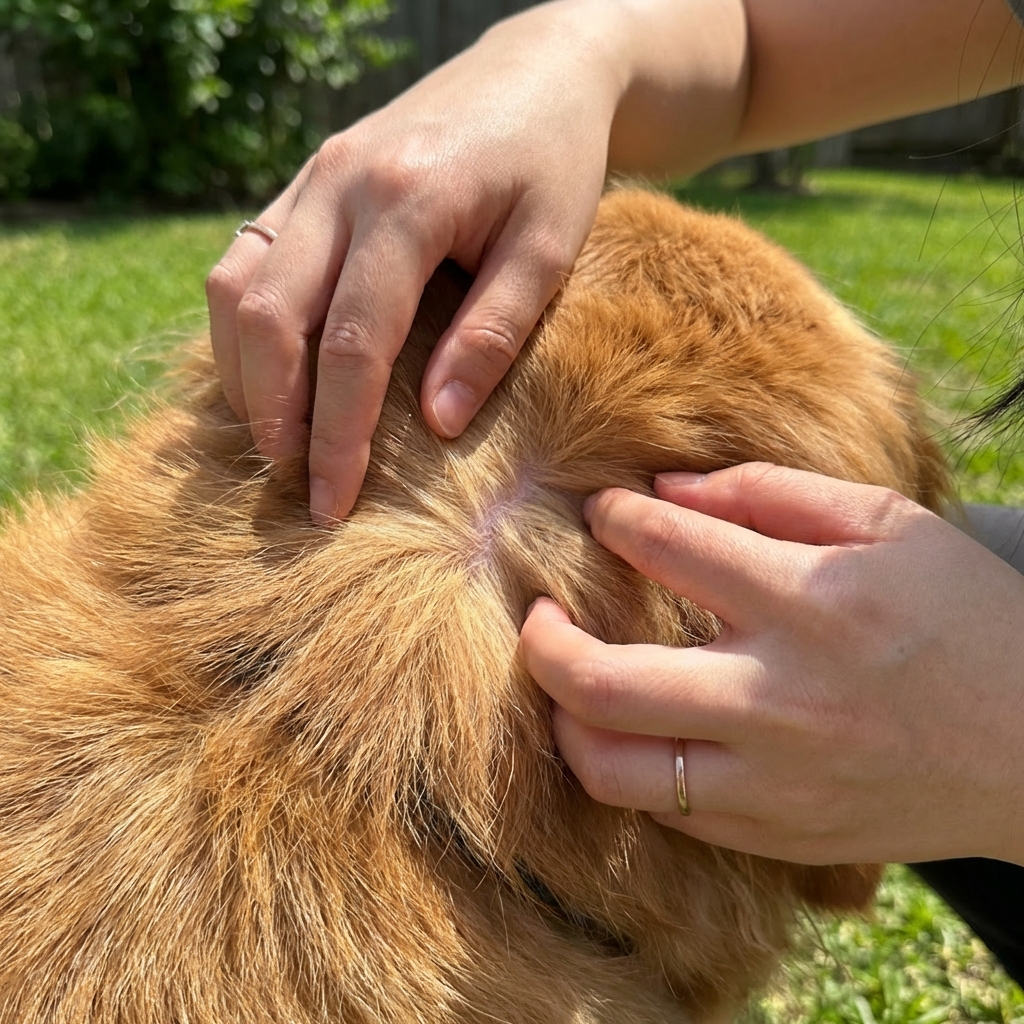
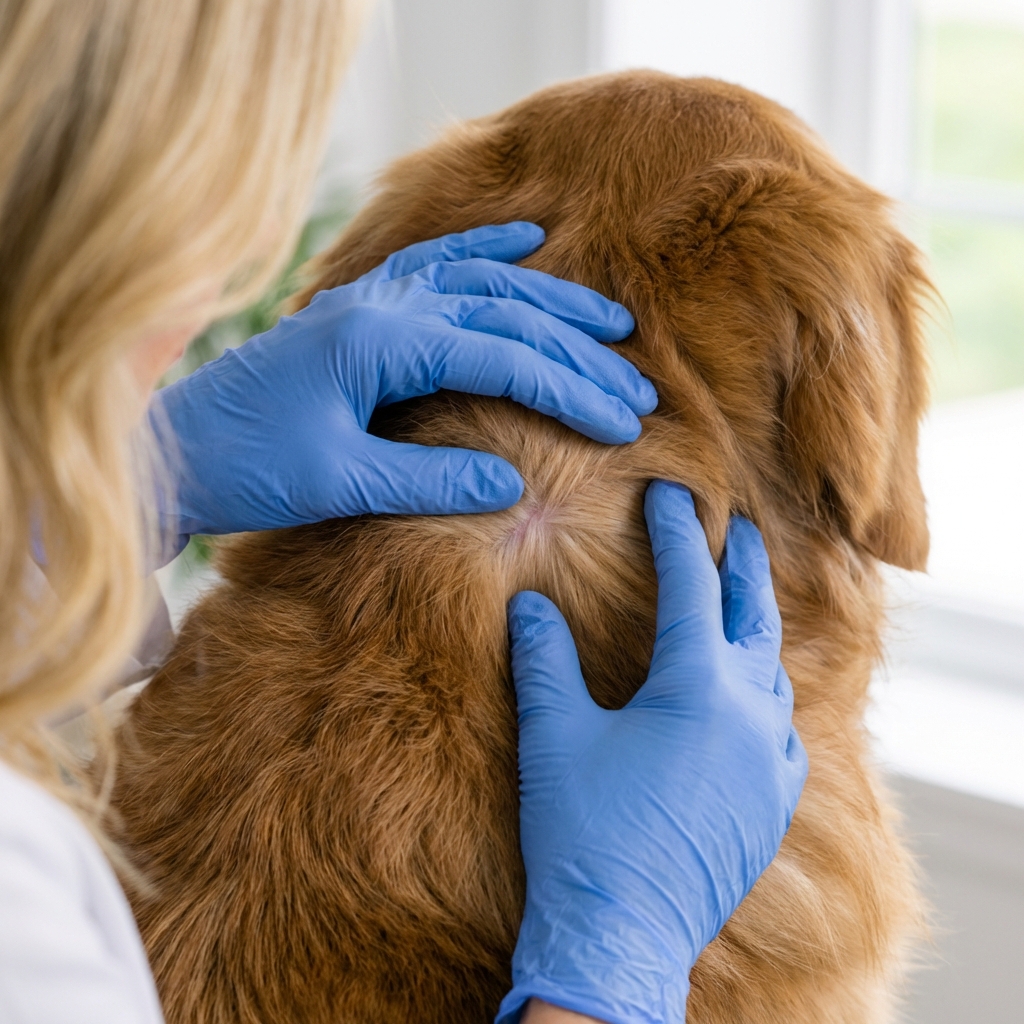
Ticks often hide around the ears, collar line, armpits, groin, between toes, and under the tail. Part the fur until you can see where the tick attaches to the skin.
Helpful clue: An engorged tick looks swollen and rounder, sometimes grayish, and can be much larger than a flat tick.
3) Grab close to the skin
With fine-tipped tweezers, grasp the tick as close to the skin as possible. Aim to grab the tick at the mouthparts (where it is attached), not the swollen body.
4) Pull up steadily
Pull upward in a slow, firm motion. Avoid sudden jerking. Do not squeeze or crush the tick’s body, because that can push irritating material into the bite. If you are using a tick removal tool, follow the directions for that specific tool. Some tools use a gentle lifting or levering motion, and that is okay when done as intended.
5) Check the bite site
Look for any remaining black speck or fragment. If you think parts of the tick are still embedded and you cannot easily remove them with tweezers, stop and call your vet. Digging at the skin can cause more irritation and infection.
6) Clean up
Clean the bite site with mild soap and water or a vet-approved antiseptic. Wash your hands well even if you wore gloves.
7) Save or dispose of the tick
If you are saving it: Place the tick in a sealed container or bag and write down the date and where on your dog you found it. Some clinics prefer the tick stored dry, and others may recommend alcohol. Ask your veterinarian or local lab how they prefer it stored.
If you are not saving it: Put it in rubbing alcohol, then seal it in a bag or container and throw it away. Do not crush a tick with your fingers.
After handling a tick, do a quick check of your own clothes and skin, especially if your dog was on a hike or in tall grass.
If the mouthparts stay in
This is a common worry. People often call it “the head,” but it is usually the mouthparts that remain as a tiny dark speck.
- If you can easily grasp the fragment with clean tweezers, you can gently remove it.
- If you cannot remove it quickly, do not keep digging. Clean the area and monitor for redness, swelling, oozing, or pain.
- Call your veterinarian if the area looks infected, your dog is very uncomfortable, or you are unsure what you are seeing.
In many cases, a tiny remnant works its way out as the skin heals, but it is always worth monitoring closely.
What to watch for
Most dogs act totally normal after a tick is removed. Still, keep an eye out over the next days to weeks. Tick-borne illnesses can show up later.
- Fever, low energy, or acting “off”
- Loss of appetite
- Limping, stiffness, or joint pain
- Swollen lymph nodes
- Vomiting or diarrhea
- New bruising, nosebleeds, or unusual bleeding
Call your veterinarian if you notice any of the above, if the tick was likely attached for a while, if it was engorged, or if your dog is a puppy, senior, pregnant, immunocompromised, or has other health conditions.
When to see a vet
- You cannot remove the tick completely.
- Your dog is painful, very anxious, or snaps when you touch the area.
- The bite becomes very red, swollen, warm, or starts oozing.
- Your dog shows weakness, wobbliness, or trouble breathing.
- You find many ticks at once (heavy infestation).
- You are unsure how long the tick was attached, or it looks engorged.
There is no shame in needing help. Safe removal is the priority.
How to prevent ticks
In my experience, prevention is where families win. Removing ticks is doable, but avoiding them is even better.
Use vet-recommended preventives
Talk with your veterinarian about the best option for your dog. Preventives come as oral chewables, topical treatments, and tick collars. The “best” choice depends on your dog’s age, weight, lifestyle, and local tick pressure.
If your dog was bitten, ask your vet what follow-up makes sense. Routine antibiotics are not automatically needed for every tick bite, and recommendations vary by region, tick type, and your dog’s risk factors.
Do daily tick checks
After walks, hikes, or backyard time, run your hands over your dog’s coat. Feel for small bumps. Check ears, neck, and between toes.
Make your yard less tick-friendly
- Keep grass trimmed and remove leaf litter.
- Create a barrier between wooded areas and play areas with gravel or mulch.
- Discourage wildlife that can carry ticks (like rodents and deer).
Grooming helps
Regular brushing makes it easier to spot ticks early, especially on fluffy mixed breeds.
Kids and seniors
This guide is for all ages, including the helpers. Here is a safe way to divide responsibilities.
For kids
- Kids can help by holding the flashlight, bringing supplies, and rewarding the dog.
- Tick removal should be done by an adult using tweezers or a tick tool.
- Teach kids: never touch ticks with bare fingers.
For seniors or anyone with limited hand strength
- Use a tick removal tool with an easy grip, or ask a family member to assist.
- If your hands shake, it is perfectly okay to schedule a quick vet tech visit.
Quick checklist
- Use gloves and fine-tipped tweezers or a tick tool.
- Grab close to the skin and avoid squeezing the body.
- Pull steadily upward, following your tool’s directions.
- Clean the bite site.
- Save the tick (if needed) and note the date.
- Monitor your dog for a few weeks.
- Use tick prevention consistently.
If you remember one thing, make it this: remove ticks promptly, gently, and with the right tools. Your calm approach protects your dog and makes the next tick check easier.