Learn vet-approved, low-risk home remedies for mild dog itching—oatmeal baths, cool compresses, allergen rinses, gentle shampoos, and omega-3s—plus urgen...
Article
•
Designer Mixes
How to Relieve a Dog’s Itchy Skin

Shari Shidate
Designer Mixes contributor
If your dog is constantly scratching, licking their paws, or rubbing their face on the carpet, you’re not alone. As a veterinary assistant here in Frisco, Texas, I see itchy skin every single week. The good news is that many cases can improve with a smart, step-by-step plan that focuses on the most common triggers: parasites, allergies, infections, and dry or irritated skin.
This guide walks you through evidence-based ways to bring relief at home, plus clear signs it’s time to loop in your veterinarian.
First: make sure it’s truly itch
Itchiness can look like scratching, chewing, face rubbing, belly scooting, or even repeated ear shaking. When you can, note these three things because they help pinpoint the cause:
- Where is your dog itchy (paws, ears, belly, tail base, whole body)?
- When did it start (sudden, seasonal, year-round, after a new food or shampoo)?
- What you see (redness, bumps, dandruff, hair loss, scabs, greasy odor, dark ear debris)?
A simple phone note with photos can be incredibly helpful if you end up needing a vet visit.
Quick safety check: when to call today
Home comfort measures are great, but some situations need medical care right away. Contact your veterinarian promptly if you notice:
- Open sores, bleeding, or rapidly spreading redness
- Pus, oozing, or a strong “yeasty” or foul odor
- Ear pain, head tilt, or constant ear shaking
- Facial swelling, hives, vomiting, or trouble breathing
- Severe itch that’s keeping your dog from sleeping
- Puppies, seniors, or dogs with chronic disease that suddenly worsen
Skin problems can snowball quickly because dogs scratch and chew, which breaks the skin barrier and invites infection.
Step 1: rule out fleas
Fleas are still one of the top causes of itchy skin, and you often won’t spot a flea. Many dogs react to flea saliva, and even a single bite can trigger intense itching for days.
What to do this week
- Use a veterinarian-recommended flea preventive consistently. Skipping doses is a common reason fleas return. (These may be oral, topical, or collar-based, depending on your dog and your region.)
- Treat all pets in the household as your veterinarian directs, not just the one who’s itchy.
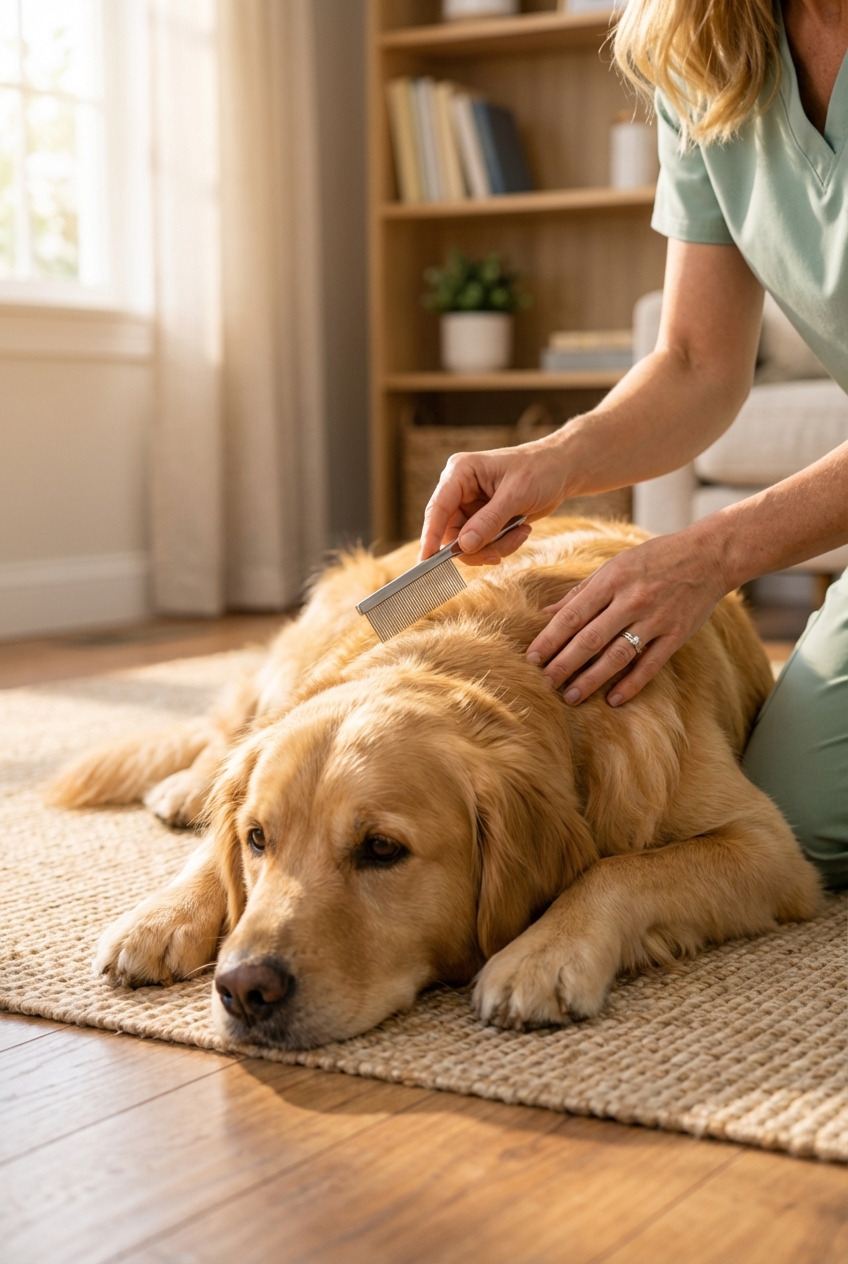
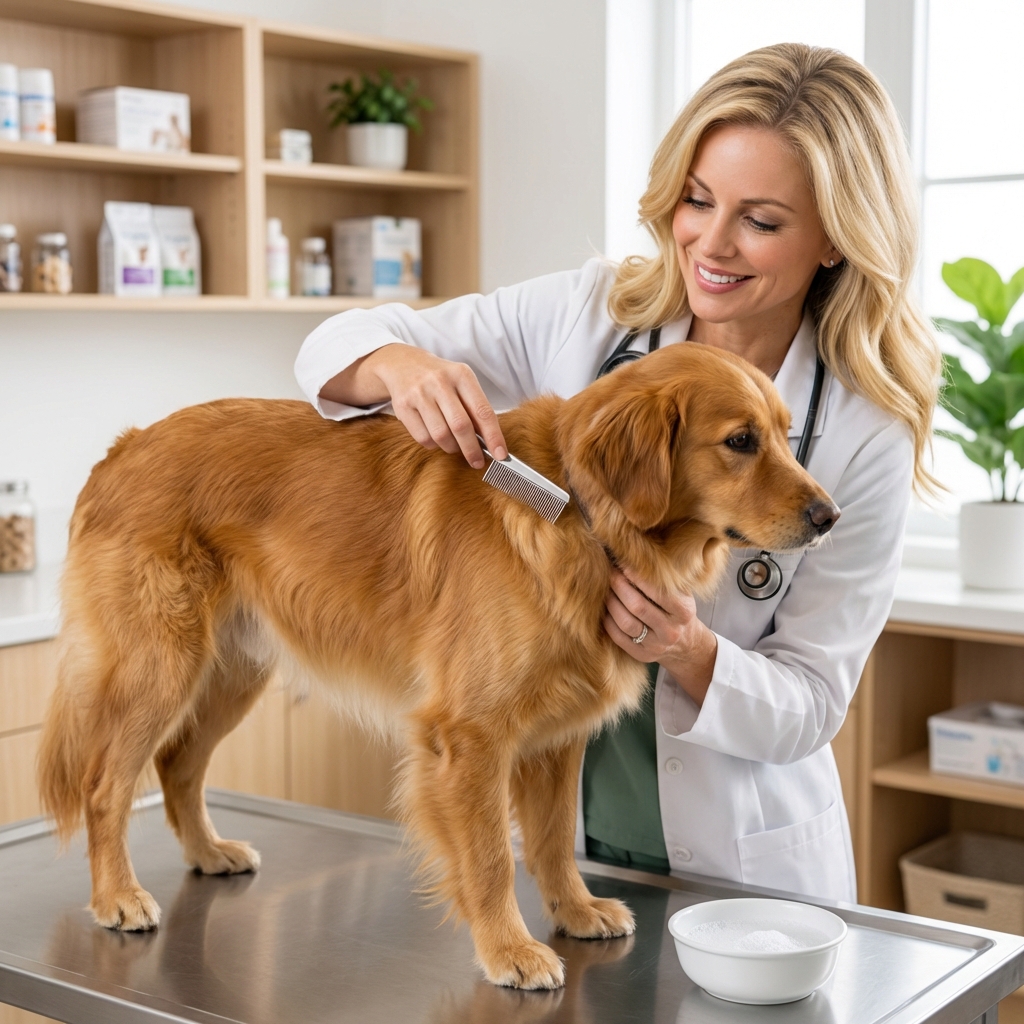
- Check the tail base area and belly with a flea comb. Look for “flea dirt” that may smear reddish-brown on a damp paper towel (digested blood).
- Wash bedding in hot water and vacuum where your dog lounges.
If your dog is itchy at the tail base, lower back, or inner thighs, fleas jump to the top of the suspect list.
Step 2: soothe the skin barrier
Whether the trigger is allergies, dry air, or mild irritation, itchy skin often involves a damaged skin barrier. Supporting that barrier helps reduce itch and helps other treatments work better.
At-home options that are usually safe
- Cool compress for hot spots of itch: 5 to 10 minutes on paws or belly, 1 to 2 times daily.
- Oatmeal bath (colloidal oatmeal made for pets is best): can calm mild itch. Rinse well and dry thoroughly, especially between toes.
- Bathing for allergies: a gentle, fragrance-free dog shampoo can remove pollen and irritants. For many itchy dogs, bathing once weekly during flare-ups can help more than people expect, but frequency depends on the product and your dog’s skin. If your vet recommends a medicated shampoo, follow their schedule.
- Pet-safe moisturizers: products with ceramides, fatty acids, or phytosphingosine can support the barrier.
Important: don’t use human anti-itch creams, essential oils, or medicated products unless your veterinarian specifically approves them. Dogs lick, and many “natural” ingredients can be irritating or toxic.
Step 3: watch for infection
Allergies often start the itch, but infections frequently keep it going. Yeast and bacteria thrive in warm, moist areas like ears, paws, armpits, groin, and skin folds.
Clues that can point to infection
- Yeast: musty or “corn chip” odor, greasy skin, brown staining on paws, thickened dark skin
- Bacteria: pustules (pimple-like bumps), crusts, circular hair loss, tenderness
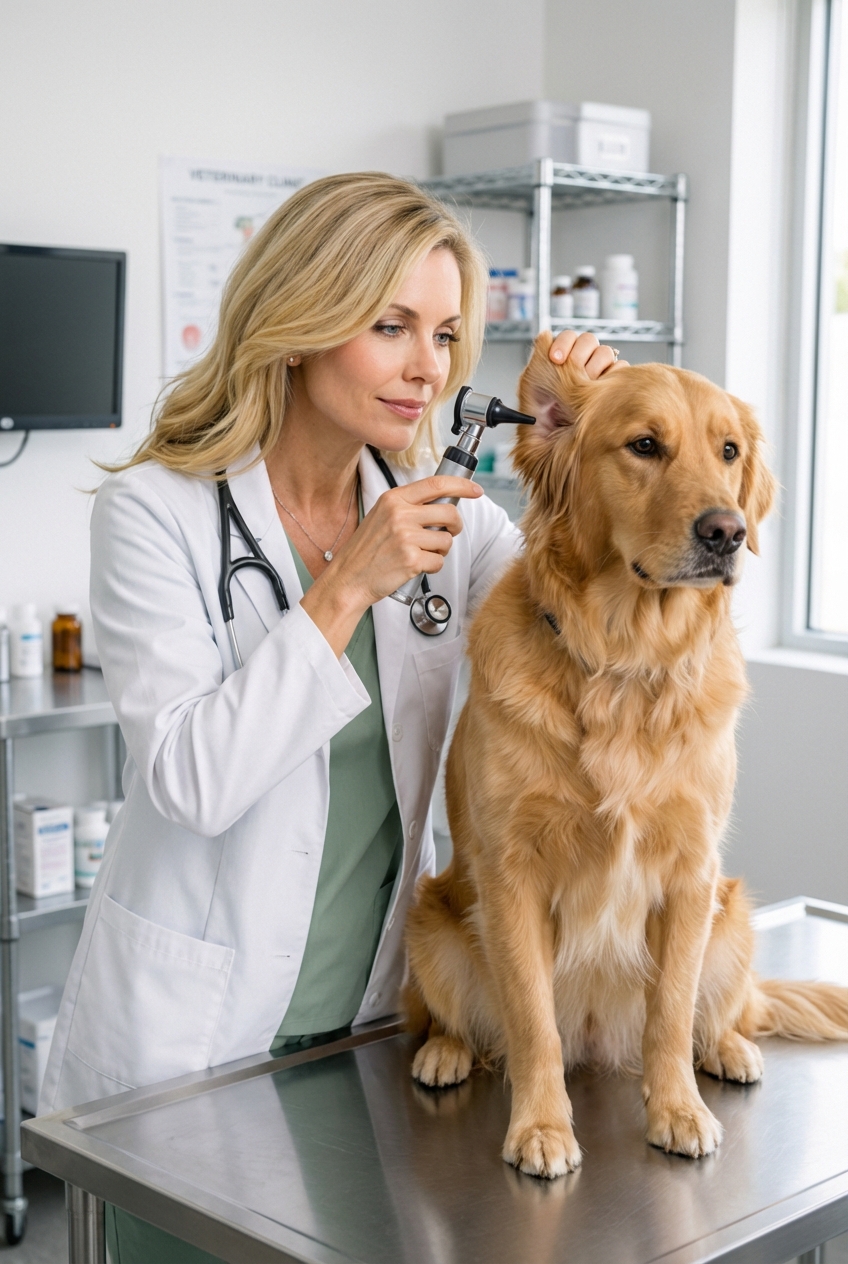
- Ears: dark debris, redness, odor, head shaking
These clues aren’t a diagnosis. If you suspect infection, a vet visit is worth it. Your veterinarian can do quick skin cytology to confirm yeast or bacteria and choose the right treatment. Treating the wrong thing wastes time and can make resistance more likely.
Step 4: manage allergies
Many chronically itchy dogs have allergies, especially environmental allergies. The big three are:
- Environmental allergies (pollens, molds, dust mites): often seasonal at first, then can become year-round
- Flea allergy: can happen even with low flea exposure
- Food allergy: less common than many people think, but real, and often shows up as itch (especially ears and paws)
Other issues can contribute too, like mites, hormonal disease, or behavioral over-licking. If the pattern doesn’t fit the usual allergy picture, your vet can help you widen the search.
Easy environmental allergy habits
- Wipe paws and belly after outdoor time with a damp cloth or pet wipe to remove pollen.
- Wash bedding weekly and consider a HEPA air filter if your dog flares indoors.
- Keep nails short to reduce skin damage from scratching.
- Use an e-collar or recovery collar if licking is creating sores. It feels extra, but it can prevent a small issue from becoming a full infection.
Food trials: the evidence-based approach
If food allergy is on the table, the most reliable method is a veterinarian-guided elimination diet trial for 8 to 12 weeks. That means no treats, no flavored meds, no little bites from the table unless they match the trial diet. If itch improves, your vet may recommend a careful re-challenge to confirm.
Switching foods randomly can make it harder to find the culprit. A structured plan saves time in the long run. If your dog is already itchy, it’s also usually safest to keep the diet consistent unless your veterinarian tells you to change it.
Step 5: support skin from within
Skin is an organ, and it depends on nutrition. While diet isn’t the cause of every itch, supportive nutrition can reduce inflammation and help the skin barrier recover.
Omega-3 fatty acids
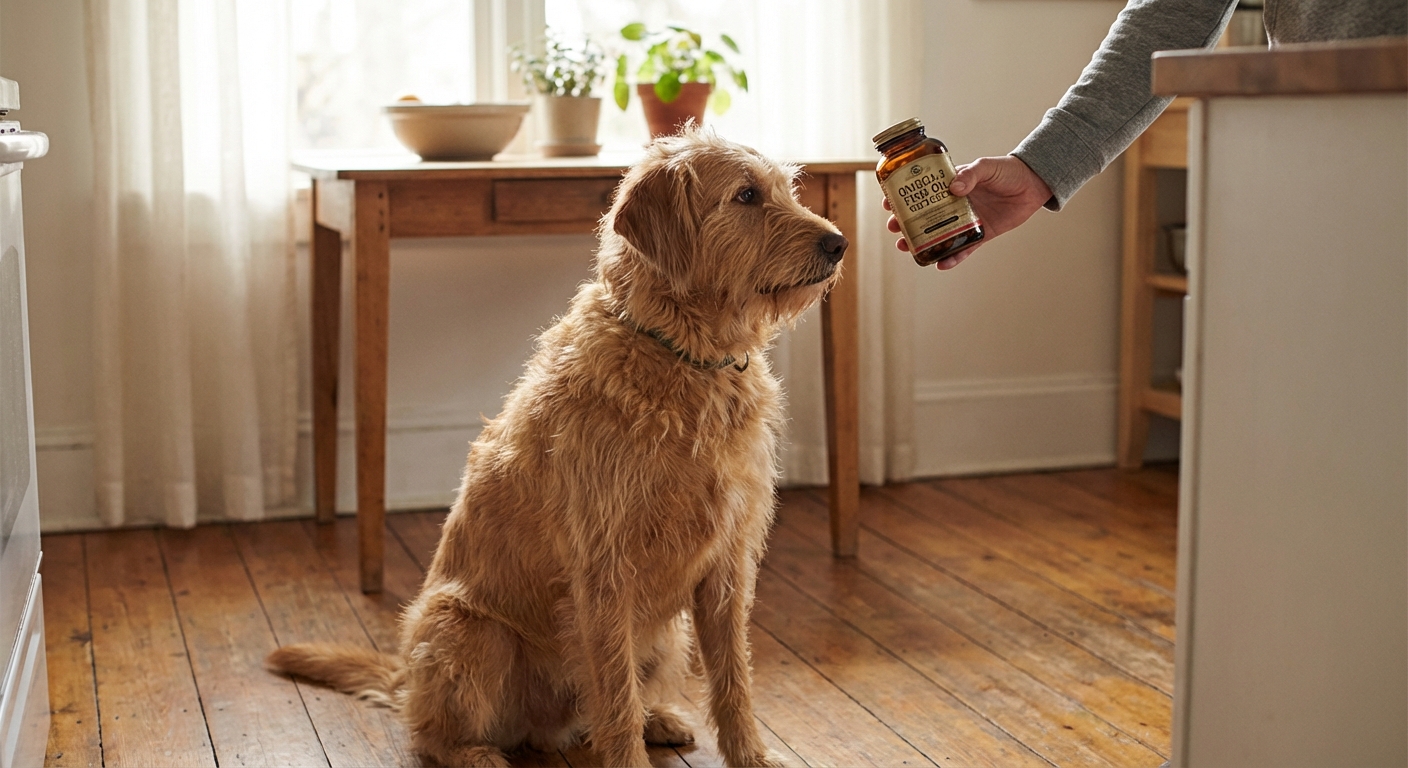
Fish oil (EPA and DHA) has good evidence for helping allergic skin in many dogs. Ask your veterinarian for a dose based on your dog’s weight and the specific product. Quality and dosing matter. Too much can cause GI upset, add significant calories, and in some cases may not be appropriate (for example, dogs prone to pancreatitis or with certain medical conditions).
Simple, gentle food add-ons
If your vet says it’s appropriate and your dog tolerates it, you can start small by adding a little whole food to a balanced diet. Think support, not a full homemade switch overnight:
- Cooked salmon or sardines in water (tiny amounts as a topper)
- Cooked egg
If you want to move toward homemade meals, do it slowly and ideally with a veterinary nutritionist so your dog’s diet stays complete and balanced.
Other causes to ask about
Mites and mange
Some parasites besides fleas can cause major itch, and they won’t be fixed with oatmeal baths. If itch is sudden and intense, not improving with consistent flea control, or if people in the home are itchy too, ask your vet about mites (like sarcoptic mange). Your vet may recommend a skin scraping or a targeted treatment plan.
Ringworm
Ringworm can cause circular hair loss and scaly patches, and it can spread to people and other pets. If you see suspicious round spots or your dog has multiple pets or kids in close contact, it’s worth getting a veterinary diagnosis before trying home treatments.
Target itch by location
Once you’ve covered the big buckets (fleas, barrier support, and infection clues), these location-based habits can give extra relief and help prevent flare-ups.
Itchy paws
- Rinse or wipe after walks, especially during high pollen days
- Dry thoroughly between toes
- Consider vet-approved antiseptic or antifungal wipes if infections recur
Itchy ears
- Don’t put random liquids in the ear. If the eardrum is compromised, it can be risky.
- Get an exam if there’s odor, pain, swelling, or heavy debris
- If your vet recommends cleaning, use the exact cleaner and technique they show you
Itchy belly and armpits
- Rinse after grass time
- Use a gentle bath schedule during flare-ups
- Keep the area dry, especially in humid weather
Natural remedies to avoid
I love simple, low-toxin approaches, but I also want you to be safe. These are common troublemakers:
- Essential oils applied to skin or added to baths: many are irritating or toxic to pets.
- Apple cider vinegar on raw skin: it can sting and worsen inflammation if the skin barrier is broken.
- Human allergy meds without guidance: some can be used in certain dogs, but only with correct dosing and vet approval.
- Hydrocortisone creams: can be helpful in limited situations, but licking and improper use can cause problems. Ask your vet first.
What not to do
- Don’t over-bathe with harsh shampoos. Frequent bathing with the wrong product can dry skin out and make itch worse.
- Don’t use peroxide or alcohol on irritated skin. They can delay healing and cause more inflammation.
- Don’t give leftover antibiotics or steroids. Skin issues need the right drug, the right dose, and the right duration.
Your 7-day itch plan
- Day 1: Check flea control and comb for flea dirt. Wash bedding.
- Day 1 to 2: Start paw wipes after outdoor time. Note itch locations.
- Day 2 to 3: Gentle bath or oatmeal bath if skin is intact. Dry thoroughly.
- Day 3 to 7: Add vet-approved omega-3s if appropriate. Keep up wipes and bedding hygiene.
- Any day: If odor, oozing, ear pain, or worsening itch shows up, schedule a vet exam.
The goal is simple: reduce exposure to triggers, calm inflammation, protect the skin barrier, and treat infections early.
What your vet may recommend
If home steps aren’t enough, your veterinarian has several evidence-based tools. Which ones are best depends on the cause and your dog’s health history:
- Skin cytology to confirm yeast or bacterial infection
- Skin scraping or parasite testing if mites are suspected
- Prescription topical therapy like medicated shampoos, sprays, or wipes
- Anti-itch medications for allergic itch
- Allergy testing and immunotherapy for long-term control in some dogs
- Elimination diet trial if food allergy is suspected
Itch is miserable, but it’s often very treatable once you identify the driver. Your job isn’t to guess perfectly. Your job is to observe, take a few smart steps, and get help when the clues point to something deeper.
Final note: Home steps are best for mild, early itch. If itching lasts more than 1 to 2 weeks, keeps coming back, or your dog gets repeated ear or skin infections, it’s time for a veterinary plan.