Scooting, licking, or a fishy smell can signal anal gland trouble. Learn key causes, warning signs, and prevention steps—stool quality, weight control, and...
Article
•
Designer Mixes
How To Release Anal Glands: Behavior Guide

Shari Shidate
Designer Mixes contributor
As a veterinary assistant here in Frisco, Texas, I can tell you this is one of the most common concerns dog parents bring up. It is also one of the most misunderstood. Anal gland issues can look like “bad behavior” (scooting, licking, sudden sitting, even snapping), but most of the time your dog is trying to tell you they are uncomfortable.
This guide focuses on what anal glands are, what behaviors to watch for, and what you can safely do at home. I will also be very clear about when it is time to stop and call your vet.
Quick note: This article is general education, not a substitute for a veterinary exam. If you are unsure, or your dog seems painful, it is safest to book a visit.
What anal glands are
Dogs have two small scent glands located just inside the anus, usually around the 4 o’clock and 8 o’clock positions (there is normal variation). These glands often release a small amount of fluid when your dog poops. It is part of canine communication and is normally no big deal.
Problems happen when the glands do not empty well. The fluid thickens, the sacs overfill, and your dog feels pressure or irritation. If that continues, the glands can become impacted, infected, or even form an abscess.
Why glands may not empty
- Soft stool or chronic diarrhea (less firm pressure to empty the sacs)
- Constipation (straining can irritate the area)
- Allergies (skin inflammation around the rear, licking, swelling)
- Obesity (extra tissue can change how well glands express)
- Chronic low-grade inflammation (often diet or allergy related)
- Anatomy (some dogs are simply more prone)
Behavior signs
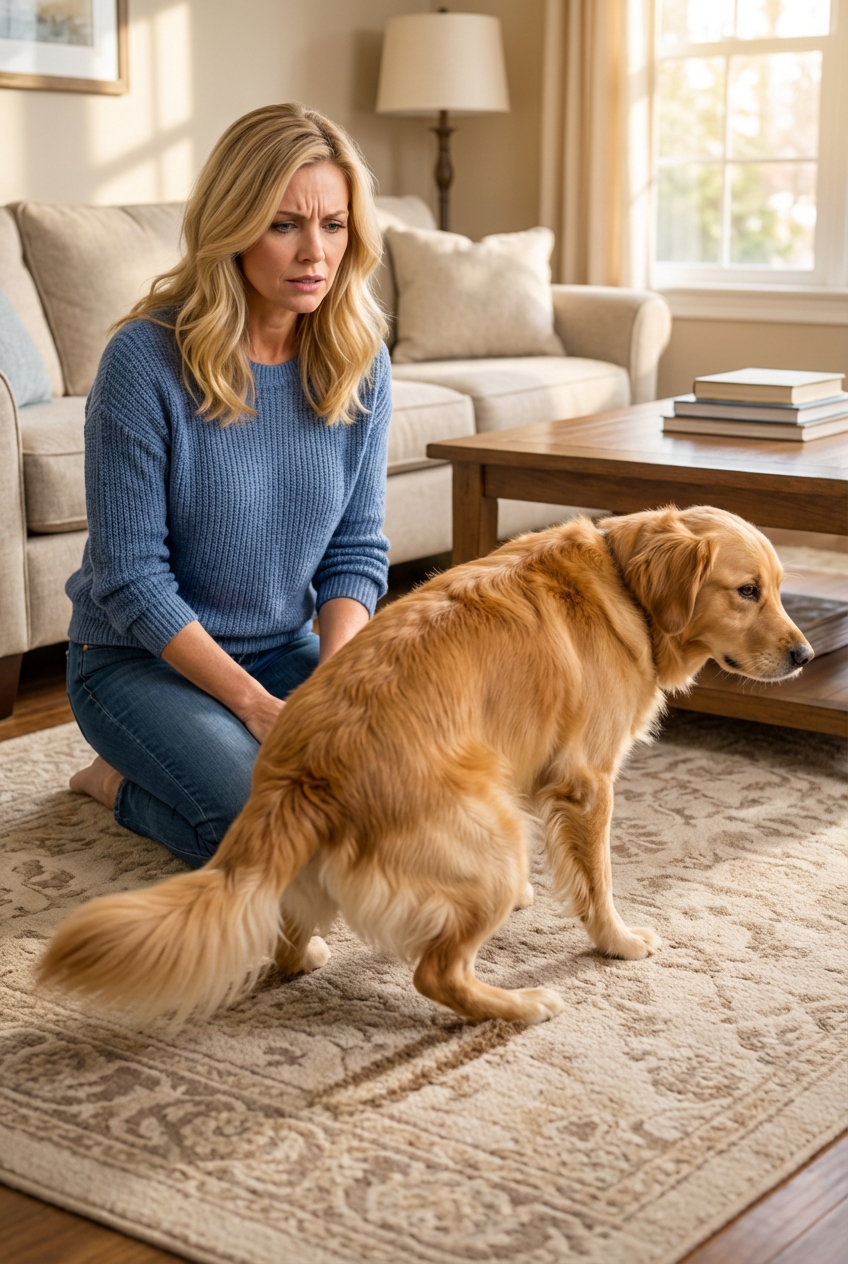
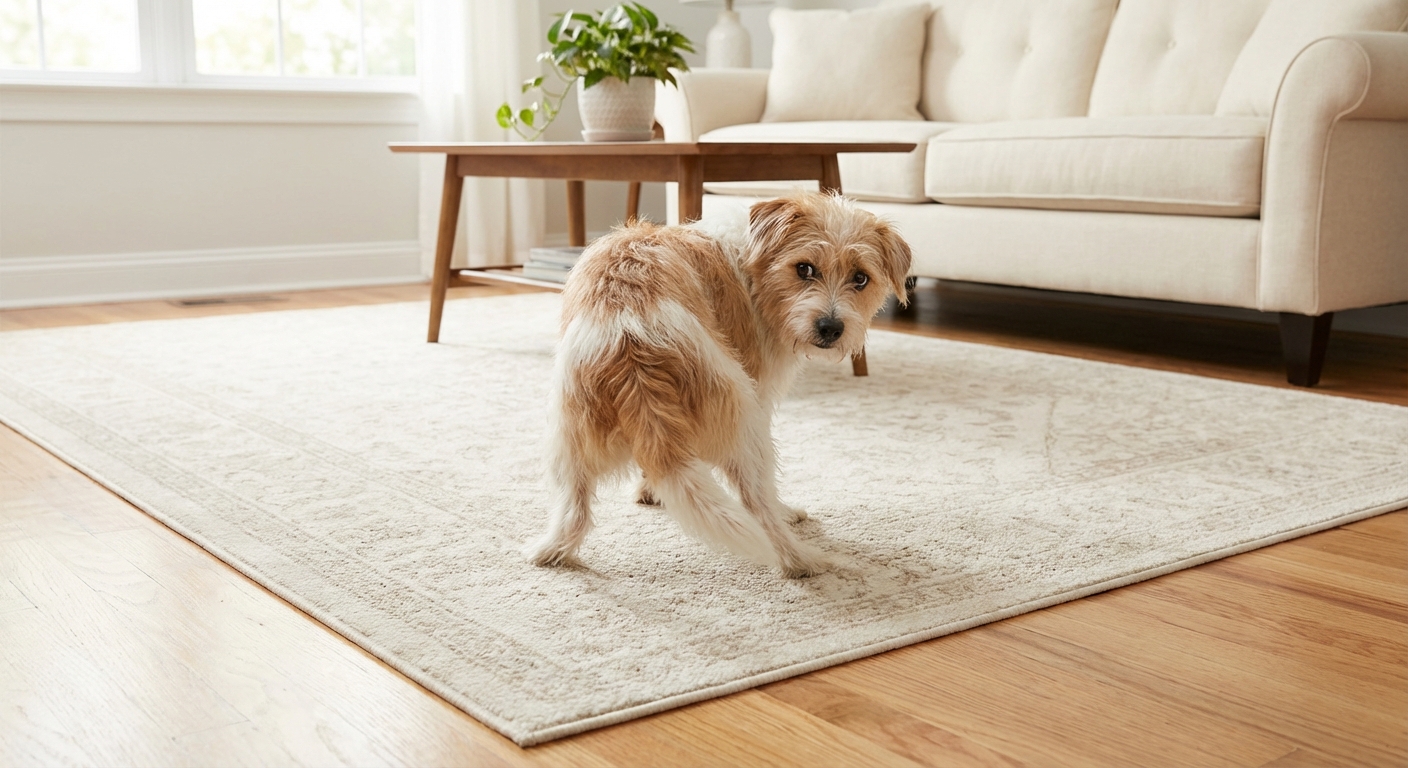
Anal gland discomfort often shows up as a behavior problem, especially because dogs cannot point to where it hurts. Here are the most common signs I see in clinic and in foster dogs.
- Scooting (dragging the rear on carpet or grass)
- Excessive licking or chewing under the tail
- Sudden sit while walking, then popping back up
- Tail tucking or guarding the rear end
- Fishy odor (can be very strong)
- Small spots of brownish fluid where your dog was lying
- Irritability when touched near the hips or tail base
- Straining or seeming uncomfortable while pooping
When it may be something else
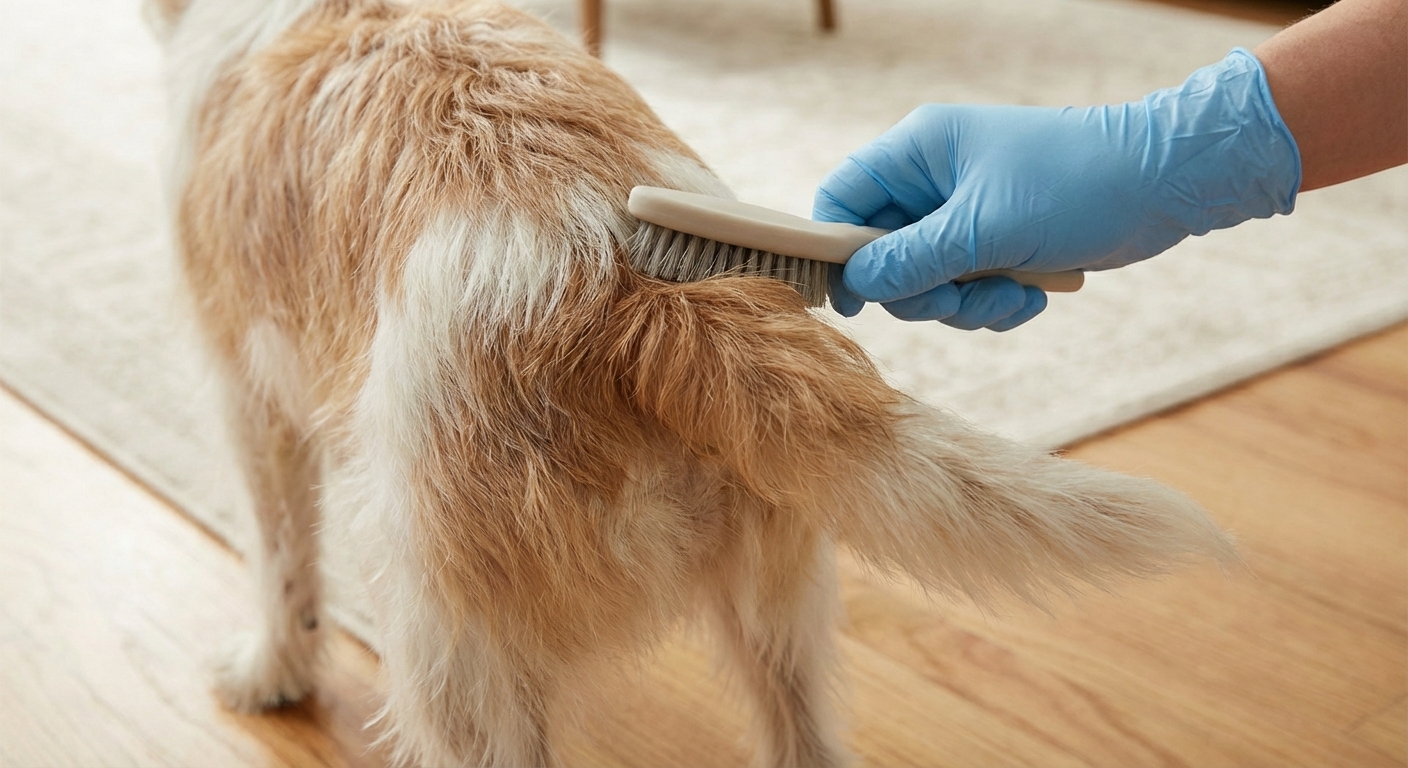
Scooting and licking can also come from fleas, tapeworm segments, skin infections, urinary issues, or pain in the back or hips. Straining can also be a sign of constipation, colitis, or (in some dogs, especially males) urinary blockage. If your dog is straining, not producing stool, or seems unable to pee normally, do not wait. Contact your vet or an ER clinic.
Before you try at home
I want to be evidence-based and kind here: many dogs do not need routine anal gland expression. If your dog is having occasional mild symptoms, it is often more helpful to focus on stool quality, allergies, and weight management.
Also important: at-home expression is not risk-free. It can be painful, it can lead to bruising or tissue injury, and a startled dog can bite. If your dog is anxious or has snapped before, skip the DIY route and call your clinic. If your veterinarian has recommended home expression, follow their instructions for your specific dog.
Do not attempt at-home expression if
- Swelling next to the anus
- Open wound, scab, or draining tract
- Blood or pus
- Severe pain, yelping, or snapping when you look
- Fever, lethargy, not eating
- A hard lump that does not feel like a “full sac”
Those signs can indicate infection or abscess, and squeezing an infected gland can make things worse. This is a “call your veterinarian today” moment.
How to express (external)
There are two ways glands can be expressed: externally and internally (with a finger inside the rectum). In clinics, we often use the internal method because it is more effective. At home, for most pet parents, the external method is the only one I recommend trying, and only for dogs with mild, recurring fullness and no red-flag symptoms.
What you need
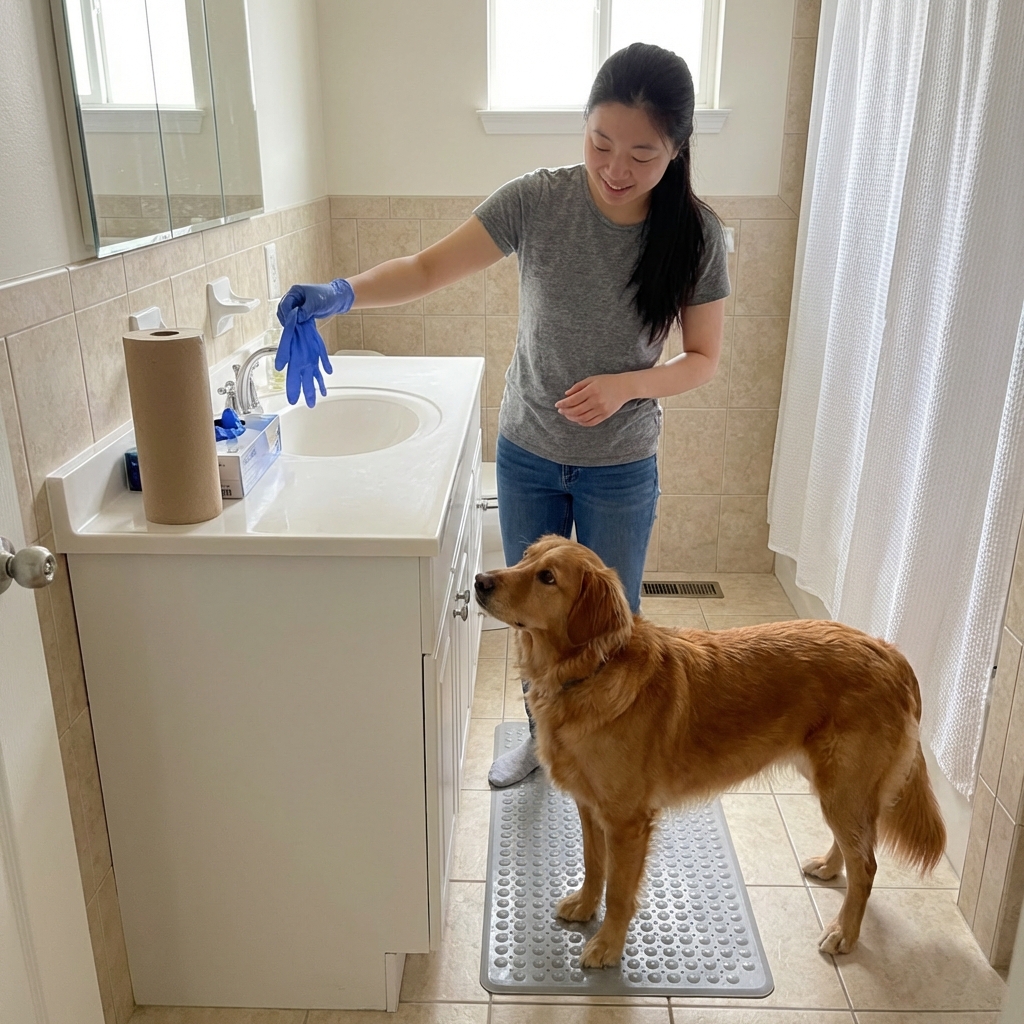
- Disposable gloves
- Paper towels
- Warm washcloth
- Pet-safe wipes or mild soap and water for cleanup
- A helper (strongly recommended)
- An easy-to-clean location (bathroom or outdoors)
Step-by-step
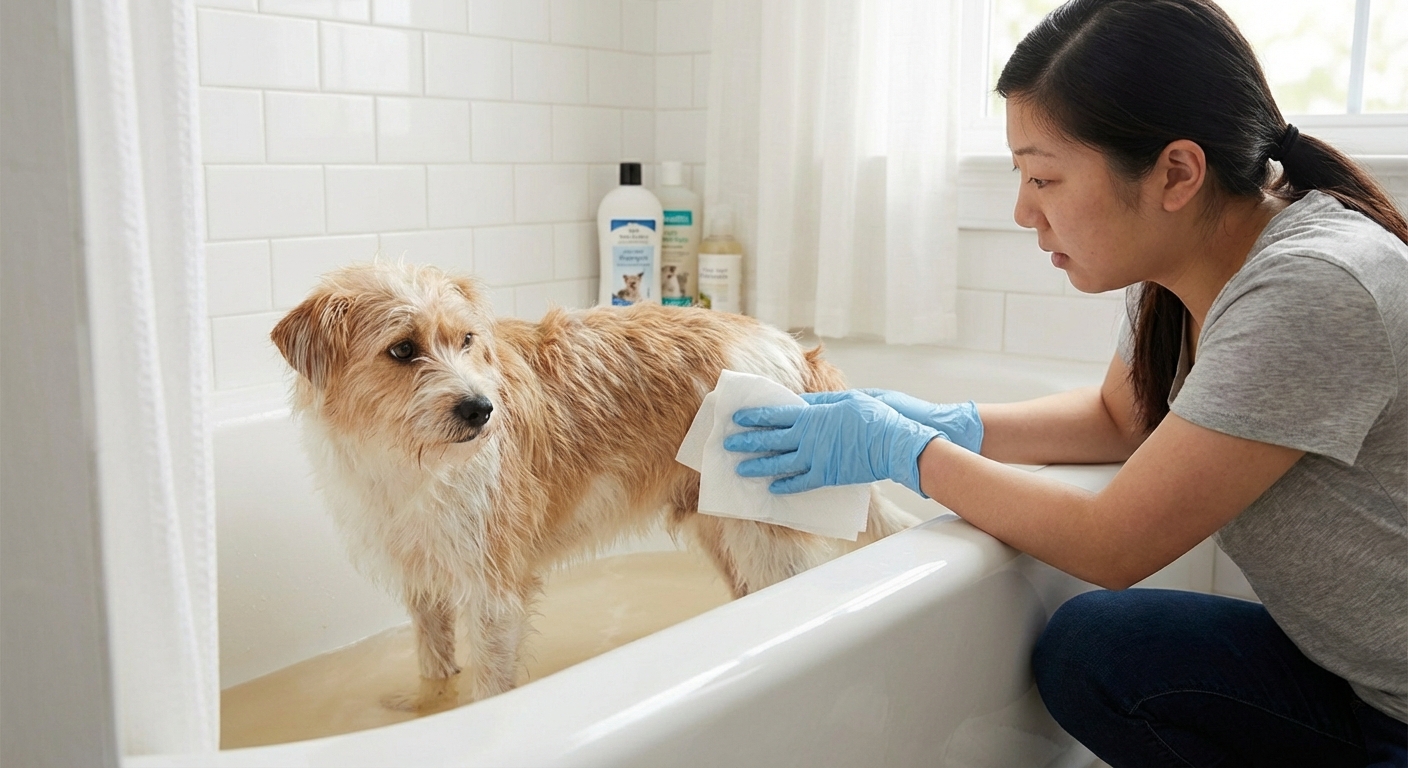
- Keep your dog calm and safely positioned. Small dogs can stand in a tub. Medium and large dogs can stand on a towel on the floor. Have your helper gently hold the collar and offer a lick mat or a few treats.
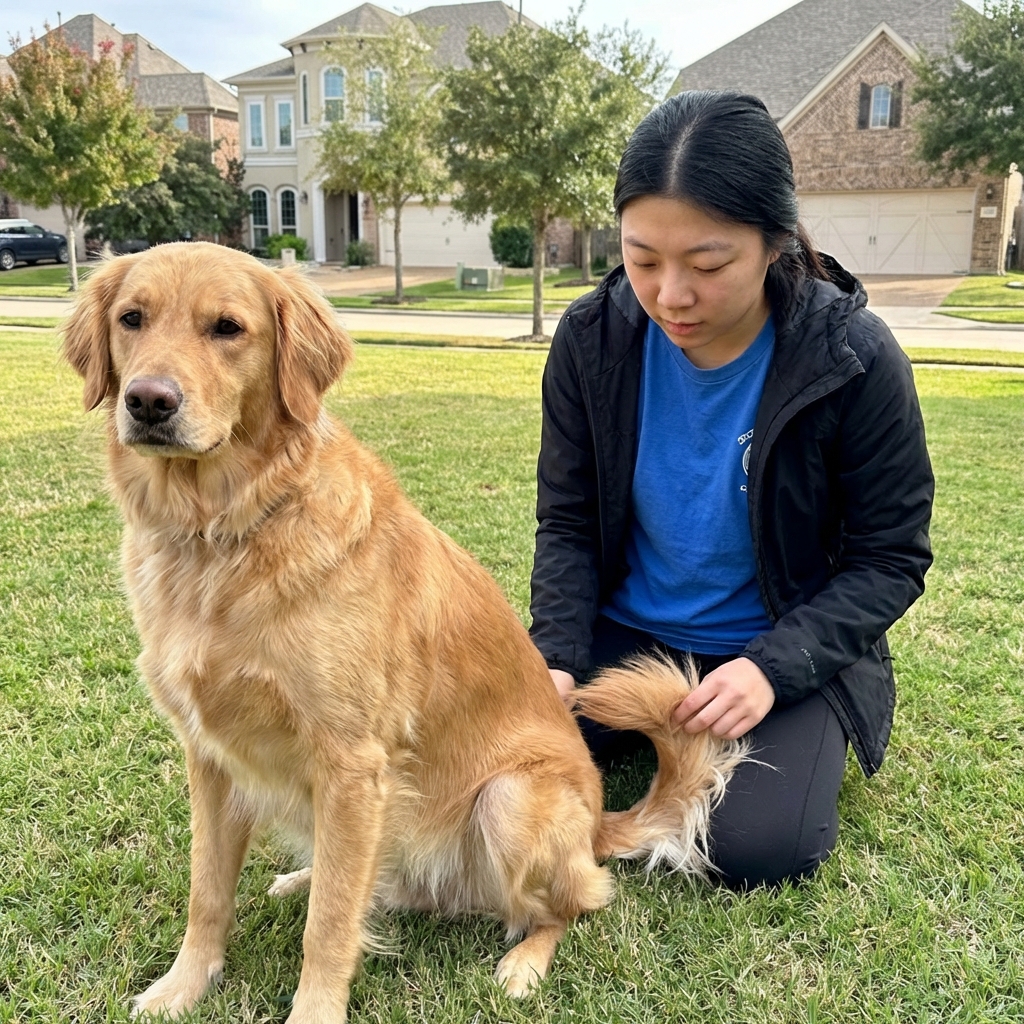
- Lift the tail gently. Do not force it up if your dog is tense or painful.
- Find the glands from the outside. Imagine the anus as a clock face. The glands are usually around 4 and 8 o’clock, just under the skin, but placement can vary a bit.
- Place a paper towel over the area. This helps catch fluid and reduces splash. The fluid can have a strong odor.
- Apply gentle pressure inward and upward. Using your thumb and forefinger on either side, press in toward the center and slightly upward. Think “milk forward,” not “pinch.”
- Stop if nothing happens quickly. If gentle pressure does not express fluid within a few attempts, stop. Over-squeezing can bruise tissue and increase irritation.
- Clean the area. Use a warm washcloth and gently wipe. Praise your dog and offer a calm break.
What the fluid can look like
It can be thin or thick, yellow-brown to dark brown, and it often smells fishy. If you see blood, pus, or a thick cottage-cheese texture, schedule a vet visit.
How often is too often?
For many dogs, anal glands should not be manually expressed on a schedule. Expressing too frequently can increase irritation and inflammation, and it may make recurring problems more likely in dogs that are already prone.
- Occasional need (a few times per year) can be normal.
- Monthly or more suggests an underlying issue like allergies, chronic soft stool, or anatomy that needs a plan.
If your dog needs expression regularly, ask your vet about a long-term approach instead of repeating the same short-term fix.
Prevention that helps
The goal is simple: help your dog produce a firm, well-formed stool and reduce inflammation around the rear.
Support firm stools
- Gradual diet changes only. Sudden changes can cause loose stool and trigger gland issues.
- Appropriate fiber. Some dogs benefit from a small amount of pumpkin or a vet-approved fiber supplement. Too much fiber can backfire, so start low.
- Hydration matters. Fresh water, and consider adding water or broth to meals if your vet approves.
Address allergies
If your dog has itchy skin, recurring ear infections, paw licking, or seasonal flare-ups, talk to your vet. Allergies often show up at the rear end too. Treating the allergy can reduce anal gland inflammation and licking.
Healthy weight and movement
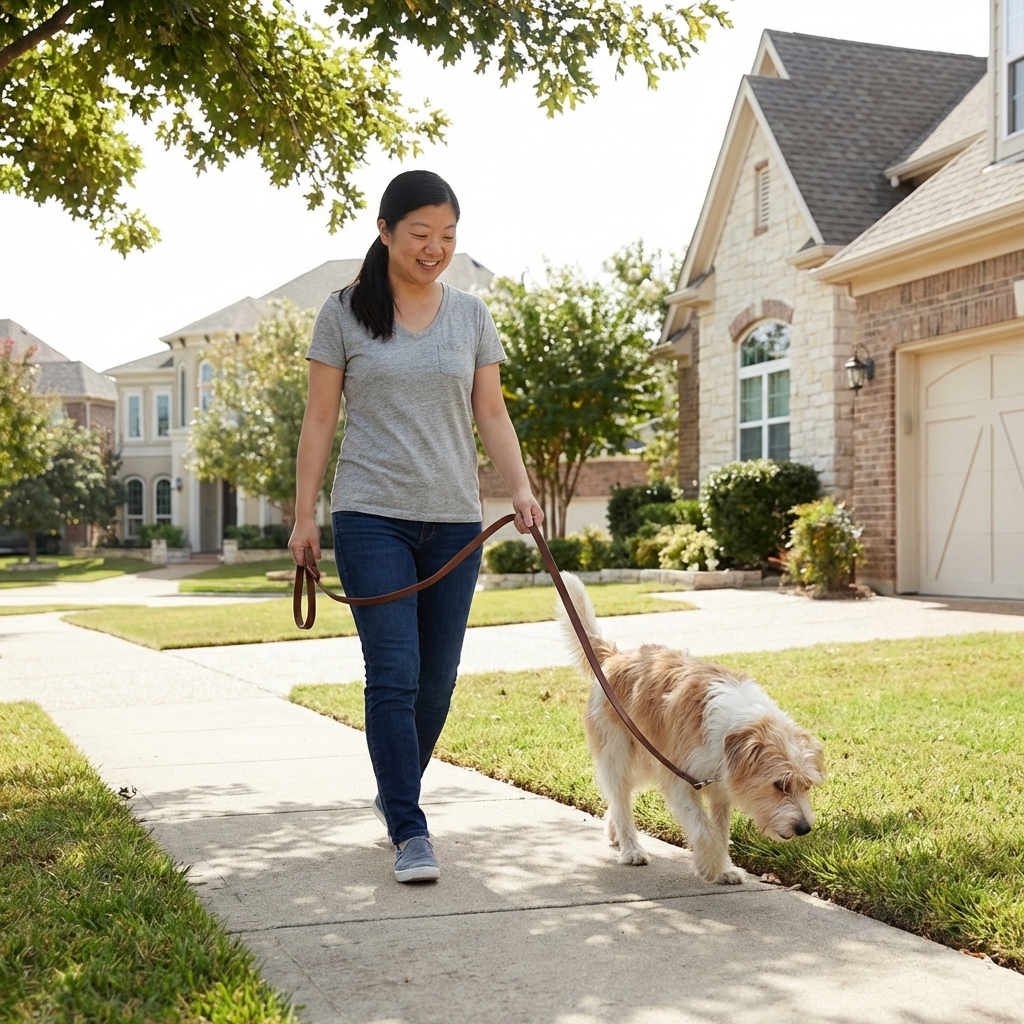
Keeping your dog lean helps muscles work normally and can improve natural gland expression. Daily walks also support regular bowel movements.
When to see a pro
In many cases, the safest and most comfortable choice is letting a professional handle it. A groomer may offer external expression, but groomers typically do not perform internal expression. If your dog is painful, swollen, bleeding, or has a lump, skip the groomer and go straight to a veterinary clinic.
Make an appointment if
- Symptoms last more than 24 to 48 hours
- Your dog is scooting daily or weekly
- There is swelling, redness, or heat
- Your dog cries, snaps, or cannot get comfortable
- The odor is strong and persistent even after cleaning
- You see blood, pus, or a new lump
If your dog seems painful, do not wait. Anal gland abscesses can worsen quickly, and treatment is much easier when caught early.
What your vet may do
Depending on what they find, your vet may perform an exam and express the glands (often internally), check the fluid under the microscope (cytology), treat infection with medication, provide pain relief, or address an abscess if one has formed. If this is a repeat issue, they may also talk with you about stool quality, diet trials, parasite testing, and allergy management.
Quick FAQ
Can I just add pumpkin and be done?
Pumpkin can help some dogs by improving stool quality, but it is not a cure-all. If allergies or infection are involved, fiber alone will not fix the problem.
Do certain breeds have more trouble?
Small breeds are commonly affected, but any dog can have anal gland issues, including mixed breeds. Dogs with allergies, chronic soft stool, or obesity are also at higher risk.
Is scooting always anal glands?
No. Parasites, fleas, and skin infections can cause the same behavior. If scooting is frequent, bring a stool sample to your veterinarian for testing.
A simple plan
- Step 1: Check for red flags (swelling, blood, pus, severe pain). If present, call your vet.
- Step 2: If signs are mild, focus on stool quality for 1 to 2 weeks with vet-approved diet adjustments.
- Step 3: If discomfort persists, book an exam. Recurring anal gland issues deserve a real root-cause plan.
Your dog is not being “gross” or “dramatic.” They are communicating discomfort the only way they know how. With the right support, most dogs feel better fast, and many stop having frequent problems altogether.