Worried about a vomiting dog? Learn when vomiting is an emergency, how to offer small sips safely, and the best bland foods (chicken/rice, turkey, pumpkin, e...
Article
•
Designer Mixes
How to Rehydrate a Vomiting Dog Safely

Shari Shidate
Designer Mixes contributor
When your dog is vomiting, it is natural to want to “fix it fast” with a big bowl of water. But here is the tricky part: a stomach that is already irritated may not tolerate normal drinking. Too much water too soon can trigger more vomiting, which means even more fluid loss.
As a veterinary assistant in Frisco, Texas, I have seen many dogs perk up quickly with the right rehydration plan, and I have also seen dogs crash when dehydration is missed. This article shares general, practical guidance for mild vomiting in otherwise stable dogs, plus the red flags that mean it is time to head to the vet. It is not a substitute for diagnosis or treatment from your veterinarian.
First, make sure home care is appropriate
Some vomiting episodes are mild and pass quickly. Others are emergencies where home care can delay lifesaving treatment. Before you start offering fluids, do a quick safety check.
Go to an emergency vet now if you notice any of these
- Repeated vomiting that will not stop, or vomiting that returns immediately after tiny sips
- Blood in vomit (bright red or coffee-ground appearance)
- Severe lethargy, collapse, weakness, or your dog seems “not there”
- Swollen, painful belly, unproductive retching, or pacing and drooling (possible bloat)
- Trouble breathing or bluish gums
- Signs of dehydration that are moderate to severe (details below)
- Known toxin exposure (chocolate, xylitol, grapes or raisins, medications, chemicals, plants)
- Possible foreign body (toy pieces, socks, bones) or repeated gagging
- Puppies, seniors, or dogs with health conditions like kidney disease, diabetes, Addison’s disease, heart disease
- Parvo risk (unvaccinated puppy with vomiting, diarrhea, and lethargy)
- Heat exposure or possible heat illness
If you are on the fence, call your veterinarian or a local ER. A quick phone triage can save you hours of worry and keep your dog safer.
Vomiting or regurgitation?
This matters because the safest next steps can differ.
- Vomiting usually includes heaving, drooling, and belly effort, and you may see partially digested food or yellow bile.
- Regurgitation is often more effortless, with food or water coming back up soon after swallowing, sometimes in a tube-like shape.
If you suspect regurgitation, your dog is weak, or your dog is coughing after drinking, call your vet promptly. These situations can raise the risk of aspiration and can point to different underlying problems.
How to tell if your dog is dehydrated
Dehydration can sneak up, especially in small dogs and puppies. These simple checks can help you decide how urgent the situation is.
At-home dehydration checks
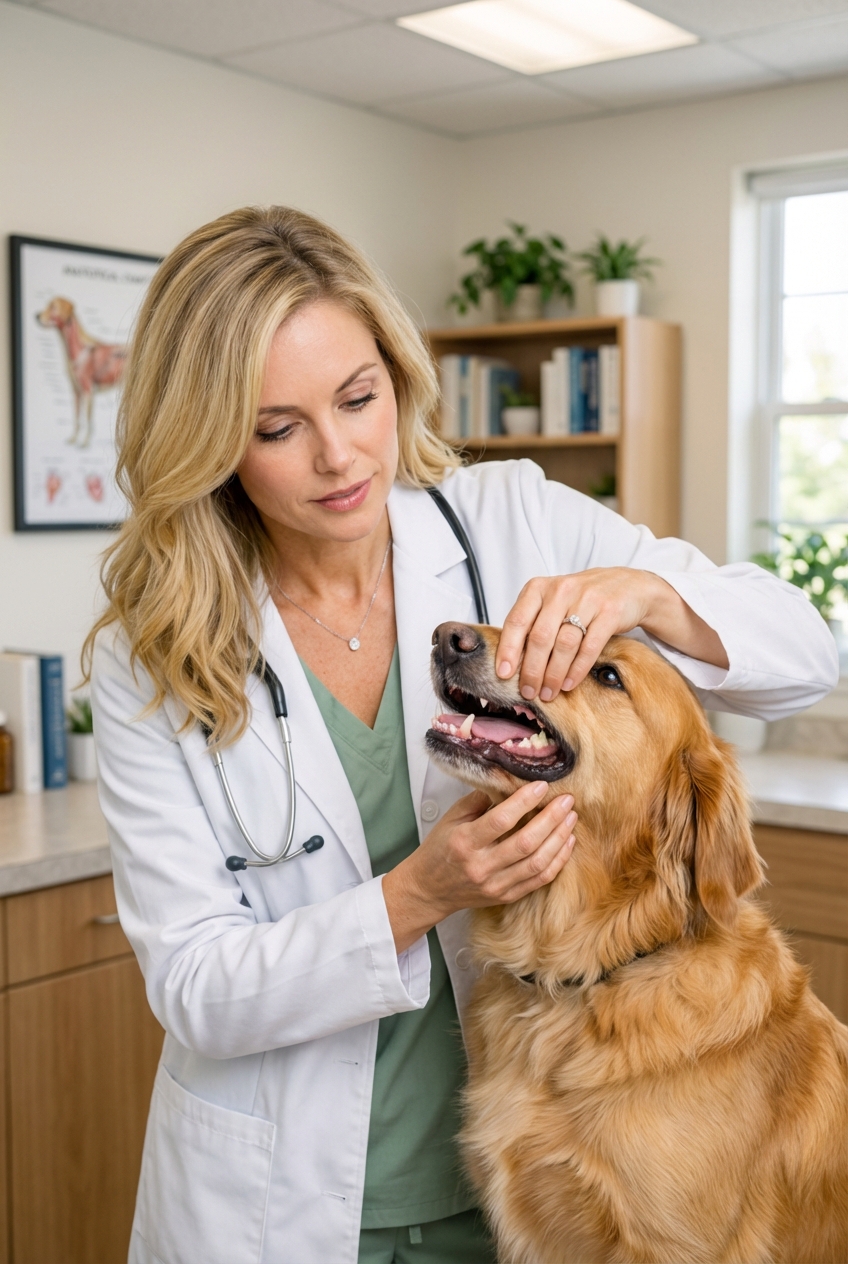
- Gums: Healthy gums are slick and wet. “Tacky” or dry gums can be a dehydration clue.
- Capillary refill time: Press your finger on the gum until it turns pale, then release. Color should return in about 1 to 2 seconds. Longer can indicate poor circulation and needs veterinary attention.
- Skin tent test: Gently lift the skin over the shoulder blades and release. It should snap back quickly. Slow return can suggest dehydration, especially in younger dogs (this test is less reliable in older dogs).
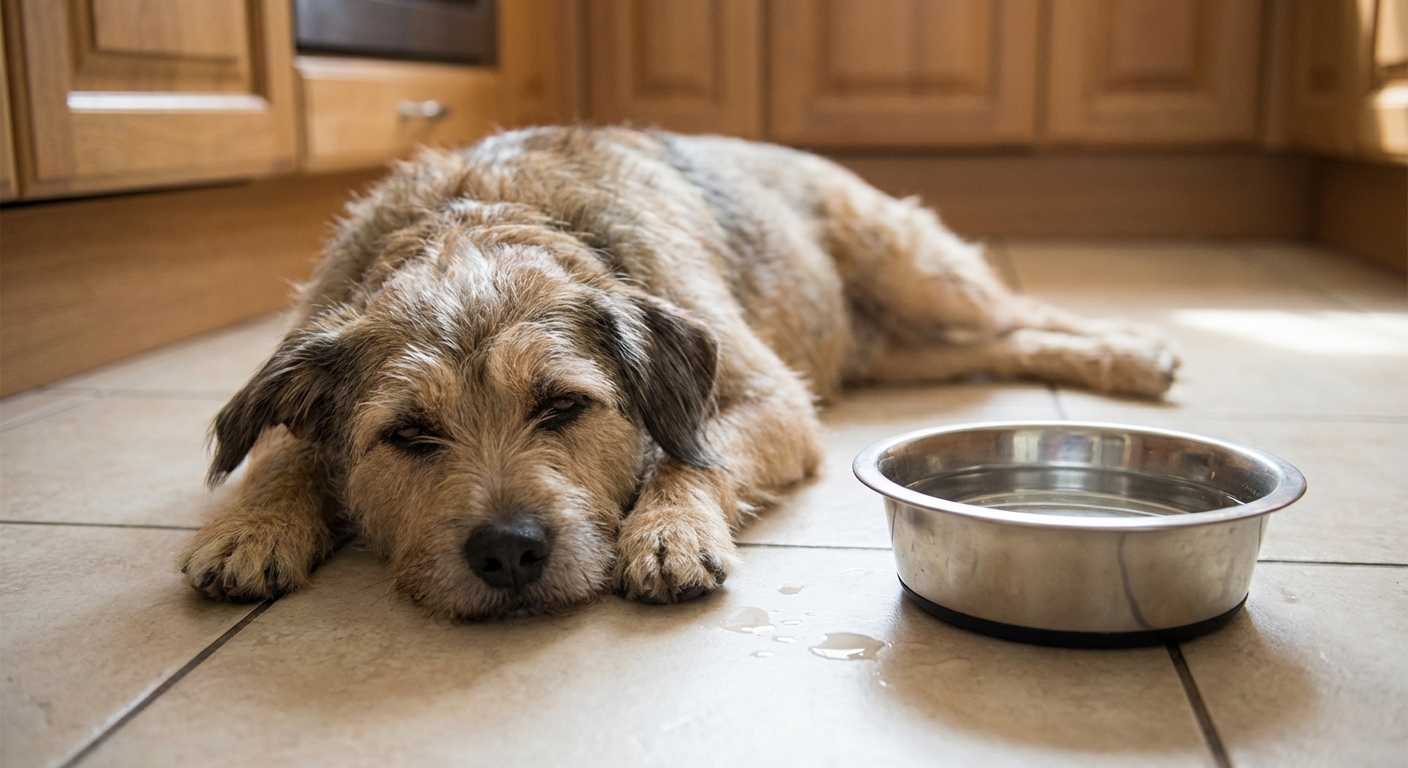
- Eyes and energy: Sunken eyes, extreme sleepiness, and weakness are concerning.
- Urination: Less frequent urination or very dark urine can signal dehydration.
Important: If your dog cannot keep even tiny sips down, oral rehydration is not working. That is when subcutaneous or IV fluids at the vet become the safest option.
The safest way to offer fluids
The goal is steady, gentle hydration without triggering another vomit cycle. Think “tiny and frequent,” not “one big drink.”
Step 1: Consider a short stomach break
For many stable adult dogs, a brief pause can reduce the urge to vomit again. If your dog just vomited, you can remove access to the water bowl for 30 to 60 minutes, then restart slowly.
Do not use a “water break” as a rule for dogs who are very small, very young, brachycephalic, diabetic, heat-exposed, or not acting normal. When in doubt, call your vet for guidance.
Step 2: Start tiny and go slow
Offer a small amount, then wait 10 to 15 minutes.
- Small dogs: 1 to 2 teaspoons
- Medium to large dogs: 1 to 2 tablespoons
- If your dog keeps it down, repeat.
- If your dog vomits again, pause fluids and call your vet for next steps. If vomiting continues or your dog seems unwell, seek urgent care.
Step 3: Increase gradually
Over the next few hours, slowly increase the volume only if there is no vomiting, no belly pain, and your dog is acting fairly normal. Avoid big jumps that encourage gulping.
Better ways to deliver fluids
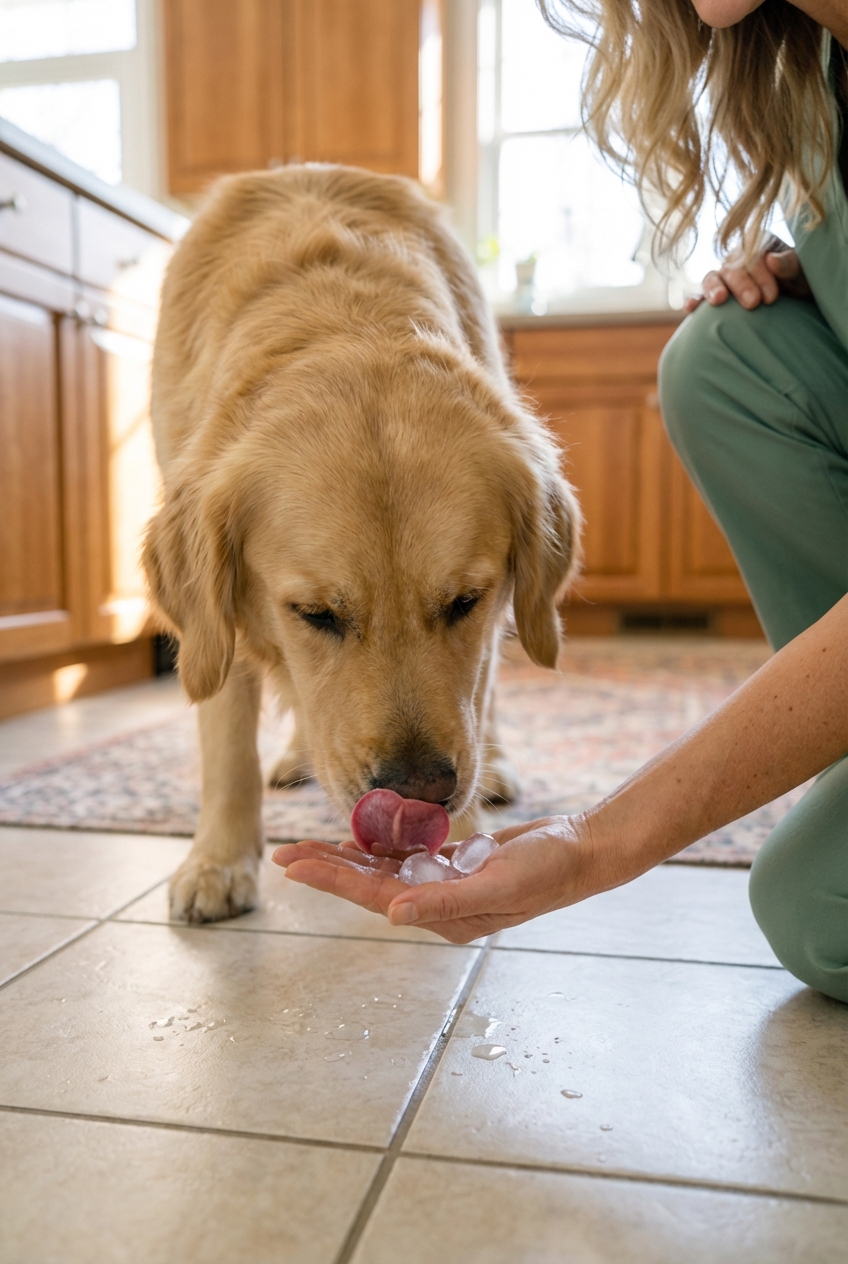
- Ice chips: Many dogs tolerate licking ice better than drinking water.
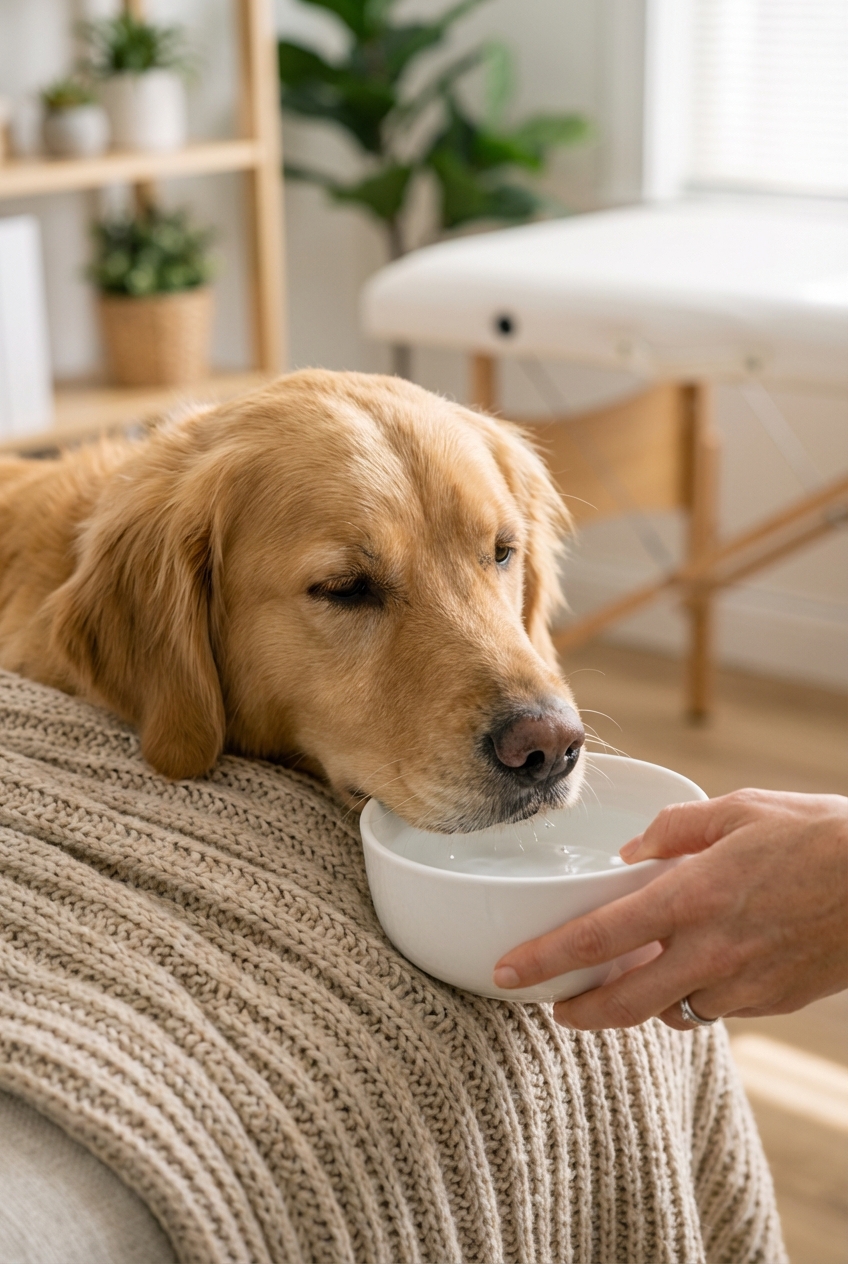
- Offer water by hand: Use a spoon or small syringe aimed toward the cheek pouch.
- Use a small bowl: A full bowl encourages gulping, which can trigger vomiting.
Safety note: Never force water, never pour water into the mouth, and do not syringe fluids if your dog is weak, struggling to swallow, coughing, or “out of it.” Aspiration can be dangerous. In those cases, go to the vet.
Tip from the clinic: Gulping is a common reason dogs “can’t keep water down.” Slowing the pace often fixes that.
Should you use Pedialyte or electrolytes?
Sometimes, but only thoughtfully. Oral rehydration solutions can help replace water and electrolytes, especially if there is vomiting plus diarrhea. The safest choice is an unflavored pediatric oral rehydration solution offered in tiny amounts.
- Avoid: Any product with xylitol or other artificial sweeteners, “sports drinks,” and highly sweetened or flavored electrolyte drinks.
- Ask your vet: About the right dilution and amount for your dog, especially for small dogs.
- Use caution: Dogs with kidney disease, heart disease, or on sodium-restricted diets should not receive electrolyte solutions unless your vet advises it.
What about chicken broth?
Broth can encourage drinking, but it can also be too salty and too rich for an upset stomach. If you use broth, choose plain, low-sodium broth with no onion or garlic added, and dilute it with water.
Reminder: Onion is toxic to dogs. Garlic safety is dose-dependent and complicated, and for a vomiting dog, it is best to skip garlic entirely.
When to reintroduce food
Hydration comes first. Once your dog has kept small fluids down for a few hours and is no longer vomiting, you can consider small meals.
Try a gentle bland meal
Common vet-approved options include:
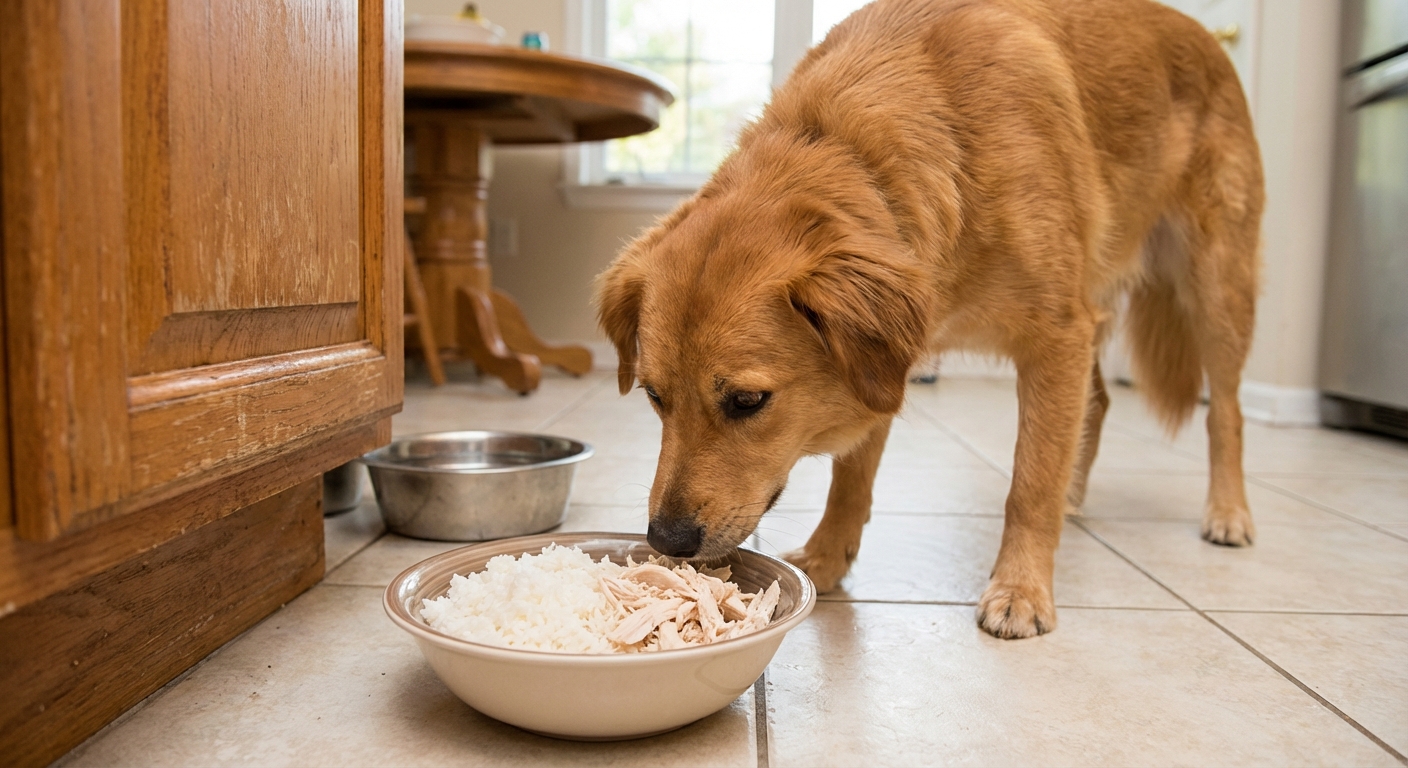
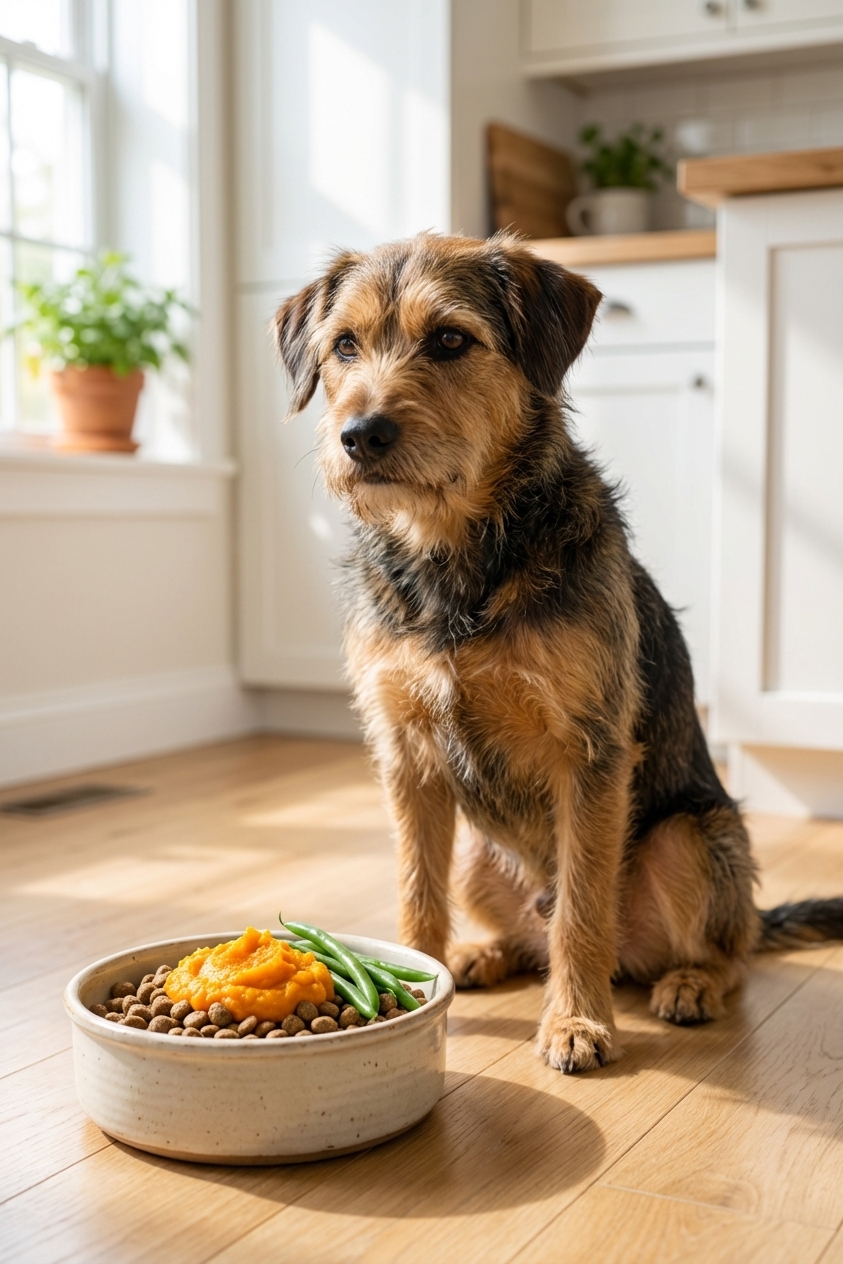
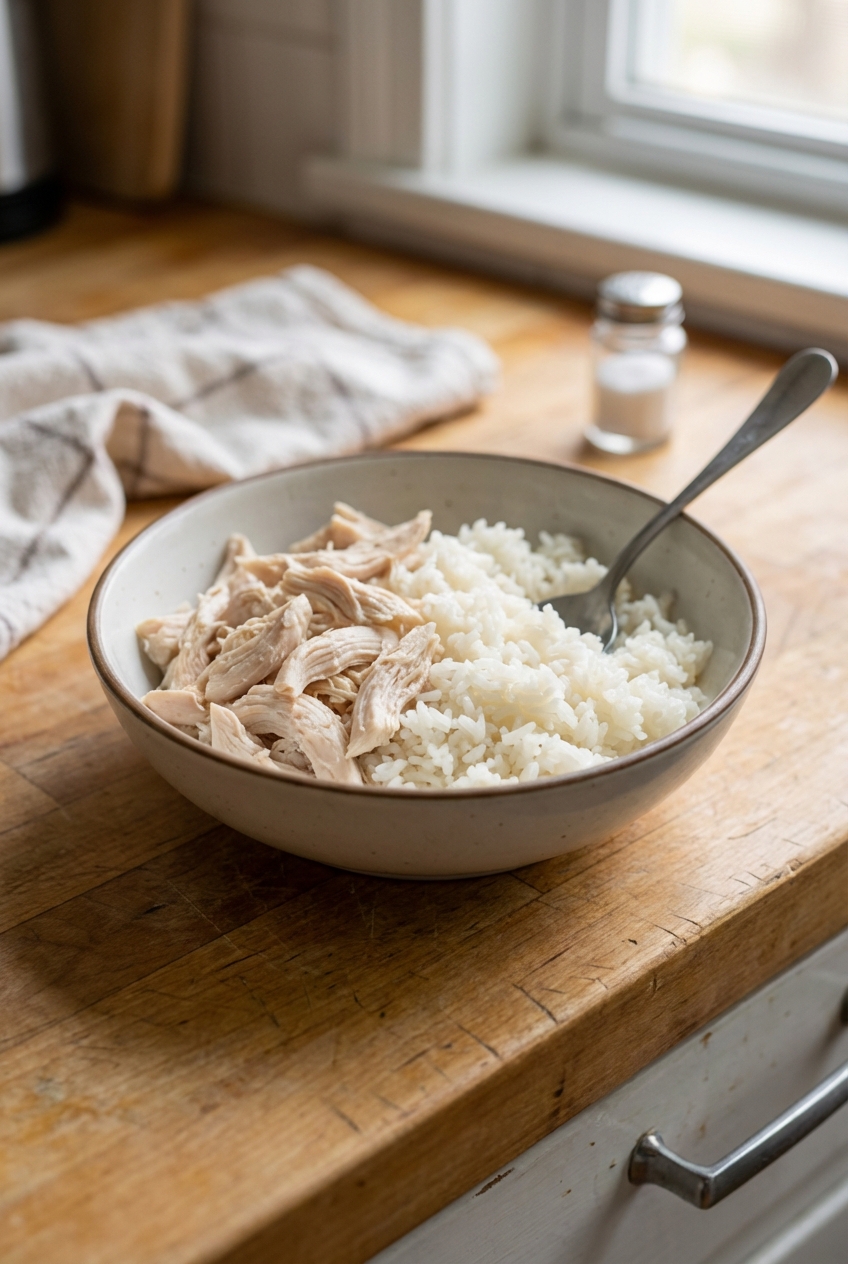
- Boiled chicken breast with white rice
- Lean ground turkey (well cooked, drained) with white rice
- Plain canned pumpkin (not pie filling) in small amounts
How to feed
- Start with a small portion, then wait 2 to 3 hours.
- If it stays down, repeat small meals for 24 hours.
- Gradually transition back to the normal diet over 2 to 3 days.
Common mistakes to avoid
- Letting your dog chug water right after vomiting
- Forcing fluids or pouring water into the mouth
- Offering milk or rich foods that can worsen nausea
- Giving human medications like Pepto-Bismol, ibuprofen, acetaminophen, or anti-diarrheals without veterinary guidance (some can be harmful, interact with other meds, or complicate diagnostic testing)
- Using hydrogen peroxide to “make them throw up” unless a veterinarian tells you to (it can cause more irritation and is unsafe in some situations)
- Waiting too long when your dog is weak, dehydrated, or vomiting repeatedly
How much water does a dog need?
A healthy dog typically needs about 50 to 60 mL of water per kilogram of body weight per day. In Imperial terms, that is roughly 0.5 to 1 ounce per pound per day. Needs vary with diet (dry vs. canned), activity, and heat.
Vomiting changes the rules because the stomach may not tolerate normal intake. If your dog is improving, you can slowly work back toward normal water intake over the next day. If you are struggling to keep up with hydration because vomiting continues, your vet can provide fluids and nausea control that make a huge difference.
When to call your vet
Call your veterinarian within the day if:
- Your dog vomits more than once or twice in 24 hours
- Vomiting lasts longer than 12 to 24 hours
- There is diarrhea along with vomiting
- Your dog is not interested in water, seems painful, or is very tired
- You suspect a diet change, spoiled food, trash ingestion, or a foreign object
Vomiting can be “just an upset stomach,” but it can also be pancreatitis, intestinal obstruction, parvovirus, toxin exposure, or other conditions that need treatment. Trust your gut. If your dog seems off, it is worth a call.
What to monitor at home
- How many times your dog has vomited and when the last episode happened
- Whether tiny sips stay down, and for how long
- Energy level and comfort (resting comfortably vs. restless, painful, or hunched)
- Gum moisture and capillary refill time
- Urination (when, how often, and whether urine looks very dark)
- Any diarrhea, black stools, or blood
- Anything your dog could have eaten (trash, toys, bones, people food)
These details help your veterinarian triage faster and treat more effectively if you need to go in.
Quick rehydration checklist
- If stable, consider a 30 to 60 minute pause after vomiting
- Restart with tiny amounts every 10 to 15 minutes
- Use ice chips or spoon-fed water to prevent gulping
- Do not force fluids or syringe a weak dog
- Consider unflavored pediatric ORS if appropriate and vet-approved
- Advance slowly, pause and call your vet if vomiting returns
- Seek veterinary care promptly if red flags appear
Your dog does not need perfect care, just calm, steady steps. Gentle hydration and early vet support when needed can prevent a small stomach bug from becoming a serious dehydration problem.