
Wondering if your cat is pregnant? Learn symptoms by week, how vets confirm pregnancy, how to set up a nesting area, what to feed, and when to call the vet.
Article
•
Designer Mixes
How to Prevent Cat Pregnancy After Escapes

Shari Shidate
Designer Mixes contributor
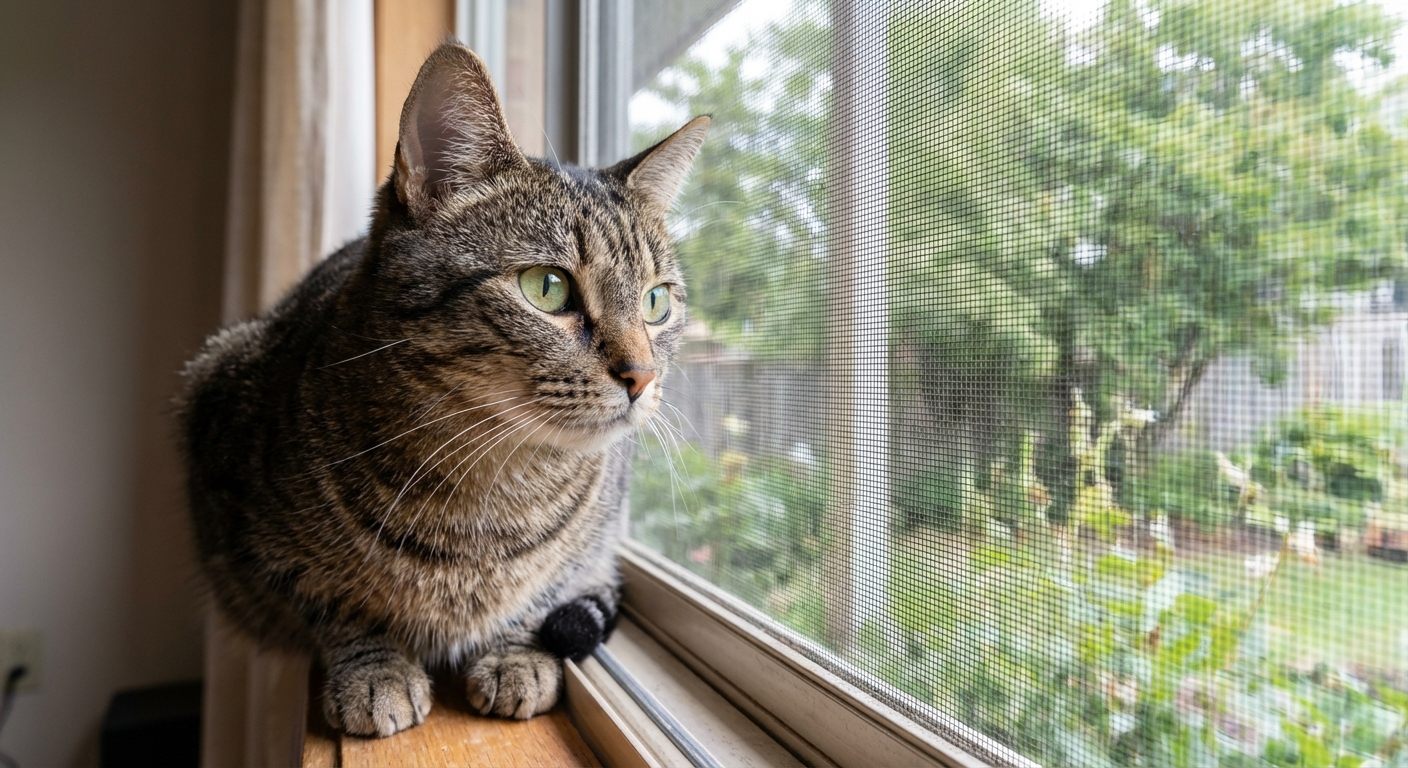
Cats are fast, quiet, and determined. If your cat slipped out for a few hours or even a few minutes, it is completely normal to worry about pregnancy, especially if she is not spayed. The good news is that you still have options, but the timeline matters.
Below is a calm, step-by-step plan you can follow right now, plus what to ask your veterinarian so you can protect your cat and avoid an unexpected litter.
First: figure out the risk
Is your cat spayed?
- Spayed: pregnancy is extremely unlikely. If you notice heat-like behaviors after a spay (calling, rolling, tail to the side), schedule a vet visit to rule out uncommon issues like ovarian remnant syndrome.
- Not spayed or not sure: treat this as a potential pregnancy risk and move to the next steps.
Was she in heat?
Female cats are seasonally polyestrous, but indoor cats exposed to artificial light can cycle any time of year. Signs of heat include loud vocalizing, rolling, restlessness, rubbing, and holding the hindquarters up with the tail to the side.
Cats are also induced ovulators, meaning mating can trigger ovulation, and multiple matings can happen over a short period. That is one reason even brief escapes can matter.
How long was she out?
Mating can happen quickly. Even brief escapes can lead to pregnancy if an intact male is nearby. If she was out overnight or during heat, consider the risk higher.
How old is she?
Some cats can reach sexual maturity surprisingly early, often around 4 to 6 months (sometimes earlier or later). If she is a kitten and not spayed yet, take any outdoor exposure seriously.
Act fast: the best prevention is a prompt spay
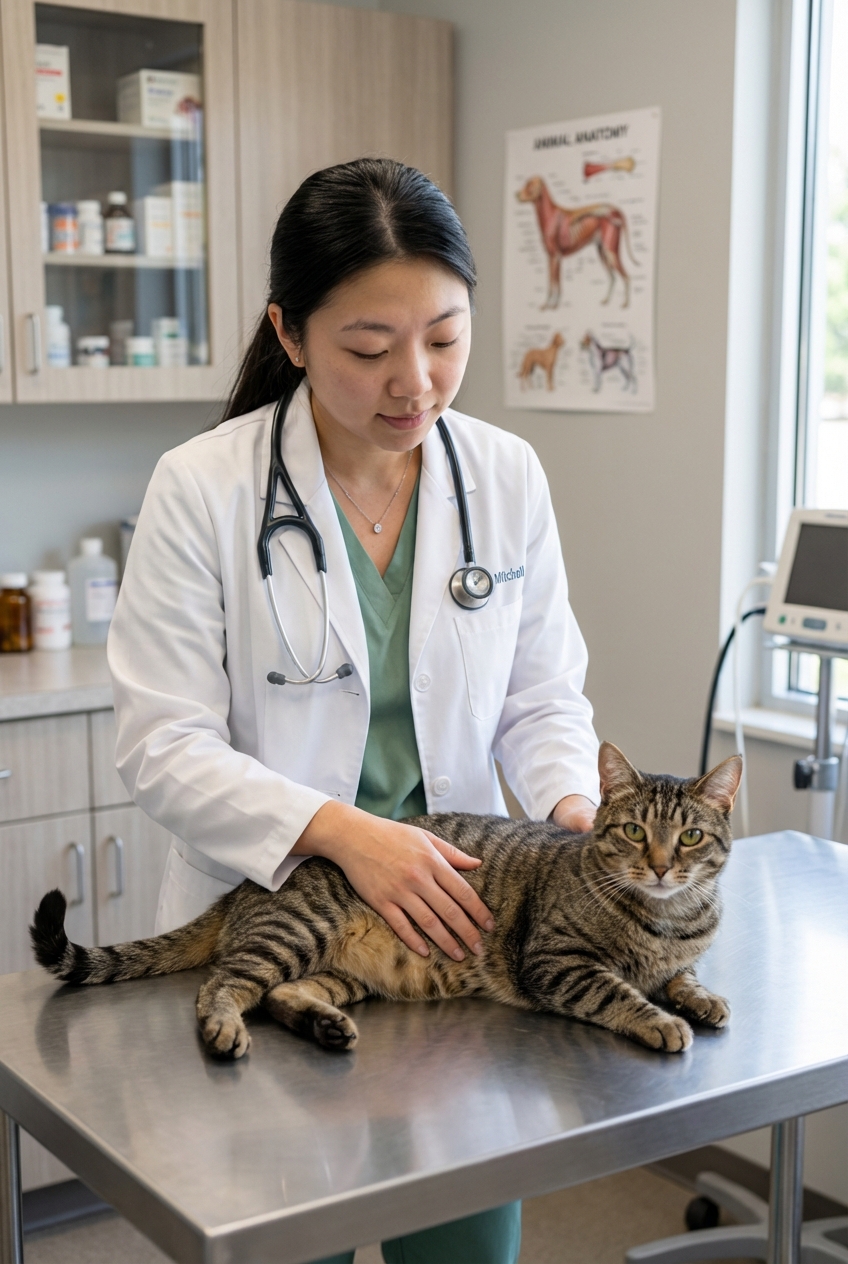
If your cat is not spayed and might have been bred, the most reliable way to prevent pregnancy is to schedule a spay as soon as possible. Many clinics can spay even if mating may have occurred. This is sometimes called a “spay-abort,” meaning it prevents a pregnancy from continuing.
Time matters. Earlier is usually simpler. Call your vet or a local spay and neuter clinic today and ask how soon they can see her.
Safety and feasibility depend on timing (how far along a pregnancy might be), your cat’s health, clinic policy, and sometimes local rules. Later-term spays during pregnancy can carry higher surgical risk and may raise ethical considerations, so do not wait to call.
What to say when you call
- Her age and weight
- Whether she is indoor-only or indoor-outdoor
- The date and approximate time she escaped and returned
- Whether she showed signs of heat before or after the escape
- Any possible exposure to intact male cats
- Any bite wounds, limping, or signs of illness
Skip DIY “morning-after” tips
I know it is tempting to search for a quick fix, but there is no safe, reliable at-home way to prevent pregnancy after an escape. Please do not give any medications, hormones, injections, or leftover prescriptions unless your veterinarian specifically prescribes them.
Why this matters
- Some human and pet medications are toxic to cats.
- Hormone-based breeding control products can carry serious risks and are not a DIY solution.
- Waiting “to see what happens” can remove your best window to prevent pregnancy.
What to watch in the next weeks
If a spay cannot be done immediately, keep your cat strictly indoors and watch for clues. Early pregnancy can be subtle.
Signs of heat (she may still be cycling)
- Calling or yowling
- Restlessness and increased affection
- Rolling and rubbing
- Tail held to the side when petted near the back
If spay is delayed, keep her indoors continuously. Heat cycles can recur every few weeks during breeding season, and she may try hard to escape again.
Signs of pregnancy (often show later)
- Gradual weight gain or a rounder abdomen
- Increased appetite
- Nipples becoming larger and pinker, sometimes noticeable around 2 to 3 weeks
- More sleeping, less interest in play
Only a veterinarian can confirm pregnancy. Depending on timing, they may use an exam and history, ultrasound (often able to detect pregnancy around 2 to 3 weeks), or X-ray later once fetal skeletons mineralize (commonly around 6 weeks or later). If you suspect pregnancy, schedule an exam rather than guessing.
If she is pregnant and you do not spay
If you missed the early window or decide not to do a spay-abort, you still have a clear next step: involve your veterinarian early so your cat can stay healthy and you can plan ahead.
- Book a prenatal check: ask about parasite control, vaccines, and nutrition appropriate for pregnancy.
- Feed appropriately: your vet may recommend a growth or kitten-formulated diet later in pregnancy and while nursing.
- Set up a quiet nesting area: a warm, low-traffic spot with a washable box and soft bedding.
- Make a kitten plan now: start thinking about adoption homes, rescue support, and spay and neuter appointments for mom and kittens.
Immediate safety steps after any escape
Keep her indoors
Keep her separated from intact males and away from doors, garages, and open windows. If she is in heat, she will try harder than usual to slip out again.
Check for injuries and parasites
- Look for limping, bite wounds, swelling, or pain when touched.
- Check ears and fur for fleas or ticks.
- Watch for sneezing, eye discharge, lethargy, or feverish behavior.
Cat bites and scratches can cause abscesses that worsen over 24 to 72 hours. Bite wounds can also transmit infections, including viruses like FIV and FeLV. If you see puncture wounds or she seems painful, get veterinary care promptly and ask your vet whether testing is recommended based on her history and exposure risk.
How to prevent the next escape
Preventing pregnancy long-term is about preventing access and preventing heat cycles with spaying. Since she has already escaped once, it also helps to plan for “just in case” recovery.
Secure exits
- Two-step door routine: pause, look down, then open.
- Use a barrier: a baby gate, screen door, or interior door creates an airlock effect.
- Window and patio checks: confirm screens are secure and not bowed or torn.
- Guests and deliveries: put your cat in a closed room before opening the door.
Microchip and ID
- Microchip: if she is not microchipped, ask your vet about microchipping at the next visit.
- Check registration: if she already has a chip, confirm your contact info is up to date.
- Collar tag: if your cat tolerates a breakaway collar, add an ID tag as a second layer.
Boost indoor enrichment
Cats escape less when they have safe outlets for stalking, climbing, and novelty.
- Daily play sessions with a wand toy
- Food puzzles or scattered kibble hunts
- Window perches and cat trees
- A secure catio, if possible

Spaying FAQ
Can a cat get pregnant the first time she is in heat?
Yes. Cats can become pregnant as soon as they are sexually mature, and some reach that stage earlier than many people expect.
Should I wait to spay until I know for sure?
In many cases, waiting reduces your options. If pregnancy prevention is the goal, talk with your vet right away about the earliest spay appointment available and what they recommend based on timing and health.
Is it safe to spay if she might be pregnant?
This is a veterinary decision based on exam findings, estimated timing, and your cat’s overall health. Many clinics do perform spays when pregnancy is possible or confirmed, but policies vary. If scheduling is tight, it can be worth calling more than one clinic.
A simple action plan
- Today: Call your veterinarian or a spay and neuter clinic and request the soonest spay appointment. Mention the escape and possible exposure.
- Until the appointment: Keep her strictly indoors, away from doors and windows, and separated from any intact males.
- This week: Watch for heat behaviors and check daily for injuries, swelling, or signs of illness. Ask your vet about parasite prevention and whether any testing (like FIV or FeLV) makes sense after this escape.
- Long-term: Strengthen door routines, secure screens, confirm microchip registration, and add enrichment to reduce escape attempts.
If you are feeling anxious, you are not alone. Escapes happen even in very loving homes. What matters most is taking quick, practical steps now, and getting a veterinarian involved early so you can make the best choice for your cat.