
Make housebreaking easier with a vet-friendly routine: potty timing by age, crate training that works, perfect potty trips, accident prevention, and a simple...
Article
•
Designer Mixes
How to Potty Train Your Puppy

Shari Shidate
Designer Mixes contributor
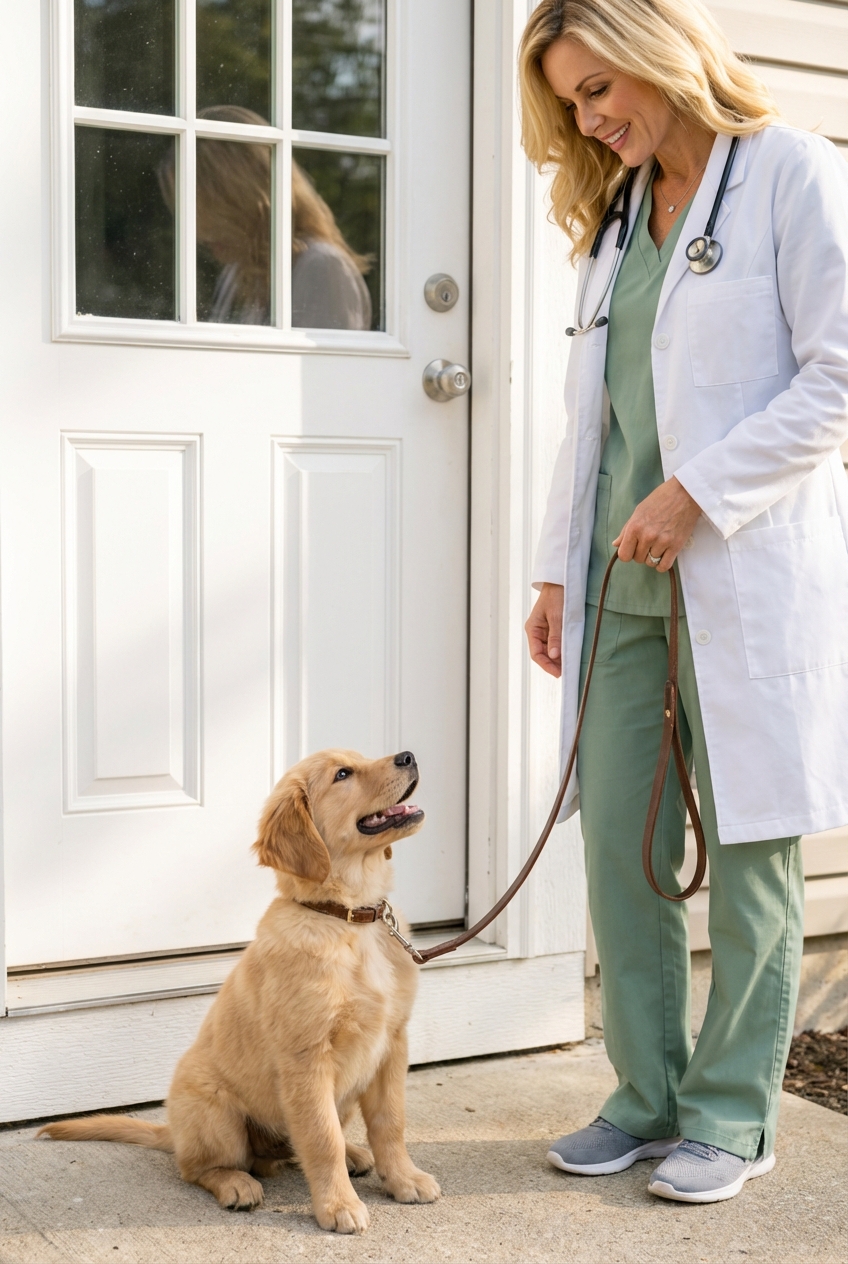
Potty training can feel overwhelming at first, especially when you are sleep-deprived and your puppy is still figuring out the world. The good news is that most puppies learn quickly when we use a simple routine, clear rewards, and smart management. As a veterinary assistant here in Frisco, Texas, I have seen it again and again: consistency beats perfection.
This guide walks you through what actually works, why it works, and the most common mistakes that slow progress.
Start with the right mindset
Potty training is not about “getting your puppy to behave.” It is about teaching a habit, building a predictable schedule, and preventing accidents long enough for the habit to stick. Puppies are babies. Their bladders are small, and they do not naturally understand that the living room rug is different from grass.
When accidents happen, it is almost always one of these:
- Your puppy needed to go sooner than expected.
- Your puppy was not supervised closely enough.
- Your puppy did not have access to their potty spot in time.
That means your job is to make the “right choice” easy and the “wrong choice” hard, at least for the first few weeks.
What you need before day one
Supplies that make training faster
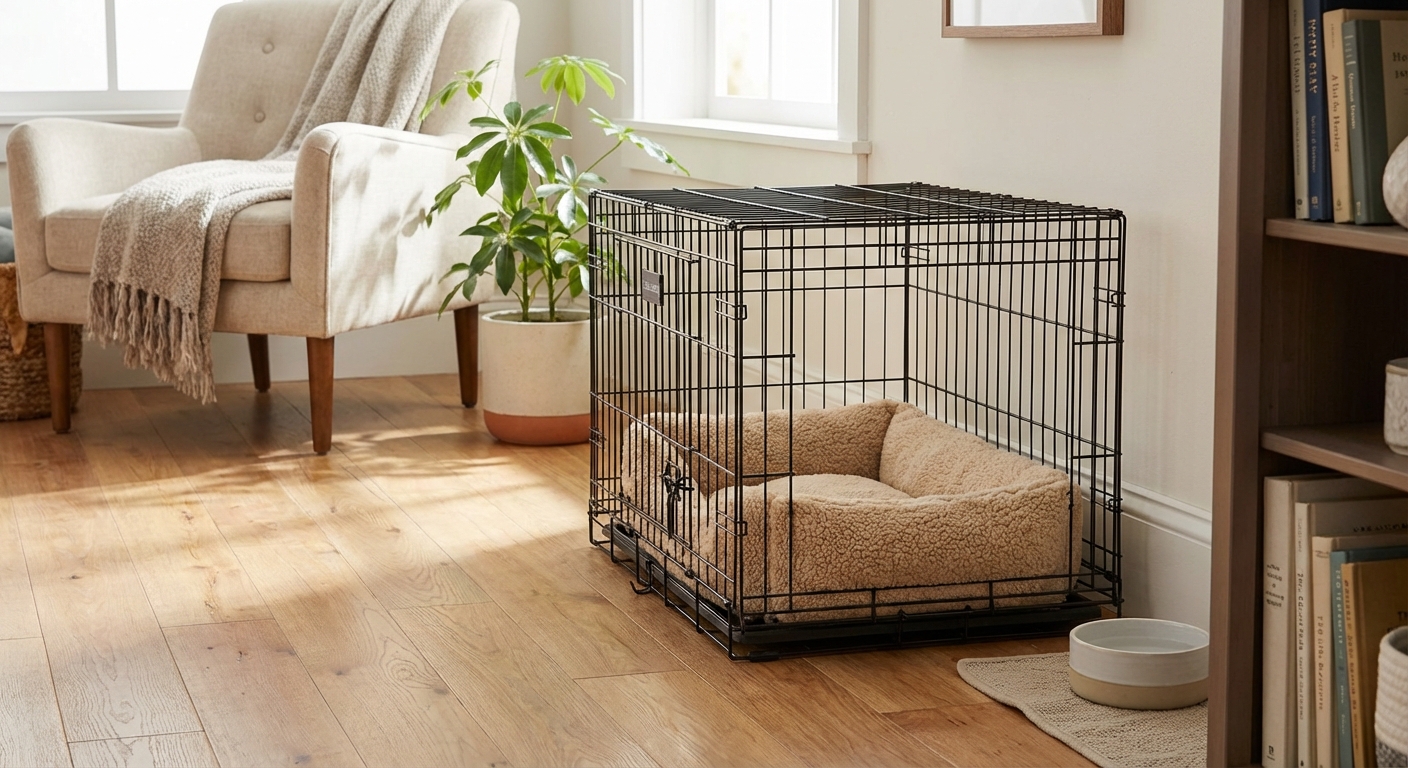
- A properly sized crate (big enough to stand and turn around, not big enough to potty in one corner and sleep in the other).
- Baby gates or an exercise pen to limit roaming.
- Enzyme cleaner for accidents (regular household cleaners may leave scents dogs can still detect).
- A leash for every potty trip at first, even in your yard.
- High-value treats you can deliver fast (tiny soft pieces work great).
If you plan to use puppy pads, decide that up front. Pads can be helpful in apartments or for very young puppies, but they can also teach “it is okay to potty indoors.” Many families do best with an outdoor-only plan unless pads are truly necessary.
Your puppy’s potty schedule
A predictable schedule is the heart of potty training. Puppies do best when you take them out before they get desperate.
Go out at these times
- First thing in the morning
- After waking up from any nap
- After eating
- After drinking a lot of water
- After playtime or excitement
- Before bedtime
- Any time they start sniffing, circling, or suddenly wandering away
A realistic guideline
You may hear the “one hour per month of age, plus one” rule. It can be a helpful rough guideline, but it is not reliable for every puppy. Size, breed, activity level, stress, and health all matter, and many young puppies need much more frequent breaks when they are awake and active.
At night, some puppies can hold it longer, but plan on a few overnight trips early on. This is normal.
Frisco note: In hot Texas summers, aim for quick potty trips during cooler hours and watch for heat stress. Some pups get distracted outside when it is uncomfortable, so keep the routine short and rewarding.
How to teach “go potty”
Puppies repeat behaviors that are rewarded. That is the science of learning in a nutshell. Your puppy needs a clear message: potty outside equals great things.
The step-by-step routine
- Take your puppy to the same spot on leash. The scent helps trigger the behavior.
- Stand still and be boring for a few minutes. Too much wandering turns it into playtime.
- Say your cue once, such as “Go potty,” when they start to squat, not before.
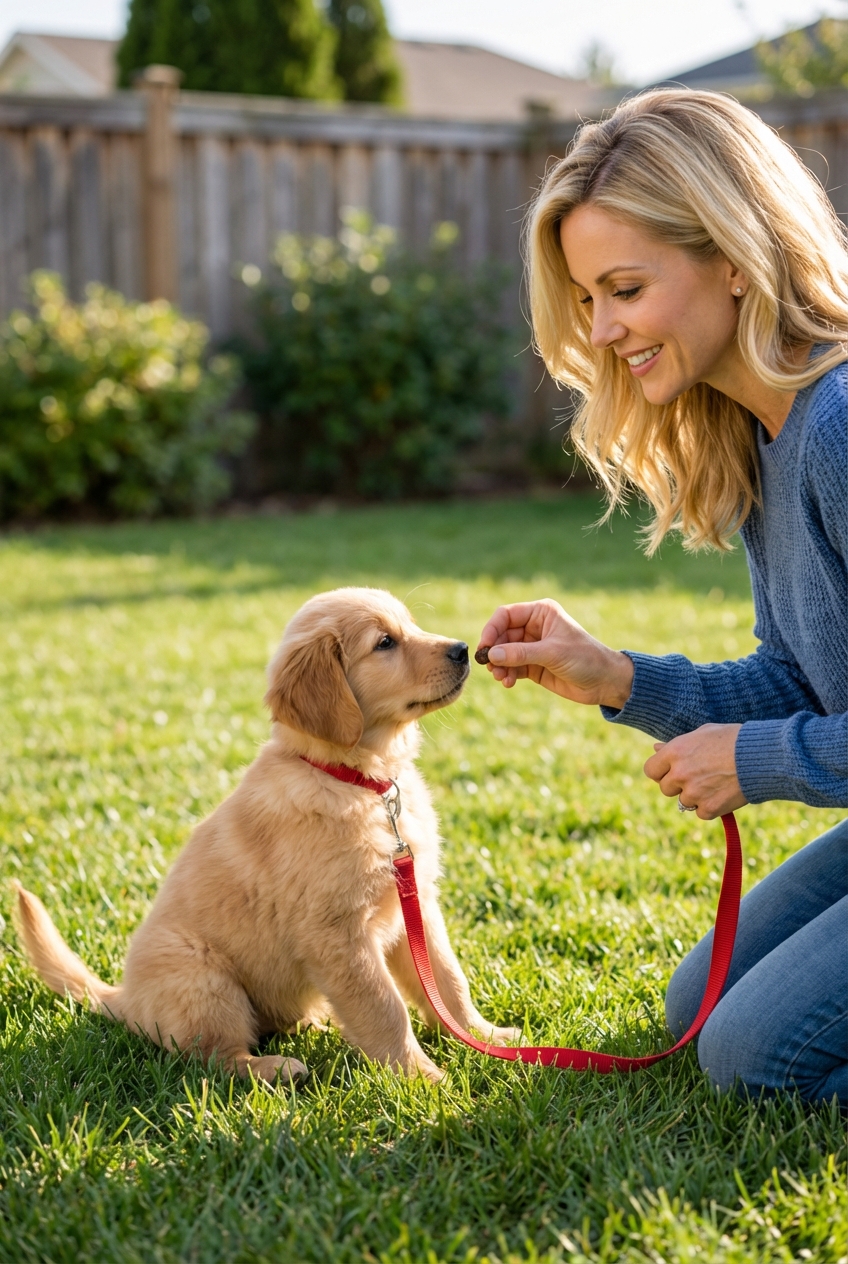
- Reward immediately when they finish. Treat right away (within a couple seconds), then praise.
- Give a short “freedom bonus” after a successful potty, like 5 minutes of sniffing or play. This prevents puppies from learning, “If I potty, the fun ends.”
Once your puppy starts to connect the cue with the action, you can begin saying “Go potty” when you arrive at the spot, then reward as soon as they go.
If your puppy does not go within 3 to 5 minutes, bring them back inside and manage closely (tether the leash to you or keep them in a small pen in the same room), or place them in the crate for 10 to 15 minutes, then try again. Do not give free roam until they have actually pottied.
Poop training basics
Many families find poop training trickier than pee training, mostly because timing is less predictable. The routine is the same, but your schedule needs a few extra “poop likely” windows.
Times poop is most likely
- 5 to 20 minutes after meals
- After a big play session
- First thing in the morning
- After a nap, especially if they ate recently
If your puppy pees outside but refuses to poop, give them a little more time in the potty spot (still boring, still on leash). Many puppies need a few extra minutes of sniffing to get things moving. If nothing happens, bring them in and manage closely, then try again soon. Do not assume the “job is done” just because they urinated.
Crate training and potty training
Many dogs prefer not to soil where they sleep, so a crate can be a powerful tool when used kindly and correctly. That said, some puppies do not have that instinct at first (especially if they came from poor conditions), and illness or anxiety can also change their habits. Think of the crate as a management tool, not a punishment.
Best practices
- Use the crate for short periods when you cannot supervise.
- Take them out as soon as they come out of the crate.
- Make the crate a positive space with a chew or safe toy.
- Do not leave a puppy crated longer than they can realistically hold it.
If your puppy is having frequent accidents in the crate, the crate may be too large, the schedule may be too long, or your puppy may be stressed or ill.
Supervision matters
The fastest potty-trained puppies are the ones who are prevented from practicing accidents. For the first couple of weeks, treat supervision like a training job.
Two helpful options
- Leash-tethering: Clip the leash to you while your puppy is indoors, so you notice sniffing or wandering.
- Small safe zone: Use gates or a pen so your puppy stays in the same room as you.
If you cannot watch closely, use the crate or pen. This is how you break the accident habit before it becomes a routine.
Common mistakes
1) Punishing accidents
Scolding can teach your puppy to hide and potty behind the couch, not to stop needing to potty. If you catch them mid-accident, calmly interrupt with a neutral sound, take them outside, and reward if they finish outdoors.
2) Cleaning without enzyme cleaner
If urine odor remains, many puppies will return to the same spot. Use an enzyme cleaner and follow the label instructions, including contact time.
3) Too much freedom too soon
Free roaming is earned. If accidents start again, reduce space and rebuild the routine for a few days.
4) Waiting for your puppy to “tell you”
Some puppies do not signal clearly at first. It is your schedule that prevents accidents until signaling develops naturally.
Tips by situation
If you live in an apartment
- Use the leash for every trip so you can move quickly and stay focused.
- Pick one potty spot outdoors if possible.
- If pads are necessary, place them in one consistent location and slowly move them closer to the door over time.
If your puppy is tiny
- Plan for more frequent potty breaks.
- Consider a grass patch on a balcony or patio if stairs or elevators slow you down.
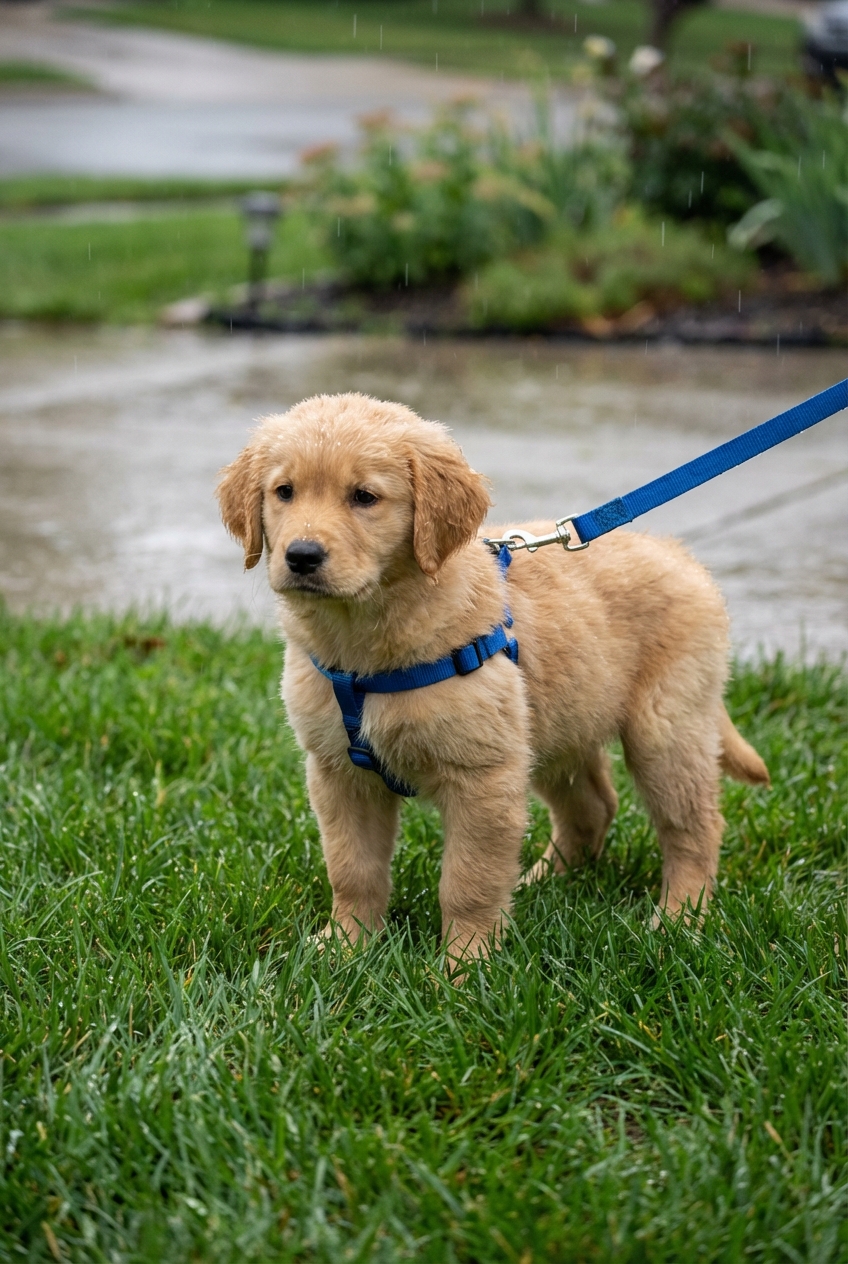
If it is raining or cold
- Go out with your puppy and keep them on leash.
- Use a covered area if you have one.
- Reward extra well for pottying in bad weather.
If you work outside the home
Potty training is still doable with a busy schedule, but you may need extra management. A young puppy who is awake and active often cannot wait through a long meeting or commute without help.
Practical options
- Use a crate plus pen setup: A crate attached to an exercise pen can give a little more room and reduce stress if you are gone longer than expected.
- Schedule a midday break: If you cannot come home, consider a trusted dog walker, neighbor, or pet sitter.
- Expect a slower timeline: If your puppy has fewer chances to potty outside during the day, it can take longer. That is normal.
If your puppy is having regular accidents because they are alone too long, that is not stubbornness. It is a schedule mismatch, and it is fixable with support.
Outdoor safety for young puppies
If your puppy is not fully vaccinated, ask your veterinarian where it is safe to potty outdoors. In general, choose low-traffic areas and avoid places where many unknown dogs eliminate, like busy dog parks or shared pet relief areas. Your goal is safe potty practice without unnecessary disease risk.
When to call your vet
As a vet assistant, I always tell families: if something feels “off,” it is worth a call. Potty training is challenging, but you should still see gradual improvement over time.
Contact your veterinarian if you notice:
- Straining to urinate, crying, or producing only small drops
- Blood in urine or very strong odor
- Sudden accidents after your puppy was doing well
- Excessive thirst and excessive urination
- Diarrhea or frequent loose stools
- Vomiting, lethargy, fever, or a big appetite change
Urinary tract infections, parasites, and gastrointestinal upset can all look like “training problems” from the outside. Frequent urination can be behavioral too, but it is smart to rule out medical issues first.
How long it takes
Some puppies look “mostly trained” in a few weeks, but reliable potty training often takes weeks to months. Expect ups and downs, especially during growth spurts, routine changes, and developmental fear periods. Regression does not mean you failed. It usually means you need to tighten management for a bit and rebuild the rhythm.
A simple 7-day plan
Days 1 to 3
- Take your puppy out on a tight schedule.
- Reward every outdoor potty like it is the best thing ever.
- Use the crate or pen anytime you cannot supervise.
Days 4 to 5
- Start saying “Go potty” as your puppy begins to go.
- Keep rewarding immediately after.
Days 6 to 7
- If you have had 48 accident-free hours, allow a little more space under supervision.
- If accidents return, reduce freedom and tighten the schedule again.
Progress is not always a straight line. One accident does not mean failure. It means your puppy needed more support in that moment.
Bottom line
Potty training works best when you combine three things: a reliable schedule, close supervision, and immediate rewards for the behavior you want. Most puppies thrive with structure, and once the habit is formed, life gets easier fast.
If you want one takeaway to remember, make it this: your puppy cannot learn from an accident you did not see, but they can learn very quickly from a potty success you reward.
