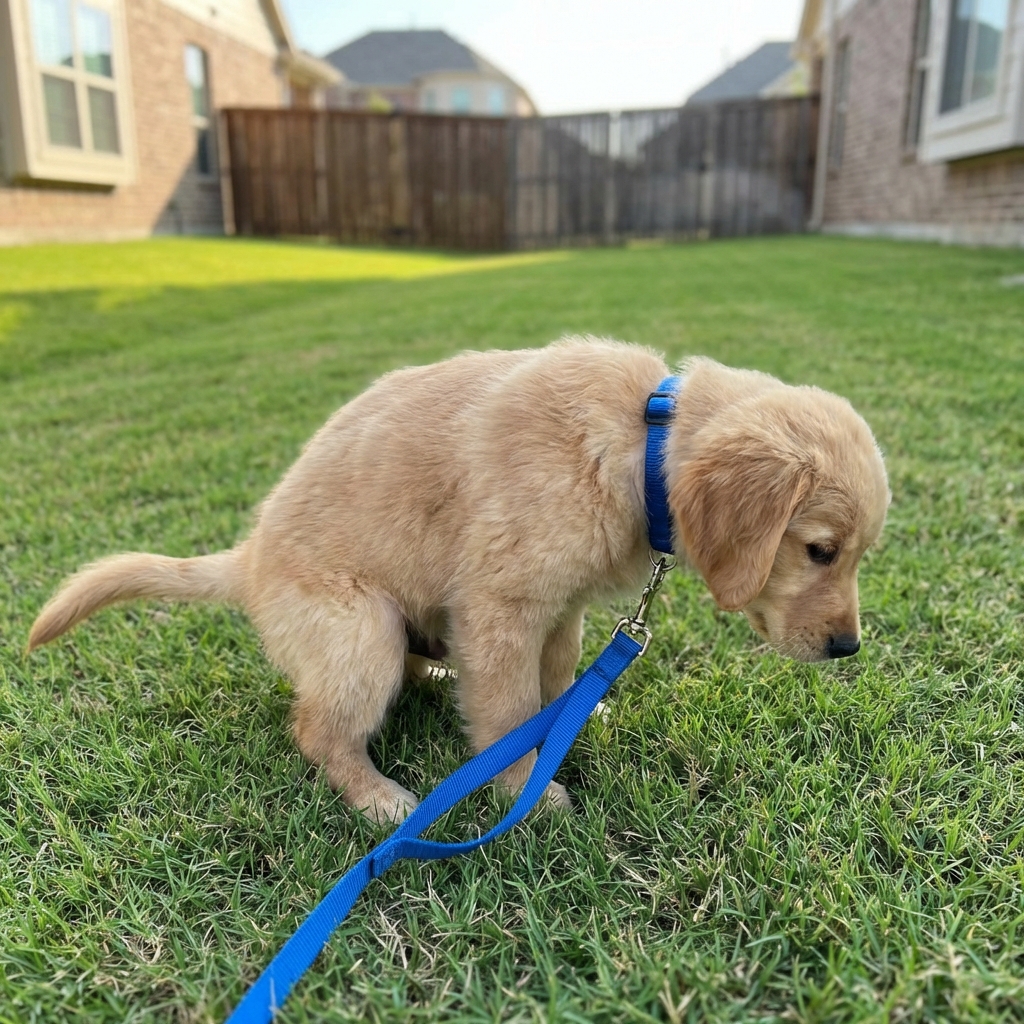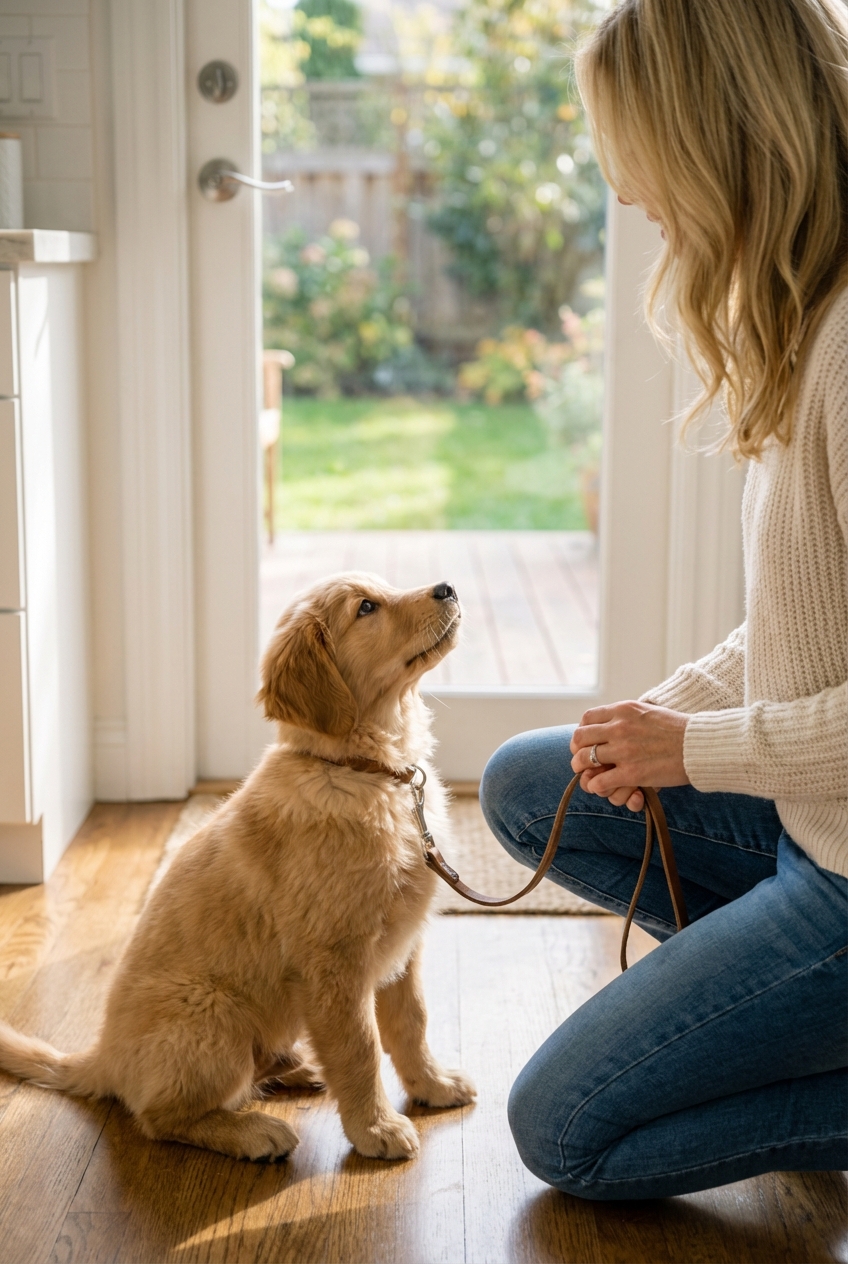
Learn a proven potty-training system: consistent potty spot, cue words, high-value rewards, supervision, and crate training. Includes a 7-day plan, accident ...
Article
•
Designer Mixes
How to Potty Train a Puppy Fast

Shari Shidate
Designer Mixes contributor
Potty training can feel like a full-time job during those first puppy weeks. The good news is that many puppies learn quickly when you give them two things: a predictable schedule and immediate feedback. As a veterinary assistant here in Frisco, Texas, I can tell you that the fastest success stories are not about “magic tricks.” They are about consistency, supervision, and setting your puppy up to win.
What “fast” really means
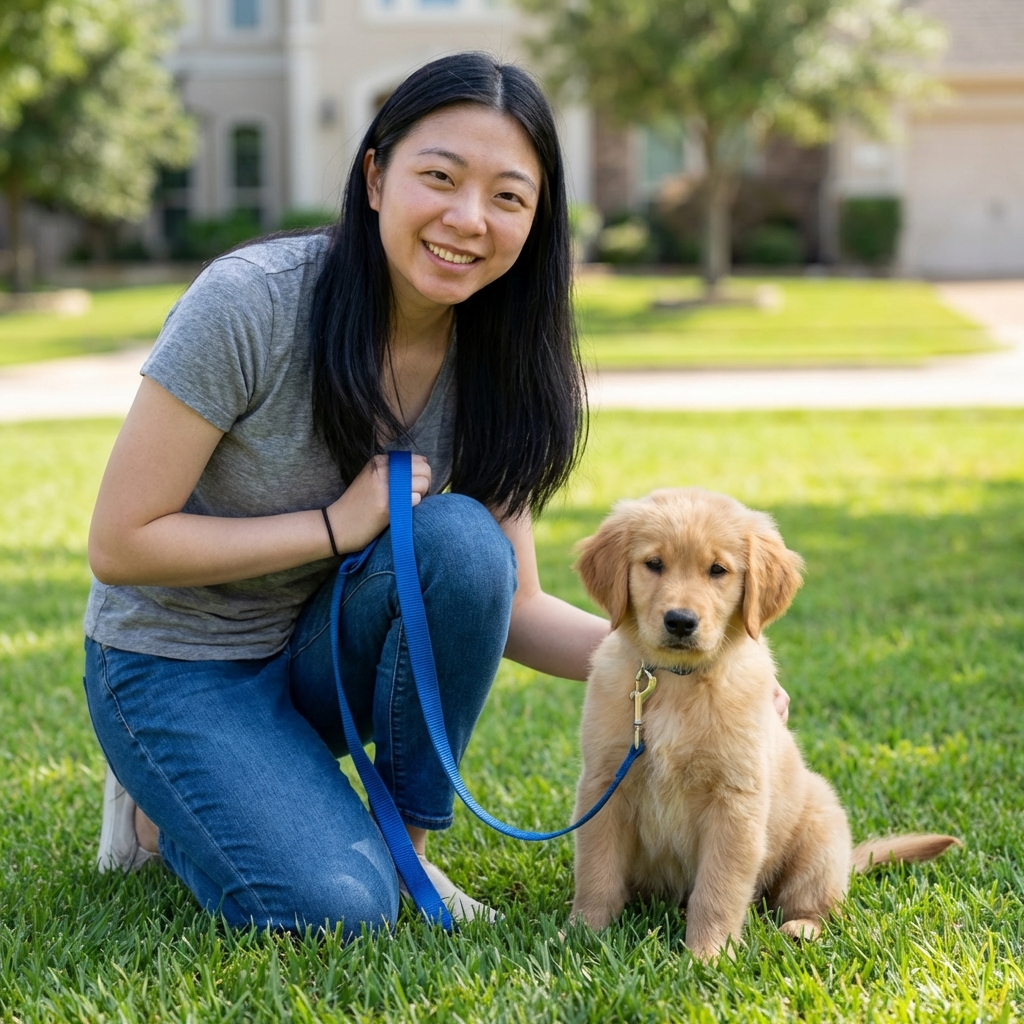
Many healthy puppies can make strong daytime progress in 7 to 14 days with the right plan. Full house reliability usually takes longer because bladder and bowel control develops with age, and every home setup is different.
A common guideline is that a puppy can hold it for about their age in months plus one hour. This is a rough estimate that tends to apply best when your puppy is resting. Very young puppies, small breeds, and excited puppies often need breaks sooner, and nighttime can be different from daytime.
Focus on one simple goal: fewer accidents each day and more potty trips happening in the right place.
Start with the right setup
Pick one potty spot
Choose a specific area outside and take your puppy to the same spot every time. The scent helps their brain connect the location with the behavior.
Crate and play area
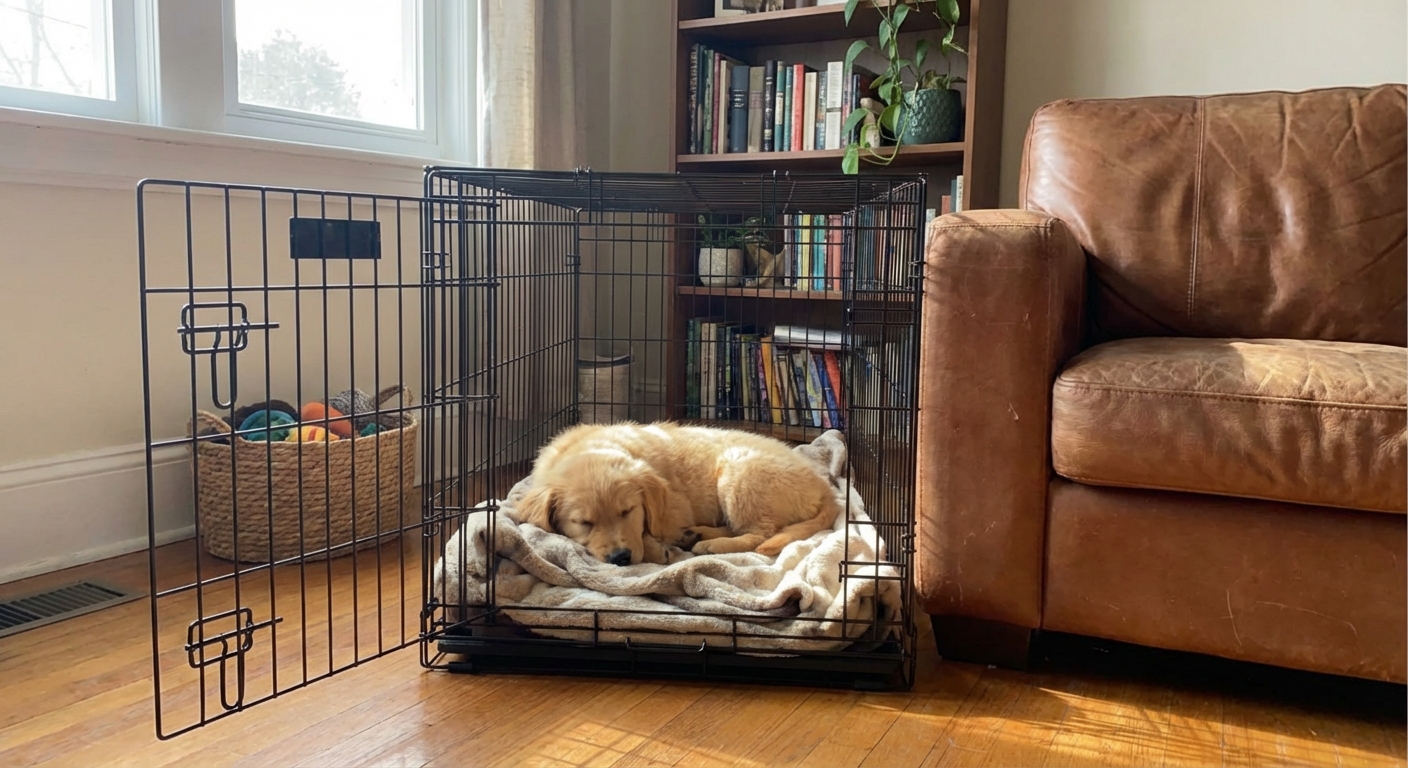
Crates are not punishment. They are management tools that help puppies avoid accidents because dogs naturally prefer not to soil their sleeping area. When you cannot actively supervise, use:
- A properly sized crate (enough room to stand, turn, and lie down, but not enough to potty in one corner and sleep in the other). As your puppy grows, a crate divider can help you keep the size appropriate.
- A gated area with easy-to-clean flooring if your puppy needs more space.
A schedule that works
If you want speed, you need structure. For the first 1 to 2 weeks, take your puppy out:
- First thing in the morning
- After every meal (often within 5 to 30 minutes)
- After a big drink of water
- After naps
- After play (especially zoomies)
- Before bedtime
- At least every 30 to 60 minutes when awake during early training
Food and water tips
- Feed on a schedule, not free-choice all day. Predictable meals lead to more predictable potty times.
- Offer water frequently throughout the day. Many families reduce overnight accidents by offering the last big drink 1 to 2 hours before bed, unless your veterinarian advises otherwise. Do not withhold water for long periods.
- Many puppies poop after eating, often within 5 to 60 minutes.
The 5-minute potty routine
Every potty trip should be short, boring, and consistent. Here is the routine I recommend, based on common veterinary and positive-reinforcement training guidance:
- Leash up and go to the potty spot.
- Stand still and quietly wait up to 5 minutes.
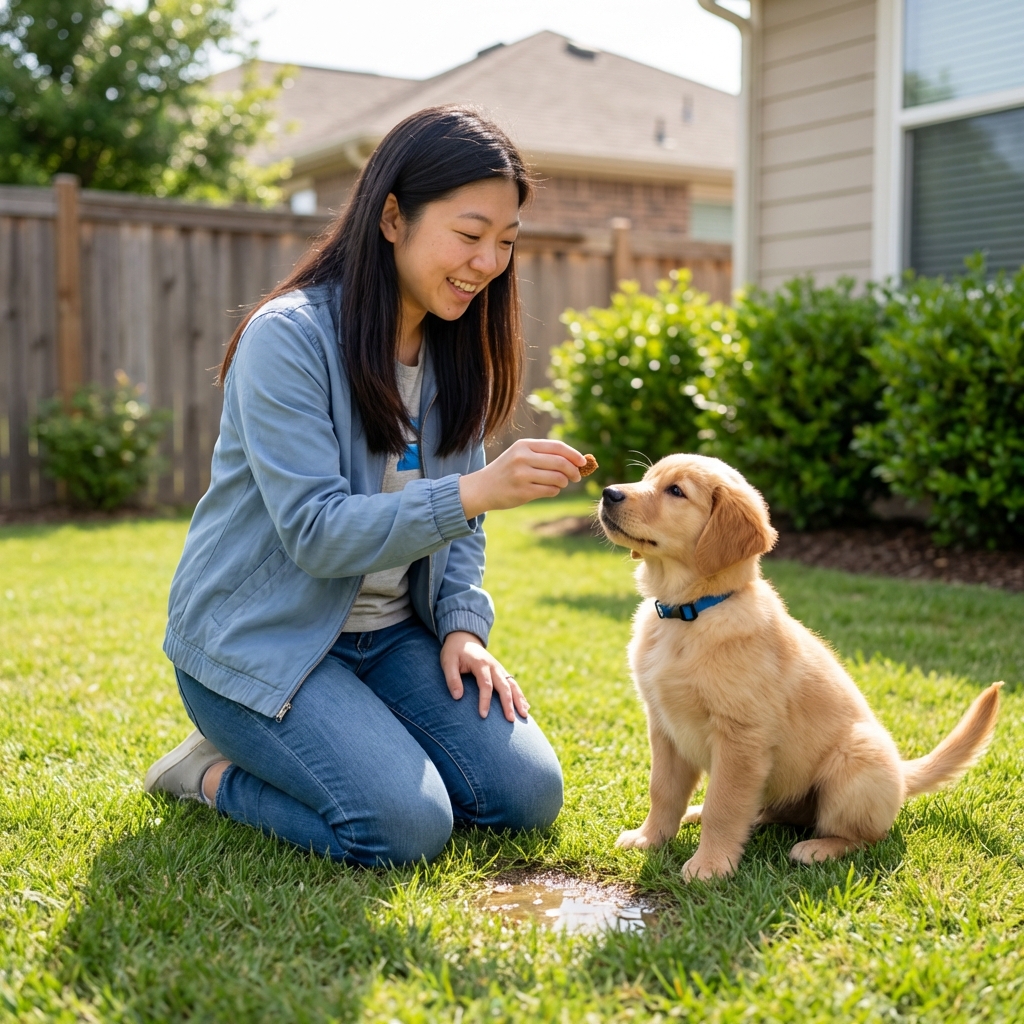
- When your puppy starts to go, softly say a cue like “go potty”.
- The second they finish, praise and reward right there. Use a tiny treat and calm excitement.
- Then give a short “life reward” like 5 to 10 minutes of sniffing or play.
If they do not go within 5 minutes, bring them inside and put them in the crate for 10 to 15 minutes, then try again. This prevents the classic puppy move: refusing to potty outside, then immediately going on your rug.
Supervision is your secret weapon
Fast potty training usually comes down to one thing: not giving your puppy opportunities to practice accidents.
Eyes on puppy
When your puppy is out of the crate, they should be:
- On a leash attached to you, or
- In the same room with you where you can truly watch them.
Pre-potty signals
Most puppies give tells. Common ones include:
- Suddenly sniffing the floor intensely
- Circling
- Wandering away from play
- Heading toward corners or rugs
- A quick pause and squat
If you see a signal, calmly scoop them up or leash them and go straight outside.
Accidents: what to do
If you catch them in the act
Say a calm cue like “oops” and take them outside immediately to finish. Then reward if they go outside.
If you find it later
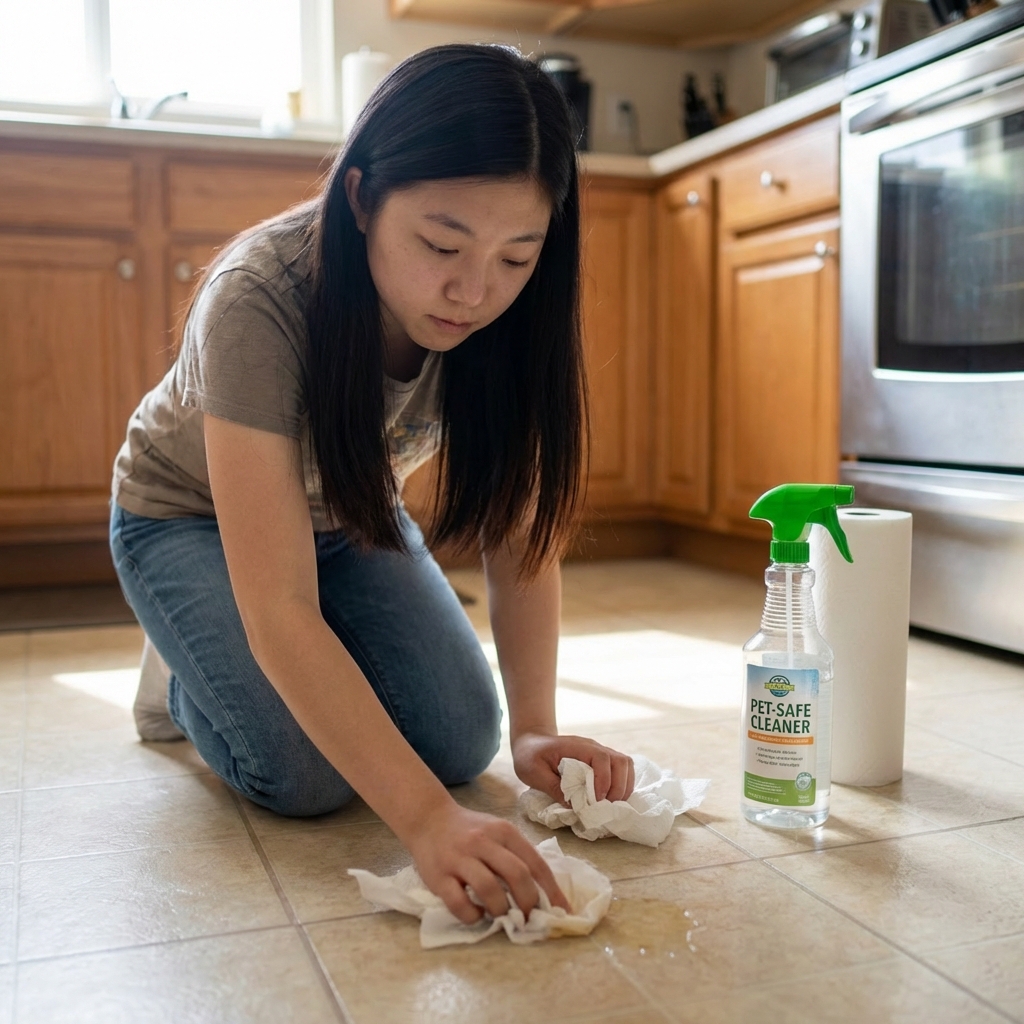
Do not scold. Puppies do not connect delayed punishment with a puddle you found later. Just clean thoroughly and tighten your schedule.
Clean the right way
Use an enzymatic cleaner made for pet urine. Regular soap may remove the smell to you, but dogs can still detect it and return to that spot.
Nighttime training
Night accidents are common early on. To improve nights quickly:
- Keep the crate near your bed so you can hear restlessness.
- Do one calm nighttime potty trip if needed. No play, no bright lights, no big talking.
- Carry small puppies outside to prevent an excited hallway pee.
- Return straight to the crate after they go.
As your puppy grows, they will sleep longer stretches. If nights are getting worse instead of better, talk with your veterinarian to rule out a medical issue.
Pee pads: helpful or confusing?
Pee pads can be useful in limited situations, like high-rise living or medical restrictions. The tradeoff is that pads can teach your puppy that peeing indoors is acceptable.
If you use pads, be intentional:
- Place them in one consistent location, not all over the house.
- Gradually move the pad closer to the door, then outdoors if your goal is outside potty only.
- Do not put pads inside the crate.
Apartment and high-rise tips
If you are in an apartment, speed comes from planning the “get outside” part:
- Carry your puppy to the potty spot if the elevator or hallway is a known accident zone.
- Have a backup plan for bad weather or long elevator waits (a single, consistent pad location or a balcony potty system if appropriate).
- Keep trips boring and fast until your puppy goes, then reward and head back in.
Vaccines and safe potty spots
One important safety note for young puppies: if your puppy is not fully vaccinated, ask your veterinarian what outdoor areas are safe in your neighborhood. In general, choose a low-traffic potty area and avoid places where unknown dogs regularly potty (like busy parks, shared apartment dog runs, and pet store sidewalks).
When it is not a training problem
In the clinic, we always watch for health or stress factors that can sabotage potty training. Call your veterinarian if you notice:
- Straining to pee or pee dribbling
- Blood in urine
- Very frequent urination with small amounts
- Sudden house soiling after good progress
- Diarrhea lasting more than 24 hours, or any vomiting plus diarrhea
- Excessive thirst
Urinary tract infections, parasites, and GI upset can all cause accidents even in a puppy who is trying hard to do the right thing.
A simple 7-day plan
Days 1 to 2: Reset
- Go out every 30 to 60 minutes when awake
- Reward every successful potty outside
- Crate, tether, or gate when you cannot supervise
Days 3 to 5: Add a cue
- Use the same potty cue each time
- Track accidents to find patterns (after play, after dinner, etc.)
Days 6 to 7: Gradual freedom
- If your puppy has had 48 hours with no accidents, increase supervised freedom by one room at a time
- Keep rewards frequent, then slowly start to mix it up
After week 1: Fade treats the right way
For speed, I like treating every success at first. Once your puppy is on a streak, shift to intermittent treats (for example, treat 3 out of 4 potty trips, then 2 out of 4), while keeping praise and the “life reward” consistent.
Progress is not linear. If you have a rough day, it does not mean your puppy is not getting it. It usually means the schedule needs tightening for a few days.
Final encouragement
Potty training is one of the first big trust-building projects you and your puppy do together. Keep your schedule predictable, supervise closely, and reward the right behavior every time, especially early on. You will be amazed how quickly it clicks.
If you want, tell me your puppy’s age, breed mix, and your daily routine, and I will help you customize a potty schedule that fits your home.