Learn safe, vet-backed steps for mild dog constipation—hydration, pumpkin dosing, gentle diet changes, and walks—plus the red flags that mean you need a ...
Article
•
Designer Mixes
How to Make Your Dog Poop: Facts & Safe Tips

Shari Shidate
Designer Mixes contributor
If you are staring at the backyard waiting for your dog to go and your dog is pacing, squatting with nothing happening, or acting uncomfortable, you are not alone. As a veterinary assistant here in Frisco, Texas, I hear this concern all the time. The key is to help your dog poop safely without turning constipation into an emergency.
Quick note: This article is general education and not a substitute for veterinary care. When in doubt, call your veterinarian.
In this article, we will cover what is normal, what is not, what you can do at home, and when it is time to call your veterinarian.
What is normal poop frequency?
Healthy dogs vary, but adult dogs commonly poop one to two times per day. Some perfectly healthy dogs go anywhere from one to three times daily. Puppies often go more frequently because they eat more often and their GI system is still maturing.
Constipation is usually suspected when a dog:
- Has not pooped in 24 to 48 hours (especially if that is unusual for them)
- Strains, squats repeatedly, or produces only small, hard pellets
- Seems painful, cries, or avoids squatting
- Has decreased appetite, lethargy, bloating, or vomiting
Important: Straining can also happen with diarrhea, colitis, or a urinary blockage. If your dog is posturing to pee but nothing is coming out, that can be an emergency, especially in male dogs.
Why dogs get constipated
Constipation is not one single issue. It is often a clue that something else is going on. Common causes include:
- Dehydration (not enough water intake, hot weather, vomiting, diarrhea)
- Not enough fiber or the wrong type of fiber for that dog
- Too much bone or indigestible material (bone treats, chews, rawhides, swallowed toys)
- Sudden diet changes
- Low activity (especially after surgery or during bad weather weeks)
- Pain or arthritis that makes squatting uncomfortable
- Medications (some pain meds and antihistamines can contribute)
- Hair ingestion (more common in long-coated dogs during shedding)
- Obstruction from a foreign object or mass
- Anal gland or rectal issues
How to help your dog poop
For a bright, alert dog who is eating and not vomiting, you can usually start with gentle, low-risk options. Think: hydration, movement, and simple nutrition support.
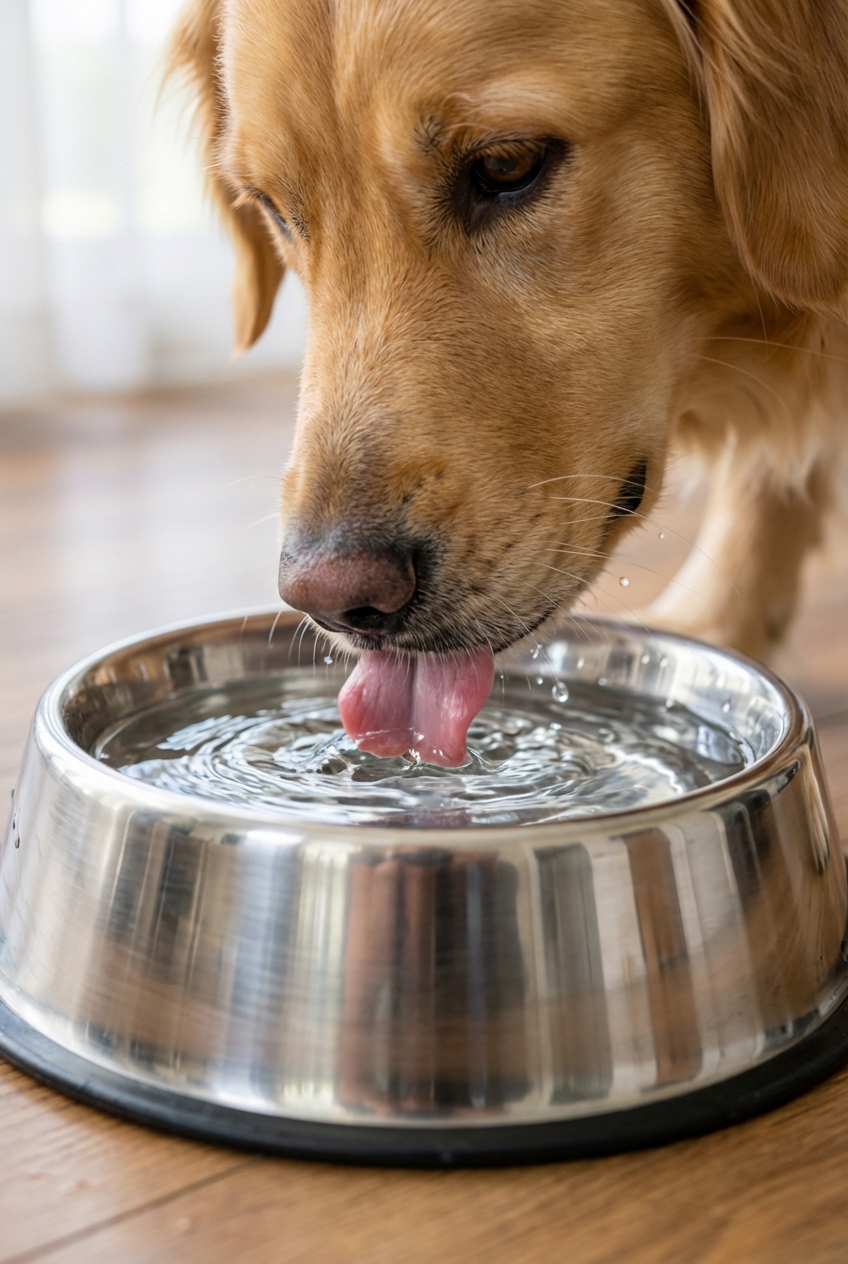
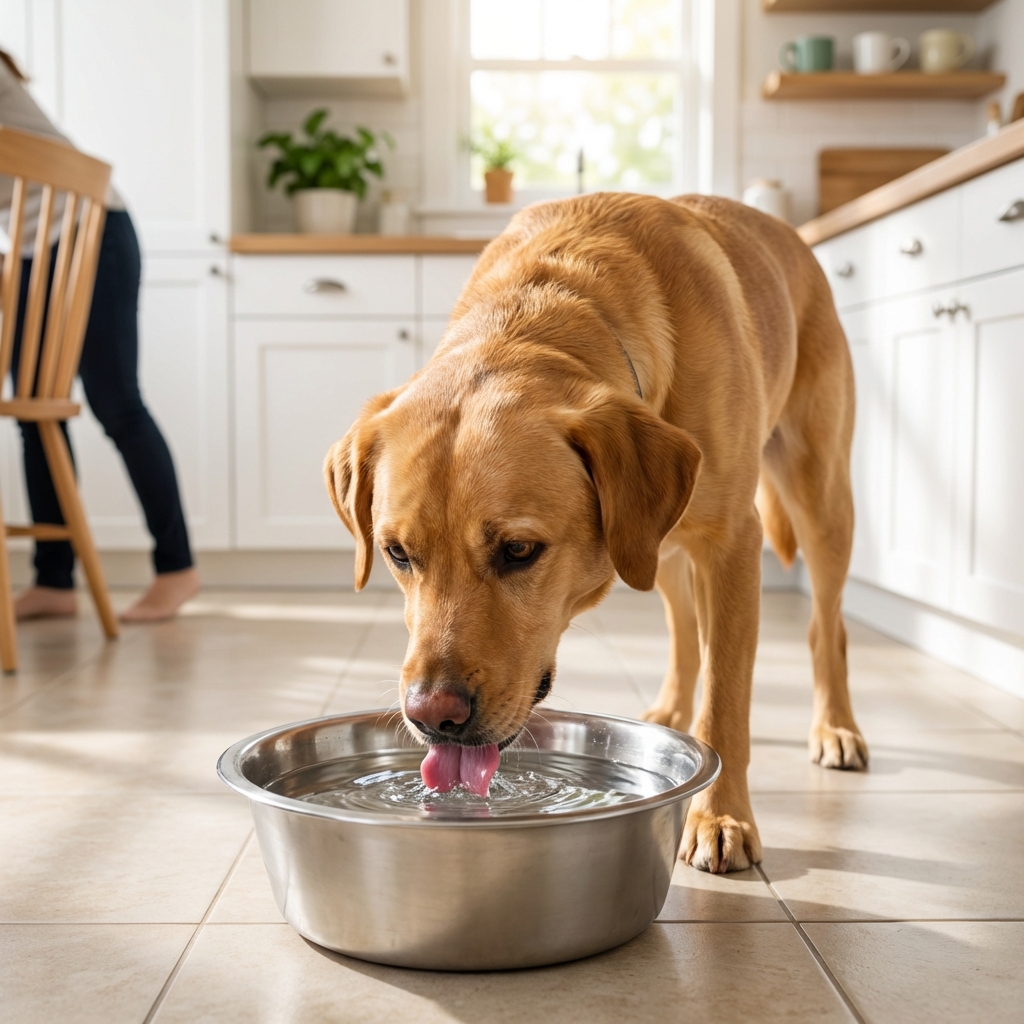
1) Add water first
Hydration is the foundation. Try:
- Offer fresh water in multiple locations
- Add a splash of water to meals
- Serve a little warm, low-sodium broth (no onion or garlic, and no xylitol)
- Try a pet water fountain if your dog likes running water
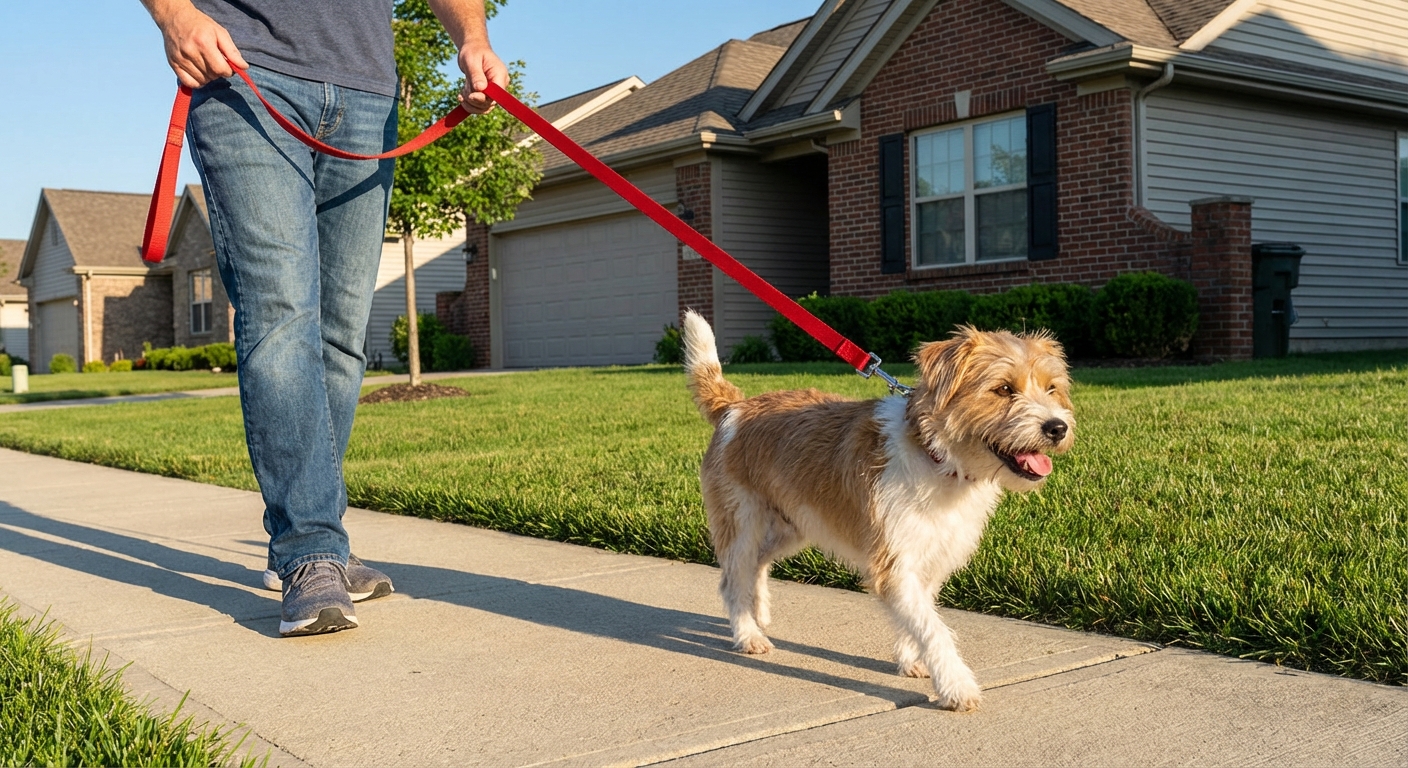
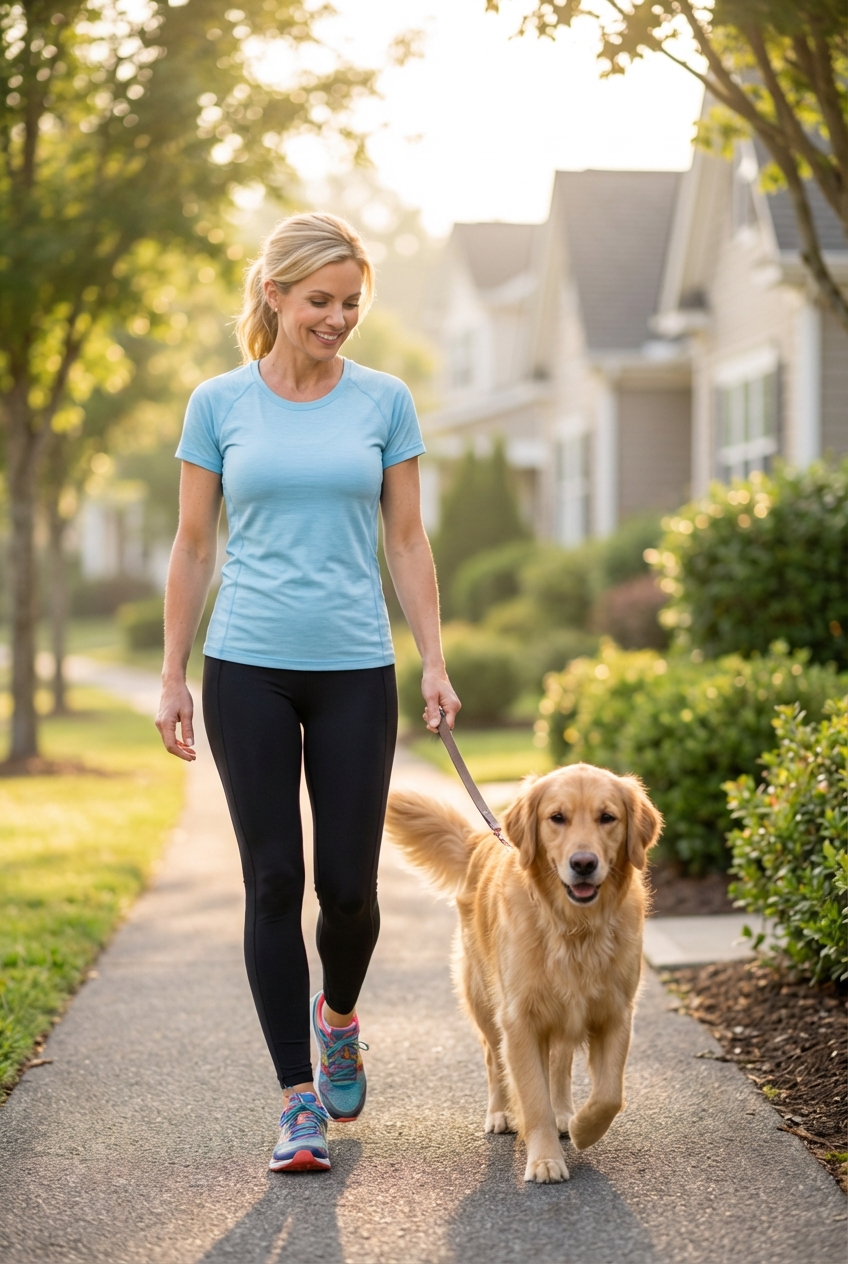
2) Take a longer, brisk walk
Movement stimulates intestinal motility. A calm 15 to 30 minute walk often helps. Sniffing and a normal potty routine is part of the process, so give them time to choose a spot.
3) Add fiber (in the right amount)
Fiber can help soften stool by holding water in the colon. The trick is not to overdo it, because too much fiber can cause gas or make constipation worse in some dogs, especially if they are not drinking enough. When you add fiber, make sure you are also adding moisture.
Options many vets commonly recommend:
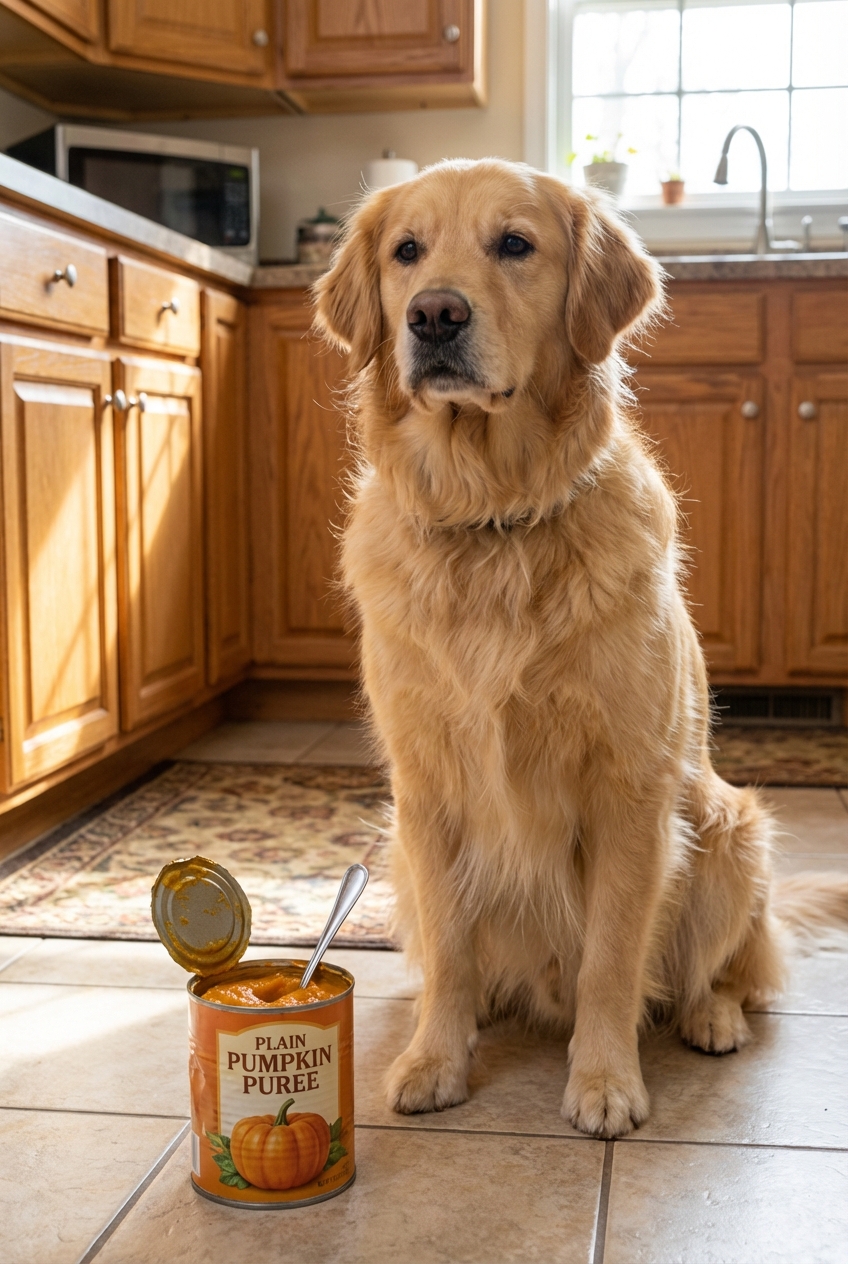
- Plain canned pumpkin (not pie filling): start with 1 teaspoon for small dogs, 1 tablespoon for medium dogs, up to 1 to 2 tablespoons for large dogs. If your dog has other health conditions or is very small, confirm dosing with your vet.
- Cooked sweet potato in small amounts
- Psyllium husk (unflavored): ask your vet for dosing, especially for small dogs
Introduce any fiber slowly and watch the stool over the next 12 to 24 hours.
4) Consider a gentle meal tweak
If your dog is on dry kibble only, adding moisture and digestible foods can help. A simple, short-term approach for some dogs is a bland meal like cooked chicken with white rice, plus extra water, but constipation often responds better to moisture + fiber than bland diets alone.
If you are already feeding homemade or fresh foods, make sure you are not accidentally under-hydrating the meal, and that calcium sources (like bone) are not excessive.
5) Support the microbiome
Some dogs do well with a veterinarian-recommended probiotic, especially if constipation started after stress, boarding, medication, or diet changes. This is not a quick “make them poop tonight” fix, but it can improve stool quality over time.
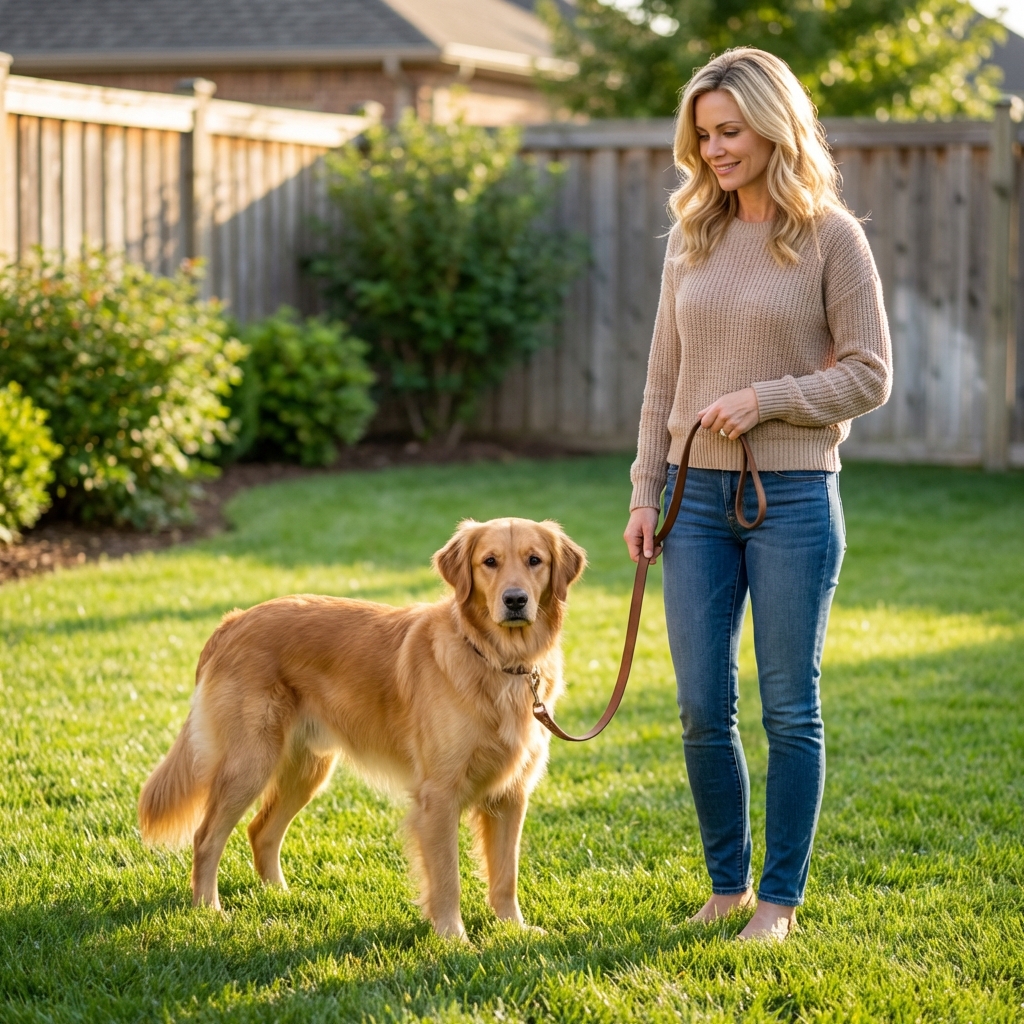
6) Create a calm potty routine
Dogs can “hold it” when they feel rushed, anxious, or overstimulated. Helpful habits include:
- Take them out on a consistent schedule
- Choose a quieter area if noises distract them
- Reward calm potty behavior, not just the end result
My gentle rule: if your dog seems uncomfortable, do the low-risk basics first. Hydration and a walk help many dogs within hours, and they do not mask serious symptoms the way stronger remedies might.
When to stop home care and call: If your dog is still straining, still uncomfortable, or has not produced stool after trying hydration + a walk + a small fiber addition within 24 hours, call your vet, even if you have not hit the 48 hour mark yet.
Call sooner (before trying much at home) for high-risk dogs such as: very young puppies, seniors, dogs with kidney disease, dogs with a history of pancreatitis, dogs on opioid pain medication, or dogs with a history of foreign-body eating.
Constipation or something else?
Straining looks similar across several problems. A quick way to think about it:
- Constipation: repeated squatting with little or no stool, sometimes hard pellets
- Colitis or diarrhea with tenesmus: frequent urgent squats with small amounts of soft stool or mucus, sometimes blood
- Urinary blockage: posturing to pee with little to no urine, discomfort, licking the penis or vulva, accidents, or restlessness (this can be an emergency)
What not to do
When you are worried, it is tempting to reach for human products. Please be careful.
- Do not give human laxatives unless your veterinarian directs you. Some are unsafe or dosing is tricky.
- Do not use enemas at home unless specifically instructed. Certain enemas can be toxic to dogs, and improper use can injure the rectum.
- Do not give mineral oil by mouth. It can be aspirated into the lungs and cause serious pneumonia.
- Do not feed bones to “firm up digestion.” Bones can cause severe constipation and obstruction.
- Do not ignore repeated straining. Straining can look like constipation but be a urinary blockage or painful colitis.
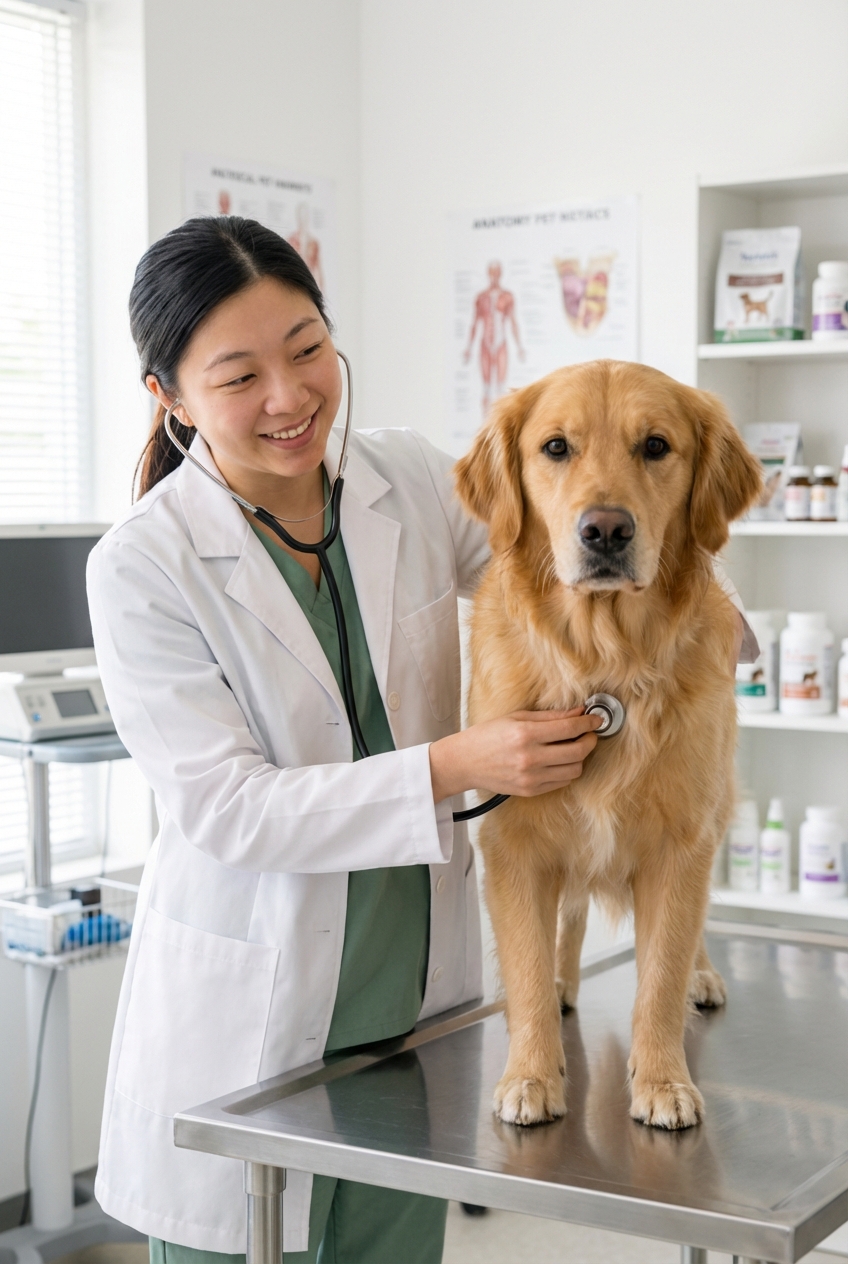
When to call the vet
Constipation is sometimes a simple fix, but it can also be a true emergency. Contact your veterinarian promptly if:
- Your dog has not pooped for 48 hours
- There is vomiting, refusal to eat, marked lethargy, or belly swelling
- You suspect your dog swallowed a toy, sock, bone, corn cob, or other foreign item
- There is blood in stool or around the anus
- Your dog is crying, hunched, or cannot get comfortable
- You see repeated squatting with little output
- Your dog is an intact male or has urinary symptoms (straining to pee, dribbling, no urine)
Your vet may recommend an exam, abdominal radiographs, hydration support, stool softeners made for dogs, or treatment for underlying pain, arthritis, parasites, or anal gland issues.
If constipation keeps happening, ask your vet about a deeper workup. Chronic constipation can sometimes be linked to longer-term motility problems (including megacolon), orthopedic pain, or other underlying disease, and it is best handled early.
Quick checklist
- Water: add moisture to meals and offer fresh water
- Move: take a longer walk and allow time to sniff
- Fiber: small amount of plain canned pumpkin or vet-guided psyllium
- Observe: note appetite, energy, vomiting, and stool attempts
- Call: if 48 hours, significant discomfort, vomiting, urinary signs, or foreign-body risk
FAQ
How fast will pumpkin work?
Sometimes within 12 to 24 hours, especially if mild constipation is related to low fiber and dehydration. If your dog is straining hard, vomiting, or not eating, do not wait it out.
Can I use olive oil or coconut oil?
A small amount of dietary fat can help some dogs, but it can also trigger diarrhea or pancreatitis in susceptible pets. I consider this a “check with your vet” option, especially for small dogs, seniors, or dogs with a history of GI upset.
Is constipation the same as a blockage?
No. Constipation is difficulty passing stool. An intestinal blockage can be life-threatening and often includes vomiting, loss of appetite, belly pain, and worsening lethargy. When in doubt, it is safest to get an exam.
Bottom line
Helping your dog poop should be gentle, safe, and rooted in what actually supports the gut: hydration, movement, and the right nutrition. If your dog is uncomfortable, not improving, or showing red-flag symptoms, trust your instincts and call your veterinarian. You are not being “overly cautious.” You are being a good advocate for your best friend.