Spot early dehydration in dogs with gum, skin tent, and refill checks. Learn common causes, daily water needs, heat safety, rehydration tips, and urgent warn...
Article
•
Designer Mixes
How to Make a Dog Drink Water

Shari Shidate
Designer Mixes contributor
As a veterinary assistant here in Frisco, Texas, one of the most common and surprisingly stressful questions I hear is, “How do I get my dog to drink water?” Hydration is not just a nice-to-have. Water supports digestion, temperature control, joint lubrication, kidney function, and healthy circulation.
The good news is that most dogs can be encouraged to drink more with a few simple behavior and environment changes. The key is to stay calm, stay consistent, and watch for warning signs that mean it is time to contact your veterinarian.
How much water should a dog drink?
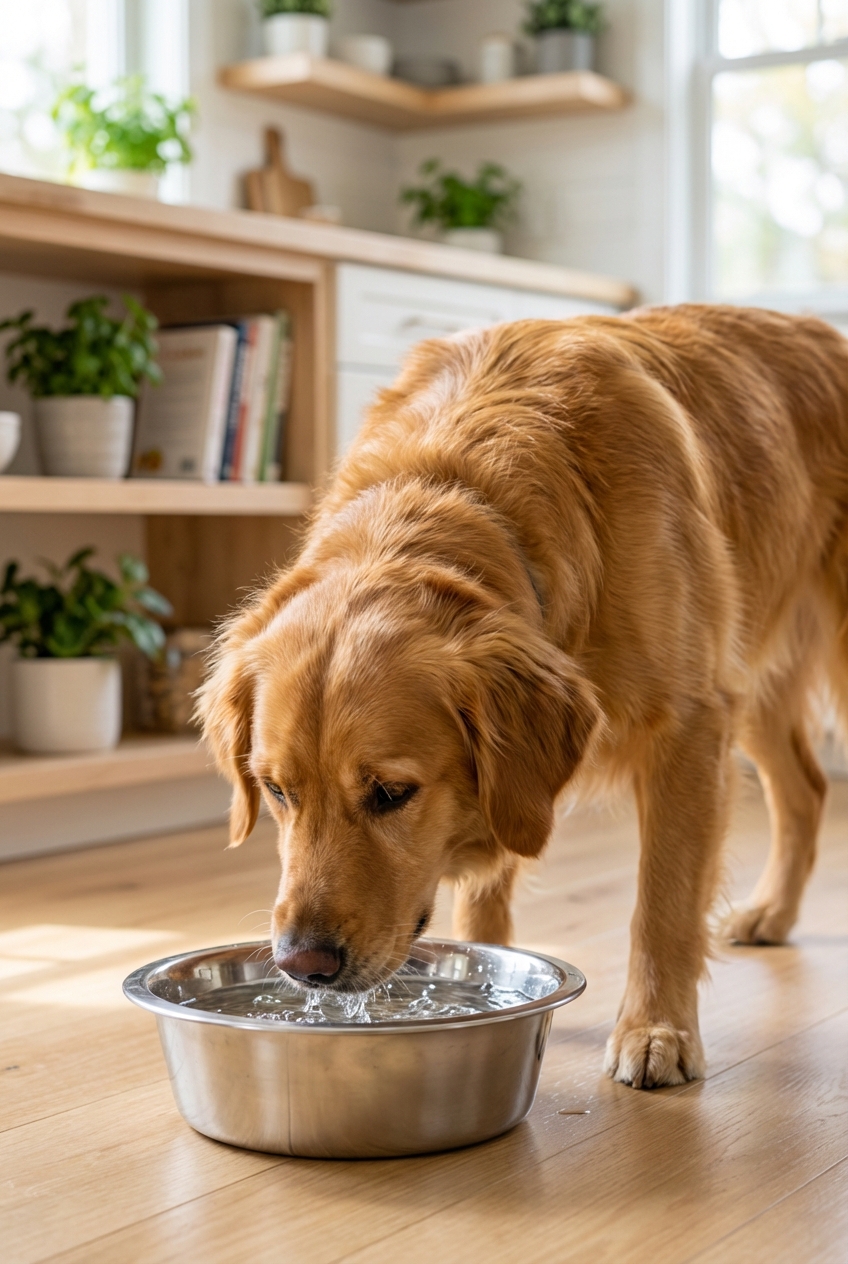
A commonly used guideline is that dogs drink about 0.5 to 1 ounce of water per pound of body weight per day. Another way you may see it written is 50 to 60 mL per kg per day. These are ballparks, not rules, and total water intake includes moisture from food (especially canned or fresh diets).
- Dry kibble usually increases water-bowl drinking because it contains little moisture.
- Canned or fresh food often reduces bowl drinking because the meal provides water.
- Hot weather, exercise, nursing, and some medications can increase water needs.
If your dog’s intake suddenly changes a lot, that matters more than the exact number.
Why some dogs do not drink enough
Before we “train” drinking, it helps to know what might be getting in the way. Low drinking is often a practical issue, not stubbornness.
Common reasons
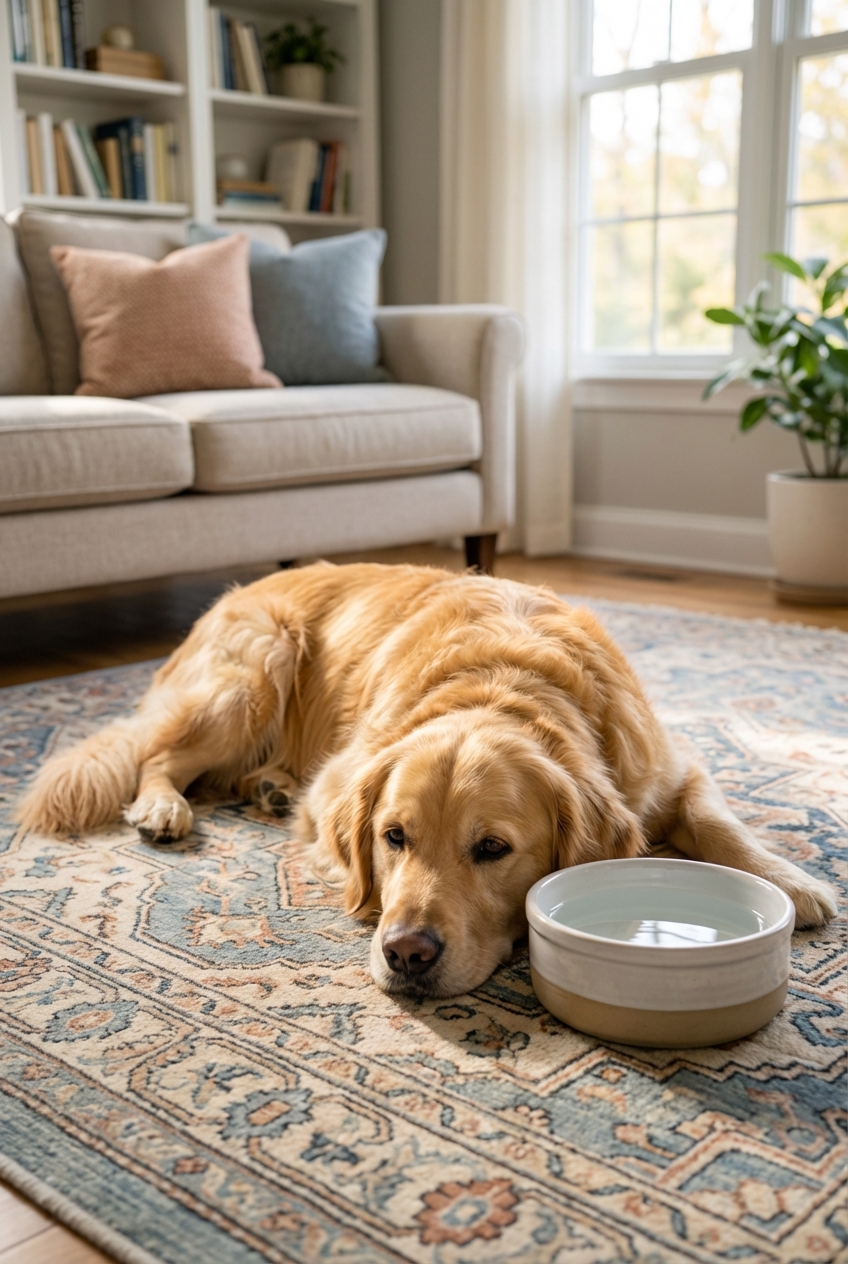
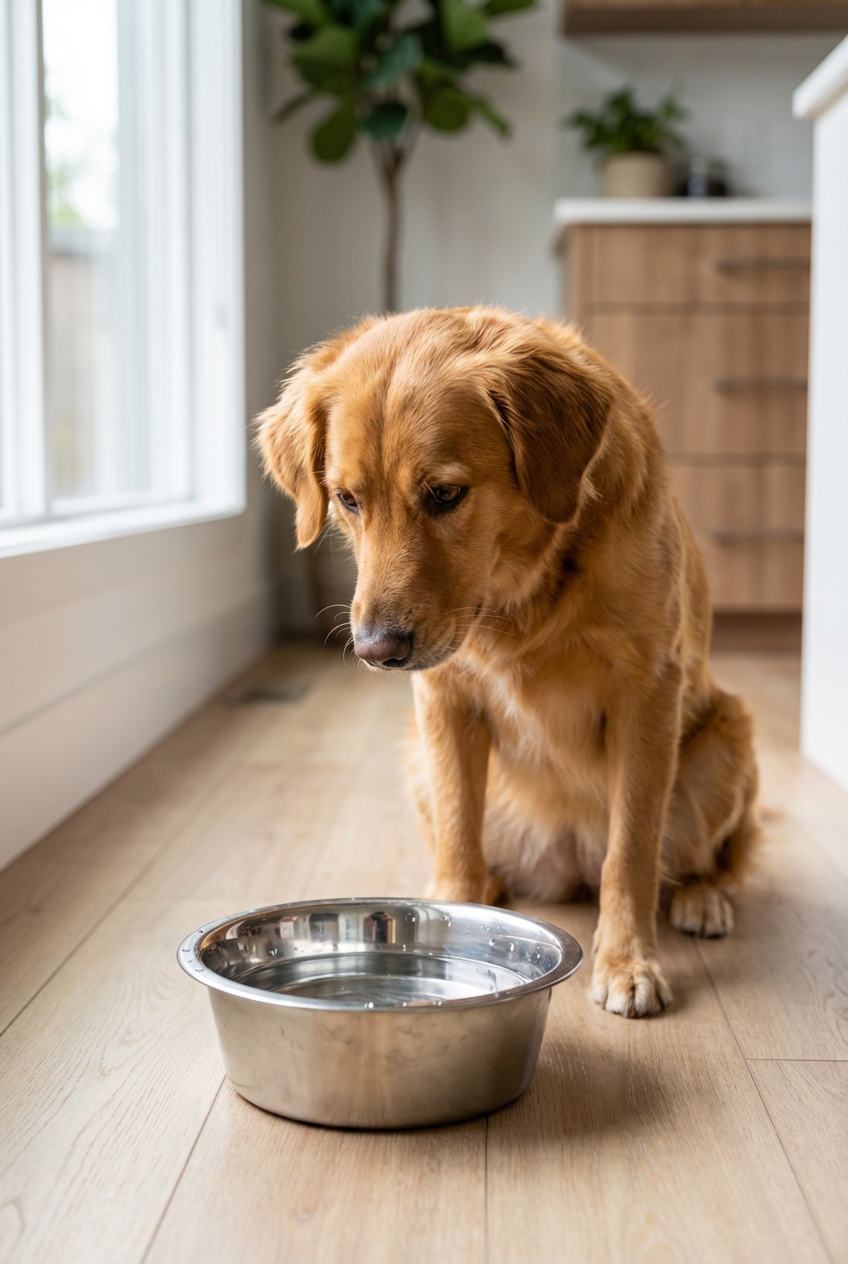
- Bowl aversion: the bowl is too deep, slides, makes noise, smells like soap, or is in a scary spot.
- Water preference: some dogs dislike chlorinated tap water and prefer filtered, cold, or moving water.
- Stress or change: travel, boarding, new pets, new home routines.
- Pain or nausea: dental pain, mouth sores, upset stomach.
- Illness or medications: many conditions (kidney disease, diabetes, Cushing’s disease, some meds) typically increase thirst and urination. Other issues (nausea, pain, fever, advanced illness) can decrease drinking.
If your dog is also lethargic, vomiting, having diarrhea, refusing food, having accidents in the house, peeing much more than usual, losing weight, or acting “off,” treat hydration as a medical priority, not just a behavior project.
Quick safety check
Dehydration can become serious quickly, especially in puppies, seniors, and small dogs.
Contact your veterinarian urgently if:
- Your dog is refusing water for about 12 hours and seems unwell, or any refusal in puppies or toy breeds.
- Your dog has had no water for 24 hours (this is too long to wait), especially if also not eating.
- There is vomiting, diarrhea, fever, or repeated gagging.
- You notice dry, tacky gums, sunken eyes, weakness, or collapse.
- Your dog is straining to urinate or cannot urinate (this is an emergency).
- Your dog is drinking way more than usual for multiple days, or you notice increased urination and accidents.
- You suspect toxin ingestion or heat illness.
At home, you can do a gentle hydration check by feeling the gums (they should be slick, not sticky) and looking at energy level. Skin “tent” testing is commonly mentioned online, but it can be unreliable in older dogs or certain breeds, so use it as a clue, not a diagnosis.
Hot weather reminder
Never restrict water in the heat. Provide shade, limit intense exercise, and watch for heatstroke signs like heavy panting, drooling, bright red gums, wobbliness, vomiting, or collapse.
How to get a dog to drink water
Think of this as making water easy, appealing, and rewarding, while removing the things that feel unpleasant.
1) Fix the setup first
- Add more stations: place bowls where your dog actually spends time, not just in the kitchen.
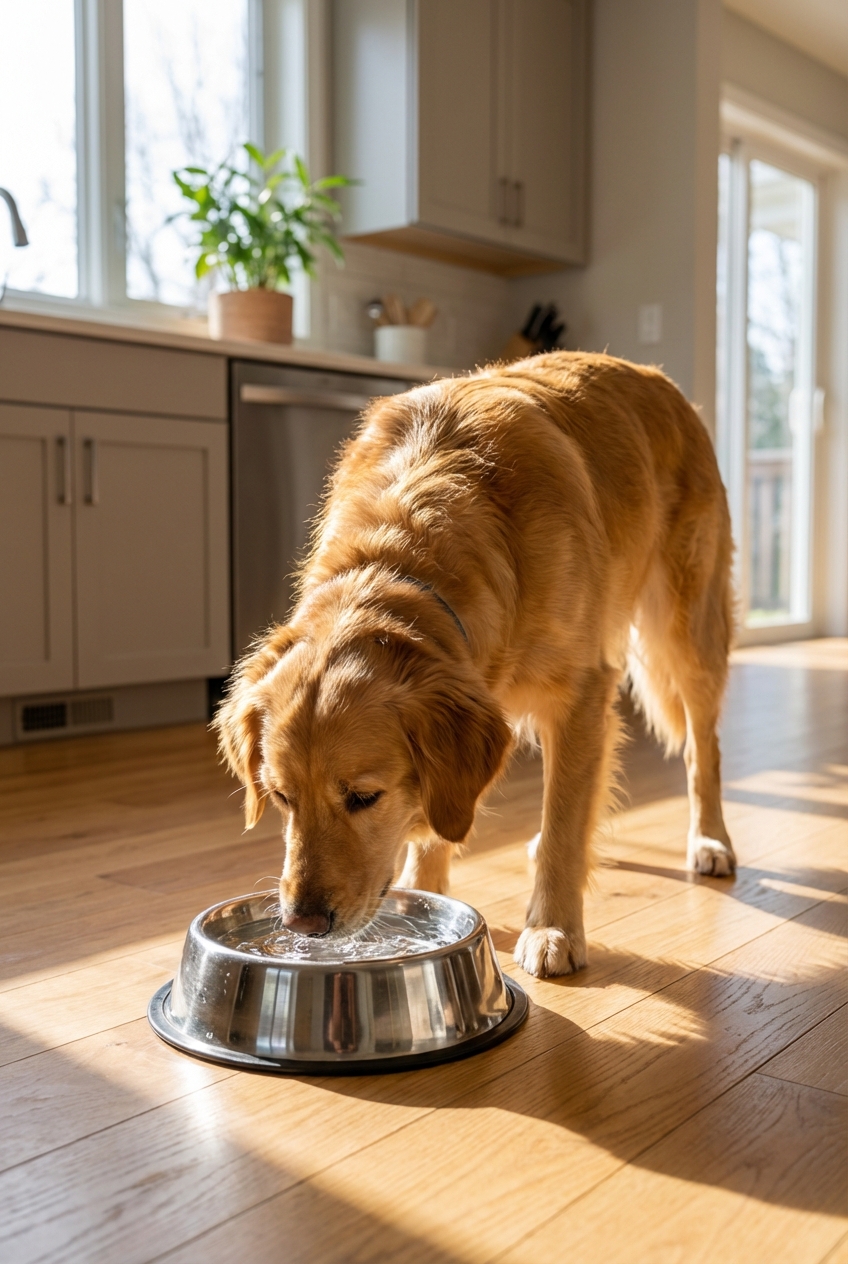
- Choose the right bowl: many dogs do best with a wide, shallow bowl. Stainless steel or ceramic are often easiest to keep fresh.
- Prevent slipping: use a non-skid mat or a rubber-bottom bowl so it does not scoot and startle your dog.
- Refresh often: dump and refill at least 1 to 2 times daily, more in summer.
- Clean daily: biofilm builds up quickly and some dogs refuse “stale” water. Use mild, unscented dish soap and rinse very well. If the bowl is dishwasher-safe, that is often a great option.
2) Track intake if you are unsure
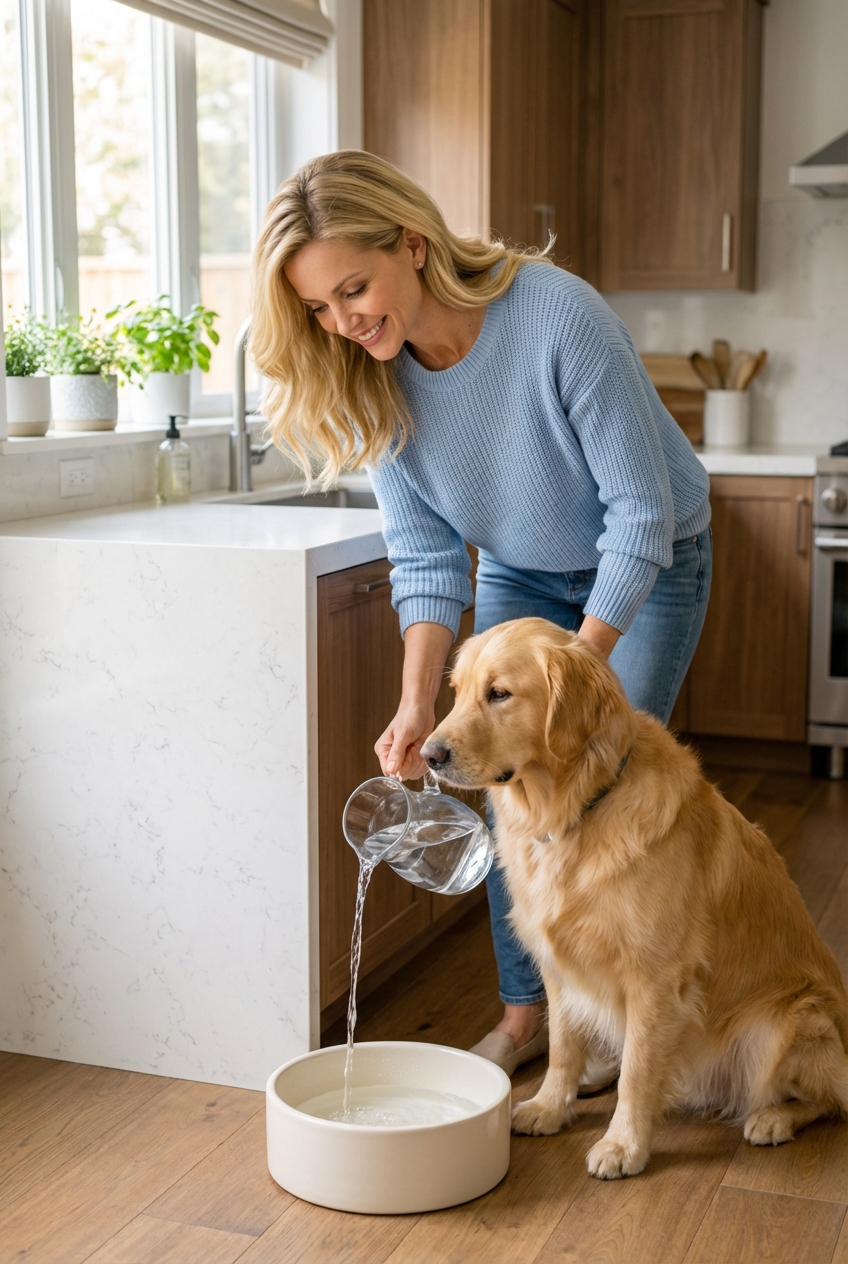
This is especially helpful in multi-dog homes. Use a measuring cup or pitcher to fill the bowl with a known amount, then measure what is left 24 hours later (and account for spills). Even a quick note in your phone helps you spot sudden changes.
3) Make water more interesting
If your dog is safe to eat the ingredient and has no special medical diet, you can add tiny flavor incentives.
- Ice cubes: many dogs will lick ice even when they refuse the bowl.
- Chilled water: some dogs prefer cool water, especially after activity.
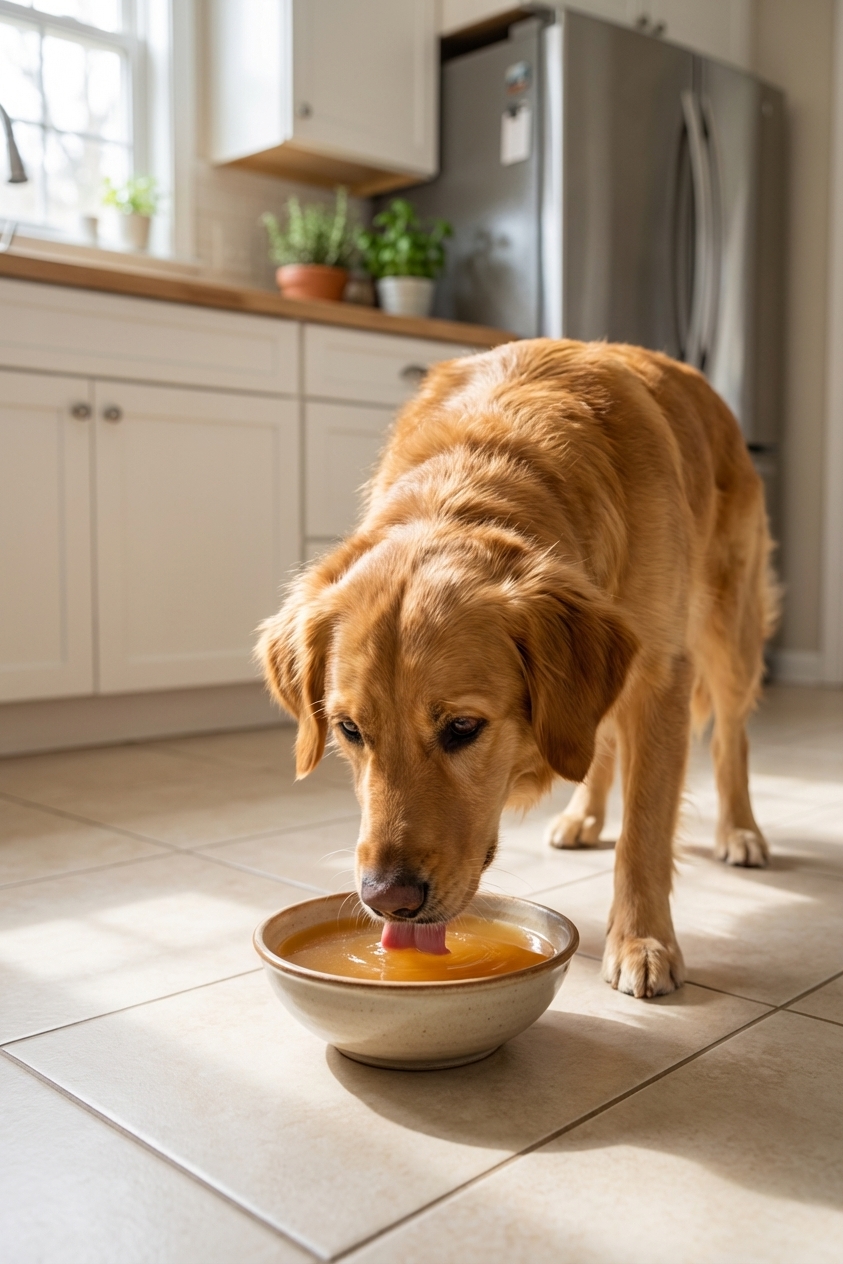
- Broth trick: add a splash of low-sodium broth to the bowl or make broth ice cubes. Avoid onion and garlic in broths. If your dog is pancreatitis-prone or on a prescription diet (especially kidney or heart), ask your veterinarian before using broths.
- Tuna water: a teaspoon of water from tuna packed in water can be motivating. Keep it occasional, not an everyday habit. If your dog has kidney disease, needs a low-phosphorus diet, has allergies, or is on a prescription diet, skip this unless your veterinarian approves.
Keep any “flavor add-ins” light. We want hydration, not a salty drink habit.
4) Use food to support hydration
This is a reliable way to boost total water intake, especially for picky drinkers.
- Add warm water to kibble: let it soak 5 to 10 minutes.
- Use canned or fresh food part-time: even a 25% switch can improve moisture intake.
- Offer water-rich snacks: cucumber slices, seedless watermelon, or plain pumpkin can help some dogs. Introduce slowly to avoid tummy upset.
5) Teach “go drink”
Yes, you can put drinking on cue for many dogs, and it is especially helpful for travel days.
- Choose a cue like “go drink.”
- Walk your dog to the bowl when you know they are likely thirsty (after play, after a walk).
- When your dog takes a sip, calmly praise and offer a small treat afterward.
- Repeat for a week, then start using the cue from a few steps away.
Keep it low-pressure. Hovering, pleading, or repeatedly tapping the bowl often makes sensitive dogs avoid it.
6) Try moving water
Some dogs are drawn to movement and sound.
- Pet water fountain: fountains circulate water and many include filters. A lot of dogs simply prefer the movement and the fresher taste.
- Dripping faucet: this can work short-term, but it is not ideal for building long-term habits, and some dogs become fixated.
7) Make travel hydration easier
Dogs often drink less in new places.
- Bring your own water from home for day trips if your dog dislikes different tap water.
- Use a portable silicone bowl and offer small drinks frequently.
- Offer water after short breaks, not only after your dog seems thirsty.
What not to do
When you are worried, it is tempting to push, but a few tactics can backfire.
- Do not force water into your dog’s mouth unless your veterinarian has specifically shown you how to syringe safely. Aspiration risk is real.
- Do not punish “not drinking.” Dogs do not connect punishment with hydration, they connect it with the bowl.
- Do not overdo electrolytes or sports drinks. These are not designed for dogs and can worsen stomach upset or sodium load.
- Do not rely on salty treats to trigger thirst. It can create new problems.
Special situations
Puppies
Puppies can dehydrate quickly. Offer water frequently, keep bowls shallow, and contact your veterinarian promptly if a puppy is vomiting, has diarrhea, seems weak, or refuses water.
Senior dogs
Older dogs may have dental pain, arthritis (making it hard to reach down), or underlying disease. Raise the bowl slightly if it helps comfort, and talk to your veterinarian if drinking changes.
Prescription diets or chronic disease
Dogs with kidney disease, heart disease, pancreatitis history, or on prescription diets may have specific hydration and sodium needs. Before adding broths, tuna water, or changing food moisture, check with your veterinarian.
Dogs who drink too much
This article is about encouraging drinking, but excessive thirst plus increased urination can be a red flag for conditions like diabetes, Cushing’s disease, kidney issues, uterine infection in unspayed females, or medication effects. If you are refilling the bowl constantly and it is new, schedule a veterinary visit.
A simple 3-day reset
If your dog is healthy but “meh” about water, try this gentle plan.
Day 1: Refresh and reposition
- Clean bowls with hot water and mild, unscented soap, then rinse well.
- Set up 2 to 3 water stations.
- Offer water after walks and play, then praise a sip.
Day 2: Add a small incentive
- Offer one bowl as plain water and one with a teaspoon of low-sodium broth (if appropriate for your dog).
- Try ice cubes as a game.
Day 3: Add moisture to meals
- Soak kibble with warm water or mix in a small portion of canned food.
- Practice “go drink” once or twice with a tiny treat reward.
Many families see improvement within a few days to a week, especially when bowl aversion is the real culprit.
Bottom line
You can often get a dog to drink more by making water easier, fresher, and more rewarding, and by boosting moisture through meals. If your dog is refusing water outright, seems sick, or has a sudden change in drinking or urination habits, do not wait it out. Hydration problems can be the first sign that your dog needs medical help.
If you are unsure whether your dog’s drinking is “normal,” contact your veterinarian. A quick check and a simple plan can prevent a small hydration issue from becoming a bigger one.