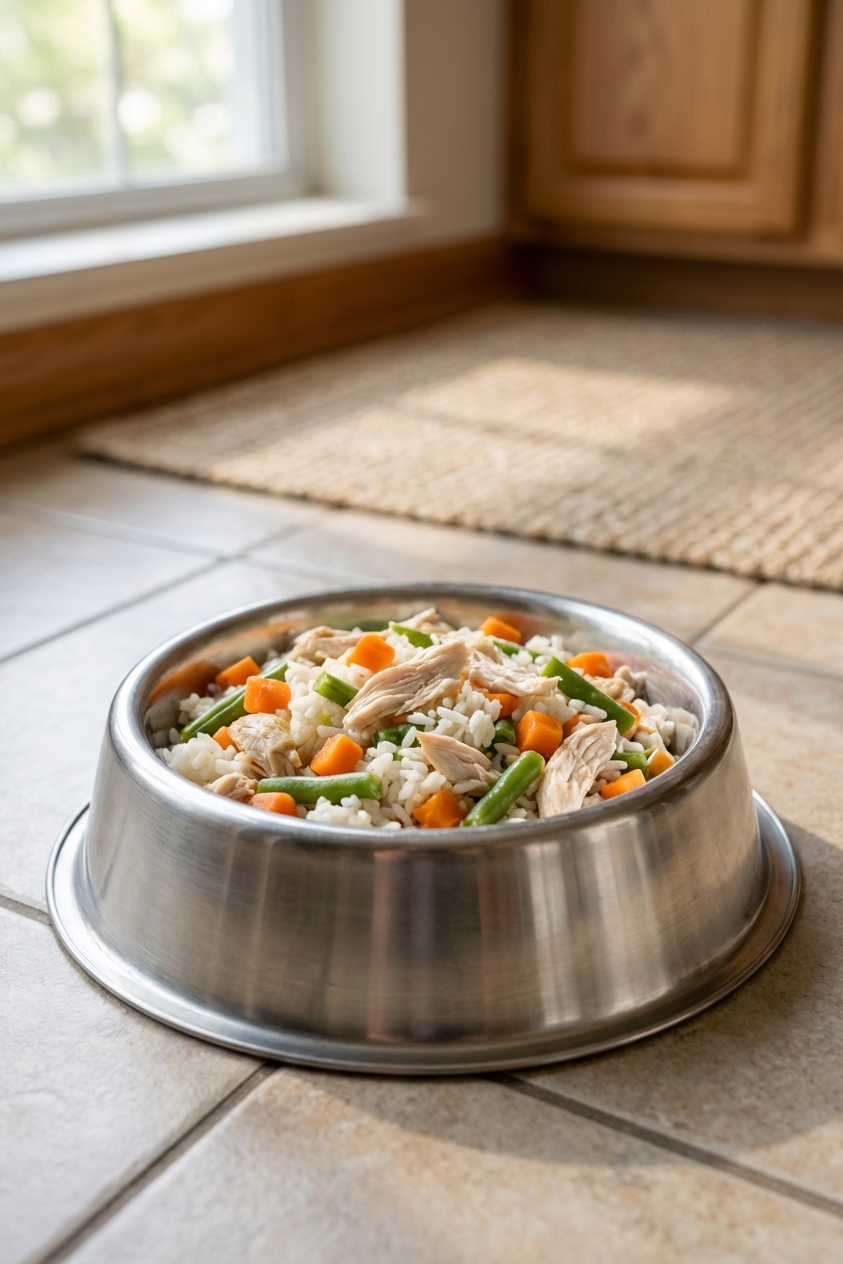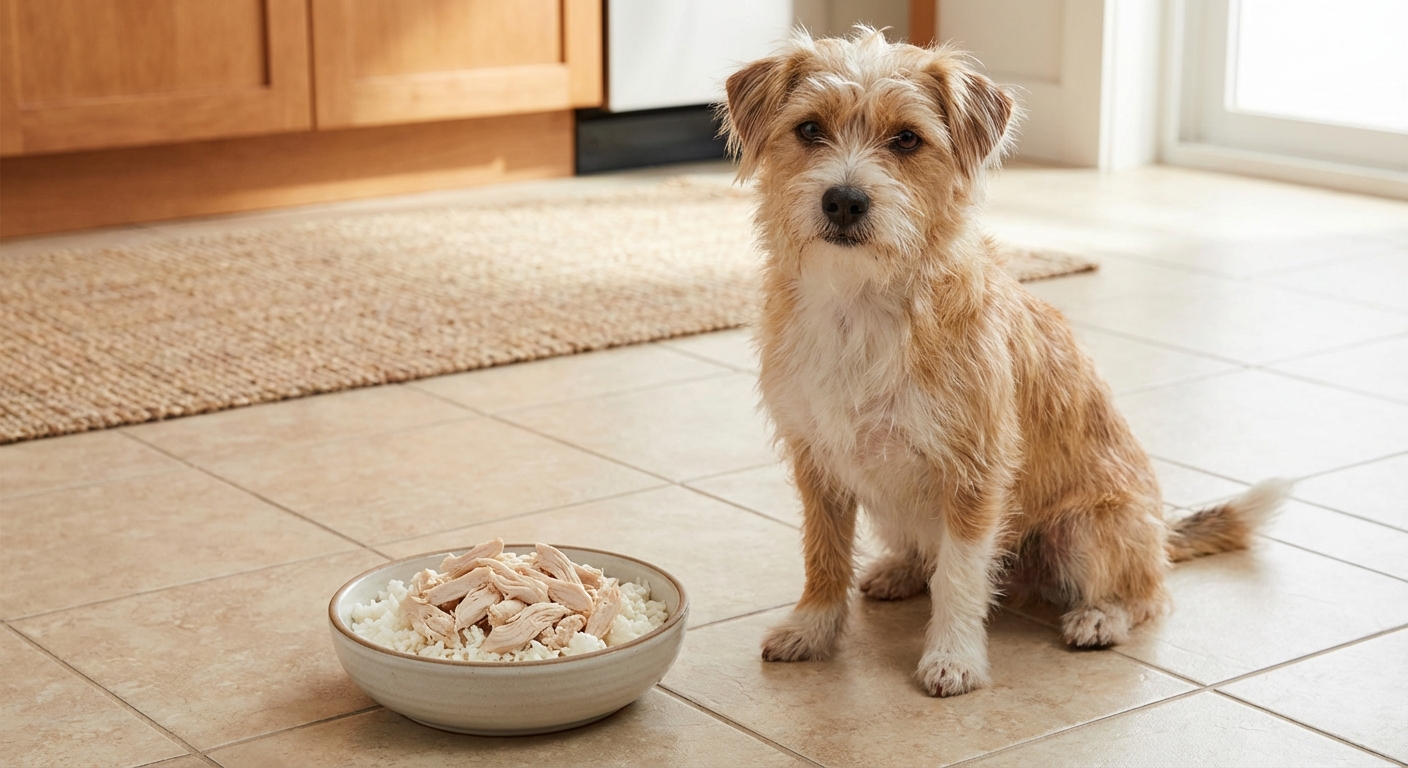
Chicken and rice can soothe mild stomach upset and help dogs transition back to normal food. Learn safe recipes, portions, how long to feed it, and when to c...
Article
•
Designer Mixes
How to Make a Constipated Dog Poop Quickly

Shari Shidate
Designer Mixes contributor
If your dog is straining, pacing, or squatting with little to nothing coming out, it is stressful for both of you. The goal here is safe, fast relief while watching closely for signs that this is more than simple constipation.
First, a quick reality check: dogs can look constipated when they actually have diarrhea trapped behind a blockage, a painful anal gland issue, or a urinary problem. So we’ll move step-by-step, starting with the safest options.
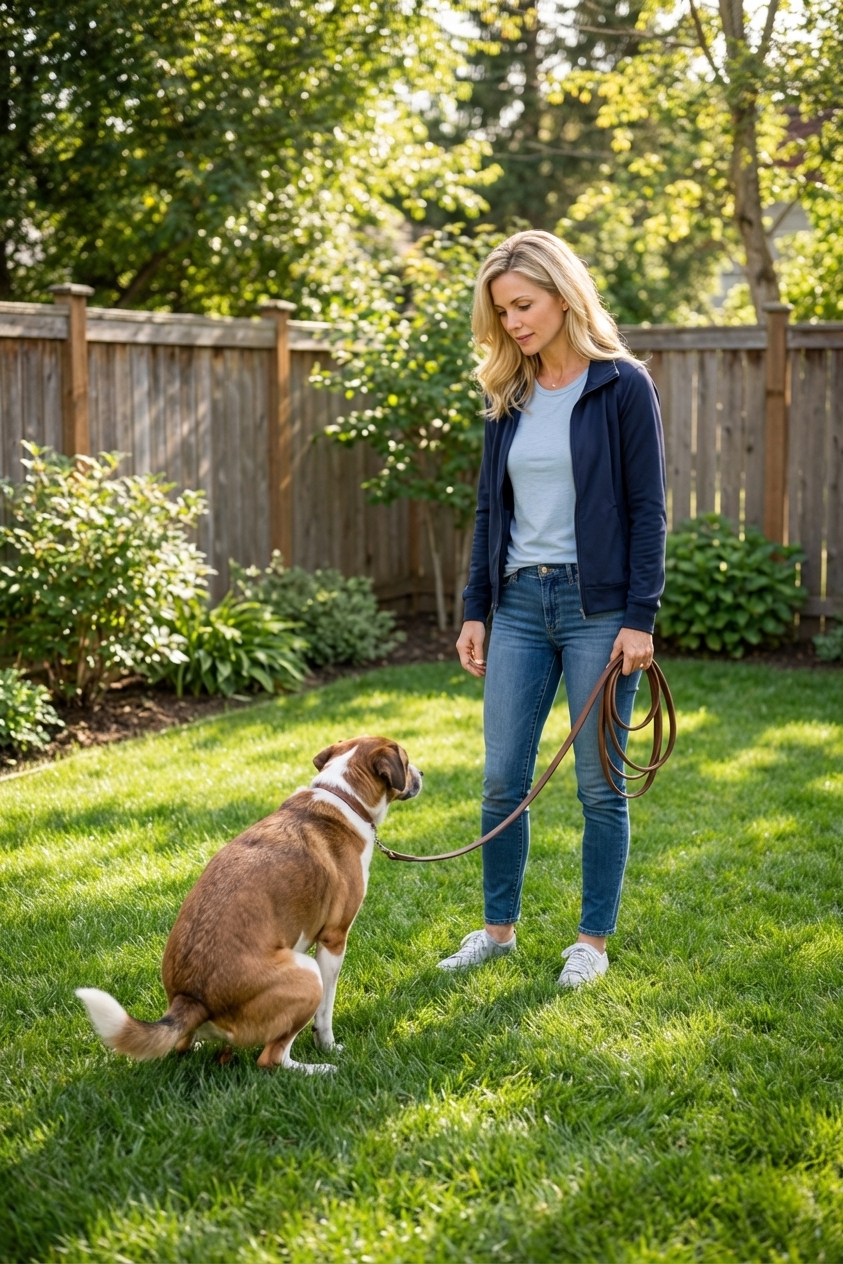
Before you try anything: confirm it is constipation
What constipation usually looks like
- Straining to poop with little or no stool produced
- Small, dry, hard stools
- Going longer than your dog’s normal routine without a bowel movement (many dogs go daily, but some may normally go every 24 to 48 hours)
- Decreased appetite or mild discomfort, but otherwise acting mostly normal
Red flags: call a vet now
These can signal a blockage, significant dehydration, severe pain, or another emergency.
- Repeated vomiting or trying to vomit
- Bloated or painful abdomen, crying out when touched
- Weakness, collapse, pale gums, or extreme lethargy
- Blood in stool, black tarry stool, or lots of mucus
- No poop plus worsening belly swelling, increasing pain, or repeated unproductive straining
- Known foreign body risk (chewed toys, bones, corn cobs, socks, rocks)
- Constipation in a puppy, senior, or a dog with kidney disease, diabetes, or heart disease (get vet guidance sooner even if signs seem mild)
- Straining to pee, dribbling urine, or frequent attempts to urinate (this can be a urinary blockage and is urgent)
If any of the above fits, it is safer to go in. True intestinal obstruction is not a “wait and see” situation.
Fast at-home steps that are usually safe
For many otherwise healthy dogs with mild constipation, the fastest help comes from hydration plus gentle fiber plus movement.
1) Start with water
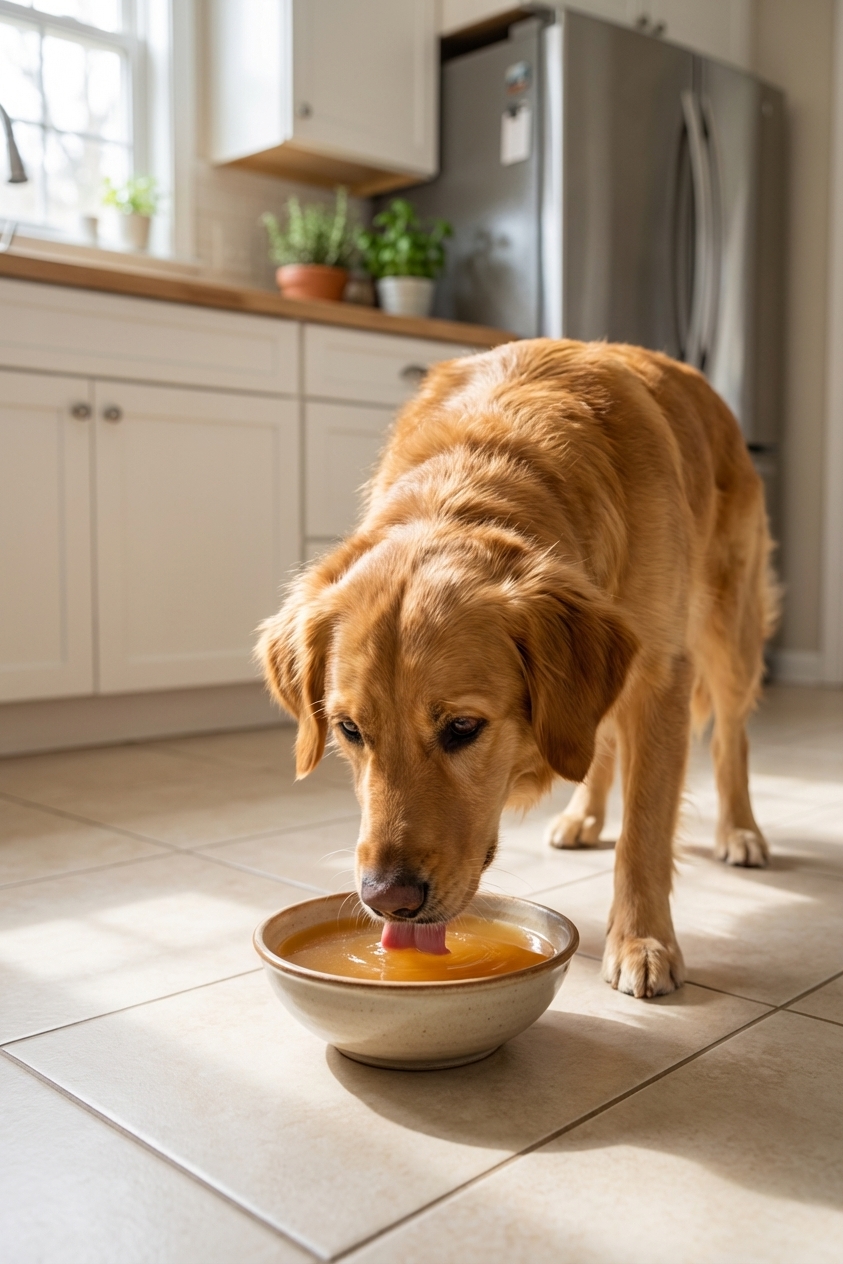
Dehydration makes stool dry and harder to pass. Encourage drinking right away.
- Offer fresh water in multiple bowls.
- Add a splash of low-sodium chicken broth to water (no onion or garlic).
- If your dog will tolerate it, offer ice chips or a few tablespoons of water at a time.
- Feed a moisture-rich meal like plain canned food or a little warm water mixed into their regular food.
Avoid forcing water down your dog’s throat. Aspiration is a real risk.
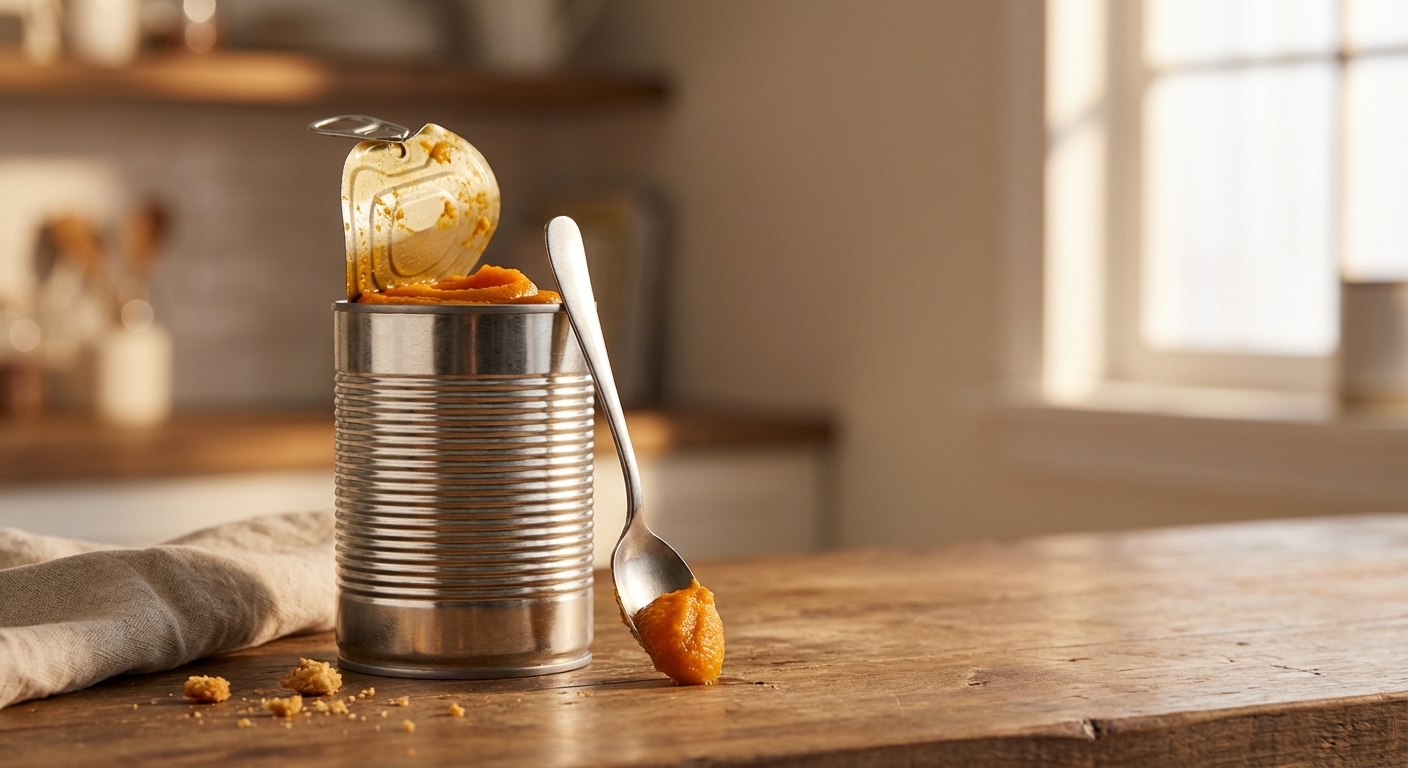
2) Pumpkin puree (a gentle first try)
Plain pumpkin puree can soften stool by adding soluble fiber and moisture. It is one of the safest first options.
- Use 100% pumpkin, not pumpkin pie filling.
- Start small. Too much fiber can cause gas or diarrhea.
- Typical starting amount: about 1 teaspoon per 10 pounds of body weight (up to about 1 to 2 tablespoons for many larger dogs).
- Mix into food and follow with access to water.
For mild constipation, some dogs may poop within 6 to 24 hours, but timing varies.
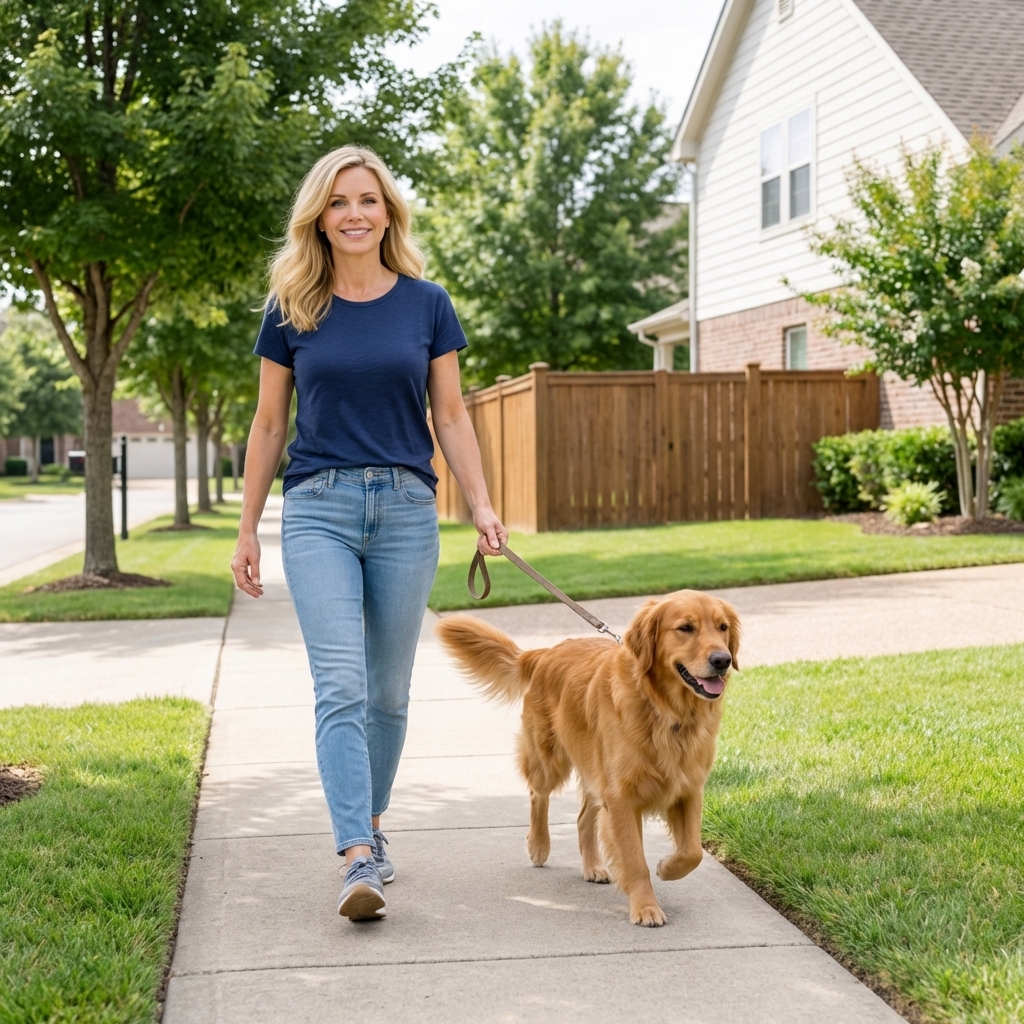
3) A short, gentle walk
Exercise is one of the quickest, most natural stimulants for bowel motility.
- Take a 10 to 20 minute leash walk.
- If your dog is willing, do two short walks a few hours apart.
- Let them sniff and move at their pace. Stress can tighten the pelvic muscles and make straining worse.
4) Warmed wet food
Warming food slightly can increase aroma and intake, and the added moisture can help stool move.
- Warm, do not hot. Test with your finger first.
- Add a little warm water to the bowl and stir.
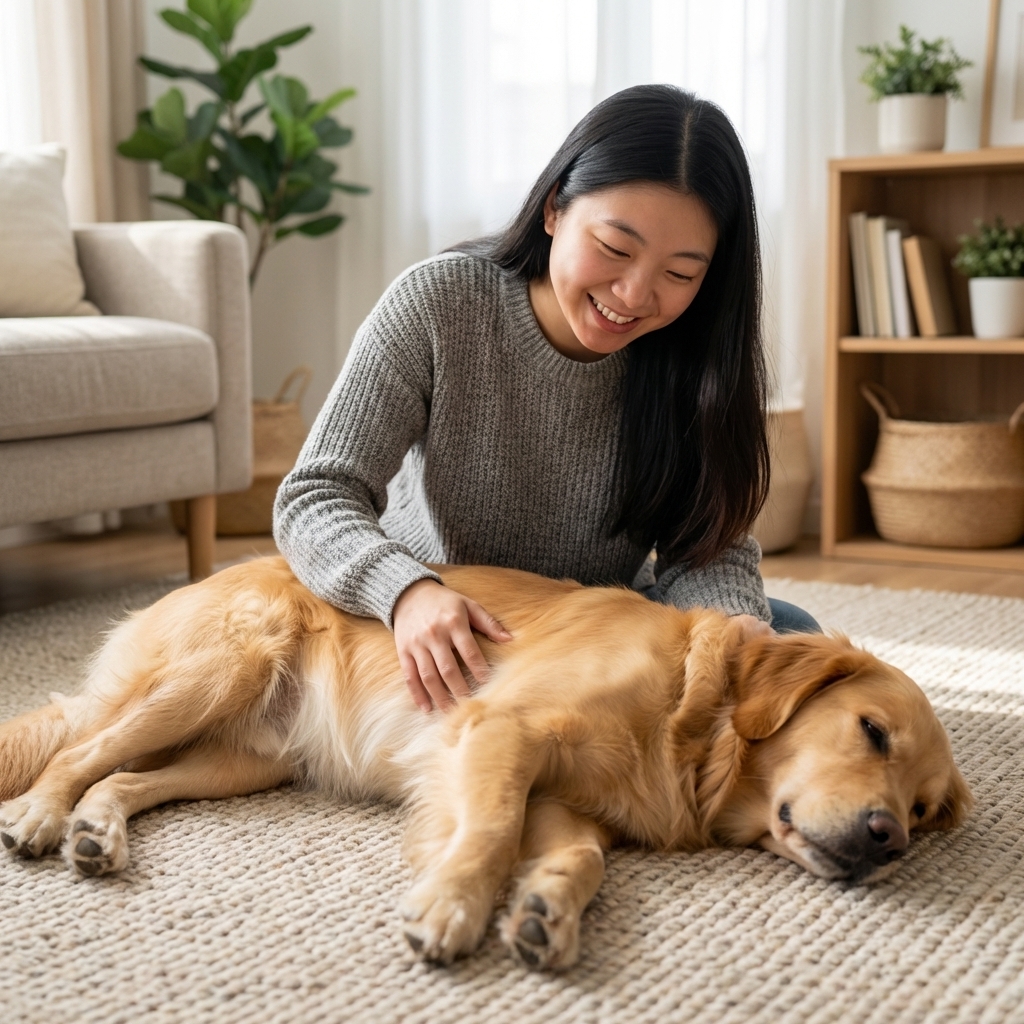
5) Gentle belly massage (only if comfortable)
A soft, slow massage can relax a tense belly and may help move gas and stool.
- With your dog standing or lying comfortably, use light circular motions on the abdomen.
- Stop immediately if your dog tenses, cries, tries to bite, or the belly feels hard and painful.
Use with caution (often best to skip)
If your dog seems miserable or you are tempted to jump to laxatives or enemas, that is often your cue to call your vet. These can help in the right hands, but they can also cause harm if constipation is not the real issue.
Warm water enema: effective, but risky
Enemas can work quickly, but they are also one of the easiest ways to accidentally injure a dog. Even plain warm water can cause irritation or, if done incorrectly, serious injury.
- Never use human enemas containing sodium phosphate (common pharmacy enemas). These can cause dangerous electrolyte shifts in dogs.
- Do not attempt at home if your dog is vomiting, painful, very small, very old, dehydrated, or you suspect a blockage.
- If your vet has specifically instructed you and given the right product and dose, follow their directions exactly.
If you are considering an enema because your dog is miserable, a same-day vet visit is usually the safest and fastest relief. In-clinic enemas, lubrication, and pain control are more controlled and effective.
Laxatives and stool softeners: vet-guided only
Some medications can help constipation, but the wrong choice can make things worse, especially if there is an obstruction. Call your veterinarian before using:
- Human stool softeners or laxatives (including products with docusate, bisacodyl, senna, or magnesium), unless your vet gives a specific dose
- Mineral oil by mouth (aspiration risk and can lead to pneumonia)
- “Natural detox” products (often contain stimulants that cause cramping and dehydration)
If your dog is straining hard: check this now
Look for hair, string, or debris
Sometimes a dog is “constipated” because stool is physically stuck.
- If you see a small piece of stool partially out, do not pull if it looks connected to string, fabric, or hair. Pulling can cause internal damage.
- If a little stool is stuck at the opening and there is no string, a warm wet cloth can sometimes help clean and relax the area.
Think about anal glands
Dogs with anal gland issues may strain and look constipated. Common clues:
- Sudden scooting
- Excessive licking under the tail
- A fishy odor
Anal glands should be handled by a trained professional. Squeezing incorrectly can cause injury or infection.
Consider pain or recent changes
Constipation is often tied to everyday factors, especially if your dog is otherwise acting normal. Common contributors include:
- Low water intake or dehydration (hot weather, not drinking well, illness)
- Low activity
- Diet change or too many treats
- Pain (arthritis or back pain can make squatting uncomfortable)
- Some medications, especially pain meds like opioids
- Hair ingestion and poorly digestible items
When to go to the ER
Go in urgently if:
- Your dog has not pooped in 48 hours and is clearly uncomfortable
- There is vomiting, loss of appetite, or worsening lethargy
- There is abdominal swelling or pain
- You suspect they ate bones, toys, corn cobs, underwear, or anything that could obstruct
- Your dog cannot settle, keeps posturing, or cries when trying
In the ER, vets can assess dehydration, do an abdominal exam and imaging if needed, and provide the right laxatives, fluids, or enema safely. If there is a blockage, fast treatment matters.
A simple today plan
If your dog has mild constipation and no red flags, here is a gentle, common approach many veterinarians consider reasonable for short-term help:
- Step 1: Encourage water intake now.
- Step 2: Add plain pumpkin puree to the next meal (start small).
- Step 3: Take a 10 to 20 minute walk.
- Step 4: Reassess within 6 to 12 hours. If no poop and your dog is uncomfortable, call your vet for same-day guidance.
If your gut says “this is not normal for my dog,” trust that instinct. Constipation can be simple, but it can also be your first warning sign of something serious.
Prevent constipation
Once your dog is back to normal, a few small habits can reduce repeat episodes:
- Prioritize moisture daily: add water to meals, use wet food when appropriate, and keep fresh water available.
- Keep them moving: regular walks help bowel motility and weight management.
- Do diet changes slowly: sudden switches can disrupt digestion.
- Use fiber thoughtfully: some dogs benefit from a consistent, vet-approved fiber source. Too much can backfire.
- Ask about probiotics: they can help some dogs, especially after diet changes or GI upset.
If constipation keeps coming back, or if your dog regularly strains even when stool is soft, schedule a vet visit. Recurrent constipation can point to pain, dehydration issues, medication side effects, or conditions like chronic constipation and megacolon that need a proper workup.
Quick FAQ
How long is too long without pooping?
Many dogs poop once or twice daily, but routines vary with diet and the individual. As a general rule, more than 48 hours without a bowel movement, especially with discomfort, warrants a veterinary call or visit.
Will pumpkin work right away?
Sometimes. For mild constipation, some dogs respond within 6 to 24 hours. If your dog is severely dehydrated, painful, or blocked, pumpkin alone may not be enough.
Should I feed bones for constipation?
No. Bones can cause hard, chalky stools and can also create dangerous obstructions or tears.