If your cat suddenly won’t use the litter box, it’s rarely spite. Review medical causes and emergency signs, enzymatic cleanup, box setup tweaks, stress ...
Article
•
Designer Mixes
How to Litter Train an Older Cat

Shari Shidate
Designer Mixes contributor
If you are trying to litter train an older cat, take a deep breath. You are not behind, and your cat is not being “bad.” In my experience as a veterinary assistant, litter box problems in adult and senior cats often trace back to one (or a mix) of three things: a medical issue, a box setup that does not feel comfortable or easy to use, or stress and routine changes.
The wonderful part is that when you address the real “why,” many older cats improve noticeably. Timelines vary, but the right setup can make a big difference fast.
Start here: rule out medical causes
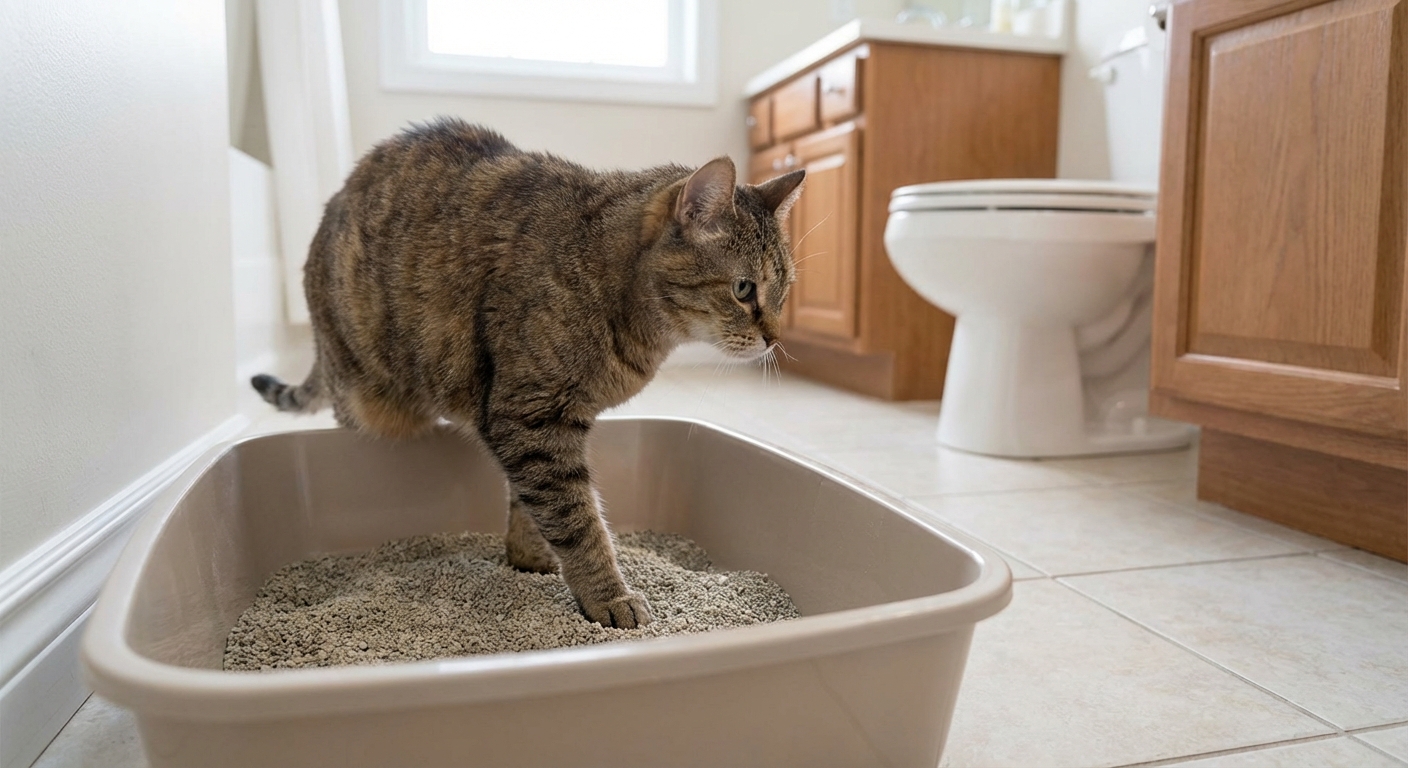
Before you assume your cat needs training, it is smart to treat new house-soiling as a potential health signal. Cats are experts at hiding discomfort. A cat who suddenly avoids the litter box may be trying to tell you it hurts, they cannot get in comfortably, or they feel urgency they cannot control.
Common medical contributors
- Lower urinary tract disease (FLUTD), including idiopathic cystitis (inflammation without infection) and, in male cats, blockage risk. Signs can include frequent trips, small urine spots, straining, crying, or peeing outside the box.
- Arthritis or mobility pain, especially in older cats who struggle with high-sided boxes or stairs.
- Constipation or painful bowel movements that make the box feel like a “bad place.”
- Kidney disease, diabetes, hyperthyroidism, and other conditions that increase urine volume and urgency.
- Cognitive changes in senior cats, which can affect routines and memory.
If your cat is straining to urinate, producing little to no urine, or seems painful, treat it as urgent. Especially in male cats, urinary blockage can become life-threatening quickly.
Note: I am sharing general guidance from a veterinary assistant perspective, but this is not a substitute for veterinary diagnosis or care.
What “training” means for older cats
Kittens are learning from scratch. Older cats are usually either:
- Re-learning because the environment changed (new home, new pets, new litter, new box location).
- Adapting because their body changed (pain, urgency, vision issues).
- Avoiding the box because stress or a negative association made it feel unpleasant or risky.
So your goal is not to “teach obedience.” Your goal is to make the litter box the easiest, calmest, most comfortable bathroom option in the house.
Set up the box for success
Choose the right box
- Size matters: Aim for a box about 1.5 times your cat’s body length (not including the tail) so they can turn around easily.
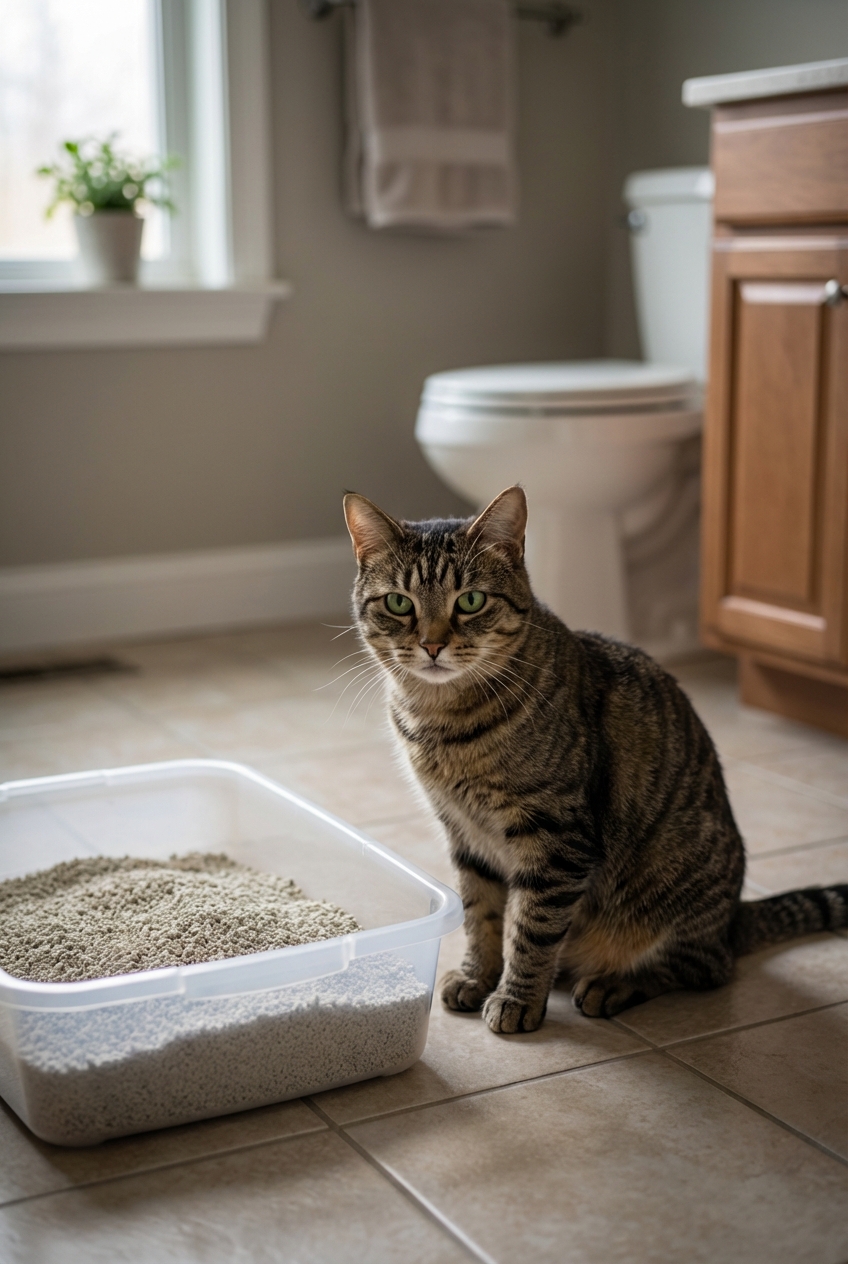
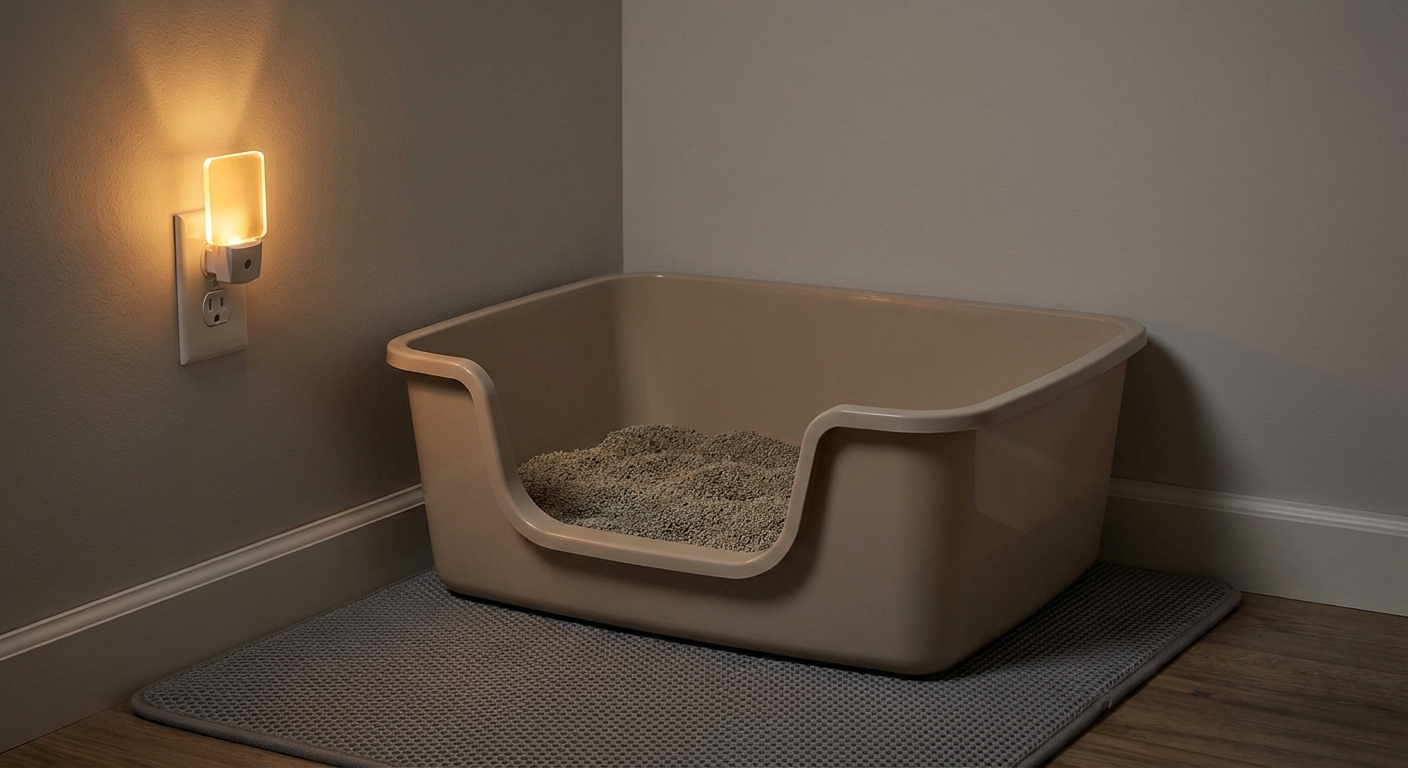
- Low entry for older cats: If arthritis is possible, use a low-cut entry or senior-friendly box. Even a shallow plastic storage bin can work.
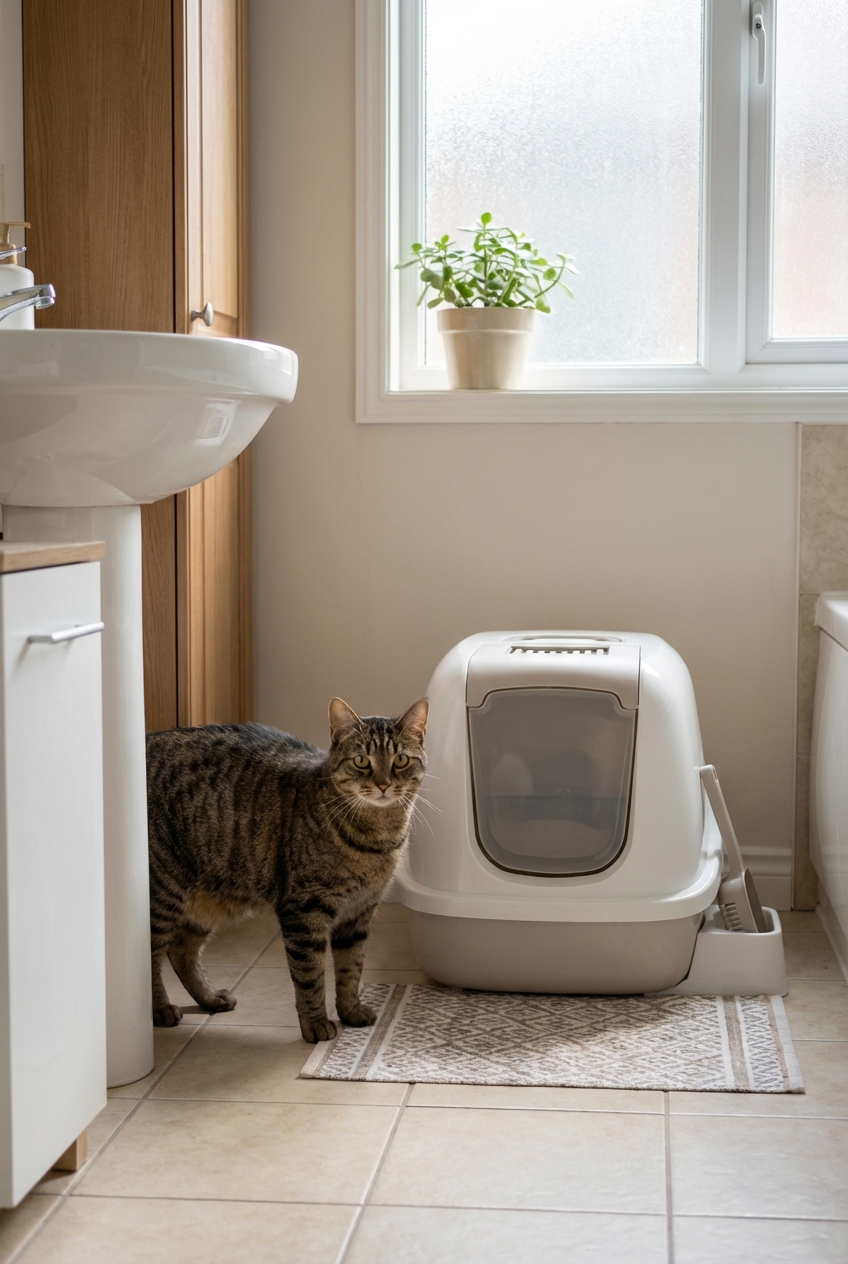
- Skip the cover at first: Covered boxes can trap odor and make some cats feel cornered. You can always add a cover later if your cat prefers privacy.
Pick a litter most cats accept
- Unscented clumping litter is often the most universally accepted starting point.
- Choose a soft, sand-like texture, especially for cats with sensitive paws.
- Litter depth: Start around 2 to 3 inches. If your cat is a “digger” they may prefer a bit more, and some cats prefer less. Adjust based on what you observe.
- If you need to switch litter types, do it gradually by mixing over 7 to 14 days.
Location matters
- Place boxes in quiet, low-traffic areas.
- Avoid putting the box next to loud appliances like washers, dryers, or furnaces.
- Make sure your cat has easy access, especially at night.
Use the right number of boxes
A simple rule that helps many households is: one box per cat, plus one extra. Even with one cat, adding a second box can be a game changer, especially if your home has multiple floors or your cat has urgency issues.
- Multi-level home: put at least one box on each level.
- Mobility issues: reduce the distance your cat has to travel.
A gentle retraining plan
Step 1: reset the environment
Thoroughly clean previous accident areas with an enzymatic cleaner designed for pet urine. Regular cleaners can leave scent traces that your cat still detects.
Avoid ammonia-based cleaners and strong fragrances. Ammonia can smell urine-like to cats, and perfumes can create their own “do not use” signal.
Step 2: make the right choice easy
- Start with at least one box in the area where accidents are happening, if possible.
- Keep the box extremely clean during retraining. Scoop at least once daily, ideally twice.
- Offer calm praise when you see your cat use the box, but do not startle them mid-process.
Step 3: build a simple routine
Older cats often do best with consistency.
- After meals and after naps, encourage your cat to head toward the box. If they do not go, that is fine. Try again later. Do not force them into the box.
- If your cat is new to your home, consider a smaller “settling room” for a few days with food, water, bedding, scratching options, and a litter box. Keep food and water on the opposite side of the room from the litter box if you can. Once habits are reliable, expand access slowly.
What not to do
- Do not punish. It increases stress and can make avoidance worse.
- Do not rub your cat’s nose in accidents. Cats do not connect that with “learning.”
- Do not chase or corner them near the box. You want the box to feel calm and predictable.
Common deal breakers
The box is too dirty
Many cats are clean freaks. If the box is even slightly unpleasant, they may choose a bath mat or laundry pile instead.
- Scoop daily.
- Wash the box with mild soap and warm water every 1 to 4 weeks, depending on your cat and litter type.
The box hurts to use
If your cat hesitates, steps in and out, or seems stiff, assume the box might be physically uncomfortable.
- Switch to a low-entry box.
- Use a softer litter texture.
- Place a non-slip mat nearby so your cat feels stable entering and exiting.
The location feels unsafe
Cats are vulnerable while using the litter box. If another pet ambushes them or the box is in a noisy hallway, they may avoid it.
- Add a second box in a calmer location.
- Block visual access if another cat is “guarding” the route, using furniture placement or a pet gate with cat access.
If your cat was outdoor-only
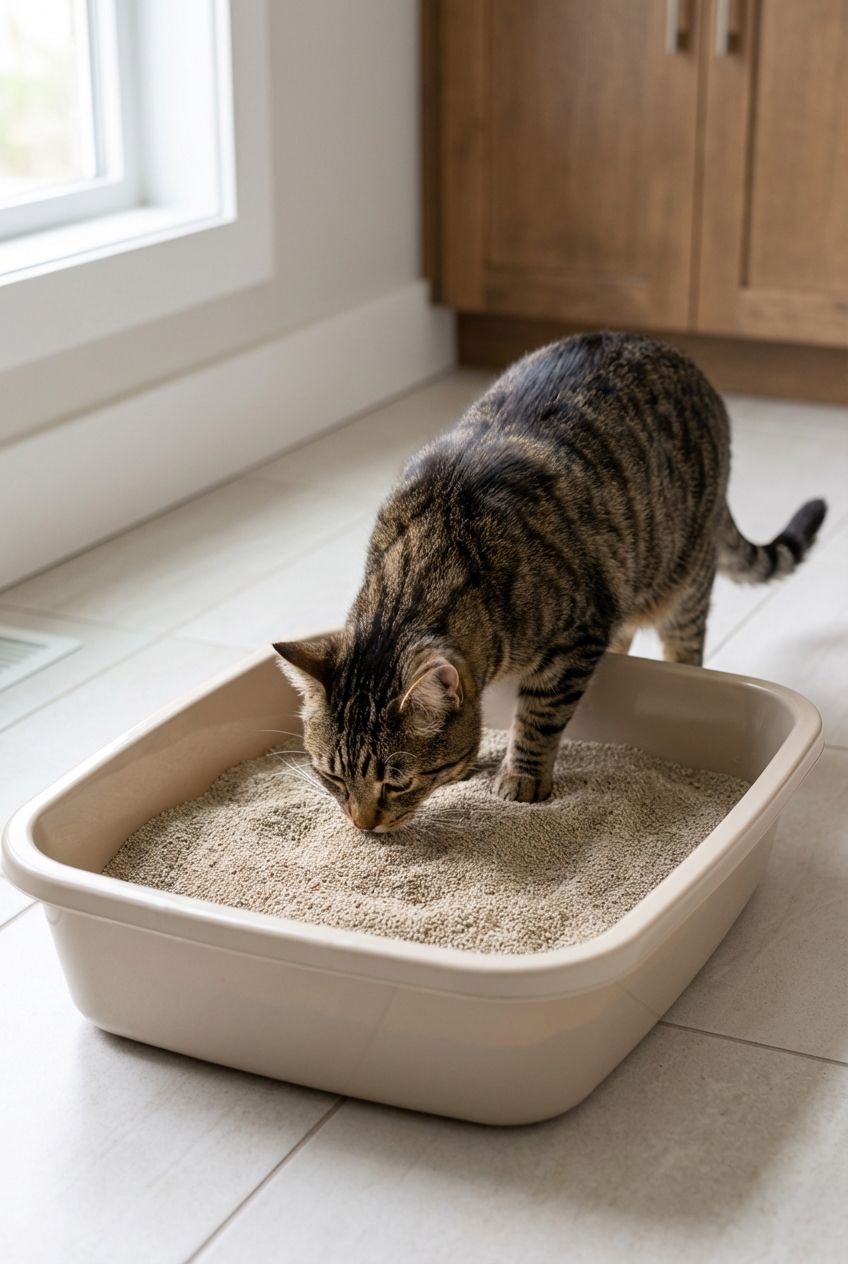
Some adult cats have never learned to use litter because they eliminated outside for years. The good news is that you can still teach them by matching what feels natural.
- Try a larger box with a fine, soil-like litter.
- Keep the box in a quiet spot and avoid scented litter.
- Some cats transition faster if you start with a litter that mimics outdoor texture, then gradually move to your preferred litter.
If accidents continue: quick checks
- Is this new behavior? If yes, schedule a veterinary visit.
- Is your cat peeing, pooping, or both outside the box? Urine problems often point to FLUTD or stress. Stool problems can point to constipation, pain, or box preference.
- Where is it happening?
- Right next to the box often suggests box aversion, pain, or a setup issue (entry too high, litter texture, dirty box).
- Far from the box can suggest access issues (too few boxes, stairs, closed doors), stress, or routine disruption.
- Are you using scented litter, liners, or heavy perfumes? Many cats dislike them.
- Is the box hard to reach? Consider night access, stairs, and distance.
- Are there conflicts with other pets? Add boxes, separate resources, and provide escape routes.
- Are accidents happening on soft items? That can suggest your cat is seeking comfort due to urinary discomfort, or they may prefer a softer “substrate” than the litter you chose.
When to get extra help
If you have tried the setup changes above for 1 to 2 weeks and you are not seeing improvement, it is time to lean on professional support. Your veterinarian can check for pain, FLUTD, constipation, and age-related conditions. If medical issues are ruled out, a certified feline behavior professional can help identify stress triggers and create a tailored plan.
If stress is a major factor, ask your vet whether a feline facial pheromone diffuser might be a helpful add-on. It is not a cure-all, but it can support calmer routines for some cats.
A successful litter box plan is not about being strict. It is about meeting your cat where they are and making the healthy choice the easiest choice.
Quick recap
- Rule out medical causes first, especially for sudden changes.
- Use a large, easy-entry box and unscented litter.
- Start with about 2 to 3 inches of litter, then adjust to your cat’s preference.
- Add boxes and place them in quiet, accessible locations.
- Clean accident areas with an enzymatic cleaner and avoid ammonia or heavy fragrances.
- Stay calm and consistent. No punishment.
With the right setup and a little patience, many older cats return to reliable litter box habits. And once you see that first week of consistency, it is such a relief for everyone in the home.