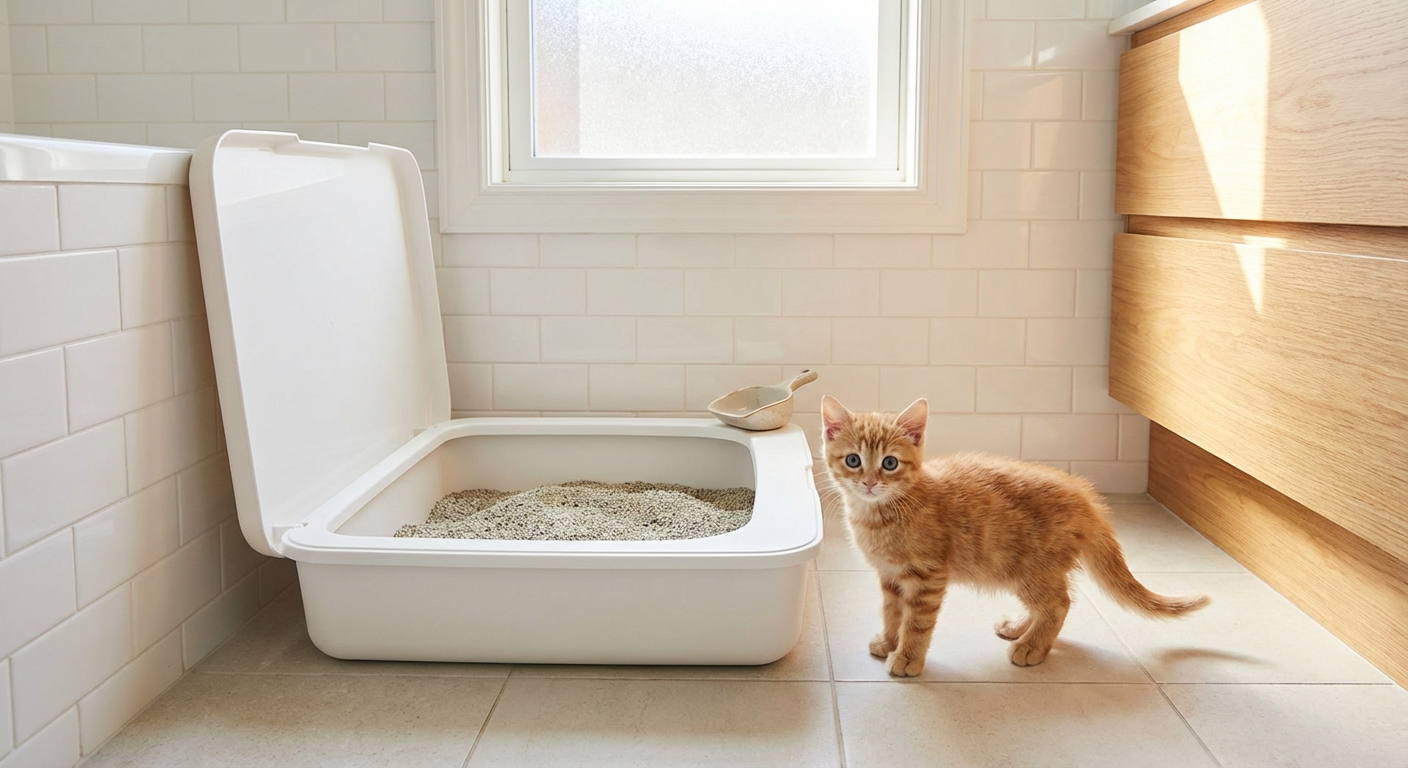
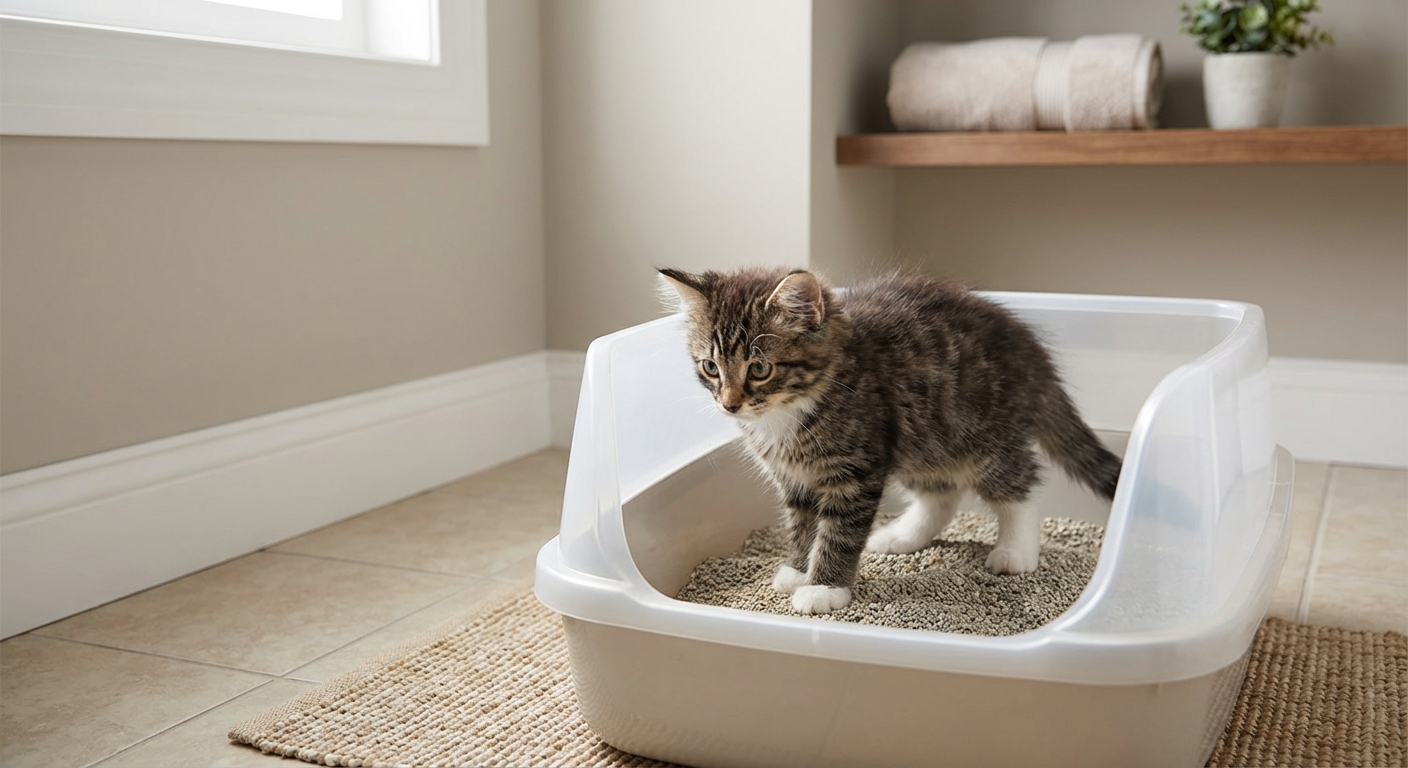
Set your kitten up for litter box success with a low-entry box, gentle unscented litter, smart placement, a simple routine, cleaning tips, and vet red flags ...
Article
•
Designer Mixes
How to Litter Train a Kitten Fast

Shari Shidate
Designer Mixes contributor
Surprisingly, litter training is often one of the easiest parts of bringing home a kitten because most kittens want to be clean. Your job is to make the “right spot” obvious, easy to reach, and calm. With a smart setup and a few quick habits, many kittens pick it up quickly, though timelines vary with age, stress, and what they used before.
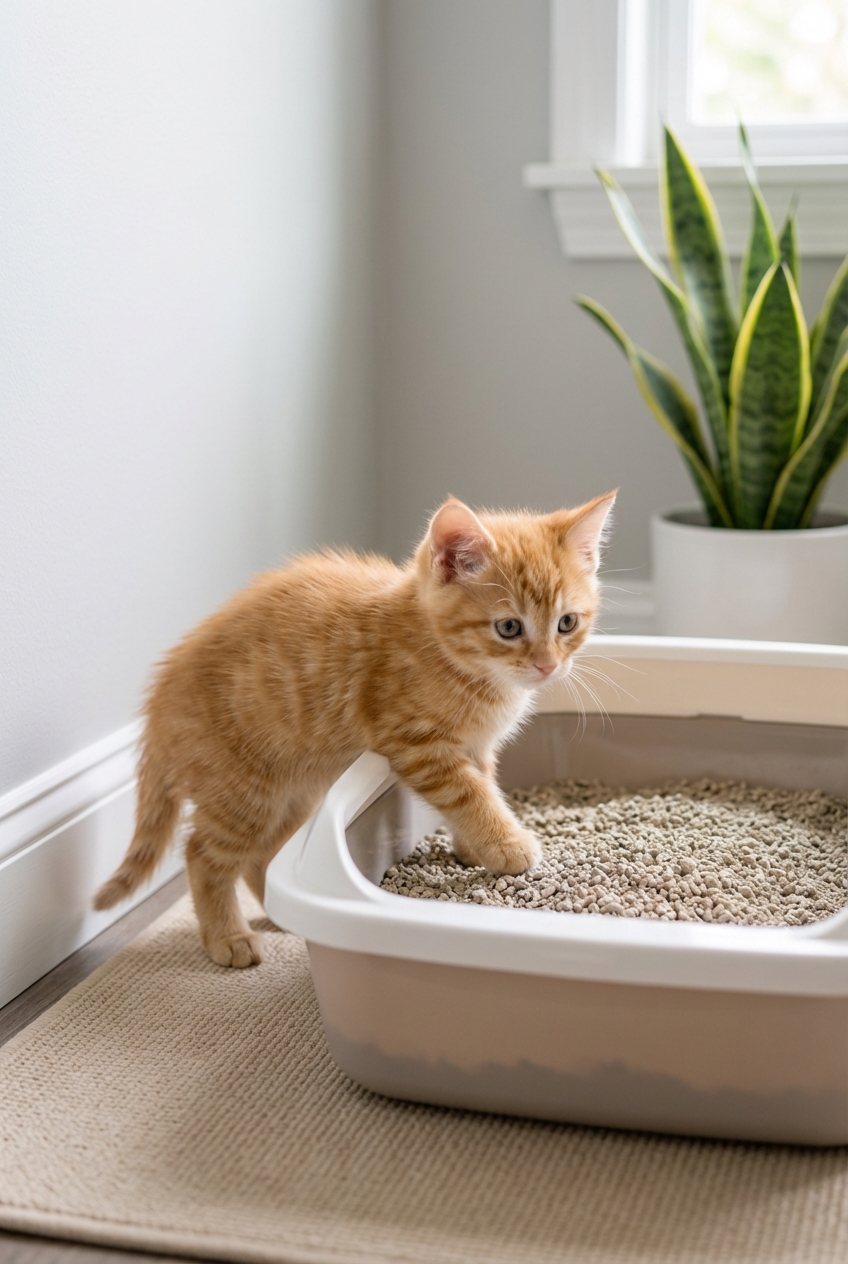
As a veterinary assistant, I have seen the same truth over and over: litter box issues are usually not a “bad kitten” problem. They are a setup problem, a stress problem, or sometimes a medical problem. Let’s set you up for fast success.
Fast-start checklist
If you only do a few things today, do these. They create the quickest learning curve.
- Start small: keep the kitten in one easy-to-clean room (bathroom, laundry room, spare bedroom) for 24 to 72 hours.
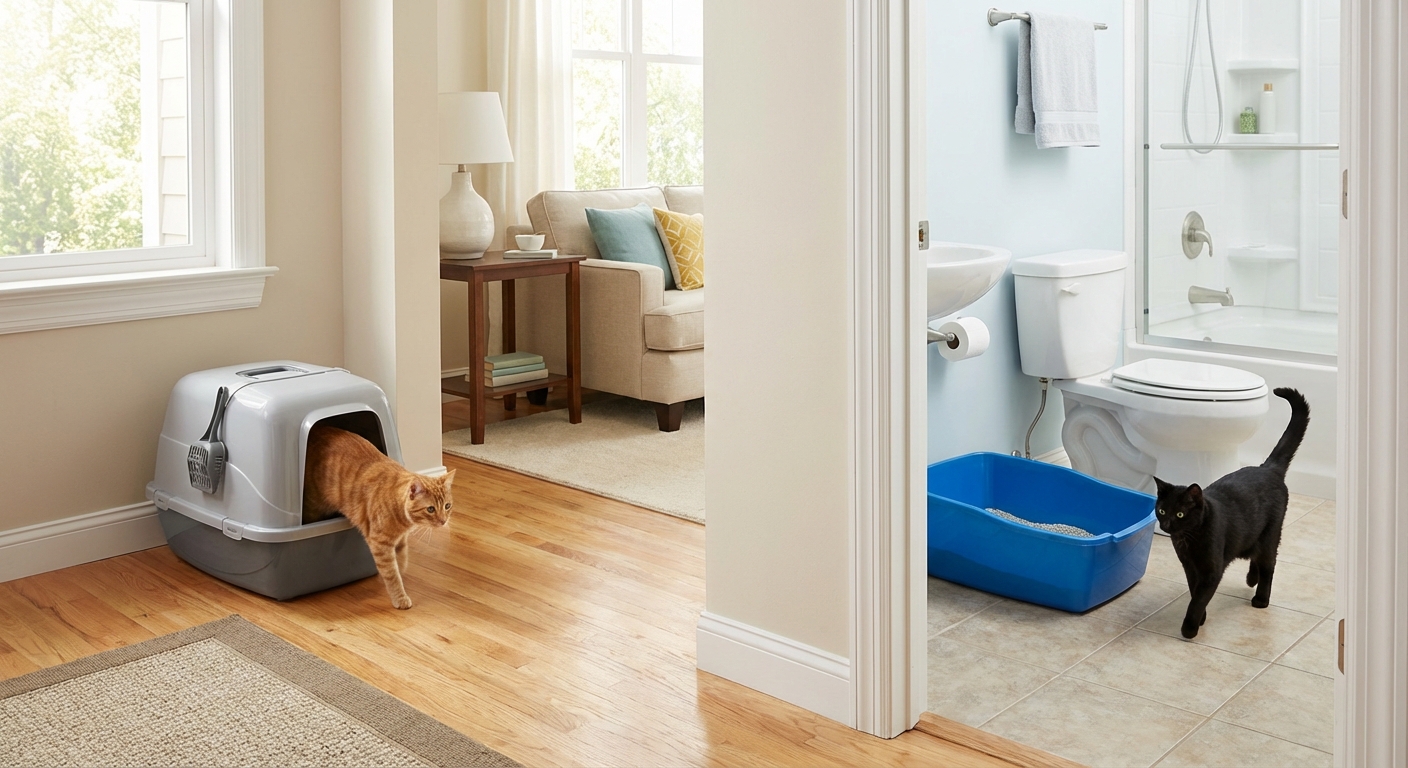
- Use 2 boxes if you can: kittens do better when a box is always nearby. In bigger homes, a simple rule is one box per floor.
- Choose an unscented litter: most kittens accept it, and it keeps things simple.
- Safety note for young kittens: if your kitten is under 4 months or tries to eat litter, choose non-clumping litter (non-clumping clay, paper, or pine) to reduce the risk of digestive blockages. Ask your shelter or vet what they recommend.
- Use a low-entry box: small bodies need a short step in.
- Scoop at least once daily: clean boxes are one of the best ways to prevent accidents.
Set up the litter box the kitten way
Location matters
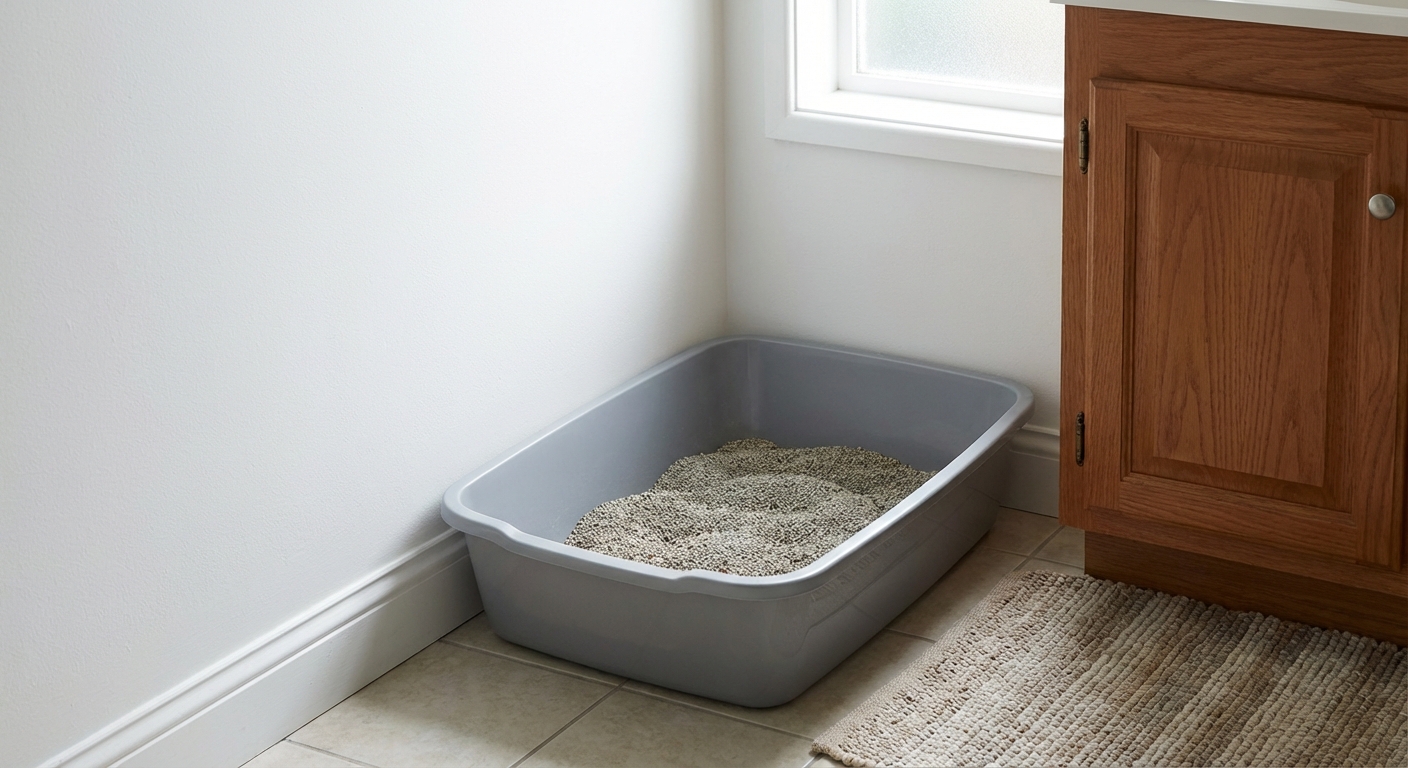
Pick a quiet corner where your kitten can eliminate without feeling watched or startled. Avoid placing the box right next to loud appliances or high-traffic hallways. Also, keep it away from food and water bowls. Cats are naturally tidy and prefer separation.
If you have other pets, choose a spot where your kitten cannot be cornered or ambushed on the way in or out. A bathroom corner with a partially open door or a quiet bedroom often works well.
Box size and entry height
A common reason kittens miss the box is that the box is hard to get into or too small to comfortably turn around. Look for a low-entry litter pan or a shallow storage bin with one low side. Covered boxes can trap odors and feel intimidating at first, so start uncovered and add a lid later if you want.
Litter choice
For most kittens, start with unscented litter. Strong fragrances may smell “clean” to us, but cats have sensitive noses. If your kitten came from a shelter or breeder, ask what litter they used and match it for the first couple weeks, then transition gradually if you want to change.
Clumping litter caveat: clumping litter can be convenient, but it is not ideal for kittens who might taste or eat it. If your kitten is under 4 months or shows any interest in eating litter, use a non-clumping option (paper, pine, or non-clumping clay) and talk with your vet if you are unsure.
How much litter to add
As a starting point, most kittens do well with about 2 to 3 inches of litter. If your kitten is digging to the bottom or seems unhappy with the footing, adjust up or down until they seem comfortable.
Fast training routine (first 3 days)
Day 1: introduce and reward
As soon as your kitten arrives home:
- Place them gently in the litter box.
- Let them sniff and step around. You can softly move their paws in a digging motion, but do not force it.
- Give a small treat or calm praise after they explore. The goal is a positive association.
Potty timers that work
Most kittens need to go:
- After waking up
- After eating
- After play
For the first few days, do a quick trip to the litter box at those times. It feels repetitive, but it is one of the fastest ways to build the habit without stress.
Day 2 to 3: expand slowly
Once your kitten is using the box reliably in the small room, let them explore one additional area at a time. “Reliably” usually means no accidents for at least 24 hours in the starter room. Add a second litter box if the home is larger, multi-story, or if your kitten is still very young.
Accidents: what to do
Accidents happen, especially during the first week. What you do next affects how quickly your kitten learns.
Do not punish
Yelling or rubbing a kitten’s nose in it can create fear and hiding behaviors, which often makes litter training harder. Cats do not connect punishment with the earlier action the way we hope they will.
Clean the right way
Use an enzymatic cleaner made for pet urine. Regular cleaners can leave behind scent traces that tell your kitten, “This is a bathroom spot.”
Avoid ammonia-based cleaners because the smell can mimic urine and may attract your kitten back to the same place.
Reset the setup
- If the accident happened near the box, scoop more often and consider a larger box or a lower entry.
- If it happened far away, add a second box closer to the accident zone temporarily.
- If it happened on soft items (laundry, bath mats), pick those up during training week.
Why kittens avoid the box
The box is too dirty
This is the top reason. Many kittens will choose a “cleaner” spot if the box smells strong or has clumps they dislike stepping on.
The box is hard to access
High sides, a long walk, a closed door, or a scary location can all cause misses. Think short legs and an easily spooked brain.
They dislike the litter
If your kitten is scratching around the box but not going in, or jumping out quickly, try a softer unscented litter. Some kittens do best starting with a fine-grain litter similar to sand. If your kitten is very young or mouthy with litter, stick with a non-clumping option for safety.
Stress or change
New home, new smells, new people, and sometimes other pets can cause a kitten to forget habits briefly. A smaller starter room and a predictable routine help a lot.
Quick troubleshooting
Digging or playing in litter
This can be normal kitten behavior, especially right after you scoop. Keep sessions calm, redirect to a toy, and make sure the box is in a low-traffic area so play does not turn into stress.
Peeing right outside the box
This often points to a box that feels awkward to use. Try a bigger box, a lower entry, a different location, or a second box nearby. Also check that the box is not placed where another pet can startle your kitten.
One box for pee, one for poop
Some kittens naturally separate. This is one reason the “two boxes” approach can work so well even in single-kitten homes.
Health red flags
When a kitten repeatedly misses the box, we always keep medical causes on the list. Kittens can develop issues quickly, and early care matters.
- Straining, crying, or frequent trips to the box with little output
- Blood in urine or stool
- Watery diarrhea, especially with lethargy
- Vomiting plus litter box changes
- Sudden accidents after a period of doing well
If you see any of these, call your veterinarian promptly. Urinary issues, parasites, and gastrointestinal upsets are treatable, but you do not want to wait it out.
Multi-cat homes
If you already have a cat at home, set your kitten up for success with space and options.
- Use the “n + 1” rule: number of cats plus one litter box (so 2 cats = 3 boxes).
- Spread boxes out: do not line them up like a row of bathrooms. Some cats treat clustered boxes like one station, and it can increase competition.
- Slow introductions: stress can cause litter issues. Let your kitten build confidence first.
A simple 7-day plan
Days 1 to 2
- Starter room setup
- Low-entry box, unscented litter (non-clumping if under 4 months or if they eat litter)
- Box trips after sleep, meals, and play
Days 3 to 5
- Expand access one room at a time
- Add a second box if needed, or one per floor in larger homes
- Scoop daily and top up litter as needed
- Wash the box periodically with mild soap and water, then rinse well and dry. Avoid strong scents.
Days 6 to 7
- Keep boxes in stable locations
- Gradually move a temporary box if you want a different final spot (a few feet per day)
- Schedule a routine vet visit if you have not yet, especially for fecal parasite testing
Bottom line: a clean, easy-to-reach litter box plus gentle repetition is one of the fastest paths to a fully trained kitten.