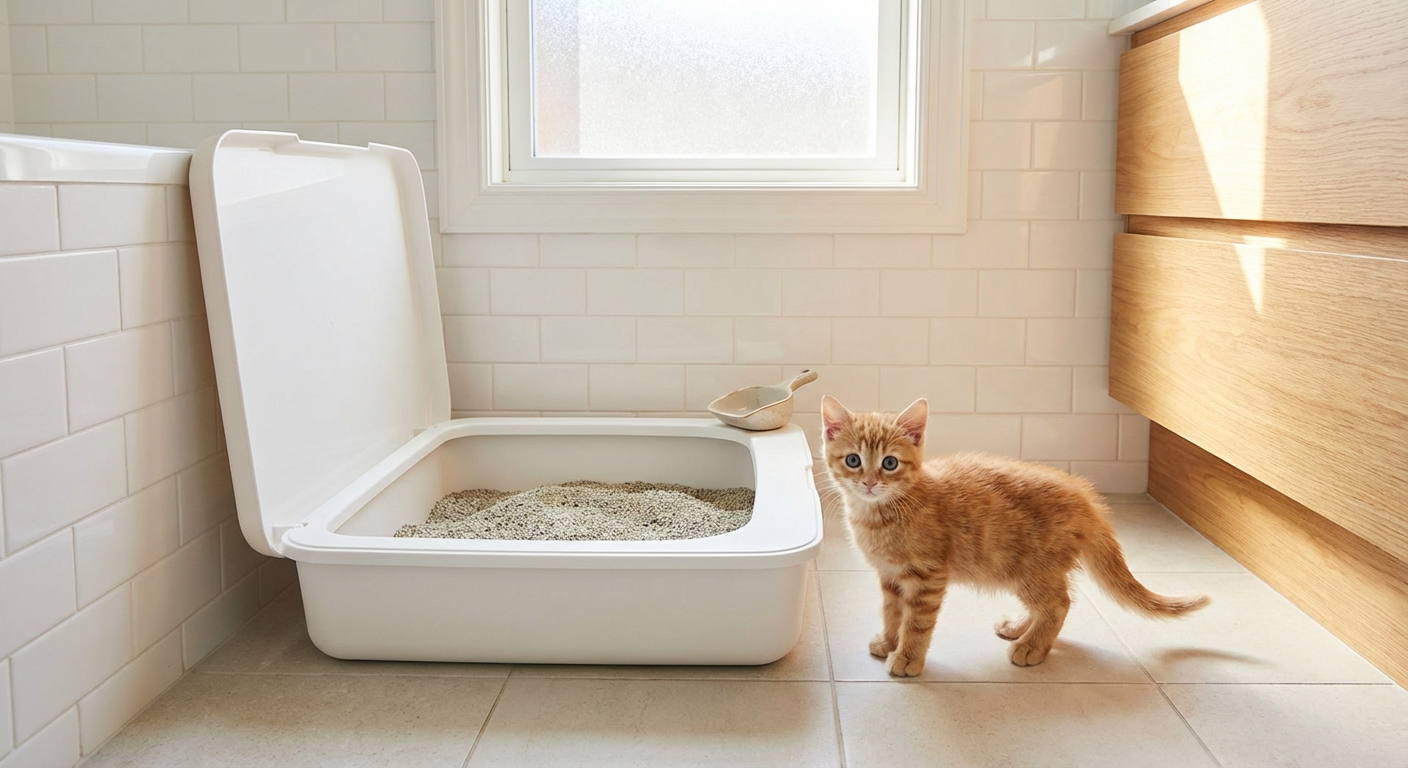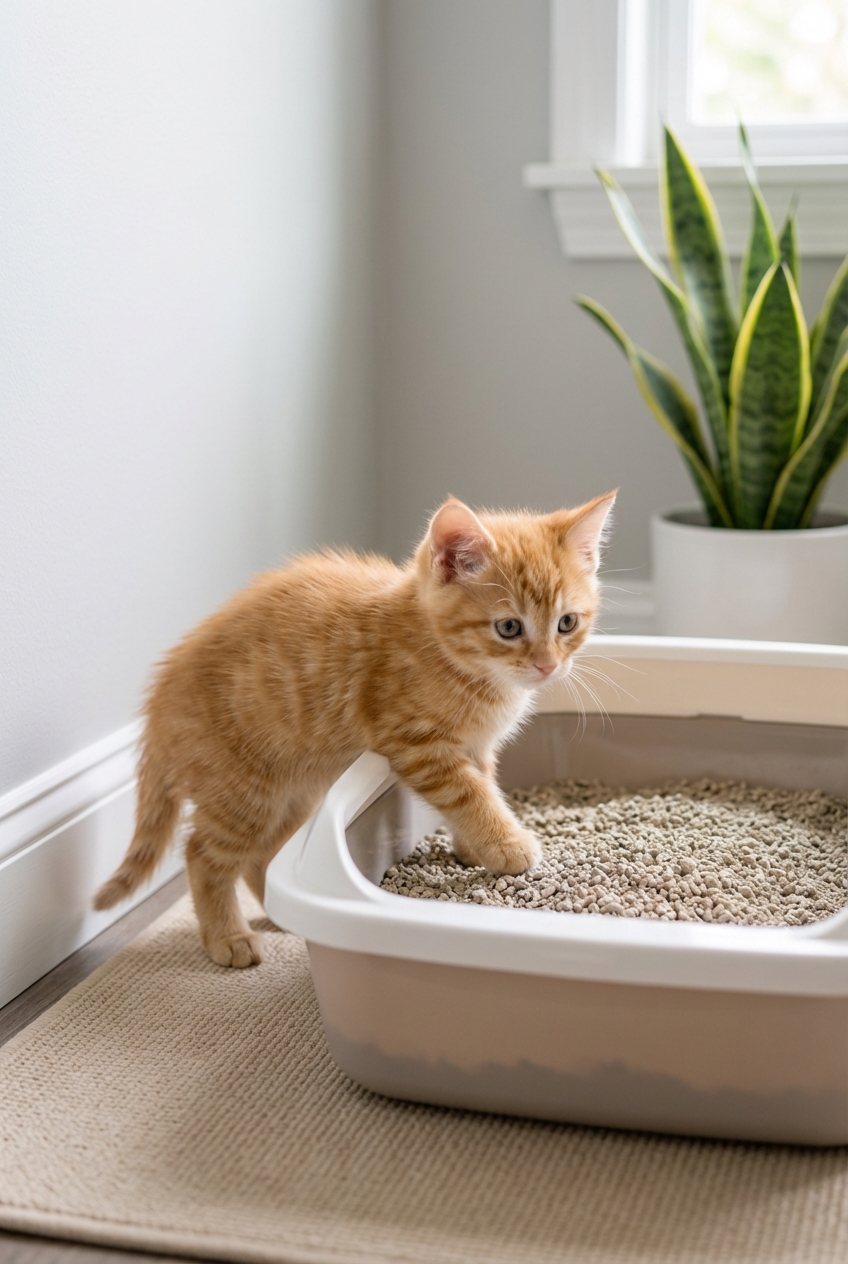
Get your kitten using the litter box quickly with a fast-start checklist, ideal box and litter setup, a 3-day training routine, and simple accident fixes—p...
Article
•
Designer Mixes
How to Litter Train a Kitten

Shari Shidate
Designer Mixes contributor
Bringing home a kitten is pure joy, and yes, a little messy at first. The good news is that litter training is one of the easiest behaviors to teach because cats naturally want to bury their waste. When accidents happen, it is usually not “bad behavior.” It is usually a setup issue like the wrong box, the wrong litter, the wrong location, stress, or a medical problem that needs attention.
As a veterinary assistant here in Frisco, Texas, I have seen how quickly kittens learn when we make the litter box feel safe, simple, and consistent. Let’s walk through proven steps you can start today.
Start with the right supplies
Pick a kitten-friendly litter box
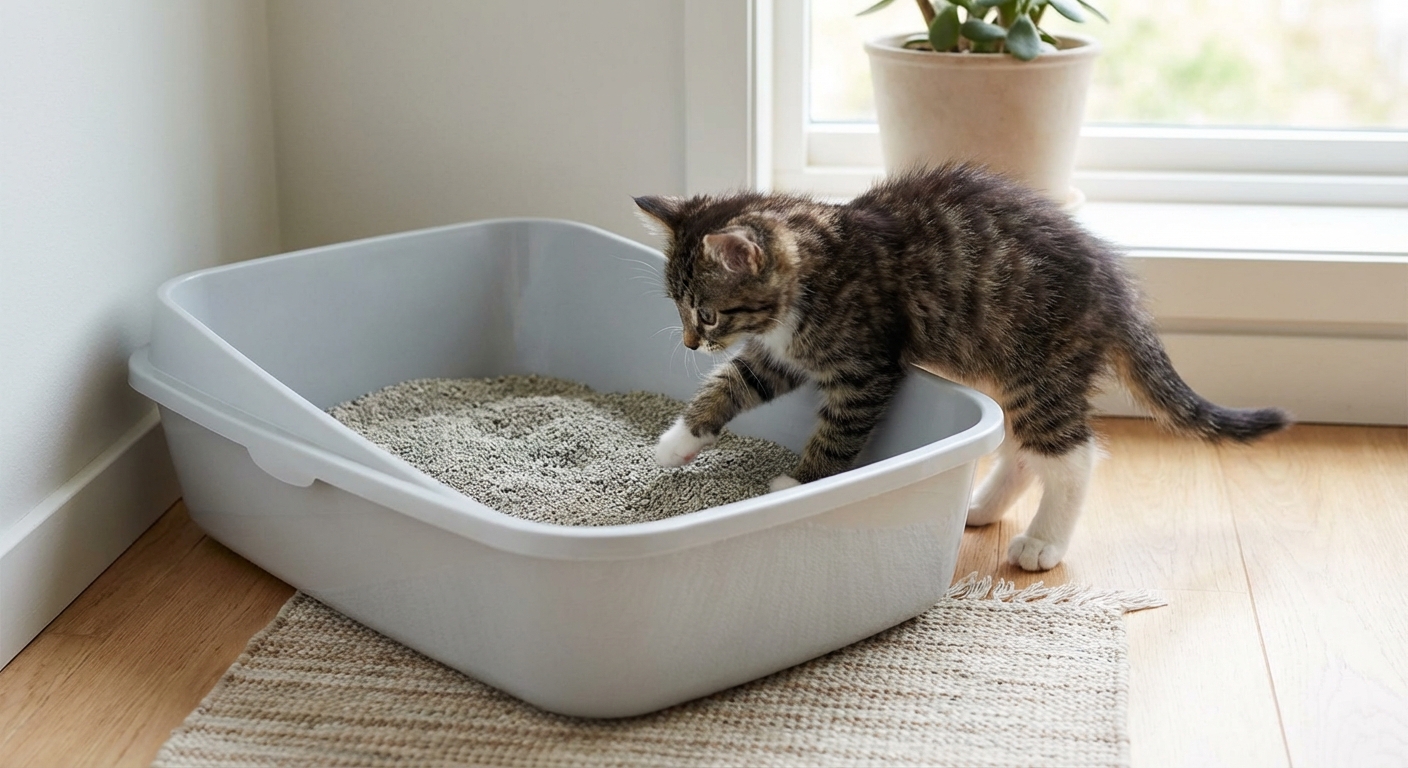
Kittens need a box that is easy to get into and easy to turn around in. A box with high sides might reduce mess, but it can be a barrier for a tiny kitten.
- Size: big enough for the kitten to turn comfortably, but not so tall they struggle to climb in.
- Style: open-top is usually best for training. Covered boxes can trap odors and may feel scary to a kitten.
- Easy entry: if your kitten is very small or has any mobility issue, use a low-entry box, a shallow pan, or a box with a cut-down front.
- Number of boxes: use the classic guideline of one box per cat, plus one extra.
Choose a litter most kittens accept
For training, start with a soft, unscented litter. Many kittens dislike strong fragrances and rough textures.
- Safest starter for very young kittens: if your kitten is under 8 weeks old or still mouthing and tasting everything, non-clumping litter (paper-based, pellet, or other non-clumping options) is usually the safest choice until that phase passes.
- Clumping litter: once your kitten is reliably not eating litter, many households switch to an unscented clumping litter for easier scooping. If you are unsure, ask your veterinarian what is best for your kitten’s age and habits.
- Avoid strongly scented litters at first.
- Avoid litter deodorant powders while training.
If your kitten is regularly ingesting litter, call your veterinarian promptly, especially if you are using clumping litter since it can contribute to GI blockage.
Set up the box for success
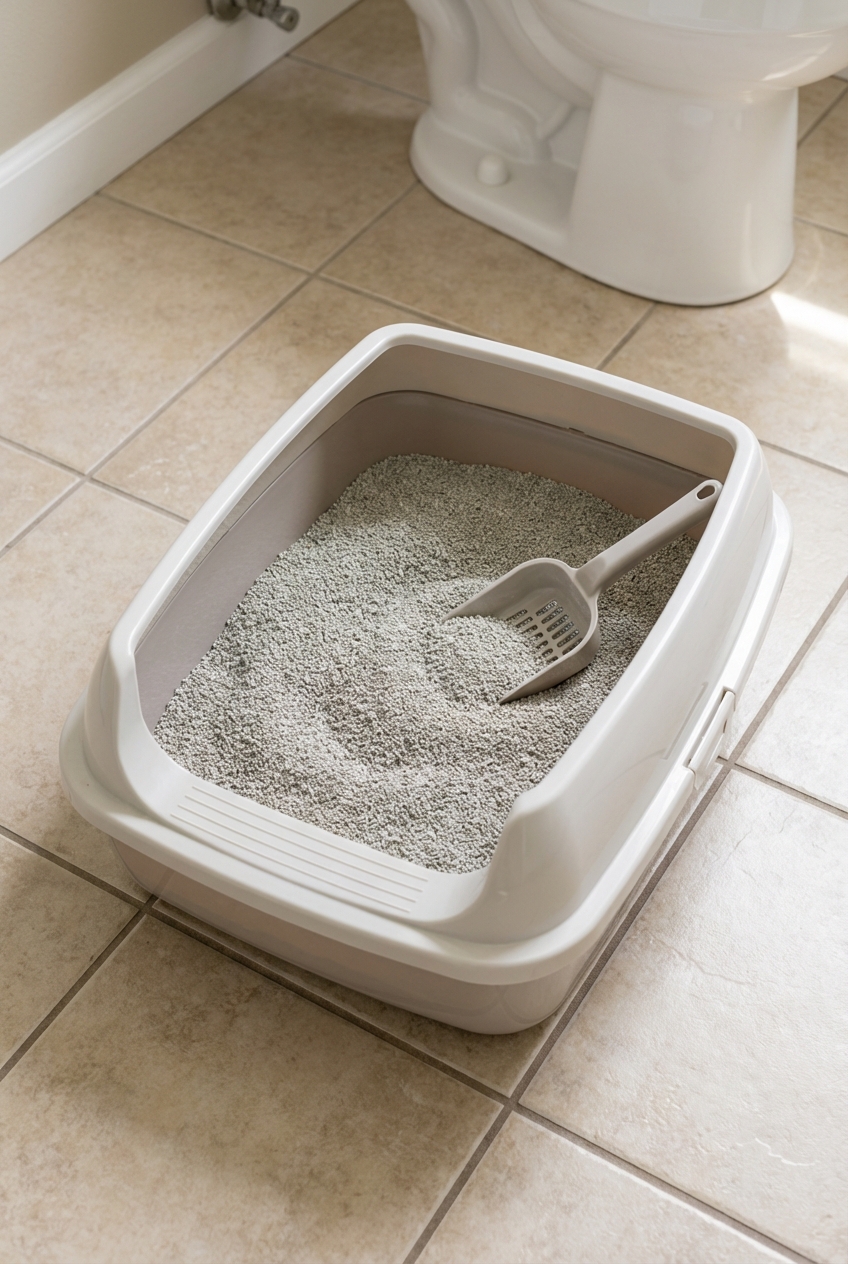
Location matters
Cats want privacy, but they also want to feel safe. A box placed where loud noises or surprises happen can lead to avoidance.
- Choose a quiet, low-traffic spot.
- Keep it away from the food and water area.
- Avoid placing it next to washers, dryers, or noisy HVAC closets.
- If your home has multiple levels, place at least one box on each level during training.
Make it easy to find
For the first 1 to 2 weeks, reduce your kitten’s access to the entire home. A small “starter space” like a bathroom, laundry room, or playpen setup makes it easier for them to locate the box quickly.
Use the right litter depth
Most kittens do well with about 2 to 3 inches of litter. Too little can feel messy, and too deep can feel unstable for some kittens.
Step-by-step training routine
1) Show them the box right away
As soon as your kitten comes home, gently place them in the litter box. Let them step out on their own. You are not trying to force anything. You are simply helping them map where the bathroom area is.
2) Use timing to your advantage
Kittens often need to potty:
- Right after waking up
- Soon after eating (often within 5 to 30 minutes)
- After play sessions
When you see those moments, calmly place your kitten in the box and give them a minute. If they hop out, try again a few minutes later.
3) Reward the right behavior immediately
When your kitten uses the box, quietly praise them and offer a tiny treat or a favorite toy. Cats learn fast with positive reinforcement. Scolding does the opposite and can make a kitten hide when they need to go.
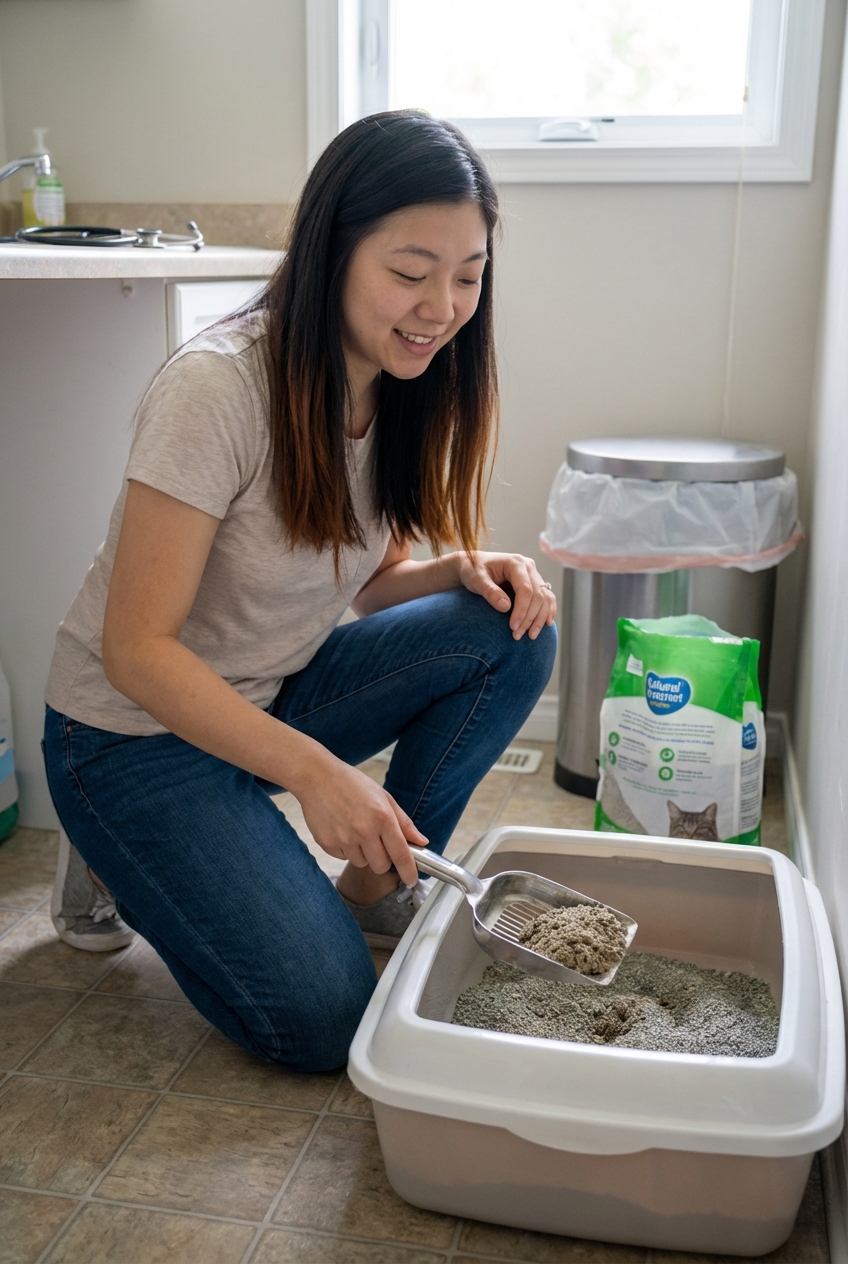
4) Keep the box clean
A dirty box is one of the top causes of litter box avoidance.
- Scoop at least once daily, twice is even better.
- Full dump and wash: for most litters, plan to empty and wash the box every 2 to 4 weeks. If you use non-clumping litter that gets saturated more quickly, you may need to dump and wash weekly or as soon as it starts to smell, even with scooping.
- Wash the box with mild soap and warm water.
- Avoid harsh or strongly scented cleaners. Skip ammonia-based products, and never mix cleaners. The goal is a clean box without irritating residue.
Handle accidents without setbacks
Clean correctly
If your kitten has an accident, use an enzymatic cleaner designed for pet urine and stool. Regular household cleaners may remove the stain but leave odor behind that your kitten can still detect.
- Blot first, do not rub.
- Saturate the area with enzymatic cleaner and let it sit per label directions.
- If the accident is on bedding, wash with an enzymatic laundry additive if possible.
Do not punish
Punishment can create litter box fear, anxiety, and hiding. Your goal is to make the box the easiest, safest choice.
If you want one simple mindset shift: accidents are information. They tell you something about the setup, stress level, or health of your kitten.
Common problems and quick fixes
Problem: My kitten pees right next to the box
- Scoop more often.
- Try a different litter texture, preferably unscented and softer.
- Use a larger box, some kittens outgrow small boxes quickly.
- Place a second box nearby during training.
Problem: My kitten poops outside the box
- Make sure the box is easy to enter and not too tall.
- Place the box where the accident happens, then slowly move it a few inches per day to the preferred location.
- Check for constipation, especially if stools are hard, small, or your kitten strains.
Problem: My kitten plays in the litter or eats it
This is common early on. Try:
- More play sessions and enrichment, especially before meals.
- Switching to a non-clumping litter until your kitten stops mouthing objects.
- Feeding a complete kitten diet. Pica can sometimes be linked to nutrition, stress, or boredom.
If your kitten is regularly ingesting litter, call your veterinarian, especially with clumping litter, since it can contribute to GI blockage.
Problem: My kitten suddenly stopped using the box
Sudden changes are a red flag for a medical or stress-related issue. Call your veterinarian promptly if you notice:
- Frequent trips to the box
- Straining, crying, or only passing a few drops
- Blood in the urine or stool
- Vomiting, lethargy, or loss of appetite
Urinary issues can become serious quickly, especially in male cats. Male kittens can still become very sick fast, so it is worth a same-day call if you see straining or repeated trips with little urine.
Age-specific tips
Under 4 weeks
Very young kittens usually need their mom to stimulate urination and defecation. If you are bottle-feeding an orphan kitten, your veterinarian can show you how to safely stimulate with a warm, damp cotton ball after feeding.
4 to 8 weeks
This is prime litter learning time. Keep the setup simple with an easy-entry box and a gentle, non-clumping litter if your kitten is still in the mouthing phase.
8 to 16 weeks
Kittens get bolder and may roam further. Add boxes in additional locations so they never have to sprint across the house.
A simple 7-day plan
Days 1 to 2
- Confine to a starter room with box, bed, food, and water.
- Place kitten in the box after meals, naps, and play.
- Scoop daily.
Days 3 to 5
- Expand access to one more room if accidents are rare.
- Add a second box if your home is larger or if you see near-misses.
- Continue reward right after box use.
Days 6 to 7
- Gradually open more of the home.
- Keep at least one box on each level.
- Stay consistent with cleaning.
How to switch litter or boxes
If you need to change litter type or box style, do it gradually to avoid a sudden “nope” from your kitten.
- Add a second box with the new litter next to the current box for a few days.
- Or mix the new litter into the old litter, increasing the amount every few days.
- Keep everything else consistent (location, cleanliness, routine) while you transition.
When to call your veterinarian
Please reach out to your vet sooner rather than later if litter box troubles are paired with any signs of illness. In clinic, we commonly see conditions like intestinal parasites, diarrhea, constipation, stress, and urinary tract inflammation contribute to accidents. Getting answers early keeps your kitten comfortable and keeps training on track.
If you are unsure, take a short video of the behavior or bring a fresh stool sample to your appointment. Your veterinary team will appreciate it.