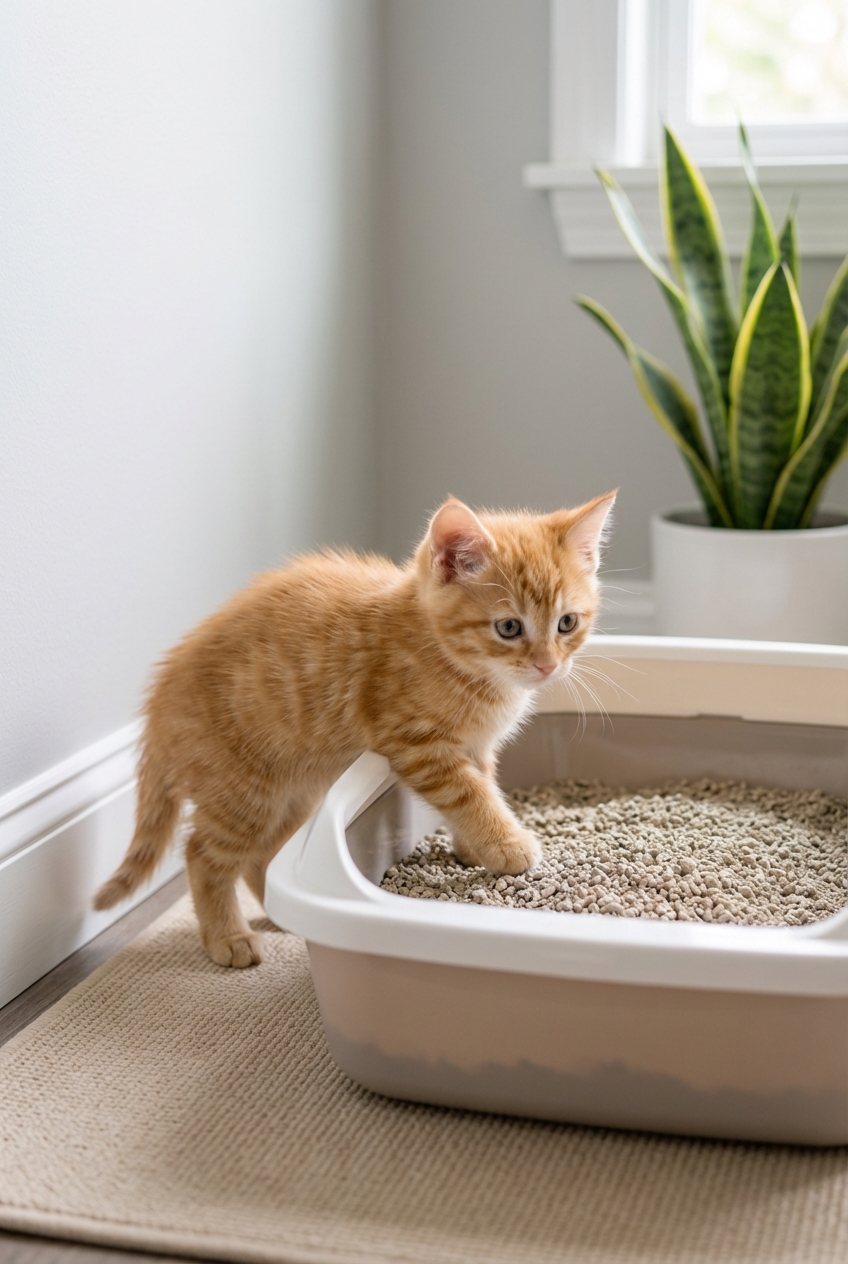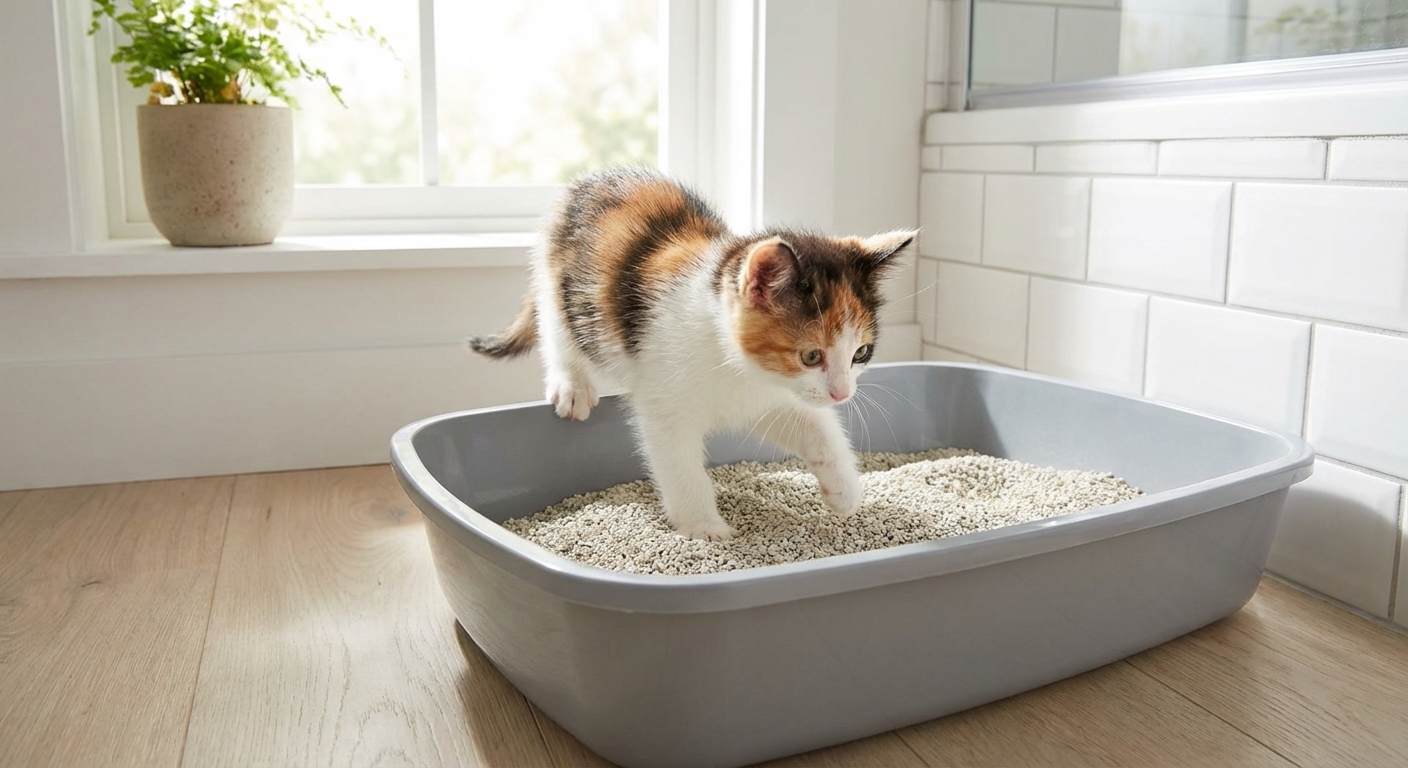
Potty training a kitten made simple: when to start, how to set up a low-entry litter box, pick safe unscented litter, prevent accidents, and troubleshoot com...
Article
•
Designer Mixes
How to Litter Box Train Kittens

Shari Shidate
Designer Mixes contributor
Bringing home a kitten is pure joy, until you find that first little accident. The good news is that most kittens want to use a litter box. Litter training is usually less about “teaching” and more about setting up the environment so your kitten’s instincts can do the work.
As a veterinary assistant here in Frisco, Texas, I see the same patterns again and again: when the box is easy to find, easy to enter, and always clean, kittens catch on fast. Let’s walk through practical tips that make this process smooth for both of you.
When kittens are ready
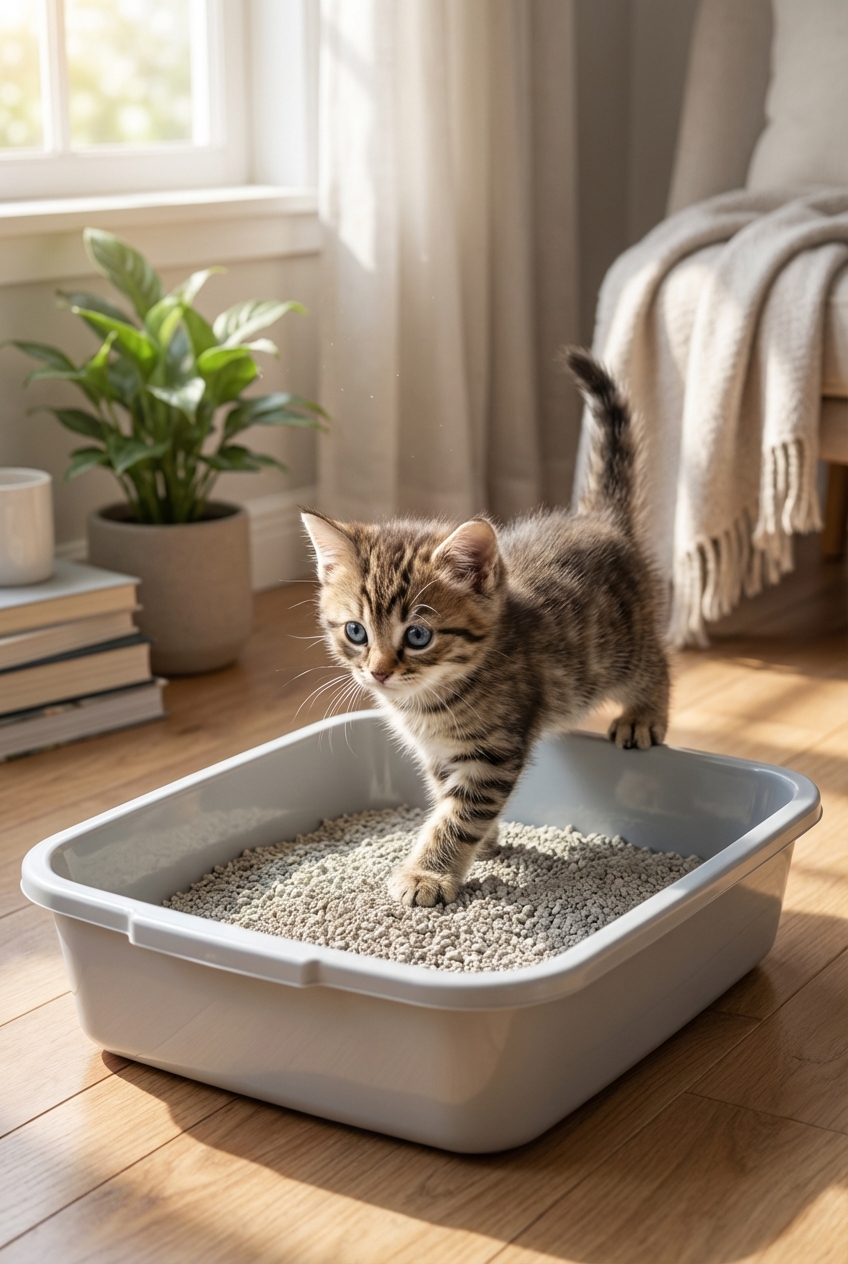
Many kittens can start using a litter box at around 4 weeks old, and by 8 weeks a lot of kittens are reliably using it with good setup and supervision. If you adopted a kitten younger than 8 weeks, expect a little more hands-on guidance and more frequent trips to the box.
Quick reality check
- Accidents are normal in the first 1 to 2 weeks, especially in a new home.
- Stress slows learning. New smells, new people, other pets, and a bigger space can be overwhelming.
- Medical issues can look like training issues. Diarrhea, constipation, and urinary problems can all cause “misses.”
Choose the right setup
Your goal is to make the litter box the easiest, most appealing bathroom option in the entire house.
Pick a kitten-friendly box
- Low sides so your kitten can climb in easily. High-sided boxes can contribute to misses, especially if the kitten struggles to get in quickly.
- Large enough to turn around comfortably, but not so huge that it feels intimidating. A good rule of thumb is about 1.5 times your kitten’s body length.
- Skip covered boxes at first. Some kittens dislike the enclosed smell and feel trapped. You can try a covered box later if needed.
Use the right litter
Many kittens prefer a fine-grain, unscented litter because it feels similar to sand or soil, which matches instinctive preferences.
- Avoid strong fragrances. Sensitive noses often reject scented litter.
- Clumping vs non-clumping: clumping litter works well for many homes, but for very young kittens (or any kitten that mouths or eats litter), non-clumping may be safer. If you are unsure, ask your veterinarian what is best for your kitten’s age and habits.
- Be cautious with pellet or crystal litter early on. Some kittens dislike the texture. If they hesitate or avoid the box, texture is often the reason.
Pick a good location
Many litter box problems are actually location problems.
Best placement rules
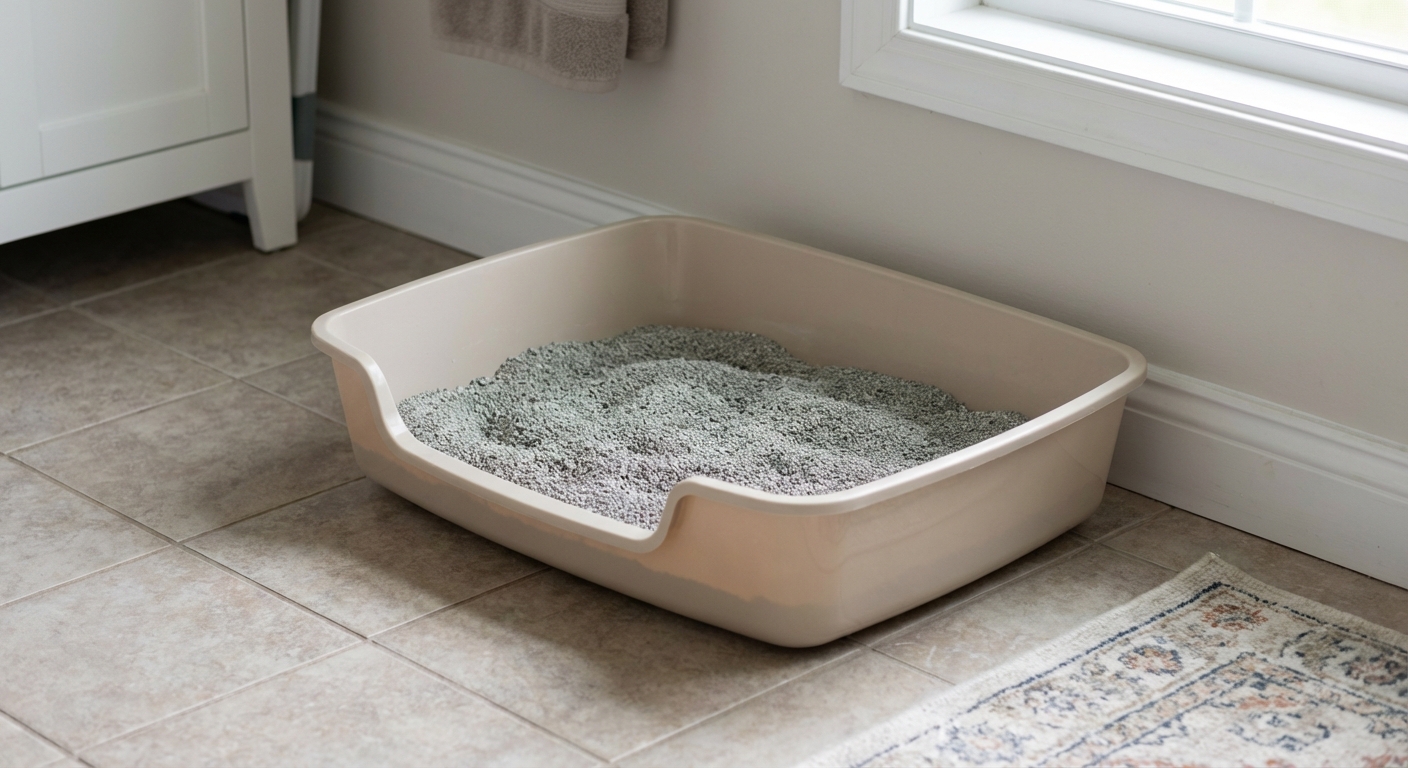
- Quiet and private, but not isolated. A guest bathroom, laundry room corner, or quiet hallway spot often works well.
- Easy access. No blocked doors, no steep stairs for a tiny kitten, and no long treks across a big house.
- Away from food and water. Cats prefer not to potty near where they eat.
- Away from loud appliances like washing machines that may startle a kitten mid-use.
How many boxes?
A helpful guideline is: number of cats + 1 litter boxes. For one kitten, two boxes can be a game-changer, especially in multi-level homes. If your home has more than one floor, having at least one box on each level helps prevent “couldn’t make it in time” accidents.
A simple training routine
Kittens learn through repetition, timing, and gentle guidance. Here is a routine that works for most households.
Step-by-step
- Start small. For the first few days, keep your kitten in a smaller “home base” room with the litter box, food, water, and a bed. This builds the habit faster.
- Place your kitten in the box at key times: after meals, after naps, after play, and right after waking up.
- Let them sniff and scratch. You can gently move a paw to show digging, but do not force it if they resist.
- Praise calmly when they use it. A soft “good job” and gentle petting is plenty. Treats can help too, but do not overdo it.
- Gradually expand territory once they are reliably using the box in their starter space.
With the box close and consistent, most kittens connect the dots quickly.
Keep it clean
Cats are famously picky, and kittens learn preferences early. A dirty box can make a kitten choose the rug instead.
Easy cleaning schedule
- Scoop 1 to 2 times daily.
- Top off litter as needed to keep a comfortable depth. Many cats like about 2 to 3 inches, but some prefer less. If your kitten digs to the bottom or seems reluctant to step in, adjust the depth and see what they like.
- Wash the box weekly with mild soap and warm water, or more often if needed (especially with small boxes or multiple cats). Avoid harsh cleaners or ammonia-based products, which can smell like urine.
If you want one “secret” to smoother litter training, it is this: keep the box clean enough that you would not mind using it.
Common causes of accidents
If your kitten is missing the box, it is often one of these fixable issues.
Top trouble spots
- Box sides are too high or the opening is hard to reach.
- Litter is scented or the texture is unpleasant.
- Box is in a scary place (noisy, high-traffic, cornered, or near another pet’s hangout).
- Not enough boxes, especially in larger homes.
- Negative responses. Yelling or punishment can make kittens hide when they need to go.
- Changing litter brands constantly. If you need to switch, do it gradually by mixing old and new.
After an accident
Accidents happen. The way you respond can either help training or slow it down.
Best response
- Stay calm. Fear can create more hiding and more accidents.
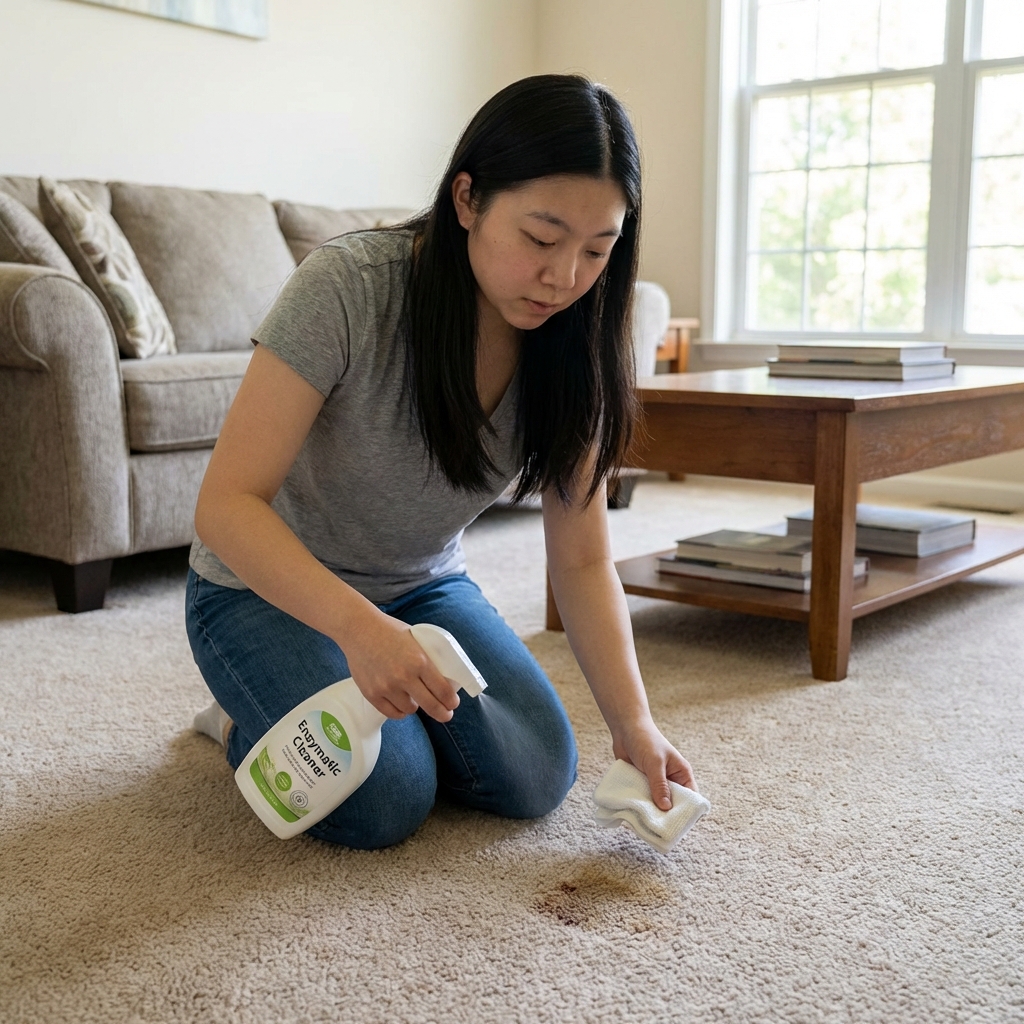
- Blot first if it is urine (paper towels work well), then clean thoroughly with an enzymatic cleaner made for pet urine. Regular soap may not remove odor cues that attract repeat accidents.
- Avoid bleach or ammonia-based products. They can leave lingering odors that confuse kittens and may actually draw them back to the same spot.
- Move the “right bathroom” closer. If your kitten is consistently going in one corner, place a litter box there temporarily and then slowly move it to the preferred location.
- If you catch them mid-squat, gently pick them up and place them in the box. If they finish elsewhere, do not punish. Just clean and reset.
Special situations
Multi-cat homes and other pets
Some kittens avoid the box if they feel “ambushed” by another animal. Provide multiple boxes in different locations, and ensure your kitten has safe, quiet routes to each one. In clinic, we often see this improve quickly once a kitten has a box they can reach without being bothered.
Long-haired kittens
Litter can cling to fur, which can make the box feel unpleasant. A gentle sanitary trim by a groomer or veterinary clinic can help. Litter choice can vary here: some cats do better with finer textures, while others track less with larger, low-tracking options. If you notice clinginess or mess, it is okay to experiment gradually to find the best fit.
Paw pain or tender feet
If a kitten has tender feet from injury, nail trims gone wrong, post-surgery soreness, or other medical issues, certain litter textures can hurt. Talk with your veterinarian about the most comfortable option and check for paw pain. (Most clinics discourage declawing because it can cause long-term pain and litter box avoidance.)
When to call your veterinarian
If training is not improving, it is smart to rule out medical causes early. Kittens can go downhill quickly when urinary or gastrointestinal issues are involved.
Red flags
- Straining to urinate or defecate
- Crying in the litter box
- Frequent trips to the box with little output
- Blood in urine or stool
- Diarrhea lasting more than 24 hours in a young kitten
- Sudden change in litter box habits after doing well
If any of these show up, call your vet promptly. It is always better to be safe, especially with tiny bodies.
Quick checklist
- Low-sided, uncovered box (at least one per level of your home)
- Unscented litter with a kitten-safe texture (ask your vet about clumping vs non-clumping for very young kittens)
- Quiet, accessible placement away from food and water
- Consistent routine: after meals, naps, and play
- Scoop daily and wash weekly (more often if needed)
- Enzymatic cleaner for accidents (avoid ammonia or bleach)
- Vet check if red flags appear or progress stalls
With the right setup, most kittens learn quickly. Your job is simply to make the “right choice” the easiest choice, every time.