Learn when kittens can start, what litter box and litter to buy, where to place boxes, and a simple daily routine. Includes accident cleanup, common mistakes...
Article
•
Designer Mixes
How to Litter Box Train a Cat

Shari Shidate
Designer Mixes contributor
Litter box training is one of those cat-care wins that can feel intimidating, especially if you are new to cats or bringing home a kitten, rescue, or formerly outdoor cat. The good news is that most cats are naturally drawn to digging and covering, so in many cases you are not so much “training” as you are setting up the environment so your cat can succeed.
Below is a day-by-day plan to litter box train a cat, plus the most common hiccups I see and how to fix them without punishment.
Before you start: set up for success
A cat can only use the box you provide. If the box is hard to access, too dirty, too small, or in a scary spot, accidents are much more likely.
Choose the right litter box
- Size: Aim for a box about 1.5x your cat’s body length (nose to base of tail). Many “standard” boxes are too small for adult cats.
- Entry height: Low entry for kittens, seniors, or cats with arthritis.
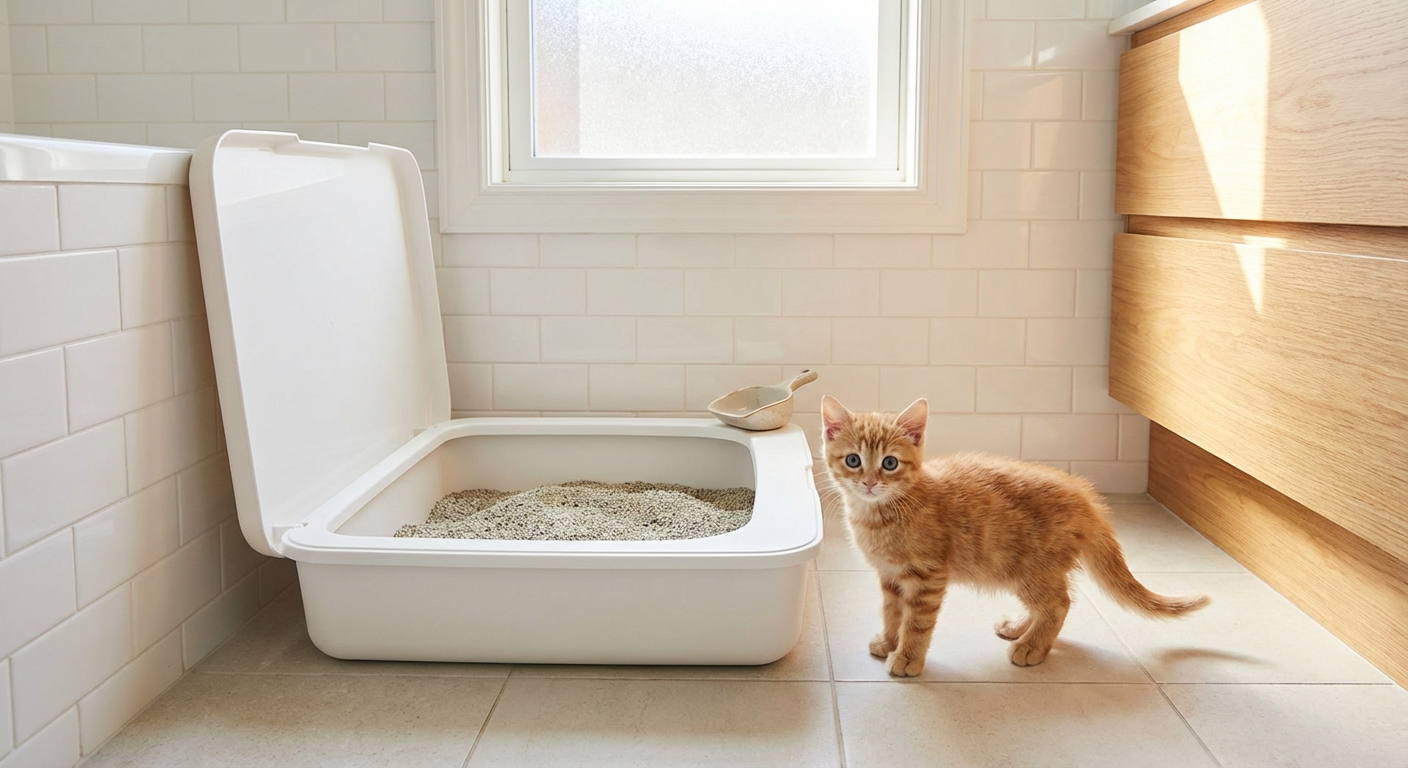
- Covered vs uncovered: Many cats prefer uncovered boxes because they feel less trapped and ventilation is better. Covered can work for some cats, but if accidents start, try uncovered.
Choose the right litter
- Start simple: Many cats accept unscented, clumping litter well.
- Avoid strong fragrances: A cat’s nose is powerful, and scented litter can be aversive.
- Be consistent at first: If you want to try a different type later, transition gradually by mixing.
Pick a calm location
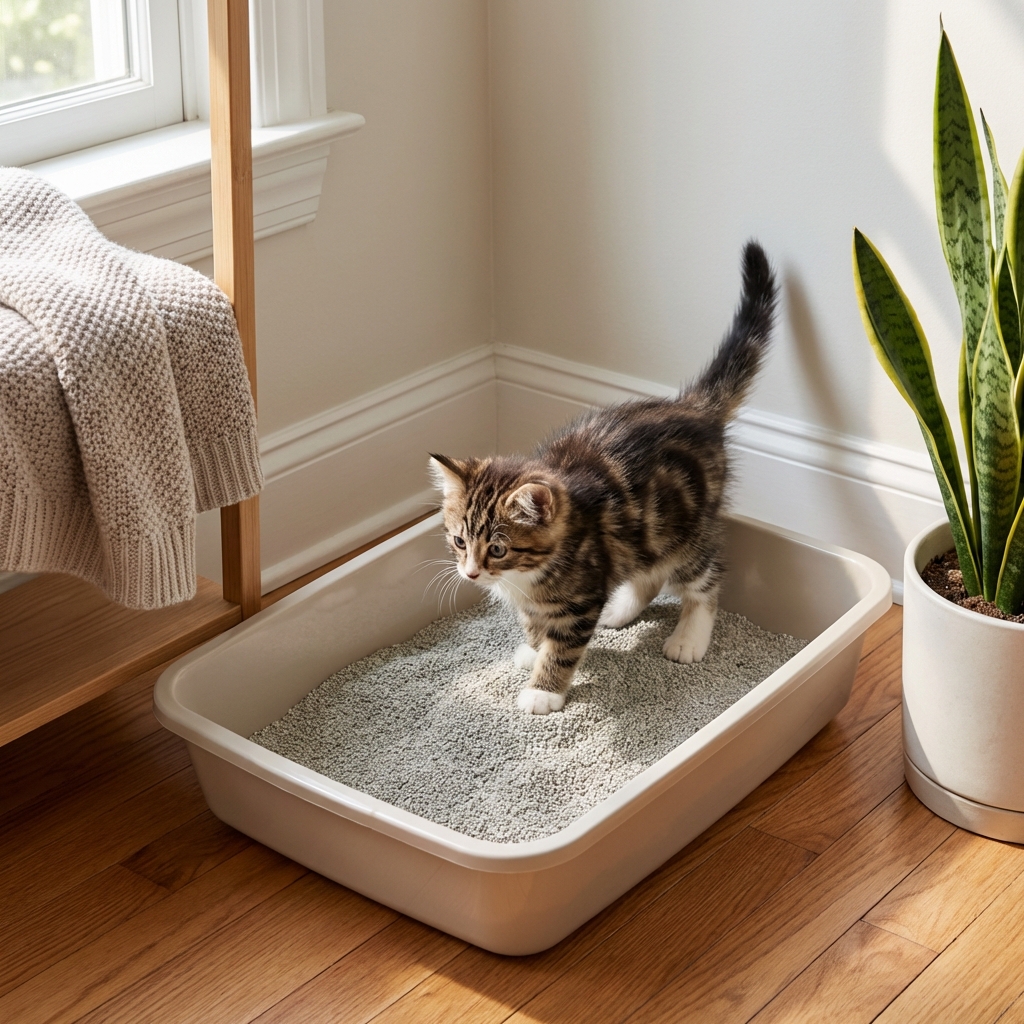
- Quiet, low-traffic area where your cat will not be startled.
- Not next to loud appliances (washer, dryer, furnace).
- Not right beside food and water bowls.
- Easy access day and night.
Rule of thumb: Provide one litter box per cat, plus one extra. This is commonly recommended by feline behaviorists and veterinarians to reduce stress and accidents, especially in multi-cat homes.
Multi-cat tip: Spread boxes out in separate locations when you can, rather than lining them up side-by-side. Cats often see a “row” of boxes as one resource.
Daily litter box training plan (first 7 to 14 days)
Think of this like a short, supportive routine. You are building a habit and reducing stress while your cat learns where the bathroom is.
Day 1: introduce the bathroom zone
- Start with a smaller space (a bathroom, laundry room, or spare bedroom) with the litter box, bed, water, and a few simple enrichment items like toys and a scratching post.
- Show the box calmly: Place your cat in the box once or twice so they can smell it, then let them step out on their own.
- Do not force digging: Some cats dislike having their paws manipulated.
- Give privacy: Let them explore and settle.
If your cat uses the box, offer gentle praise and a small treat immediately after they step out of the box. This helps them connect the reward to the right behavior.
Days 2 to 3: build predictable check-ins
Many cats are most likely to eliminate after eating, waking up, and playing. Use that to your advantage.
- After meals: calmly walk your cat toward the box and let them decide.
- After naps: same idea, especially for kittens.
- After vigorous play: quick trip past the box.
- Scoop at least once daily (twice is even better).
Days 4 to 7: expand access slowly
- If your cat is consistently using the box in the small space, open up one additional area of the home.
- Add an extra box if the new area is far from the original.
- Keep scooping daily and keep locations stable.
If accidents happen during expansion, reduce space again for a couple of days and re-expand more gradually.
Week 2: reinforce, do not relax the basics yet
- Continue daily scooping and predictable routines.
- Keep the same litter type.
- Watch for subtle signs your cat needs to go: sniffing corners, circling, sudden searching, or heading to a hidden spot.
How to litter box train a kitten
Kittens usually catch on fast, but they need convenience and gentle repetition.
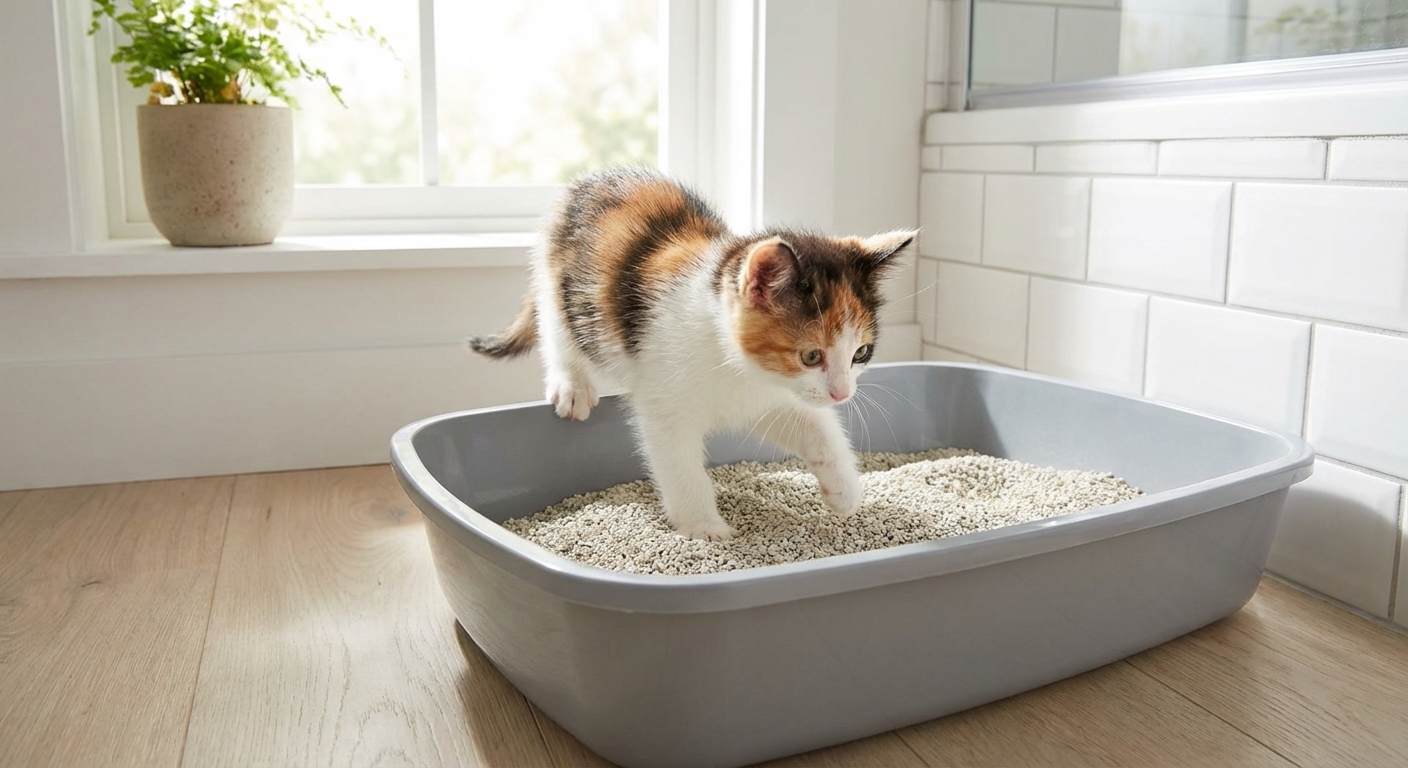
- Use a low-entry box so they can climb in easily.
- More frequent check-ins: After every meal, nap, and play session.
- Keep them close: For very young kittens, confining to a smaller safe space early on prevents “too far to make it” accidents.
- Skip harsh cleaners: Stick with pet-safe cleaners and enzymatic products for accidents. Strong fragrances can be irritating and may interfere with litter box comfort.
How to litter box train an adult cat or rescue
Adult cats can learn quickly, but you may be working with prior habits, stress, or medical issues.
- Start with a quiet room setup and a predictable routine for at least 3 to 7 days.
- Offer multiple boxes in larger homes, especially if your cat seems anxious or is hiding.
- Try a larger, uncovered box if the cat previously had negative experiences with covered boxes or cramped spaces.
- Consider stress triggers: New pets, new baby, remodeling, visitors, or changes in schedule can all contribute.
Common litter box problems (and what to do today)
If you hit setbacks, use this section to troubleshoot quickly. Many issues come down to comfort, cleanliness, stress, or a medical problem that needs attention.
1) Peeing right next to the box
This often points to a box preference issue: dirty box, litter texture, painful urination, or a box that feels unsafe.
- Scoop more often and fully change litter as needed.
- Try a larger box and unscented litter.
- Move the box to a quieter spot.
- Call your vet if there is straining, blood, frequent small urinations, crying, or sudden changes. Urinary issues can become emergencies, especially in male cats.
2) Pooping outside the box
This can be constipation, stress, or aversion to the box setup.
- Make sure there is at least one more box than the number of cats, and place boxes in separate areas when possible.
- Try a second box with a different litter type to offer choice.
- Discuss stool consistency with your veterinarian if your cat strains, has hard stools, or goes less often than usual.
3) Using carpet or laundry
Soft items can feel safer or more appealing to dig in. It can also happen when the box is too far away.
- Block access temporarily (close doors, pick up laundry, use baby gates if needed).
- Add a box closer to the chosen spot.
- Clean thoroughly with an enzymatic cleaner made for pet urine to remove odor cues.
4) Suddenly stops using the box
A sudden change is a big red flag for medical or stress-related problems.
- Schedule a veterinary visit promptly.
- In the meantime, add extra boxes and scoop more often.
- Reduce household stressors where possible (noise, conflict between pets, lack of hiding spaces).
Important: Never punish a cat for accidents. Punishment increases stress and can make litter box avoidance worse. Focus on comfort, cleanliness, and routine.
Cleaning accidents the right way
If you want the behavior to change, cleaning has to remove the message your cat’s nose is picking up.
- Use an enzymatic cleaner formulated for cat urine.
- Blot, do not rub, especially on carpet.
- Avoid ammonia-based products because ammonia smells similar to urine.
- If possible, keep the cat away from the spot until it is fully dry.
Daily maintenance checklist
Once your cat is using the box reliably, a simple daily routine keeps things on track.
- Scoop solids and clumps at least once daily (twice is ideal for many cats).
- Litter depth: Start around 2 to 3 inches, then adjust based on your cat’s preference (some like a bit more, some like less).
- Wash the box: As a baseline, wash with mild soap and warm water about every 1 to 4 weeks, depending on litter type and how many cats use the box.
- Replace old, scratched boxes as needed. Scratches hold odor.
- Watch for behavior changes and address them early.
When to call the vet
As a veterinary assistant, I always encourage pet parents to trust their gut. If something feels off, ask your veterinarian. Litter box issues can be behavioral, but they are also commonly linked to medical causes like feline lower urinary tract disease (FLUTD), cystitis, urinary crystals, urinary tract infection, diabetes, or kidney disease.
Seek help quickly if you notice:
- Straining to urinate or defecate
- Blood in urine or stool
- Frequent trips to the box with little output
- Crying in the box
- Sudden accidents after weeks or months of good litter box habits
- Vomiting, lethargy, or loss of appetite along with litter box changes
Litter box issues are often solvable, but medical causes need to be ruled out first, especially with urinary symptoms.
Quick start summary
- Set up the right box: big enough, easy entry, often uncovered.
- Use unscented litter to start.
- Place boxes in quiet, accessible locations.
- Provide one box per cat, plus one extra, and spread boxes out when possible.
- Start in a smaller space, then expand slowly.
- Scoop daily, clean accidents with enzymatic cleaner.
- No punishment, ever. Reward calm success right after the box is used.
With a clean setup and a steady routine, most cats settle into excellent litter box habits quickly. You are building comfort and confidence, one day at a time.