Understand common cat-in-heat behaviors, how long estrus lasts, and vet-approved steps to keep her comfortable and safe. Learn what not to do and when to cal...
Article
•
Designer Mixes
How to Know When a Cat Is in Heat

Shari Shidate
Designer Mixes contributor
If you have an unspayed female cat, her first heat cycle can feel like it comes out of nowhere. One day she is her usual self, and the next she is extra vocal, rubbing on everything, and acting like she is desperate to get outside. The good news is that most “in heat” behaviors are normal, predictable, and manageable once you know what you are seeing.
As a veterinary assistant, I always tell cat parents this: a cat in heat is not being “bad” or “needy.” She is responding to powerful reproductive hormones. Understanding the signs helps you keep her safe, reduce stress at home, and prevent an unplanned pregnancy.
What “in heat” means
When a cat is “in heat,” it means she is in estrus, the fertile part of her reproductive cycle when she can become pregnant. Unlike dogs, most cats are seasonally polyestrous, meaning they can cycle repeatedly during longer daylight months. Many indoor cats can cycle year-round due to artificial lighting.
Cats are also induced ovulators. In many cases, ovulation happens after mating, not automatically on a schedule. That is one reason a queen (an intact female cat) may show heat behaviors repeatedly until she is spayed or becomes pregnant.
Common signs your cat is in heat
Many people expect to see bleeding like a dog in heat, but most cats do not have noticeable vaginal bleeding. Heat is usually recognized by behavior changes.
1) Loud, persistent vocalizing
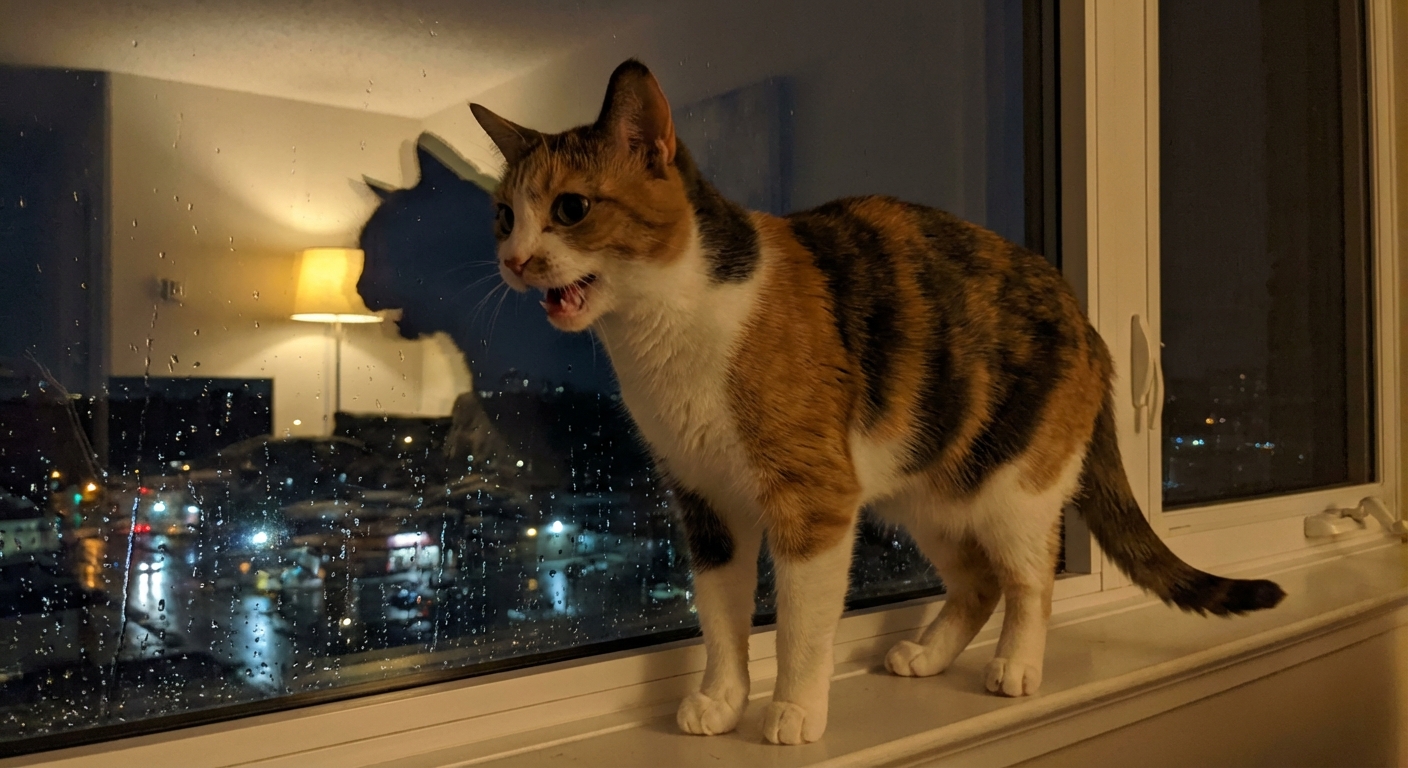
This can sound like yowling, moaning, or an urgent cry that is often more intense at night. It is one of the most common reasons families think something is “wrong.”
2) Extra affection and rubbing
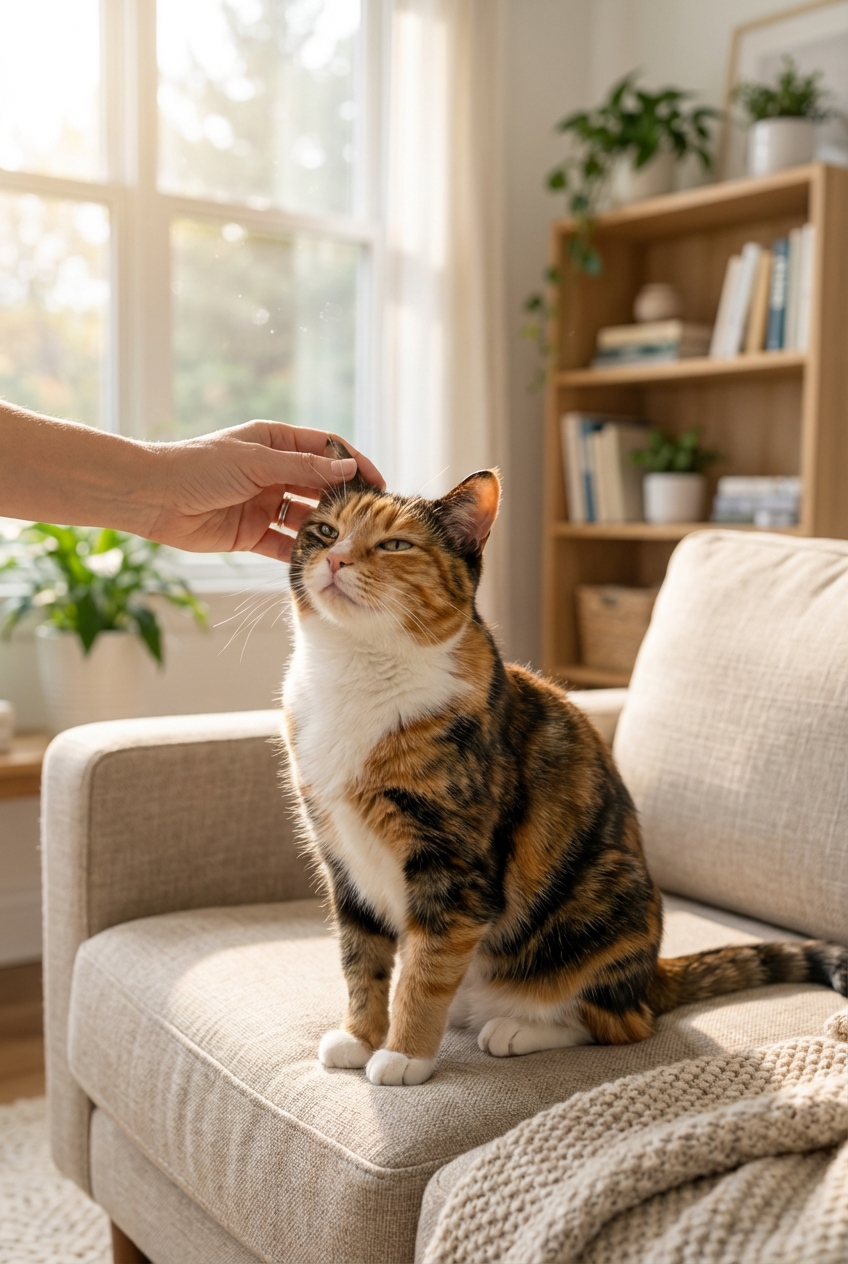
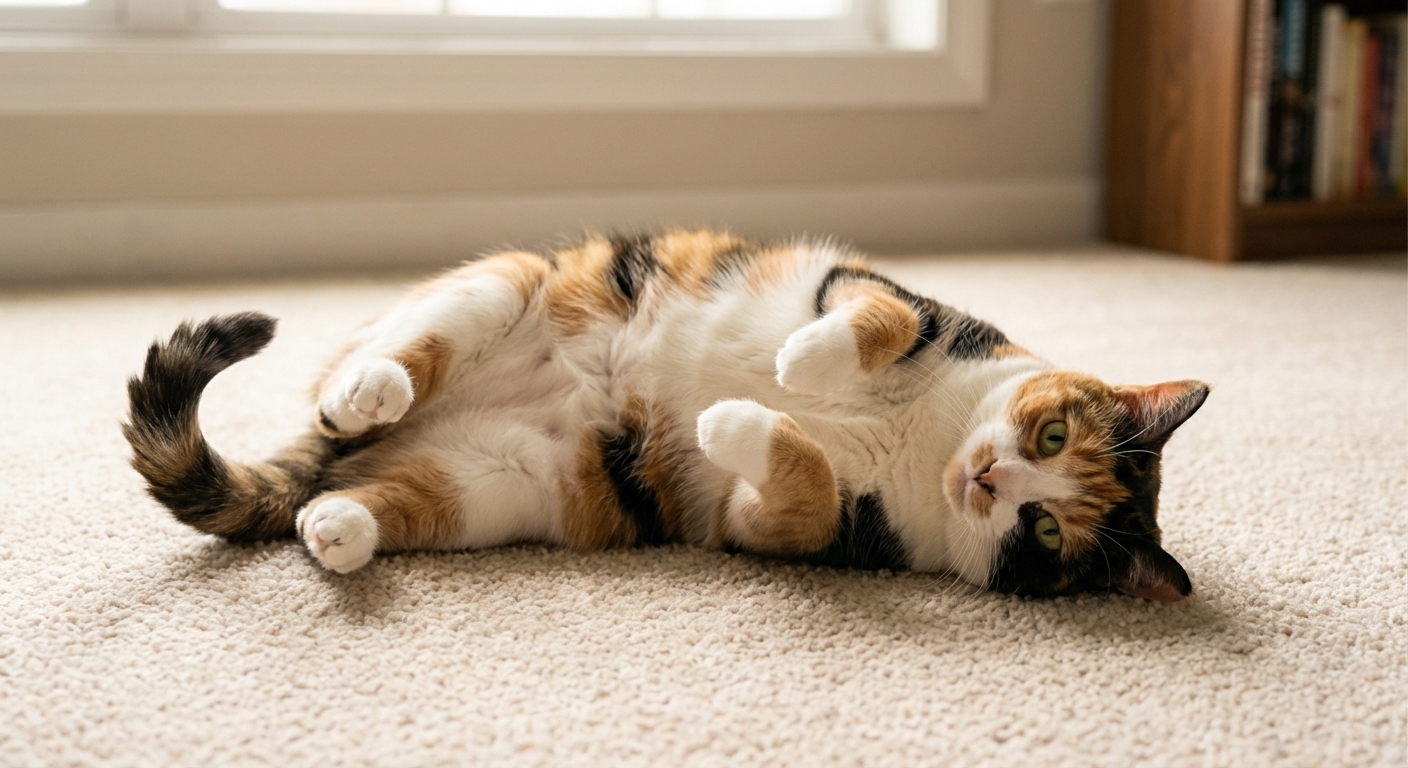
You may notice frequent rubbing against your legs, furniture, door frames, or rolling around on the floor. Some cats become extremely affectionate and seek constant attention.
3) The classic heat posture
When you pet her back near the tail, she may:
- Lower her front end
- Raise her hindquarters
- Move her tail to the side
- Tread her back feet
This is called lordosis and is a hallmark heat sign.
4) Restlessness and trying to escape
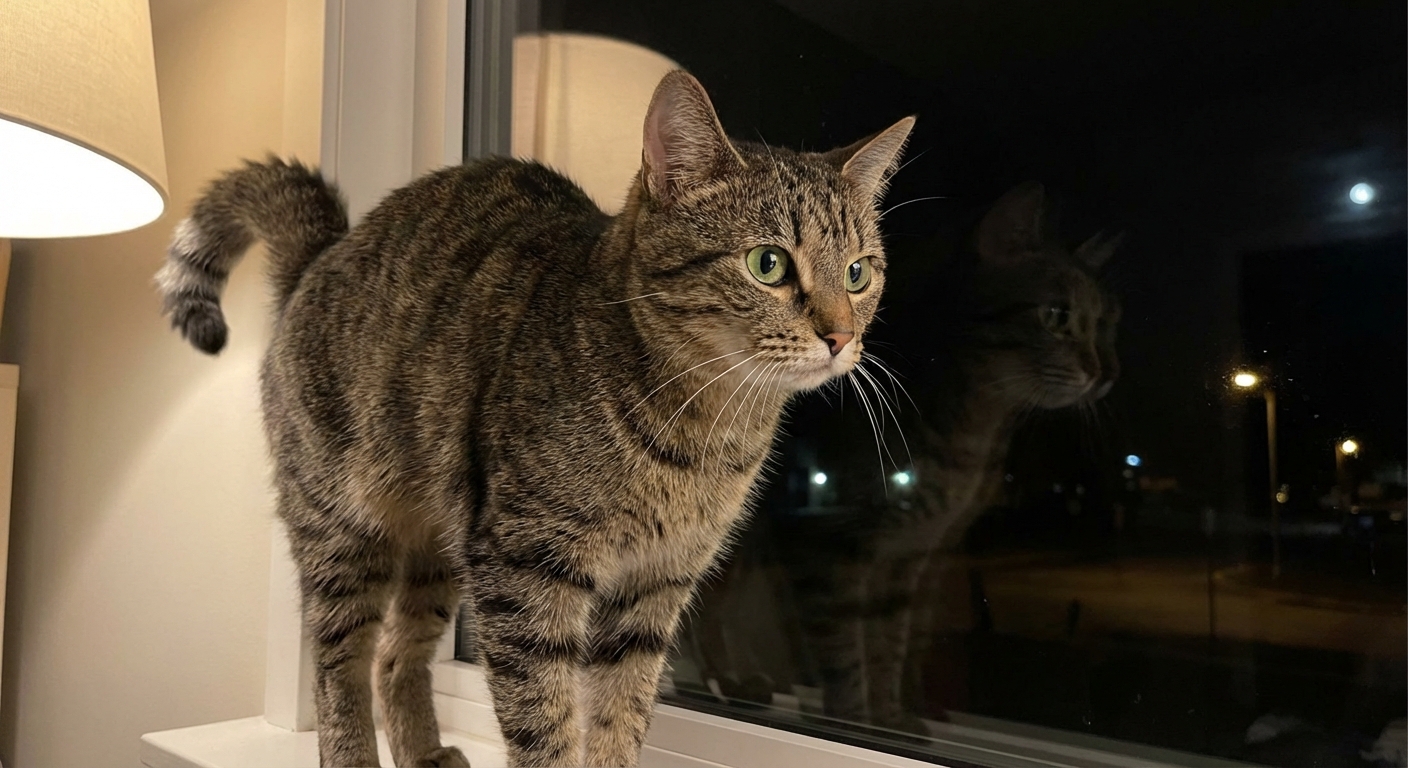
A cat in heat often wants to bolt outdoors. You might see pacing, door-darting, window-watching, or intense interest in smells coming from outside.
5) Increased marking or urine-related behavior
Some cats urinate more frequently, may spray, or may urinate near doors and windows. This can be a way to advertise fertility to male cats.
6) Appetite changes
Some cats eat less during heat because they are so focused on mating behavior. Others may beg more than usual. Either can be normal, but keep fresh water available at all times.
One more note: not every cat is dramatic about it. Some cats have “quiet heats” with subtler behavior changes, so the absence of yowling does not rule heat out.
Timeline and how long heat lasts
Most cats reach puberty and have their first heat between about 4 to 10 months of age. Many are closer to the 5 to 9 month range, but timing varies based on genetics, body condition, season, and light exposure.
- Length of heat (estrus): commonly about 4 to 10 days, but it can vary.
- Time between heats: if not pregnant or spayed, many cats cycle again in as little as 2 to 3 weeks.
- Breeding season: outdoor cats often cycle more during spring through early fall. Indoor lighting can extend cycling, and some cats seem to cycle nearly nonstop.
If it feels like your cat is “always in heat,” you are not imagining it. Some cats have back-to-back cycles.
Heat or something else?
Heat is common, but not every vocal or restless cat is in heat. Here are a few look-alikes and when to be cautious.
Heat vs urinary tract issues
A cat in heat may urinate more often or act unsettled. However, straining to urinate, crying in the litter box, blood in urine, licking the genital area nonstop, or urinating very small amounts can indicate urinary tract disease.
If your cat is straining and producing little or no urine, treat it as an emergency and seek veterinary care right away. (This is especially critical for male cats, but any cat with suspected inability to urinate needs urgent help.)
Heat vs pain or illness
Heat behaviors are usually accompanied by the classic heat posture and increased affection. If your cat is hiding, not eating for more than a day, vomiting, lethargic, or acting painful when touched, it is time to call your veterinarian.
Heat vs pregnancy
Cats can become pregnant quickly, even on the first heat. If your cat was exposed to an intact male, watch for signs of pregnancy in the weeks that follow. Your veterinarian can confirm pregnancy and discuss options.
If you are ever unsure, a quick call to your vet is absolutely worth it. Heat is normal, but urinary issues and reproductive infections are not something to wait on.
What to do when your cat is in heat
You cannot safely “stop” a heat cycle at home, but you can reduce stress and prevent accidental breeding.
Avoid over-the-counter or unprescribed hormone products or “heat suppression” medications. These can carry significant risks. If you are struggling, ask your veterinarian about safe, appropriate options.
Keep her strictly indoors
- Check window screens, patios, and door gaps.
- Open doors carefully and watch for door-darting.
- Do not let her on an unsecured balcony.
Also be prepared for visitors. Intact male cats may show up outside, vocalize, mark, and linger, which can increase your cat’s determination to escape.
Reduce stimulation and provide comfort
- Offer play sessions to burn nervous energy.
- Use puzzle feeders or treat balls for distraction.
- Provide a warm blanket or heating pad on low (with supervision) if she seeks warmth.
- Some cats respond well to feline pheromone diffusers.
Plan for noisy nights
Heat can be loud at night. Consider:
- Extra evening play to encourage rest
- White noise for your bedroom
- Closing blinds if outdoor cats are visible and triggering her
Spaying during heat
Yes, cats can often be spayed while in heat, but it may depend on your veterinarian’s preference and the clinic’s policies. Spaying during heat can involve increased blood flow to the reproductive tract, which may slightly increase surgical complexity.
That said, delaying spay can also mean weeks of cycling and a real risk of pregnancy. Your veterinarian can help you weigh the timing for your cat’s age, health, and lifestyle.
Why spaying matters
Spaying is not just about preventing kittens. It is a major wellness step.
- Prevents unplanned pregnancy and reduces shelter overcrowding.
- Eliminates heat cycles and the stress that comes with repeated cycling.
- Reduces the risk of pyometra, a serious uterine infection that can be life-threatening.
- Reduces mammary tumor risk, with the strongest protective effect when done before the first heat. The benefit tends to decrease after subsequent heats, and exact risk percentages vary by study.
If you are on the fence, talk with your vet about ideal timing, pain control, recovery, and what to expect after surgery.
Quick checklist
- Sudden loud yowling, especially at night
- Rubbing, rolling, and extra clinginess
- Tail held to the side when petted near the back end
- Hindquarters raised, “treading” back feet
- Restless pacing and trying to escape outside
- Possible increased urination or marking
If you check several of these boxes and she is not spayed, heat is very likely.