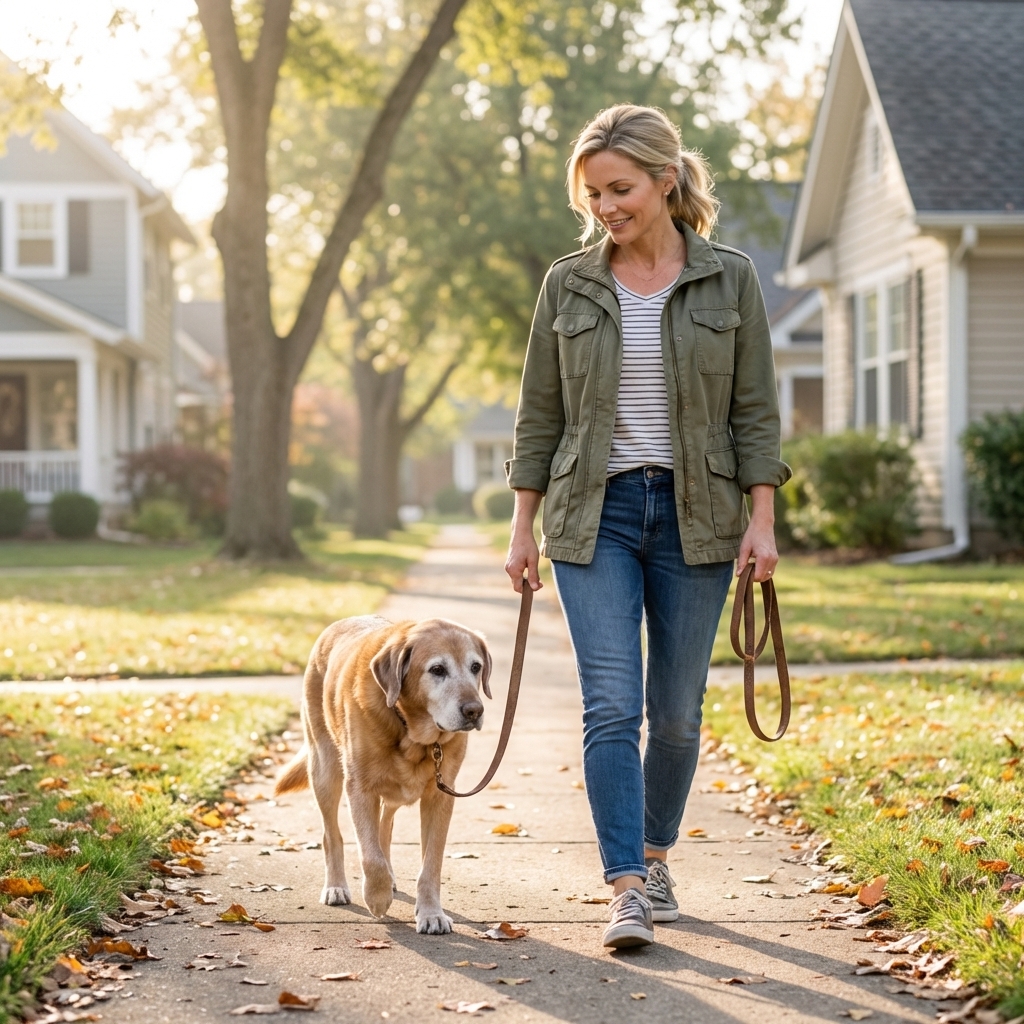
Dogs often hide pain. Learn quiet warning signs, behavior and movement changes, pain patterns by body area, an easy at-home check, and when to seek urgent ve...
Article
•
Designer Mixes
How to Know If Your Dog Is in Pain

Shari Shidate
Designer Mixes contributor
Many dogs are very good at hiding pain, especially at first. Veterinarians see it all the time: a dog who is still wagging, still eating, still trying to be “good”… but their body language is quietly saying something is wrong.
If you have that gut feeling that your dog is hurting, you are not being dramatic. You are paying attention. This guide will help you spot common pain behaviors, understand what they can mean, and know when to call your veterinarian.
Quick takeaway: pain is often behavior first
Many pet parents look for obvious signs like yelping or limping. Those can happen, but pain often shows up earlier as subtle behavior shifts, including sleep changes, mood changes, and “they are just not themselves.”
Think of pain signs in three buckets:
- Movement changes (how they walk, sit, climb, jump)
- Body language changes (posture, facial tension, tail position)
- Routine changes (appetite, sleep, potty habits, social behavior)
Common behavior signs your dog may be in pain
1) They move differently
Movement changes are some of the most reliable pain clues, especially with arthritis, hip issues, back pain, or soft tissue injuries.
- Hesitating before jumping onto the couch or into the car
- Moving slower on walks, lagging behind, or stopping more often
- Stiffness after naps or first thing in the morning
- Taking stairs one step at a time, or refusing stairs entirely
- Limping that comes and goes
- Sitting “awkwardly” with one leg out to the side
What it can mean: joint pain, muscle strain, spinal discomfort, nail or paw pain, or even abdominal pain that makes movement uncomfortable.
2) They lick, chew, or guard a spot
Repeated licking is one of those easy-to-miss pain behaviors. Some dogs will obsessively lick a joint, paw, or belly because it is sore or itchy. Others may guard the area by shifting away when you reach for it.
- Licking a paw, leg, or hip repeatedly
- Chewing at a spot or pulling at fur
- Flinching when touched
- Turning their head quickly toward your hand when you pet a specific area
- Not wanting to be brushed, picked up, or hugged
What it can mean: injury, arthritis, ear infection, anal gland discomfort, dental pain, allergies, or skin infection. Licking can also be compulsive, stress-related, or linked to nerve discomfort, so it is worth investigating either way.
3) Their face looks tense
Dogs have a “pain face” just like people do. It can be subtle, but once you see it, you cannot unsee it.
- Squinting or looking half-asleep when they are awake
- Ears pinned back or held oddly
- Tight mouth, pursed lips, or unusual drooling
- Whale eye (often a fear or stress sign, but it can also show up with discomfort)
- Furrowed brow or worried expression
Tip: Take a quick photo when you notice the expression. Showing your vet “this look” can be surprisingly helpful.
4) They are more irritable or withdrawn
Pain can change temperament. A friendly dog may become snappy. A social dog may isolate. This is not “bad behavior.” It is often self-protection.
- Growling when approached or touched
- Hiding under furniture or staying in another room
- Not greeting you at the door
- Clinginess that seems out of character
- Not wanting to play, even with favorite toys
What it can mean: chronic pain, dental disease, ear pain, gastrointestinal discomfort, or a systemic illness. Always treat new aggression as a potential medical issue first.
5) Sleep and restlessness change
Dogs in pain often struggle to get comfortable.
- Pacing, especially at night
- Frequent position changes while lying down
- Sleeping more than usual, or sleeping lightly
- Reluctance to lie on one side
- Getting up frequently to reposition
What it can mean: arthritis, back pain, abdominal discomfort, or anxiety triggered by discomfort.
6) Appetite and drinking change
Pain can affect appetite in both directions. Some dogs eat less because they feel unwell. Others may still eat normally but show other signs. Dental pain is a big one here.
- Eating slower than usual
- Dropping food while chewing
- Only chewing on one side
- Sudden preference for softer foods
- Reduced appetite or skipping meals
- Drinking less because swallowing or bending to the bowl seems uncomfortable
- Drinking more than usual, especially alongside appetite or energy changes
What it can mean: dental disease, nausea, pancreatitis, mouth injury, fever, or systemic illness. If your dog is not eating, call your vet promptly.
7) Potty habits change
Bathroom changes can be a pain signal, not just a “behavior problem.”
- Straining to urinate or defecate
- Accidents in a previously house-trained dog
- Crying out when squatting
- Frequent attempts to pee with little output
- Constipation or diarrhea
What it can mean: urinary tract infection, bladder stones, constipation, anal gland issues, spinal pain, or abdominal pain. Some of these are urgent.
Specific pain patterns people miss
Dental pain
Dental disease is extremely common, and many dogs keep eating even with a very painful mouth. Watch for bad breath, pawing at the face, blood on toys, or chewing changes.
Ear pain
Ear infections and ear hematomas can hurt a lot. Look for head shaking, ear scratching, odor, redness, or a head tilt. A dog with ear pain may also seem “grumpy” because touch is uncomfortable.
Arthritis or joint pain
This often looks like “slowing down with age,” but many dogs benefit from treatment. Early help can protect mobility and quality of life.
Back or neck pain
Dogs with back pain may avoid stairs, refuse to jump, cry when picked up, or hold their head low. Small breeds and long-backed breeds can be at higher risk for disc issues, but any dog can have spinal pain.
Important: If back pain is paired with weakness, wobbly walking, knuckling, or paralysis, treat it as an emergency. Keep your dog as still as possible (carry if you can do so safely) and seek urgent veterinary care.
Pain vs anxiety or cognitive changes
Older dogs can show restlessness, pacing, sleep reversal, and clinginess from anxiety or canine cognitive dysfunction. Pain can look similar. If your dog is “off” in multiple ways, or the changes are new or escalating, it is worth a vet visit to sort out discomfort versus behavioral or cognitive causes (and sometimes it is both).
At-home check: what you can do today
You do not need to be a professional to collect helpful information. Here are safe, simple steps.
1) Take a short video
Record your dog:
- Walking toward and away from the camera
- Sitting, standing, and lying down
- Using stairs if safe
Videos often capture mild limps or stiffness that disappear in the exam room.
2) Do a gentle hands-on scan
When your dog is calm, lightly run your hands over their body. Stop if your dog pulls away, stiffens, growls, or tries to leave.
- Compare left side to right side for heat, swelling, or sensitivity
- Check paws for cracks, foxtails, broken nails, or redness between toes
- Look at gums and teeth if your dog allows it
3) Track the big three for 72 hours
- Appetite: normal, reduced, picky, or not eating
- Energy: normal, slightly low, very low
- Mobility: normal, stiff, limping, refusing movement
Bring these notes to your appointment. It helps your vet make faster, clearer decisions.
Pain is not always loud. Sometimes it is a dog quietly choosing the rug instead of the stairs, the back of the room instead of your lap, or a slow walk instead of a run.
When pain is an emergency
Call your veterinarian or an emergency clinic right away if you notice any of the following:
- Sudden inability to walk, stand, or use a limb
- Bloated, hard abdomen, repeated retching, or pacing with a tense belly (this can be GDV, also called bloat, and it is life-threatening)
- Crying out repeatedly, or severe trembling that does not stop
- Heavy panting at rest, pale gums, or collapse
- Possible toxin ingestion or trauma (hit by car, fall, dog fight)
- Straining to urinate with little or no urine produced
- Seizures, confusion, or sudden disorientation
- Back pain with weakness, wobbly walking, knuckling, or paralysis
If you are unsure, it is okay to call. A quick phone triage can save time and sometimes save a life.
What not to do
- Do not give human pain meds like ibuprofen, naproxen, or acetaminophen unless your veterinarian specifically instructs you. These can be toxic to dogs, and even “pet-safe” doses must be prescribed for your dog’s size and situation.
- Do not force exercise to “work it out.” Pain that improves after warming up can still be significant and should be addressed.
- Do not ignore behavior changes just because your dog is still eating or wagging.
How vets evaluate pain
At the clinic, your veterinarian may use a combination of:
- Physical exam and range-of-motion checks
- Pain scoring and gait observation
- Dental and ear evaluation
- X-rays, ultrasound, or lab work
- A medication trial to confirm suspected pain sources
The goal is not just “make the pain stop today,” but to find the cause and protect long-term comfort and mobility.
Supporting a dog in pain at home (with your vet’s guidance)
Once your vet has evaluated your dog, home support can make a big difference.
- Make movement easier: use ramps, non-slip rugs, and a supportive bed
- Keep nails trimmed: long nails change joint angles and can worsen discomfort
- Maintain a healthy weight: extra pounds add real pressure to joints
- Consider rehab options: physical therapy, acupuncture, or laser therapy can help many dogs
- Use supplements thoughtfully: your vet may recommend omega-3s or joint support based on your dog’s needs
Small changes, done consistently, can add up to a much happier dog.
Final reassurance
If you are reading this, you are already doing the right thing: noticing and asking questions. Pain is treatable, and dogs often bounce back beautifully when we catch discomfort early. Trust what you see, document it, and partner with your veterinarian so your dog can get back to feeling safe in their body again.