Learn kidney-friendly homemade meal templates for dogs, including phosphorus control, right-sized protein, omega-3s, hydration tips, and foods to avoid—plu...
Article
•
Designer Mixes
How to Know If Your Dog Has Kidney Failure

Shari Shidate
Designer Mixes contributor
Kidney disease can be sneaky. I have seen plenty of dogs still wagging their tails while their kidneys are quietly struggling behind the scenes. The “secrets” are not really secrets at all. They are patterns. Small changes at home, paired with the right veterinary tests, can help you catch kidney trouble earlier, when you have more options and your dog can feel better faster.
Important note: If your dog is vomiting repeatedly, cannot keep water down, seems very weak, has pale gums, collapses, or you suspect toxin exposure (like antifreeze), treat it as an emergency and head to an ER vet right away.
Kidney failure vs kidney disease
Many pet parents say “kidney failure” when they really mean kidney disease. Kidney disease can be chronic (slow and progressive) or acute (sudden, sometimes reversible if treated early). “Failure” often refers to the point where the kidneys can no longer do their job well enough without medical support.
Kidneys filter waste, balance hydration and electrolytes, support blood pressure, and help make hormones that affect red blood cells. That is why kidney issues can show up as stomach upset, drinking changes, weight loss, and even anemia.
Early signs at home
In the early stages, kidney disease can look like normal “aging” or a picky appetite. Here are the changes I encourage families to watch for:
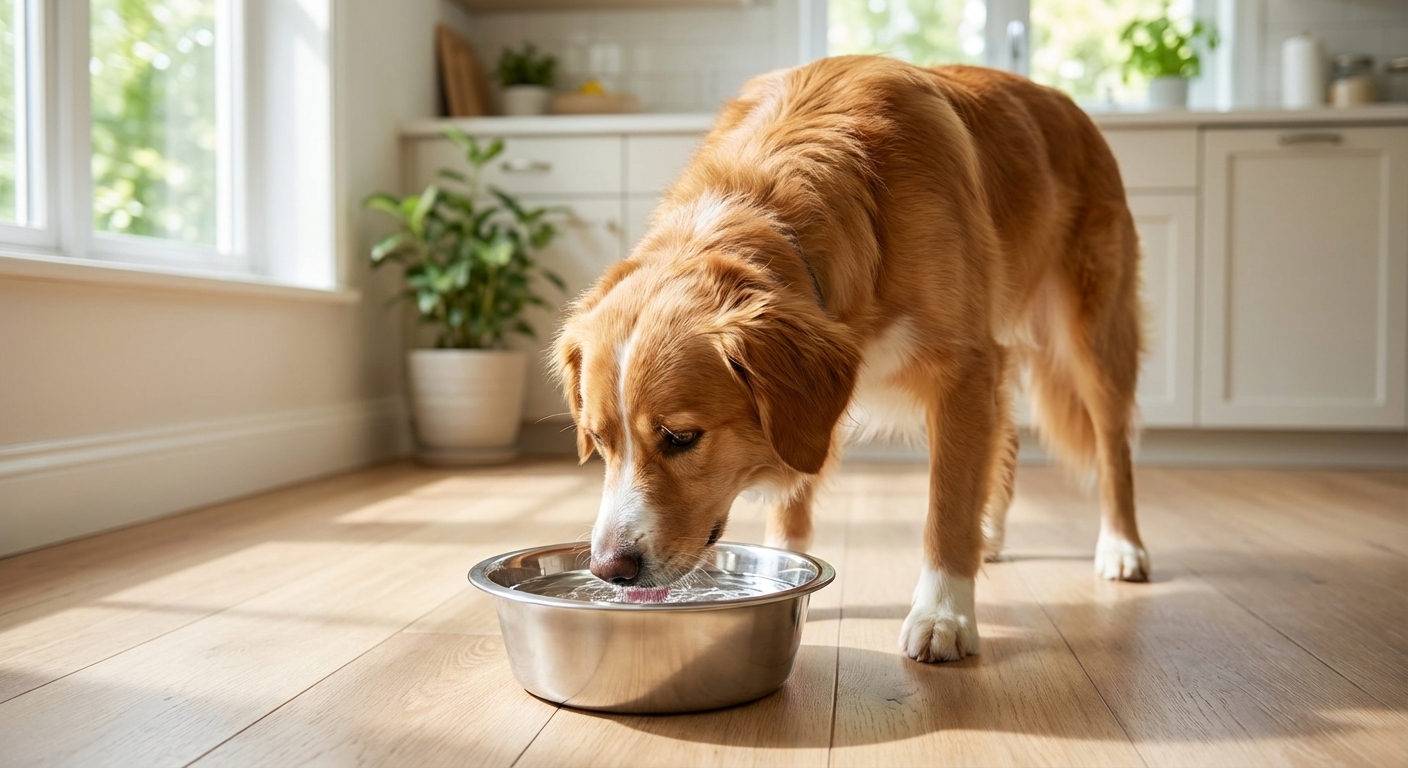
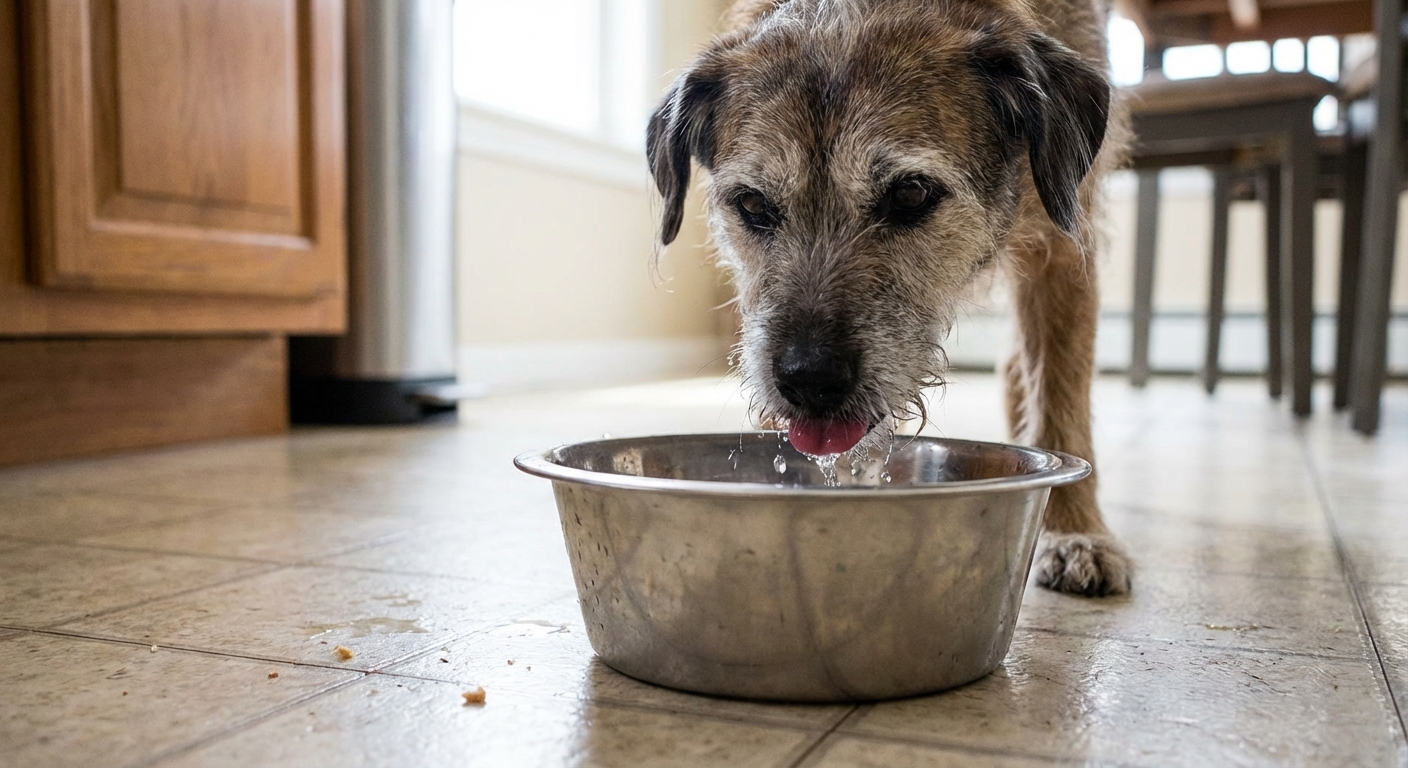
- Drinking more water than usual
- Peeing more often, having larger volumes of urine, or asking to go out at night
- Decreased appetite or skipping meals
- Weight loss or muscle loss along the back legs
- Nausea signs like lip-smacking, drooling, swallowing repeatedly, or eating grass
- Bad breath that smells like ammonia or “chemicals”
- Dull coat, less grooming, or general “not quite themselves” energy
One helpful habit is to take a quick video of your dog’s drinking, breathing, or behavior changes. It is surprisingly useful for your veterinarian, especially if symptoms come and go.
Red flags
If kidney function drops significantly, toxins build up in the bloodstream and dogs can feel truly miserable. Contact your vet urgently if you notice:
- Vomiting (especially repeated vomiting or vomiting with blood)
- Diarrhea or very dark, tarry stool
- Dehydration (sticky gums, sunken eyes, skin stays “tented”)
- Mouth ulcers or painful mouth
- Weakness, stumbling, acting disoriented
- Not peeing or straining with little output
- Sudden blindness or signs of high blood pressure (bumping into things, dilated pupils)
The big thing people miss
Here is the hard truth: kidney disease often hides until later stages. Many dogs do not show clear symptoms until kidney function is significantly reduced, which is why routine screening matters, especially for seniors and breeds predisposed to kidney issues.
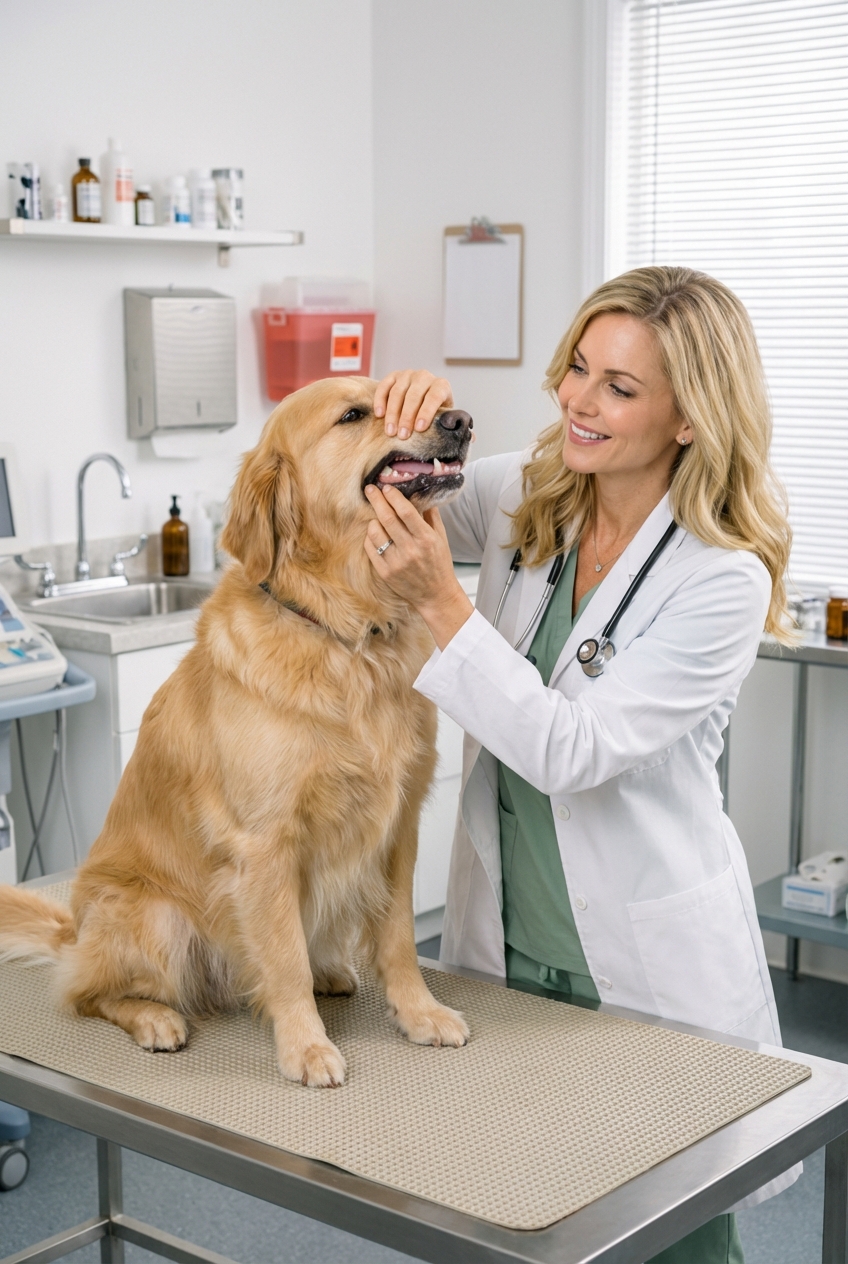
Ask your vet about checking:
- Bloodwork including creatinine, BUN, phosphorus, electrolytes, and often SDMA
- Urinalysis including urine specific gravity and urine protein
- Blood pressure because hypertension can both result from and worsen kidney disease
These tests help separate kidney issues from look-alikes like diabetes, Cushing’s disease, liver disease, or a urinary tract infection.
At-home checks that help
Helpful things to track
- Water intake: If you want a number, measure how much you pour in each morning and what is left at night. A rough reference point many clinics use is that over about 100 mL per kg per day can be considered excessive, but there are exceptions. Bring your estimate to your vet so they can interpret it for your dog.
- Appetite: Note what was eaten, what was refused, and whether your dog seems nauseated.
- Urination: More frequent potty trips, accidents, or very pale urine are important clues.
- Weight: Weekly weigh-ins catch trends early.
What not to do
- Do not restrict water. If your dog is drinking more, it is often the body trying to compensate.
- Do not give human pain meds (ibuprofen, naproxen, etc.). Many are dangerous and can trigger kidney injury.
- Do not start supplements blindly. Some herbs and high-dose vitamins can complicate kidney patients.
Common causes in dogs
Knowing the “why” helps your vet choose the right treatment. Common contributors include:
- Chronic kidney disease related to age, genetics, or long-term wear and tear
- Toxins such as antifreeze, grapes and raisins, unsafe medications (especially NSAIDs like ibuprofen and naproxen), and some rodenticides (depending on type)
- Infections including leptospirosis (a vaccine-preventable disease in many areas)
- Dehydration and heat illness
- Urinary blockage or severe urinary tract disease
- Dental disease and chronic inflammation (associated with worse health outcomes in some dogs, and worth addressing even if it is not the whole story)
If you live in an area with wildlife, standing water, or frequent dog-park exposure, ask your veterinarian whether leptospirosis prevention is appropriate for your dog’s lifestyle.
How vets confirm it
When families come in worried about kidney failure, we typically rely on a combination of tests and the story you share from home. Here is a plain-language breakdown:
- Creatinine and BUN: Waste products that rise when filtration drops. They can also rise with dehydration, so context matters.
- SDMA: Often increases earlier than creatinine and can help catch kidney changes sooner.
- Urine specific gravity: Shows whether kidneys can concentrate urine. Dilute urine can be an early warning sign.
- Phosphorus and potassium: Imbalances are common in kidney patients and affect how they feel and eat.
- Urine protein (UPC): Protein in urine can signal kidney damage, but it can also be influenced by things like inflammation or infection. That is why vets interpret UPC alongside the urine sediment exam, and sometimes recommend a urine culture.
- Blood pressure: High blood pressure can damage eyes, brain, heart, and kidneys.
- Imaging: X-rays or ultrasound may help identify stones, tumors, kidney shape changes, or obstruction. Ultrasound is especially helpful when acute kidney injury is on the table.

What to do right now
If your gut is telling you something is off, trust it. Here are practical next steps that help your vet help your dog:
- Schedule an exam and lab work. Ask if blood pressure and a urinalysis can be done the same visit.
- Bring a urine sample if your clinic accepts it (fresh is best). Call ahead for instructions.
- Write down changes: When did drinking change? Any vomiting? Any new meds? Any possible toxins?
- List diet and treats, including chews, jerky, supplements, and people-food snacks.
Living with kidney disease
Treatment depends on whether the problem is acute or chronic, and on the underlying cause. In general, kidney support often includes:
- Hydration support (fluids under the skin at home or IV fluids in the hospital)
- Anti-nausea medication and appetite support
- Diet changes tailored to kidney needs (kidney diets are typically lower in phosphorus and have moderated, high-quality protein, and yes, keeping your dog eating is still the priority)
- Phosphate binders if blood phosphorus is high
- Blood pressure medication if hypertension is present
- Treating infections or addressing obstruction if found
You may also hear your vet mention IRIS staging. It is a standardized way to describe chronic kidney disease severity and helps guide monitoring and treatment choices. Recheck timing varies by stage and by how your dog is doing, but it commonly includes repeat bloodwork, urinalysis (sometimes UPC), and blood pressure checks.
As a veterinary assistant, one of the most encouraging things I can tell you is this: many dogs with chronic kidney disease can still enjoy good quality of life for months to years with the right plan and monitoring.
Action step: If your dog is a senior, ask your vet what they recommend for kidney screening frequency. Early detection is one of the biggest quality-of-life boosters we have.
Common questions
Can I tell kidney failure from symptoms alone?
You can suspect it, but you cannot confirm it without testing. Many conditions cause thirst, vomiting, and weight loss. Bloodwork and urinalysis are the fastest way to get clarity.
Is increased thirst always kidney disease?
No. Diabetes, Cushing’s disease, medications like steroids, and even hot weather can increase drinking. That is why measuring trends and doing lab work matters.
Should I switch food immediately?
If your dog is sick, focus on getting seen first. After diagnosis, your vet may recommend a kidney-support diet or a custom plan. Sudden diet changes can backfire if your dog is nauseated and stops eating.