Turn chicken and rice into a more balanced homemade dog meal with veggies, calcium carbonate, and omega-3s. Includes gram weights, portion guidance, swaps, a...
Article
•
Designer Mixes
How to Know If Your Dog Has Kennel Cough

Shari Shidate
Designer Mixes contributor
Kennel cough can sound scary, but most healthy dogs recover well with the right care and a little patience. As a veterinary assistant here in Frisco, Texas, I have seen how quickly this cough can spread at dog parks, grooming salons, daycare, boarding, and even the vet clinic. The key is knowing what to listen for, what to watch for, and when to call your veterinarian.
What kennel cough is
"Kennel cough" is a common name for canine infectious respiratory disease complex (CIRDC), which is a group of contagious infections that inflame the throat and upper airways. It is usually caused by a mix of viruses and bacteria. One of the best-known bacteria involved is Bordetella bronchiseptica, but it is rarely the only factor.
It spreads through respiratory droplets (coughing, sneezing) and from contaminated surfaces like water bowls, toys, leashes, and kennel doors. Many dogs catch it simply by being around other dogs, especially in enclosed spaces with shared air.
Common signs
1) A sudden, dry hacking cough
The most typical kennel cough is a dry, honking or hacking cough that comes in bursts. Many pet parents describe it as sounding like the dog has something stuck in their throat.
2) Gagging or retching after coughing
Some dogs cough so hard they gag or retch at the end of an episode. This can look like they are trying to "cough up" something, sometimes with a little foamy saliva.
3) Mild runny nose or sneezing
A small amount of clear nasal discharge can happen, especially if a virus is part of the infection.
4) Normal appetite and energy, or slightly reduced
In uncomplicated cases, many dogs still eat, drink, and act fairly normal between coughing spells.
When it shows up
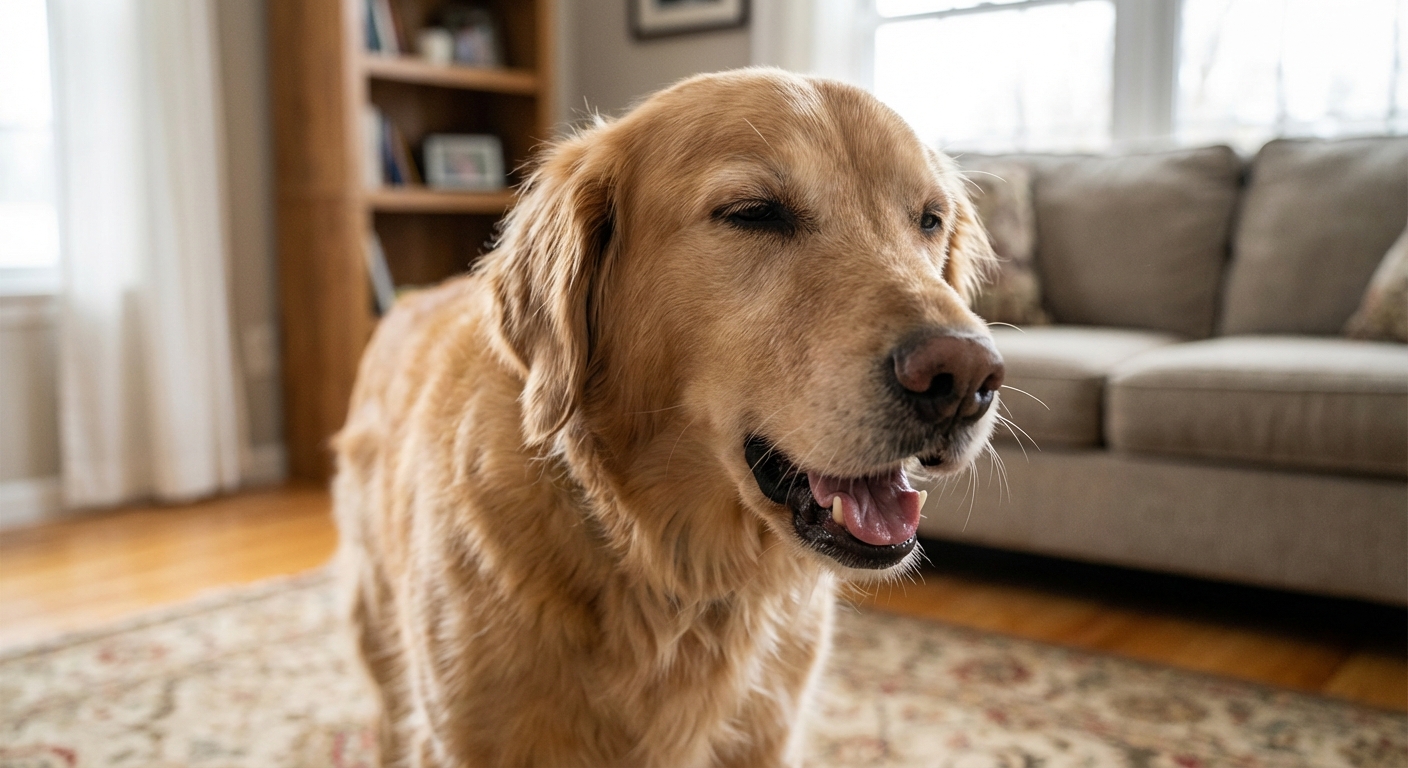
Symptoms often appear in about 2 to 14 days after exposure, depending on the organisms involved and your dog’s immune system.
Ask yourself:
- Has your dog recently been to boarding, daycare, grooming, training classes, or the dog park?
- Have you adopted or fostered a new dog recently?
- Has your dog had a playdate with a dog who later started coughing?
Kennel cough or something else?
A cough can come from many causes, and some are more serious than kennel cough. Here are a few common look-alikes.
Kennel cough vs choking
- Kennel cough: repeated episodes over hours or days; dog usually breathes normally between spells.
- Choking or foreign object: sudden distress, pawing at the mouth, trouble breathing, panic, blue or pale gums.
If you suspect choking or your dog is struggling to breathe, treat it as an emergency.
Kennel cough vs allergies or irritants
- Allergies or irritants: may come with itchy skin, watery eyes, seasonal patterns, or exposure to smoke, strong fragrances, essential oil diffusers, or dusty environments.
- Kennel cough: often follows dog-to-dog exposure and can spread to other dogs in the home.
Kennel cough vs canine influenza
Canine flu can look very similar to kennel cough. It can cause a dry or wet cough, plus more nasal discharge, fever, and lethargy. Outbreaks and recent exposure are big clues, but only a veterinarian can confirm the cause. Testing may be recommended when flu is circulating locally.
Kennel cough vs heart disease
Some dogs, especially seniors or small breeds, can cough from heart disease. A heart-related cough is often worse at night or after lying down and may come with exercise intolerance. If your dog is older, has a known heart murmur, or the cough is lingering, a vet visit is important.
When to call the vet
Go in urgently
- Trouble breathing, rapid breathing, or labored breathing
- Blue, gray, or very pale gums
- Collapse or extreme weakness
- A wet, productive cough or coughing up fluid
- Persistent vomiting
Call soon
- Fever or your dog seems unusually hot and very lethargic. A rectal thermometer is the most reliable way to confirm fever. Many clinics consider over 103°F (39.4°C) a fever, but call your veterinarian for guidance on what to do next.
- Loss of appetite or refusal to drink
- Thick yellow or green nasal discharge
- Cough lasting more than 7 to 10 days, or worsening at any point
Higher-risk dogs
- Puppies, seniors, pregnant dogs, or immunocompromised dogs with any respiratory signs
- Dogs with heart or lung disease (or a history of pneumonia) who start coughing
Most kennel cough is mild, but pneumonia is not. If your dog looks "sick," not just "coughy," it is time for a veterinary exam.
What your vet may do
Your vet will typically start with a history and physical exam, then decide if testing is needed. Depending on severity and risk factors, they may recommend:
- Listening to the lungs and checking temperature
- Chest X-rays if pneumonia is suspected
- Respiratory PCR testing (a swab) to identify specific organisms, especially during outbreaks or if symptoms are severe
- Medication such as a cough suppressant for dry, non-productive coughs (only when appropriate)
- Antibiotics when bacterial involvement is suspected, if Bordetella is likely, if a dog is high-risk, or if there are signs of secondary infection or pneumonia. Antibiotics do not treat viral causes.
Do not give human cough medicine unless your veterinarian specifically instructs you to. Many human medications are unsafe for dogs or can mask worsening disease.
At-home care for mild cases
If your vet confirms your dog has uncomplicated kennel cough, supportive care at home can make a big difference.
Keep your dog calm and rested
Excitement and heavy exercise can trigger coughing fits. For a few days, choose short, gentle potty breaks instead of long runs.
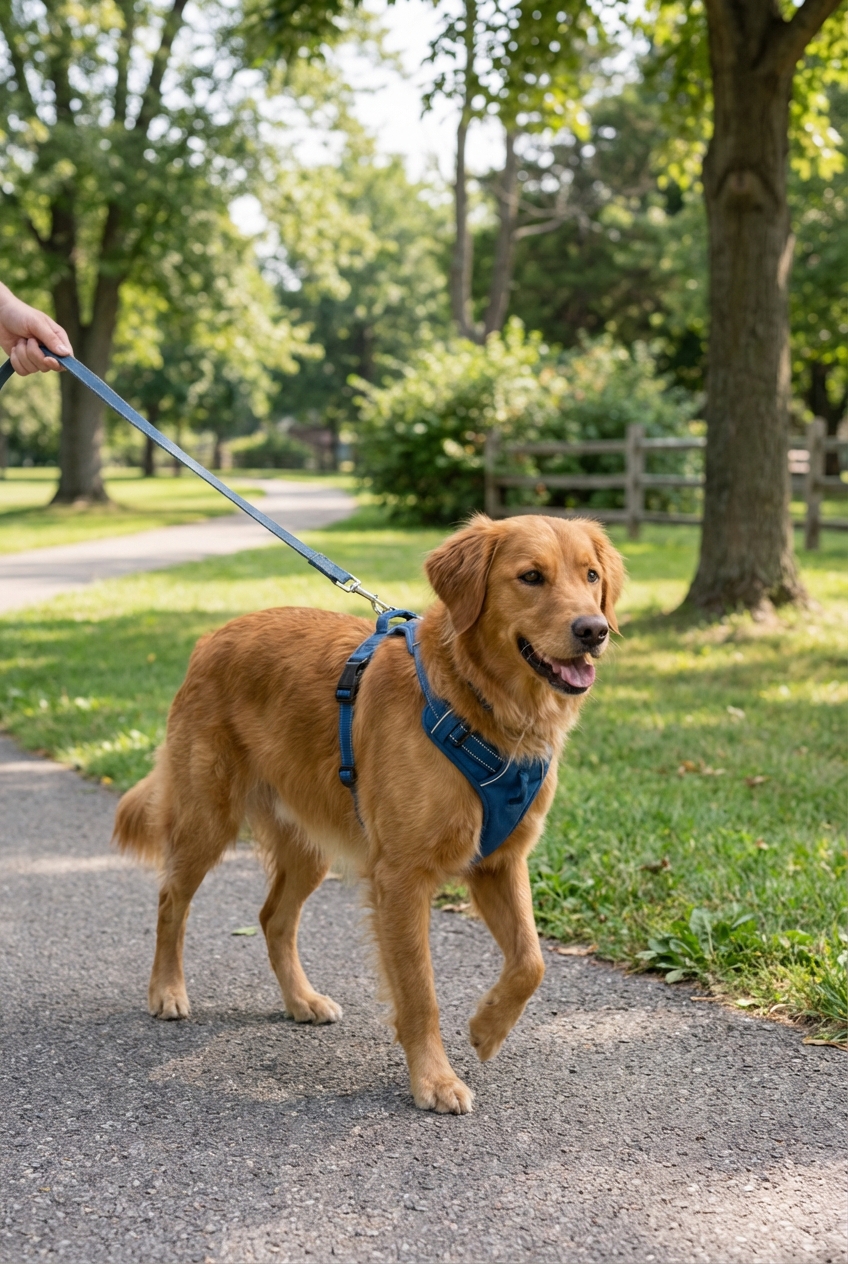
Use a harness
Pressure on the throat can worsen coughing. A well-fitted harness is often more comfortable while the airway is irritated.
Humid air can help
Some dogs do better with a little humidity. You can sit in a steamy bathroom for 10 to 15 minutes (no direct hot water exposure) to help soothe irritated airways.
Encourage fluids and good nutrition
Hydration supports healing. If appetite is reduced, ask your vet about temporarily offering warmed, aromatic food to encourage eating.
What not to do
- Do not take your dog to daycare, boarding, grooming, training, or the dog park while coughing.
- Do not use a collar that triggers coughing or pulls on the neck.
- Do not give over-the-counter human cold or cough products unless your veterinarian tells you exactly what to use and how much.
- Avoid smoke, strong fragrances, and diffusers that may irritate the airway.
How long it lasts
Many dogs improve within 1 to 3 weeks, although the cough can linger a bit longer in some cases.
How long dogs are contagious
Dogs can sometimes shed respiratory germs for 2 to 3 weeks or longer, depending on the organism involved, your dog’s immune system, and whether secondary infection is present. Many clinics recommend avoiding contact with other dogs until at least 10 to 14 days after the cough has fully resolved, but your veterinarian’s guidance should be the final word.
To help protect other dogs:
- Avoid dog-to-dog contact until your veterinarian says it is safe.
- Limit close contact at home when possible, especially with puppies, seniors, or medically fragile dogs.
- Do not share bowls or toys between dogs during illness.
- Wash hands after handling a coughing dog, and change clothes if you are visiting other dogs.
- Clean and disinfect bowls, toys, crates, and washable bedding. Follow product directions. Many facilities use products like accelerated hydrogen peroxide or properly diluted bleach on hard surfaces, when appropriate.
If you have multiple dogs, ask your vet about whether to separate them based on age, health status, and severity of symptoms.
Many owners also worry about their own family. Typical kennel cough causes are considered primarily dog-to-dog. Human infection is uncommon, but people with weakened immune systems should ask their healthcare provider if they have concerns. If you have cats at home, it is still wise to use good hygiene and keep your veterinarian in the loop, especially if any pet develops respiratory signs.
Prevention
Vaccination
Kennel cough vaccines do not prevent every cause of CIRDC, but they can reduce the risk and often make illness milder. Talk with your veterinarian about which options fit your dog’s lifestyle:
- Bordetella (often required by boarding and daycare)
- Canine parainfluenza (commonly included in combo vaccines)
- Canine influenza in areas with outbreaks or for high-exposure dogs
Smart exposure choices
- Choose facilities with good ventilation, cleaning protocols, and vaccine requirements.
- Avoid crowded indoor dog spaces when respiratory illness is circulating locally.
- If your dog is a puppy or senior, be extra cautious with high-contact settings.
Quick self-check
Use this as a simple guide. It does not replace a veterinary exam.
- Likely: sudden dry honking cough, mild runny nose, normal appetite, recent exposure to other dogs.
- Less likely: coughing only during meals, chronic cough for months, cough with heavy fatigue or weight loss.
- Urgent: labored breathing, blue gums, severe lethargy, repeated vomiting, puppy with significant symptoms.
My gentle takeaway
If your dog has that classic honking cough, trust your instincts and give your veterinarian a call. Even if it is "just" kennel cough, your vet can confirm the cause, help your dog feel better sooner, and guide you on how to protect other dogs in your community.
And remember, you are doing the right thing by paying attention early. Catching respiratory issues sooner is one of the best ways to keep them simple and manageable.