Your cat in heat? Learn common signs, how to keep her safely indoors, calm restlessness with warmth, play, and pheromones, what to avoid, and when to call yo...
Article
•
Designer Mixes
How to Know If Your Cat Is in Heat

Shari Shidate
Designer Mixes contributor
If your female cat suddenly becomes extra vocal, affectionate, and determined to escape outside, you might be seeing her first heat cycle. As a veterinary assistant here in Frisco, Texas, I can tell you this is one of the most common questions we hear from cat parents, and it can feel surprising if you have never experienced it before.
This guide will help you recognize the signs of heat, understand what is normal, and know when it is time to call your veterinarian.
What “in heat” means
A cat in heat is a female cat in estrus, the part of her reproductive cycle when she is fertile and actively seeking to mate. Unlike dogs, most cats do not have obvious bleeding. You may see a small amount of clear discharge, but visible blood is not typical and should be checked out.
Many cats are seasonally influenced, meaning heat cycles are more common when daylight hours increase. Indoor lighting can make some cats cycle throughout the year.
One important thing to know is that if she is not spayed and does not become pregnant, heat can keep returning over and over during the breeding season (or even year-round for some indoor cats).
Typical age and timing
When does a cat start going into heat?
Most cats can go into heat as early as 4 to 6 months old. Some can start a bit earlier (around 3.5 to 4 months), and some, especially larger or slower-maturing cats, may start later. Genetics, body condition, and daylight exposure all play a role.
How long does a heat cycle last?
- Heat (estrus): often lasts about 3 to 7 days, but some cats can show signs closer to 10 to 14 days.
- Time between cycles: if she does not mate, many cats cycle again in about 1 to 3 weeks.
Because cats can cycle repeatedly, it can feel like it never ends. You are not imagining it.
How long is breeding season?
In many areas, breeding season tends to be strongest from roughly spring through early fall as daylight increases. That said, indoor cats (with consistent light exposure) may cycle at almost any time of year.
Clear signs your cat is in heat
These are the most common signs I suggest watching for at home. Most cats show several at the same time.
1) Loud, persistent vocalizing
People often describe it as yowling, calling, or crying. It can be frequent, intense, and especially noticeable at night.
2) Extra affection (or restless clinginess)
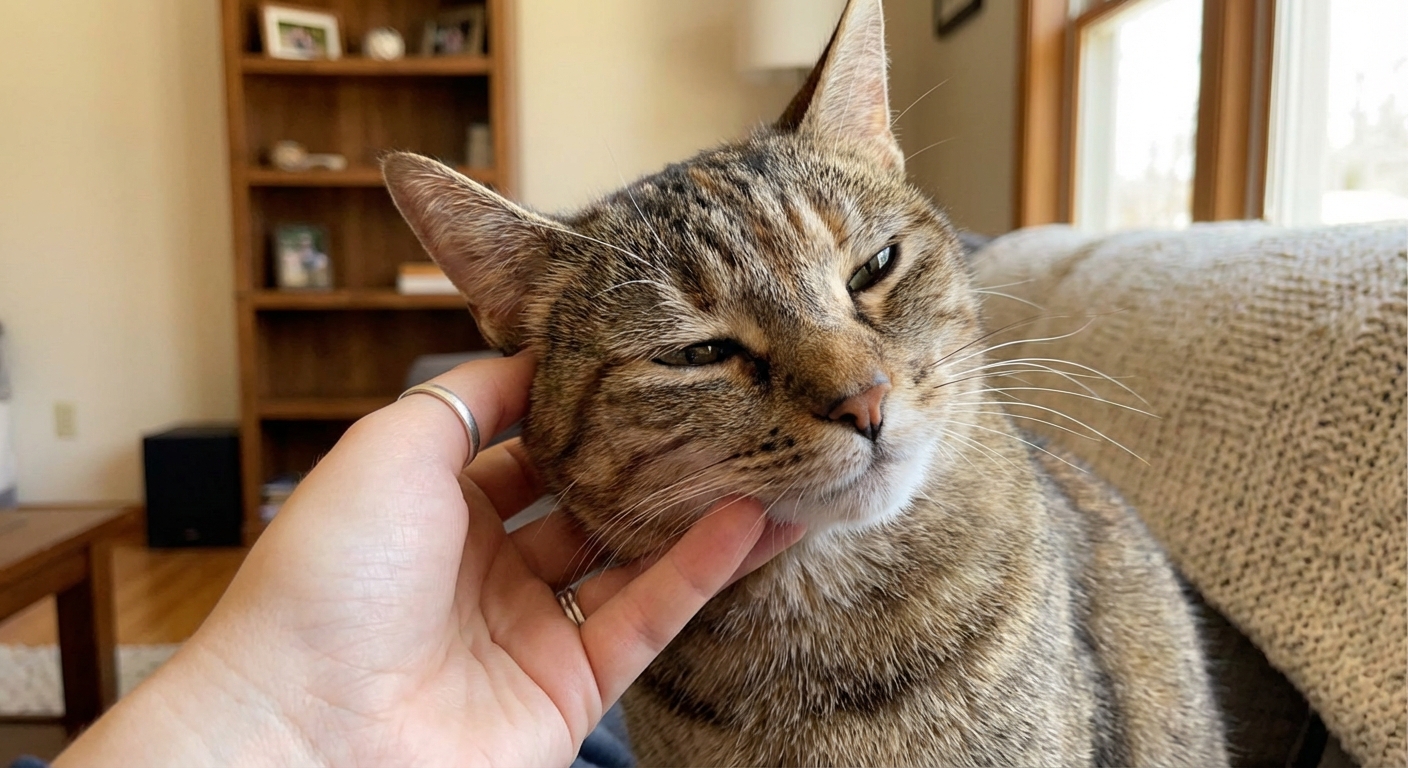
Your cat may rub on your legs, furniture, or door frames more than usual, and may demand attention constantly.
3) The heat “pose”
Many cats will lower the front end, raise the hind end, and move the tail to the side when petted along the back. This is a classic sign of estrus.
4) Rolling and wriggling
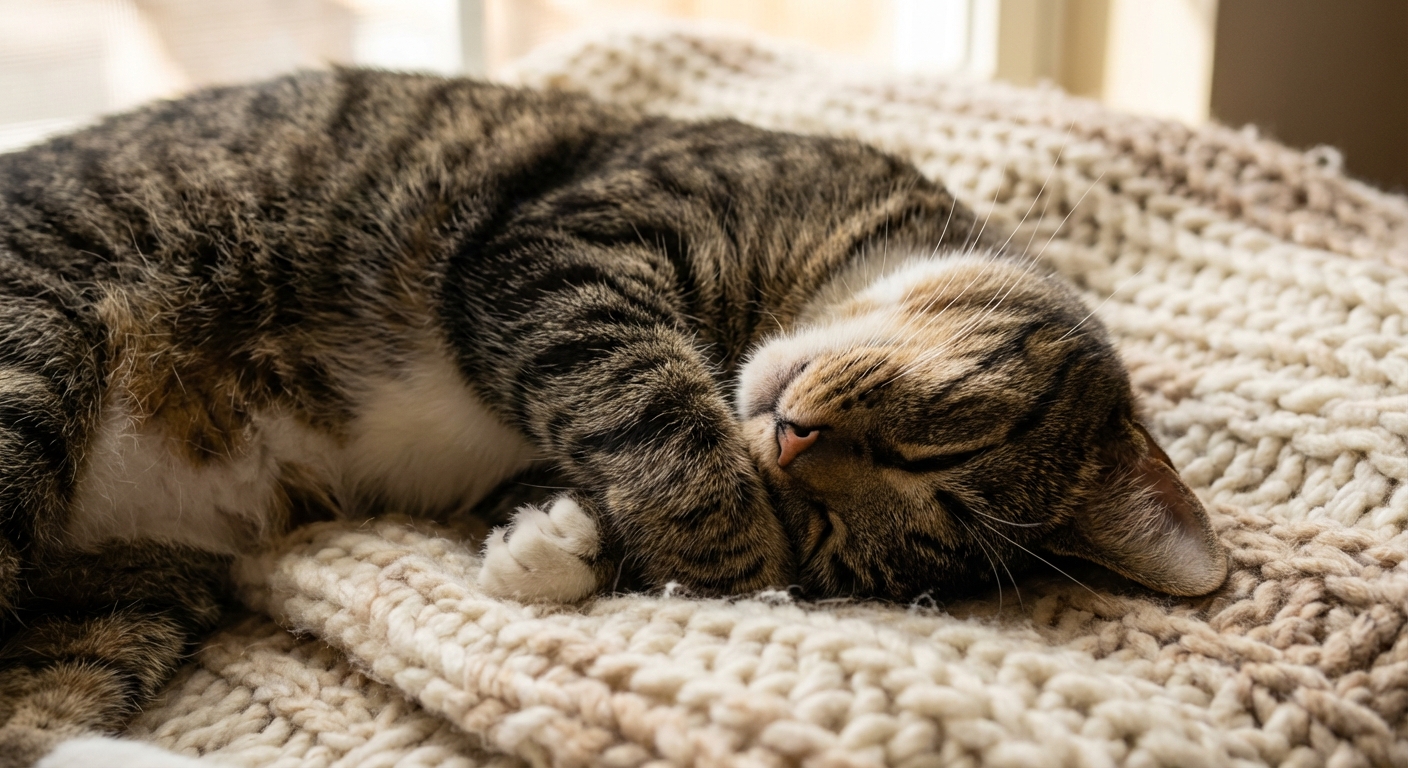
Rolling on the floor and frequent writhing movements are common, especially around people or near doors.
5) Escape attempts
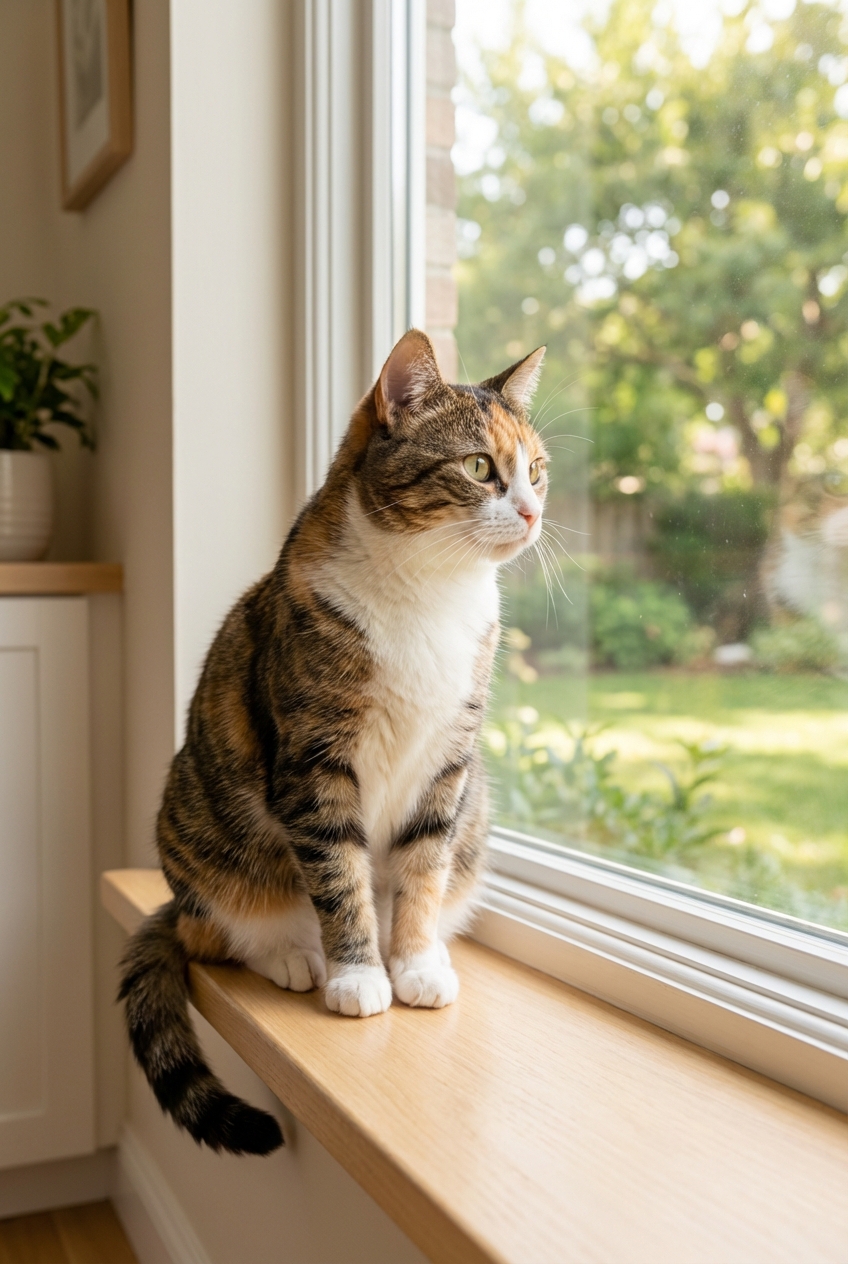
A cat in heat may suddenly become laser-focused on getting outside. This is a major reason accidental pregnancies happen, even in normally indoor-only cats.
6) Interest in windows, doors, and other cats
You may notice heightened alertness to outdoor sounds, neighborhood cats, and male cats lingering near your home.
7) Urine marking or spraying
Some cats mark with small amounts of urine, especially near doors, windows, or high-traffic areas.
8) Increased grooming of the rear end
You might notice more frequent licking around the vulvar area. Mild swelling can happen, but significant swelling, pain, or discharge is not considered normal.
9) Reduced appetite (sometimes)
Some cats eat less during heat. Others eat normally. Either can be within a normal range as long as she is still drinking and acting otherwise stable.
Signs people confuse with heat
Heat behaviors can overlap with other issues. Here is what to keep on your radar.
Urinary tract problems
If your cat is straining in the litter box, producing little urine, crying in pain, or urinating outside the box with discomfort, that is not a normal heat sign. It could be a urinary tract issue and needs veterinary attention.
Stress or anxiety
Restlessness and vocalizing can also occur with changes in the home, new pets, or boredom. The difference is that heat usually comes with the classic posture plus typical estrus behaviors like rubbing and rolling.
Spayed cat acting “in heat”
Most spayed cats do not go into heat. If a spayed female shows repeated heat-like behavior, call your vet. Rarely, cats can have ovarian remnant syndrome (a small piece of ovarian tissue left behind that can produce hormones).
How to care for a cat in heat at home
Your goal is comfort and prevention of pregnancy. Heat is not an emergency by itself, but it can be stressful for both of you.
Keep her safely indoors
- Double-check window screens and door latches.
- Use a baby gate or close off entryways when you bring groceries in.
- If she is clever with doors, ask household members to be extra cautious for a week.
Offer calming enrichment
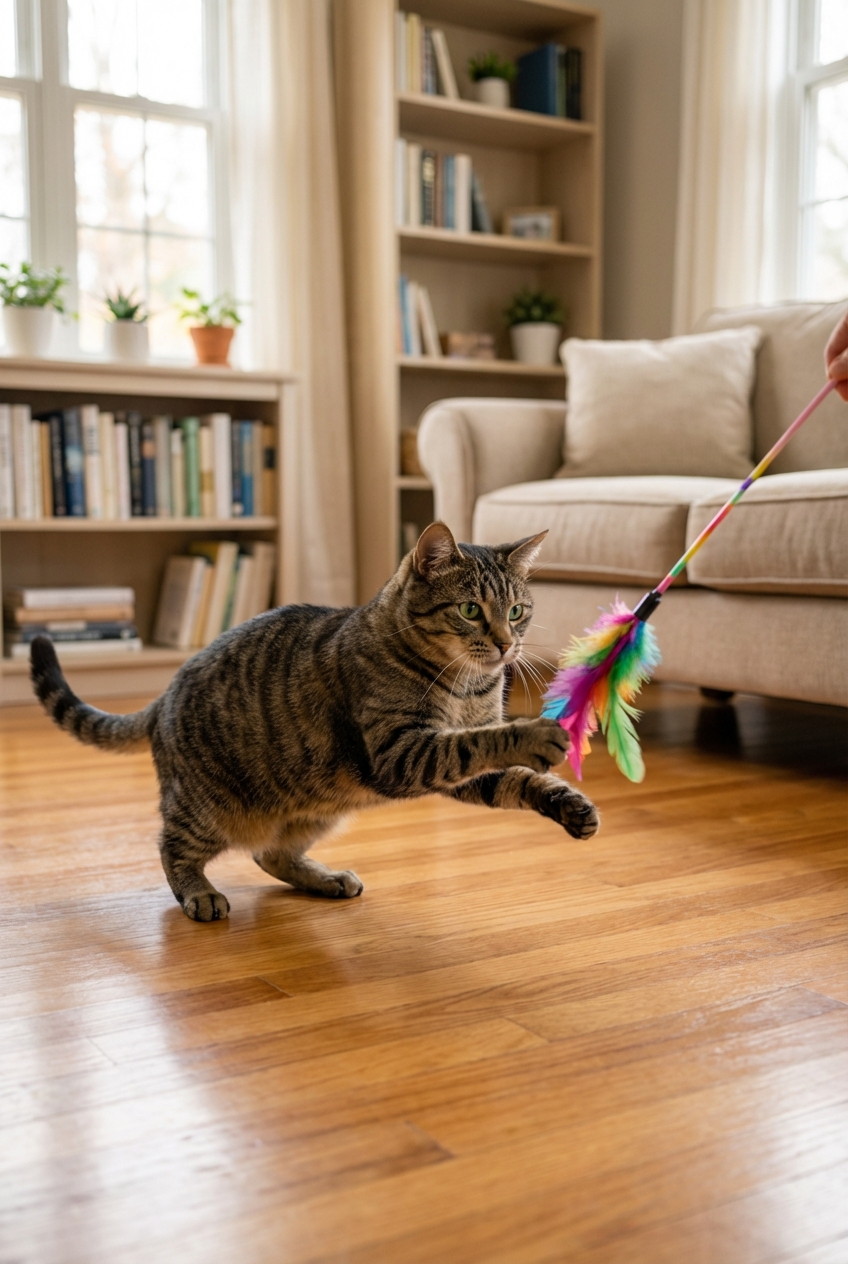
- Short play sessions (wand toy, chase, puzzle feeder) to burn off restlessness.
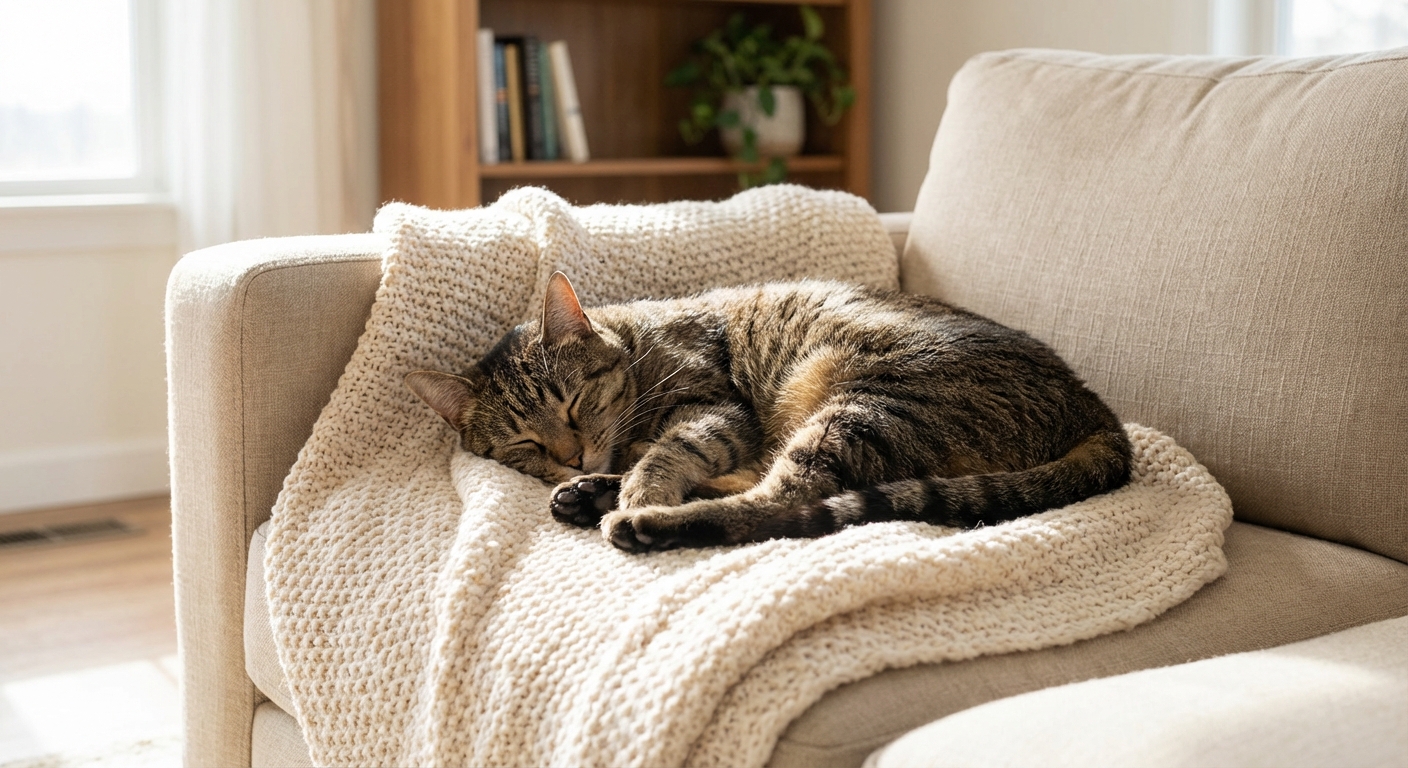
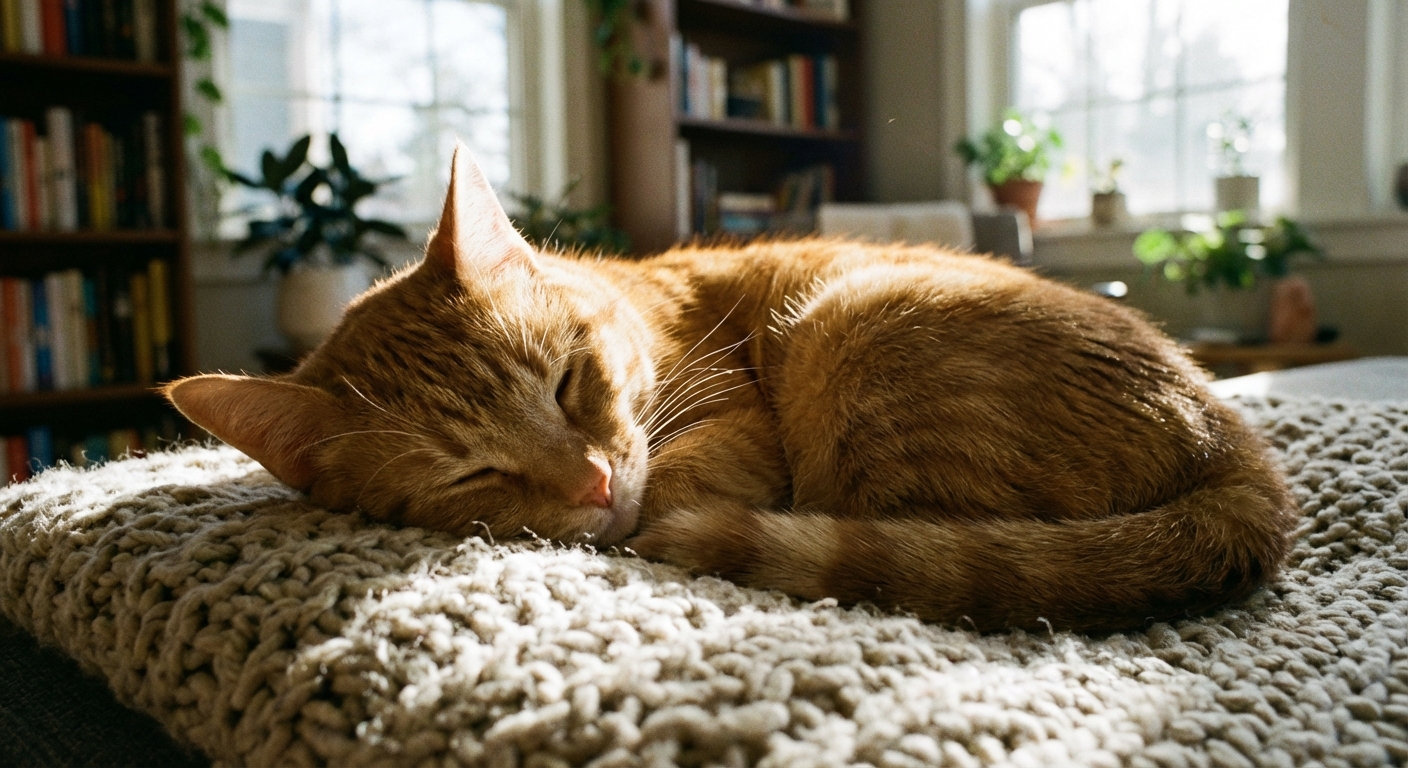
- Provide cozy hiding spots and a quiet room if she is overstimulated.
- Consider a pheromone diffuser if she seems anxious.
Give comfort, not punishment
Heat behaviors are hormone-driven. Scolding increases stress and usually makes the situation worse. Gentle attention, predictable routines, and distraction work much better.
Expect sleep disruption
Night vocalizing is common. White noise, closing bedroom doors, and an evening play session can help, but nothing will fully “train it out” while she is in heat.
Avoid quick-fix hormone products
If you are tempted to look for a “heat shot” or hormone injection to stop the behavior, talk to your veterinarian first. These medications can have serious risks and should only be used under direct veterinary guidance, if used at all.
Preventing pregnancy
It only takes a brief escape for mating to occur, and cats are induced ovulators, meaning mating can trigger ovulation.
If you suspect she has gotten outside while in heat, contact your veterinarian promptly to discuss next steps. Pregnancy can happen quickly. Depending on timing and your local regulations and clinic policies, your veterinarian may discuss options such as spaying soon after an escape or, in some situations, spaying even if pregnancy is possible. These are personal decisions, and your vet can help you navigate them.
Spaying is the long-term fix
Spaying prevents heat cycles and prevents pregnancy. It also significantly reduces the risk of certain reproductive diseases later in life.
If your cat is currently in heat, your clinic may recommend waiting until the cycle ends because the reproductive tract can be more vascular during estrus. Spaying during heat is often still possible, but it may be slightly more surgically complex or carry a higher bleeding risk depending on the patient and surgeon.
Talk with your veterinarian about timing that is safest for your individual cat.
When to call the vet
Heat itself is normal, but these signs warrant a call:
- Straining to urinate, crying in the litter box, or very frequent trips with little urine produced
- Lethargy, hiding, or refusing food for more than 24 hours
- Vaginal discharge that is thick, foul-smelling, bloody, or pus-like
- Swollen abdomen, vomiting, or fever
- Heat signs in a cat you believe is spayed
Trust your instincts. If your cat seems painful, weak, or “not herself,” it is always appropriate to check in with your veterinary team.
Quick checklist
- Sudden loud yowling, especially at night
- Extra rubbing, rolling, and clingy affection
- Rear end raised with tail to the side when petted
- Restlessness and pacing
- Urine marking or spraying
- Strong desire to go outside
If you are seeing several of these together, heat is a very likely explanation.
One last reassuring note
Heat cycles can feel intense, but they are temporary. Keep her indoors, focus on comfort and safety, and consider scheduling a spay appointment if you are not planning to breed. You will both sleep better when this phase is behind you.