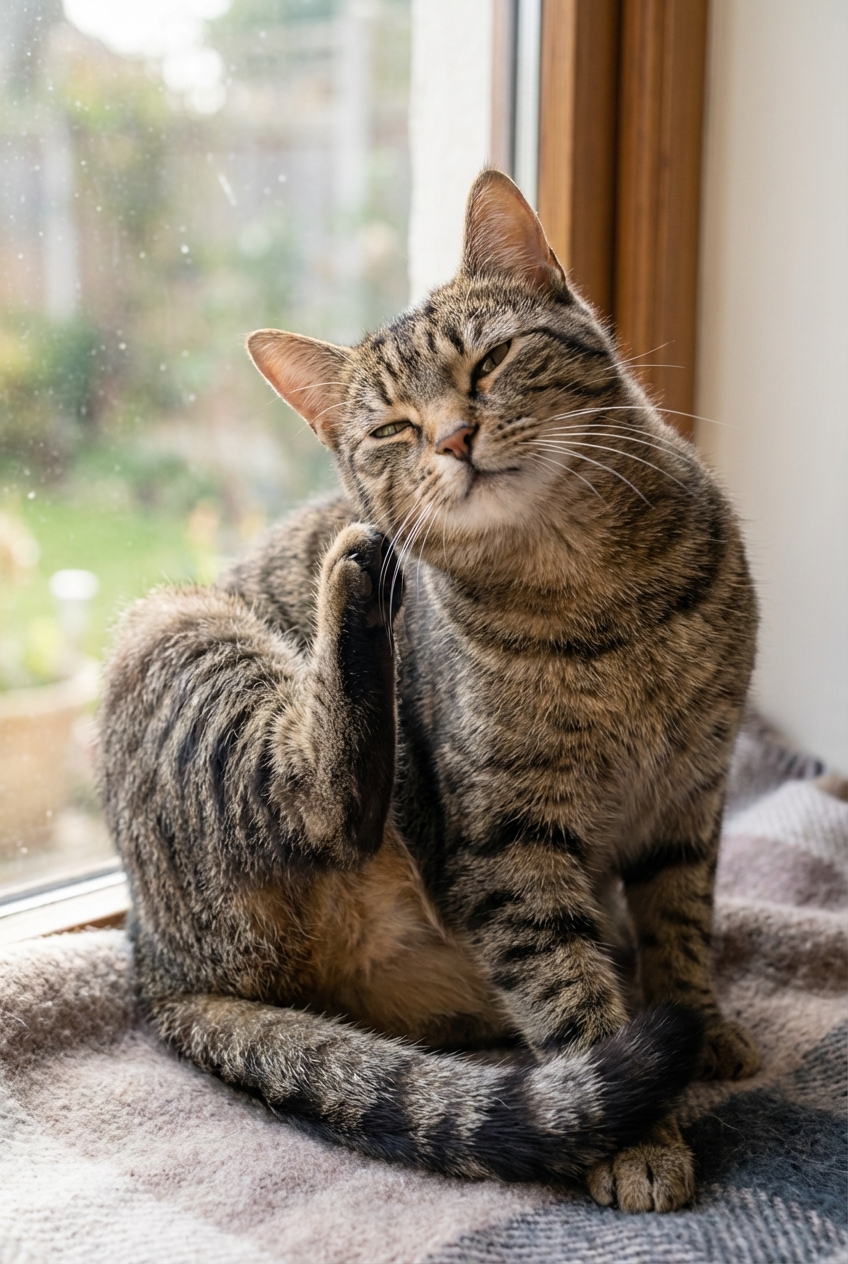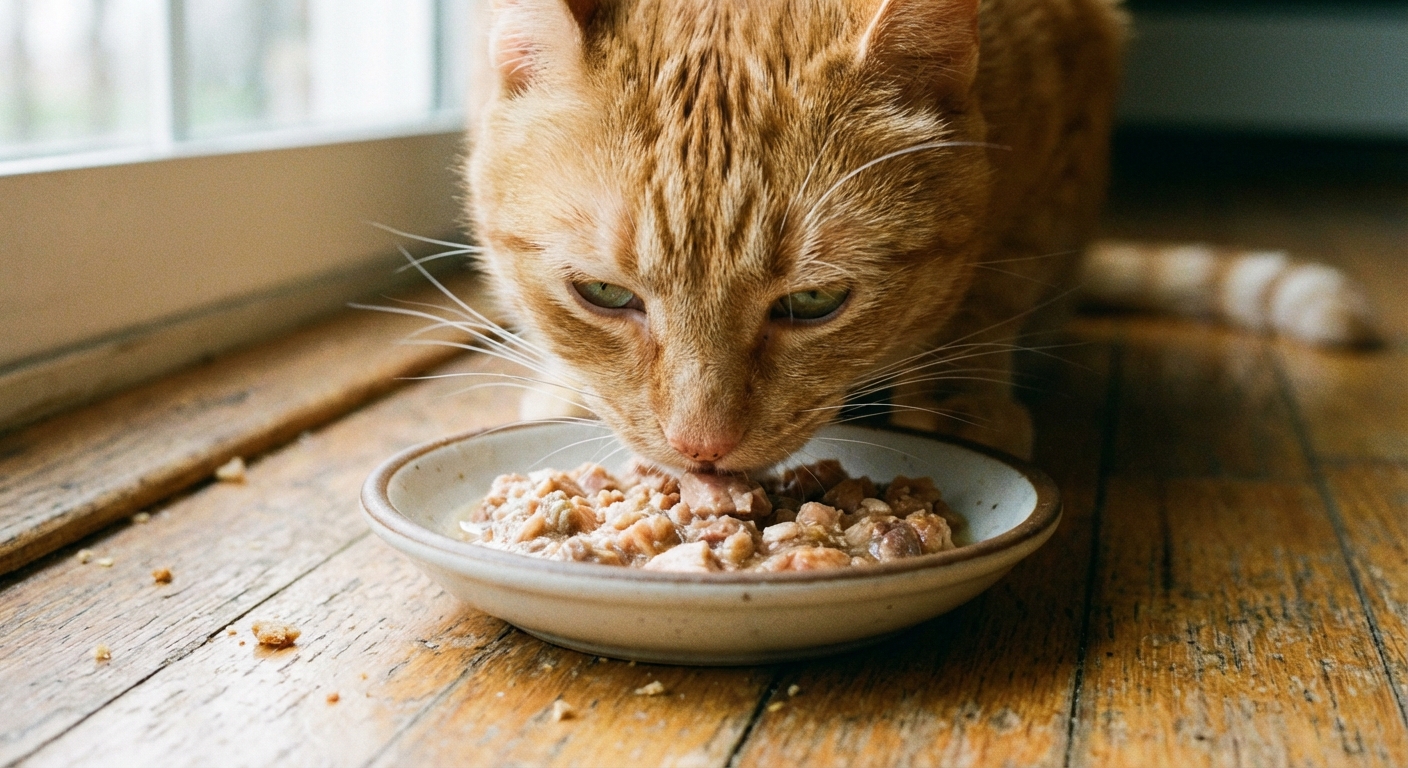
Itchy skin, ear issues, vomiting or diarrhea can mimic fleas, infection, or stress. Learn the true signs of feline food allergies and how vets diagnose them ...
Article
•
Designer Mixes
How To Know If Your Cat Has a Food Allergy

Shari Shidate
Designer Mixes contributor
If your cat is itchy , has chronic ear issues, or seems to have an upset stomach on and off, it is natural to wonder, “Is this a food allergy?” As a veterinary assistant in a small animal clinic, I can tell you this is one of the most common questions I hear, and also one of the easiest to misinterpret.
Food allergies in cats are real, but they are less common than things like fleas , environmental allergies, infections, and stress-related skin flare-ups. The good news is that with a careful plan and your veterinarian’s help, you can usually get clear answers and real relief.

What a cat food allergy is
A true food allergy is an immune system reaction to something in the diet, most often a protein. The immune system decides that a normal ingredient is a threat, and it responds with inflammation. That inflammation most often shows up in the skin and ears, but it can also affect the digestive system.
This is different from a food intolerance or other non-immune food reactions. Those issues are more likely to cause vomiting or diarrhea. They are less likely to cause ongoing itch or recurrent ear infections, although overlap can happen. This is why your vet looks at the whole pattern, not just one symptom.
Common food triggers in cats
In cats, triggers are often proteins they have eaten repeatedly over time. Proteins commonly implicated in veterinary dermatology summaries include:
- Chicken
- Beef
- Fish
- Dairy
- Egg
- Turkey, lamb, and other meats can also be involved
Grains get blamed a lot online, but true grain allergy appears to be less common than reactions to animal proteins in many clinical reports. Any ingredient can be a trigger for an individual cat, which is why testing is done with a diet trial, not guesses. (Sources: Merck Veterinary Manual; WSAVA guidance on adverse food reactions.)
Signs that fit food allergy
Food allergy signs can be sneaky. Some cats have obvious symptoms, while others show mild issues that just never fully go away.
Skin and coat signs
- Itching , especially around the face, neck, and ears
- Over-grooming or licking the belly, legs, or back until hair thins
- Scabs or crusting, sometimes called miliary dermatitis
- Red, inflamed skin or self-inflicted sores from scratching or licking
- Recurrent skin infections or a “greasy” coat from inflammation
Miliary dermatitis is a pattern where the skin feels bumpy or gritty, like tiny scabs you can feel more easily than you can see.
Ear signs
- Recurring ear infections or chronic ear debris
- Head shaking or ear scratching
- Redness inside the ear or a persistent odor
Digestive signs
- Vomiting that happens repeatedly, not just a rare hairball
- Diarrhea or soft stool
- Increased gas or belly discomfort
- Appetite changes or picky eating that comes and goes
Some cats have only skin signs, some have only GI signs, and some have both. This is why it helps to look at the full pattern over time.

Clues that raise suspicion
Here are patterns that often raise suspicion in the clinic:
- Symptoms are year-round, not just in spring or fall
- Flea control is consistent , but itching continues anyway
- Ear infections keep returning despite appropriate treatment
- Skin issues started in adulthood. Cats can develop food allergies later in life
- Multiple diets have been tried with only short-lived improvement
None of these are proof. They are clues that help your vet decide what to rule out first and whether a diet trial makes sense.
Common look-alikes
This is the part many pet parents find frustrating. Food allergy symptoms overlap with several other common feline issues.
What else it could be
- Fleas : Even one or two bites can trigger intense itching in sensitive cats
- Environmental allergies: Pollens, dust mites, molds, and indoor irritants can cause similar skin and ear symptoms
- Skin infections: Bacteria or yeast can flare secondary to allergies or grooming trauma
- Ear mites : Especially in cats with dark ear debris and intense scratching
- Ringworm: Can cause patchy hair loss and scaling, sometimes without much itch
- Stress over-grooming : Anxiety can cause licking and hair loss that mimics allergy patterns
Because these conditions can occur at the same time, it is common to treat infections or parasites first while you and your veterinarian decide if a diet trial is needed.
How vets confirm food allergy
The gold standard for diagnosing a food allergy in cats is a veterinary-supervised elimination diet trial , followed by a diet challenge. Many vets also use the broader, practical term adverse food reaction, since not every food-related problem is a classic immune allergy, but the diagnostic approach is the same.
Be cautious with direct-to-consumer blood, saliva, hair, or “sensitivity” tests marketed online. They are not considered reliable for diagnosing food allergies in pets. Even serum testing has limited value and is not a substitute for a properly run elimination diet trial. (Sources: Merck Veterinary Manual; WSAVA guidance.)
How an elimination diet works
Your veterinarian will recommend one of these approaches:
- Hydrolyzed protein diet : Proteins are broken down into small pieces that many, but not all, allergic pets will tolerate
- Novel protein diet : A protein your cat has truly never eaten before (for example, rabbit or venison), sometimes paired with a simple carbohydrate source if needed
Most cats need 8 to 12 weeks on the elimination diet to judge results fairly. GI signs may improve sooner in some cats, but skin and ear inflammation often needs the longer end of that range.
The rule that makes or breaks it
During the trial, your cat must eat only the prescribed diet. That means:
- No flavored treats
- No table food
- No flavored toothpastes
- No pill pockets unless approved
- Be cautious with flavored medications and supplements
If your cat sneaks another pet’s food, the clock may need to restart. I know that is not what anyone wants to hear, but it is what gives you a clear answer.
A note about “limited ingredient” foods
Over-the-counter limited ingredient diets can be helpful for some households, but they are often less reliable for a strict elimination trial because of cross-contact and shared manufacturing lines. For diagnosis, your veterinarian will usually recommend a therapeutic elimination diet designed for this purpose.
Making treats doable
If you need treats for training or pill time, ask your vet what is allowed. Common options include using a portion of the trial kibble as “treats,” or vet-approved hydrolyzed treats. The goal is zero unplanned proteins during the trial.

What improvement looks like
With a true food allergy or food-responsive skin or GI disease, you are usually looking for:
- Less scratching and over-grooming
- Fewer scabs and less redness
- Healthier ears with less debris
- More normal stool and less vomiting if GI signs were present
If your cat improves on the trial, the next step is typically a diet challenge where the previous diet or a specific ingredient is reintroduced under your vet’s guidance. If symptoms return, that strongly supports a food-related diagnosis.
Before you change foods
If you are wondering whether food is the issue, here are simple steps that help your veterinarian help you faster.
1) Write down the diet history
- Current food (brand, flavor, wet vs dry)
- All treats
- Human foods
- Supplements and flavored medications
- Foods tried in the past
2) Track symptoms for 2 weeks
- Itch level (mild, moderate, severe)
- Vomiting frequency and timing
- Stool quality
- Ear scratching or head shaking
- Any hair loss areas
3) Confirm flea prevention is solid
Food allergy workups go much more smoothly when flea control is already locked in. Ask your vet what product and schedule fits your cat’s lifestyle.
When to call the vet fast
Food allergies are usually not emergencies, but complications can be.
- Open sores, bleeding skin, or a strong odor from the coat
- Swollen ears, head tilt, or obvious pain
- Vomiting multiple times in 24 hours or signs of dehydration
- Diarrhea with blood or severe lethargy
- Rapid weight loss or loss of appetite
Also, if your cat is a kitten, a senior, or has other medical conditions (like kidney disease or diabetes), do not start a diet trial on your own. Get guidance so nutrition stays balanced and safe.
Comfort while you investigate
It is hard to watch your cat itch. While you and your vet work toward a diagnosis, ask about supportive care options such as:
- Treating secondary skin or ear infections
- Strict flea control for all pets in the home
- Short-term anti-itch medications when appropriate
- Gentle grooming and nail trims to reduce self-trauma
- Environmental support like frequent vacuuming and washing bedding
These steps do not “mask” the problem when used correctly. They often make your cat comfortable enough to get through a proper diet trial.
The bottom line
If your cat has ongoing itching, recurring ear problems, or persistent digestive upset, a food allergy is worth considering, but it should be approached methodically. The most dependable path is a veterinarian-guided elimination diet trial, done long enough and strictly enough to give you a clear result.
If you want to take one simple action today, start a diet and symptom log. When you bring that to your veterinarian, you are already halfway to answers and your cat is that much closer to feeling like themselves again.