Learn safe, practical home remedies for dog fleas: flea combing, gentle baths, itch soothing, and deep-cleaning your home to break the flea life cycle—plus...
Article
•
Designer Mixes
How to Kill Fleas on Dogs

Shari Shidate
Designer Mixes contributor
Fleas are tiny, fast, and honestly relentless. As a veterinary assistant here in Frisco, Texas, I have seen how quickly “just a few fleas” can turn into nonstop itching, skin infections, and a full-blown home infestation. The good news is that you can absolutely get ahead of fleas, and you do not have to guess your way through it.
This guide walks you through how to confirm fleas, what actually works to kill them on dogs, how to use products safely, and how to keep fleas from coming right back.
Quick start for today (for skimmers): 1) Start a vet-recommended flea preventive, 2) Comb and remove what you can, 3) Vacuum and wash bedding, 4) Treat every pet in the home with the right species-specific product.
First, confirm it’s fleas
It sounds obvious, but it matters because allergies, mites, and dry skin can look similar. Fleas can also be hard to spot on thick coats.
Signs that suggest fleas
- Frequent scratching, especially around the tail base, belly, groin, and inner thighs
- “Flea dirt” that looks like pepper or dirt specks on the skin
- Small red bumps or scabs, often on the lower back
- Visible fleas moving quickly when you part the fur
Quick at-home flea dirt test
Place the specks from your dog’s coat on a damp white paper towel. If it turns reddish-brown, that is digested blood and very consistent with flea dirt.
Why your dog is only part of it
When fleas show up, most of the problem is usually off your dog, especially in the home. Outdoor exposure can matter too, but it varies a lot by household, season, and region.
- Adult fleas live on the pet and feed.
- Eggs fall off into carpets, bedding, couch cushions, and cracks in floors.
- Larvae hide in dark areas and feed on flea dirt.
- Pupae can “wait” and then hatch when they sense heat, vibration, and CO2.
This is why you can treat your dog and still see fleas. It does not always mean the product failed. It often means the environment is still hatching new adults.
Fast relief: do this today
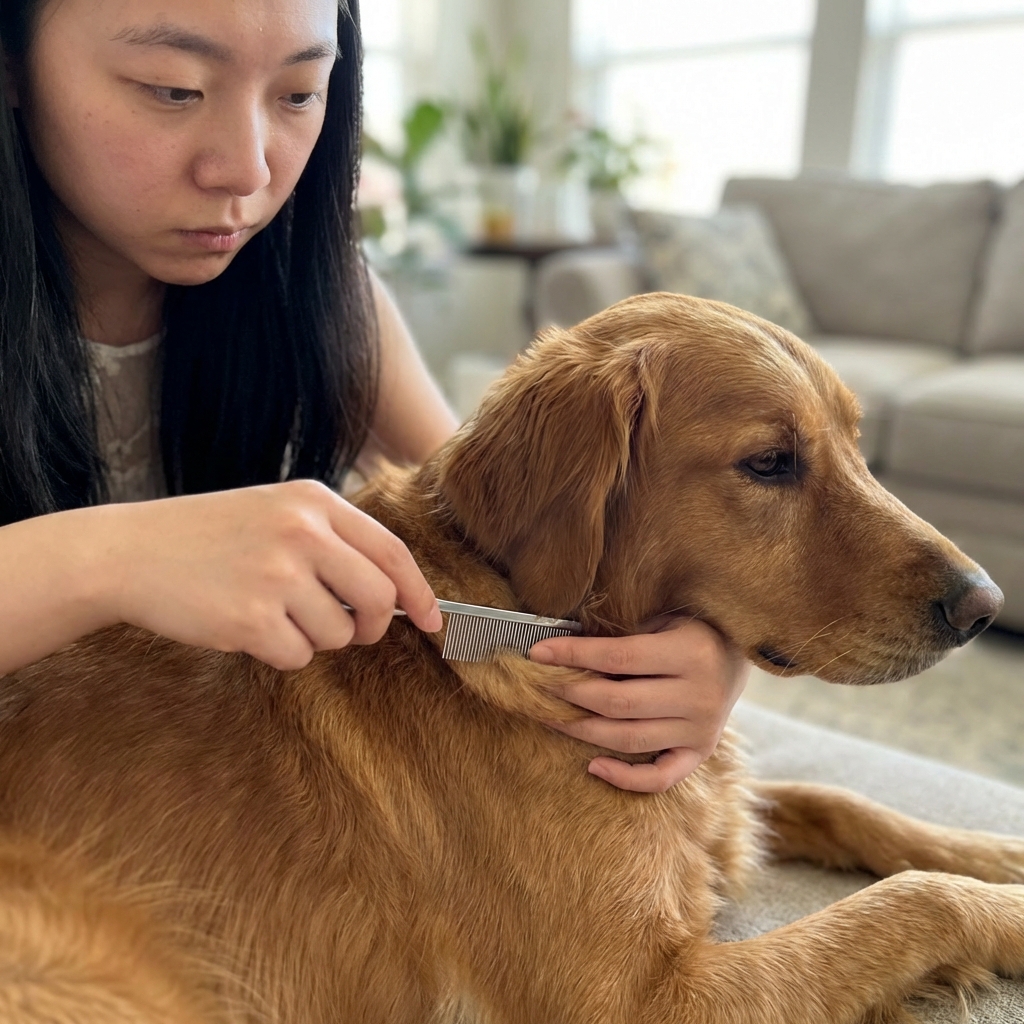
1) Use a flea comb
A fine-tooth flea comb is simple and surprisingly effective for immediate removal.
- Comb slowly, focusing on the tail base, belly, armpits, and neck.
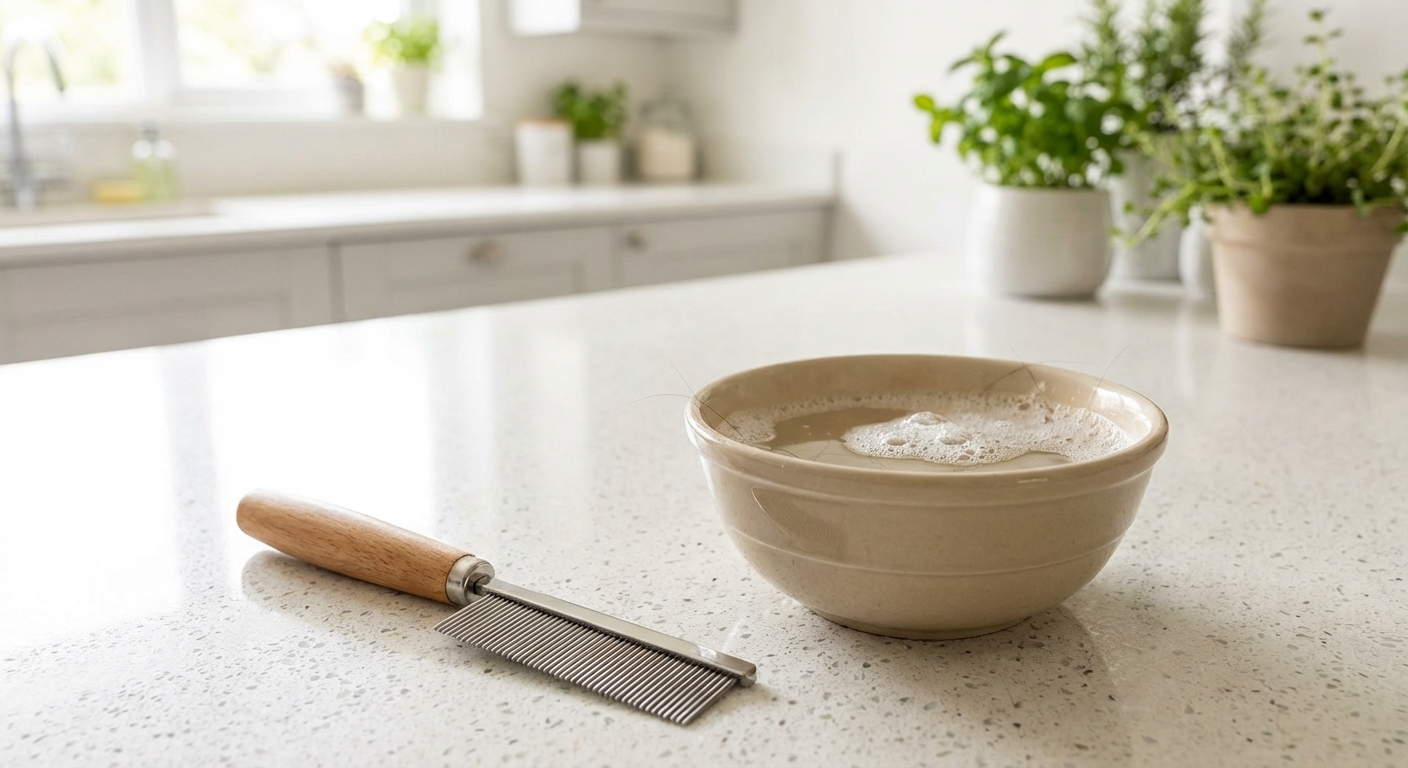
- Dip the comb into a bowl of warm soapy water to drown fleas.
- Do this daily during an active outbreak.
Pick a product that works
I know many families start by wondering whether they need prescription meds or if an over-the-counter option is enough. In my experience, the most reliable flea control for dogs comes from modern veterinary-grade preventives. They are designed to kill adult fleas quickly and keep killing them, which breaks the life cycle.
Best evidence-based options
- Oral prescription chewables (isoxazolines): often the fastest, most consistent flea kill. Many start killing within hours and last about a month (or longer depending on product).
- Prescription topical spot-ons: applied to the skin, usually monthly.
- Flea collars with proven ingredients: some offer multi-month protection, but must be fitted correctly and used safely. The biggest issues I see are improper fit and pets chewing the collar. Also, be extra cautious in mixed-pet homes because some dog-only flea products (especially permethrin and other pyrethroids) are dangerous to cats.
Smart starting point
If your dog has an active flea problem, ask your veterinarian which prescription flea preventive makes sense based on your dog’s age, weight, other medications, and health history. This is one of those areas where the reliable option often saves money because it prevents repeat outbreaks.
About over-the-counter products
Some OTC products help, some underperform, and some can be unsafe if misused. Always check:
- Correct species (dog vs. cat products are not interchangeable)
- Correct weight range
- Whether it is safe for puppies and dogs with medical conditions
Baths and sprays
Flea shampoos can kill fleas currently on the dog, which is great for immediate relief. The catch is that many shampoos have little to no residual protection, meaning fleas can jump right back on later the same day.
If you do a flea bath
- Use a dog-specific product and follow label directions exactly.
- Keep soap away from eyes and mouth.
- Towel dry well and keep your dog warm.
- Pair the bath with a long-acting preventive for lasting control.
Do not over-bathe
Too many baths can dry the skin and worsen itching. If your dog’s skin is already irritated, talk to your vet about a soothing skin plan.
Clean the home (do not skip)
When you treat the dog but skip the house, fleas keep cycling. Here is the routine that works for most households.
For 3 to 4+ weeks
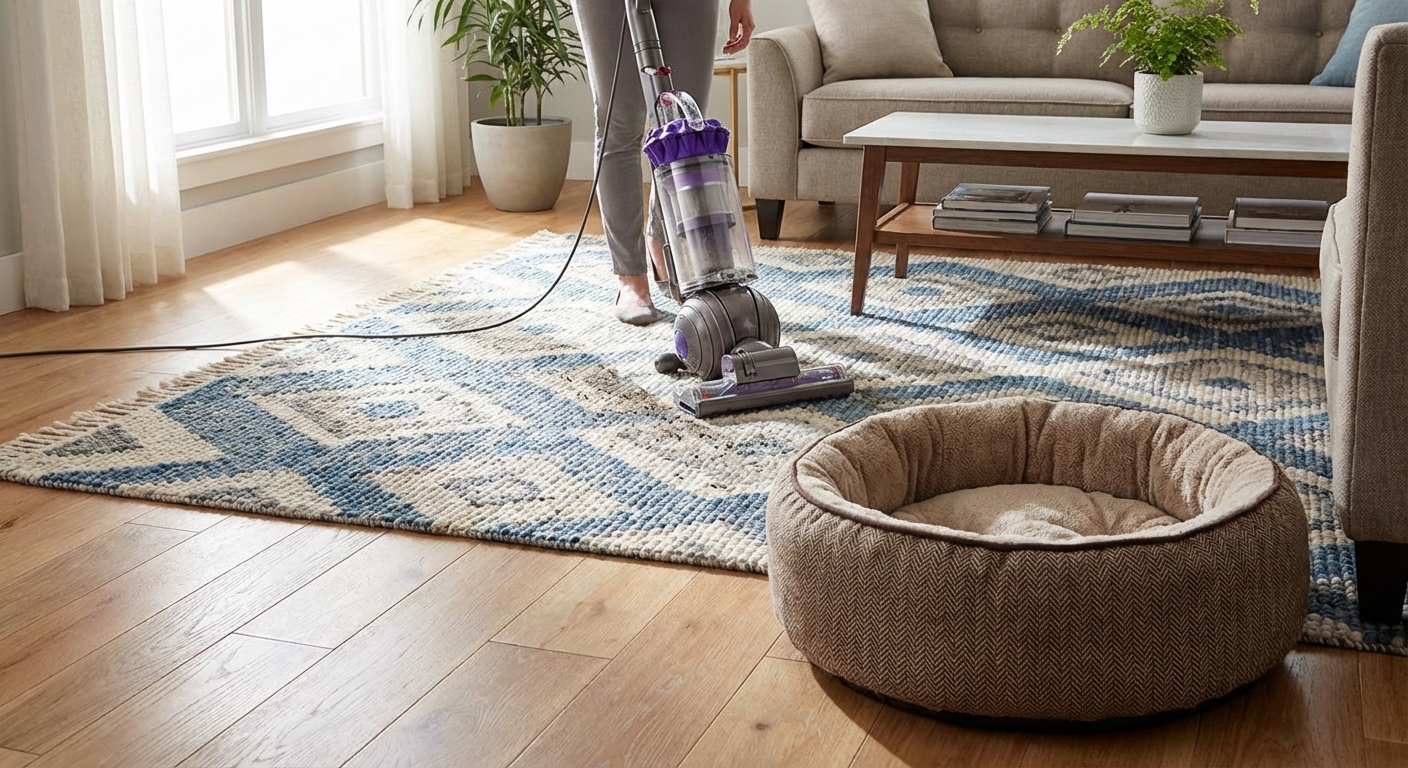
- Vacuum thoroughly: carpets, rugs, baseboards, under furniture, couch cushions. Dispose of the vacuum contents immediately. Weekly is a good minimum, but during the first 1 to 2 weeks of an outbreak, every other day or several times per week is even better.
- Wash bedding: all pet bedding and throw blankets in hot water, then dry on high heat.
- Limit access: if possible, keep pets off heavily carpeted rooms temporarily while you tackle the outbreak.
When sprays or IGRs help
In some homes, a targeted environmental spray that includes an IGR (insect growth regulator) can help stop eggs and larvae from maturing. If you go this route, focus on the places your pet actually rests and travels (rugs, couch edges, pet bedding areas). In my experience, foggers often underperform compared with careful, targeted treatment.
What about the yard?
In Texas, fleas can be a year-round issue, especially in warm months and shaded areas. In other regions, the yard may play a smaller role, but it can still be a source if your dog is outside a lot or wildlife passes through.
Yard steps that help
- Mow regularly and remove yard debris where fleas can hide.
- Focus on shaded spots: under decks, fences, shrubs, and dog hangout zones.
- Consider targeted yard treatment if infestations are severe, especially if wildlife (opossums, feral cats) passes through.
If your dog picks up fleas outside repeatedly, your veterinarian can help you choose a preventive with strong, consistent coverage.
How long does it take?
With a reliable preventive on your dog and consistent home cleaning, many families see major improvement in 1 to 2 weeks. Full control often takes 3 to 8 weeks, depending on how heavy the infestation was and whether the environment was treated consistently. Heavy infestations can take longer.
Also, timing matters. If your dog’s preventive is monthly, give the next dose on schedule. Gaps can let the life cycle restart.
Pupae can hatch later, so seeing an occasional flea early on does not always mean failure. The goal is fewer fleas each week, less itching, and no new flea dirt.
Stop fleas from coming back
Once the crisis is over, the easiest win is staying consistent.
- Keep your dog on a veterinarian-recommended flea preventive year-round or seasonally based on your area and risk.
- Treat all pets in the household, including cats, with cat-safe products.
- Check for flea dirt weekly with a quick comb-through.
- Wash bedding regularly and vacuum high-traffic pet areas.
Fleas and tapeworms
One more thing I do not want you to miss: fleas can transmit tapeworms (most commonly Dipylidium caninum) if a dog swallows an infected flea while grooming.
If you notice rice-like segments near your dog’s rear end or in the stool, call your veterinarian. Your dog may need deworming in addition to flea control.
When to call your vet
Please do not “wait it out” if your dog seems miserable. Fleas can trigger significant skin inflammation, and some dogs develop flea allergy dermatitis where even one bite causes intense itching.
Get help if you notice
- Open sores, hot spots, oozing, or a bad odor from the skin
- Hair loss, thickened skin, or repeated ear infections
- Your dog is very young, elderly, pregnant, or has chronic disease
- Pale gums, weakness, or lethargy (fleas can contribute to anemia, especially in small pets)
If you cannot find flea dirt or fleas and the itching continues, it is time for a skin workup. Allergies, mites, and infections are common and treatable, but they need the right diagnosis.
Action step: If you are overwhelmed, start with two moves today: put your dog on an effective flea preventive and vacuum like it is your part-time job for the next few weeks. Those two steps alone change everything.
Safety notes
- Never use a dog flea product on a cat. Some dog products contain ingredients (especially permethrin and other pyrethroids) that can be dangerous for cats.
- Use the correct weight dose. Under-dosing can fail, over-dosing can be risky.
- Do not double up on on-pet flea killers unless your veterinarian tells you to. Some combinations are appropriate, but stacking multiple adulticides increases side effect risk.
- Be cautious with essential oils. “Natural” does not always mean safe for pets, especially cats.