Stop fleas fast with a simple 3-part plan: use cat-safe medication, clean your home to break the life cycle, and prevent re-infestation for months. Avoid uns...
Article
•
Designer Mixes
How to Kill Fleas on Cats

Shari Shidate
Designer Mixes contributor
Fleas are tiny, fast, and stubborn, and if you have ever seen your cat scratching nonstop, you know how miserable they can be. The good news is that you can get control of fleas safely at any life stage. The key is using the right products for your cat’s age, treating the environment, and sticking with a simple schedule long enough to break the flea life cycle.
As a veterinary assistant in Frisco, Texas, I like to keep flea plans practical and evidence-based. Let’s walk through what works and what to avoid, step by step.
First, know what you are fighting
Fleas live in four stages: egg, larva, pupa, and adult. Here is the frustrating part: the fleas you see on your cat are usually a small slice of the total problem.
- Adults live on the pet and bite.
- Eggs fall off into carpet, bedding, couch cushions, and cracks in flooring.
- Larvae hide in dark areas and feed on organic debris.
- Pupae can “wait” before hatching, which is why fleas can seem to come back suddenly.
That is why a single bath or one-time spray rarely fixes it. You need a plan that kills adults and keeps killing the newly emerging fleas for weeks. Depending on the product, fleas may die very quickly after contact or after feeding, but the goal is the same: stop bites and stop egg-laying.
Signs your cat has fleas
Some cats groom so well that you never catch an adult flea. Look for these clues:
- Frequent scratching around the neck, base of tail, belly, or inner thighs
- Hair loss, scabs, or miliary dermatitis (tiny crusty bumps)
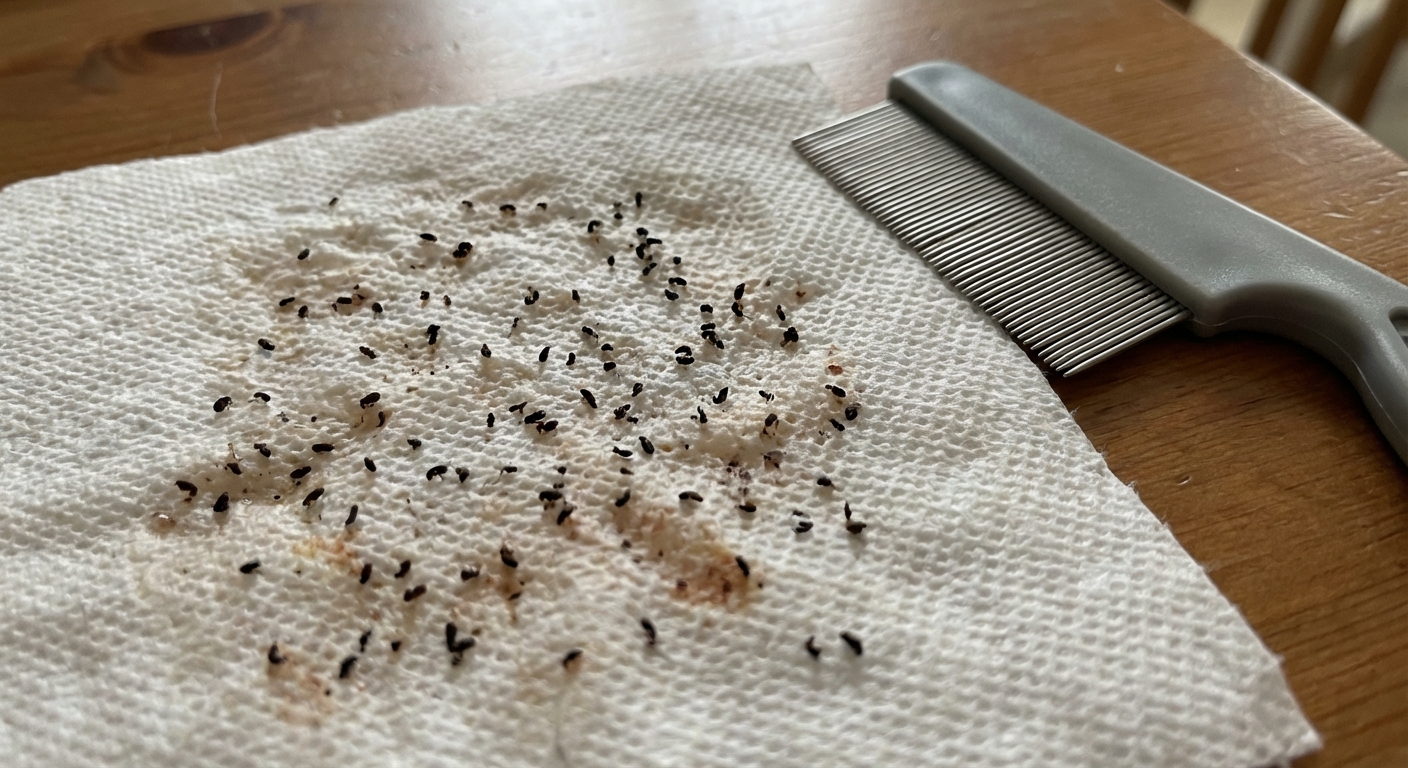
- Flea dirt: black specks that turn reddish-brown when you wet them on a paper towel
- Pale gums or low energy in kittens (possible anemia, which can be an emergency)
Fastest safe way to kill fleas
Step 1: Treat every pet
If one pet is untreated, fleas keep circulating. For cats, the most reliable options are monthly veterinarian-recommended topicals or oral medications. Many modern preventives kill fleas fast (sometimes before they can lay eggs), which is what turns the tide in an infestation.
What “veterinarian-recommended” means: your vet can point you to prescription options and truly vetted over-the-counter options that are appropriate for your cat’s age, weight, and health history.
Important: Use products labeled for cats and your cat’s exact weight and age. Some dog flea products, especially those containing concentrated permethrins, can be dangerous for cats.
Also use caution with OTC sprays, shampoos, dips, and collars. Some are poorly tolerated by cats or are not safe for kittens, and they often do not solve a home infestation by themselves. If you are not sure, call your vet before applying anything.
Step 2: Consider fast knockdown
If fleas are heavy and your cat is miserable, ask your veterinarian about a fast-acting knockdown option that can start killing adult fleas within hours. These can be very helpful early on, but they still need to be paired with a longer-acting monthly preventive and home cleanup.
Step 3: Comb daily for 7 to 14 days
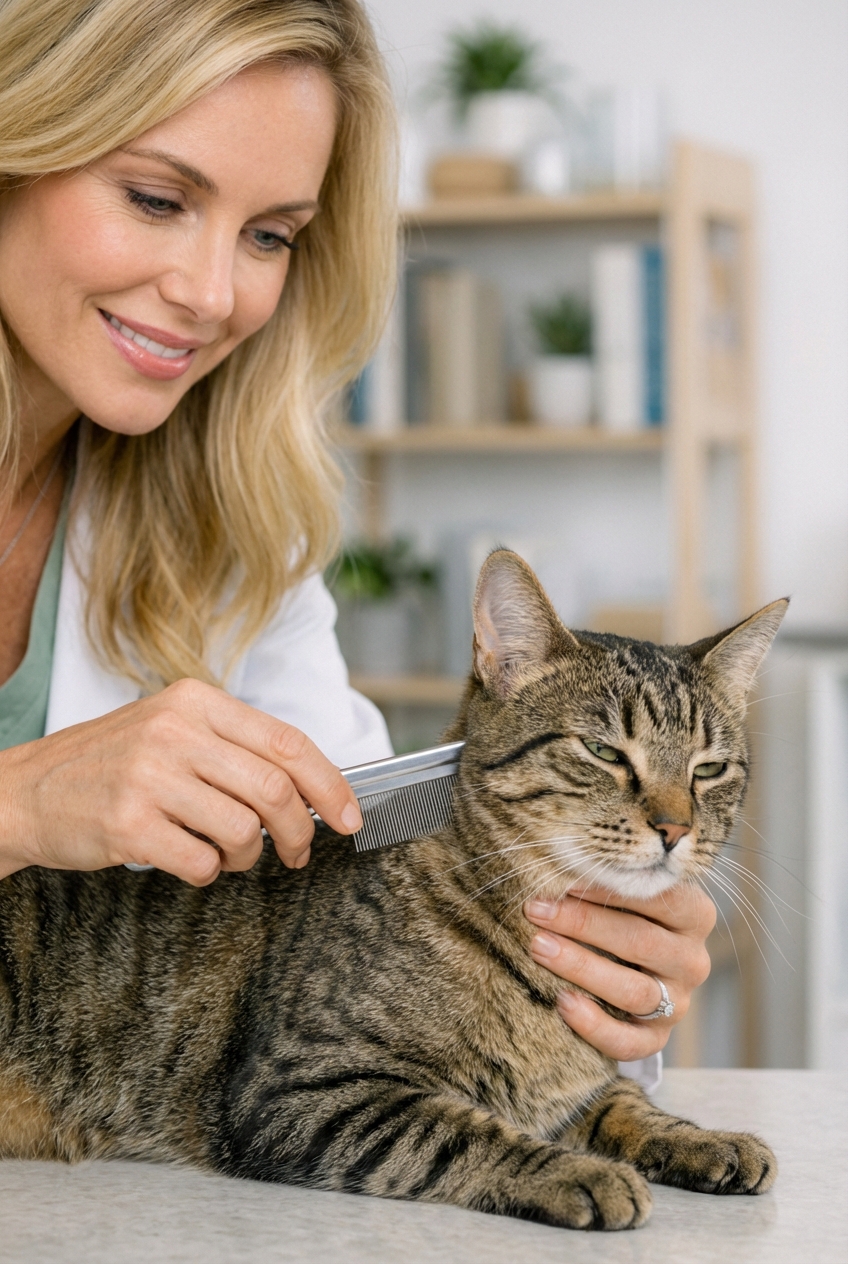
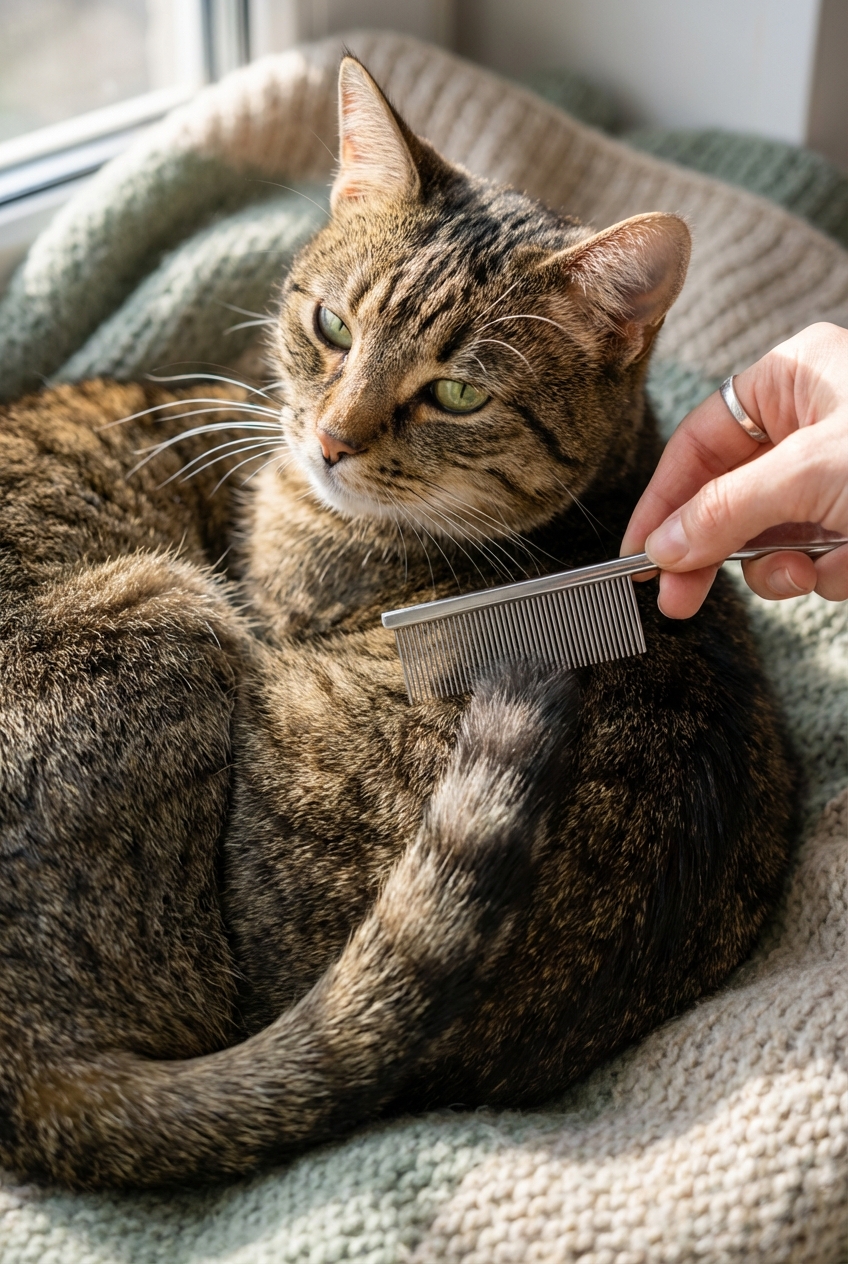
A simple flea comb helps remove adult fleas and flea dirt and gives you feedback that the plan is working. Comb especially around the neck and base of the tail. Drop anything you catch into a cup of warm soapy water.
Step 4: Clean the home
This is where the difference is made. Flea eggs and larvae are in your home, not just on your cat.
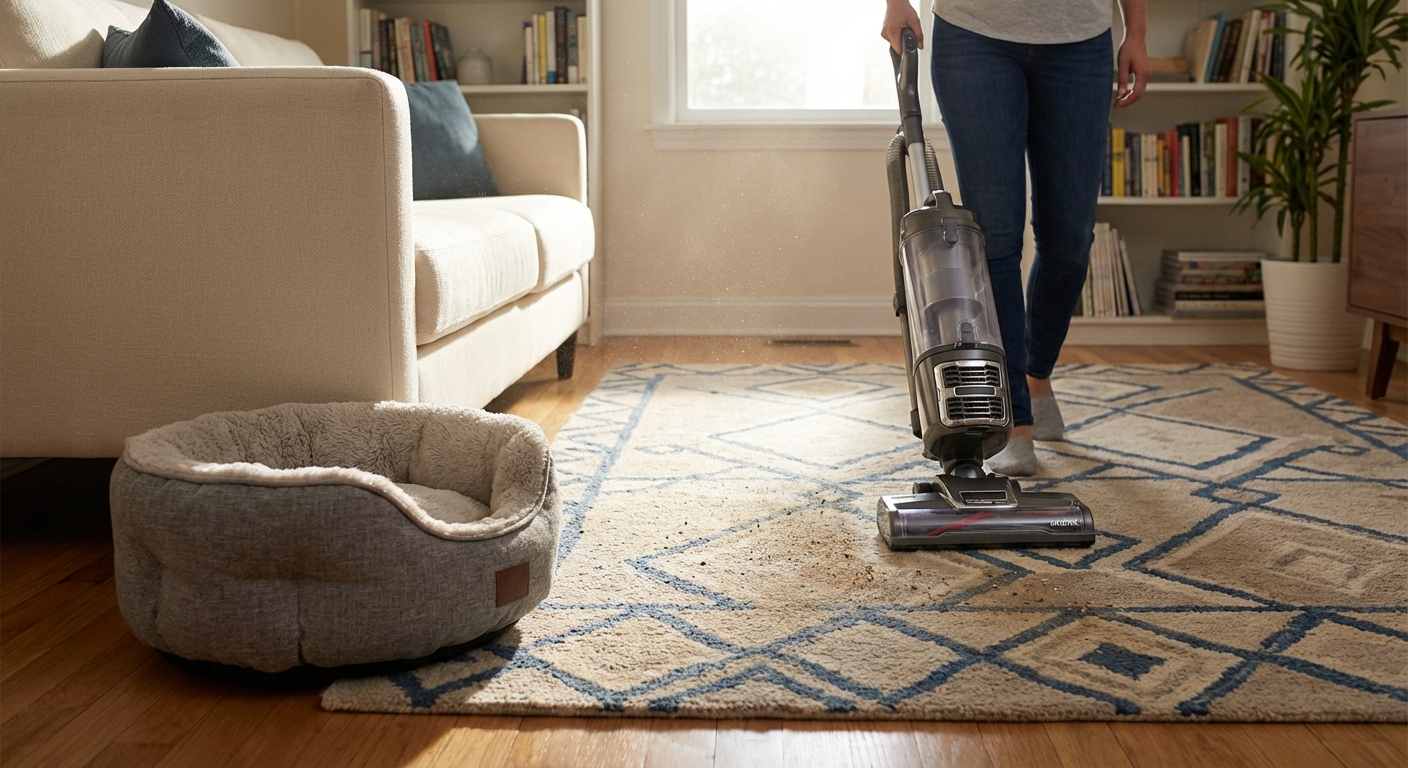
- Vacuum carpets, rugs, baseboards, and furniture daily for at least a week, then several times per week for a month.
- Wash bedding (pet beds, blankets, your sheets if your cat sleeps with you) in hot water weekly.
- Dry on high heat when possible, since heat helps kill eggs and larvae.
- Empty the vacuum canister outside or seal the bag immediately.
Step 5: Stay consistent for 2 to 3 months
Because flea pupae can delay hatching, it often takes 2 to 3 months of continuous prevention to fully break the cycle, and sometimes longer in heavy infestations or warm climates. Many flea life cycles run several weeks, but pupae can hang on and then hatch when conditions are right. Consistency is what wins.
What to use by age
Age matters a lot with flea products. When in doubt, call your veterinarian before you apply anything.
Kittens under 8 weeks
Many flea medications are not approved this young. Safer options often include:
- Flea combing several times per day
- Warm bath only if your vet says it is appropriate, followed by thorough drying and warmth
- Strict home cleaning to reduce new fleas jumping on
Extra warning: Avoid over-the-counter flea shampoos, dips, sprays, and collars unless your veterinarian specifically okays them for your kitten’s age and weight. Young kittens are much more sensitive.
Watch closely: Kittens can become anemic from fleas quickly. If a kitten is weak, pale, breathing fast, or not eating, treat it as urgent.
Kittens 8 weeks to 6 months
More products become available, but dosing must be exact. Many vets prefer a proven monthly product plus home cleaning. Continue combing as needed.
Adult cats
Most healthy adults do well with a veterinarian-recommended monthly preventive. If itching persists, your vet may check for flea allergy dermatitis, skin infection, or other parasites.
Senior cats or chronic illness
Older cats can still use many flea preventives, but your veterinarian may choose specific options based on weight, liver or kidney issues, and other medications.
Pregnant or nursing cats
This is a special category. Some products are safe, some are not. Your veterinarian is your best guide here because the risk is not just to mom, but to the kittens too.
What not to do
- Do not use dog flea products on cats. This is one of the most common and dangerous mistakes.
- Do not double-dose because the fleas “look bad.” More is not better with insecticides.
- Do not rely on essential oils as a primary flea killer. Some oils can be irritating or toxic to cats, and they rarely break an infestation.
- Do not skip the home. If you treat only the cat, eggs in the carpet can restart the problem.
- Do not stop early. Fleas often surge again when pupae hatch, which can feel like the product failed when it is really the life cycle catching up.
- Do not assume every flea collar is safe. Some collars and flea shampoos are a poor match for cats, especially kittens. If you are unsure, ask your vet.
Outdoor sources
If your pets go outside, or if wildlife like feral cats, raccoons, or opossums hang around your home, you may be fighting reinfestation from outdoors. In that case, your veterinarian may recommend staying on prevention year-round (common in Texas), and you may need to talk with a pest professional about outdoor hot spots.
Fleas and tapeworms
One more reason to take fleas seriously: cats can get tapeworms from swallowing infected fleas during grooming. If you see rice-like segments around the tail area or in the litter box, call your vet. Your cat may need deworming in addition to flea control.
When to call the vet
Please do not wait it out if you notice:
- A kitten with fleas (especially tiny kittens)
- Pale gums, weakness, collapse, or rapid breathing
- Severe scabbing, oozing skin, or significant hair loss
- Your cat is not eating, hiding more than usual, or seems painful
- Any tremors, drooling, vomiting, or agitation after applying a flea product
Those signs can indicate anemia, infection, allergic reactions, or product toxicity. Cats are small, and they can decline quickly.
14-day knockout plan
If you like checklists, here is a realistic routine many families can follow:
Day 1
- Apply a veterinarian-approved flea product appropriate for your cat’s age and weight
- Wash pet bedding and your bedding
- Vacuum floors and furniture thoroughly
Days 2 to 7
- Flea comb once daily and dispose of fleas in soapy water
- Vacuum daily
Days 8 to 14
- Continue combing every other day
- Vacuum at least 3 times during the week
- Rewash bedding at the end of week two
Then continue monthly prevention and weekly cleaning until you have gone several weeks with no flea dirt and no itching.
FAQ
Can a bath kill fleas?
A bath can remove some adult fleas, but it usually does not solve the infestation on its own. Many cats also find bathing stressful. If you do bathe, use a cat-safe product and focus on follow-up prevention and home cleaning. Avoid flea dips and strong flea shampoos unless your vet directs you to a specific product.
Why do I still see fleas after treatment?
You may be seeing newly hatched fleas from the environment. This is common in the first couple of weeks. Consistent prevention and vacuuming are what end the cycle.
Do indoor cats need flea prevention?
Often, yes. Fleas can hitchhike inside on people, other pets, or wildlife near entry points. Many indoor-only cats get fleas, especially in warmer months or in multi-pet homes. In areas like North Texas, many veterinarians recommend year-round prevention.
The bottom line
To kill fleas on cats at any age, you need a safe cat-specific product, consistent use for multiple months, and solid home cleanup. If your cat is a young kitten, senior, pregnant, or has other health issues, lean on your veterinarian to choose the safest option. You are not failing if it takes time. Fleas are persistent, but with a steady plan, they are beatable.