
Learn what “low fat” means for dogs, how vets set fat targets, the best lean proteins and carbs, what to avoid, and starter meal templates to review with...
Article
•
Designer Mixes
How to Kill Fleas

Shari Shidate
Designer Mixes contributor
Fleas can make even the sweetest Designer Mix miserable. One tiny adult flea can contribute to a big infestation within weeks because most of the flea “problem” is not what you see on your pet. It is what is hiding in your home and yard as eggs, larvae, and pupae. (A single female flea can lay dozens of eggs a day under the right conditions.)
As a veterinary assistant here in Frisco, Texas, I like to keep flea advice simple and evidence-based: you win by treating the pet and the environment, long enough to break the life cycle. If you are not sure whether it is fleas, or your pet has other health issues, your veterinarian is the best next step.
Know your opponent
Fleas go through four stages: egg, larva, pupa, and adult. Adult fleas live on pets and feed on blood. Eggs fall off into carpets, bedding, cracks in flooring, and shaded outdoor areas. Larvae avoid light and feed on organic debris. Pupae form a protective cocoon and can wait weeks or even months before emerging, especially when conditions are unfavorable for development (cooler temperatures, lower humidity). When conditions improve, emergence is often triggered by warmth, carbon dioxide, and vibration or pressure from pets and people moving around.
This is why a “one and done” bath almost never solves a flea issue. You have to keep pressure on the life cycle until the hidden stages are gone.
Step 1: Confirm it is fleas
Itchy skin can come from allergies, mites, infections, dry skin, or fleas. A quick at-home check helps you act faster.
Fast checks you can do today
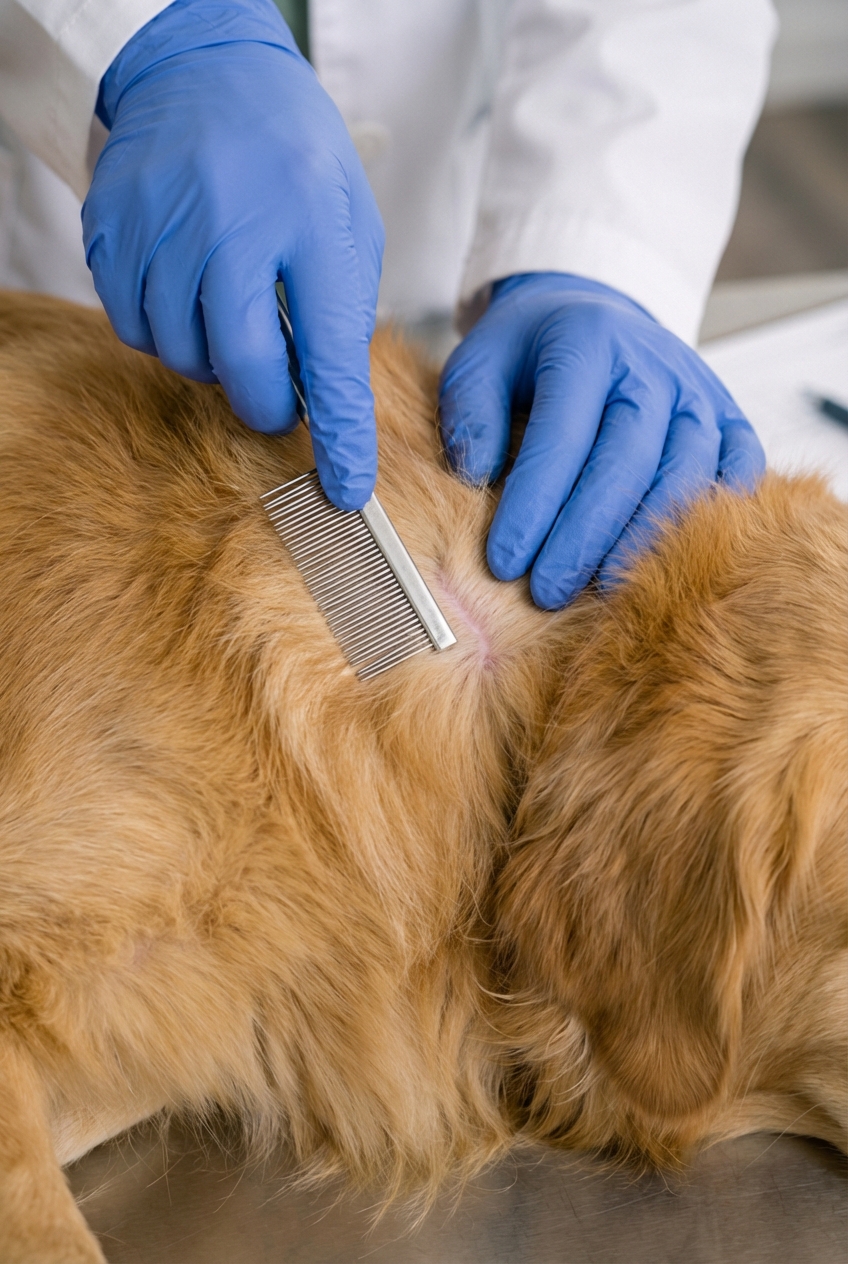
- Flea comb test: Comb near the base of the tail, belly, and armpits. Look for live fleas (fast-moving) and flea dirt (black, pepper-like specks).
- “Flea dirt” test: Put the pepper-like specks on a damp white paper towel. If they smear rusty red or reddish-brown, that is digested blood. (Not every black speck is flea dirt, so this helps confirm.)
- Look for patterns: Flea allergy dermatitis often shows up as itching and hair loss over the rump, tail base, and back legs.
- Remember cats groom: Cats can swallow evidence while grooming, so “no fleas seen” does not always mean “no fleas.”
If your pet is very young, very small, senior, pregnant, has chronic illness, or is on other medications, call your veterinarian before starting products. Safety and correct dosing matter.
Step 2: Treat every pet in the home
If one pet has fleas, assume all pets are exposed, including cats. Treating only the itchy dog is a common reason fleas come right back.
What actually kills fleas on pets
Veterinary-approved flea preventives are the most reliable tools because they keep killing newly emerging fleas for weeks. Options include:
- Oral medications (monthly or every 12 weeks depending on product). These kill when the flea bites.
- Topical spot-ons applied to the skin. These spread through skin oils and kill on contact or after feeding depending on formulation.
- Flea collars that release active ingredients over several months.
Your veterinarian can help you choose based on species (dog vs. cat), weight, age, lifestyle, and local parasite pressure. In North Texas, we often need consistent coverage for much of the year, and sometimes year-round, because mild winters can keep fleas active.
What about flea baths and sprays?
Baths can reduce the number of adult fleas immediately, but they rarely solve an infestation by themselves. If you bathe, use a pet-safe product labeled for fleas and follow directions exactly.
- A bath can be helpful before starting monthly prevention if your pet is crawling with fleas.
- Do not use essential oil blends as a flea “treatment.” Many are irritating, and some are toxic to pets, especially cats.
Important safety note for households with cats
Never use dog-only flea products on cats. Some ingredients commonly used for dogs can be dangerous or fatal to cats, especially permethrin and other concentrated pyrethroids. If you share your home with both species, double-check labels and ask your vet.

Step 3: Clean your home for real
Here is the part many people skip: most fleas are in your environment, not on your pet. A commonly cited estimate is that roughly 90 percent or more of the flea population is in the home or yard as eggs, larvae, and pupae rather than on the pet as adults. The goal is to remove eggs and larvae and encourage pupae to emerge so they can be killed by your ongoing pet treatment.
Another reason timing matters: pupae in their cocoons are relatively protected and can be hard to kill with many household insecticides. That is why consistent on-pet treatment and steady cleaning is what actually collapses an infestation.
Your indoor reset
- Vacuum daily for 7 days, especially rugs, carpet edges, baseboards, under furniture, and pet nap zones. Use crevice tools.
- Then vacuum 2 to 3 times per week for the next few weeks while your preventive keeps working.
- Empty the vacuum immediately after each session into a sealed bag and take it outside.
- Wash all pet bedding in hot water and dry on high heat every 2 to 3 days for the first week, then weekly until you are in the clear.
- Wash throw blankets and any bedding pets jump on.
- Restrict access to hard-to-clean areas temporarily if possible (closets, guest rooms) until you get ahead of the infestation.
Should you use a home flea spray or fogger?
Sometimes. For heavier infestations, an environmental product can help, but it has to be used correctly.
- Look for products that include an insect growth regulator (often abbreviated IGR). IGRs prevent eggs and larvae from maturing.
- Foggers are often less effective than targeted sprays because they do not penetrate under furniture or into cracks well.
- Follow label directions carefully and keep pets away until surfaces are dry and the area is safe to re-enter.
If you have a severe infestation, consider a licensed pest control professional and tell them you have pets so they can choose the safest approach.

Step 4: Do not forget the yard
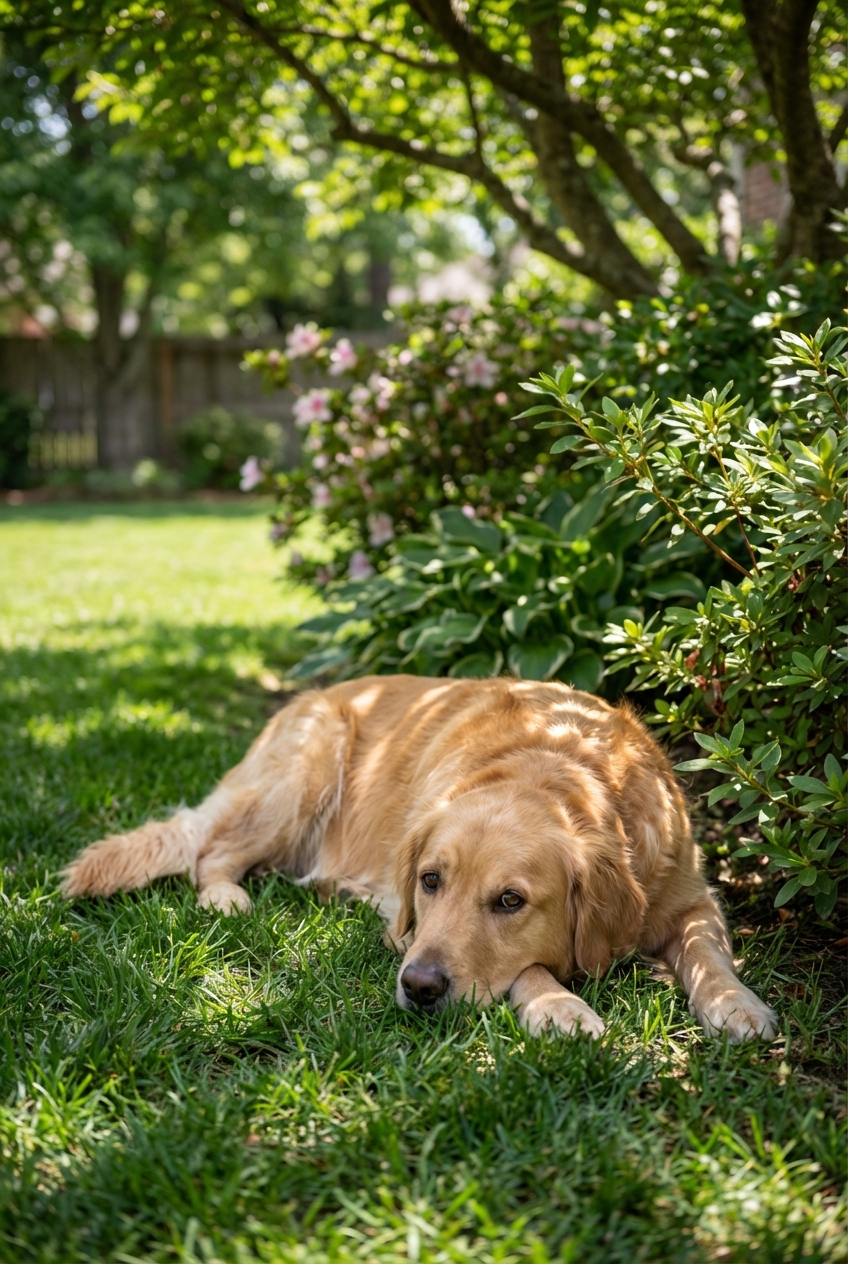
Outdoor flea populations love shaded, humid areas where pets rest: under decks, along fences, beneath shrubs, and around dog houses. If your dog spends time outdoors, you can reduce reinfestation by making the environment less flea-friendly.
Simple yard actions
- Mow regularly and remove yard debris where larvae can hide.
- Limit wildlife access when possible. Stray cats, opossums, and raccoons can carry fleas.
- Focus on pet zones first: shaded corners, porch areas, and places your dog naps.
- Consider targeted yard treatment if fleas are heavy outdoors, especially during warm, humid conditions.
In hot Texas summers, direct sunlight can reduce flea survival in open areas, but shaded pockets can still stay active.
Step 5: Stay the course
This is the make-or-break step. Because pupae can wait in cocoons, you may still see fleas popping up after you start doing everything right.
A realistic timeline
- First 24 to 48 hours: You often see a quick improvement in flea activity on the pet once a fast-acting product is on board.
- Weeks 1 to 3: You may still spot fleas as new adults emerge from pupae in your home.
- By weeks 4 to 12: With consistent prevention and cleaning, most homes see the infestation collapse.
Stay consistent for at least 3 months when you are actively eliminating an infestation. Many families stop early when things look better, and that is exactly when the next wave hatches.
Common reasons fleas keep coming back
- One pet was missed, including cats or visiting pets
- Doses were given late or skipped
- Product was not matched to your pet’s current weight range
- Topical product was bathed off too soon, or frequent swimming reduced effectiveness (check the label)
- Only the pet was treated, not the home or yard
- Wildlife or outdoor hotspots keep re-seeding the environment
Why it matters beyond itching
Fleas can also transmit tapeworms (most commonly Dipylidium caninum) when pets swallow infected fleas while grooming. Strong flea control helps reduce that risk too. If you notice “rice-like” segments in stool or around the rear end, call your veterinarian, because treating tapeworms requires the right dewormer in addition to flea control.
Signs the plan is working
- Fewer fleas seen during combing checks
- Less scratching and chewing at the tail base
- Less “pepper” in bedding and resting areas
- Your vacuum canister has less flea dirt and debris from pet zones
If itchiness continues even after fleas are controlled, talk with your veterinarian. Fleas can trigger skin infections and hot spots, and some pets need additional treatment for comfort and healing.
When to call the vet
- Your pet is a puppy or kitten and seems weak, pale-gummed, or very lethargic (flea-related anemia can be serious)
- Open sores, scabs, oozing skin, or a strong odor (possible infection)
- Severe itching that is not improving after starting effective prevention
- Any reaction after using a flea product such as drooling, tremors, vomiting, or wobbliness
Quick checklist
- Today: Flea comb, start vet-approved flea prevention on all pets, wash bedding, vacuum thoroughly.
- This week: Vacuum daily, launder frequently, consider an IGR environmental product if needed.
- This month: Keep prevention on schedule, monitor with weekly comb checks, address shaded yard zones.
- For 3 months: Stay consistent to outlast the pupae stage.
If you remember one thing, make it this: killing fleas is a behavior plan, not a single product. You change the environment, you protect the pet, and you give it enough time for the life cycle to run out.
Sources
- Companion Animal Parasite Council (CAPC): Flea guidelines and life cycle information
- Centers for Disease Control and Prevention (CDC): Fleas and flea-borne disease overview
- Merck Veterinary Manual: Flea biology, control strategies, and flea allergy dermatitis