Stop the flea cycle with a proven plan: confirm fleas, use cat-safe vet-recommended treatments, treat every pet, and clean your home with vacuuming, laundry,...
Article
•
Designer Mixes
How to Kill Cat Fleas

Shari Shidate
Designer Mixes contributor
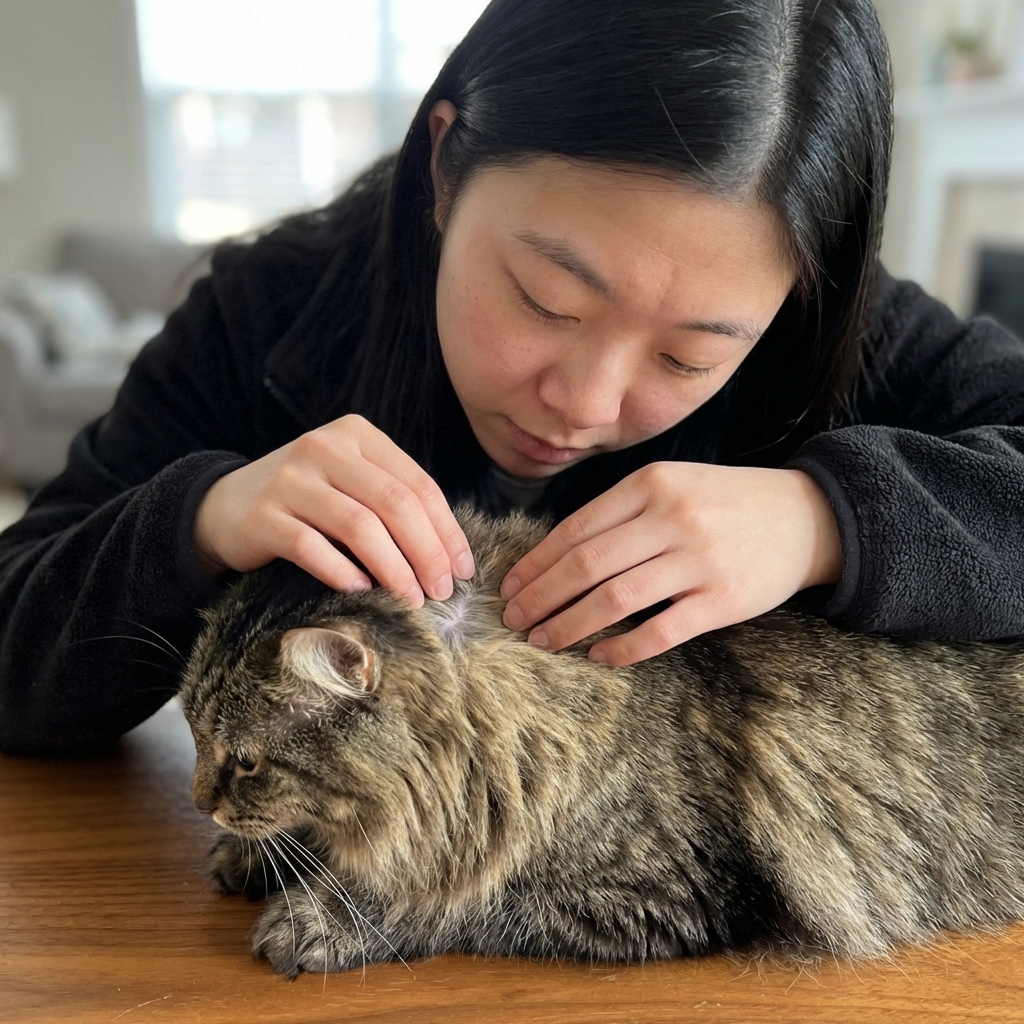
As a veterinary assistant here in Frisco, Texas, I can tell you one thing with confidence: fleas are not a reflection of how much you love your cat. They are persistent little hitchhikers that can show up in clean homes, indoor-only homes, and even in the middle of winter.
The good news is you can beat them. The key is doing three things at the same time: treating your cat, every other pet, and your home. When you break the flea life cycle, relief usually comes faster than you think.
In our clinic, we see the biggest “flea failures” when one part of the plan gets skipped, like an untreated pet or a favorite couch that never gets vacuumed.
Know the flea life cycle
Fleas have four stages: egg, larva, pupa, and adult. Here is why that matters:
- Adult fleas live on your cat and bite to feed.
- Eggs fall off into carpet, bedding, couch cushions, and floor cracks.
- Larvae hide in dark areas and feed on debris.
- Pupae can wait in a cocoon for days to weeks (sometimes longer) and then hatch when they sense warmth and vibration.
This is why you may treat your cat and still see fleas afterward. They are often newly hatched adults from the environment. Effective flea control is a plan, not a one-time event.
Step 1: Treat every pet
If one pet is untreated, fleas have a safe place to keep reproducing. Even if your dog “doesn’t have fleas,” treat them too if they share the home.
Choose a vet-recommended product
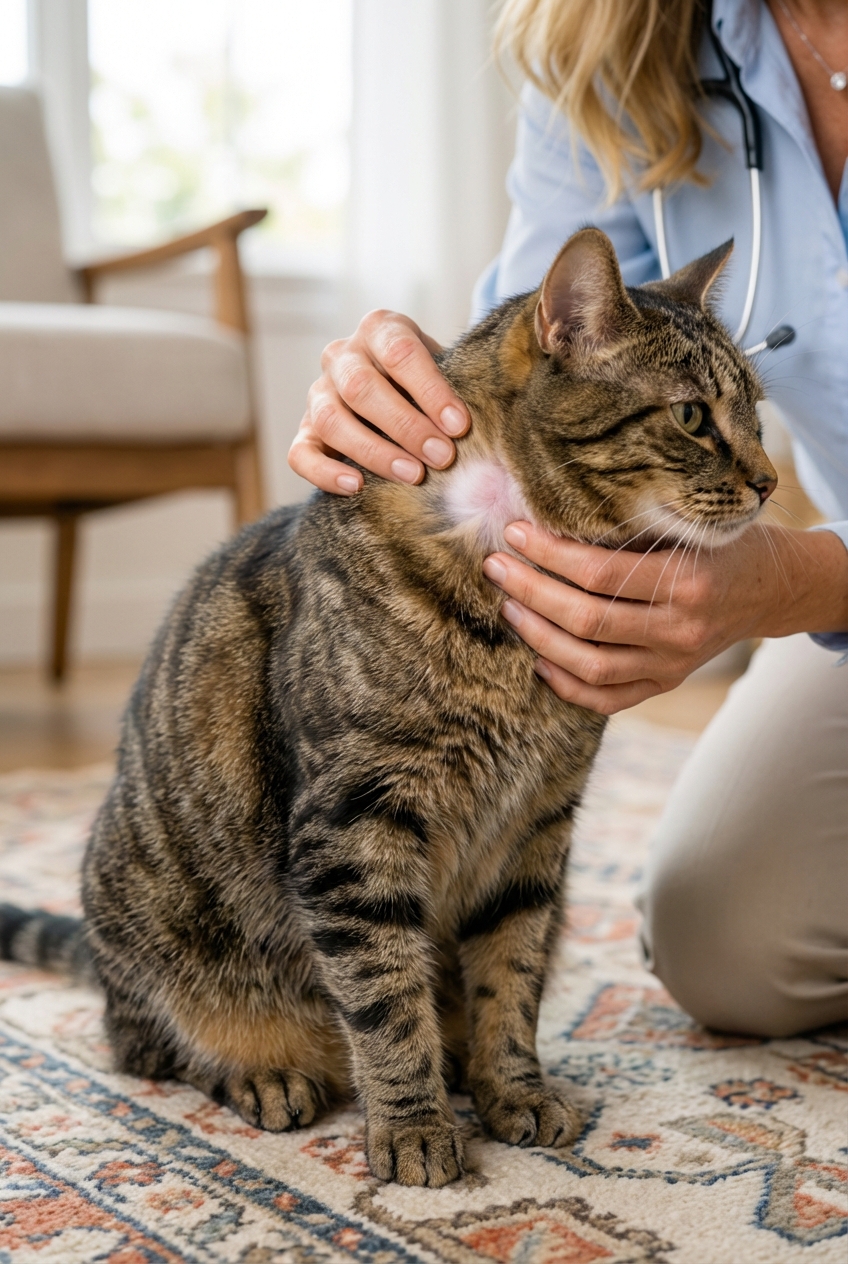
The most reliable options tend to be veterinary preventatives that kill adult fleas quickly and keep working long enough to stop reproduction. Your veterinarian can help you choose based on your cat’s age, weight, health history, and lifestyle.
- Topical (spot-on) products: applied to the skin, usually monthly.
- Oral flea medications: given by mouth on a schedule.
- Flea collars: some are effective for months, but quality varies a lot.
Important safety note: Never use dog flea products on cats. Some dog-only ingredients, especially permethrin (a pyrethroid), can be life-threatening to cats.
Multi-cat tip after topicals
If you use a topical product, separate cats until the application site is fully dry. Cats grooming each other can accidentally ingest the medication, which can cause drooling, vomiting, or worse depending on the product.
If your cat is miserable right now
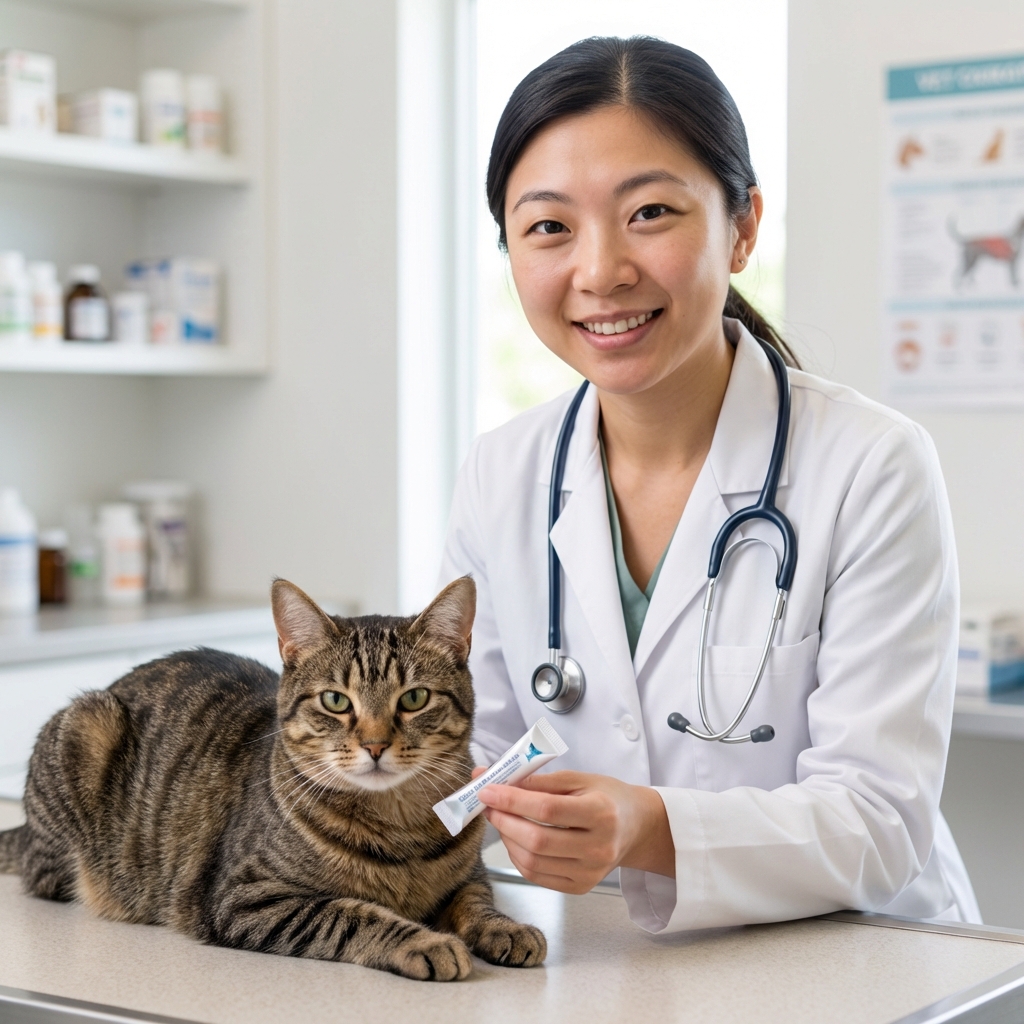
Ask your vet about a fast-acting flea knockdown option that begins killing fleas within hours, then follow with a longer-term preventative. This one-two approach can bring comfort quickly while you work on the house.
What about kittens, seniors, or cats with medical issues?
Kittens under a certain age or weight may not be able to use common flea preventatives yet. Cats with chronic illness may need special product selection. This is a perfect time to call your vet for the safest plan.
Step 2: Use a flea comb
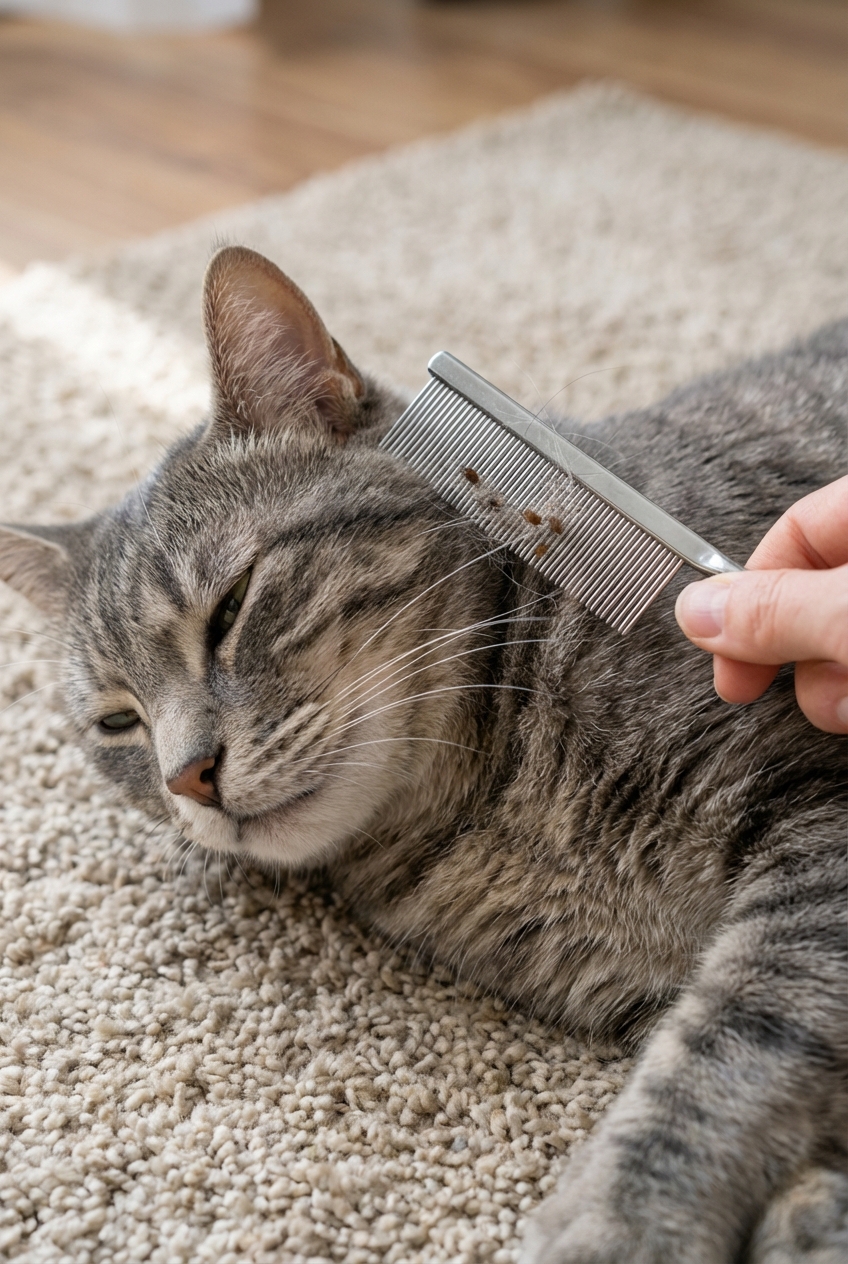
A flea comb does not replace medication, but it is a wonderful way to reduce live fleas and monitor progress.
How to comb
- Comb slowly around the neck, base of the tail, and belly.
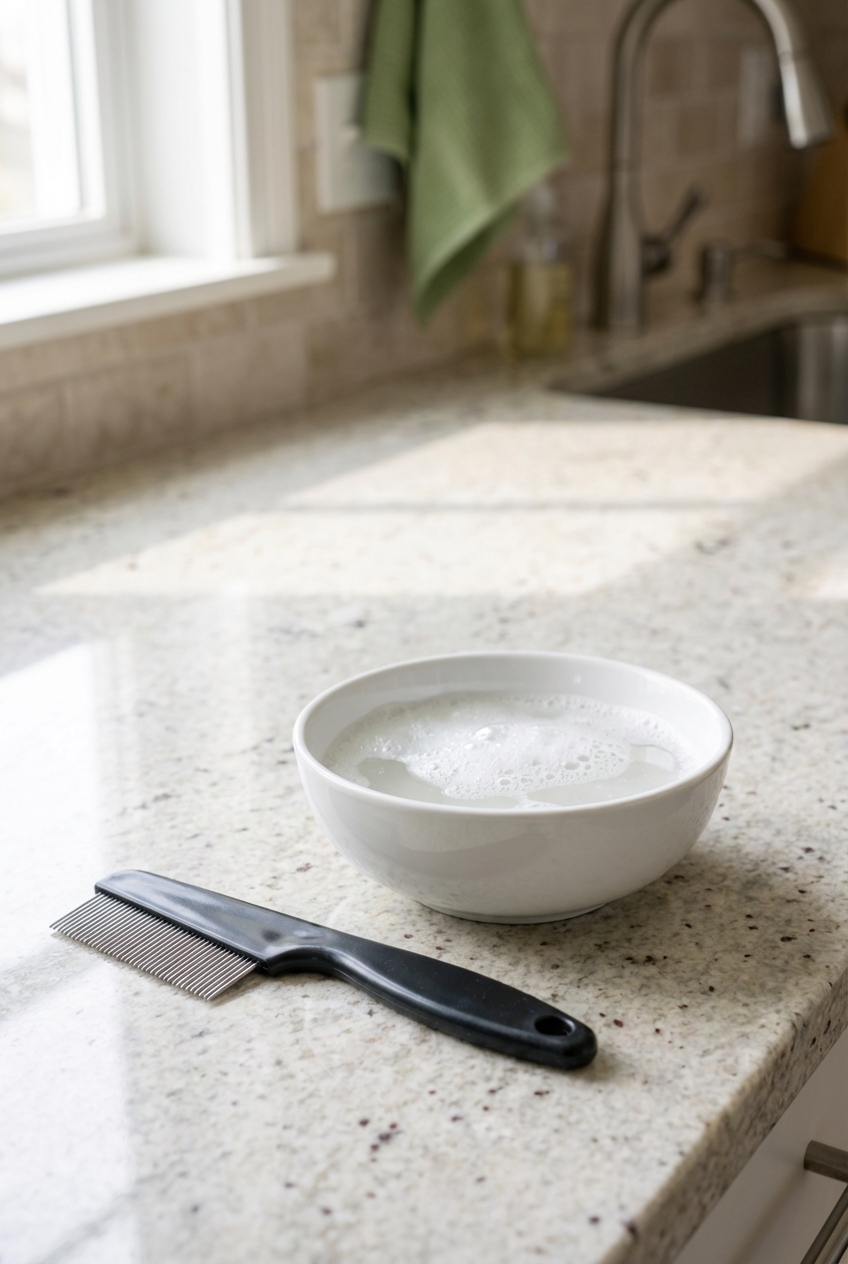
- Have a bowl of warm soapy water nearby.
- Dip the comb into the soapy water after each pass to trap and kill fleas.
If you see black specks that turn reddish-brown when wet, that is often flea dirt (digested blood). It is a strong clue that fleas are actively feeding.
Step 3: Treat your home
Most flea life stages are in the environment, not on your cat. Home treatment sounds overwhelming, but it is mostly about consistent cleaning for several weeks.
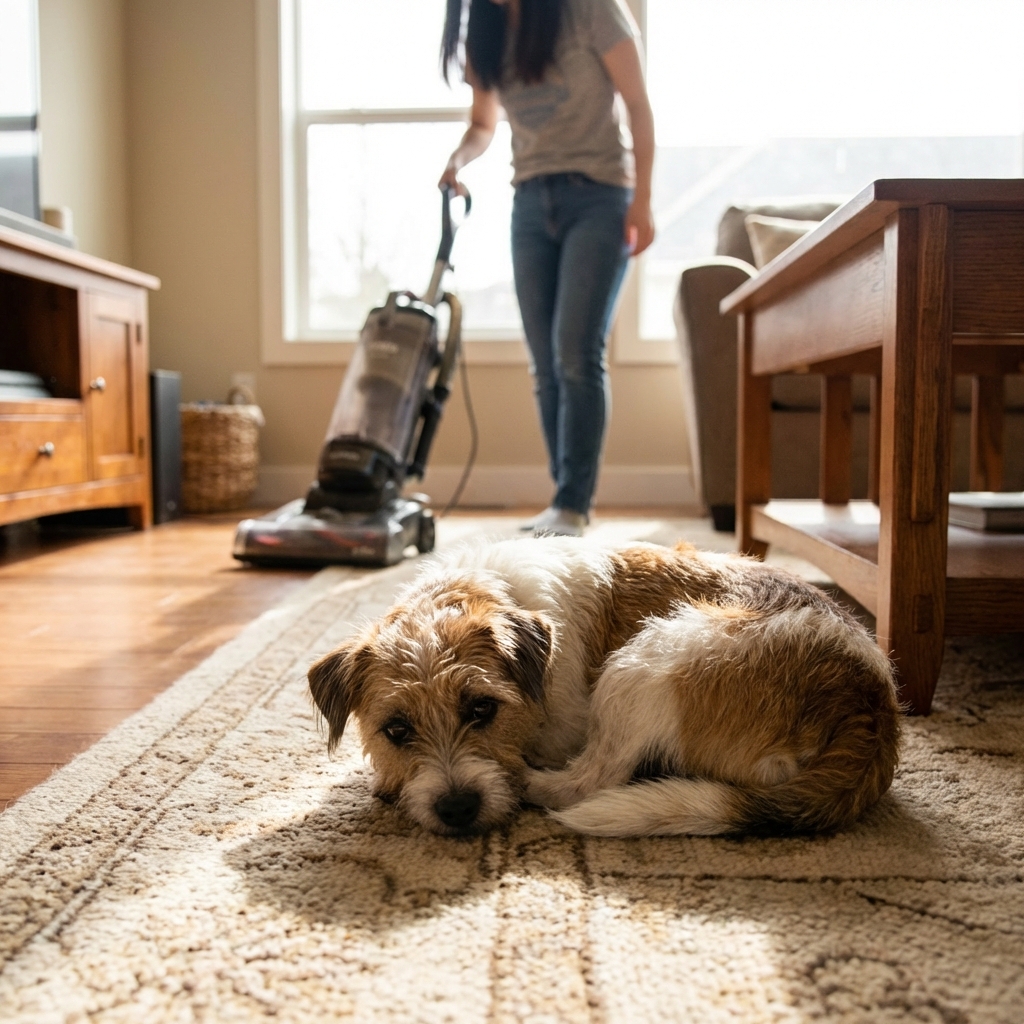
Vacuum often for several weeks
Vacuuming removes eggs and larvae and helps trigger pupae to hatch, which sounds bad, but it makes them vulnerable to your flea control plan.
- Daily vacuuming for at least 10 to 14 days is a great start.
- Then vacuum several times a week for a total of 6 to 8 weeks, especially if your home has carpet or the infestation was heavy.
- Focus on carpets, rugs, baseboards, and under furniture.
- Vacuum couch cushions and pet hangout spots.
- After vacuuming, empty the canister outside or seal the bag in a trash bag.
Wash fabrics on hot
- Wash pet bedding, throw blankets, and your cat’s favorite linens weekly.
- Use hot water when safe for the fabric, and dry on high heat.
Consider a spray with an IGR
If the infestation is heavy, a home spray labeled for fleas can help. Look for products that include an insect growth regulator (IGR), which prevents eggs and larvae from becoming biting adults.
Use only as directed, keep cats away until fully dry, and ventilate the area well. When in doubt, ask your veterinarian which products are safest around cats.
Quick caution: Flea foggers and bombs are often less effective than targeted vacuuming and IGR sprays, and they can be risky if used incorrectly around pets. If you are unsure, skip the fogger and ask your vet what to use.

Step 4: Check outdoor sources
If your cat goes outside, or if pets go in and out, fleas may be waiting in shaded, humid areas where pets or wildlife rest. Most fleas do not develop in sunny, open lawn areas.
- Keep grass trimmed and remove leaf litter where possible.
- Wash outdoor pet bedding.
- Discourage wildlife visitors near porches and sheds when you can.
Many yards do not need chemical treatment when pets are consistently on veterinarian-approved preventatives, but severe cases may require targeted help.
Before you move on
If you have started treating your pets and your home, you are doing the hard part. Next comes staying consistent long enough to outlast the pupae stage.
Mistakes that keep fleas coming back
- Stopping too soon: You may see fleas for a few weeks as pupae hatch. Stay consistent.
- Treating only the cat: The home and other pets must be part of the plan.
- Using the wrong dose: Always dose by accurate weight and follow label directions.
- Using essential oils on cats: Many essential oils can be toxic to cats, even when “natural.”
- Bathing immediately after a topical product: This can reduce effectiveness. Follow the label instructions and your vet’s guidance.
How long does it take?
With the right plan, many families see major improvement within 1 to 3 days once a fast-acting, correctly dosed product is on board. (Timing varies by medication and the size of the infestation.)
Full control of the home environment often takes 3 to 8 weeks, depending on how many pupae were already present and how consistently you treat and clean.
If you are doing everything correctly and still see fleas after a month, it is time to troubleshoot with your veterinarian. Reduced susceptibility to some products is possible, but more often the issue is re-exposure, incorrect dosing or application, missed doses, untreated pets, or an environmental hot spot like a couch or a specific rug.
When to call the vet
Fleas can cause more than itching. Please contact your veterinarian promptly if you notice:
- Weakness, pale gums, or extreme lethargy (especially in kittens, due to possible anemia)
- Hair loss, open sores, or scabs from intense scratching
- Signs of tapeworms (rice-like segments near the rear or in stool)
- Facial swelling, hives, or trouble breathing after any flea product
Tapeworm note: Fleas can spread tapeworms (Dipylidium caninum). If you are seeing tapeworm segments or your cat has had fleas, ask your vet if deworming is recommended.
You do not have to figure this out alone. A quick call can save you time, stress, and money.
Flea-killing checklist
- Treat every pet with a cat-safe, vet-recommended flea product.
- If using topical medication, separate cats until fully dry to prevent grooming and ingestion.
- Comb your cat and trap fleas in soapy water.
- Vacuum daily for 10 to 14 days, then several times weekly for a total of 6 to 8 weeks.
- Wash bedding and blankets weekly on hot and dry on high heat.
- Use a home product with an IGR if needed and follow directions carefully (skip foggers if you are not sure).
- Keep preventatives consistent year-round in flea-prone areas.
Once you break the cycle, life gets calmer for everyone, including your cat.