
Stop mice at the source with an entry-point plan: inspect doors, garages, vents, and utility lines, seal gaps with chew-resistant materials, and trap safely�...
Article
•
Designer Mixes
How to Keep Mice Away in Winter

Shari Shidate
Designer Mixes contributor
When temperatures drop, mice do what all smart creatures do. They look for warmth, shelter, and food. Unfortunately, our homes offer all three. The good news is that most winter mouse problems can be prevented with a simple entry point inspection and a few targeted fixes.
Think of this as a checklist you can do in one afternoon. You are going to (1) find how mice could get in, (2) block those routes with the right materials, and (3) remove the “welcome signs” like easy food and cozy nesting spots.

Why mice show up in winter
Mice are not trying to be “bad.” They are trying to survive. In winter they need:
- Warmth: wall cavities, attics, basements, crawl spaces
- Food: pet kibble, bird seed, pantry goods, crumbs
- Water: condensation, pet bowls, small plumbing leaks
Once one mouse finds a reliable setup, others often follow. That is why early prevention matters.
Your winter entry point inspection
Set yourself up with a bright flashlight, a notepad, and a little patience. If possible, do two passes: one outside (perimeter) and one inside (attic, garage, utility areas).
Quick safety note before you start: If you find droppings or nesting material, avoid sweeping or vacuuming it dry. Put on gloves and a well-fitting mask (an N95 is ideal), ventilate the area, and lightly mist with disinfectant before cleanup.
Step 1: Walk the exterior first
Mice often enter at ground level or where utilities penetrate the structure, but they can also get in higher up (roofline gaps, vents, and overhanging branches). Move slowly and scan for gaps, dark smudges, or tiny “runways” along walls (packed paths in dust or insulation).
- Foundation and siding gaps: Check where siding meets the foundation and where different materials meet.
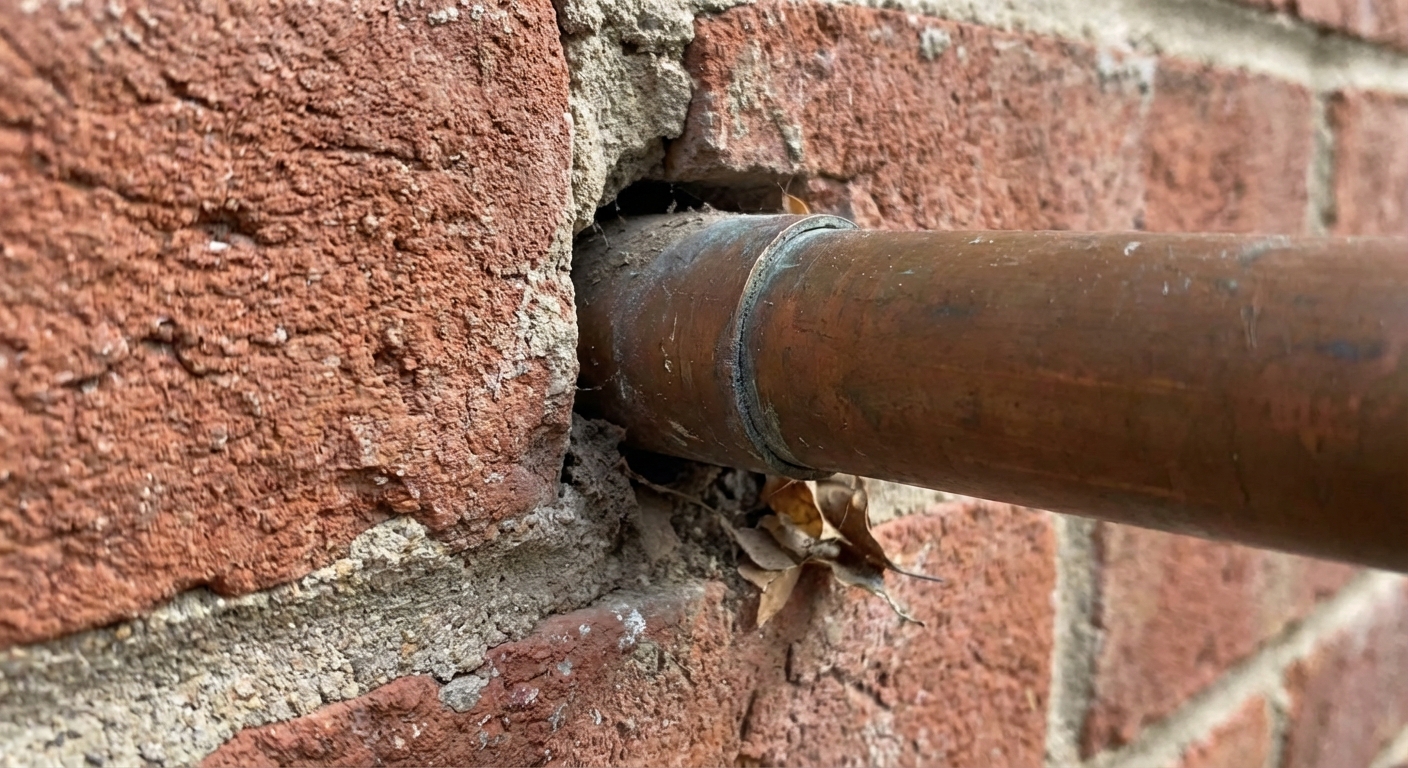
- Utility penetrations: Look around pipes, cable lines, AC lines, and gas lines.
- Garage: Inspect corners, the lower edges of framing, and any holes behind stored items.
- Vents: Dryer vents, crawl space vents, and attic vents should be intact and screened.
- Roofline areas: Look for gaps at fascia boards, soffits, and roof returns.
Step 2: Check doors, windows, and weatherstripping
A classic winter entry point is a door that does not seal tightly. If you can see daylight, a mouse can often squeeze in.
- Door sweeps: Replace cracked or loose sweeps, especially on garage and back doors.
- Weatherstripping: Feel for drafts along door sides and window frames.
- Thresholds: Ensure the threshold is snug and not bowed.
Step 3: Inspect the quiet indoor zones
Inside, focus on areas people do not look at often. These are prime real estate for nesting.
- Under sinks: Look around plumbing cutouts and cabinets for gaps.
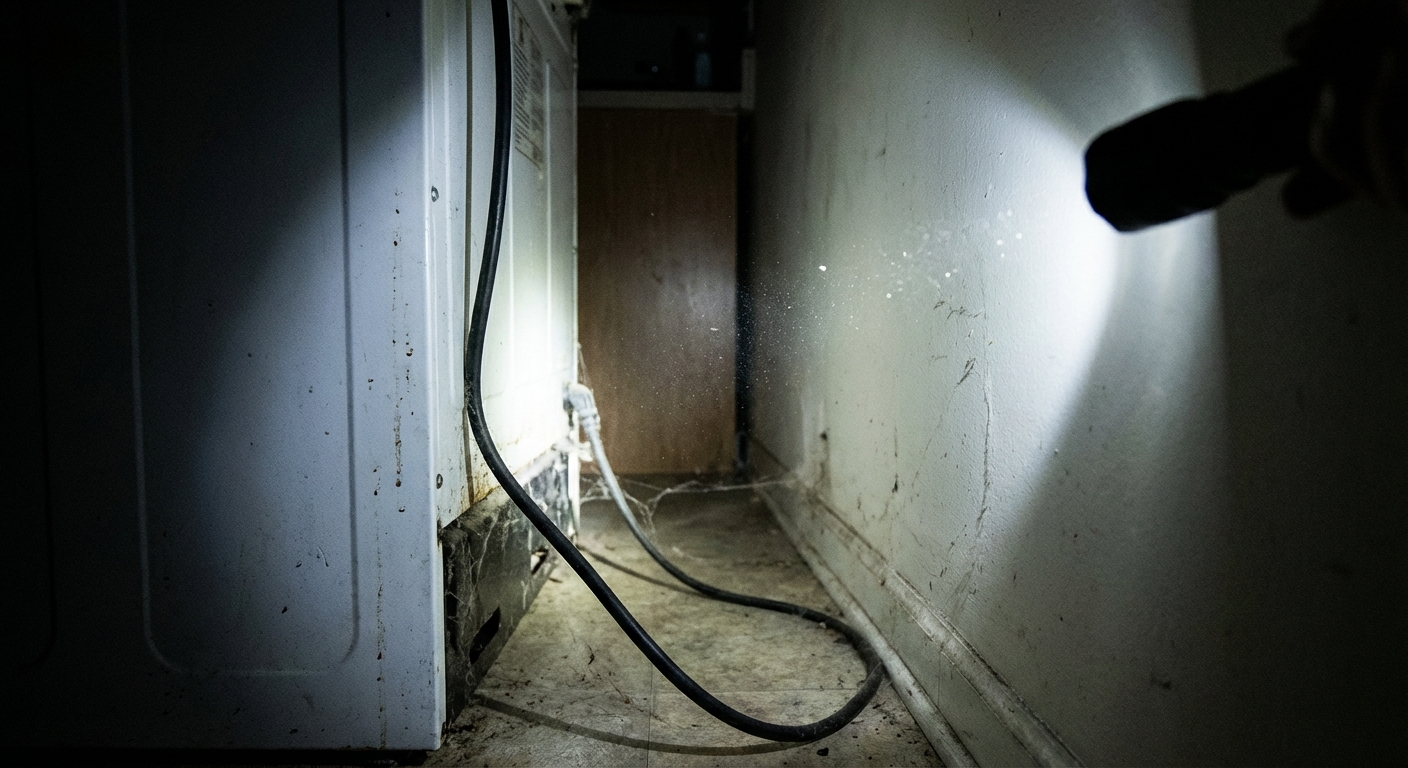
- Behind appliances: Especially the stove, fridge, and washer and dryer areas.
- Basement and crawl space: Check rim joists and sill plates.
- Attic: Look for disturbed insulation and small droppings near entry points.
What to look for: rice-sized droppings, shredded paper or insulation, gnaw marks, greasy rub marks along edges, plus footprints or tail drags in dusty areas.
Seal it for real
For mice, “small gap” is still a door. Mice can squeeze through openings as small as about 1/4 inch (roughly a pencil or eraser diameter), and young mice can fit through even smaller gaps. For an entry point inspection, your sealing material matters just as much as finding the hole.
Important: If you strongly suspect mice are currently inside (fresh droppings daily, active scratching), trap first, then seal. Sealing too early can trap animals inside and create a bigger problem later.
Materials that work
- Steel wool (coarse) plus sealant: Pack the gap, then seal over it with caulk. Good for small openings in dry areas. In damp spots, steel wool can rust and loosen, so use copper mesh or stainless options instead.
- Copper mesh: Similar use to steel wool, often longer-lasting and a better choice for moisture-prone areas.
- Hardware cloth (metal mesh): Great for vents and larger holes, secure with screws or staples.
- Metal flashing: Useful for bigger gaps or chewed areas, especially near doors and framing.
- Expanding foam: Use only when paired with a chew-resistant barrier like mesh or flashing. Foam alone can be chewed through.
Common missed spots
- Gaps under exterior doors and the garage door corners
- Where decks, porches, or additions meet the house
- Cracks at the foundation line
- Openings around hose bibs and pipe chases
- Attic and soffit gaps near roof edges
Remove attractants
Sealing is step one, but mice will keep investigating if your home smells like snacks and shelter. This is where many households unknowingly make winter problems worse.
Food management
- Pantry: Store grains, cereal, flour, and snacks in hard plastic, glass, or metal containers with tight lids.
- Pet food: Keep kibble in a sealed container, avoid leaving bowls out overnight if possible, and clean up crumbs.
- Bird seed: Store it in a sealed bin in a shed or garage, not in a paper bag.
- Trash: Use a can with a tight lid and take it out regularly.
Water sources
- Fix slow leaks under sinks and at hose connections
- Address condensation issues in basements and crawl spaces
- If you are actively dealing with mice, pick up pet water bowls overnight if practical and refresh them in the morning
Nesting materials
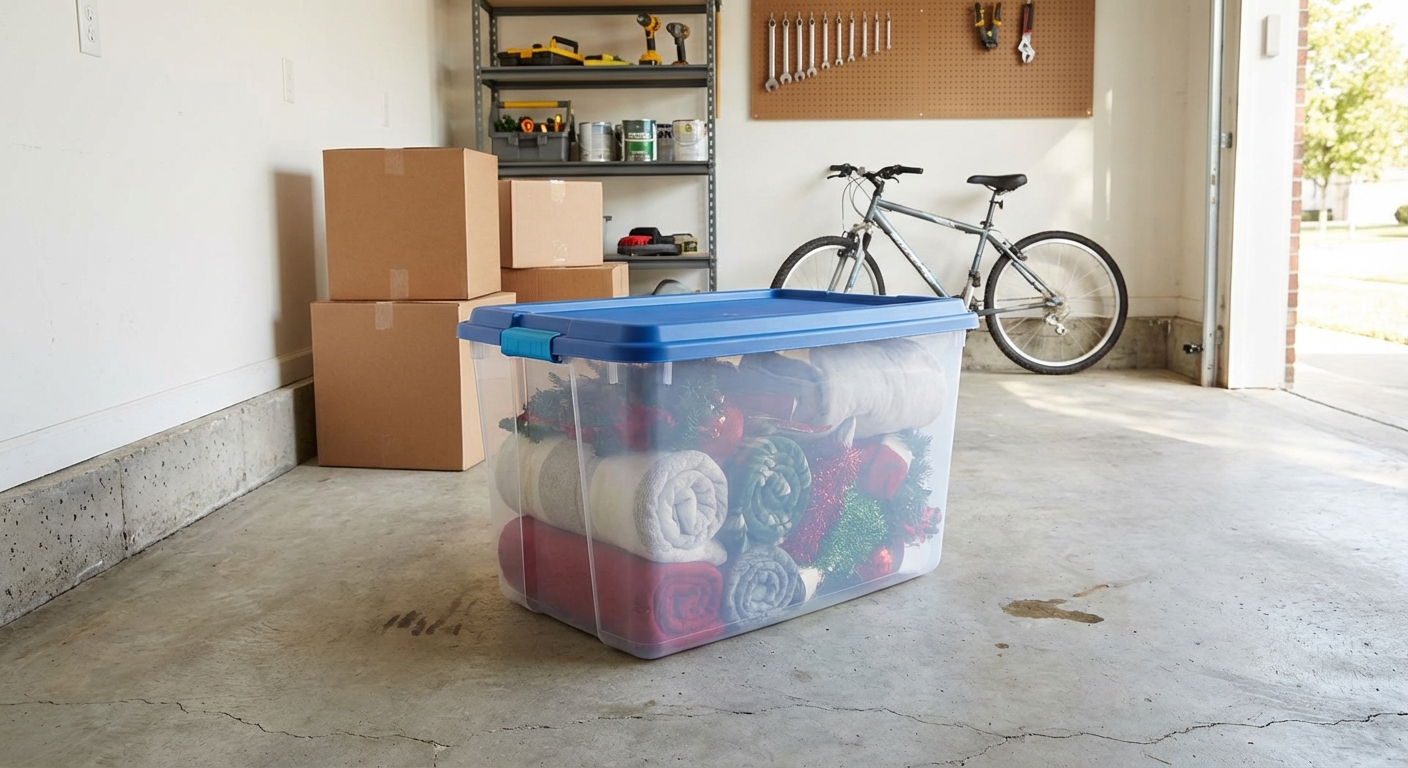
- Declutter cardboard, paper bags, and piles of fabric in garages and storage areas
- Store seasonal items in plastic totes with lids
- Keep firewood at least 20 feet from the house and elevated off the ground
Simple exterior tweaks
- Trim shrubs and vegetation back from siding and the foundation line
- Cut back overhanging branches near the roofline
- Keep compost and garbage set back from exterior walls
- Clean up fallen fruit and spilled bird seed
Smart trapping
If your inspection turns up signs of mice, sealing and sanitation should still come first. Then add trapping to reduce the population quickly.
Trap types (quick guide)
- Snap traps: Fast, effective, and a common go-to for indoor control.
- Enclosed traps: Helpful if you have pets or small children, since they add a layer of protection.
- Live traps: Work in some situations, but you still need exclusion and a plan for safe, legal release.
Many homeowners avoid glue boards for humane reasons and because they can create messy outcomes. If you use them, follow local guidance and check them frequently.
Placement that works
- Place traps along walls where mice travel, not in the middle of a room.
- Focus on behind appliances, along pantry baseboards, and in garages near entry points.
- Use several traps at once. A single trap rarely solves a winter issue.
Bait tips: A small amount of peanut butter or a soft treat works well. Use just enough to scent the area.
Follow-up: Keep traps set until you have at least 7 to 10 days with no new signs, then re-check your seals and continue monitoring.
When to call a pro
Sometimes a winter mouse issue is bigger than a weekend project. Consider calling a licensed pest professional if:
- You see droppings daily even after sealing and trapping
- You hear persistent scratching in walls or ceilings
- You have a crawl space or attic with extensive contamination
- You cannot locate likely entry points or access key areas safely
A good company will do exactly what this article describes: inspect, identify entry points, seal strategically, and recommend habitat changes. Be wary of any approach that relies only on bait without exclusion work.
Quick winter checklist
- Inspect for gaps at pipes, vents, doors, and foundations
- Seal openings using mesh plus sealant (skip foam alone)
- Replace door sweeps and weatherstripping where daylight shows
- Store food, pet kibble, and bird seed in sealed containers
- Declutter cardboard and nesting materials near walls
- Set multiple traps along wall edges if activity is suspected
- Re-check your exterior after the first hard freeze or major storm
If you do just one thing this week, do the door sweep check. In my experience, that simple fix prevents a surprising number of winter mouse “mystery” cases.