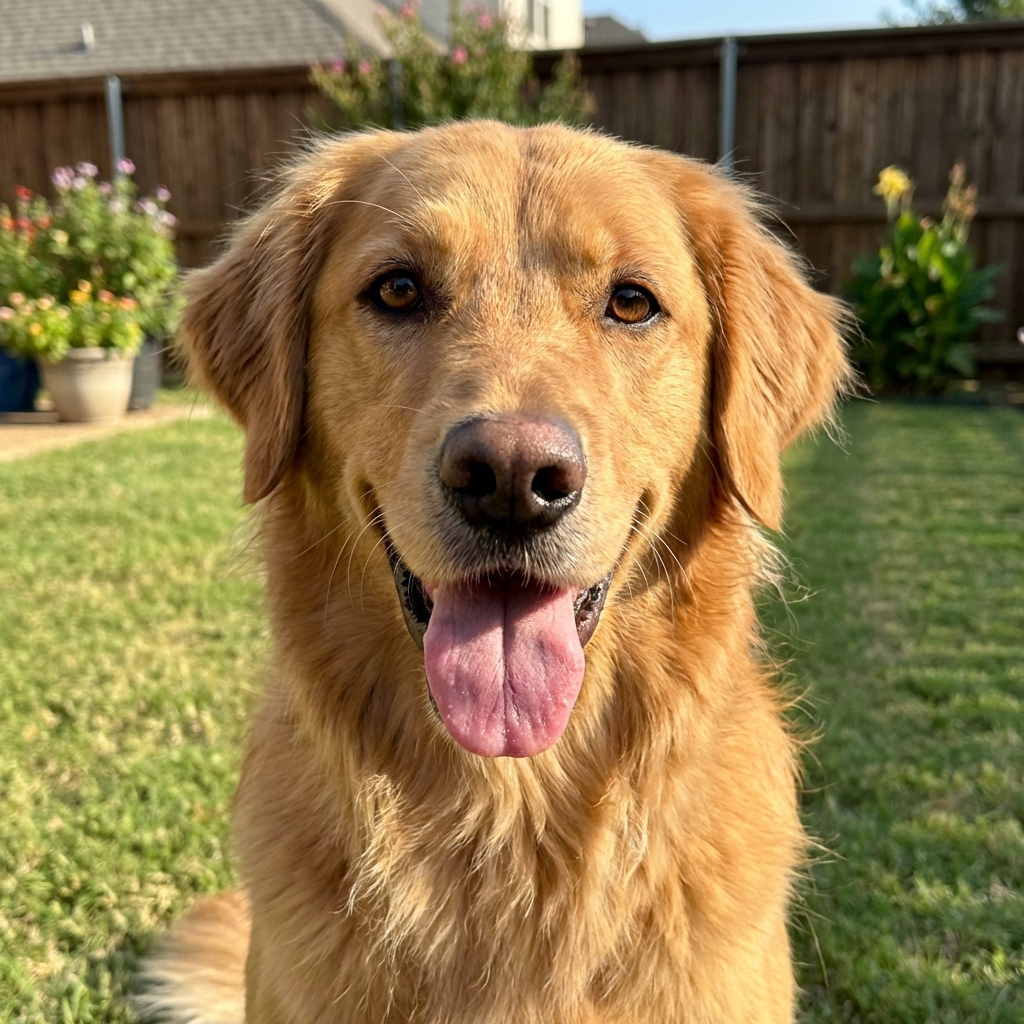
Make bath time easier and safer with vet-assistant tips on how often to bathe, prep and brushing, lukewarm water, proper rinsing, shampoo choices, ear safety...
Article
•
Designer Mixes
How to Keep a Dog From Smelling

Shari Shidate
Designer Mixes contributor
If you love your dog but not that “doggy” smell, you are not alone. As a veterinary assistant here in Frisco, Texas, I can tell you most odor problems are fixable once you understand where the smell is coming from. The goal is not to perfume your pup. It is to support healthy skin, ears, teeth, and digestion so your dog naturally smells clean.
Let’s walk through proven steps that actually work, plus a few fun facts you can share at the dog park.
First: find the source
Different smells point to different causes. If you target the right source, you get faster results and fewer cases of recurring odor.
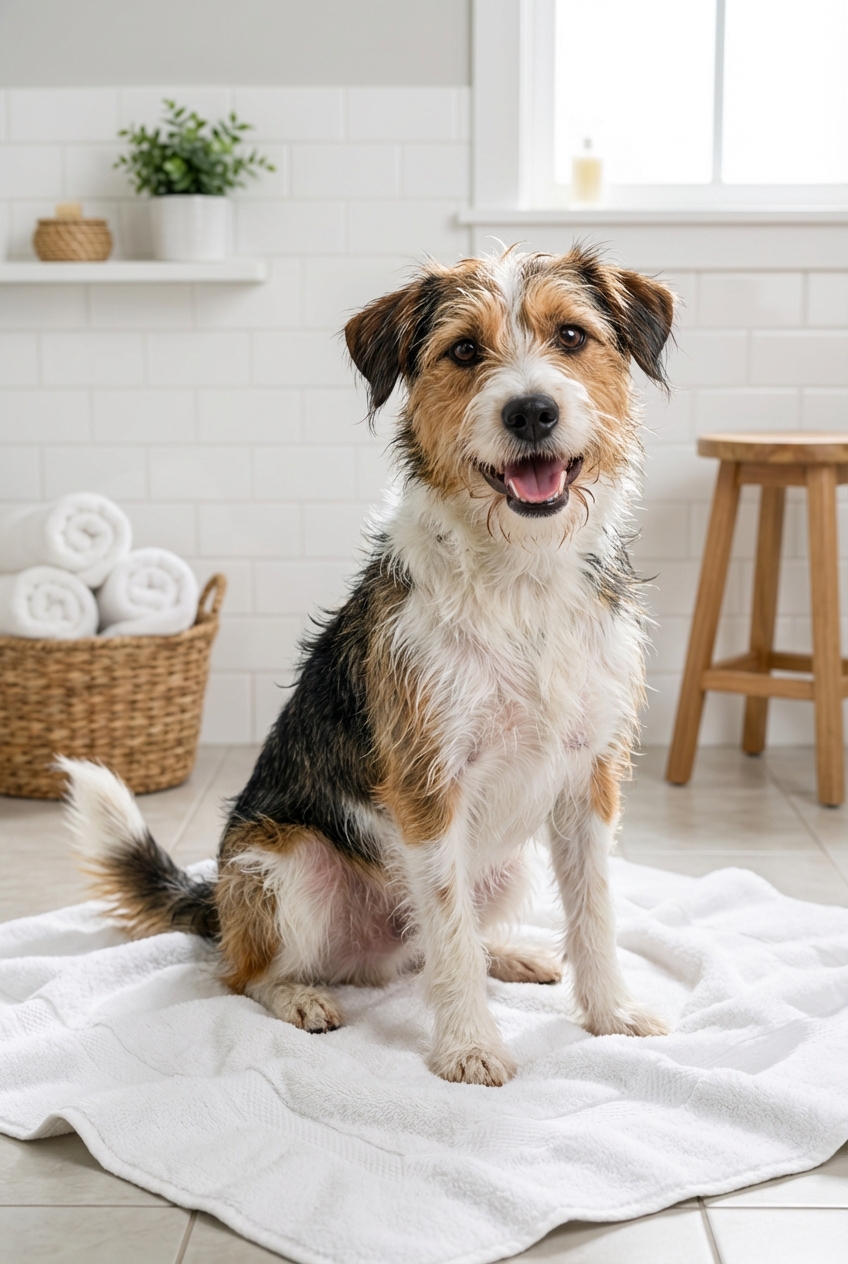
- Wet dog or “musty towel” smell: often trapped moisture in the coat or undercoat, especially in doodle-type mixes and double-coated dogs.
- Corn chip (“Frito”) paws: often linked to normal skin microbes (yeast and bacteria) on feet. A stronger smell can mean overgrowth, moisture issues, or allergies.
- Fishy smell: most commonly anal gland fluid. Less commonly, an infection or inflammation around the rear end can smell foul too.
- Sour, rancid, or “greasy” smell: skin inflammation, yeast overgrowth, seborrhea, or an underlying allergy.
- Rotten breath: dental disease, tartar buildup, or gum infection.
- Ear odor: yeast or bacterial ear infection, sometimes linked to allergies. Ear mites are another possibility, especially in itchy ears.
Quick self-check: Smell your dog in zones: ears, mouth, paws, under the collar/harness, belly, and tail area. The strongest spot is usually the clue.
Bathing that reduces odor
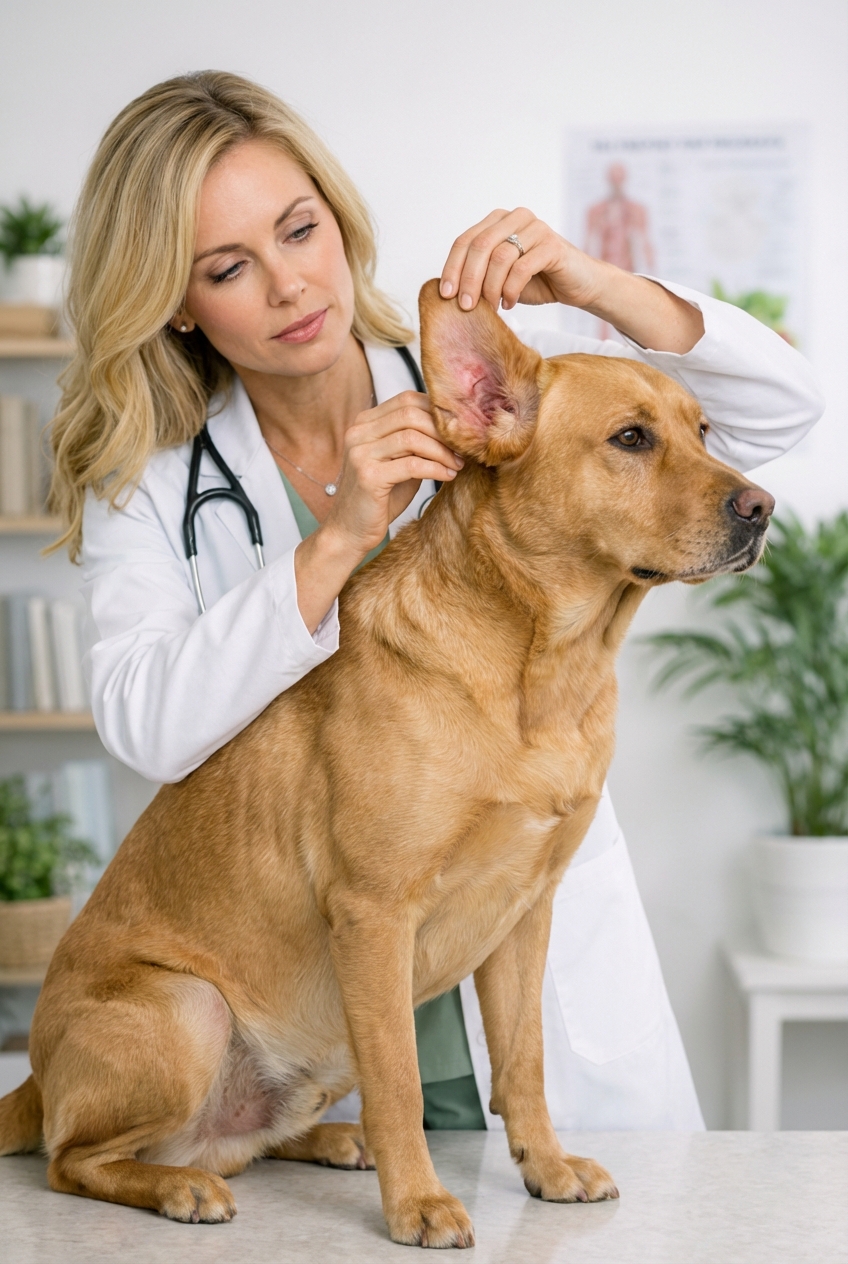
Baths help, but only when the products and technique match your dog’s skin needs. Overbathing with harsh shampoo can strip the skin barrier and make odor worse.
How often?
- Most dogs: every 3 to 6 weeks is a common sweet spot.
- Oily coat or skin folds: may need more frequent bathing with vet-guided products.
- Dry, itchy dogs: may need less frequent bathing and a moisturizing routine.
Simple steps that matter
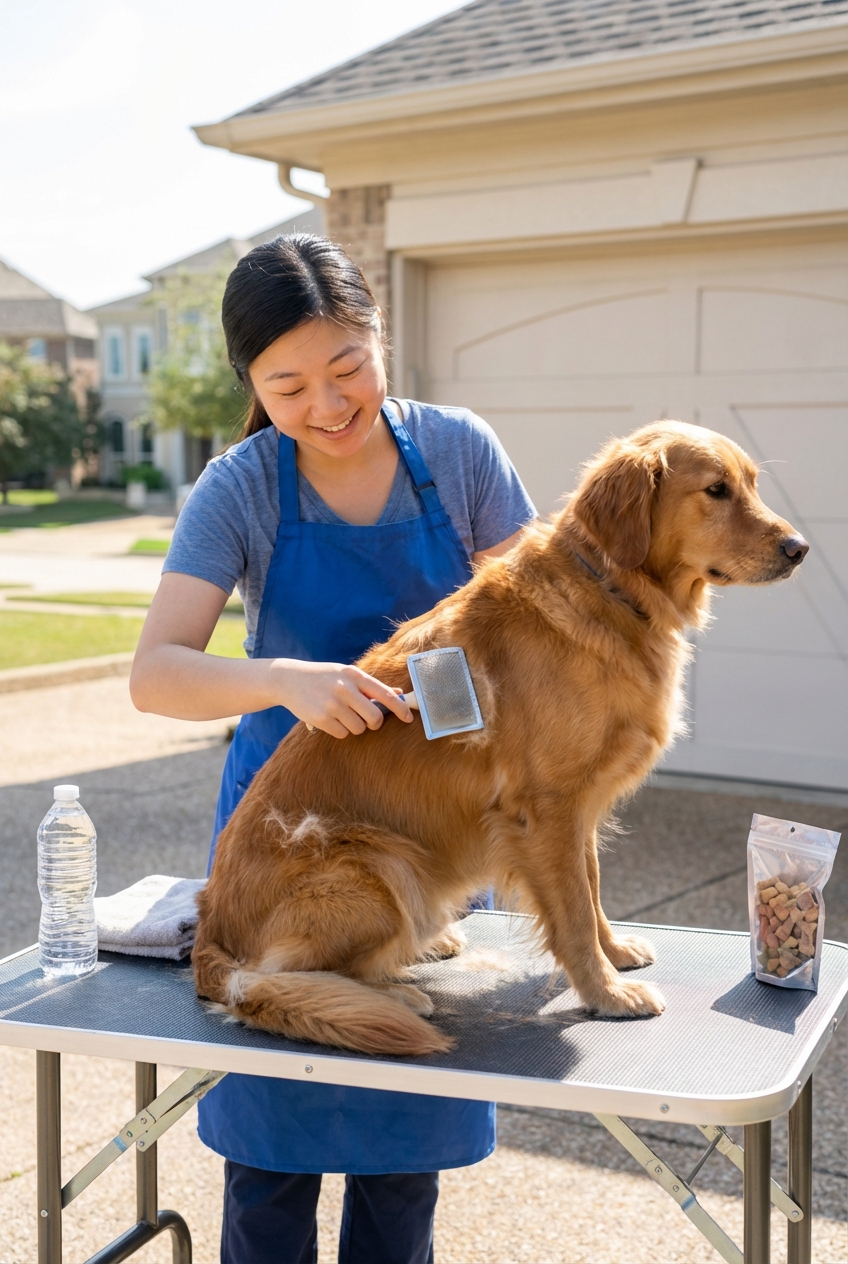
- Brush first to remove loose hair and debris so shampoo can reach the skin.
- Use lukewarm water and fully saturate the coat.
- Shampoo contact time: for medicated shampoos, a 5 to 10 minute contact time is commonly recommended. Follow the label and your veterinarian’s directions.
- Rinse longer than you think because leftover product can cause itch and odor.
- Condition if needed with a dog-specific conditioner, especially for curly coats.
- Dry completely with a towel plus a dryer on low or cool. Moisture trapped at the skin is a huge odor trigger.
Clinical note: Many recurring “dog smells” are tied to yeast and bacterial overgrowth on skin. In repeat cases, veterinarians often recommend antiseptic or antifungal shampoos (for example, chlorhexidine or miconazole based) depending on what is found on exam. Use only as directed, including frequency and contact time.
Brush and keep the coat breathable
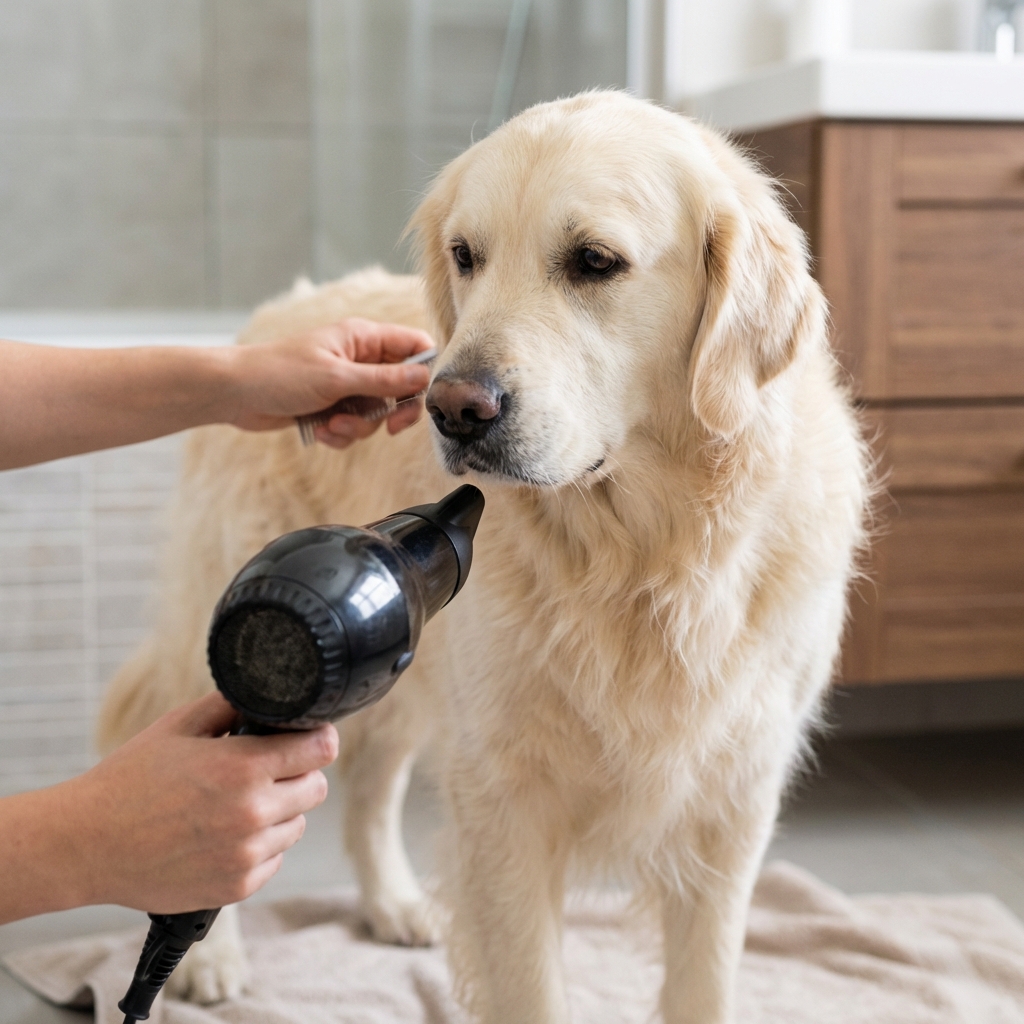
Coat type matters. Curly and thick coats can trap dirt, oils, and moisture close to the skin. Brushing is not just cosmetic. It is odor prevention.
- Curly or wavy coats (many doodle-type mixes): brush and comb 3 to 5 times per week, paying attention to armpits, behind ears, and the collar area.
- Double coats: use a de-shedding tool carefully and focus on undercoat removal during seasonal shedding.
- Schedule trims: hair around paws, the sanitary area, and ear edges holds odor quickly.
Tip: That “wet dog smell” gets worse when wet hair dries slowly. A well-maintained coat dries faster, which helps it smell better.
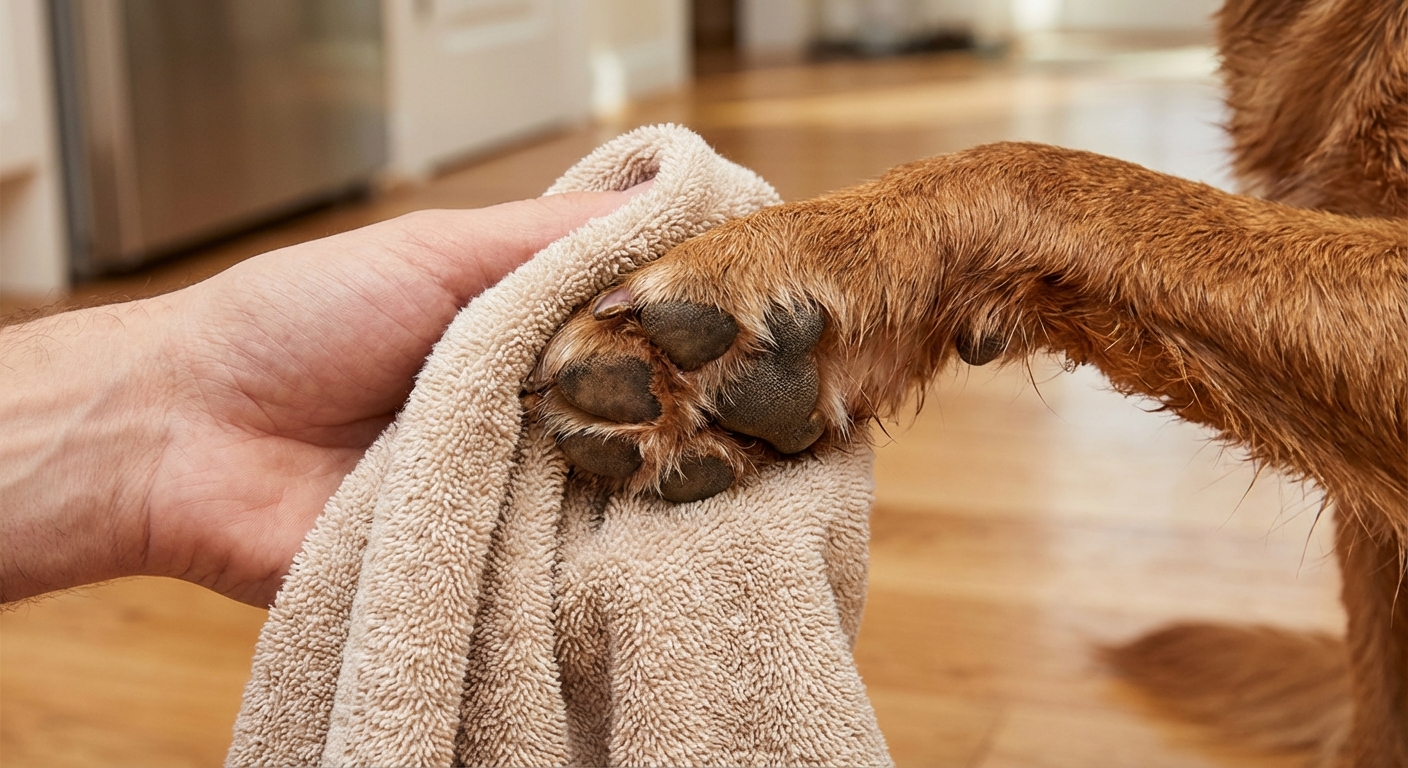
Paw odor: “Frito feet”
Fun fact: that corn chip smell is often linked to normal yeast and bacteria that live on skin. A mild smell can be normal. Strong odor, licking, redness, or brown staining is a sign you should intervene.
At-home steps
- Rinse after walks and dry paws well, including between the toes.
- Trim paw hair so moisture and debris do not stay trapped.
- Use pet-safe paw wipes after muddy or high-pollen days.
When to call your vet: swelling, limping, persistent licking, open sores, or a strong yeasty smell that returns quickly. Dogs can develop interdigital infections and allergy flares that need medical treatment.
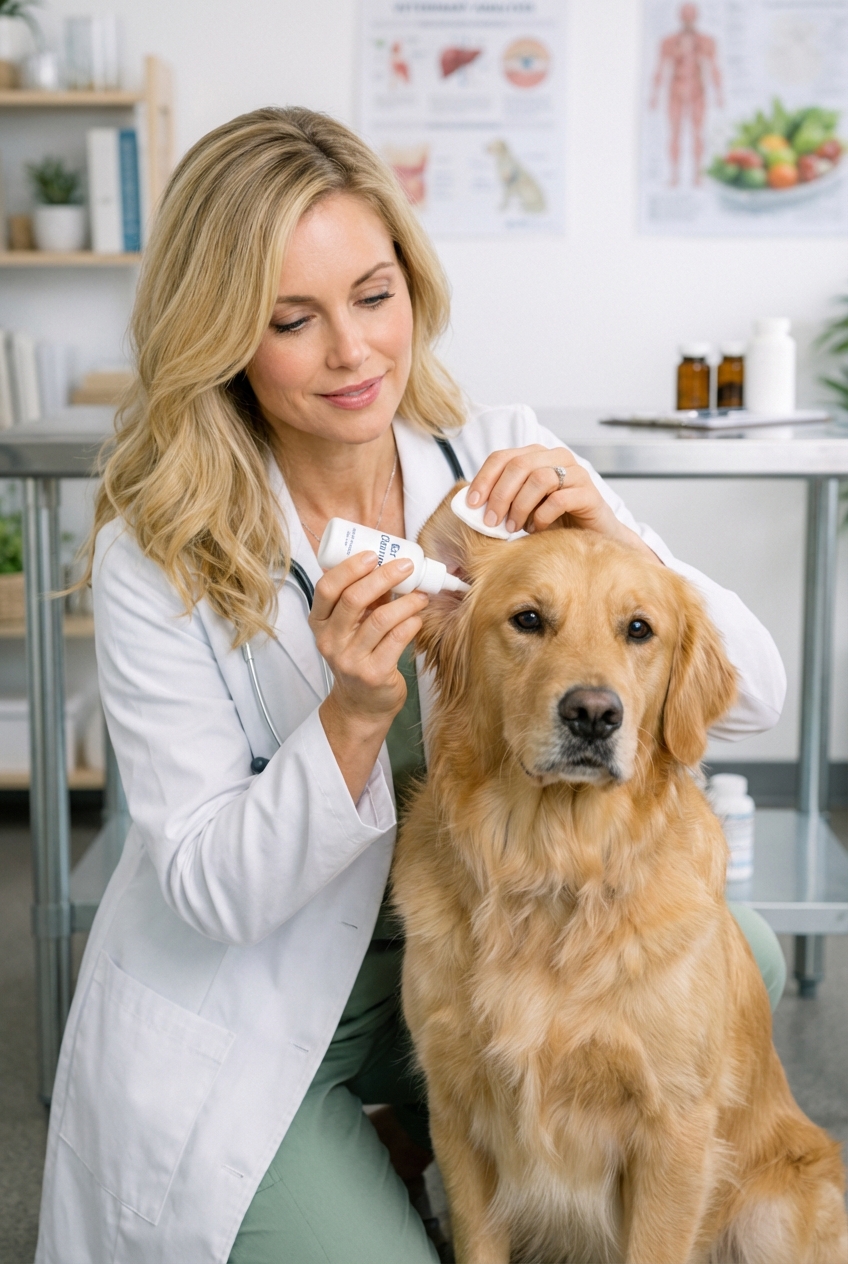
Ear odor: clean, not too much
Healthy ears should not smell strong. A yeasty, sweet, or sour odor usually means inflammation or infection. Floppy ears can reduce airflow, creating a warm, moist environment that encourages yeast. Ear mites can also cause odor and intense itch.
Safer ear habits
- Clean only when needed using a veterinarian-approved ear cleaner.
- Never use Q-tips deep in the canal because they can pack debris deeper or injure the ear.
- Dry ears after swimming or bathing with a towel on the outer ear. If your vet recommends it, use an ear drying solution or cleaner as directed.
Red flags: head shaking, scratching, pain, discharge, or a strong odor. Ear infections are uncomfortable and can worsen quickly. They also need the right diagnosis (yeast, bacteria, mites, or mixed), so try not to guess at home.
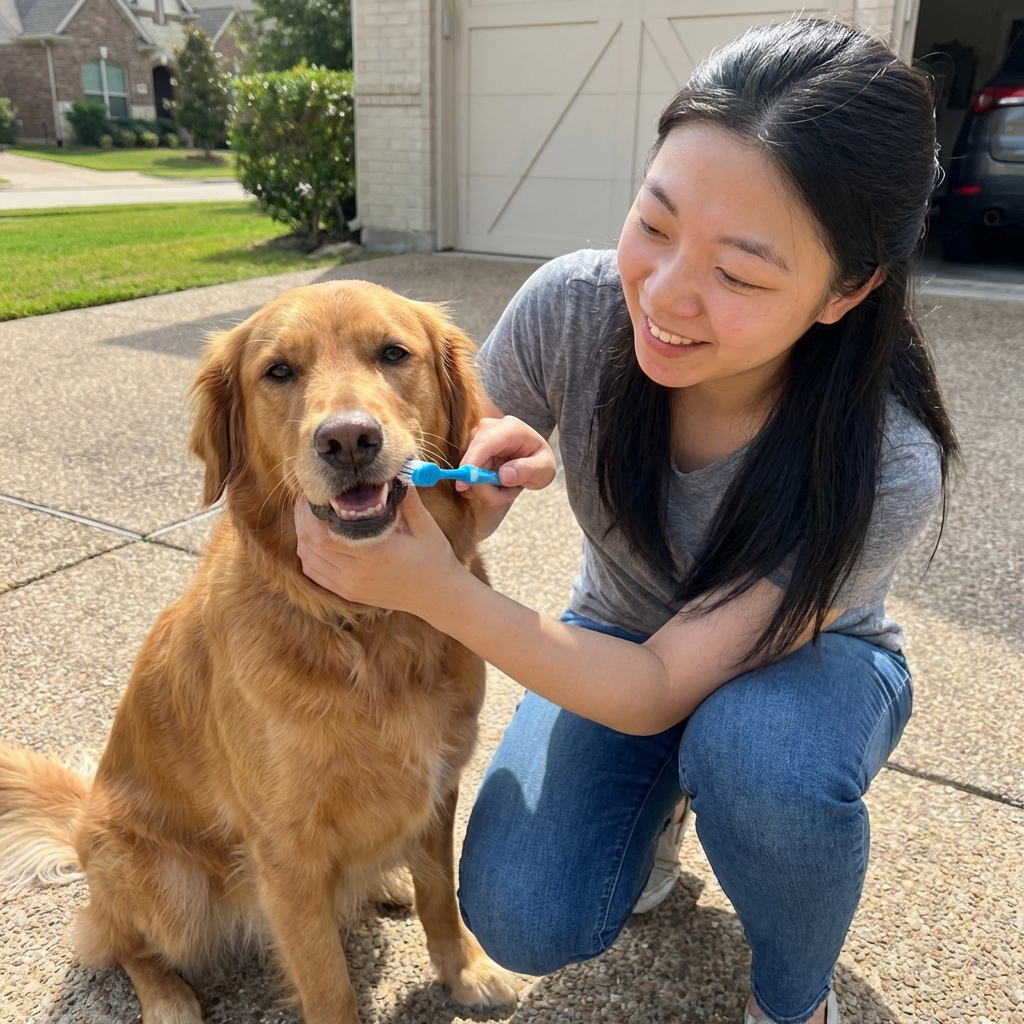
Dental care: a big odor source
Bad breath is not just “normal dog breath.” It is often dental disease, and it can make your whole dog seem smelly when they pant or lick.
What works
- Brush teeth with dog toothpaste, ideally daily or at least several times per week.
- Use VOHC-accepted products when possible (treats, chews, or rinses tested for plaque and tartar control).
- Schedule professional dental cleanings as recommended by your veterinarian, especially for small and toy mixes that build tartar faster.
Helpful context: Many dogs have some level of periodontal disease by around age 3, based on commonly cited veterinary dental data. If your dog’s breath changes suddenly, it is worth a dental check.
Anal glands and fishy smell
If the smell is suddenly fishy, especially after your dog stands up from sitting, think anal glands. Some dogs express them naturally during bowel movements. Others need help, especially if stools are soft.
What to watch for
- scooting
- licking under the tail
- fishy odor that comes and goes
- swelling, redness, or pain near the anus
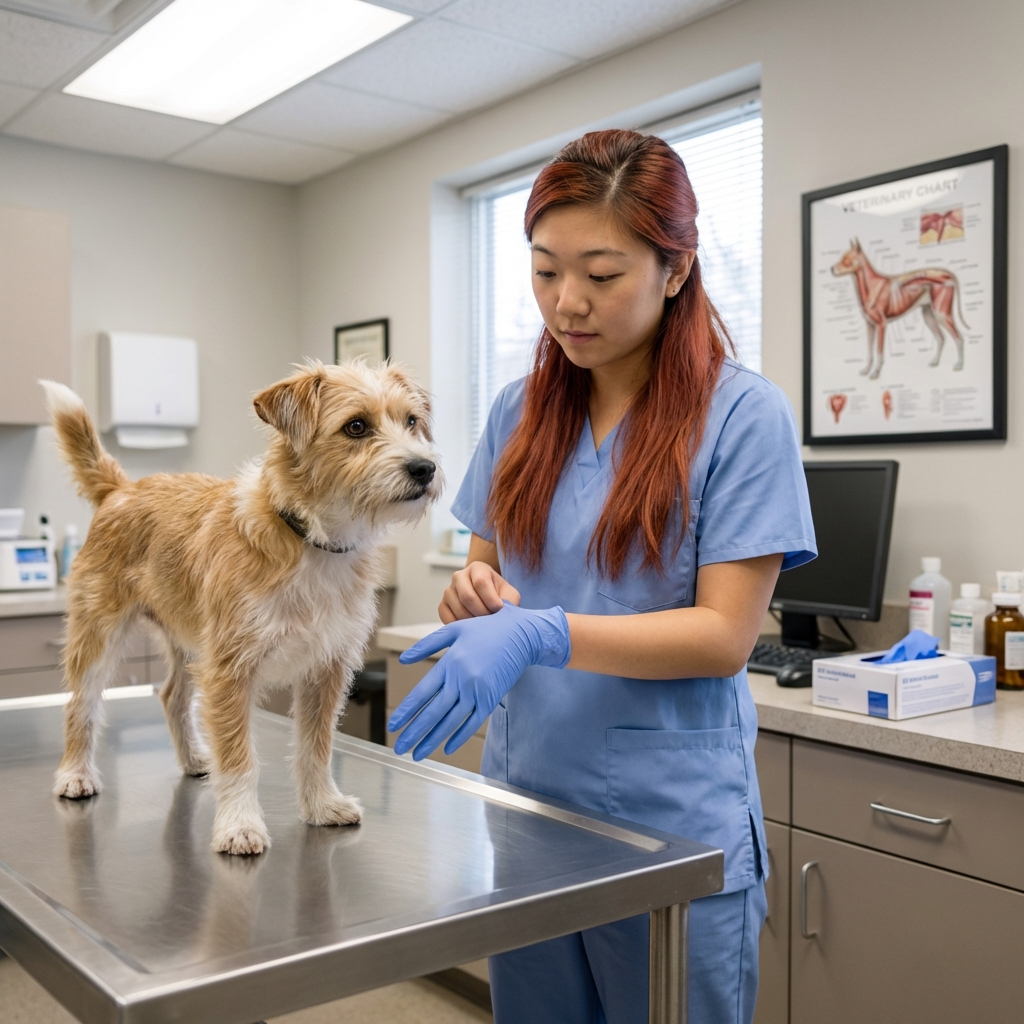
What helps: firm, well-formed stools often help glands empty naturally. If your dog is struggling, have your veterinary clinic assess them. Do not squeeze glands at home unless you have been properly trained. It is easy to cause irritation or infection.
Diet and digestion
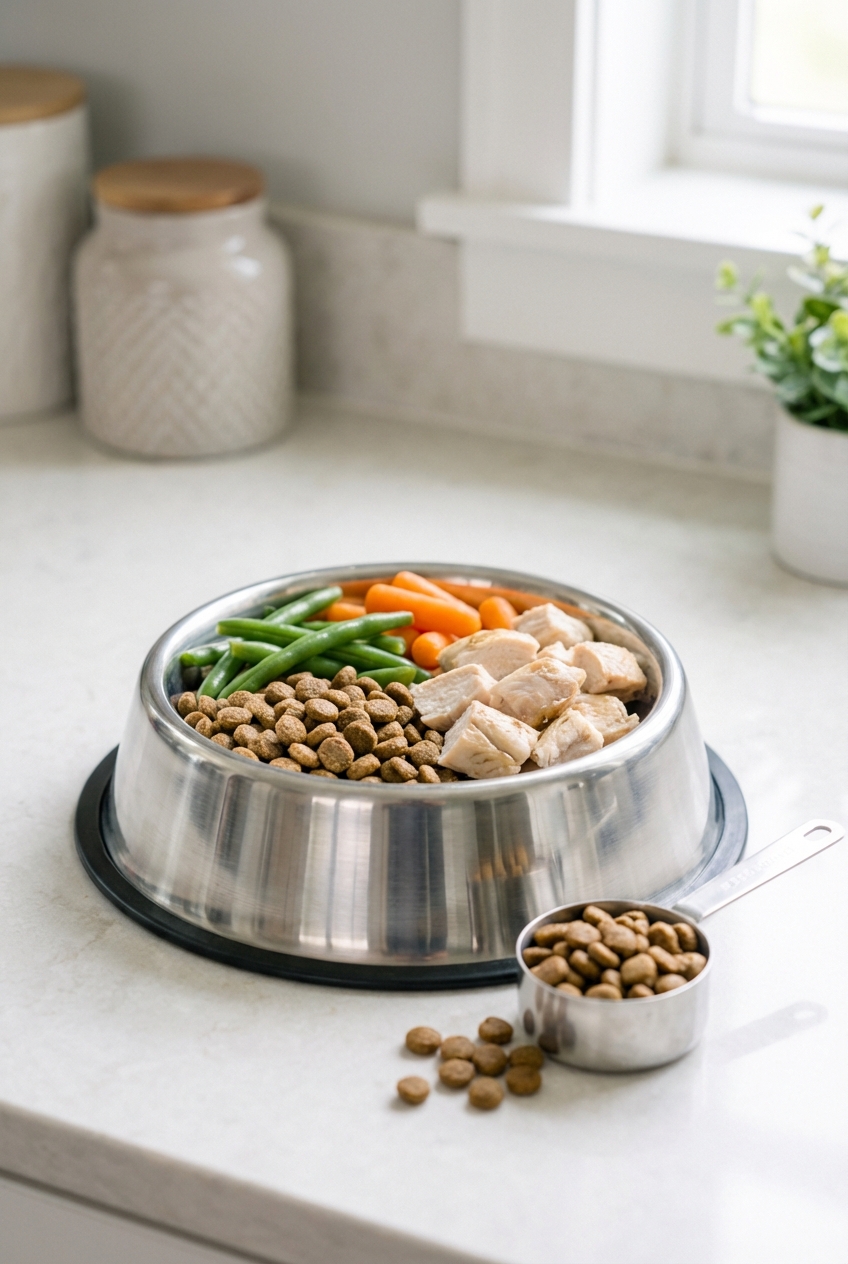
Skin and coat health are closely connected to nutrition. When dogs have food sensitivities or an unbalanced diet, you may see itch, ear issues, recurring yeast, or a stronger body odor.
Simple nutrition moves
- Choose a complete and balanced diet that meets AAFCO standards for your dog’s life stage.
- Transition slowly over 7 to 14 days to reduce digestive upset and gas odor.
- Ask your vet about food trials if your dog has chronic itch, recurrent ear infections, or frequent skin odor. True food allergies need a structured elimination diet to diagnose.
- Consider omega-3s (EPA and DHA) with veterinary guidance, which can support skin barrier function in many dogs.
Note on homemade diets: Homemade can be wonderful, but it must be balanced. If you want to go that route, use a veterinary nutritionist or a recipe formulated to meet nutrient requirements. An imbalanced diet can worsen skin problems over time.
Home and gear
Sometimes the dog is not the problem. The dog’s stuff is.
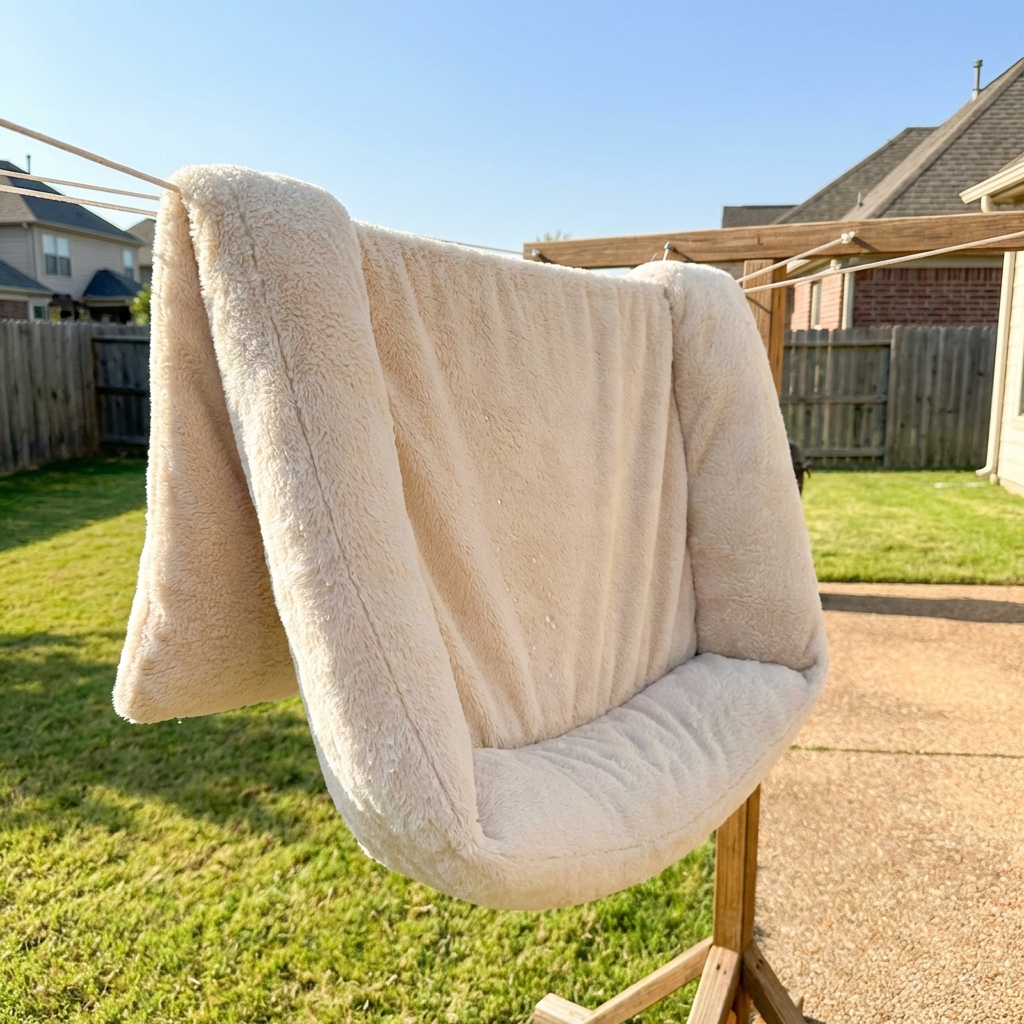
- Wash bedding weekly using fragrance-free detergent if your dog has sensitive skin.
- Clean collars, harnesses, and leashes regularly. Collars and harnesses trap oils, moisture, and dirt and can contribute to irritation and odor under the strap.
- Check under the collar/harness for rubbing, redness, or damp fur after rainy walks or swims. Let the area dry fully.
- Wipe down crates and favorite nap areas.
- Car seat covers: wash or vacuum often, especially after rainy outings.
Between baths: safe deodorizing
There are plenty of dog sprays out there, but heavy fragrance can irritate sensitive skin and simply cover up problems. Look for gentle, dog-specific products and keep it simple.
Easy routine
- Brush and wipe with a damp cloth or pet wipe.
- Dog dry shampoo can help for quick touch-ups, especially in winter. Avoid the face and eyes.
- Spot clean the neck, chest, paws, and rear if those are the main odor zones.
Avoid: essential oil blends without veterinary guidance, human deodorants, and harsh household cleaners on the coat.
When odor is medical
Please trust your instincts here. If odor is persistent or worsening, it can be a symptom, not just a grooming issue.
Call your veterinarian if you notice:
- red, thickened, or darkened skin
- greasy coat with dandruff or hair loss
- recurrent ear infections or painful ears
- intense itch, chewing, hot spots, or moist skin
- strong odor returning within days of a bath
- pain, swelling, or discharge anywhere
- fleas, flea dirt, or new crusting that could point to parasites and secondary infection
- your dog seems uncomfortable and grooming at home becomes stressful or painful
A clean smell is a side effect of healthy skin. The best long-term “deodorizer” is getting the underlying cause treated.
Fun facts about dog smell
- Dogs have apocrine glands that contribute to natural scent and social signaling. They are not the main way dogs cool off (that is mostly panting, plus eccrine sweat glands on paw pads).
- Wet dog smell is often from microorganisms on the coat releasing volatile compounds as the fur dries.
- Some breeds and mixes are more prone to yeast and skin odor due to coat density, skin folds, allergies, or ear shape.
Quick checklist
- Brush regularly and keep the coat de-matted
- Bathe every 3 to 6 weeks with the right shampoo and full drying
- Rinse and dry paws after wet walks
- Clean ears only as needed with a vet-approved product
- Brush teeth several times per week and use VOHC products
- Wash bedding and clean collars/harnesses weekly
- See your vet for recurring odor, itch, ear trouble, or rear-end issues