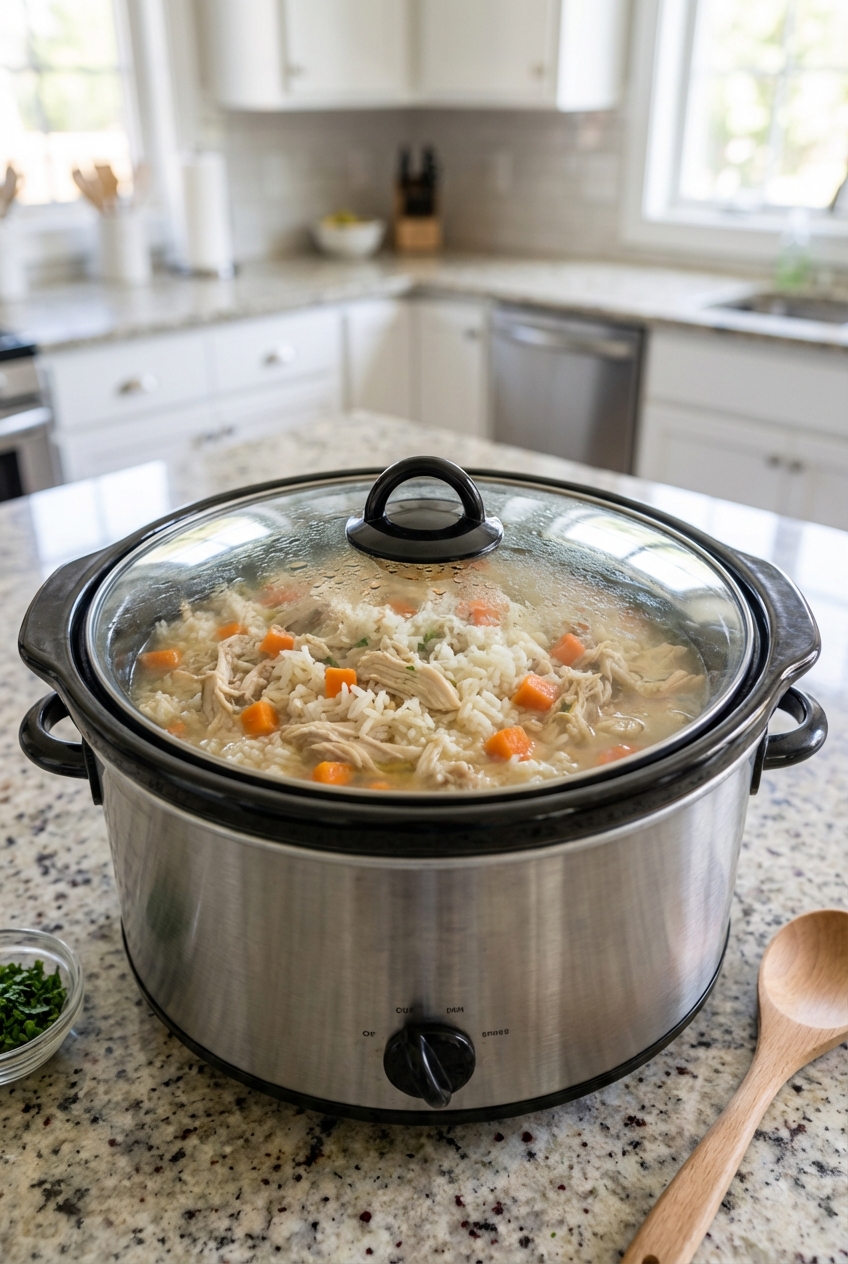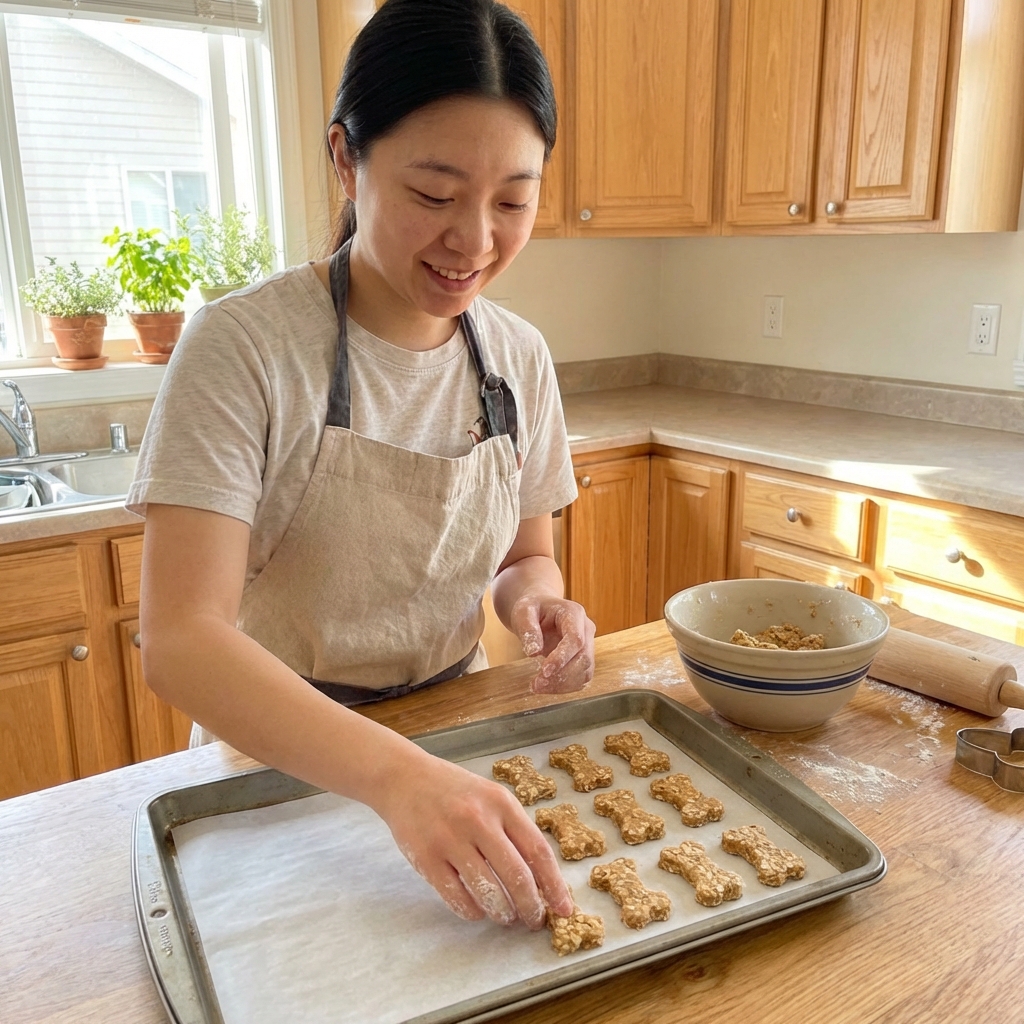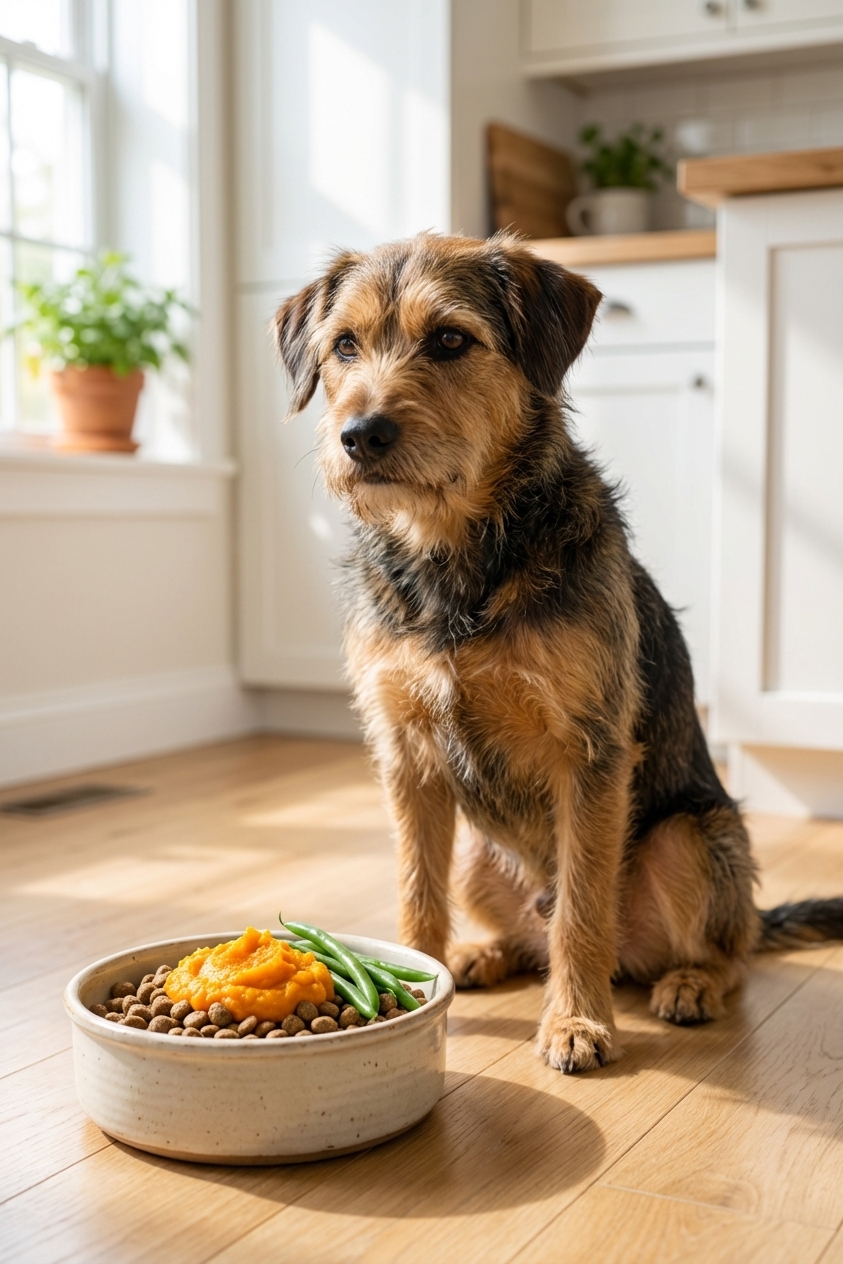
Make meals more tempting and nutritious with simple dog food toppers: bone broth, cooked eggs, sardines, pumpkin, and steamed veggies—plus portions, storag...
Article
•
Designer Mixes
How to Housebreak a Puppy

Shari Shidate
Designer Mixes contributor
Housebreaking can feel overwhelming in the first week, especially when you are sleep-deprived and your puppy seems to have a tiny bladder and perfect timing. The good news is that puppy potty training is not a mystery. It is biology, routine, supervision, and rewards. With a consistent plan, many puppies make noticeable progress in days and build reliable habits over the next few weeks. Individual timelines vary by age, size, and consistency.
As a veterinary assistant here in Frisco, Texas, I always remind new puppy families of one well-supported truth from learning theory: puppies repeat what works. If pottying outdoors reliably leads to praise and treats, that behavior grows fast. If accidents indoors happen without interruption and without a better option, that behavior can stick too.
The facts that make housebreaking predictable
Fact 1: Puppies have limited bladder control
Most puppies cannot consistently “hold it” until their bodies mature. A common rule of thumb many trainers use is: a puppy can hold their bladder for about their age in months plus one hour, when resting. This varies widely by breed, size, and individual puppy. Active play, excitement, drinking a large amount of water, or stress can shorten that window.
- 8 to 10 weeks: expect potty breaks every 30 to 60 minutes when awake
- 12 to 16 weeks: many puppies can go 1 to 2 hours when awake
- After 6 months: control improves, but routine still matters
Fact 2: Timing is everything
Most accidents happen because the puppy was not taken out at the times that matter most. The highest risk times are:
- Immediately after waking up
- Within 5 to 20 minutes after eating
- Within 5 to 15 minutes after drinking a large amount
- Right after play, training, or zoomies
- After coming out of the crate or pen
Fact 3: Your puppy learns by association
If your puppy potties indoors, they may start to associate indoor surfaces with relief. If your puppy potties outdoors and gets rewarded immediately, they start to associate grass or your chosen potty spot with success.
Reward the behavior you want, right when it happens. Timing beats intensity every time.
Set up your home for success
Create a simple puppy zone
Freedom is earned. For the first few weeks, limit your puppy’s access to the house so you can supervise closely and prevent sneaky accidents behind furniture.
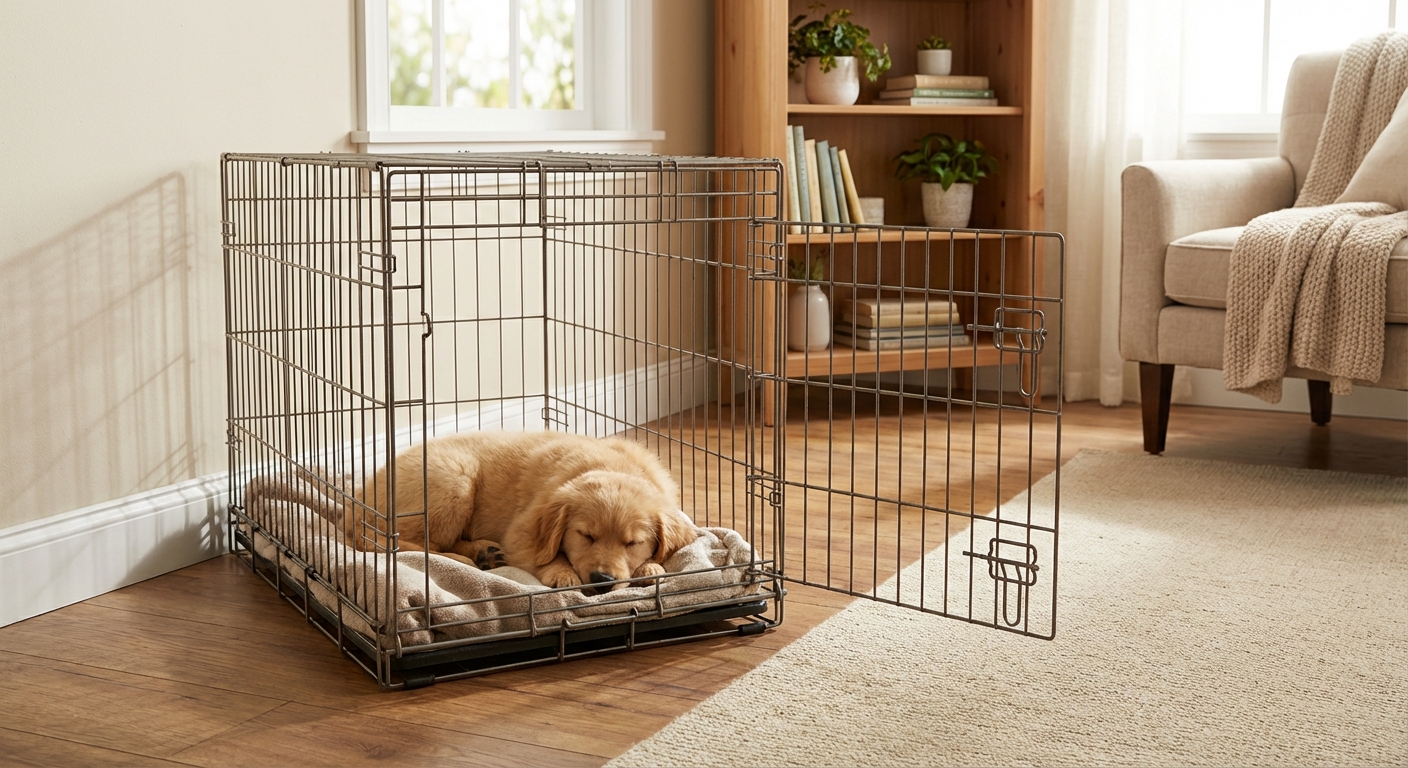
- Crate: correctly sized so they can stand, turn, and lie down comfortably
- Exercise pen or baby gate: creates a safe play space close to you
- Leash indoors: the easiest way to keep eyes on your puppy
Welfare note: crates are for rest and short management periods, not long stretches. If your puppy cannot reasonably make it to the next potty break, adjust the plan with a midday break, a sitter, a trusted neighbor, daycare, or an exercise pen setup.
Pick one potty spot
Choose a specific area outside and use it every time at first. The scent cues help your puppy understand the assignment quickly, and the routine reduces confusion.
Use an enzyme cleaner
If an accident happens indoors, clean it with an enzymatic pet urine cleaner. Regular cleaners may remove the stain but leave odor molecules behind that your puppy can still detect, which can pull them back to the same place.
A proven housebreaking schedule
If you only take one thing from this article, let it be this: your schedule prevents accidents. For most puppies, the winning routine is frequent, calm potty trips with a big reward for outdoor success.
Go out at the key times
- First thing in the morning: leash up and go straight outside
- After meals: go outside within 5 to 20 minutes
- After naps: outside immediately
- After play or training: outside
- Before bedtime: outside
- Overnight: many young puppies need at least 1 trip outside, and some need 1 to 2
How often to take your puppy out
Use this as a starting point and adjust based on your puppy’s success. If accidents happen, increase trips.
- When awake: every 30 to 60 minutes for young puppies
- When confined and resting: every 2 to 4 hours depending on age and individual needs
A simple sample day
- Wake: potty
- Breakfast: potty 10 to 20 minutes later
- Play or training: potty right after
- Nap: potty immediately after waking
- Repeat the cycle: potty after each nap, meal, and play session, plus regular breaks based on age
- Evening: potty after dinner, after play, and right before bed
What to do outside
- Go to the same potty area on leash.
- Stand still and be boring for 3 to 5 minutes.
- Quietly say your cue once, like “Go potty,” when you think they are about to go.
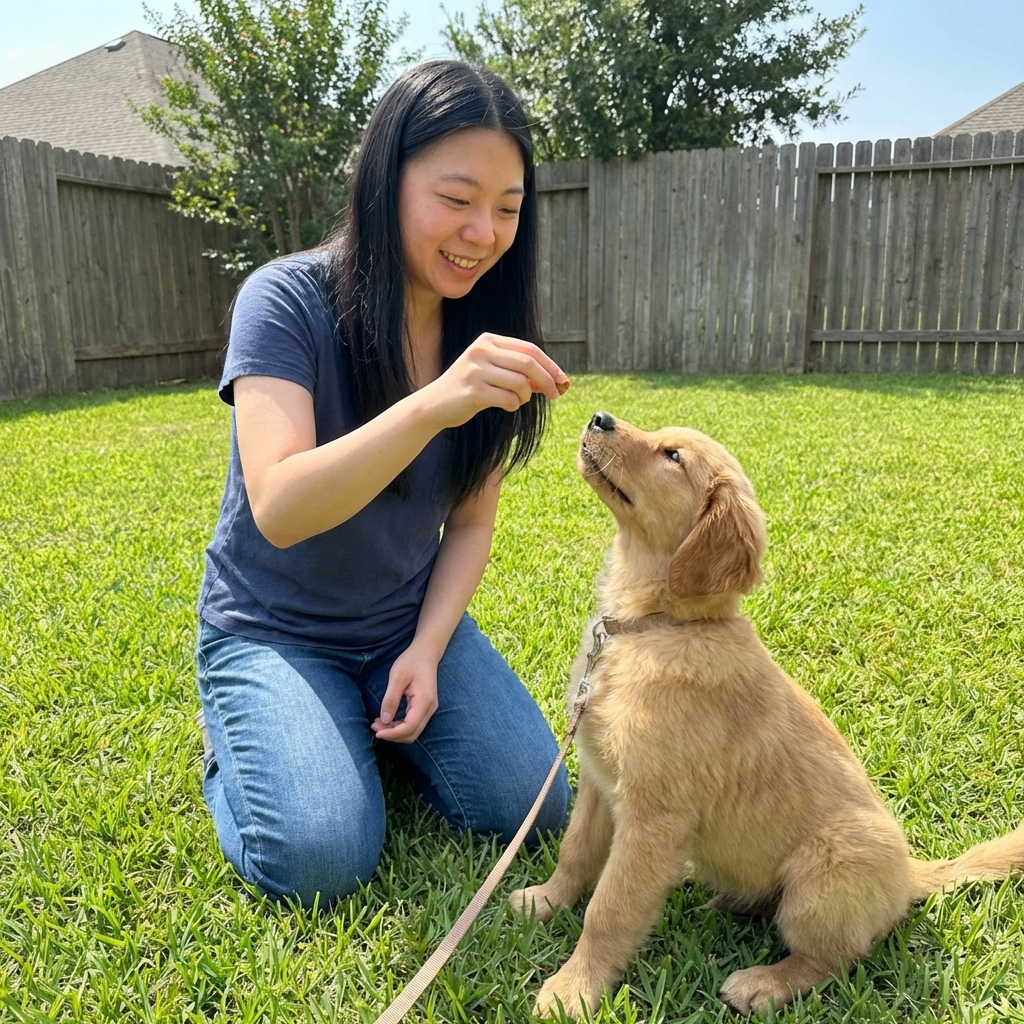
- The moment they finish, praise and give a high-value treat.
- Then give them a few minutes of sniffing or a short walk as a bonus reward.
Treat timing that works
Bring treats outside with you. Reward immediately after your puppy finishes. Waiting until you get back inside is too late for most puppies to connect the dots.
Crate training and housebreaking
A crate is not a punishment. It is a management tool that uses a puppy’s natural desire to keep their sleeping area clean.
Crate rules that protect progress
- Size matters: too large can lead to pottying in one corner and sleeping in the other
- Potty before and after: always take your puppy out when they come out of the crate
- Do not use the crate after an accident: it creates negative associations
If the crate is not enough
If your puppy is having frequent crate accidents, consider these common causes:
- Too much time between breaks for their age
- Crate is too big
- GI upset, parasites, or illness
- Anxiety or fear issues
If accidents are sudden, frequent, or paired with vomiting, diarrhea, straining, or blood, contact your veterinarian promptly.
How to handle accidents
If you catch your puppy mid-accident
- Interrupt gently with a neutral sound like “Oops.”
- Pick them up or leash them and go outside immediately.
- If they finish outside, reward generously.
If you find an accident later
Do not scold. Puppies do not connect delayed punishment to the earlier behavior, and it can make them hide when they need to go. Clean thoroughly with enzyme cleaner and tighten your schedule.
Track accidents like a detective
Keep a simple log for 3 to 5 days:
- Time of meals and water
- Times your puppy pees and poops
- Accident times and locations
Patterns usually appear fast, and patterns are trainable.
Common problems and fixes
Signs your puppy needs to go
Some puppies are subtle. Others are obvious. Common signs include:
- Sudden sniffing and searching
- Circling
- Wandering away from you or leaving play abruptly
- Heading toward a door, corner, or a previous accident spot
- Restlessness in the crate or pen
“My puppy pees when excited”
Excitement urination is common in young puppies. Keep greetings calm, avoid looming over them, and take them outside before visitors arrive. Most puppies improve as their nervous system matures.
“My puppy pees outside, but poops inside”
This is surprisingly common. Try:
- Staying outside longer after the first pee
- Walking slowly in small circles to stimulate a bowel movement
- Taking them out 10 to 20 minutes after a meal even if they already went out once
- Rewarding poop with an extra special treat
“My puppy will not go in rain or cold”
Many puppies dislike weather at first. Use a covered area if possible, keep the trip short and calm, and reward generously. A properly fitted raincoat can help some pups, and so can walking to a slightly sheltered potty spot.
“We used pee pads, and now rugs are pads”
That is a real learning effect. If you are transitioning off pads:
- Move the pad closer to the door every 1 to 2 days
- Then move it outside to the final potty area
- Block access to rugs temporarily
- Increase outdoor trips and reward heavily
Water and bedtime
In general, do not restrict water for puppies. Hydration matters. What helps most families is structure:
- Offer water access throughout the day, especially after play and meals.
- Take your puppy out shortly after they drink a lot.
- If your veterinarian says it is appropriate for your puppy, you can pick up the water bowl 1 to 2 hours before bedtime to reduce overnight urgency. Do not do this in hot weather, after heavy activity, or if your puppy has any medical issue that affects hydration.
If you work outside the home
This is where many housebreaking plans fall apart, not because owners are doing anything wrong, but because the puppy’s body is not ready for long gaps yet. Options that protect both training and welfare include:
- Midday break: come home at lunch, or ask a friend, neighbor, or dog walker
- Daycare: for puppies that are vaccinated and a good fit, and with your veterinarian’s guidance
- Pen setup: a larger exercise pen with a resting area and a designated potty surface can prevent repeated crate accidents while your puppy matures
Potty training in an apartment
If you do not have a yard, you can still housebreak effectively. Your plan just needs more structure.
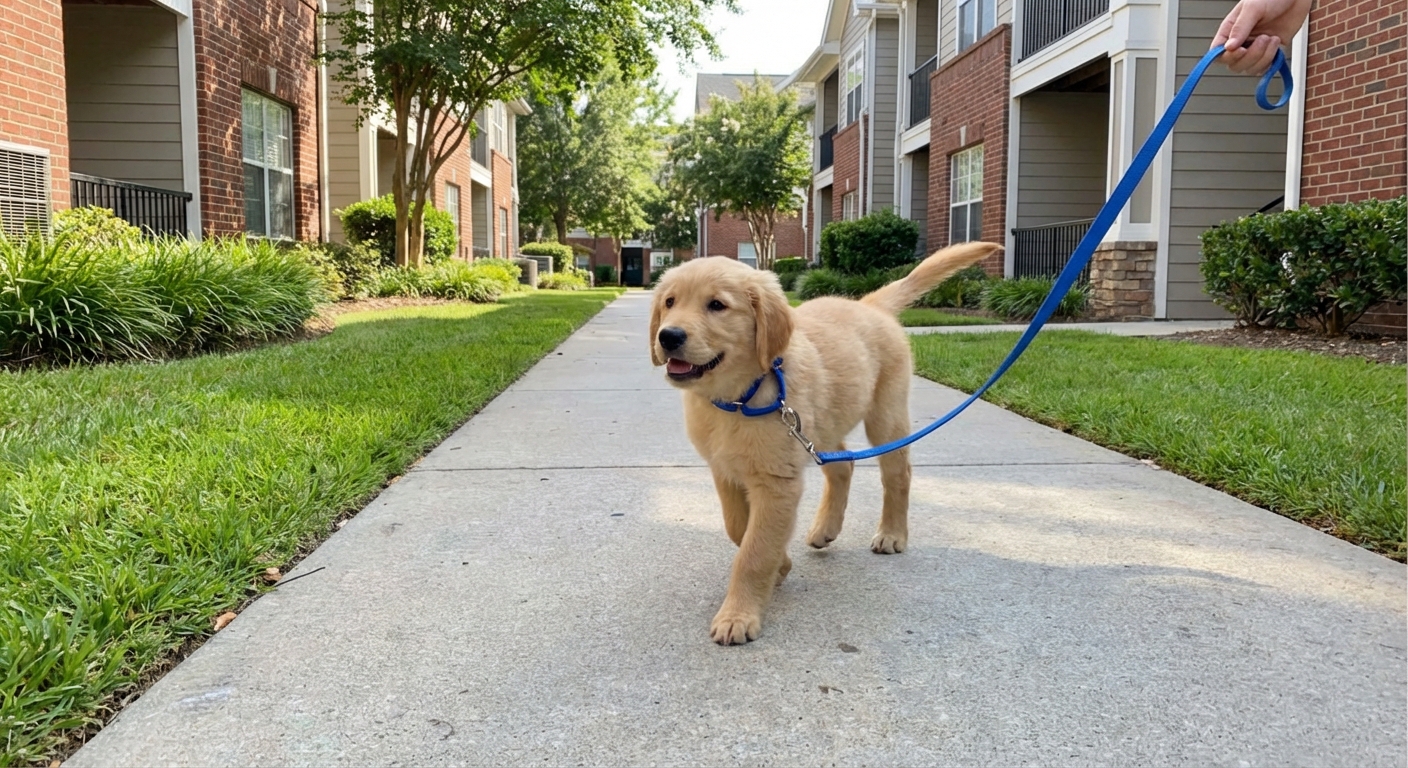
- Choose one outdoor potty route: same door, same path, same patch of grass if possible
- Use an indoor pen near you: reduce roaming until reliable
- Carry your puppy: for very young pups, this can prevent hallway accidents
- Consider a real-grass porch potty: some puppies generalize well from real grass
When to talk to your veterinarian
Housebreaking struggles are not always behavioral. Medical issues can look like training problems, especially in young puppies.
Reach out to your veterinarian if you notice:
- Very frequent urination or dribbling
- Straining, crying, or discomfort when urinating
- Blood in urine or stool
- Diarrhea, vomiting, poor appetite, or weight loss
- Sudden accidents after a period of success
Urinary tract infections, parasites, and GI issues are common and treatable, but they can derail training if not addressed.
The bottom line
Housebreaking is not about being strict. It is about being consistent. Set up the environment so your puppy cannot practice mistakes, take them out before they are desperate, and reward outdoor potty like it is the best thing in the world.
If you are stuck
- Increase potty trip frequency for 3 to 5 days
- Tighten supervision and reduce roaming
- Use a higher-value reward and deliver it immediately
- Clean every accident spot with an enzymatic cleaner
- Talk to your veterinarian if accidents are frequent, sudden, or paired with any signs of illness
If you slip up, you are not failing. Adjust the schedule, tighten supervision, and keep going. With routine and reinforcement, your puppy will get there.