Learn how to potty train an adult dog with a clear schedule, close supervision, a potty cue, and fast rewards. Includes accident cleanup, medical red flags, ...
Article
•
Designer Mixes
How to House Train an Adult Dog

Shari Shidate
Designer Mixes contributor
House training an adult dog can feel intimidating, especially if you have kids, a busy schedule, or a rescue pup with an unknown history. The good news is that adult dogs can absolutely learn clean, reliable potty habits. In many cases, adults can learn faster than puppies because they often have better bladder control and can focus longer. That said, dogs with long standing indoor habits, fear, or high stress may need extra time and patience.
As a veterinary assistant in Frisco, Texas, I have seen this work again and again. When you combine a predictable routine, smart indoor management, and positive reinforcement, your dog starts to understand what you want, and your family gets its calm home back.
Quick note: This article is training guidance, not a substitute for veterinary diagnosis. If anything seems sudden or unusual, your vet is the best first call.
Adult dog house training facts
Fact: Most adult dogs can physically hold urine for several hours, but reliable house training is about more than bladder control. It is about learning a routine and a preferred potty location.
- Many healthy adult dogs can often hold urine for about 6 to 8 hours, but it varies by size, age, hydration, weather, and health. Many dogs still do best with more frequent breaks, especially smaller dogs, seniors, and dogs in training.
- Learning history matters. Dogs raised in confined or stressful environments may never have learned “inside vs. outside.” That is not stubbornness. That is missing education.
- Stress affects habits. Moving homes, new people, and different schedules can increase accidents temporarily. Stress can also cause digestive upset and urgency.
- Medical issues can mimic behavior problems. Urinary tract infections, bladder stones, kidney disease, diabetes, gastrointestinal parasites, diarrhea, arthritis pain, cognitive dysfunction in seniors, and certain medications (like steroids or diuretics) can all contribute to accidents.
If your adult dog has sudden new accidents, is drinking much more than normal, is straining, has blood in the urine, or has ongoing vomiting or diarrhea, schedule a vet visit right away. It is always better to rule out a health problem before assuming it is a training issue.
Set your family up for success
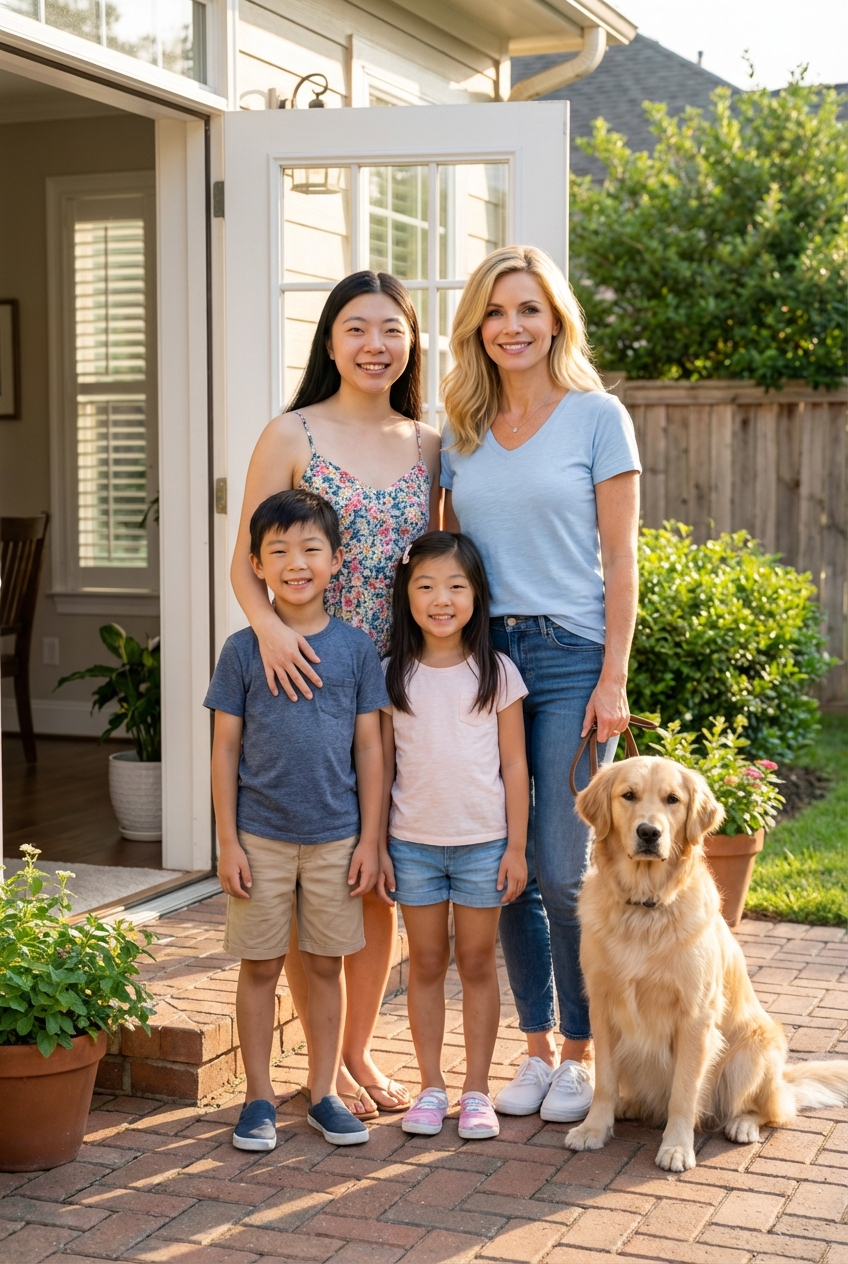
In a family home, the biggest challenge is consistency. Different people, different rules, and missed potty breaks can slow progress. A little planning makes a huge difference.
Choose one plan
- Pick one potty door your dog will use most often.
- Pick one cue like “Go potty” and have everyone use the same phrase.
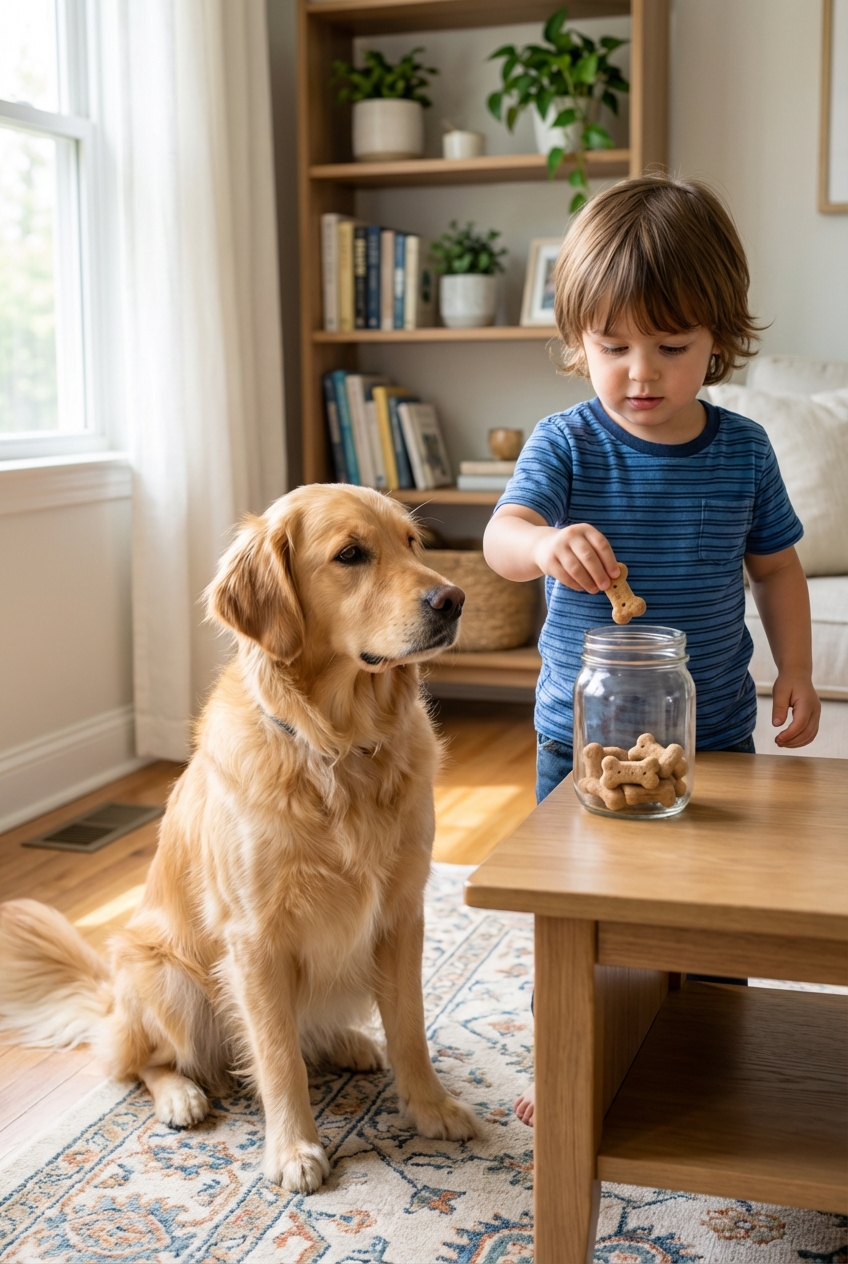
- Pick one reward that is high value, small, and easy to hand out quickly.
Kid-friendly jobs
Kids can help without being responsible for the hardest parts.
- Help fill the treat jar and keep it near the potty door.
- Call out “Potty time!” when it is time for a break.
- Come along and hand the treat immediately after the dog finishes outside (with an adult holding the leash).
- Help track progress with stickers on a calendar.
The #1 rule: manage first
House training works best when your dog has very few chances to practice mistakes. That means management is not a temporary shortcut. It is the foundation.
Use the right tools
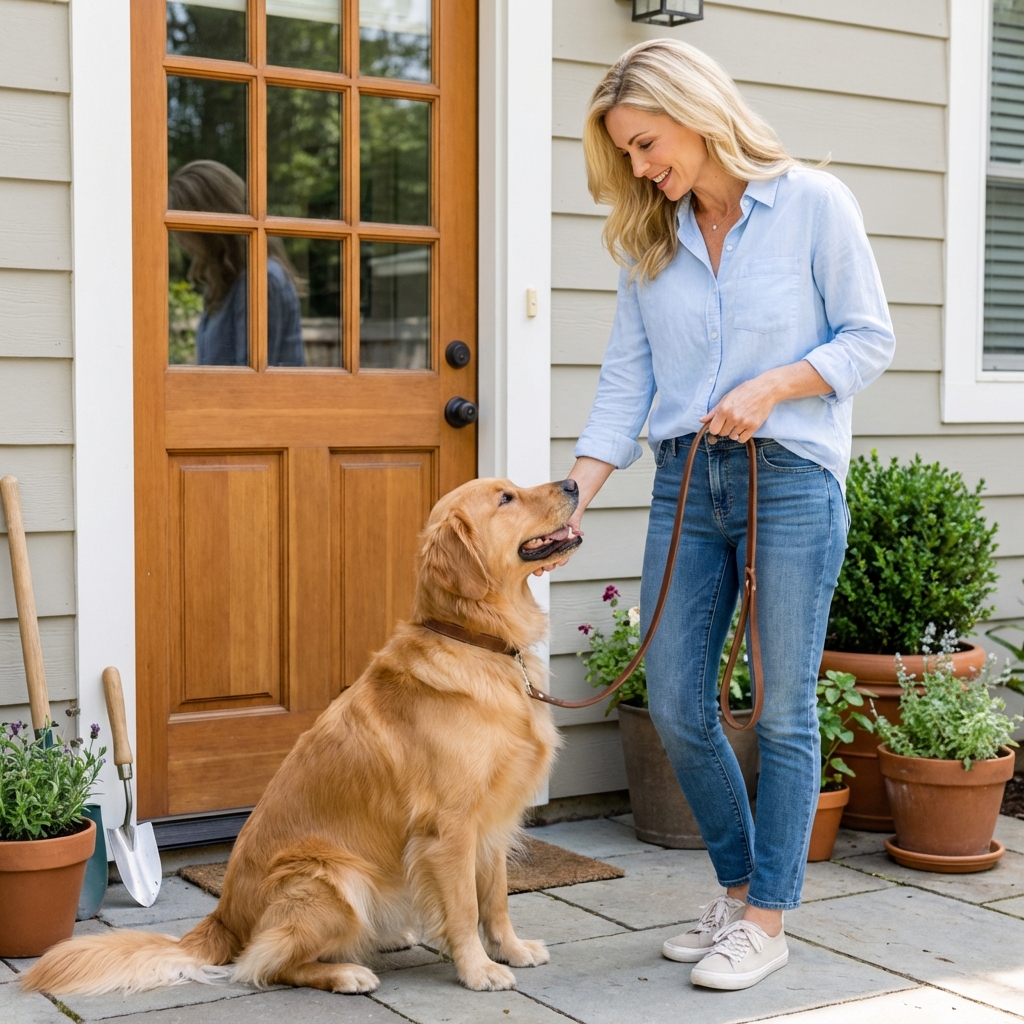
- Leash: For supervised potty trips and indoor tethering during the learning phase.
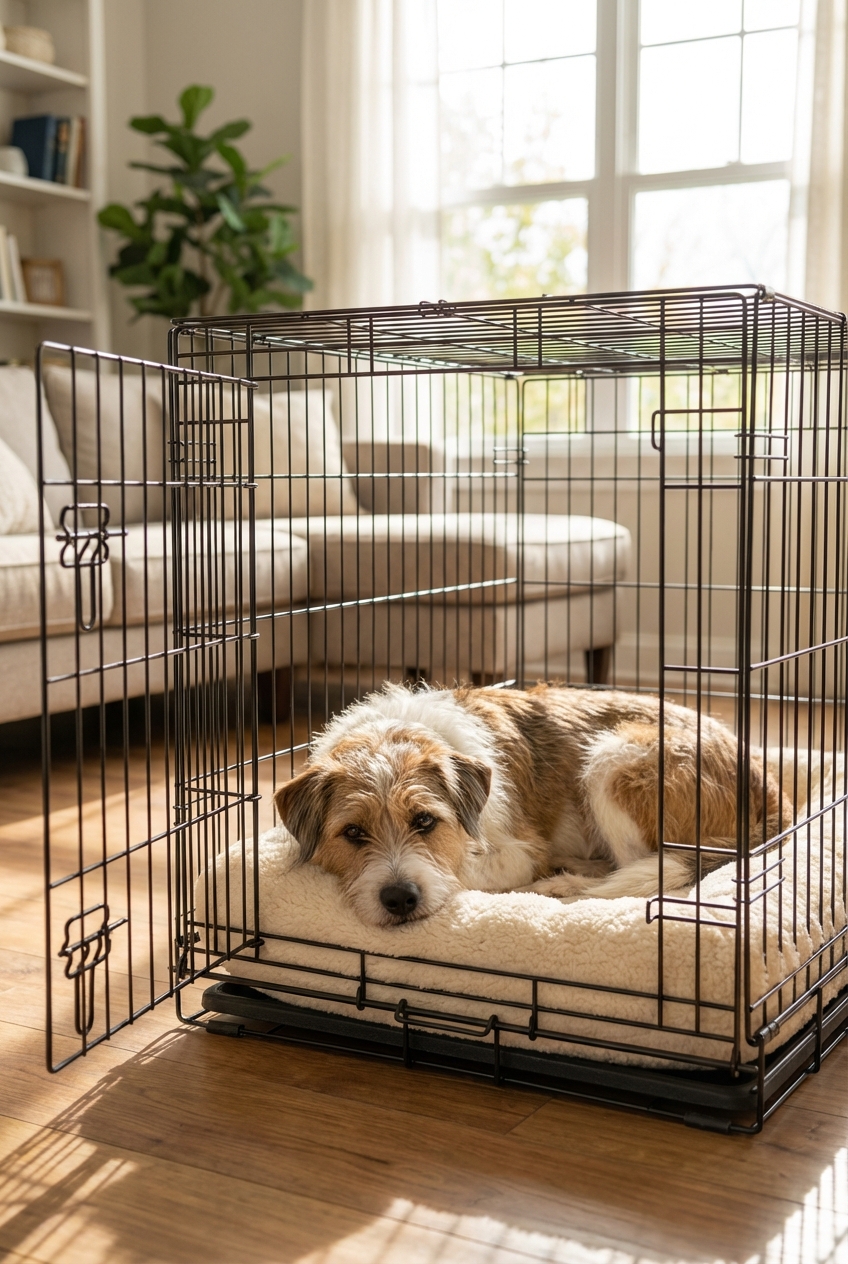
- Crate: Helpful if your dog is crate trained, introduced gently, and not left too long. The crate should feel safe, not like punishment. If your dog panics in a crate or has separation anxiety, ask a trainer or your vet for a plan before using one.
- Exercise pen or baby gates: Great for creating a small, easy-to-clean “dog zone” near the family.
- Enzyme cleaner: Standard cleaners may remove odor for humans, but dogs can still smell the “bathroom signal.” Look for an enzymatic pet stain cleaner.
If you cannot directly supervise, your dog should be in a safe confined area or with you on leash. Freedom is earned as reliability improves.
A simple potty schedule
Routine is your best friend. Start with more breaks than you think you need, then gradually stretch time as accidents disappear.
Take your dog out:
- First thing in the morning
- After eating
- After drinking a lot
- After playtime or zoomies
- After naps
- Before bedtime
- Every 2 to 4 hours during the first week, depending on your dog
For many adult dogs just starting training, a good starting point is every 3 hours when awake. If your dog has had multiple accidents indoors, start at every 2 hours for a few days to rebuild the habit.
Nighttime: Many adult dogs can sleep through the night. Newly adopted dogs may need one overnight potty break at first, especially if they are stressed or drinking more than usual.
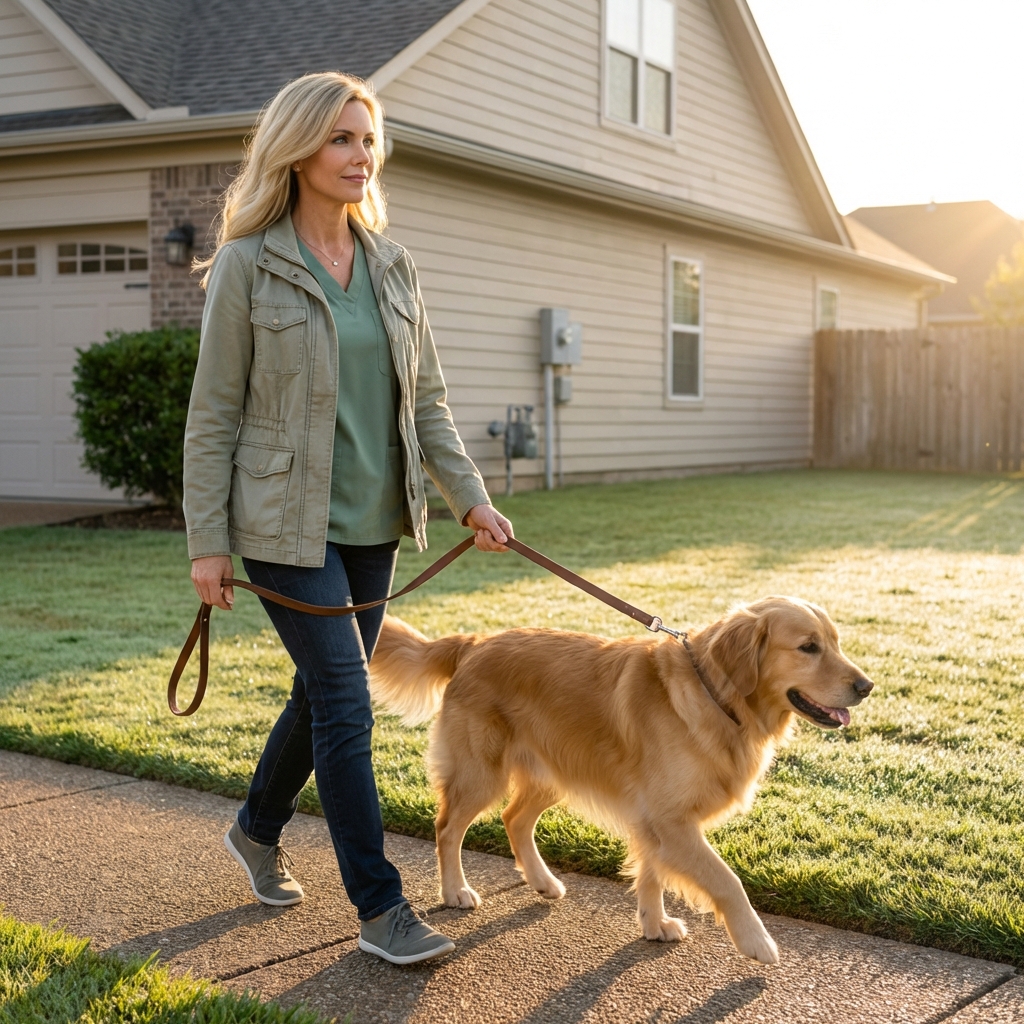
Potty signals to watch
Some dogs are subtle. If you are seeing accidents, assume they need more supervision and watch for:
- Sniffing the floor intensely
- Circling or pacing
- Sudden wandering away from the family
- Heading to the potty door, staring at you, or whining
- Squatting posture that starts and stops
How to do a potty trip
Potty breaks are not just “let the dog out.” They are a short, repeatable training exercise.
- Go to the same spot each time (at first). Smell cues help your dog understand this is the bathroom area.
- Stand still and stay neutral for 3 to 5 minutes. Too much talking or walking turns it into a play session.
- Say your cue once like “Go potty.” Then wait.
- The moment they finish, reward within 1 to 2 seconds. Praise and treat outside, not after you come back in.
- Then give a little freedom like a short sniff walk. This teaches that potty first leads to fun.
If nothing happens, calmly go back inside and supervise closely, then try again in 15 to 20 minutes. Some dogs take longer outdoors, especially in new environments. If your dog seems distracted, reset with a short walk and try the same spot again.
What to do after an accident
Accidents are feedback, not failure. Your job is to figure out what broke down: supervision, timing, stress, or health.
Do this
- Interrupt gently if you catch them mid-accident (a calm “Outside” is enough).
- Take them outside immediately.
- Clean with an enzyme cleaner.
- Adjust the schedule and supervision.
Avoid this
- Do not rub their nose in it.
- Do not yell or punish after the fact. Dogs connect consequences with what they are doing right now, not what happened minutes ago.
- Do not use ammonia-based cleaners, which may smell similar to urine and can encourage repeat soiling.
If it is poop: One off stool accidents can happen. If your dog has loose stool, urgency, or accidents paired with mucus, blood, vomiting, or lethargy, treat it like a medical issue and call your vet.
Special situations
Marking vs. needing to potty
Marking is often small amounts on vertical surfaces and may happen more when guests arrive, when there is a new pet, or during exciting changes. Spaying and neutering can help, but training and management still matter. If you suspect marking, limit roaming, use belly bands for males as a temporary management tool, and reward outdoor bathroom habits heavily.
Fearful dogs who will not potty outside
Some dogs are too anxious outdoors, especially in busy neighborhoods or apartments. Choose a quiet spot, reduce pressure, and stick to calm, predictable outings. If fear is severe, a trainer who uses positive reinforcement can make a big difference.
Apartment and urban life
If you have stairs, elevators, or a long hallway, speed matters. Keep the leash by the door, pre-clip it if needed, and go straight to the potty spot. For small dogs, carrying them to the outdoor area can prevent accidents on the way.
Senior dogs or dogs with arthritis
If your adult dog is older or stiff, they may struggle to hold it or to get outside quickly. Consider:
- More frequent potty breaks
- A clear path to the door with non-slip rugs
- A well-lit outdoor area at night
- A vet check for pain management options
Working families
If everyone is gone for long stretches, house training gets harder but still possible. You may need:
- A midday dog walker
- A trusted neighbor or family member for a potty break
- A temporary indoor potty option (only if necessary, and ideally placed far from sleeping and eating areas)
When will my dog be trained?
Many adult dogs show major improvement in 1 to 3 weeks with consistent routines and supervision. Dogs with a long history of indoor elimination, high anxiety, or medical complications may take longer.
A practical milestone is 4 consecutive weeks with zero accidents before you increase freedom significantly. Increase space slowly. One extra room at a time. Keep success easy.
How to add time and freedom
- Stretch the schedule slowly: Add 30 to 60 minutes between potty breaks every few days if there are no accidents.
- Expand the house gradually: Start with one main area, then add one room at a time.
- Keep rewarding: Even after things improve, keep treating the right choice for a while so the habit sticks.
Quick checklist
- Book a vet visit if accidents are new, frequent, or paired with symptoms like straining, blood in urine, excessive thirst, or ongoing diarrhea.
- Choose your potty door, cue, and rewards.
- Set a schedule for every 2 to 4 hours while awake for the first week.
- Supervise closely or confine safely when you cannot supervise.
- Reward within seconds of potty outside.
- Clean every accident with an enzyme cleaner.
- Track accidents and successes so you can spot patterns.
House training is not about being strict. It is about being consistent. When your dog understands the routine and feels safe, good habits stick.