
Ponies and horses are the same species, but height (14.2 hands), build, and metabolism can change daily care. Get tips on feeding, laminitis risk, tack fit, ...
Article
•
Designer Mixes
How to House Train a Puppy

Shari Shidate
Designer Mixes contributor
House training is one of the very first ways you build trust with your puppy. It is also one of the most misunderstood. Puppies are not being stubborn or spiteful when they have accidents. They are simply learning how their body works, what the rules are, and how to communicate their needs.
As a veterinary assistant here in Frisco, Texas, I can tell you this with confidence: the most “proven” house training plans are not complicated. They are consistent, kind, and built around supervision, a predictable schedule, and generous rewards.
What “proven” means
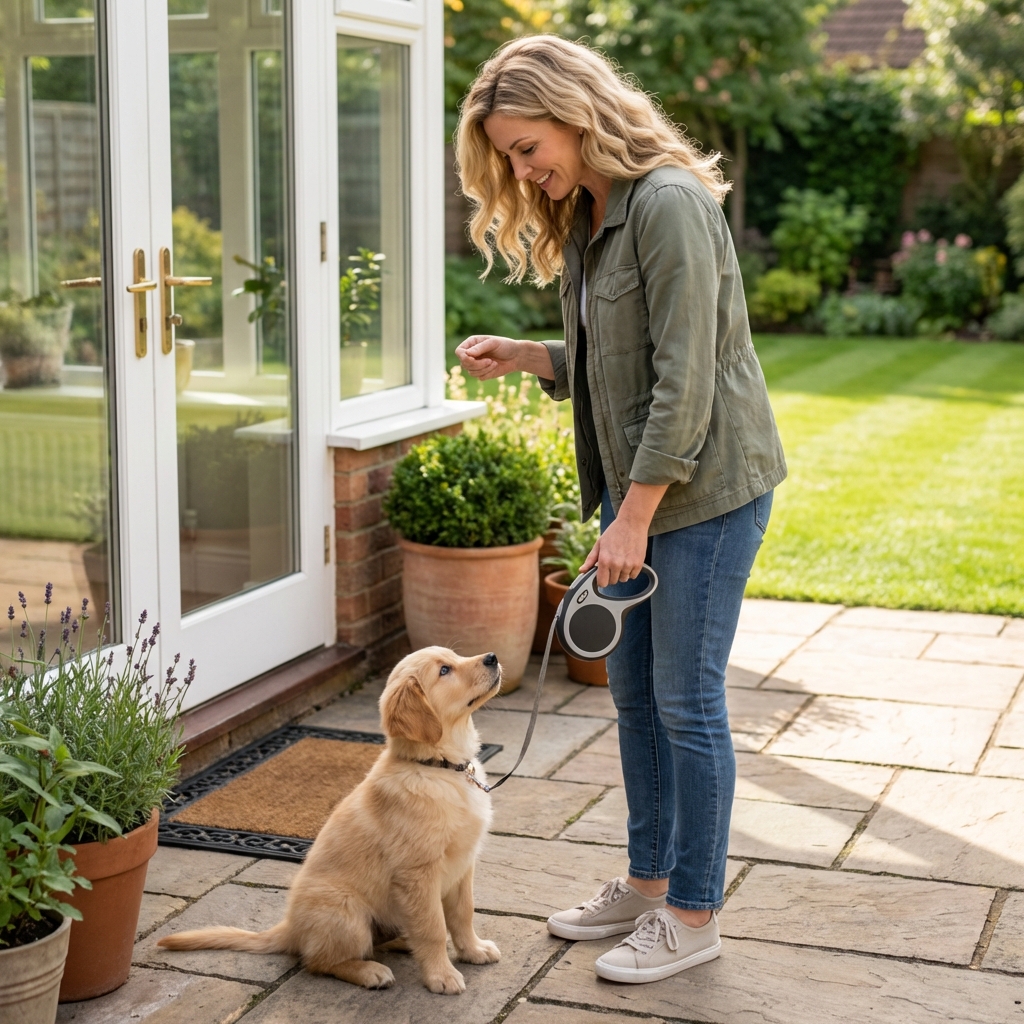
A proven plan is one you can repeat every day. The science behind it is straightforward: behaviors that are rewarded happen more often, and behaviors that are interrupted early are less likely to become habits. Your job is to make the right choice easy for your puppy.
- Prevent accidents with close supervision and smart confinement.
- Create a routine so your puppy’s body learns a predictable rhythm.
- Reward the right moment immediately (within a few seconds) of finishing potty outside.
- Clean properly to remove odor cues that pull them back to the same spot.
Set up for success
Use a crate well
A crate is not punishment. When sized correctly, it often takes advantage of a puppy’s desire to keep their sleeping area clean. That said, not every puppy has this instinct right away, especially very young puppies, puppies with a stressful background, or puppies dealing with anxiety or illness. If your puppy struggles in the crate, it does not mean they are “bad.” It means we tighten the plan.
Choose a crate that is large enough for your puppy to stand up, turn around, and lie down, but not so large that they can potty in one corner and sleep in another.
- Place the crate in a quiet but social area of the home.
- Use soft bedding only if your puppy does not chew or soil it.
- Offer a safe chew or stuffed food toy for short crate sessions.
- Safety note: Remove collars and harnesses in the crate to reduce snag risk.
Pick one potty spot
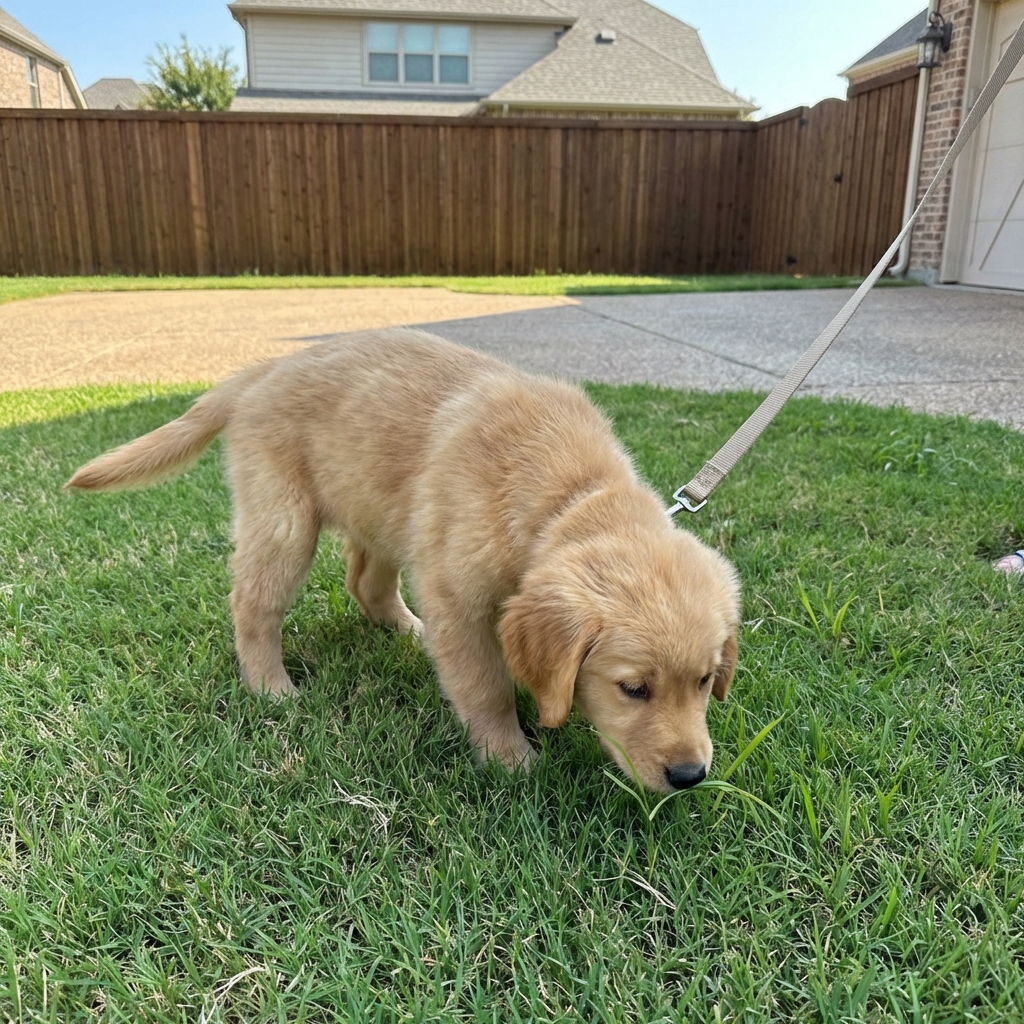
Choose one outdoor location and always walk your puppy there on leash at first. The goal is not a long play session. The goal is a quick potty, then a reward, then freedom.
Potty schedule
Most puppies need to potty more often than people expect. You will often hear the guideline that a puppy can hold it up to about one hour per month of age. Think of that as a rough maximum, not a daytime schedule. Activity, water intake, stress, excitement, and small bladder size can shorten that window a lot.
Take your puppy out
- First thing in the morning
- After every nap
- After every meal
- After drinking a lot of water
- After playtime or training
- Right before bedtime
- Anytime you see sniffing, circling, or suddenly wandering away
Simple day template
Morning: potty, breakfast, then potty again 10 to 20 minutes later
All day: potty after naps, potty after play, plus a timer break every 30 to 60 minutes at first
Meals: potty 10 to 20 minutes after each meal
Evening: extra potty trips during the “witching hour” when puppies get busy and excited
Before bed: last potty trip
Consistency beats intensity. You do not need a perfect schedule, you need a repeatable one.
Potty routine
- Leash up and go to the same spot.
- Stand still and be boring for a few minutes.
- Use one cue like “Go potty” only once or twice.
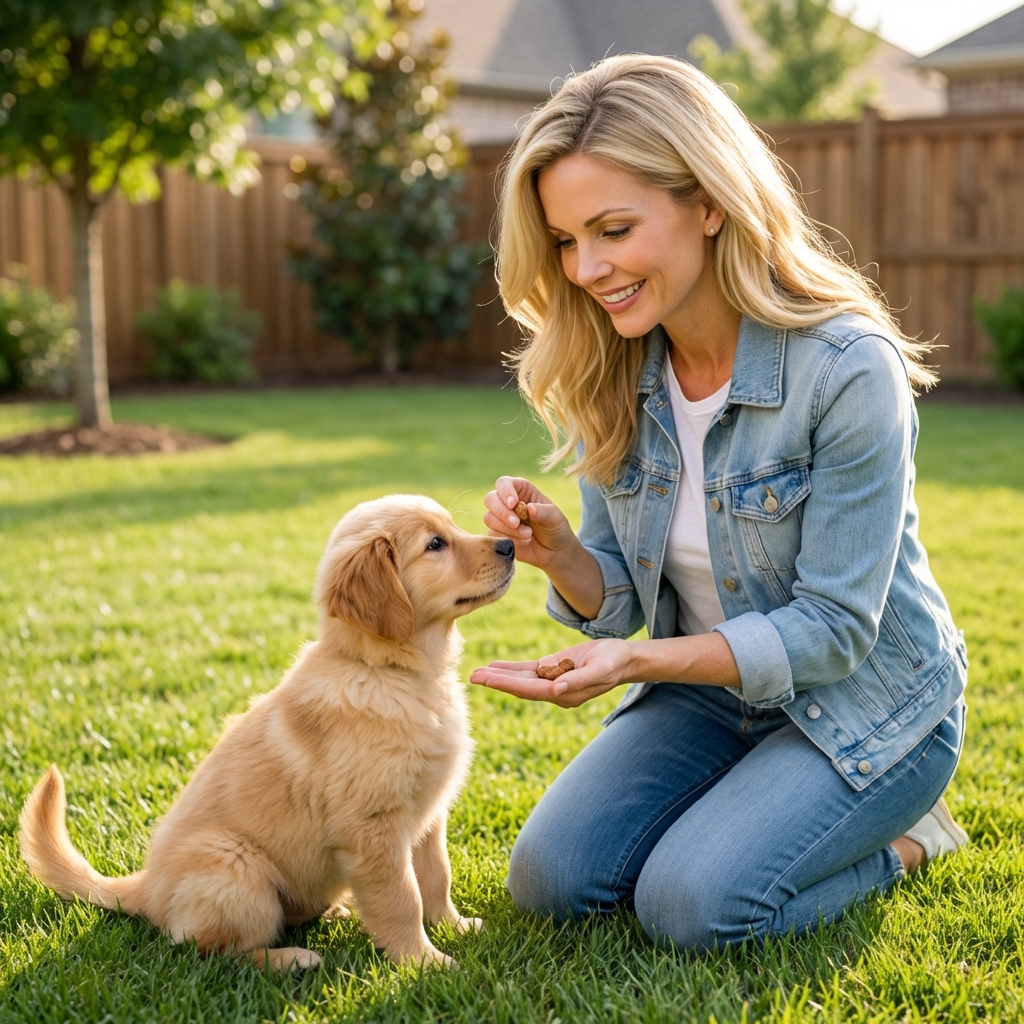
- The second they finish, calmly praise and give a high-value treat.
- Then give freedom (sniffing, a short walk, or play) as a bonus reward.
High-value treat means something your puppy does not get all day long, like tiny pieces of chicken, cheese, or a soft training treat. Keep pieces very small.
If nothing happens within 5 minutes, go back inside and supervise closely. Try again in 10 to 15 minutes, or sooner if they start sniffing and circling.
Supervision
If your puppy is loose in the house and you are not actively watching them, accidents are much more likely. Early on, think in terms of “earning freedom.” Use one of these options:
- Leash tether: Clip the leash to your belt so the puppy stays near you. Safety note: Only tether when you are awake and actively supervising. Never tether and walk away, since puppies can tangle or choke.
- Playpen: A small puppy-safe area when you need hands-free time.
- Crate: For naps and when you cannot supervise.
A puppy who is out of sight is a puppy who is probably looking for a bathroom.
Nighttime plan
Nighttime is usually where families get discouraged, so make it as predictable as possible.
- Crate location: Many puppies settle faster if the crate is in your bedroom at first. It also helps you hear them before a full accident happens.
- Bedtime potty: Always do a calm potty trip right before bed.
- Middle-of-the-night trips: If your puppy is very young, you may need 1 to 2 nighttime potty breaks. Some families set an alarm for a proactive trip (often around 3 to 4 hours after bedtime) for the first week, then gradually push it later as the puppy succeeds.
- Keep it boring: Quiet voice, no play, no wandering. Potty, treat, straight back to the crate.
Food and water tips
A predictable body is easier to house train.
- Feed on a schedule: Meals at consistent times create more predictable potty times. If your puppy walks away from food, pick it up after 15 to 20 minutes and offer again at the next meal.
- Do not over-restrict water: Puppies should have access to fresh water most of the day. If nighttime accidents are frequent, ask your veterinarian what is appropriate for your puppy. Many families simply pick up the water bowl 1 to 2 hours before bedtime (with a final drink offered earlier) and then do a last potty trip.
Accidents
If you catch them
Interrupt gently with a quick sound like “Oops” and immediately take them outside to finish. If they finish outside, reward them. The goal is to redirect, not scare.
If you find it later
Just clean it. Do not punish. Puppies cannot connect punishment with something that happened minutes ago, and scaring them can teach them to hide when they need to potty.
Clean the right way
Regular soap may remove the stain, but it often leaves behind scent markers your puppy can still detect. Use a pet-safe enzymatic cleaner and follow the label directions for soak time. In general, that means fully saturating the area, letting it sit, and blotting or air-drying as directed.
- Avoid ammonia-based cleaners, since the smell can resemble urine to dogs.
- If the accident soaked into carpet pad or subfloor, you may need repeated treatments.
Common problems
“They pee after coming inside”
- Stay out a little longer and reduce distractions.
- Use a leash and stand still so potty comes before play.
- If they did not go, bring them in for 5 to 10 minutes of close supervision, then try again.
“They pee when excited or scared”
Submissive or excitement urination is common in young puppies. Keep greetings low-key, avoid looming over them, and reward calm behaviors. This often improves with maturity and gentle handling.
“We were doing great, then regressed”
Regression is normal during growth spurts, schedule changes, or stressful events. Go back to basics for a week: tighter supervision, more frequent potty trips, and bigger rewards.
“Accidents in the crate”
- Check crate size. It may be too large.
- Increase potty breaks and ensure a potty trip right before crating.
- Consider stress or separation anxiety, which can affect crate success.
- Talk to your veterinarian if stool is loose or urination is unusually frequent.
Apartments and pads
If you live in an apartment, have limited yard access, or need an indoor option during bad weather, you can still house train successfully. The key is consistency.
- Choose one setup: potty pads, a balcony potty, or a real/portable grass patch.
- Treat it like the outdoor spot: leash, boring, cue, reward immediately.
- Transition off pads: move the pad closer to the door over several days, then outside (or to the balcony grass). Reward heavily when they choose the new location.
How long it takes
Many puppies show major improvement in a few weeks, but reliable house training often takes several months. Your puppy is learning a life skill, not passing a test. Small, steady progress is the goal.
Reach out to your veterinarian if you notice signs like excessive thirst, frequent urination, straining, blood in urine, diarrhea, or sudden accidents after a period of reliability. Medical issues like urinary tract infections or intestinal parasites can sabotage training.
Quick checklist
- Pick one potty spot outdoors (or one indoor potty setup).
- Set a timer for potty breaks every 30 to 60 minutes at first.
- Reward immediately after potty with a special treat.
- Supervise, confine, or crate every moment indoors.
- Remove collars in the crate and never tether unsupervised.
- Use an enzymatic cleaner for every indoor accident.
- Track potty times for 3 days to find your puppy’s pattern.
