Vet-assistant guide to supportive “caring food” for dog diarrhea: bland chicken and rice, pumpkin for fiber, probiotics, hydration, safe portions, and re...
Article
•
Designer Mixes
How to Help Dog Diarrhea Fast

Shari Shidate
Designer Mixes contributor
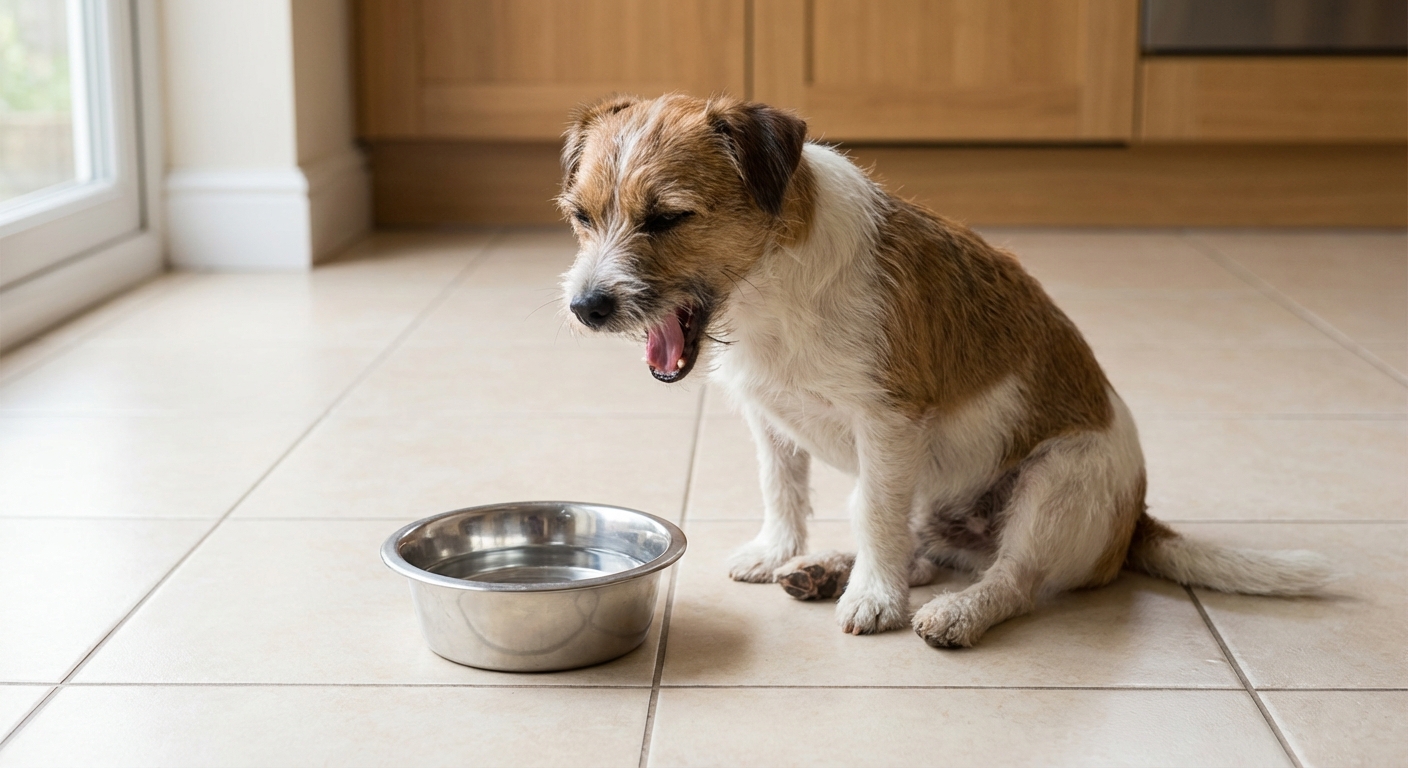
Diarrhea is one of the most common reasons pet parents call the clinic, and I get it. It is messy, stressful, and it can feel urgent. The good news is that many mild cases improve quickly with a few safe steps at home. The key is knowing when to treat it like a minor upset stomach and when to treat it like an emergency.
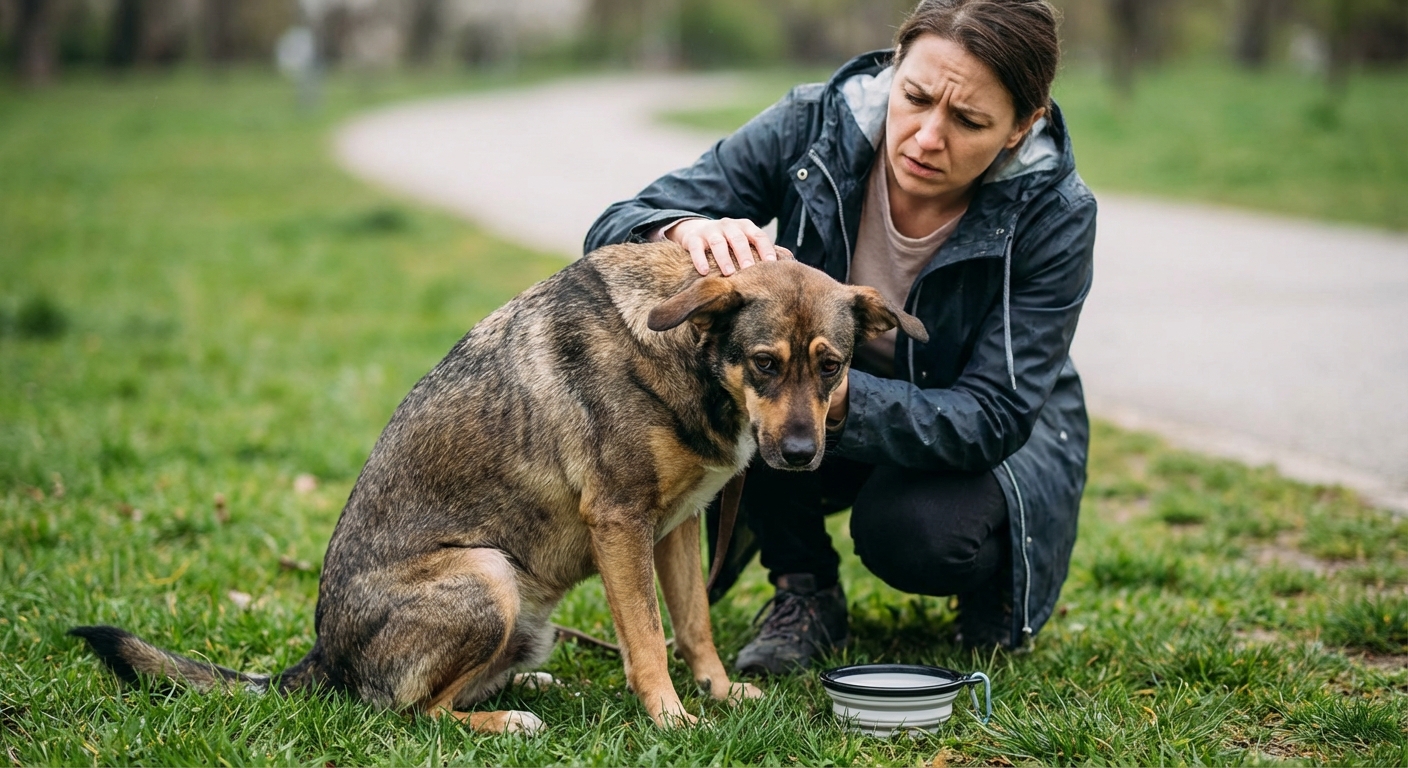
If your dog is acting normal, drinking water, and the diarrhea is mild, you can often help them feel better within 24 to 48 hours. If your dog is weak, vomiting repeatedly, cannot keep water down, or passing blood, skip the home tips and call your vet.
First, decide if it’s an emergency
Diarrhea can be caused by something simple like dietary indiscretion, stress, or a sudden food change. But it can also signal parasites, pancreatitis, toxins, or other serious illness. Use this quick checklist.
Go to an emergency vet now
- Repeated vomiting, especially with diarrhea
- Blood in stool (bright red or black, tarry stool)
- Severe lethargy, collapse, pale gums, or signs of dehydration
- Bloated belly, unproductive retching, or extreme abdominal pain
- Known toxin exposure (xylitol, grapes or raisins, chocolate, rodent bait, medications, certain mushrooms, etc.)
- Puppies (especially under 6 months), tiny dogs, or senior dogs with frequent watery diarrhea, vomiting, weakness, or any dehydration concerns (they can go downhill faster)
- Diarrhea lasting more than 24 to 48 hours, or sooner if worsening
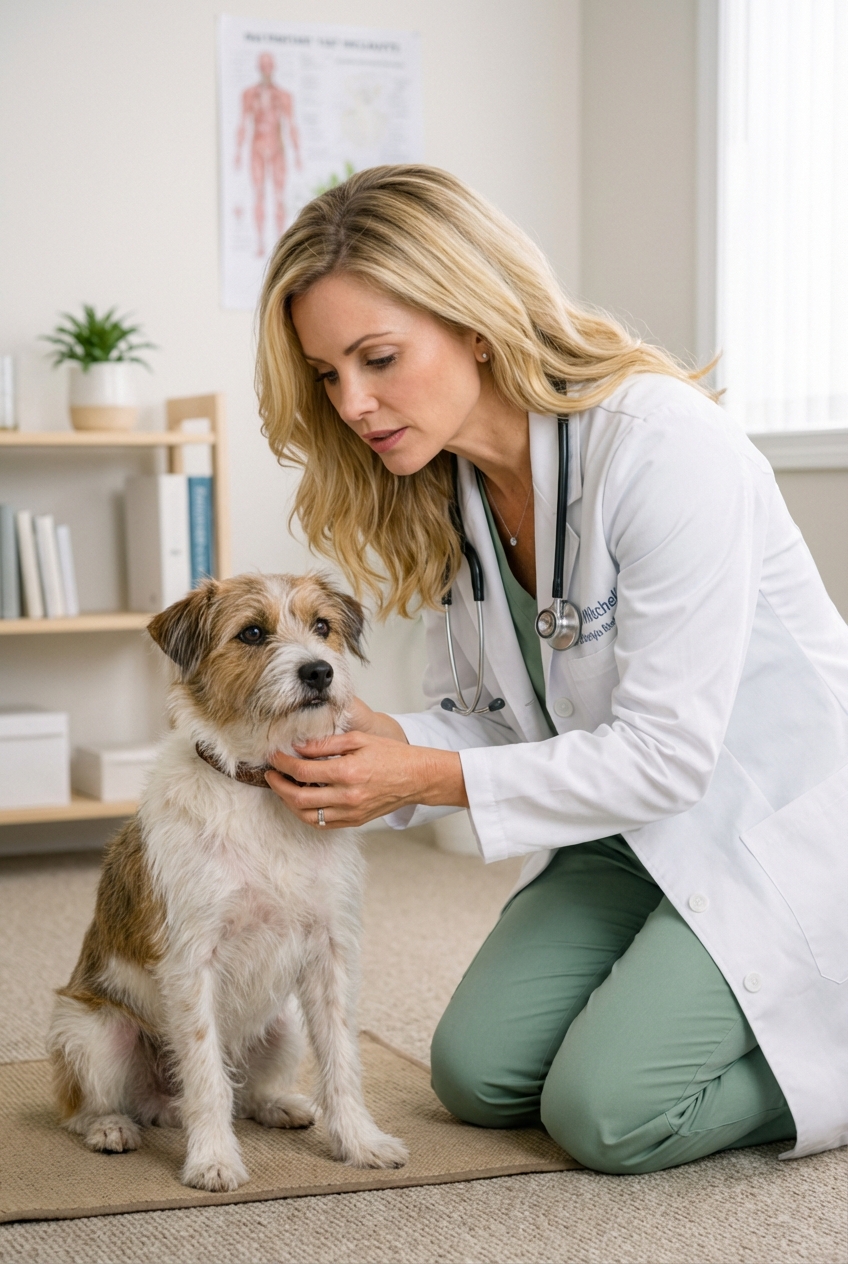
Call your vet today
- Diarrhea that is frequent and watery, even if your dog still has energy
- Mucus in stool, straining, or accidents in the house (bright red blood can happen with colitis, but it still deserves prompt veterinary guidance)
- Recent boarding, dog park exposure, lake or puddle water, or a new pet in the home (think parasites and contagious infections)
- Underlying conditions like Addison’s disease, kidney disease, diabetes, IBD, or a history of pancreatitis
How to help mild diarrhea at home
If your dog is bright, alert, drinking water, and the diarrhea is mild, these steps are commonly recommended by veterinary teams for short-term support. No home plan is a guarantee, but this is a safe, practical place to start.
Step 1: Stop rich treats
For the next day or two, stop all table scraps, fatty chews, bully sticks, new treats, and highly flavored treats or chews. Many diarrhea cases drag on simply because the gut keeps getting re-irritated.
Step 2: Prioritize hydration
Diarrhea pulls water and electrolytes out of the body. Encourage drinking. You can offer:
- Fresh water (change it often)
- Ice cubes or ice chips for dogs who gulp
- Low-sodium broth diluted with water (no onion or garlic powders)
Quick at-home dehydration checks: gums should feel slick, not tacky. Skin should spring back quickly when gently lifted over the shoulder blades. These are rough screening tools, and skin tenting can be less reliable in overweight or older dogs. If you are unsure, call your vet.
Also track the basics: how often your dog is having diarrhea, whether the volume is increasing, and whether they can keep water down.
Step 3: Consider a gentle food reset
Some adult dogs do well with a brief break from food, but this is not right for every dog and it is not the only approach. Some veterinarians prefer small, frequent bland meals instead of fasting. In general:
- Healthy adult dogs without vomiting: your vet may recommend a short fast (often 8 to 12 hours) to let the gut settle, or small bland meals instead.
- Puppies, toy breeds, seniors, and dogs with medical conditions (especially diabetes), or dogs who are vomiting: do not fast without veterinary guidance.
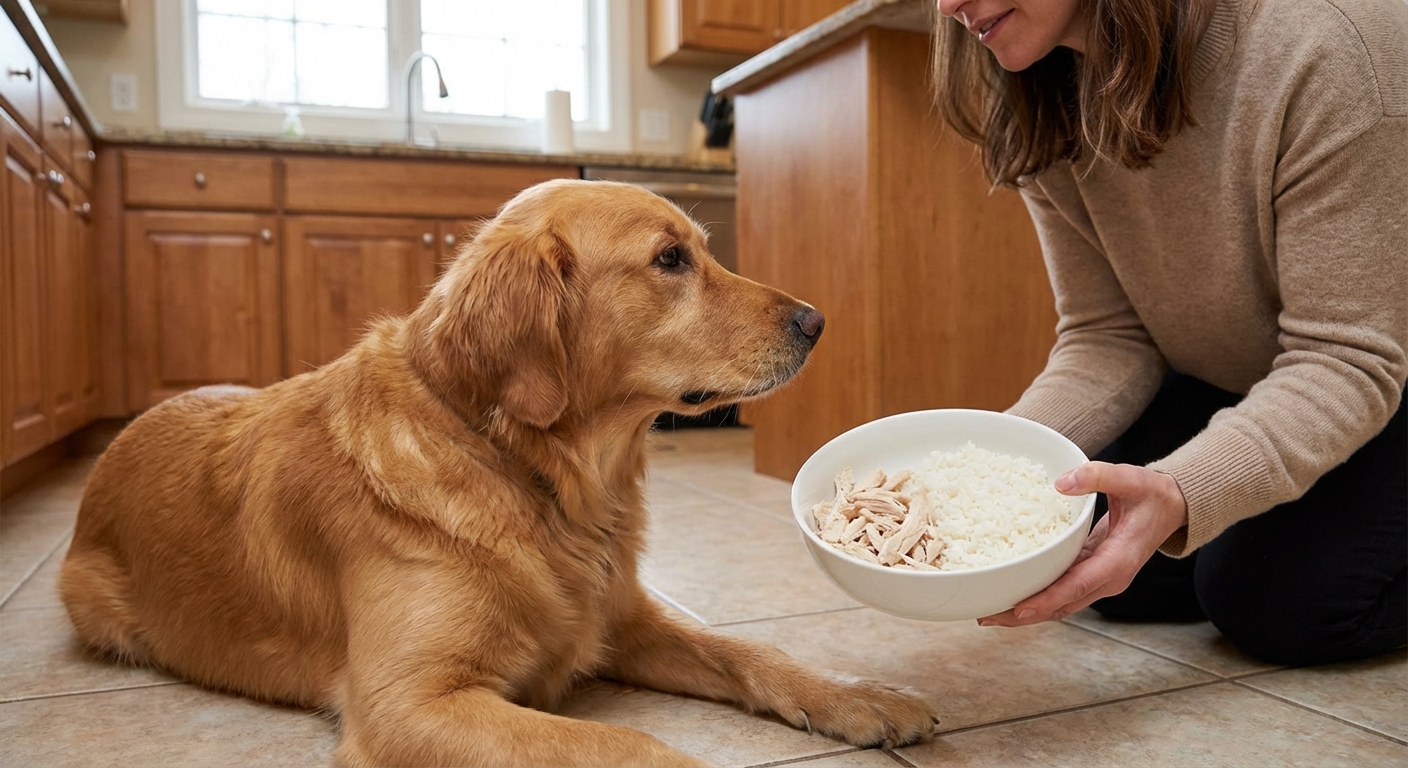
Step 4: Bland diet for 24 to 48 hours
A bland diet is designed to be easy to digest and lower in fat. Two common options are:
- Boiled skinless chicken breast + white rice
- Boiled lean turkey + white rice
If you have access to one, a prescription GI diet is also a great option and often even easier on the gut.
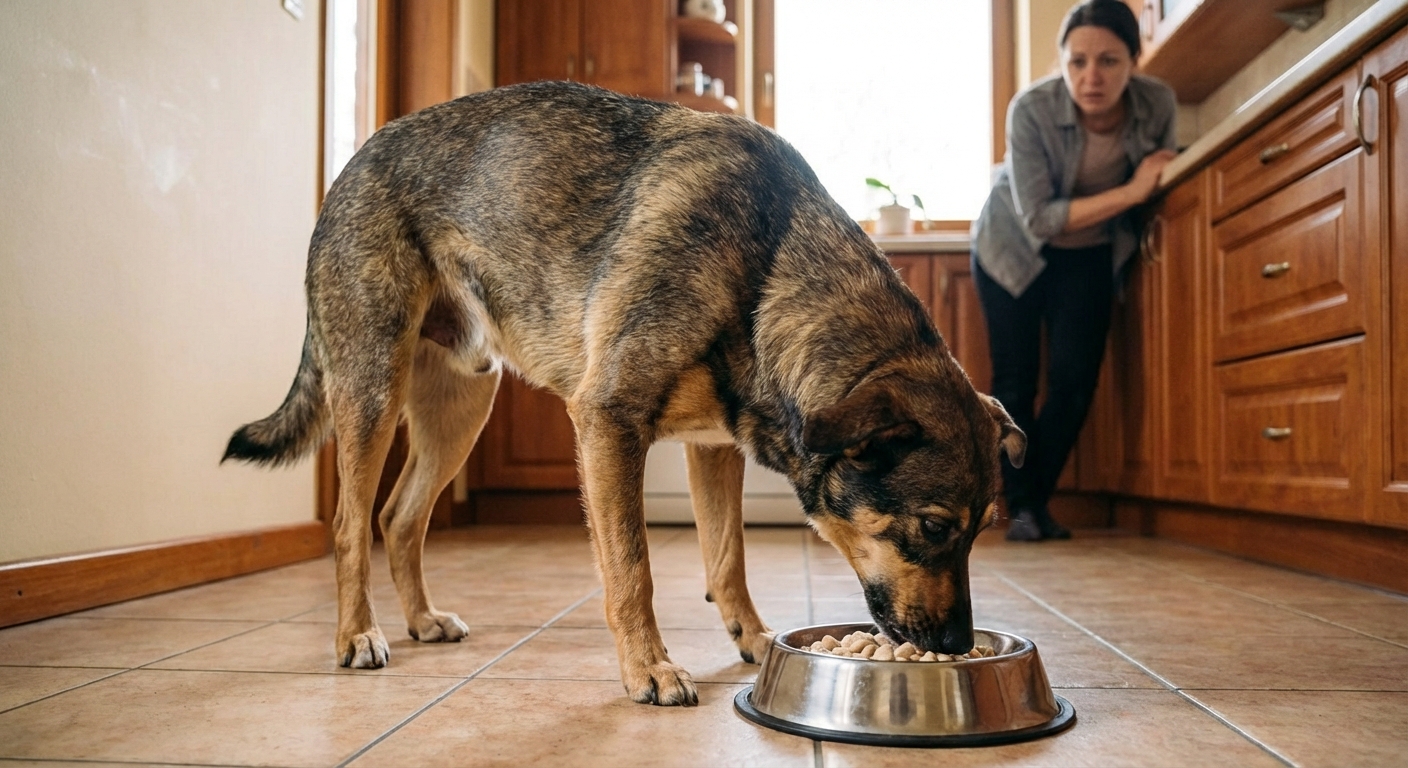
Feed small portions 3 to 6 times a day instead of one or two big meals. If your dog improves, you can slowly increase portion size.
Step 5: Add soluble fiber (optional)
Soluble fiber can help absorb excess water and support the gut lining, but response varies.
- Plain canned pumpkin (not pie filling) is a popular option.
Because dosing depends on your dog’s size and the cause of diarrhea, it is safest to ask your vet for an amount. Too much fiber can backfire and cause gas, constipation, or more stool. In some dogs, pumpkin can also loosen stools.
Step 6: Use a dog probiotic
Some studies show that certain veterinary probiotics can shorten the duration of acute diarrhea and help normalize stool. Evidence is product and strain specific, so choose a dog-specific product with clear dosing instructions. If diarrhea is recurring, probiotics can still help, but your dog also needs a diagnosis.
Step 7: Keep things calm
Stress diarrhea is real, especially after travel, boarding, fireworks, or a new routine. Keep exercise gentle, avoid dog parks while stools are loose, and give your dog extra potty breaks to prevent accidents.
Step 8: Prevent spread
Until stools are normal, assume it could be contagious. Pick up stool promptly, wash hands, avoid shared water bowls, and skip dog parks and daycare.
What not to do
- Do not give human anti-diarrheal meds unless your veterinarian tells you to. This includes common OTC options like loperamide (Imodium) and bismuth subsalicylate (Pepto-Bismol). They can be unsafe in certain dogs and can mask serious disease.
- Do not feed fatty comfort foods like bacon, hamburger grease, or rich leftovers. High fat can trigger pancreatitis, which is a true emergency.
- Do not switch foods repeatedly in the same week. Rapid changes can keep the gut inflamed.
- Do not ignore parasites. Many dogs need a fecal test even if they are on prevention. Preventatives reduce risk, but they do not cover everything (giardia is a common example).
Common causes of dog diarrhea
In clinic, the most common triggers I see are surprisingly simple, and very preventable once you spot the pattern.
- Dietary indiscretion: trash, table scraps, greasy foods, new treats
- Sudden diet change: switching kibble brands or proteins too quickly
- Stress: boarding, schedule changes, storms
- Parasites: giardia, roundworms, hookworms
- Infections: viral or bacterial gastroenteritis
- Food intolerance or sensitivity: chronic soft stool can be a clue
- Pancreatitis: often after a fatty meal, usually with vomiting and pain
Transition back to normal food
Once your dog has had 24 hours of firmer stool, you can begin transitioning back to their normal food. Go slowly so you do not re-trigger diarrhea.
- Day 1: 75% bland diet, 25% regular food
- Day 2: 50% bland diet, 50% regular food
- Day 3: 25% bland diet, 75% regular food
- Day 4: 100% regular food
If diarrhea returns during the transition, step back to the previous ratio and call your veterinarian for next steps.
What your vet may recommend
If your dog needs medical help, your vet is not trying to throw meds at it. They are trying to identify the cause and protect your dog from dehydration and complications.
- Fecal testing to look for parasites like giardia
- Prescription GI diet for easier digestion
- Probiotics with strains studied in dogs
- Deworming medication when parasites are suspected
- Fluids (under the skin or IV) if dehydration is present
- Bloodwork if your dog is lethargic, vomiting, or the diarrhea is persistent
Quick checklist for your vet
If you call or go in, these details help your veterinary team move faster and make better decisions.
- How long the diarrhea has been happening and how often
- Any vomiting, whether your dog can keep water down, appetite changes, or lethargy
- Stool appearance: watery, soft-serve, mucus, bright red blood, black stool
- Diet details: treats, chews, new foods, table scraps, recent food change
- Exposure risks: dog park, boarding, lake water, new pet, travel
- Preventatives: heartworm, flea and tick, deworming schedule
Bottom line
If your dog seems otherwise well and the diarrhea is mild, you can often help them improve with hydration, a bland diet, and a vet-approved probiotic. But if you see blood, repeated vomiting, weakness, black or tarry stool, or your dog is very young, very small, or older and seems off, treat it as urgent. Trust your instincts. You know your dog best.