Worried about your cat sneezing? Learn common causes, safe at-home comfort care, behavior red flags, home triggers to remove, and clear signs it’s time to ...
Article
•
Designer Mixes
How to Help a Sneezing Cat

Shari Shidate
Designer Mixes contributor
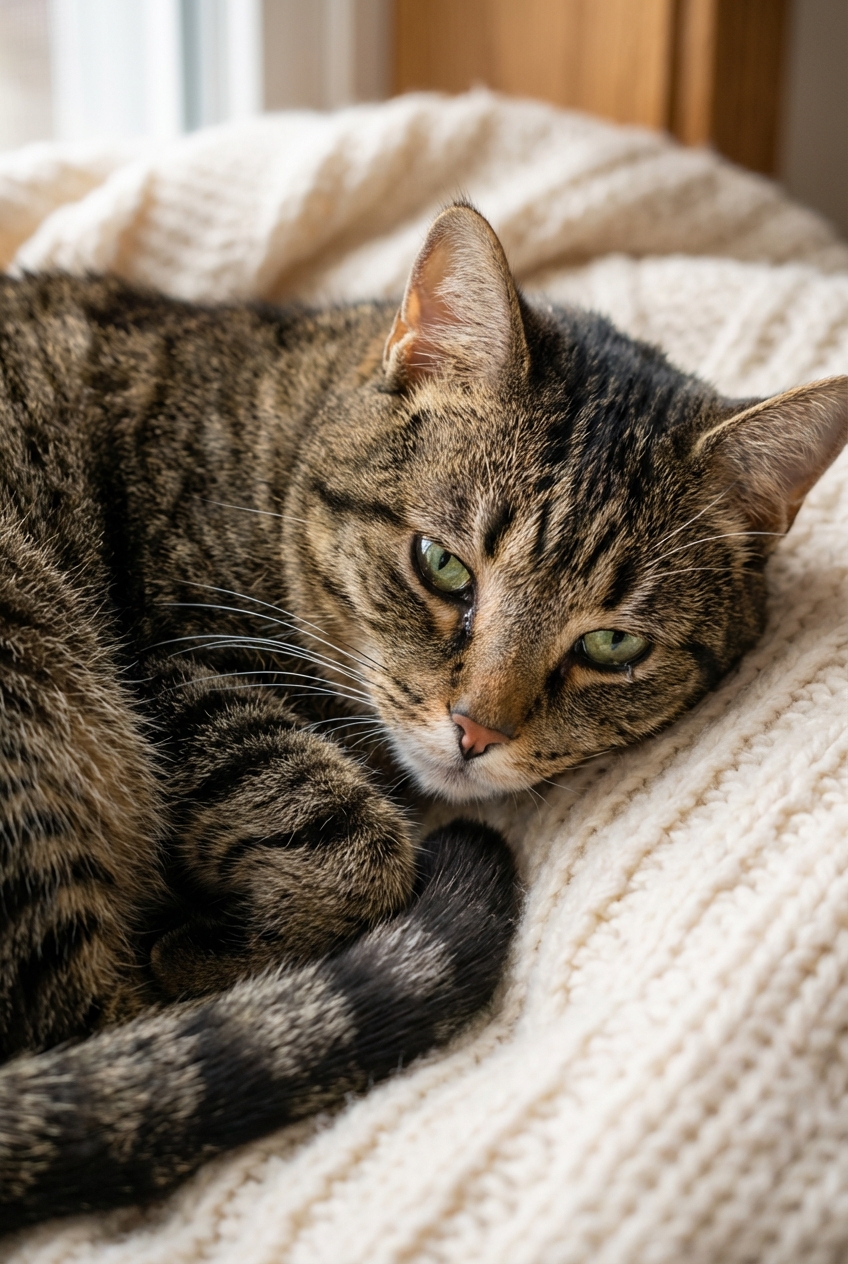
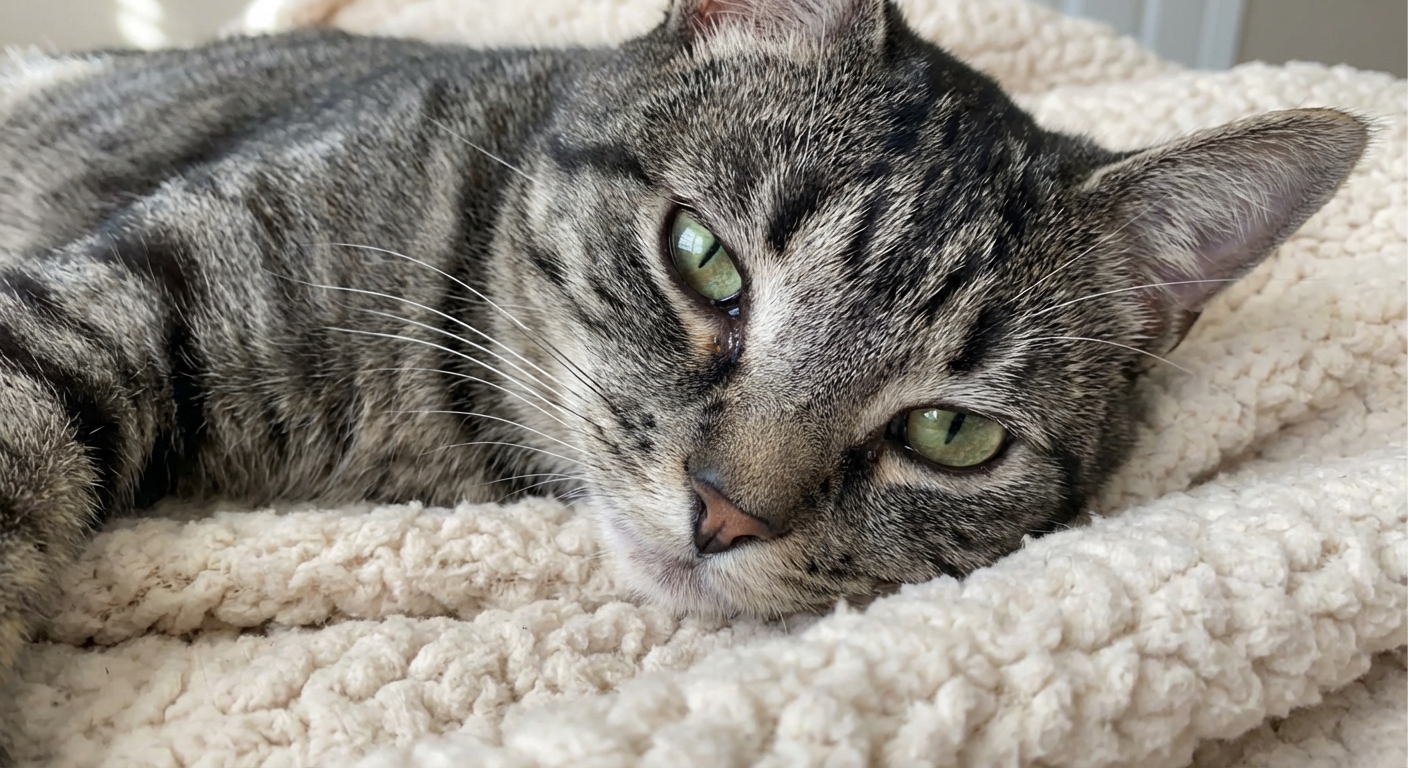
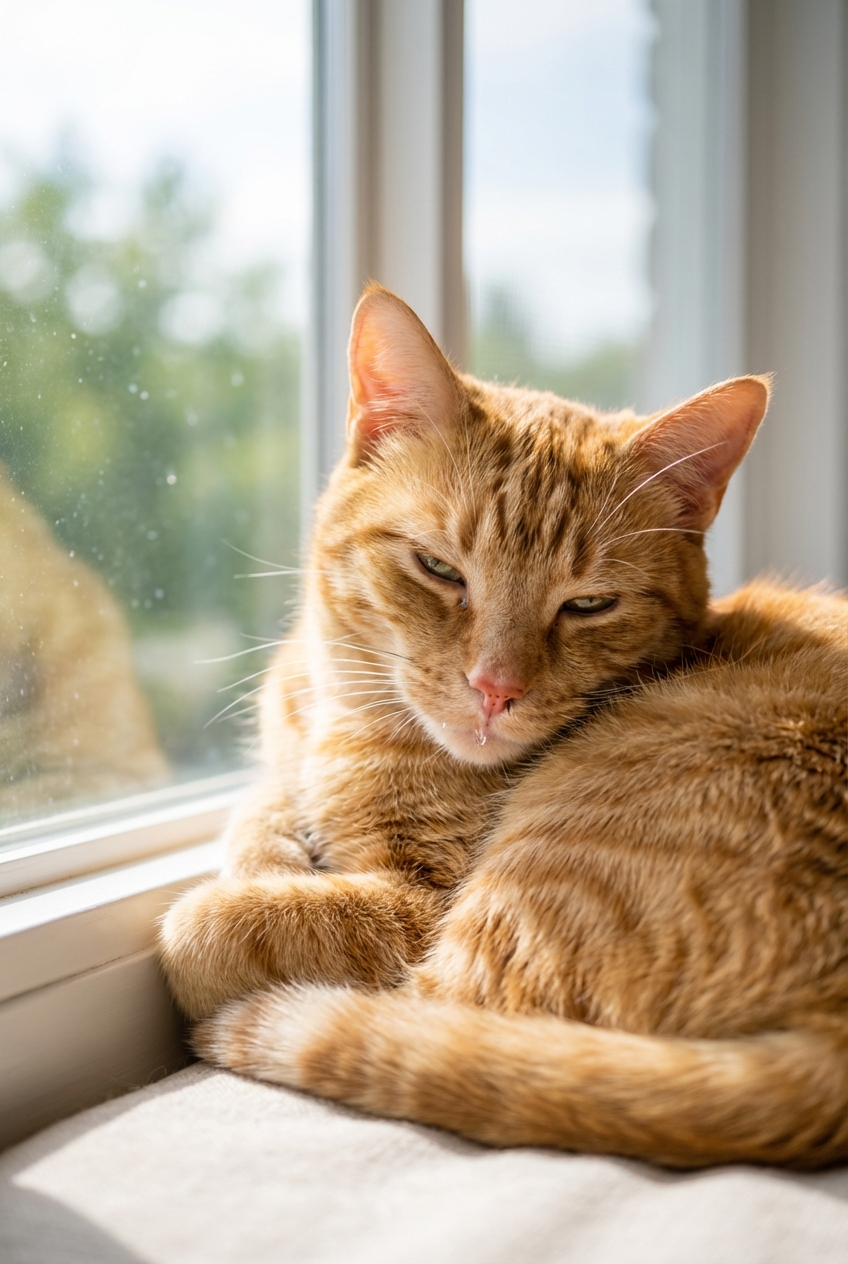
Sneezing in cats can be as simple as a little dust in the nose, or it can be an early sign of an infection that needs medical help. As a veterinary assistant, I like to remind people of two things: (1) a few sneezes now and then can be normal, and (2) patterns matter. If your cat is sneezing repeatedly, seems congested, has discharge from the nose or eyes, or is acting “off,” it is time to take a closer look.
This handbook will walk you through the most common causes, what you can safely do at home, what not to do, and when to call your veterinarian.
Quick note: This is general education, not a diagnosis. When in doubt, call your clinic for advice based on your cat’s history.

What sneezing can mean
A sneeze is a protective reflex. It helps your cat clear irritants, mucus, or foreign material from the nasal passages. The challenge is that many different issues can look the same at first. Your job is not to diagnose at home, but to observe smartly and support your cat while you decide whether veterinary care is needed.
Common causes
- Upper respiratory infection (URI): Often viral (like feline herpesvirus or calicivirus), sometimes with secondary bacterial infection.
- Allergens and irritants: Dusty litter, smoke, strong fragrances, cleaning sprays, essential oil diffusers, pollen, or construction dust.
- Nasal or dental disease: Tooth root infections can sometimes drain into the nasal area and cause sneezing or one-sided discharge.
- Foreign material: A blade of grass, seed, or dust clump can lodge in the nose.
- Nasal polyps or masses: Less common, but important, especially with chronic or one-sided symptoms.
- Vaccine-related sneezing: Mild sneezing can happen briefly after intranasal vaccines.
- Less common infectious causes: Some cats may be affected by bacteria like Chlamydia felis or Bordetella, especially in crowded, multi-cat settings.
Normal vs not-so-normal
Often normal: One to three sneezes after sniffing litter or dust, then back to normal behavior.
More concerning: Sneezing fits, daily sneezing that persists beyond a few days, thick discharge, reduced appetite, lethargy, fever, open-mouth breathing, or any breathing effort.
Worth clarifying: Owners sometimes call any noisy breathing “sneezing.” Coughing, wheezing, or fast belly breathing can point to a different problem (including asthma) and should be discussed with your veterinarian.
Quick home check
When you can describe symptoms clearly, your veterinarian can triage faster and choose the right next steps. Take 2 minutes and jot down:
- Duration: When did the sneezing start?
- Frequency: Occasional or frequent fits?
- Discharge: None, clear/watery, cloudy, yellow/green, bloody, or blood-tinged?
- One nostril or both: One-sided discharge can suggest a foreign body, dental issue, or localized problem.
- Eyes and mouth: Squinting, eye discharge, ulcers, drooling, bad breath?
- Appetite and smell: Cats often stop eating when congested because they cannot smell food well.
- Energy level: Playing and social, or hiding and tired?
- Hydration and bathroom habits: Drinking less? Fewer wet clumps in the litter box? If your cat is not urinating, call your veterinarian promptly.
- Environment changes: New litter, new candles, essential oils, renovations, new pets, shelter exposure?
- Higher-risk cats: Kittens, seniors, or cats with chronic disease usually need earlier guidance.
If you can safely do so, a short video of a sneezing episode (or any breathing you are worried about) can be surprisingly helpful for your vet.
Safe at-home help
If your cat is bright, alert, still eating, and the sneezing is mild, supportive care may help comfort while you monitor. The goal is comfort, hydration, and keeping airways as clear as possible.
1) Improve the air
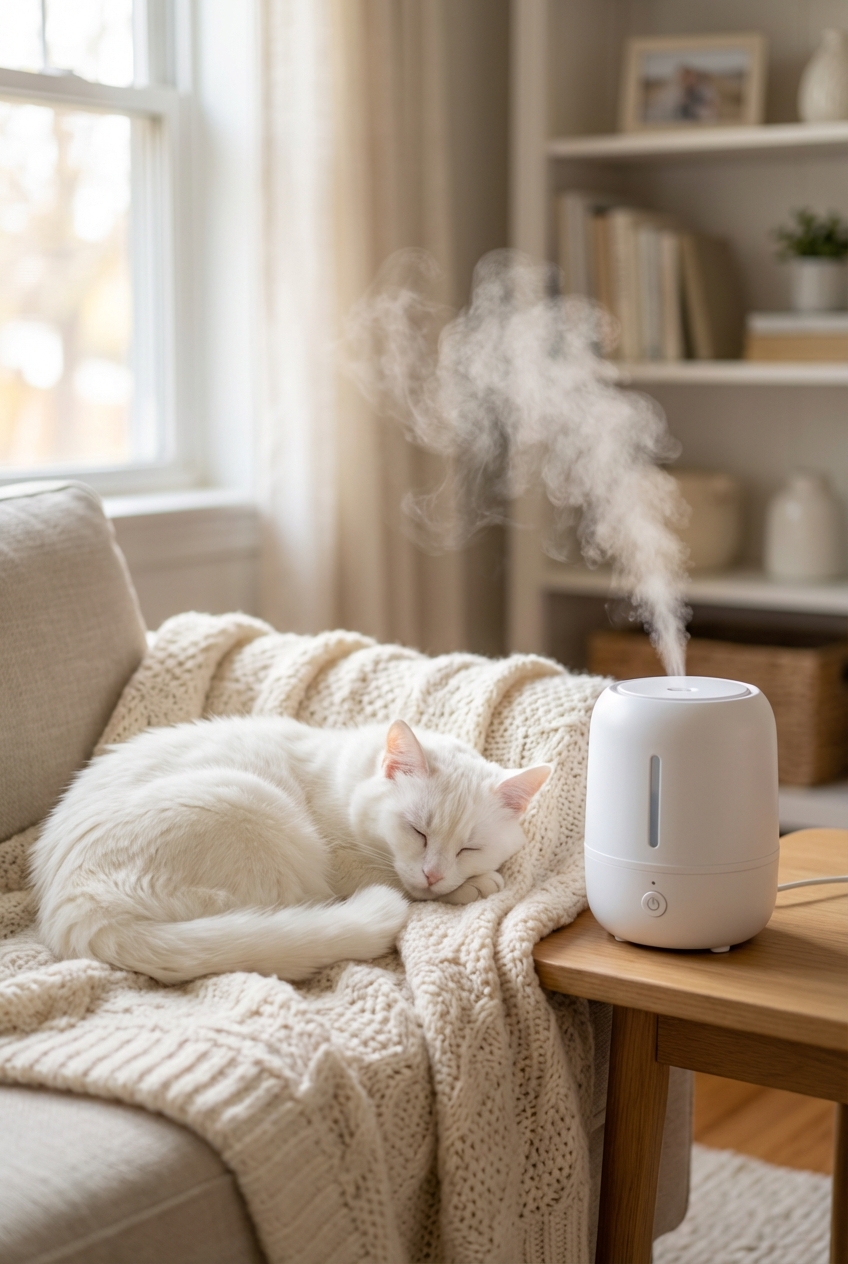
- Run a humidifier in the room where your cat rests. Aim for comfortable humidity, not a foggy room.
- Keep humidifiers clean: Follow the manufacturer’s cleaning steps. A daily rinse and regular disinfection helps prevent mold or bacteria that can irritate airways.
- Skip strong scents: Avoid scented litter, plug-ins, incense, and heavy perfumes.
- Ventilate carefully: Fresh air helps, but avoid cold drafts directly on your cat.
- Clean gently: Use unscented cleaners and keep aerosol sprays away from your cat.
2) Steam session
Steam can loosen nasal congestion and may help some cats. A safe method is to sit with your cat in a small bathroom while a hot shower runs for 10 to 15 minutes. Do not put your cat in the shower.
- Keep it calm and supervised.
- Do not confine a stressed cat: Your cat should be able to move away from the steam if they want to.
- Avoid overheating: Stop if your cat pants, seems agitated, or is struggling to breathe. Use extra caution for flat-faced (brachycephalic) cats or any cat with known breathing issues.
3) Keep the nose and eyes clean
Use a soft cotton pad or cloth moistened with warm water or sterile saline to wipe discharge away. This helps your cat breathe and reduces skin irritation. Use a fresh pad for each eye.
Important: Gentle wiping is generally safe. Avoid putting liquid into the nostrils (drops, sprays, flushing) unless your veterinarian instructs you to.
4) Encourage eating and drinking
Congestion can reduce appetite. Try:
- Warm food slightly to boost aroma.
- Offer wet food or add warm water to make a “gravy.”
- Offer strong-smelling options your cat tolerates, but prioritize complete cat food when you can. If you use tuna water, keep it occasional and avoid products with onion or garlic.
- Keep water easy to access and consider a pet water fountain.
5) Reduce stress
Stress can worsen viral flare-ups in some cats. Provide a quiet resting spot, keep routines predictable, and limit chasing interactions with other pets during recovery.
What not to do
These are the common mistakes that can accidentally make things worse:
- Do not give human cold medicines (decongestants, acetaminophen, ibuprofen). Many are toxic to cats.
- Do not use essential oils to “open airways.” Cats can be exposed by inhaling diffused oils, getting oils on their coat or paws, and then ingesting them while grooming.
- Do not force-feed unless your veterinarian has taught you how and told you to do so. Forcing can cause aspiration.
- Do not give leftover antibiotics or share medications between pets. Wrong drug or dose can harm your cat and delay proper care.
- Do not ignore breathing trouble such as open-mouth breathing, rapid labored breathing, or blue-tinged gums. Those are emergencies.
When to see the vet
Make an appointment soon if you notice
- Sneezing that persists beyond a few days or keeps worsening
- Thick yellow/green discharge from nose or eyes
- Not eating for 24 hours (or sooner for kittens, seniors, or cats with medical conditions)
- Marked lethargy, hiding, or fever
- Coughing, wheezing, or repeated gagging
- One-sided nasal discharge, bad breath, or drooling (possible dental involvement)
- Blood-tinged discharge, repeated nosebleeds, or chronic symptoms, especially if one-sided
- Recurrent sneezing episodes that keep returning
Go to urgent or emergency care now if you see
- Open-mouth breathing or obvious breathing effort
- Very fast breathing at rest
- Pale or blue gums
- Profuse nosebleed or facial swelling
- Kittens who are congested and not nursing or eating well
How to count resting breaths: Count when your cat is asleep or truly calm. Watch the chest rise and fall. Count for 15 seconds and multiply by 4. Many clinics consider a resting rate over 40 breaths per minute concerning, but thresholds vary with the situation (stress, heat, pain). If you are unsure, call your clinic.
Trust your gut. If your cat looks like they are working to breathe, that is not a “wait and see” situation.
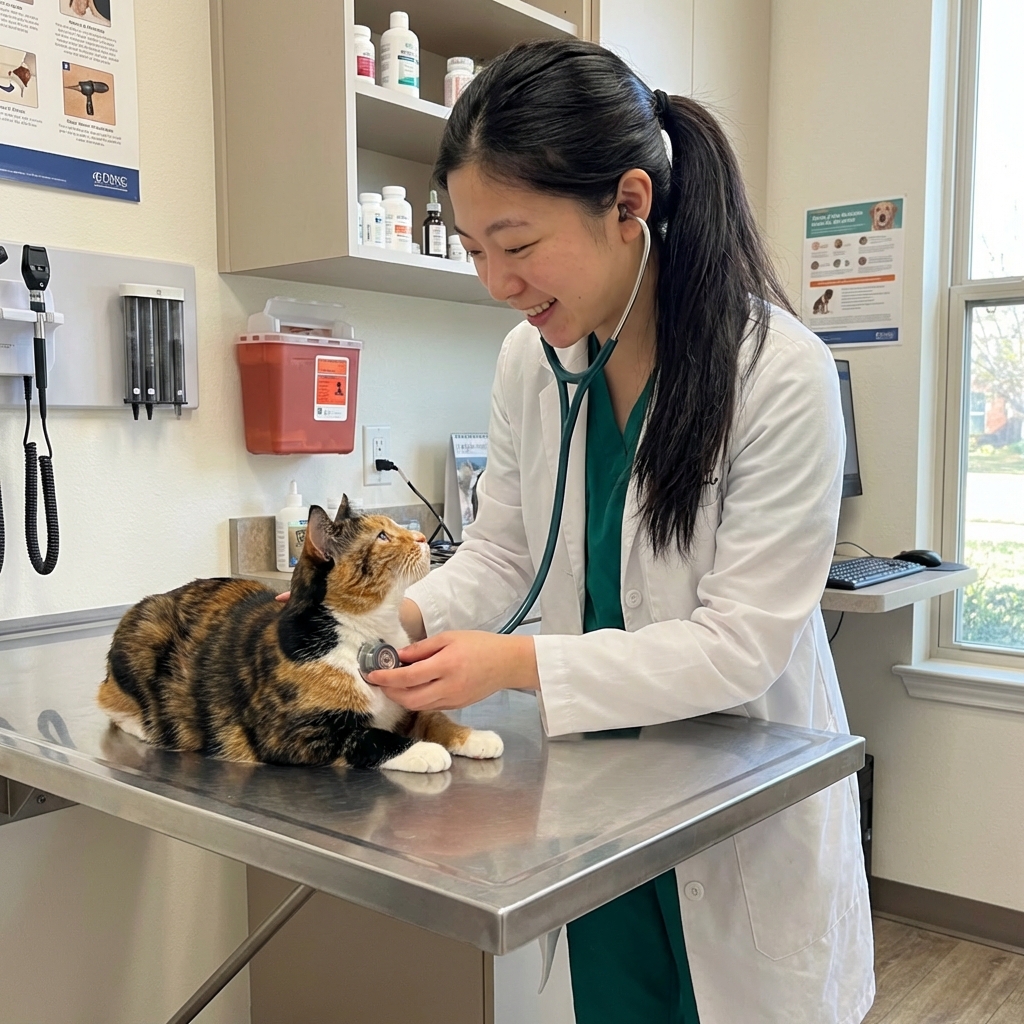
What the vet may do
Your veterinarian will tailor diagnostics and treatment to your cat’s age, history, vaccine status, and how severe the signs are. Depending on the exam, they may recommend:
- Physical exam with temperature check and an oral exam
- Testing (sometimes) for specific viruses, especially in outbreaks, shelters, or complicated cases
- Antibiotics if bacterial infection is suspected or there is significant secondary infection
- Antiviral medication that may be considered in select cases (often based on severity and clinician preference), especially if herpesvirus is involved
- Eye medication if conjunctivitis is present
- Fluids or appetite support if dehydration or anorexia is a concern
- Dental evaluation if a tooth root issue is suspected
- Imaging (X-rays or CT) or rhinoscopy for chronic, severe, or one-sided cases
Special situations
Sneezing in kittens
Kittens can deteriorate faster than adult cats, especially if congestion interferes with nursing or eating. If a kitten is sneezing and seems weak, congested, or not eating well, call your veterinarian promptly.
Sneezing in multi-cat homes
Upper respiratory infections spread easily where cats share space. If one cat starts sneezing:
- If feasible, isolate the symptomatic cat in a calm room while they recover.
- Separate food and water bowls.
- Wash hands between cats.
- Clean hard surfaces regularly with pet-safe disinfectant.
- Launder bedding and wipe down carriers and shared items.
- Keep stress low and provide good ventilation.
Chronic sneezing
Some cats have long-term nasal sensitivity after a viral infection. Chronic symptoms can also point to dental disease, polyps, or less commonly, a tumor. If sneezing lasts weeks or keeps returning, a more in-depth veterinary workup is worth it.
Prevention
- Keep vaccines current per your veterinarian’s schedule, especially in multi-cat environments.
- Choose low-dust, unscented litter if your cat is sneeze-prone.
- Avoid smoke and strong fragrance products in your home.
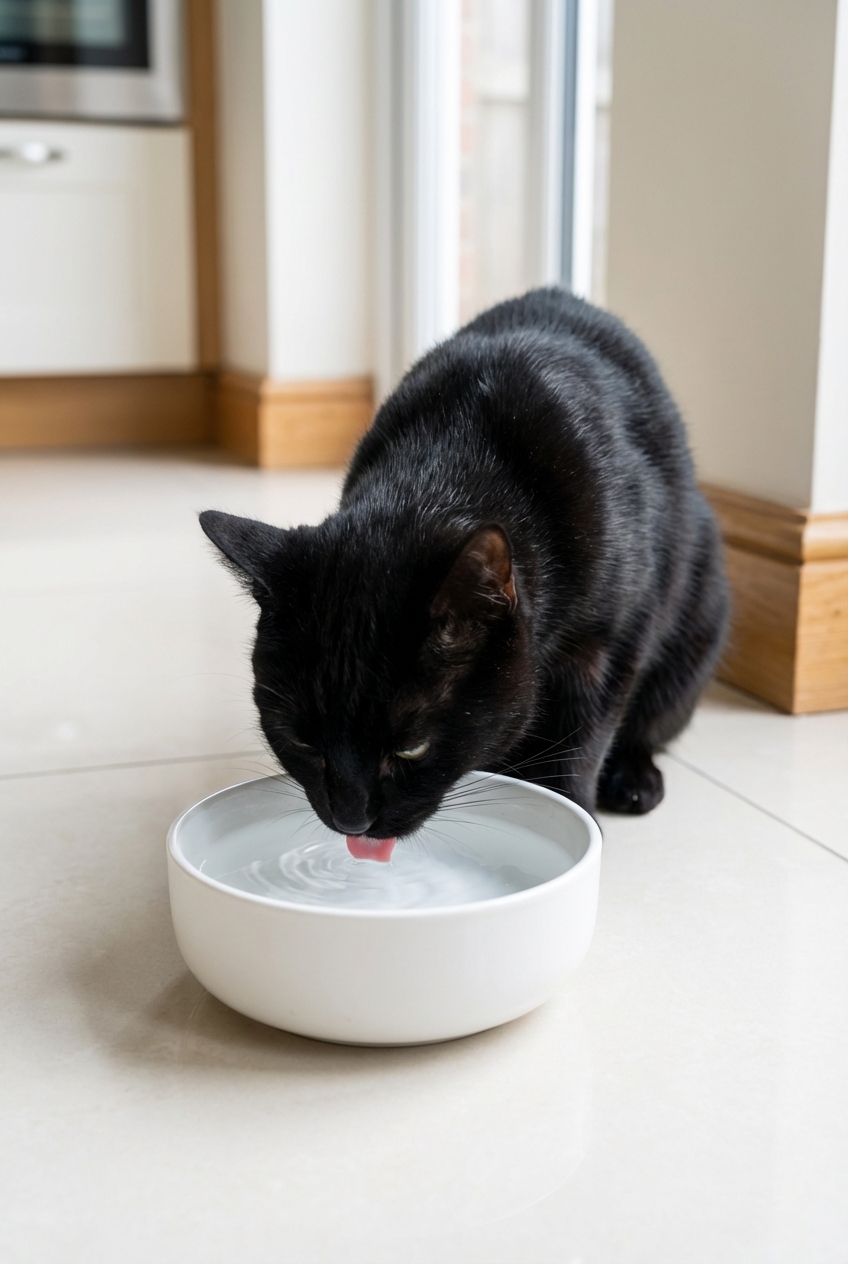
- Support hydration with wet food or added water when appropriate.
- Schedule dental care and address bad breath early.
Sneezing cat checklist
- Monitor duration, discharge type, and energy.
- Use humidity and gentle steam sessions for comfort, and let your cat leave if stressed.
- Wipe nose and eyes with warm water or sterile saline. Do not put liquid into the nostrils unless your vet directs you.
- Encourage eating with warmed wet food and keep water accessible.
- Track hydration and litter box output. Call the vet if your cat is not urinating.
- Avoid human meds, essential oils, and OTC nasal sprays unless your vet directs you.
- Call the vet if symptoms persist beyond a few days, worsen, or appetite drops.
- Seek urgent care for breathing difficulty, pale or blue gums, profuse nosebleed, facial swelling, or severe lethargy.