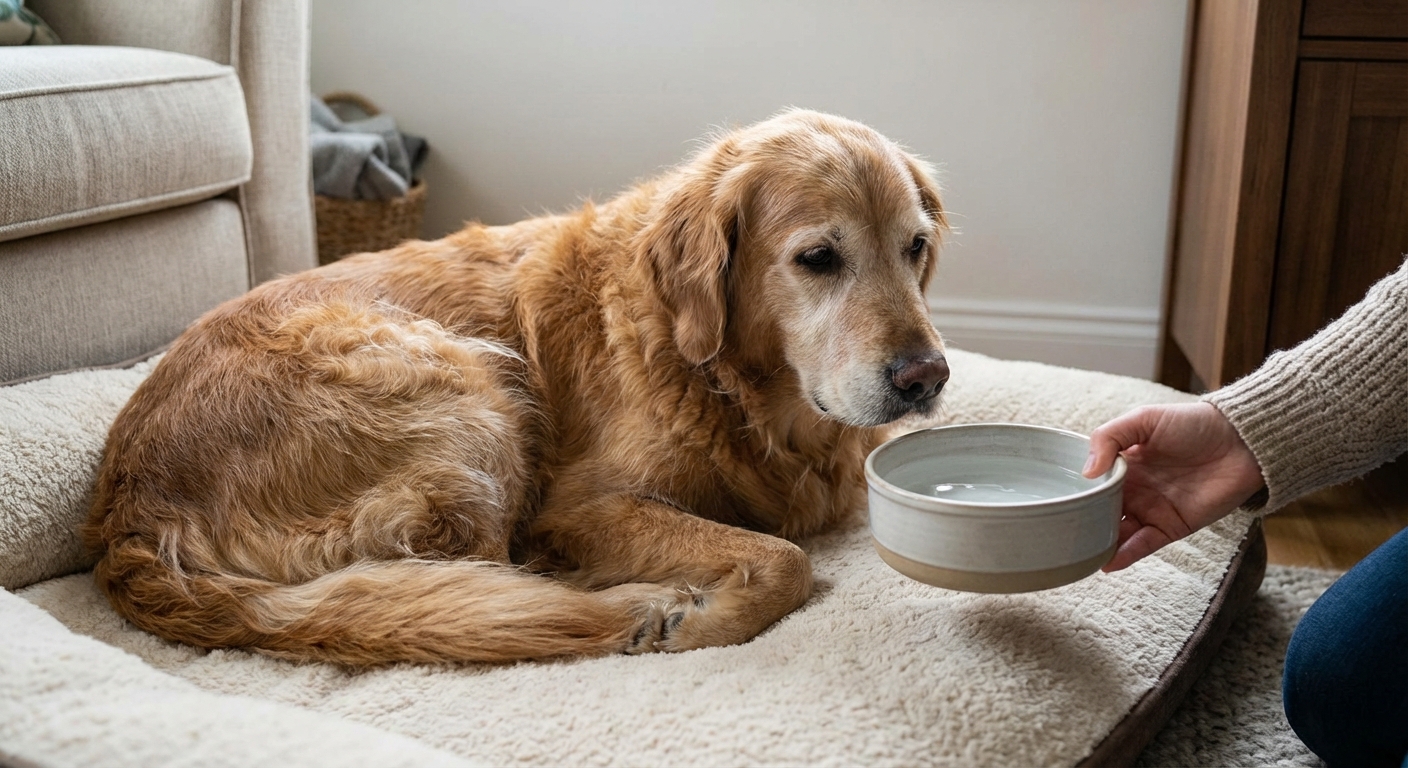
Step-by-step home care for mild dog diarrhea and vomiting: short food break, small sips of water, bland diet, pumpkin, probiotics, dehydration checks, and ur...
Article
•
Designer Mixes
How to Help a Dog With an Upset Stomach

Shari Shidate
Designer Mixes contributor
Few things worry dog parents faster than vomiting, diarrhea, or that sad, tucked-up posture that says, “My tummy hurts.” The good news is that some mild stomach upsets can be managed at home with smart, simple steps. The key is knowing when it is okay to monitor, what to do, and when to call the vet.
Safety note: Gastrointestinal signs can look mild at first and then worsen quickly, especially with toxins, foreign bodies (blockages), pancreatitis, or bloat. If you are unsure, it is always okay to call your veterinarian or an emergency clinic for advice.
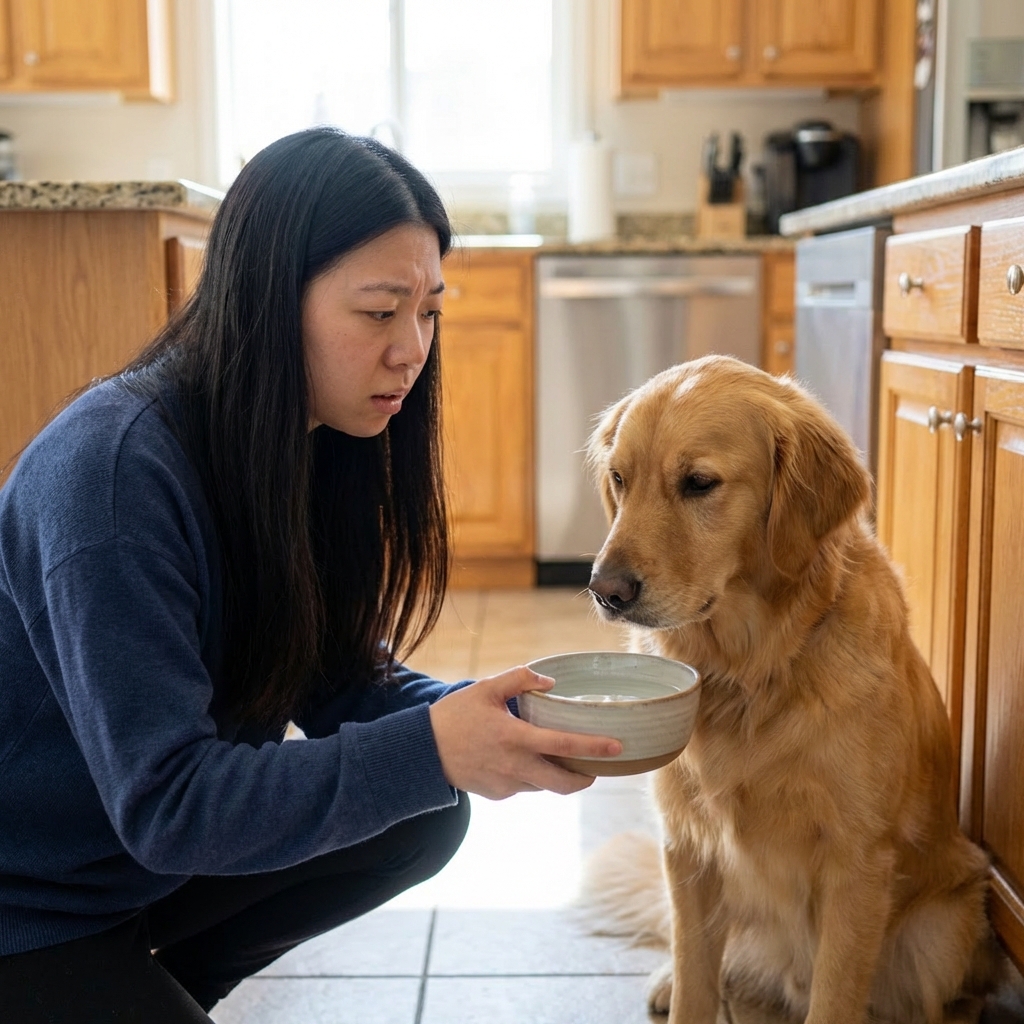
As a veterinary assistant, I always tell families: start calm, start small, and watch closely. Most problems declare themselves quickly, one way or the other.
What an upset stomach can look like
Dogs can have stomach and intestinal irritation for lots of reasons. Sometimes it is a one-time issue. Sometimes it is a clue that something bigger is happening.
- Vomiting (food, foam, bile, or liquid)
- Diarrhea (soft stool to watery stool)
- Decreased appetite or skipping a meal
- Grass eating, lip licking, drooling, gulping
- Gurgling sounds and passing gas
- Lethargy or hiding
If your dog is bright-eyed, drinking, and otherwise acting fairly normal, you may be able to try home care for a short window (often 12 to 24 hours for mild signs). If not, skip ahead to the red flags section.
Common causes (and why they matter)
Figuring out the most likely cause helps you decide if a gentle reset at home makes sense or if you need veterinary help right away.
Dietary indiscretion
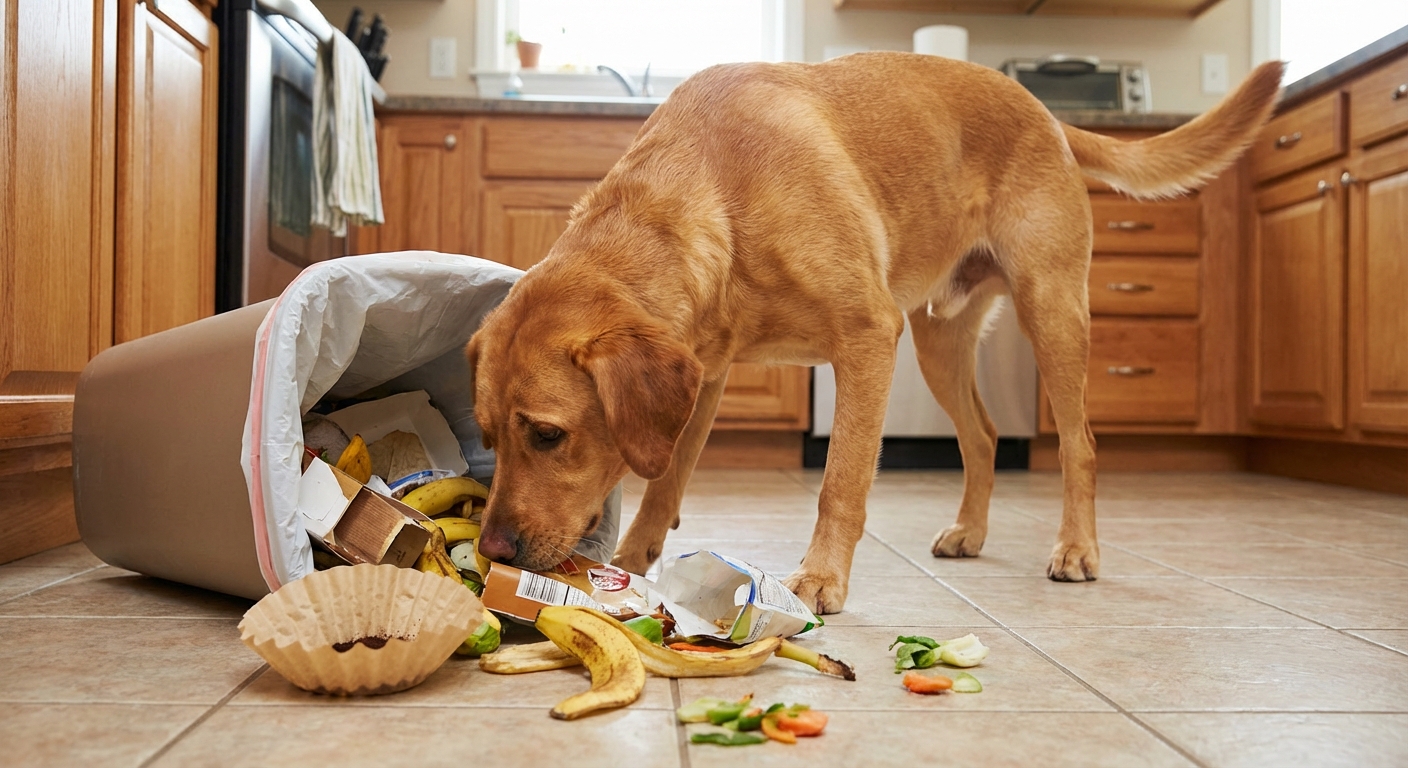
This is the classic “my dog ate something weird” scenario. Trash, greasy scraps, new treats, chews, or too many rich foods can trigger vomiting or diarrhea.
Sudden diet change
A fast switch in kibble, canned food, or homemade recipes can upset the gut microbiome. Many dogs need a gradual transition over 7 to 10 days.
Stress
Travel, guests, boarding, fireworks, or schedule changes can cause stress-related diarrhea, especially in sensitive dogs.
Parasites or infections
Giardia and intestinal worms are common, and they can look like “just diarrhea.” Puppies are especially vulnerable.
Pancreatitis
Often triggered by fatty foods. This can be serious and painful. Watch for repeated vomiting, belly pain, and refusal to eat.
Foreign body (something stuck)
Socks, toys, corn cobs, bones, and string can cause partial or complete blockage. This is an emergency risk.
First step: is home care okay?
If your dog has mild symptoms (one or two vomits, a soft stool, still alert, still interested in water), home care may be reasonable for a short time.
Home care is not the right choice if you suspect a toxin, a blockage, bloat, pancreatitis, or significant dehydration. When in doubt, call your veterinarian or an emergency clinic.
Extra caution: very small dogs, flat-faced (brachycephalic) breeds, puppies, seniors, and dogs with chronic illness can dehydrate faster and may need earlier veterinary guidance.
Red flags: call the vet today
Please seek veterinary advice promptly if you notice any of the following:
- Repeated vomiting (more than 2 to 3 episodes in a day), vomiting that will not stop, or inability to keep water down
- Blood in vomit or stool (red streaks or black, tarry stool)
- Watery diarrhea that is frequent, explosive, or not improving within 24 to 48 hours
- Severe lethargy, weakness, collapse, or pale gums
- Signs of belly pain (praying position, tense abdomen, yelping when picked up)
- Bloated abdomen, unproductive retching, pacing, drooling (possible bloat (GDV), emergency)
- Possible foreign body (toy pieces missing, string, socks, bones)
- Possible toxin exposure (grapes/raisins, xylitol, chocolate, medications, rodent bait, antifreeze, alcohol, macadamia nuts, onions/garlic, certain plants)
- Dehydration (dry gums, sunken eyes, weakness, not drinking)
- Puppies, seniors, or dogs with chronic disease (kidney disease, diabetes, Addison’s, etc.)
Quick hydration check: gums should be slick and moist, not tacky. Skin on the back of the neck should snap back quickly when gently lifted. These are not perfect tests, and dehydration can be hard to judge at home, especially in seniors or overweight dogs. When in doubt, call.
How to help at home
1) Give the gut a short break (only if advised)
For some adult dogs with mild vomiting, your veterinarian may recommend a short rest from food, often 6 to 12 hours. This is not one-size-fits-all.
Do not fast puppies, tiny dogs, or dogs with medical conditions without veterinary guidance.
If vomiting has stopped and your dog is stable, many families do well with a short pause and then a slow reintroduction of bland food.
2) Prioritize fluids
Dehydration is one of the biggest risks with vomiting and diarrhea.
- Offer small, frequent sips of water.
- If your dog gulps and then vomits, try ice chips or a few teaspoons at a time.
- Ask your vet if an oral electrolyte solution is appropriate for your specific dog.
3) Feed a bland diet in small meals
Once vomiting has settled, a bland diet can be soothing because it is easy to digest and low in fat. Common vet-approved options include:
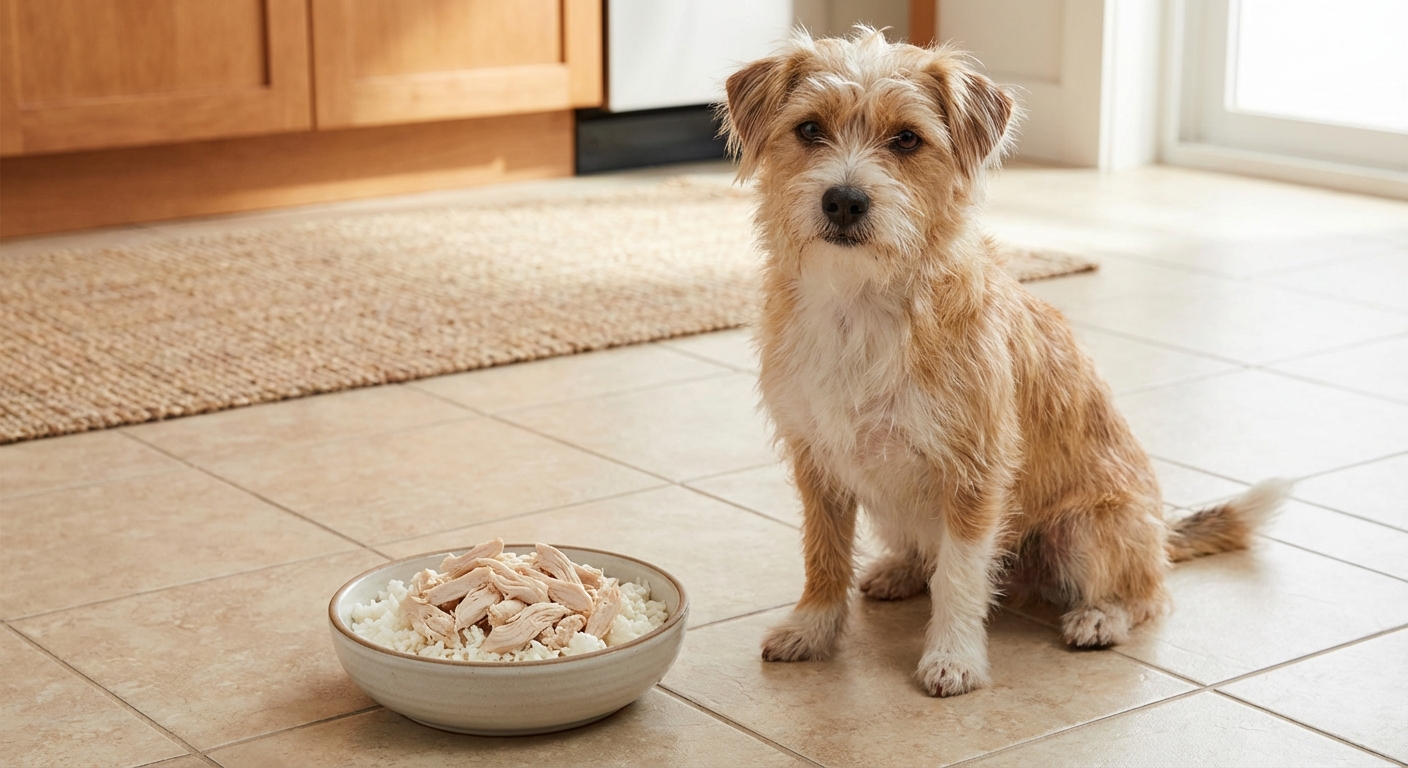
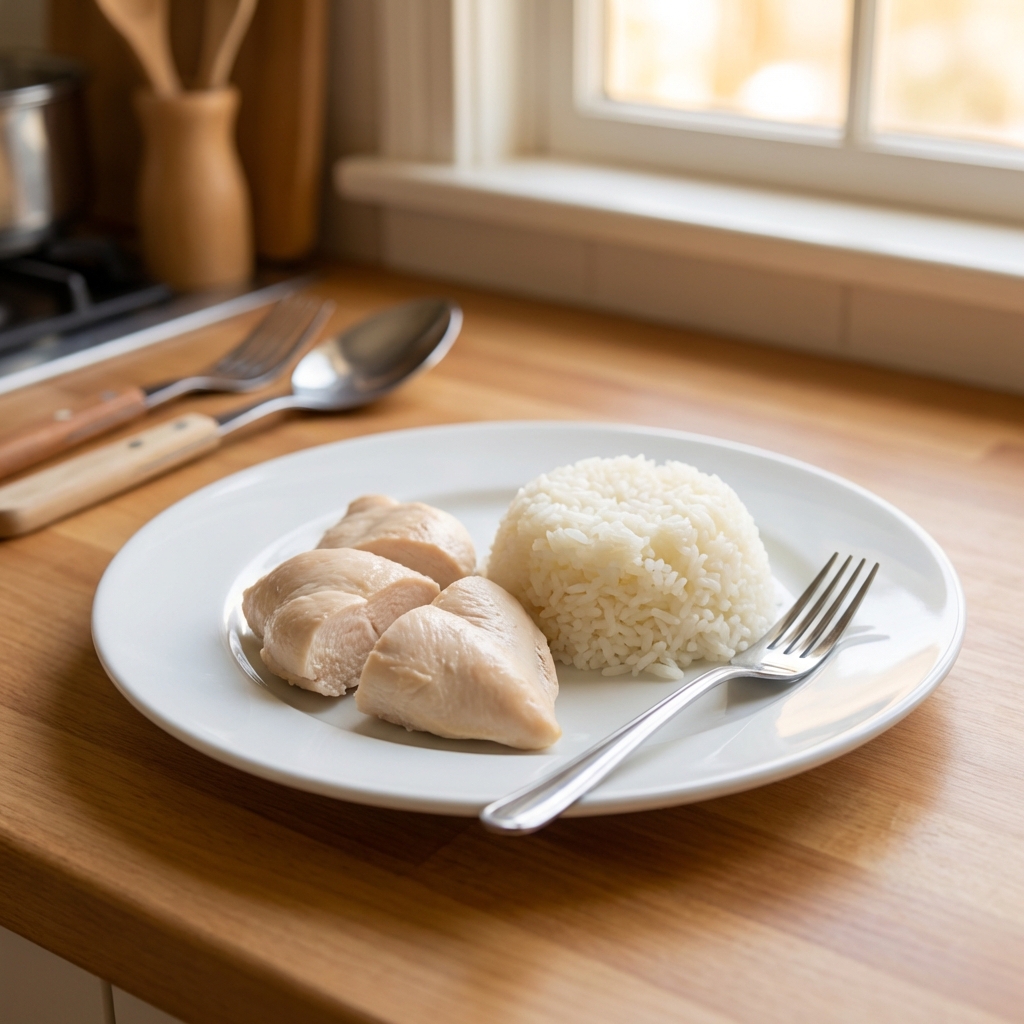
- Boiled skinless chicken breast plus white rice (completely plain, no seasoning, oil, butter, garlic, or onion)
- Lean ground turkey (well cooked, drained, completely plain, no seasoning, oil, butter, garlic, or onion) plus rice
- Prescription gastrointestinal diets (an excellent option if your dog has a sensitive stomach)
Feed small portions every 4 to 6 hours, then gradually increase the meal size over 2 to 3 days as stools normalize.
4) Add gentle fiber (if diarrhea is the main issue)
Plain canned pumpkin (100% pumpkin, not pie filling) is often recommended for mild diarrhea because the soluble fiber can help firm stool. It does not help every dog, and in some cases it can worsen diarrhea or add too much bulk. The right amount depends on your dog’s size, so check with your veterinarian for dosing.
5) Consider probiotics
There is some evidence that certain canine probiotics can help shorten some cases of acute diarrhea, but results are strain and product dependent. Choose a product made for dogs and ask your vet for a brand they trust.
6) Avoid common mistakes
- Do not give human anti-diarrhea or pain medications unless your vet instructs you. Some are dangerous for dogs.
- Avoid fatty foods (bacon, sausage, cheese-heavy meals), especially if pancreatitis is a concern.
- Do not jump right back to normal food after a bland diet. Transition gradually over 3 to 5 days.
Natural remedies: what is safe?
Some home remedies can be helpful, but they are not all equal, and some can backfire.
- Bone broth: can encourage drinking, but choose low fat and low sodium. Do not use broth that contains onion or garlic (common in store-bought broths for humans and toxic to dogs). Greasy broth can worsen diarrhea or trigger pancreatitis in sensitive dogs.
- Rice water: may be soothing for some dogs, but it is not a complete solution and should not replace balanced nutrition long-term.
- Herbal supplements: use caution. “Natural” does not always mean safe, especially if your dog is on medications.
If your dog has recurring stomach upset, the best “natural” solution is often the least exciting one: a consistent diet, slow transitions, parasite testing, and targeted support from your veterinarian.
How long until improvement?
For mild cases, you often see improvement within 24 hours and a return toward normal stool within 2 to 3 days.
Call your veterinarian if:
- Vomiting continues, worsens, or returns after you restart food
- Diarrhea lasts more than 24 to 48 hours or becomes watery and frequent
- Your dog stops drinking, cannot keep water down, or seems painful
Prevention tips that work
Keep diet changes slow
Mix in new food gradually over 7 to 10 days to give the gut time to adjust.
Be picky about treats and chews
Many upset stomachs start with a new chew. Choose reputable brands, supervise chewing, and avoid high-fat options for sensitive dogs.
Trash-proof your home
Use a lidded can, keep counters clear, and watch for “dog magnets” like grease, bones, and wrappers.
Stay current on parasite prevention
Year-round prevention and regular fecal testing are especially important for puppies and dogs who visit parks or daycare.
Track patterns
If your dog is having repeat episodes, jot down what matters: how many times they vomited or had diarrhea, stool consistency (soft vs watery), any mucus or blood, appetite, energy, and any diet or treat changes. If you end up calling the vet, this helps more than you might think.
A simple reset plan
If your dog is stable and your veterinarian agrees home care is appropriate, here is a gentle approach many families use:
- Step 1: Offer small sips of water frequently.
- Step 2: When vomiting has stopped, offer a small bland meal.
- Step 3: Feed small meals for 24 to 48 hours.
- Step 4: Transition back to the regular diet slowly over several days.
The bottom line: most mild tummy troubles get better with rest, hydration, and a bland diet. But if you see red flags, trust your instincts and call your vet. You are never “overreacting” when it comes to your dog’s comfort and safety.
References
- American Veterinary Medical Association (AVMA). Toxic foods and household hazards guidance for pet owners.
- U.S. Food and Drug Administration (FDA). How to report a pet food complaint and pet food safety updates.
- American College of Veterinary Internal Medicine (ACVIM). Client information resources on gastrointestinal disease and supportive care.
- Veterinary-reviewed research summaries on probiotics for acute canine diarrhea (benefits depend on strain and product quality).