Estimate your dog’s daily calories by weight using RER and MER multipliers, then convert kcal into real portions. Includes quick kcal table, treat limits, ...
Article
•
Designer Mixes
How to Help a Dog Lose Weight

Shari Shidate
Designer Mixes contributor
If your dog has been packing on pounds, you are not failing them. You are noticing a problem early, and that is the best possible start. Extra weight is one of the most common health issues we see in everyday veterinary care, and the good news is that most dogs can lose weight safely with a simple plan: the right calories, the right movement, and steady tracking.
Why dog weight matters
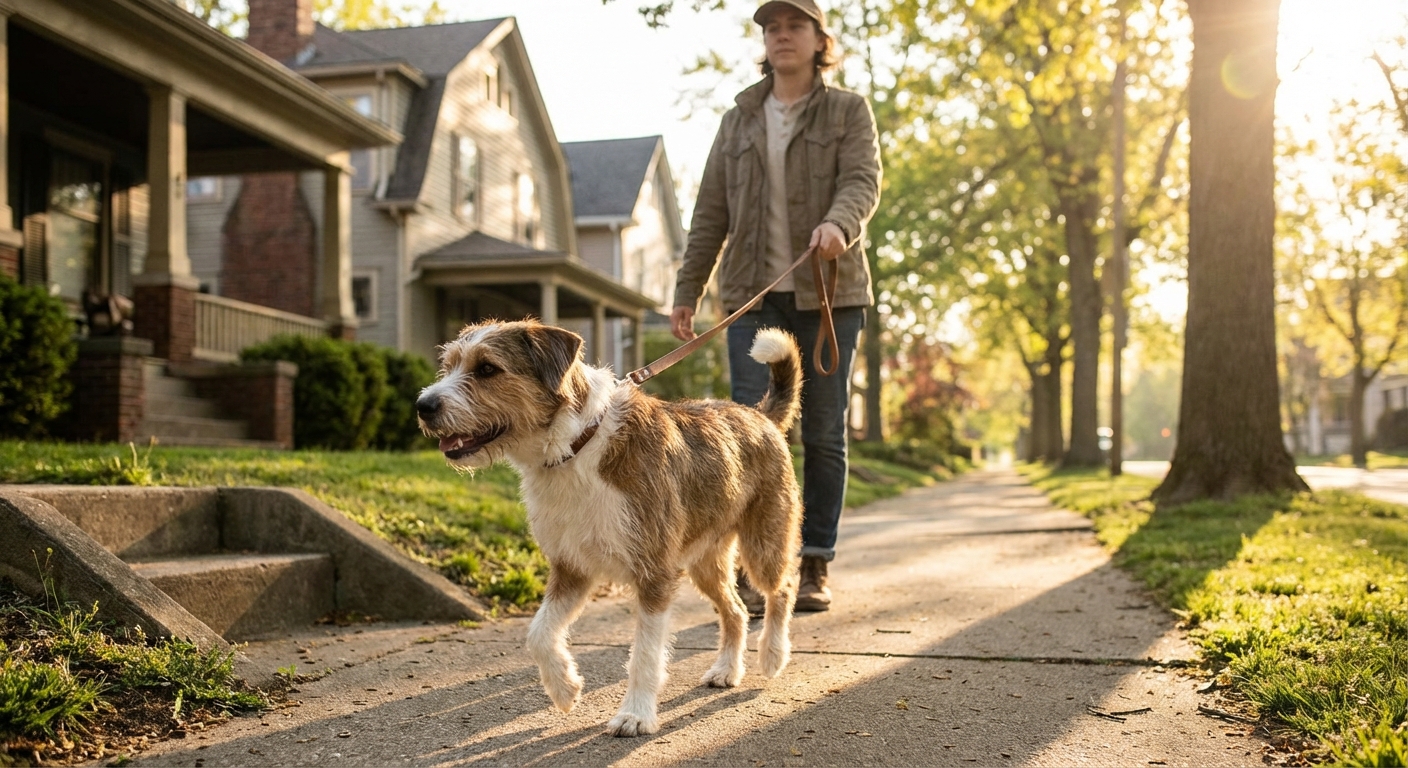
Carrying extra weight is not just a cosmetic issue. In dogs, overweight and obesity are linked with arthritis and mobility pain, decreased stamina, heat intolerance, higher anesthesia risk, and a shorter lifespan. For many dogs, slimming down also improves everyday quality of life, like jumping into the car more easily, longer walks without stopping, and more playful energy.
One helpful mindset shift is this: your dog is not being “bad” or “lazy.” Weight gain is usually calories plus routine. Both are changeable.
Is your dog truly overweight?
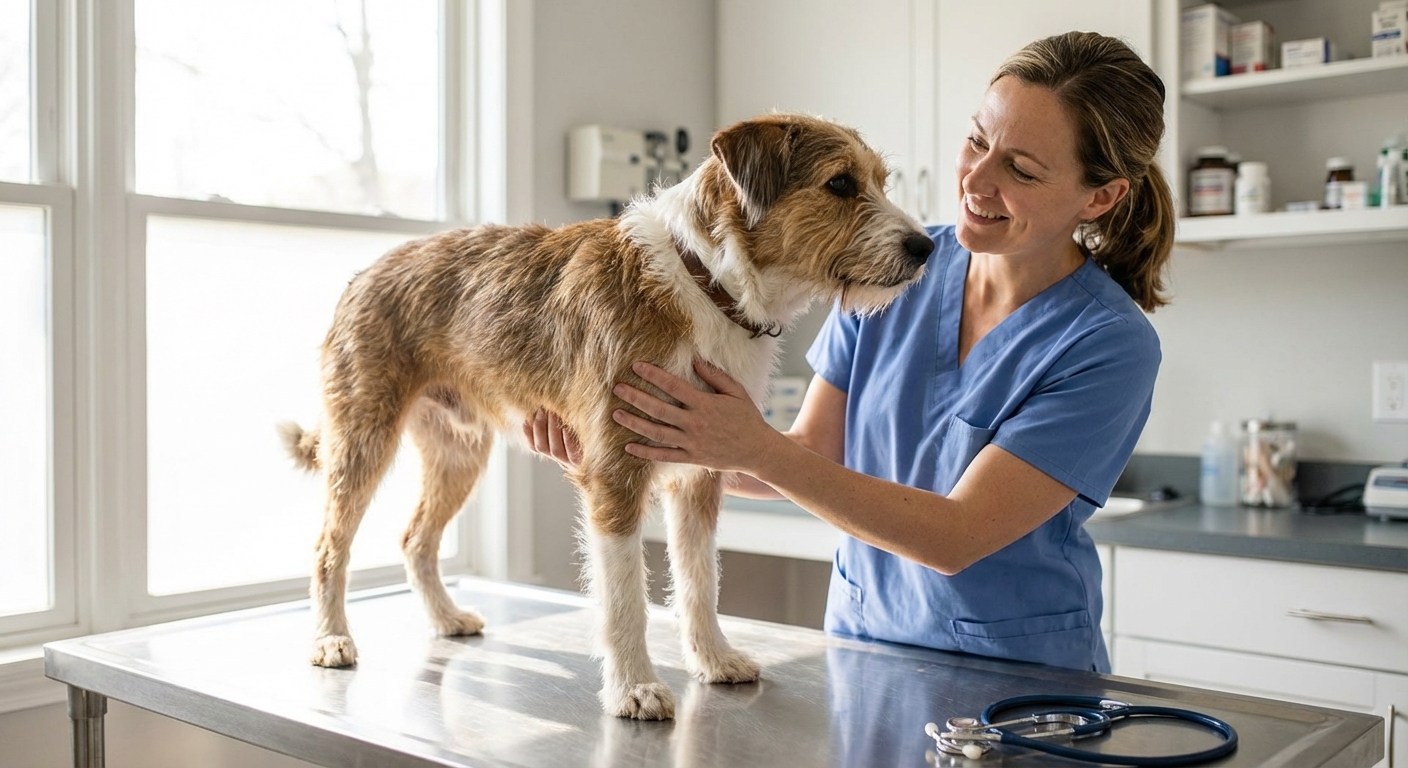
Before starting a weight-loss plan, confirm whether your dog is overweight, and by how much. The most practical tool is the Body Condition Score (BCS) system used by veterinary teams.
- You should be able to feel ribs easily with light pressure, but they should not be visibly sticking out.
- Your dog should have a waist when viewed from above.
- Your dog should have a tummy tuck when viewed from the side.
If you are unsure, ask your veterinary clinic to score your dog’s BCS and set a healthy target weight. A quick weigh-in and BCS check can make your plan much more accurate.
Common reasons dogs gain weight
Most weight gain comes down to calories in versus calories out, but the sources of calories are often surprising.
1) Portion creep
Many of us eyeball meals, and bowls vary in size. A small daily overfeed adds up fast over weeks and months.
2) Treats and “extras”
Chews, training treats, table scraps, lickable treats, peanut butter, cheese, and even “healthy” snack foods can blow the calorie budget.
3) Too little activity for the current diet
As dogs age, recover from injury, or move to a less active routine, their calorie needs drop. If the food stays the same, weight climbs.
4) Neutering and aging
After spay or neuter, many dogs need fewer calories. Older dogs also tend to have lower metabolic needs and lose muscle more easily.
5) Medical issues
Hypothyroidism, Cushing’s disease, chronic pain, and some medications can contribute to weight gain. If your dog is gaining despite careful feeding, talk to your veterinarian before cutting calories aggressively.
Step-by-step plan
Healthy dog weight loss is slow and steady. Many veterinary programs aim for roughly 0.5% to 2% of body weight loss per week, depending on your dog’s size, age, and medical situation. Your veterinarian can help you choose a target that protects comfort and lean muscle. Faster is not always better.
Step 1: Get a starting point
- Weigh your dog on the same scale regularly (weekly is ideal). For consistency, try to weigh at the same time of day (many families do morning, before breakfast).
- Take photos from above and the side every 2 to 4 weeks. Changes show up in pictures before you notice them day to day.
- Get a baseline vet visit if your dog has not had a checkup recently, especially if they are older, pant easily, or seem painful. If there is an underlying medical issue, it is better to know before you make big diet changes.
Step 2: Measure every meal
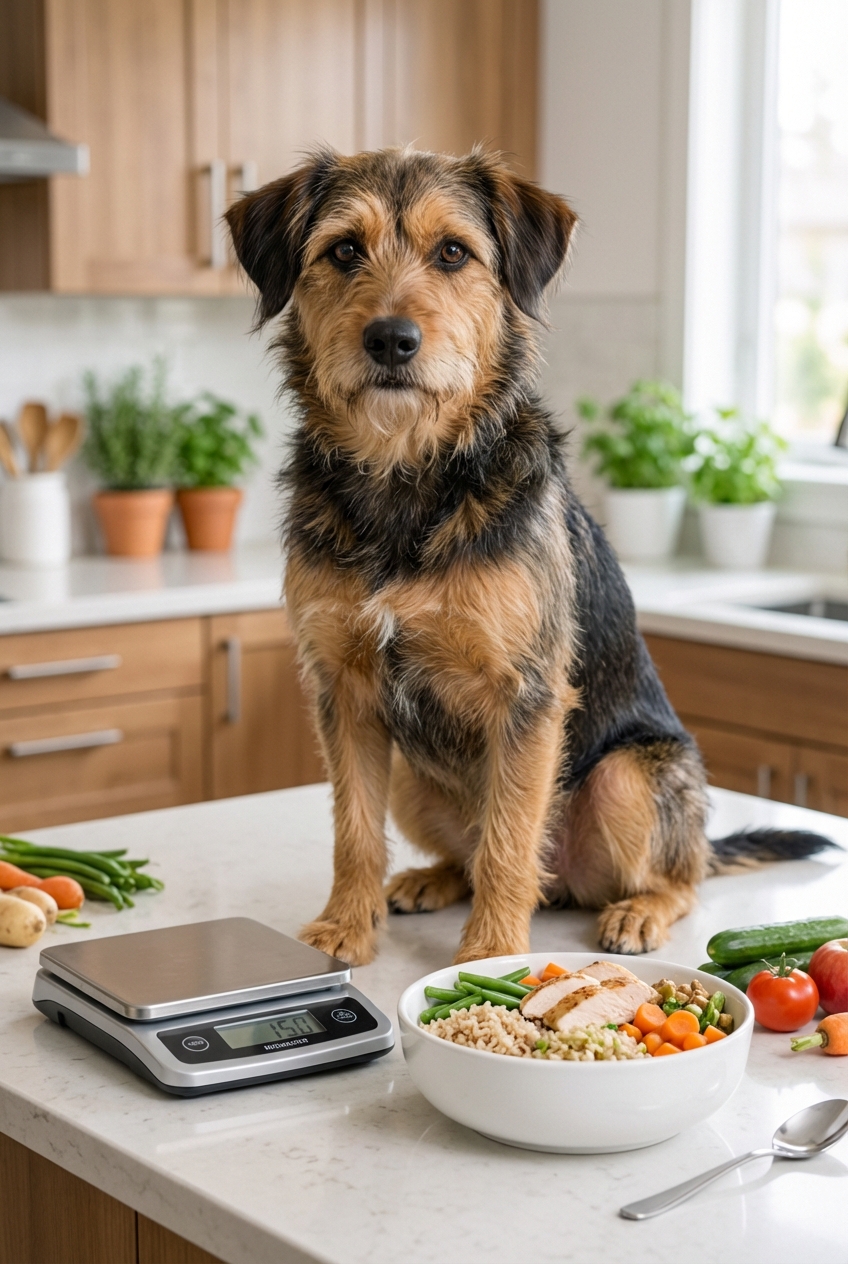
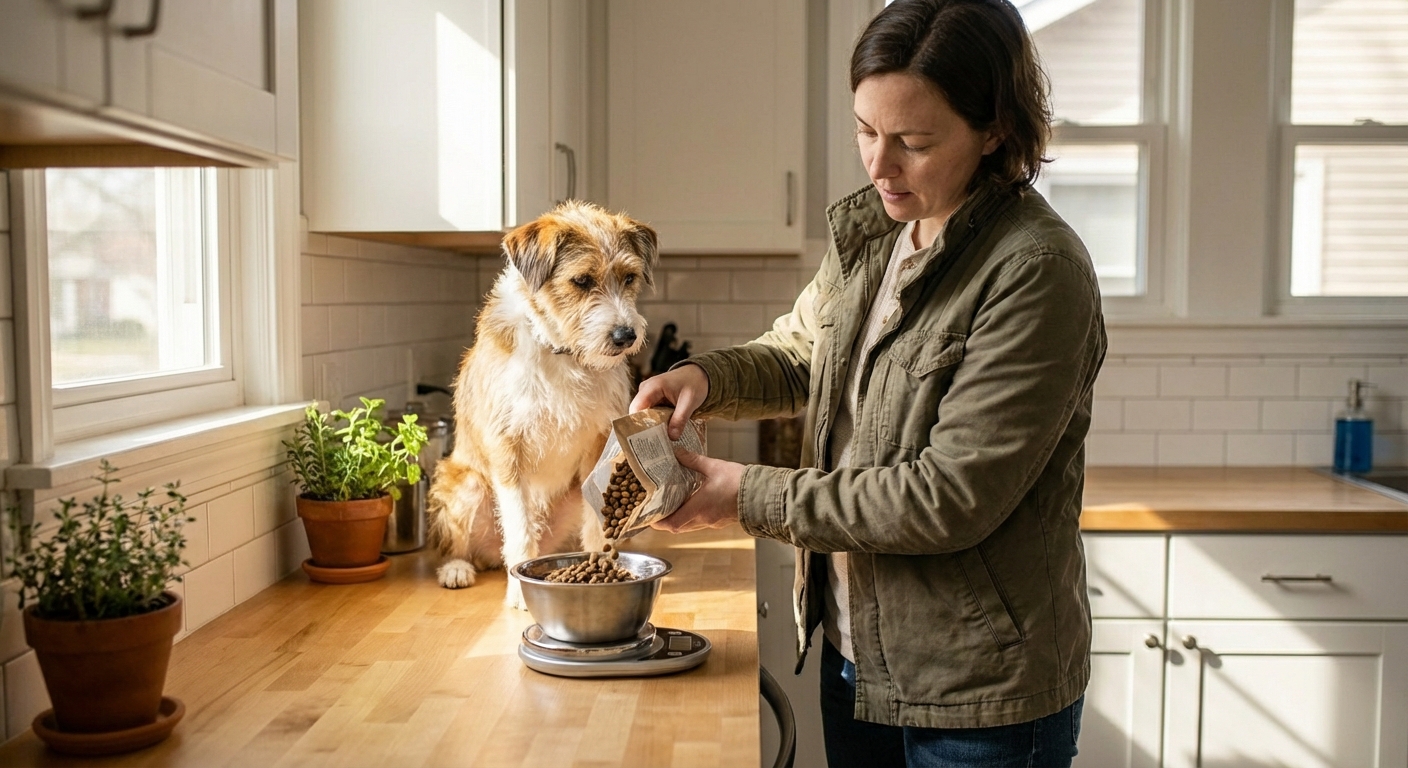
Use a kitchen gram scale when possible and weigh food in grams. Measuring cups can be inconsistent, especially with kibble size and settling. If a scale feels like too much, start with a level measuring cup and commit to consistency.
Step 3: Set a calorie goal
Measurement works best when you have a target. Ask your vet for a daily calorie goal (or a daily grams or cups goal based on your food). Feeding-guide labels on bags can overestimate needs for many dogs, so a vet-set target is often more realistic.
Step 4: Choose a food approach
You have a few evidence-based options, and the best choice is the one you can do consistently.
- Veterinary weight-management diet: These are designed to control calories while supporting nutrient needs and satiety.
- Portion control of the current complete diet: Works well for mild weight gain, but you must measure carefully and avoid treat creep.
- Balanced homemade plan: This can be wonderful, but it needs to be nutritionally complete. If you go homemade, work with your veterinarian or a board-certified veterinary nutritionist to avoid deficiencies, especially calcium, essential fatty acids, and key vitamins.
If you are switching foods, transition slowly over 7 to 10 days to protect your dog’s stomach.
Step 5: Treats count (but you do not have to eliminate them)
A common reason weight-loss plans stall is that treats are not tracked. A great rule is: treats should be 10% or less of daily calories.
Practical swaps that often work well:
- Use part of your dog’s measured kibble as training treats.
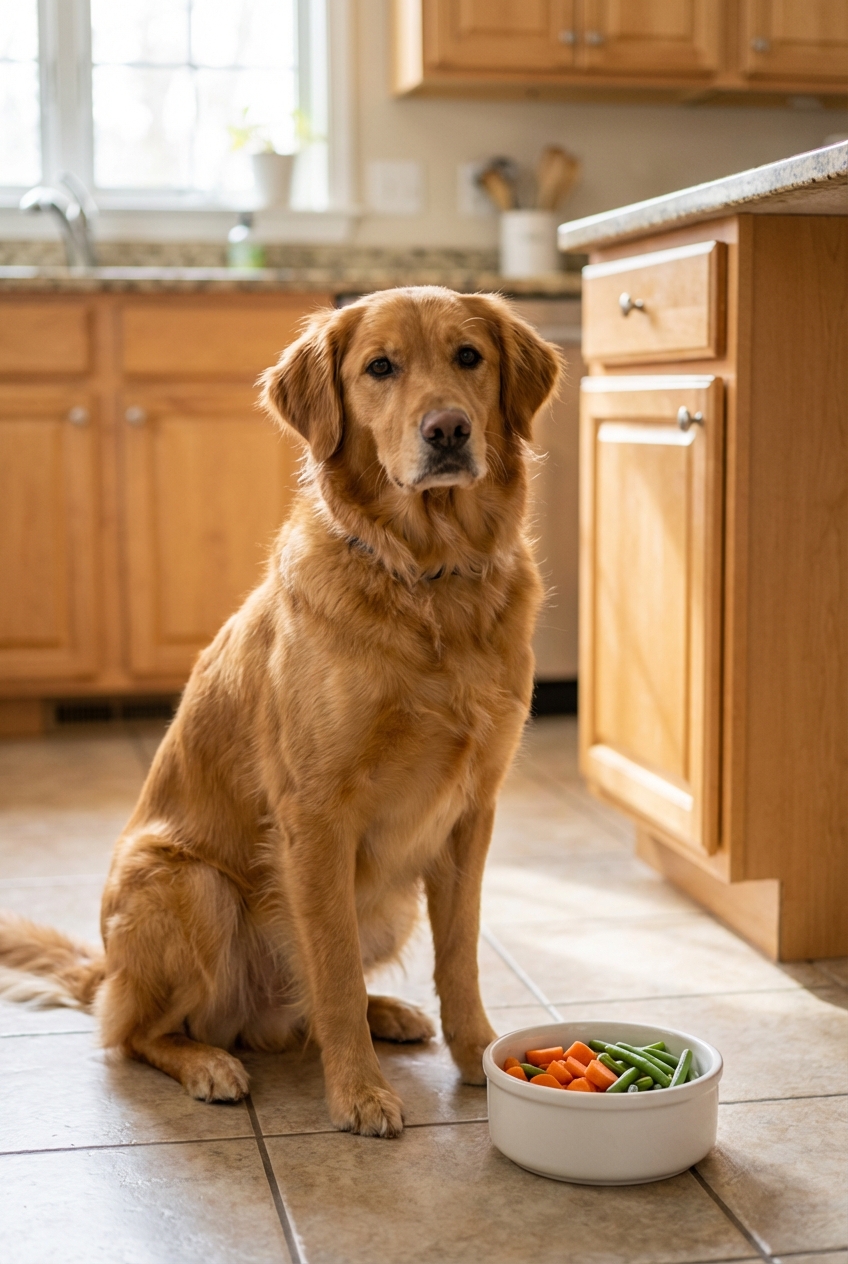
- Try low-calorie options like green beans or carrot coins for many dogs.
- Choose single-ingredient freeze-dried treats and break them into tiny pieces.
- Replace constant treat-giving with attention rewards like praise, a quick game, or a sniff break on walks.
Step 6: Add safe movement
Exercise is important, but nutrition is the main driver of fat loss. Think of movement as a way to preserve muscle, improve mobility, and boost mood.
- Start with short walks 2 to 3 times daily if possible.
- Increase duration slowly each week.
- Use sniff walks for mental enrichment. Sniffing can help many dogs feel calmer, and it often makes walks feel easier for dogs who are out of shape.
- If your dog has joint pain, ask about underwater treadmill or swimming options, and consider a pain management plan.
Step 7: Handle hunger (so you can stay consistent)
Hunger is one of the biggest reasons families give up. A few strategies that help many dogs:
- Split meals into 2 to 3 smaller meals a day.
- Use food puzzles or slow feeders with measured kibble to stretch mealtime.
- Ask your vet about higher-fiber weight diets if your dog seems truly uncomfortable between meals.
- Add low-calorie volume only if your veterinarian says it is appropriate for your dog (some dogs do well with certain veggies, others do not).
Step 8: Track and adjust
Weigh weekly and adjust food only when needed. If your dog is not losing after 2 to 3 weeks of consistent measuring, you may need a controlled calorie reduction or a diet change. If your dog is losing too quickly or seems weak, talk to your veterinarian about increasing calories slightly to protect lean muscle.
My favorite tip from the clinic world: treat weight loss like a science experiment. Change one thing, track it for two weeks, then adjust. This keeps you from guessing and getting discouraged.
Hidden calories checklist
These are the sneaky ones I see most often with clients and foster dogs:
- Dental chews and bully sticks
- Peanut butter in toys
- Cheese “pill pockets” used daily
- Multiple family members giving treats
- Free-feeding (food left out all day)
- High-calorie toppers and gravies
If your dog needs medication, ask your vet about low-calorie pill options, or use a small piece of measured food as the “wrapper.”
Call your vet first
Get guidance before starting a weight plan if your dog:
- Is a puppy, pregnant, or nursing
- Has diabetes, heart disease, kidney disease, or a history of pancreatitis
- Has significant arthritis or limps on walks
- Gains weight rapidly without diet changes
- Seems constantly hungry, drinks excessively, or pants a lot at rest
Weight loss should never come at the expense of nutrition, comfort, or safety.
2-week starter plan
If you want a simple way to begin today, here is a realistic starter approach:
Days 1 to 3
- Measure the current food exactly.
- Stop all unmeasured treats.
- Add one short walk daily.
Days 4 to 7
- Choose a daily treat budget (or swap to measured kibble).
- Add a second short walk or a play session.
Days 8 to 14
- Weigh your dog once (same scale, similar time of day).
- If no change, talk with your vet about a calorie target or a weight-management diet.
- Keep consistency, and celebrate small wins like better stamina and easier movement.
Progress with dog weight loss is rarely perfectly linear. What matters is the overall trend over time.
Encouragement from a veterinary assistant
In clinic, I see so many loving owners who want to do right by their dogs, and weight is one of the most fixable health issues when we approach it without shame. Your dog does not need perfection. They need consistency, measured meals, smarter treats, and a plan you can sustain.
If you would like, bring your dog in for a weigh-in, ask for a Body Condition Score, and build your plan from there. You are doing a caring thing, and your dog will feel the difference.