If your cat is straining, passing hard stools, or not pooping, follow these safe at-home steps, learn urgent red flags (including urinary blockage), and what...
Article
•
Designer Mixes
How to Help a Constipated Cat Poop

Shari Shidate
Designer Mixes contributor
When a cat is constipated, it can feel scary and urgent, especially if you see them straining in the litter box and nothing is happening. As a veterinary assistant, I want you to know two things: constipation is common, and you can often help at home safely. But there are also clear red flags where you should stop home care and call your vet right away.
First: constipation or emergency?
Constipation means your cat is having difficulty passing stool, passing small hard stools, or not passing stool for longer than normal. Many cats poop daily, but it can vary a lot by diet (wet vs. dry), routine, and the individual cat. What matters most is a sudden change plus signs of discomfort.
Poop straining vs. pee straining
This is the most important safety note because urinary blockage can look like constipation and can be life-threatening, especially in male cats.
- More likely poop straining: a normal-sized pee happens, then you see crouching and pushing with little or no stool, hard dry pellets, or a small smear of stool.
- More likely pee straining (urgent): frequent trips to the box, little to no urine produced, crying while trying to pee, licking the genitals, accidents outside the box, or a very restless cat that cannot get comfortable.
- If you are not sure: treat it like a urinary emergency and seek care now.
Call your vet urgently today if you notice any of these
- Repeated straining with little to no stool produced
- Crying in the litter box, collapsing, or extreme lethargy
- Vomiting (especially more than once)
- Swollen, painful belly or your cat will not let you touch their abdomen
- No poop for about 48 hours with any discomfort, reduced appetite, vomiting, or repeated straining (sooner for kittens, seniors, or cats with ongoing health issues)
- Blood in stool, black tarry stool, or pale gums
- Suspected string, ribbon, hair tie, bone, or foreign object ingestion
- You see straining but your cat is producing only a few drops of urine or none at all (possible urinary blockage, emergency)
Important: The “48-hour” guideline is a triage rule, not a stopwatch. Some cats can go longer without obvious distress, while others need help sooner. If your cat seems painful, unwell, or is straining repeatedly, do not wait.
Common causes
Constipation is often about a stool that gets too dry or a colon that is not moving things along well. Some common triggers include:
- Dehydration (not drinking enough, mostly dry food, hot weather)
- Pain or mobility issues (arthritis, injury, post-surgery discomfort)
- Stress and litter box aversion (changes at home, dirty box, box in a noisy area)
- Hair and grooming (hair ingestion can contribute)
- Obesity or low activity
- Medications (especially opioids and some sedatives)
- Underlying disease (kidney disease, hyperthyroidism, diabetes, neurologic issues)
- Past pelvic injury or structural narrowing
- Chronic constipation or megacolon (the colon becomes stretched and weak over time)
If constipation is recurring or getting harder to manage, that is a sign to involve your veterinarian and talk about long-term prevention.
Safe home steps
The goal is to gently increase hydration, soften stool, and reduce stress. Avoid forcing anything that could cause pain or injury.
1) Boost water intake
- Switch to wet food for at least a few days. Even half wet and half dry can help.
- Add water or low-sodium broth (onion and garlic free) to wet food to make a “stew.” Avoid products sweetened with xylitol and skip overly salty broths.
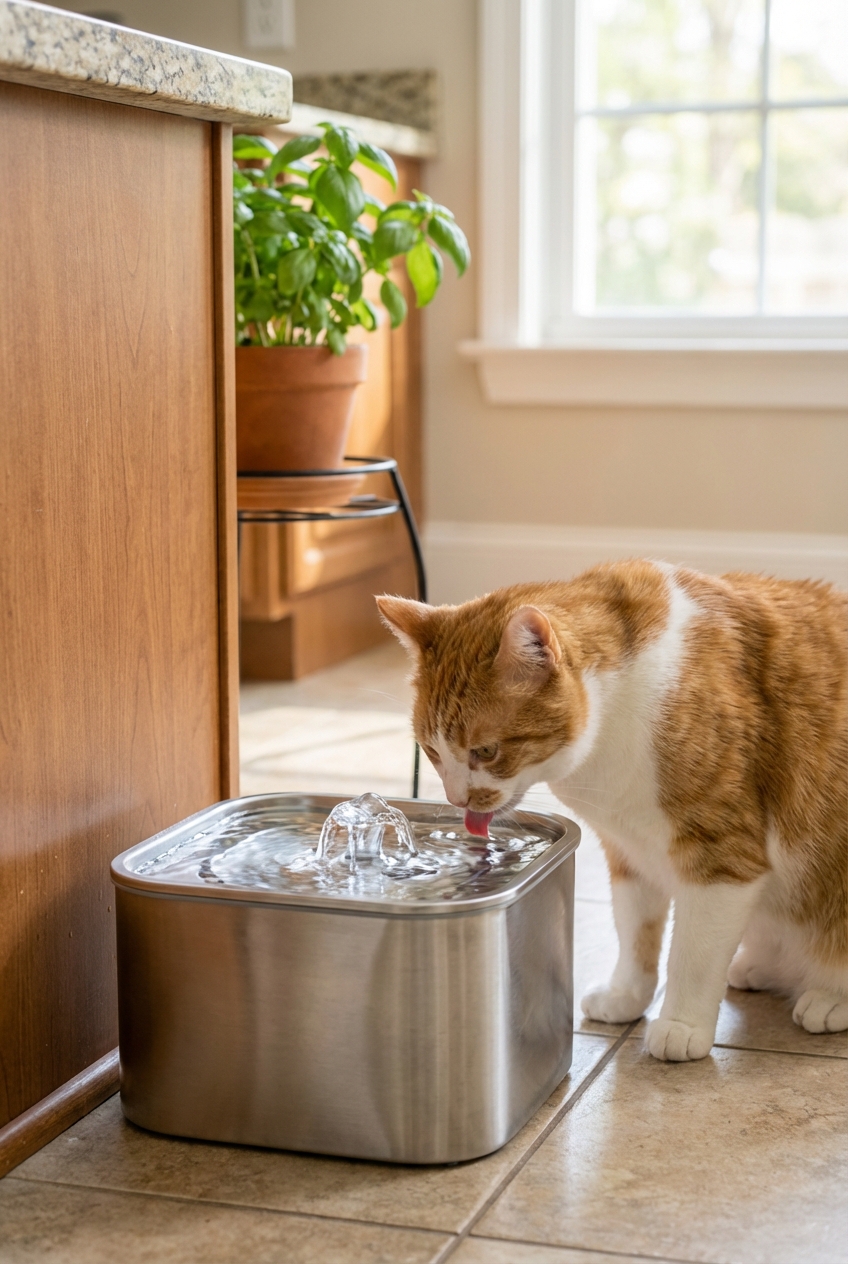
- Try a cat water fountain. Many cats drink more from moving water.
- Set up extra water stations in quiet spots away from the litter box.
2) Feed a constipation-friendly meal
Diet is a huge lever for constipation. Many cats do well with higher moisture and the right fiber level, but fiber is not one-size-fits-all. Too much fiber, or the wrong type of fiber, can worsen constipation in some cats, especially if they are dehydrated or have motility issues.
- If your cat is otherwise stable: offer wet food and consider a veterinarian-recommended GI or hairball diet.
- Pumpkin: Plain canned pumpkin (not pie filling) can help some cats. Start low (for many adult cats, about 1 teaspoon once daily mixed into food). If stools get loose or your cat is not interested, stop. If you think pumpkin helps, talk with your vet about whether to slowly adjust the amount based on size and response.
- Hairball control: If your cat is a heavy groomer, talk with your vet about hairball management. Hair can contribute to constipation.
If your cat has kidney disease, heart disease, diabetes, food allergies, or a history of megacolon, check with your veterinarian before adding new foods, fiber, or supplements. These cats should also be triaged sooner if constipation starts.
3) Encourage movement
Gentle activity can help stimulate gut motility. Keep it low pressure and positive.
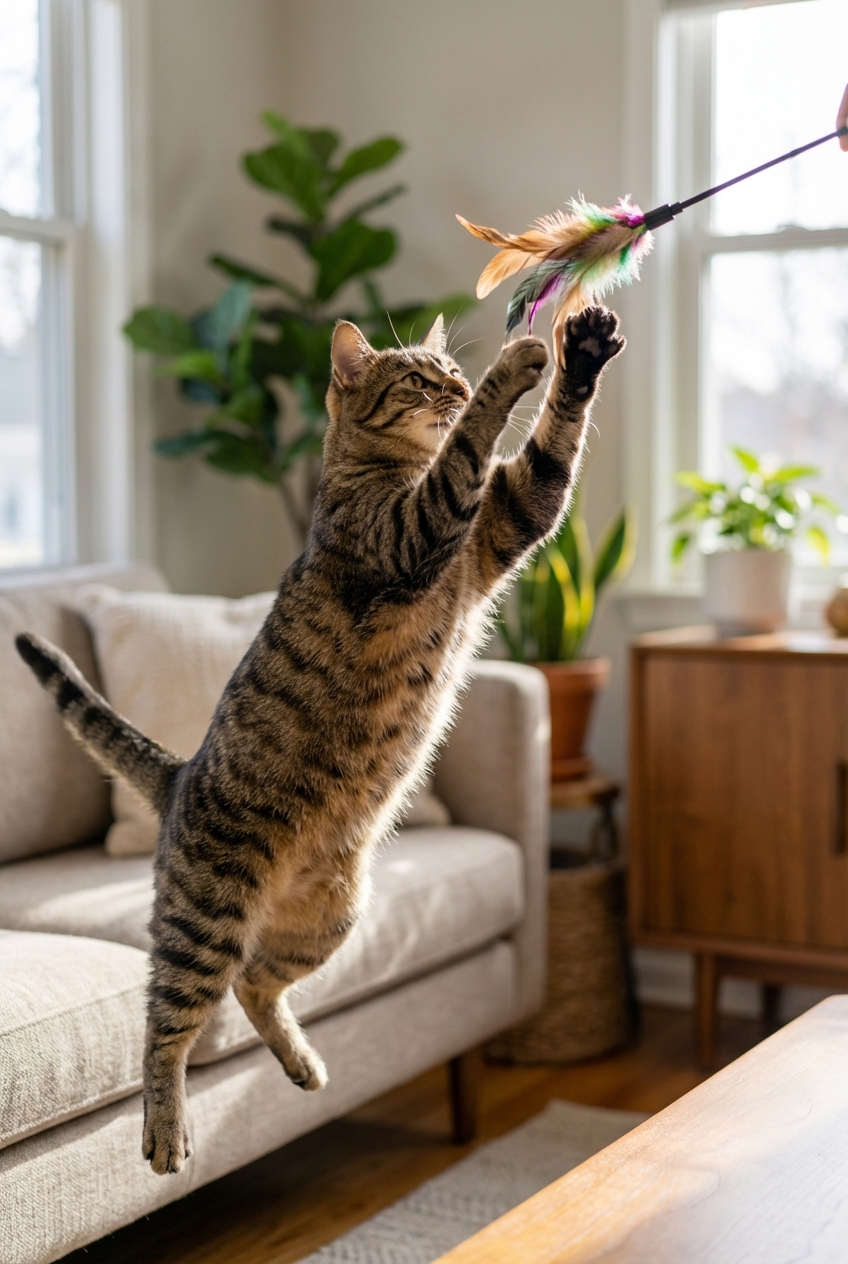
- Do 2 to 3 short play sessions daily with a wand toy
- Use food puzzles or hide small portions of wet food in safe, easy-to-find spots
- Encourage climbing and stretching with a cat tree
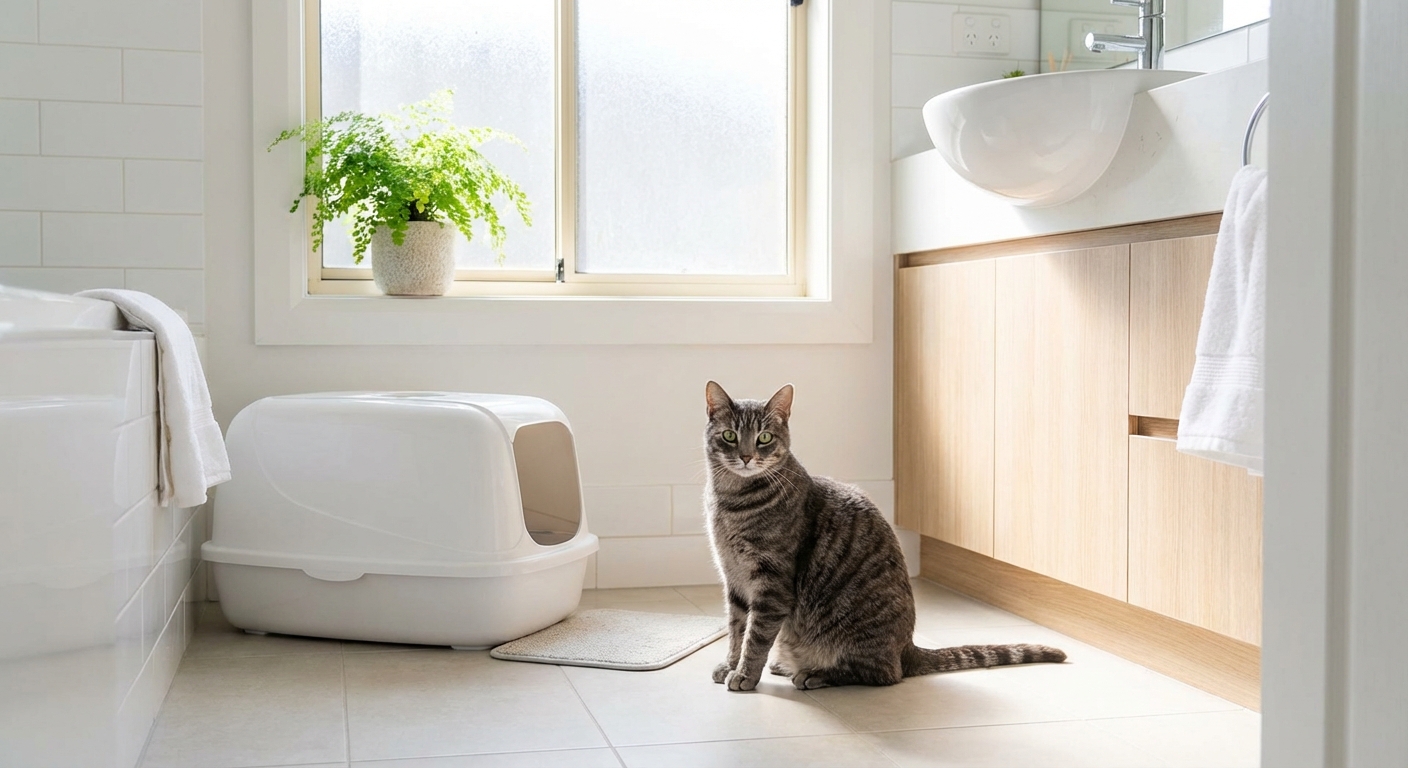
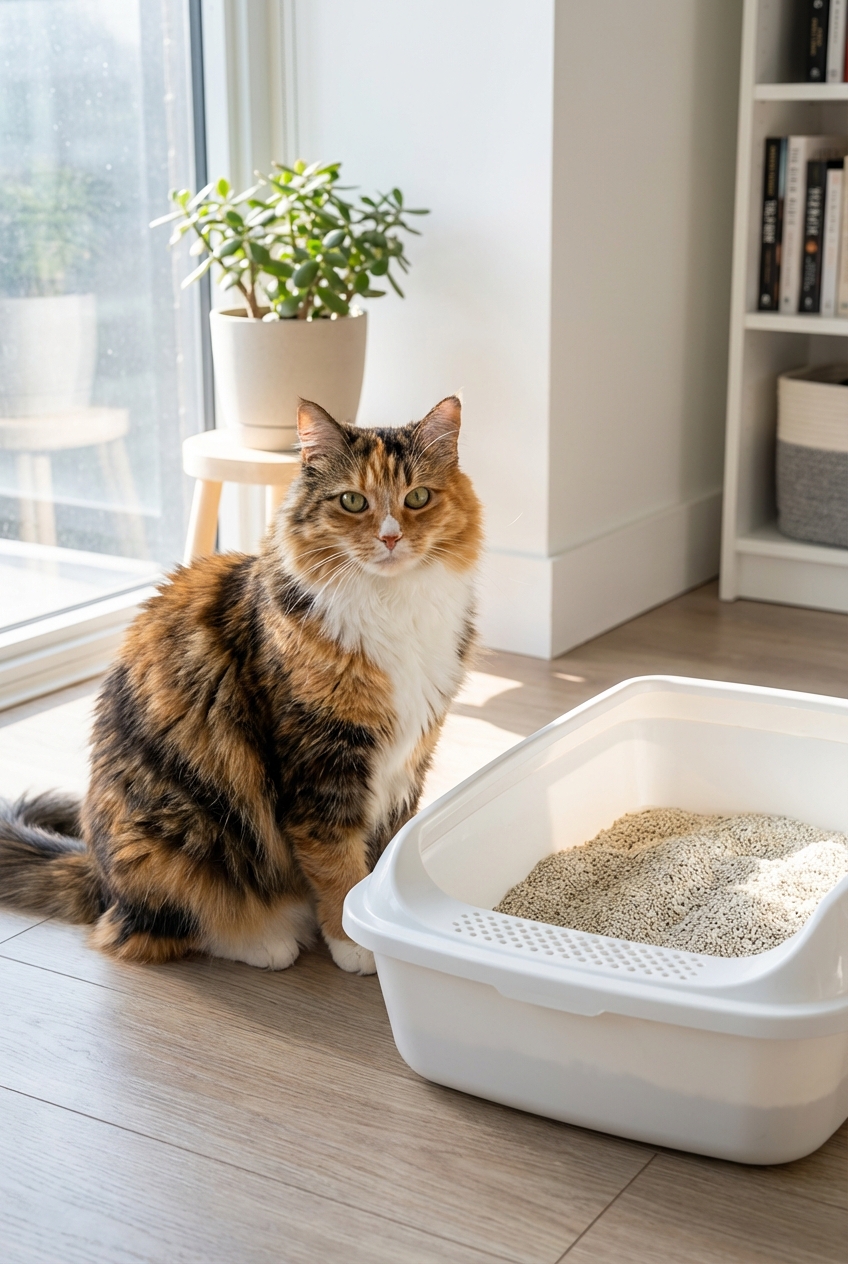
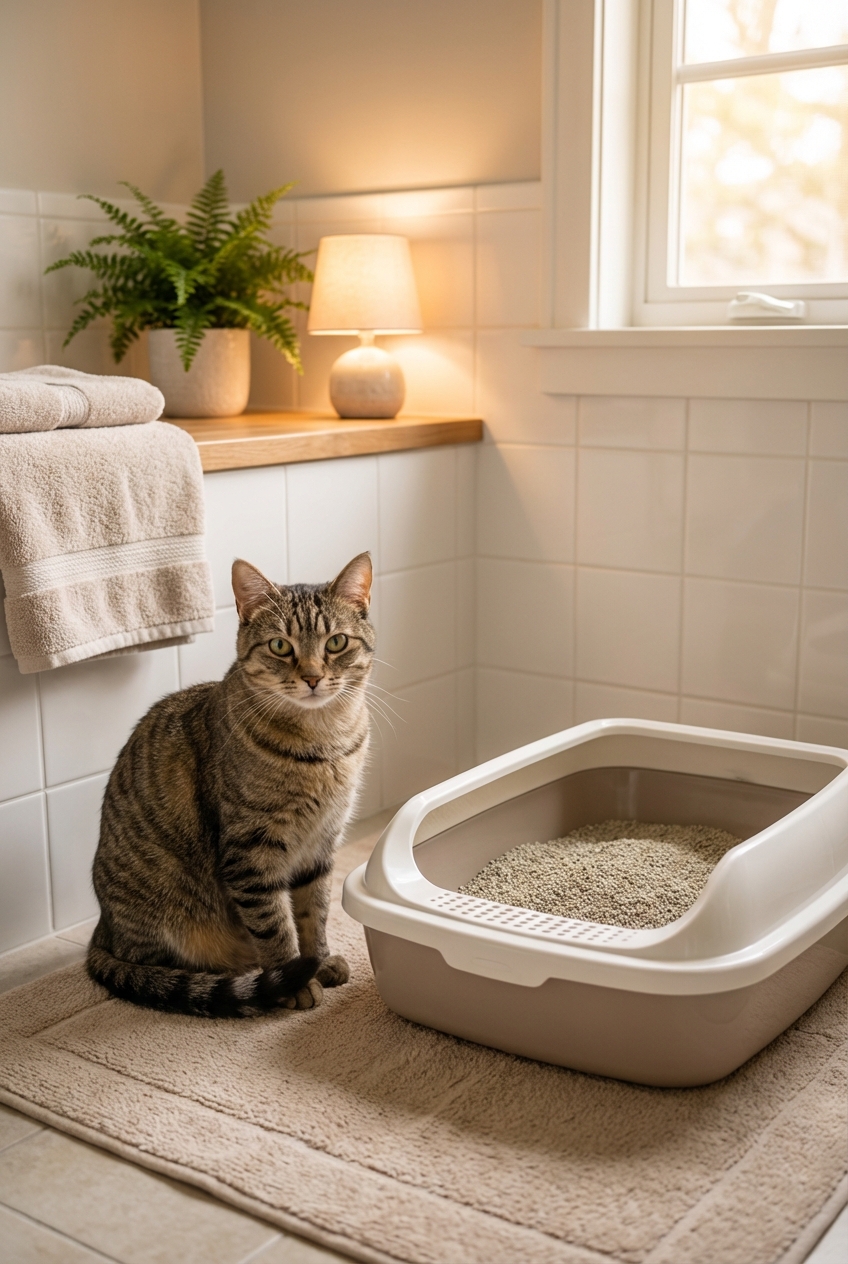
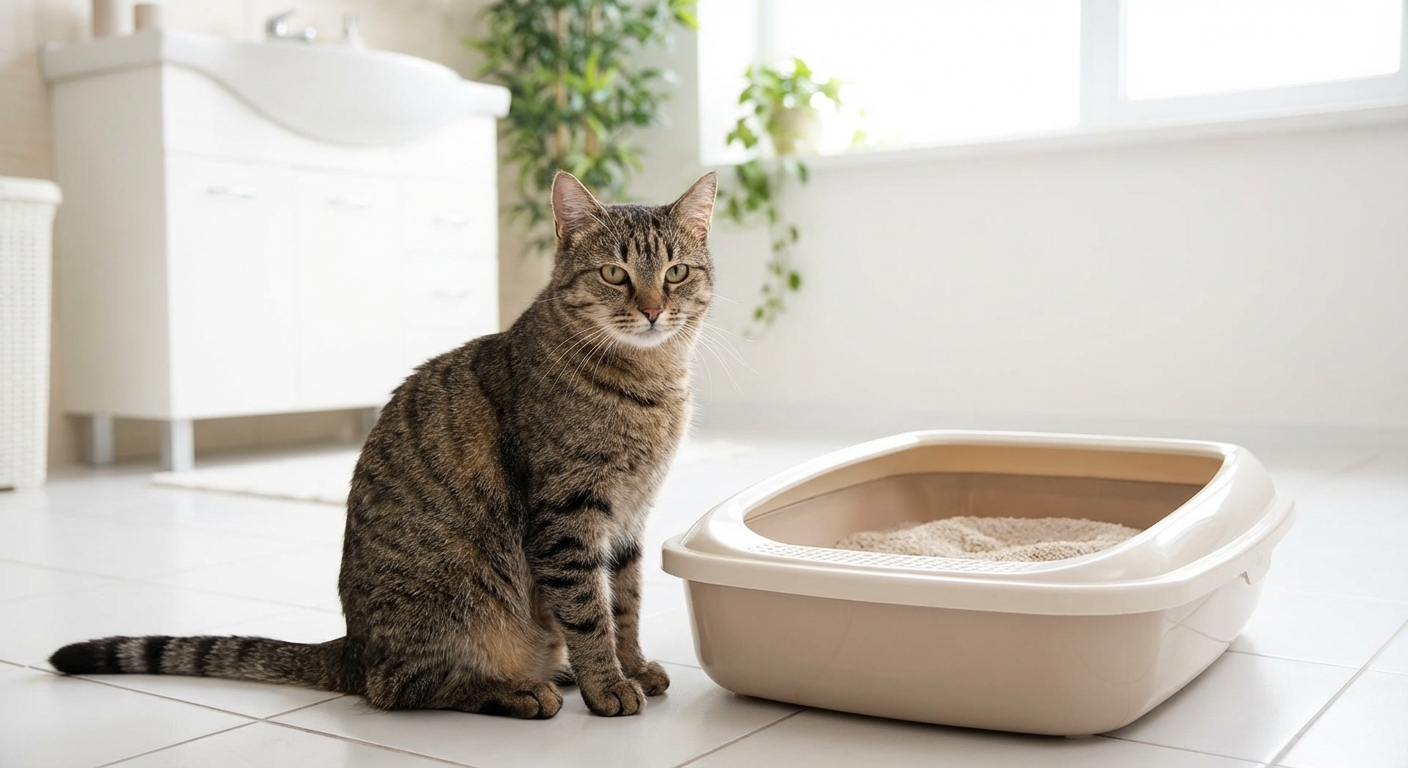
4) Make the litter box easier
Constipation and litter box stress can feed into each other. If the box is uncomfortable, some cats will hold it, and holding stool makes it drier and harder to pass.
- Box rule: provide one litter box per cat, plus one extra.
- Location: quiet, easy access, not next to loud appliances.
- Cleanliness: scoop daily, deep clean weekly.
- Litter choice: many cats prefer unscented, fine-grain clumping litter.
- Box style: seniors often need low-entry boxes. Some cats dislike covered boxes.
If your cat had a painful poop recently, they may start avoiding the box. Keep the setup inviting and predictable, and do not punish accidents. Punishment increases stress and makes litter issues worse.
What not to do
These are common mistakes I see that can delay real treatment.
- Do not give human laxatives unless your veterinarian explicitly instructs you. Many are unsafe for cats.
- Do not give enemas at home. Some enemas (especially sodium phosphate) can be life-threatening in cats.
- Do not force-feed oils like mineral oil or olive oil. Aspiration is a real risk, and oils can cause GI upset.
- Do not ignore repeat constipation. Chronic constipation can progress to megacolon, which is much harder to manage.
Vet options
If home steps are not working quickly, your vet may recommend treatments based on your cat’s exam, hydration status, and history.
Tests your vet may do
- Physical exam and abdominal palpation to assess stool burden, pain, dehydration
- Rectal exam in some cases (especially if an obstruction is suspected)
- X-rays to check stool load, obstruction, pelvic narrowing, or megacolon
- Bloodwork and urinalysis to look for dehydration, kidney issues, electrolyte concerns, or other underlying causes
Treatments you might hear about
- Cat-safe stool softeners and laxatives (product and dose matter)
- Prescription options such as polyethylene glycol 3350 or lactulose are commonly used, but the dose must come from your vet
- Subcutaneous fluids if dehydration is contributing
- Prescription GI diets with targeted fiber
- Hairball management plans if hair is a frequent trigger
- Enema and manual deobstipation performed safely by veterinary staff if severely impacted
If your cat is straining, painful, vomiting, or seems “off,” it is often kinder and safer to get veterinary help sooner rather than later.
Prevention plan
Once your cat is feeling better, prevention is where you can really win.
- Make wet food a daily habit (even one meal a day helps)
- Keep water fresh, accessible, and appealing
- Maintain a healthy weight with vet guidance
- Brush regularly, especially long-haired cats
- Keep litter boxes clean and easy to access
- Schedule routine wellness exams, especially for seniors
Most constipation cases improve with moisture, the right diet, and a low-stress litter routine. The key is acting early and knowing when to involve your veterinarian.
Quick checklist
- Straining with no stool or only tiny hard pellets
- Vomiting, lethargy, or refusing food
- Bloated or painful abdomen
- No stool for about 48 hours with any signs of discomfort
- Any concern it might be urinary straining
If you are ever unsure, call your vet or an emergency clinic. A quick phone triage can save your cat a lot of discomfort.