A practical guide to helping a constipated cat at home: hydration tips, plain pumpkin, vet-guided Miralax (PEG 3350), fiber, hairball support, red flags, and...
Article
•
Designer Mixes
How to Help a Constipated Cat

Shari Shidate
Designer Mixes contributor
When a cat is constipated, it can look like they’re “trying” in the litter box with little or no stool to show for it. As a veterinary assistant here in Frisco, Texas, I have seen how quickly constipation can turn from uncomfortable to serious. The good news is that many mild cases improve with smart, gentle support at home, plus a clear plan for when to call your vet.
This guide covers what constipation looks like, what can cause it, safe steps you can try today, and red flags that mean you should not wait.
What constipation looks like in cats
Constipation means your cat is passing stool less often than normal or is having difficulty passing stool. Many cats will still eat and act mostly normal at first, which can make this easy to miss.
Common signs
- Frequent trips to the litter box with little output
- Straining or crying in the litter box
- Small, very dry, hard stools
- Pooping outside the box (sometimes from discomfort)
- Reduced appetite, hiding, or irritability
- Vomiting (can happen when constipation is more severe)
Important: Straining can also happen with urinary blockage, which is an emergency, especially in male cats. If your cat is straining and producing little or no urine, treat it as urgent.
Constipation vs urinary blockage
These two problems can look similar at first, and urinary blockage is time-sensitive. If you are not sure which one you are seeing, it is safest to call your vet or an emergency clinic.
More common with constipation
- Passing small, dry stools, or no stool
- Straining to poop, but still urinating normal amounts
- Stool may be seen in or near the box
More common with urinary blockage (emergency)
- Frequent box trips with few drops or no urine
- Crying out, restlessness, or hiding
- Licking the genitals more than usual
- A firm or painful belly
- Vomiting or sudden collapse in more advanced cases
If you suspect urinary blockage, do not try home remedies. Go in urgently.
When constipation is an emergency
Please contact a veterinarian urgently if you notice any of the following:
- No stool for 48 to 72 hours, especially if there is straining, vomiting, poor appetite, discomfort, or your cat has a history of constipation
- Repeated vomiting, lethargy, or refusing food
- A painful, bloated belly or your cat cries when picked up
- Straining with no stool and also no urine (possible urinary obstruction)
- Blood in stool, black tarry stool, or sudden severe diarrhea after straining
- Known history of megacolon or repeated constipation episodes
Severe constipation can progress to obstipation, dehydration, and complications that may require enemas, IV fluids, or manual removal under sedation.
Also urgent: Vomiting plus no stool can be a sign of more than constipation, including an intestinal blockage (for example, a foreign body). This is another situation where waiting it out can be risky.
Why cats get constipated
Constipation is usually not “just random.” It often comes down to hydration, pain, diet, grooming habits, or a medical issue that slows the colon.
Common causes
- Dehydration: Very common overall, and can be more likely in cats who get most of their calories from dry food, drink little water by preference, or have conditions that increase fluid loss (like kidney disease or diabetes)
- Hair ingestion: Long-haired cats and heavy groomers can develop stool that is harder to pass
- Low activity or obesity: Movement helps the gut move
- Pain: Arthritis, back pain, or pelvic injury can make posturing to poop difficult
- Litter box problems: Dirty boxes, stressful locations, or disliked litter can cause a cat to hold it
- Diet changes or low fiber: Some cats need more moisture or targeted fiber support
- Underlying disease: Kidney disease, diabetes (via dehydration), intestinal inflammation, narrowing or masses, nerve issues, or megacolon. Some hormonal disorders seen in older cats may contribute indirectly, but they are less common as a primary cause of constipation.
Safe steps at home for mild constipation
These tips are designed for a cat who is bright, alert, still eating at least some, and not vomiting repeatedly. If your cat seems miserable or worse than mildly uncomfortable, skip home care and call your vet.
Before you start
Do not try fiber or laxatives at home if your cat has repeated vomiting, marked lethargy, a very painful belly, possible urinary blockage, or you suspect an intestinal blockage. In those cases, call your vet first.
1) Boost hydration in simple ways
- Switch to or add wet food for a few days. Moisture is one of the best constipation helpers.
- Add a tablespoon or two of warm water to wet food to make a gravy.
- Try a cat water fountain. Many cats drink more with running water.
- Place multiple water bowls around the home, away from the litter box.
2) Add gentle fiber, the right way
Some constipated cats benefit from extra fiber, but not all. If the stool is extremely dry and the cat is dehydrated, fiber alone can sometimes make things bulkier without moving it. Hydration first, then consider fiber.
- Plain canned pumpkin (not pie filling): start with about 1/2 teaspoon mixed into food once daily. If tolerated, some cats can go up to 1 to 2 teaspoons per day total, split between meals. Stop and call your vet if diarrhea develops.
- Psyllium can help some cats, but too much can worsen constipation if your cat is not drinking enough. Ask your vet before starting so you get a safe plan.
3) Support hairball control
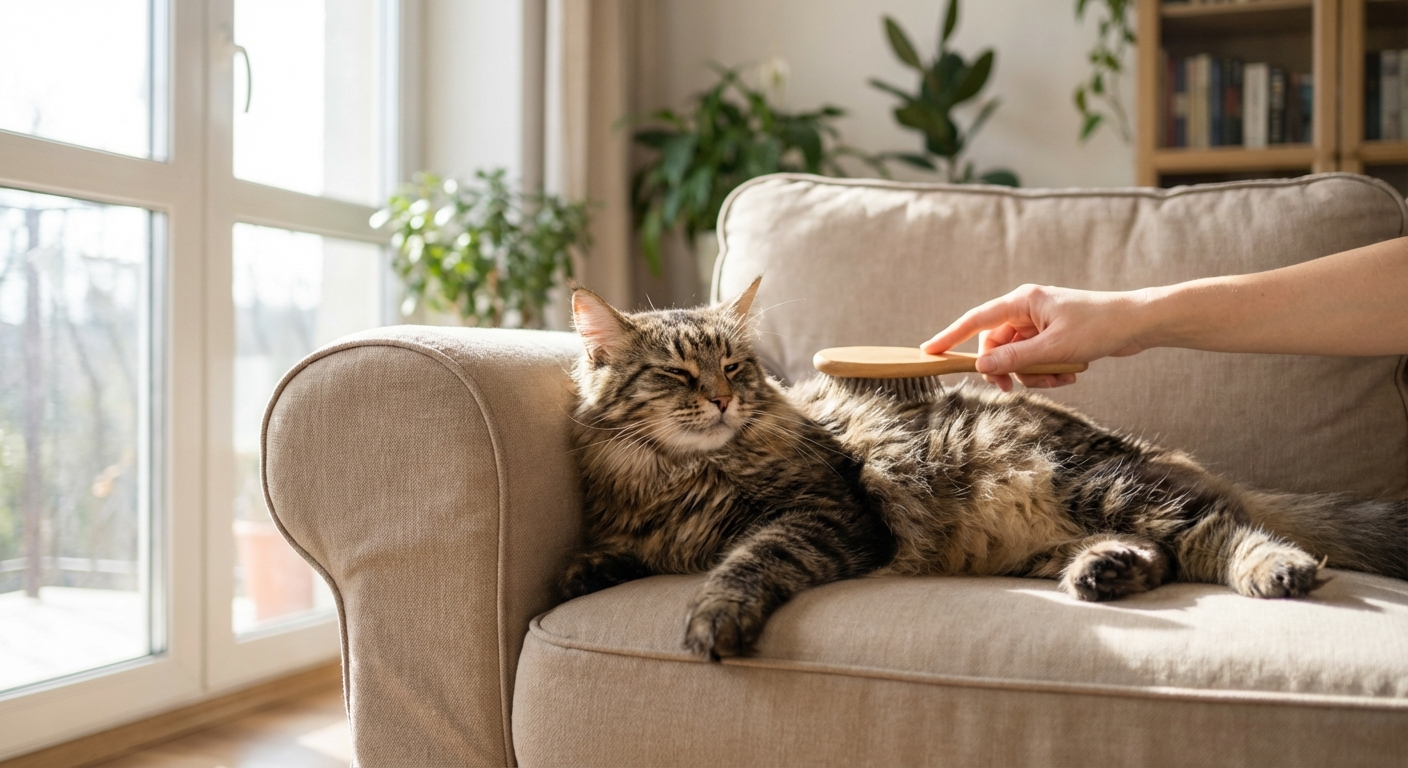
- Brush daily for long-haired cats or heavy shedders.
- Ask your vet about a hairball gel if your cat has frequent hairballs and constipation.
4) Encourage movement and routine
- Short play sessions 2 to 3 times a day can stimulate gut motility.
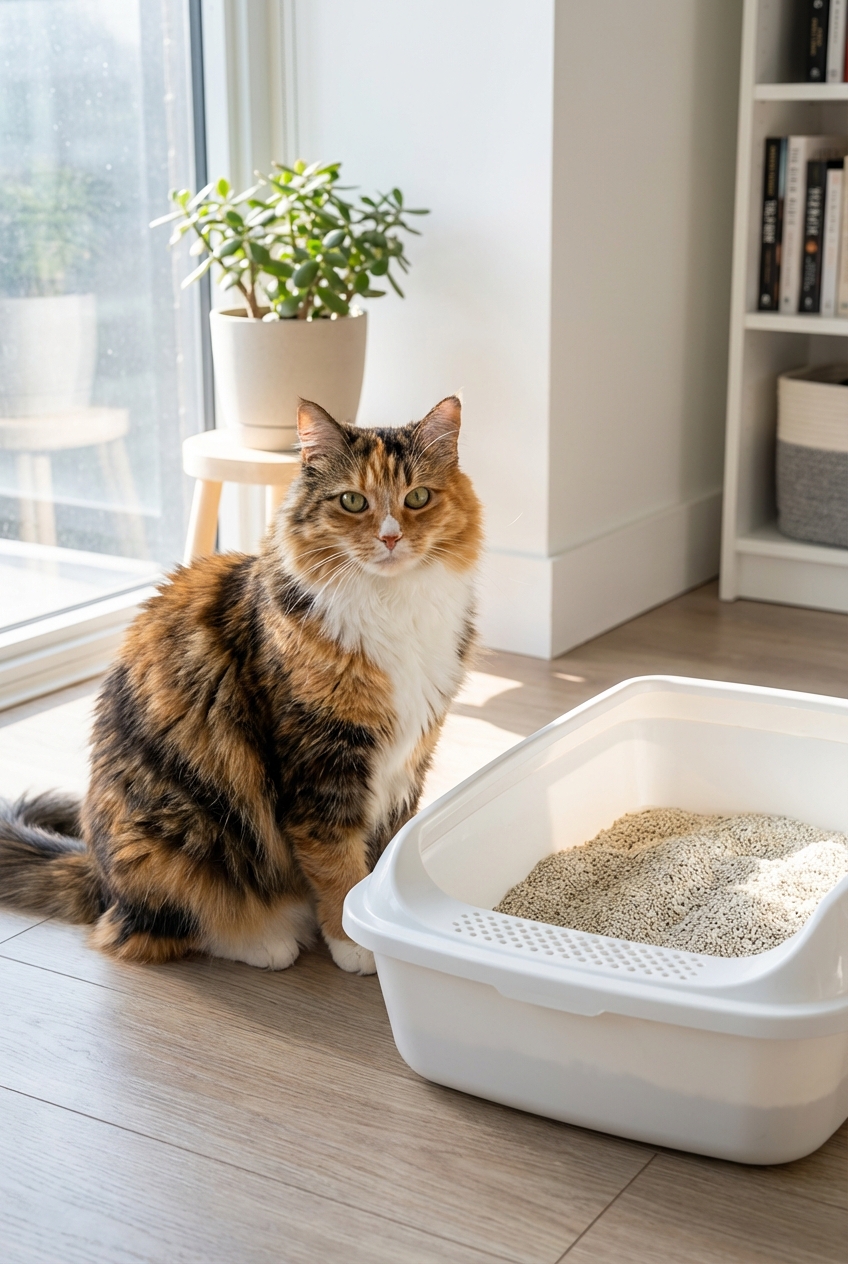
- Keep the litter box easy to access, especially for seniors. Low-entry boxes can make a real difference.
5) Optimize the litter box setup
- Scoop daily.
- Provide one box per cat, plus one extra.
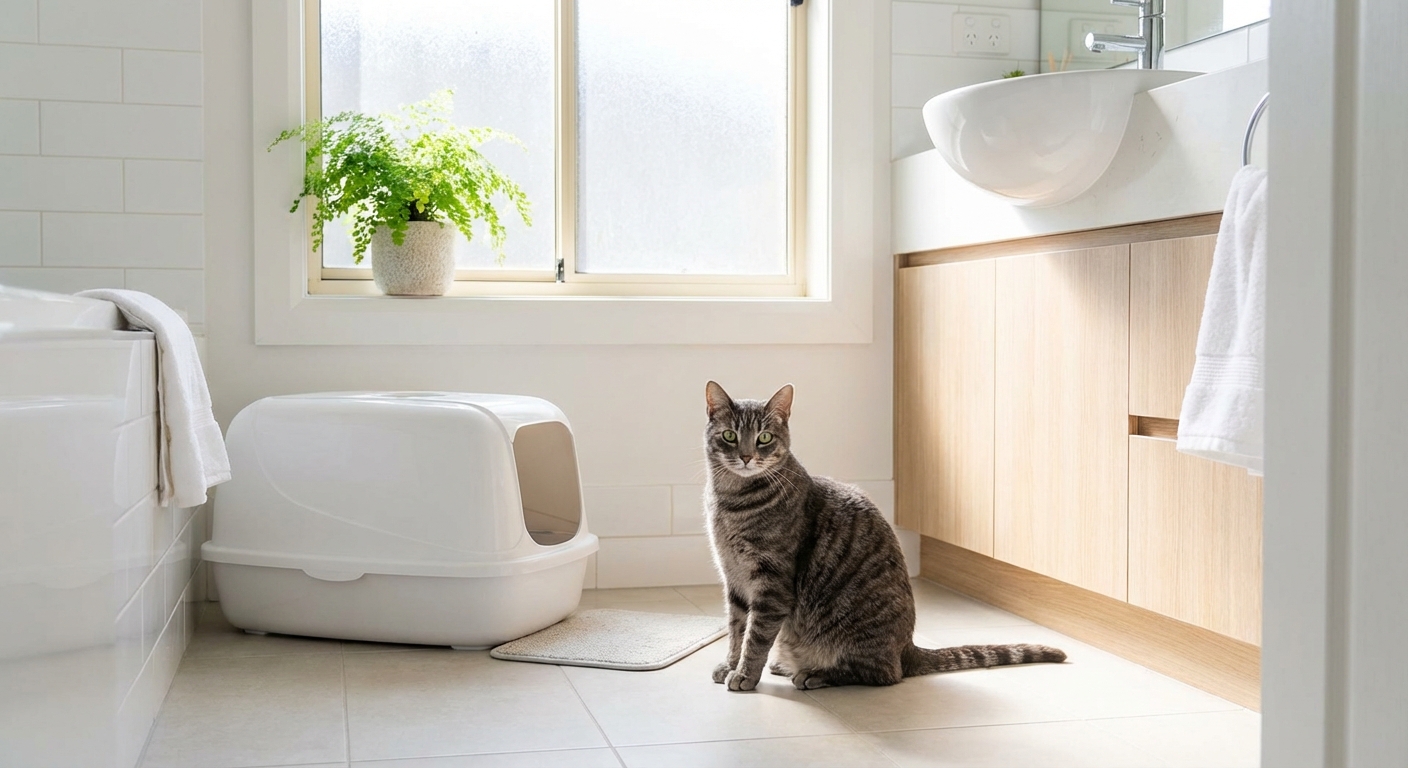
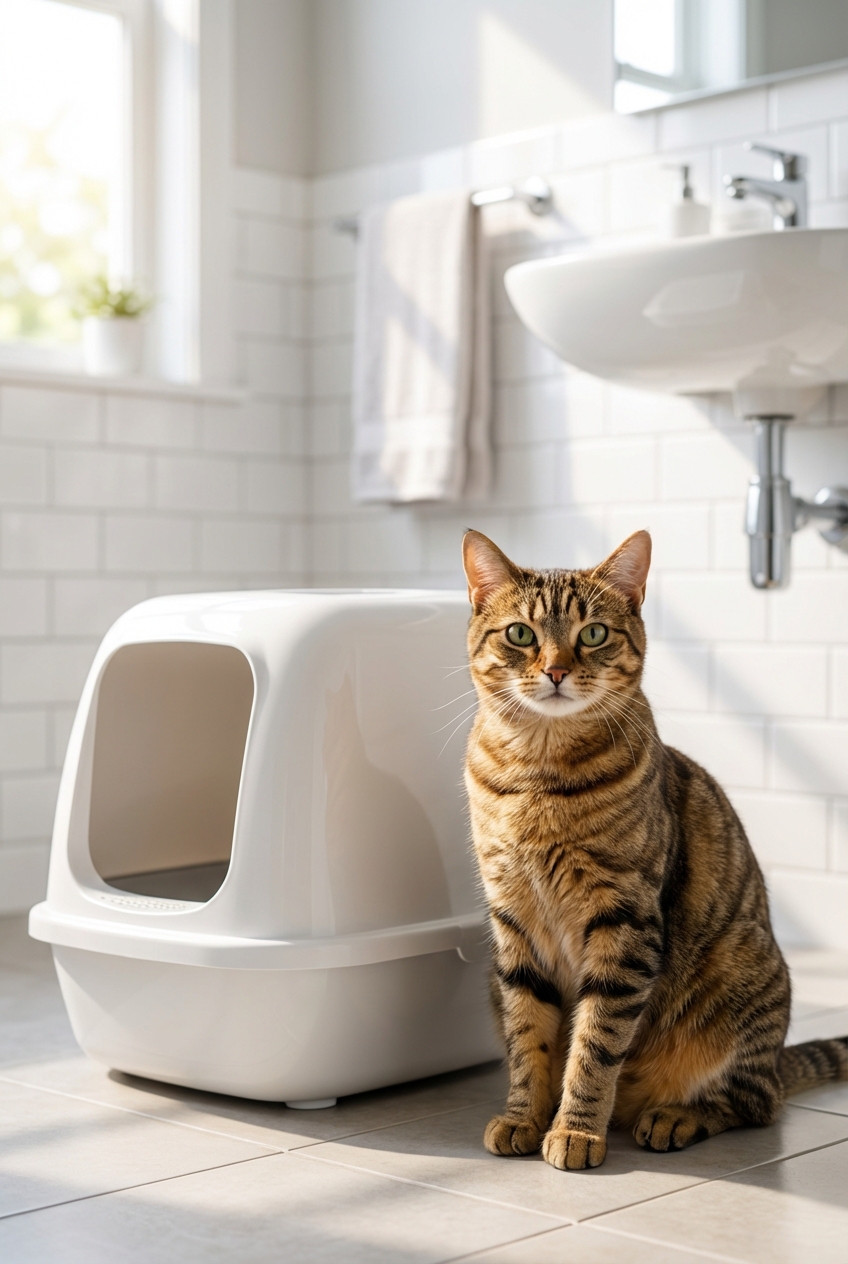
- Place boxes in quiet, low-traffic areas.
If your cat is constipated and older, assume pain may be part of the story. Arthritis can make the squat and posture to poop genuinely difficult, and that is something your vet can help with.
Please avoid: Human laxatives unless your vet specifically instructs you, mineral oil by mouth (aspiration risk), and any enema products made for people. Sodium phosphate enemas, in particular, can be toxic to cats. If an enema is needed, it should be done by a veterinary team with cat-safe products.
What your vet may recommend
If home steps are not working quickly, or if constipation keeps returning, your vet can tailor treatment to your cat’s cause and comfort level.
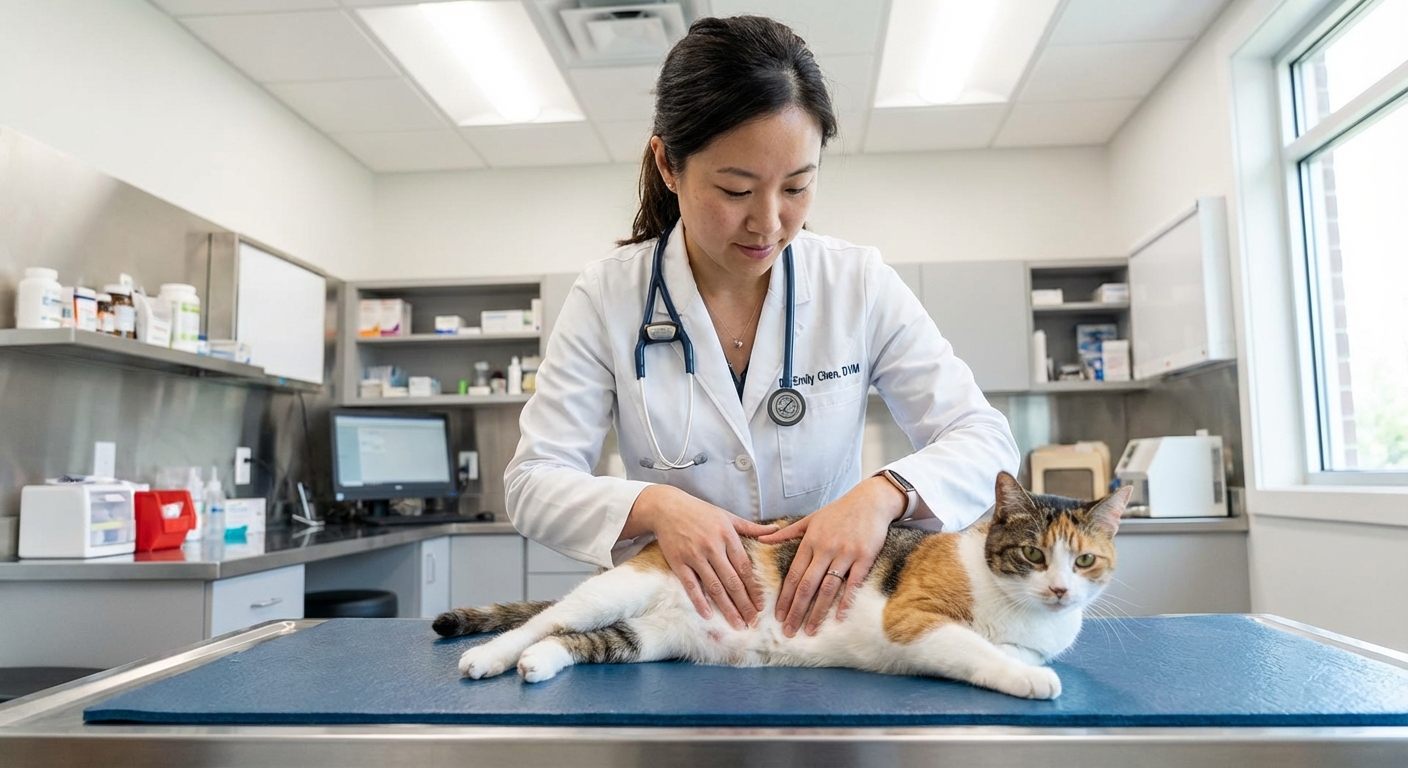
Common veterinary treatments
- Fluids (subcutaneous or IV) to correct dehydration
- Cat-safe laxatives such as polyethylene glycol, and sometimes lactulose, based on your cat’s needs
- Prescription motility medications in certain cases (for example, cisapride). These are prescription-only and require veterinary supervision.
- Enemas (cat-safe only) and or stool removal if severe
- X-rays to assess stool burden, pelvic narrowing, or obstruction
- Workup for underlying illness if constipation is recurrent
Prevention that works
Once your cat is feeling better, prevention is where you win. Most constipated cats do best with consistent hydration, a steady routine, and early action at the first signs of trouble.
- Prioritize moisture: wet food, added water, fountains
- Keep a simple stool log: frequency, hardness, straining, and any vomiting
- Regular grooming for long-haired cats
- Weight management and play to support healthy gut movement
- Senior-friendly litter boxes if mobility is an issue
- Ask about long-term plans if your cat has chronic constipation or megacolon risk
If you are ever unsure whether your cat is mildly constipated or heading into urgent territory, call your vet and describe exactly what you are seeing in the litter box. Those details truly matter.
Quick checklist
- Is your cat still eating, alert, and not vomiting repeatedly?
- Any urine output today? If no, treat as urgent.
- Try hydration plus wet food first, then gentle fiber if appropriate.
- Call the vet if there is no stool in 48 to 72 hours, or sooner if your cat seems painful, lethargic, is vomiting, or you suspect a blockage.